
What to Do If You Hit a Deer While Driving
If you hit a deer while driving, immediately check for injuries among passengers and yourself. Move your vehicle to a safe location and turn on hazard lights. Contact local authorities to report the incident, especially if the deer is blocking traffic. Be aware that deer collisions can cause damage averaging $4,000, so notify your insurance company as well. Prioritize safety first and follow up with the necessary reports.
Introduction
Hitting a deer while driving can be a shocking and distressing experience, often occurring suddenly and without warning. According to State Farm, the odds of hitting an animal are estimated to be about 1 in 139, with deer collisions being a significant contributor to these incidents. As deer are more active during late fall and early winter, the likelihood of encountering one on the road increases, making it essential for drivers to know what to do if you hit a deer.
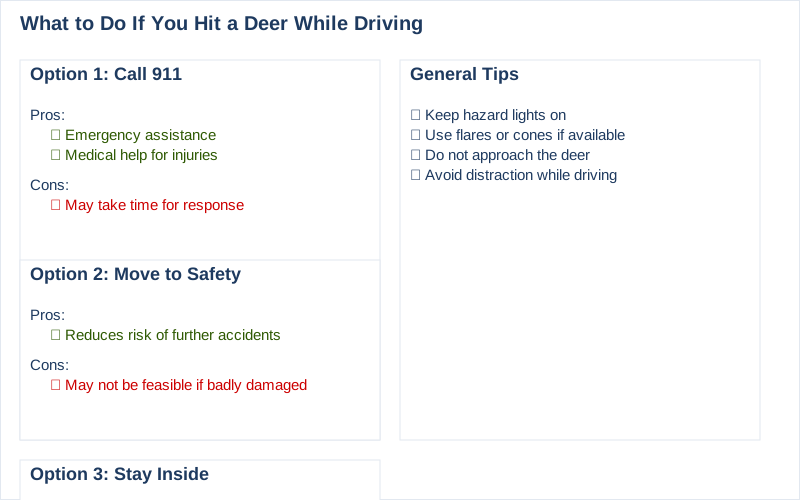
In the aftermath of a collision, our first priority should always be safety. We recommend checking for injuries among passengers and calling 911 if anyone is hurt. Next, it is critical to activate your hazard lights and, if your vehicle is drivable, move it to a safe location away from traffic. Staying inside the vehicle is often the safest option, particularly if you are near busy roads, as this can protect you from further accidents. If you have flares or cones, using them can help warn oncoming traffic of the situation.
Additionally, it is important to resist the urge to approach the injured deer. An injured animal can behave unpredictably, posing a danger to both you and the animal. Instead, contact local law enforcement or animal control for assistance. They can handle the situation more safely and can help to clear the roadway, minimizing risks for other drivers. By following these guidelines, we can better manage the aftermath of a deer collision and prioritize our safety and that of others on the road. For a comprehensive guide, check out Stover Insurance Agency, which outlines essential steps to follow in such situations.
Quick Answer
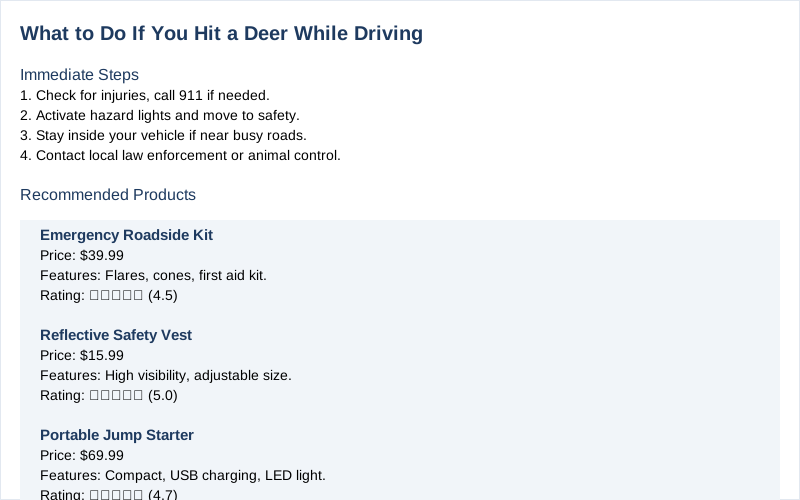
If we hit a deer while driving, our immediate safety and the safety of others on the road should be our top priority. First, we should check ourselves and our passengers for any injuries. If anyone is hurt, we must call 911 for medical assistance. Next, it's important to turn on our hazard lights to alert other drivers. If our vehicle is still drivable, we should carefully move it to the side of the road, away from traffic. Staying inside the vehicle is crucial if we are near moving cars, as a stationary vehicle can be a target for additional collisions. If we have cones or flares, we can use them to further warn oncoming traffic of the situation (Stover Insurance Agency).
Once we have ensured our safety, we should assess the scene. If the deer is still in the roadway and alive, we must avoid approaching it. Injured deer can behave unpredictably and may pose a danger (State Farm). Instead, we should call local law enforcement or animal control to report the incident and seek assistance. They are trained to handle such situations safely (AAA Club Alliance).
It's also wise to document the incident. We can take pictures of the scene, including any visible damage to our vehicle, as well as any blood, hair, or fur left behind. This documentation can be helpful when filing an insurance claim later. Finally, we should report the incident to our insurance company, as they may need this information to process any claims related to the accident. Remember, understanding what to do if we hit a deer can significantly reduce stress and help ensure everyone's safety.
What You Need to Know
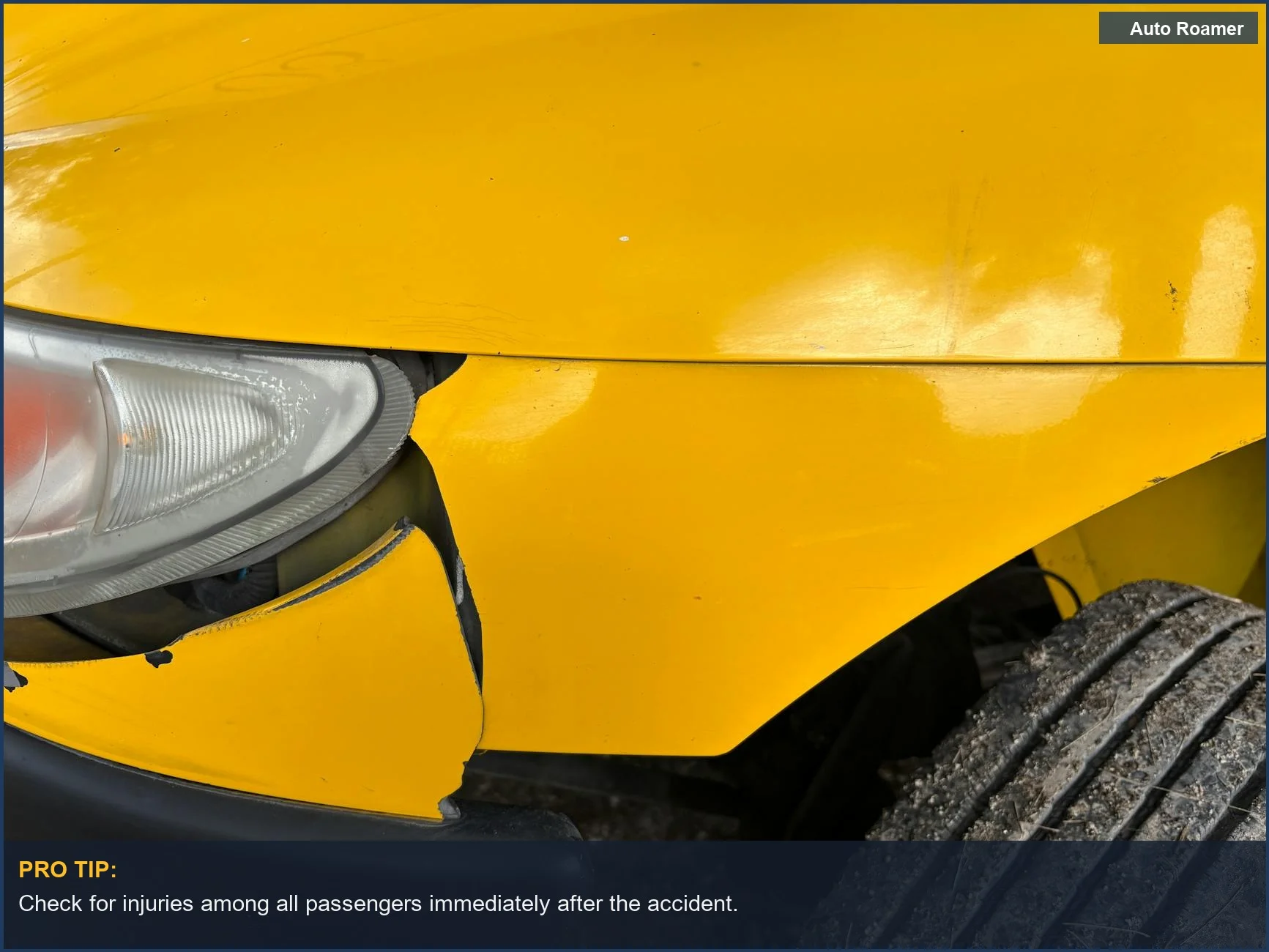
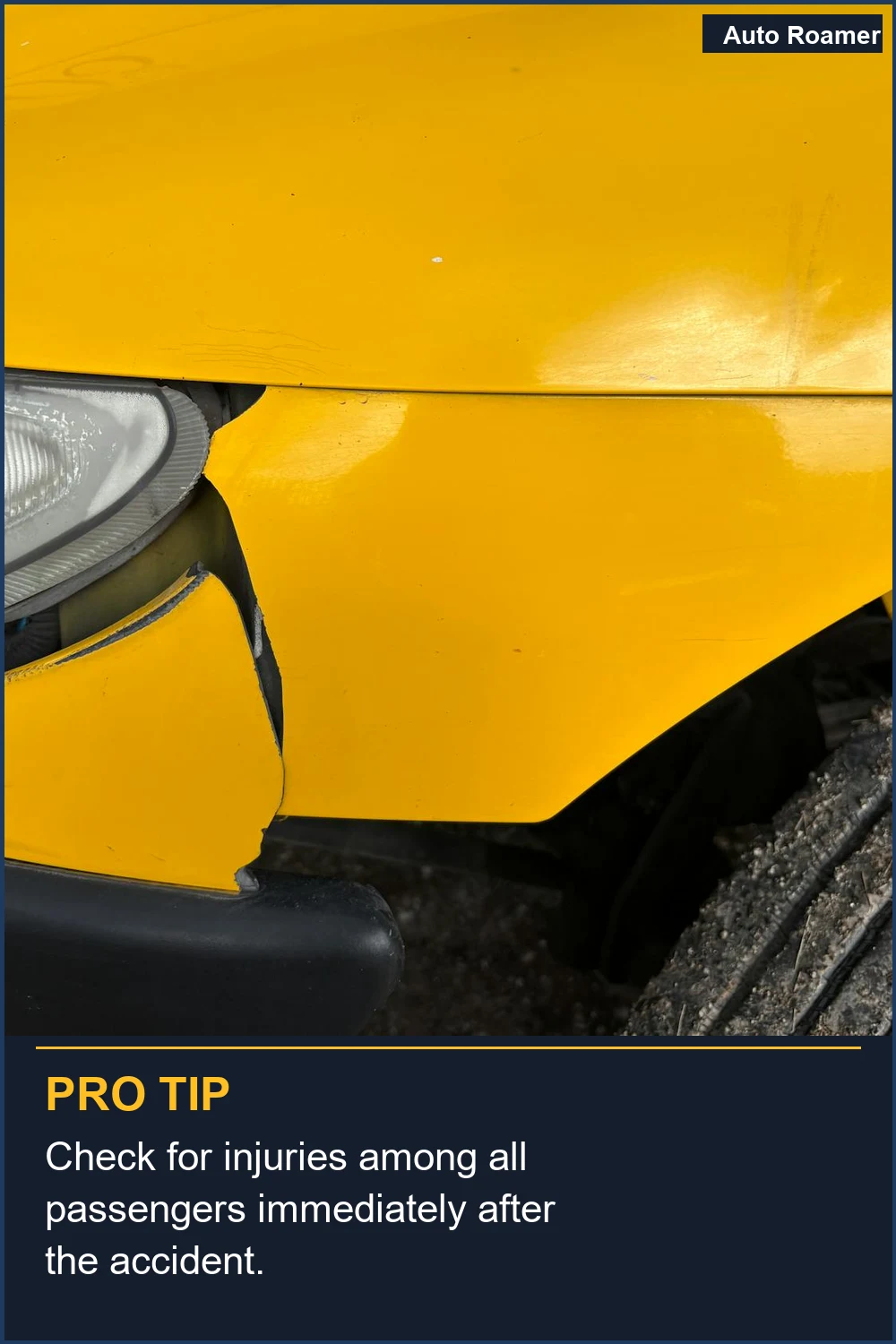
If we find ourselves in the unfortunate situation of hitting a deer while driving, the first thing to do is to stay calm and assess the situation. Our safety and the safety of our passengers should be our top priority. We recommend checking for injuries among all occupants of the vehicle and calling 911 if anyone is hurt. If the vehicle is still drivable, we should turn on the hazard lights and carefully move the car to the side of the road to avoid further accidents (see Stover Insurance Agency).
Once we are in a safe location, it is crucial to keep our distance from the deer. Even if it appears to be injured or stunned, approaching the animal can be dangerous, as it may react unpredictably. Instead, we should call local law enforcement or animal control to report the incident. They are trained to handle such situations safely, especially if the deer is on the roadway, posing a hazard to other drivers (as noted in Murray Insurance).
Additionally, we should document the scene. Taking photos of any damage to our vehicle and any blood, hair, or fur left on the car can be helpful for insurance claims (see State Farm). If the deer has moved away but we suspect it is injured, reporting this information to the authorities can help ensure that it receives the necessary care.
Finally, it is important to contact our insurance provider as soon as possible to report the incident. Having all the necessary documentation and evidence will facilitate the claims process. By following these steps, we can ensure that we handle the situation responsibly and safely while minimizing stress and potential complications.
Step-by-Step Guide
If we find ourselves in the unfortunate situation of hitting a deer while driving, there are several practical steps we can take to ensure our safety and effectively manage the aftermath.
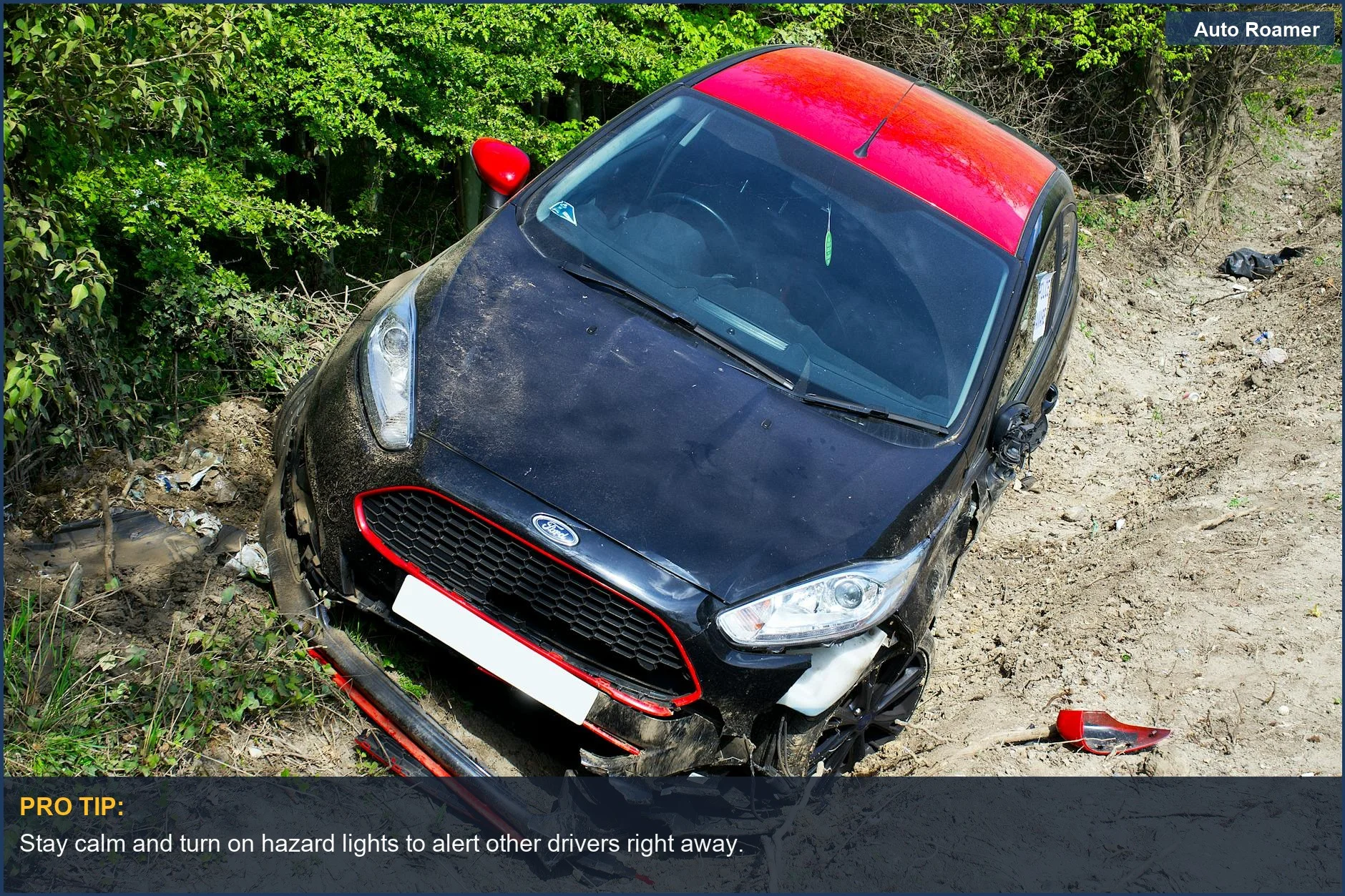
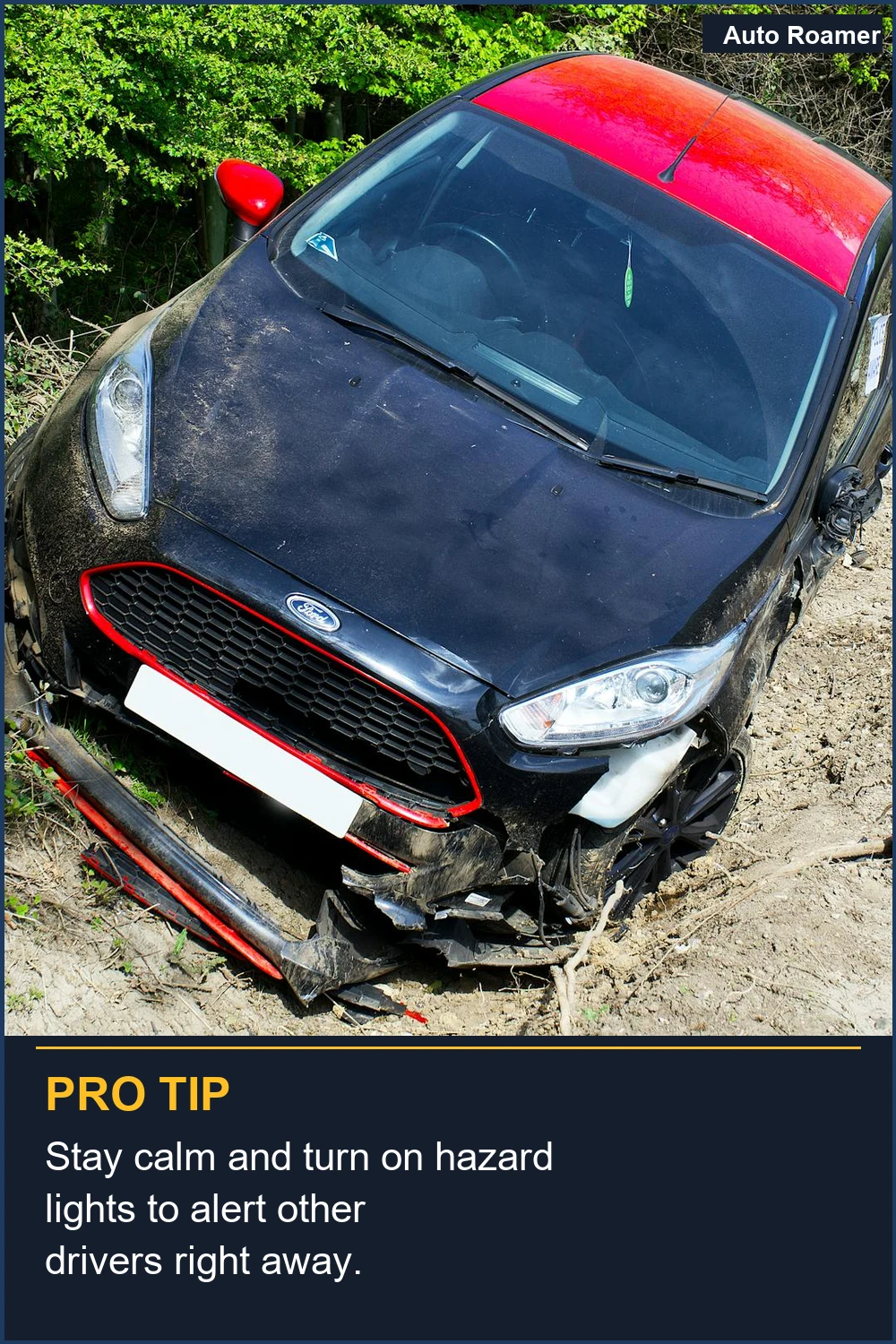
First and foremost, we should check for injuries among ourselves and our passengers. If anyone is hurt, we must call 911 immediately for medical assistance. Once we have confirmed that everyone is okay, we should turn on our hazard lights to alert other drivers. If our vehicle is still drivable, we should safely move it to the side of the road to prevent further accidents; however, if it is not drivable, we should remain in the vehicle with our seatbelts fastened and wait for help to arrive. It is crucial to stay inside the car if we are near traffic, as stepping out can put us at risk of being struck by another vehicle Stover Insurance Agency.
Next, we should assess the situation regarding the deer. If the deer is still on the road and appears injured, we must not approach it. Injured animals can behave unpredictably and may pose a danger to us. Instead, we should call local law enforcement or animal control to report the incident and request assistance Murray Insurance. If the deer has moved off the road, we can take photos of any blood, hair, or fur left on our vehicle, as this documentation may be helpful for insurance claims State Farm.
Finally, we should collect evidence to support any insurance claims. This includes taking pictures of the vehicle damage, the surrounding area, and any visible signs of the deer's presence. Once the authorities have been notified and the situation is under control, we can contact our insurance provider to report the accident. They will guide us through the claims process and advise us on potential repairs. Following these steps not only helps ensure our safety but also facilitates a smoother resolution to the incident.
Safety Considerations
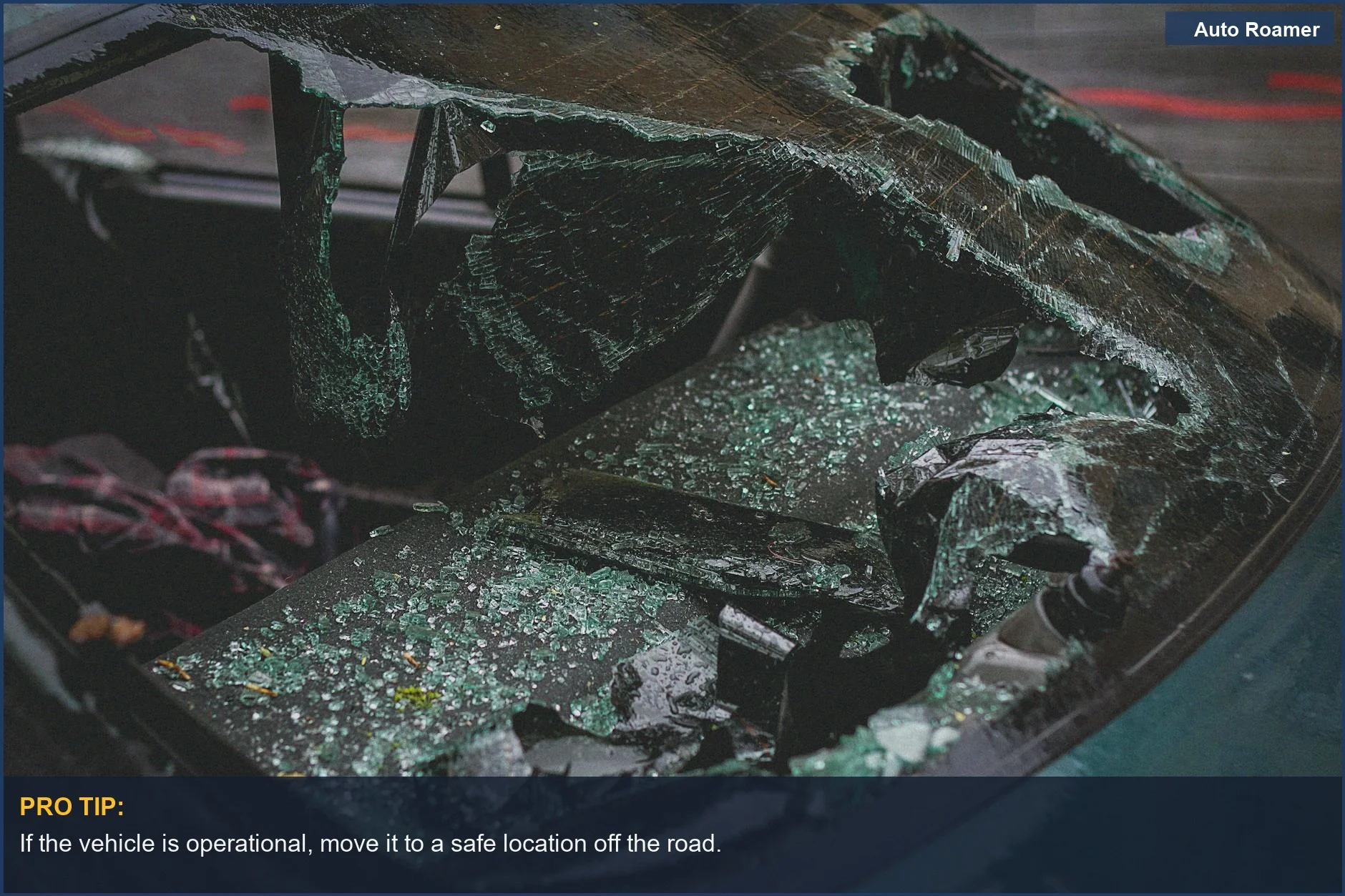
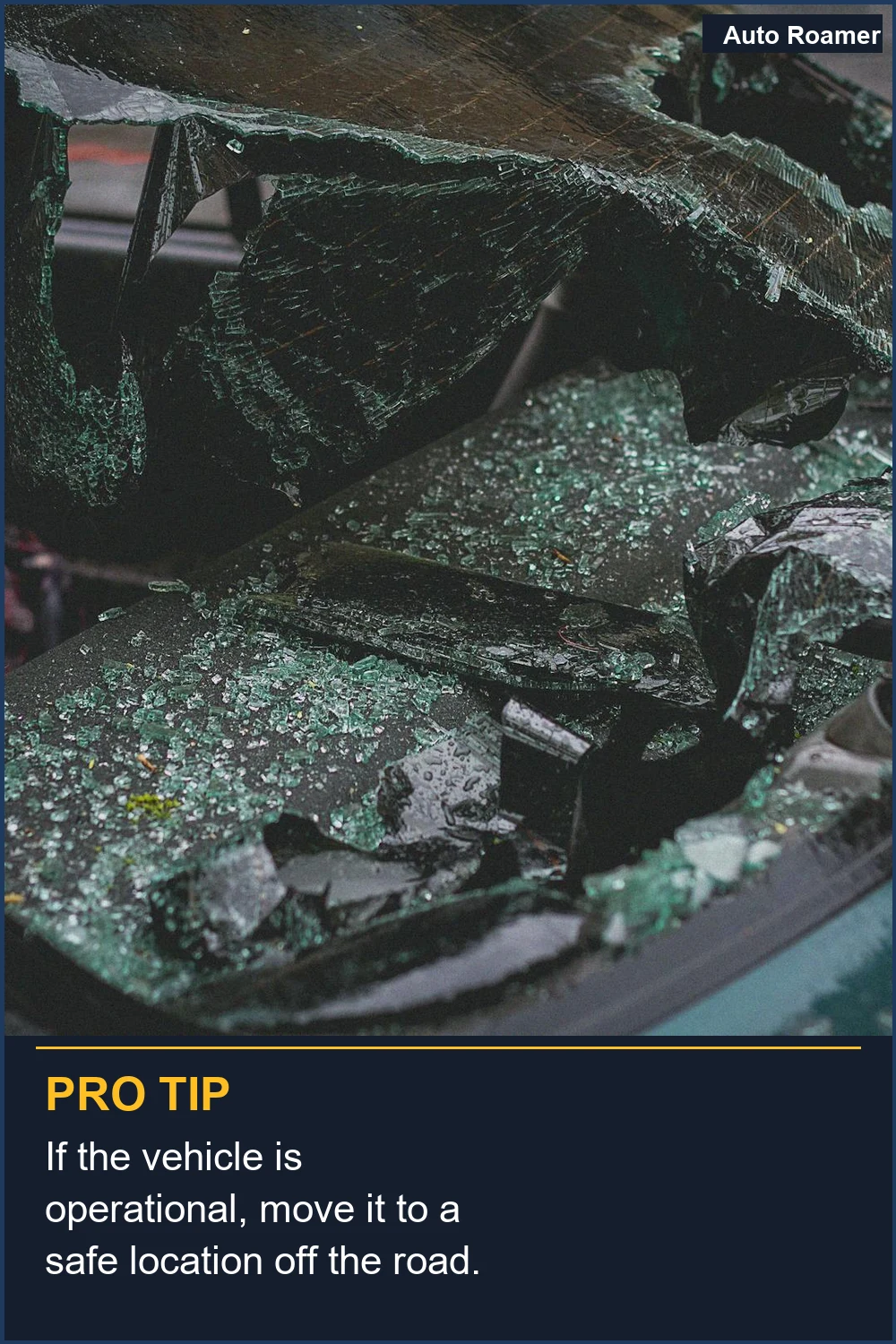
In the unfortunate event that we hit a deer while driving, our primary concern should be safety for ourselves and others on the road. First, we recommend turning on our hazard lights immediately to alert other drivers of a potential hazard. If our vehicle is still operational, we should carefully move it to a safe location off the road, away from traffic, to avoid further accidents Stover Insurance Agency. Staying inside the vehicle, especially if we are near oncoming traffic, is crucial as it protects us from the risk of additional collisions.
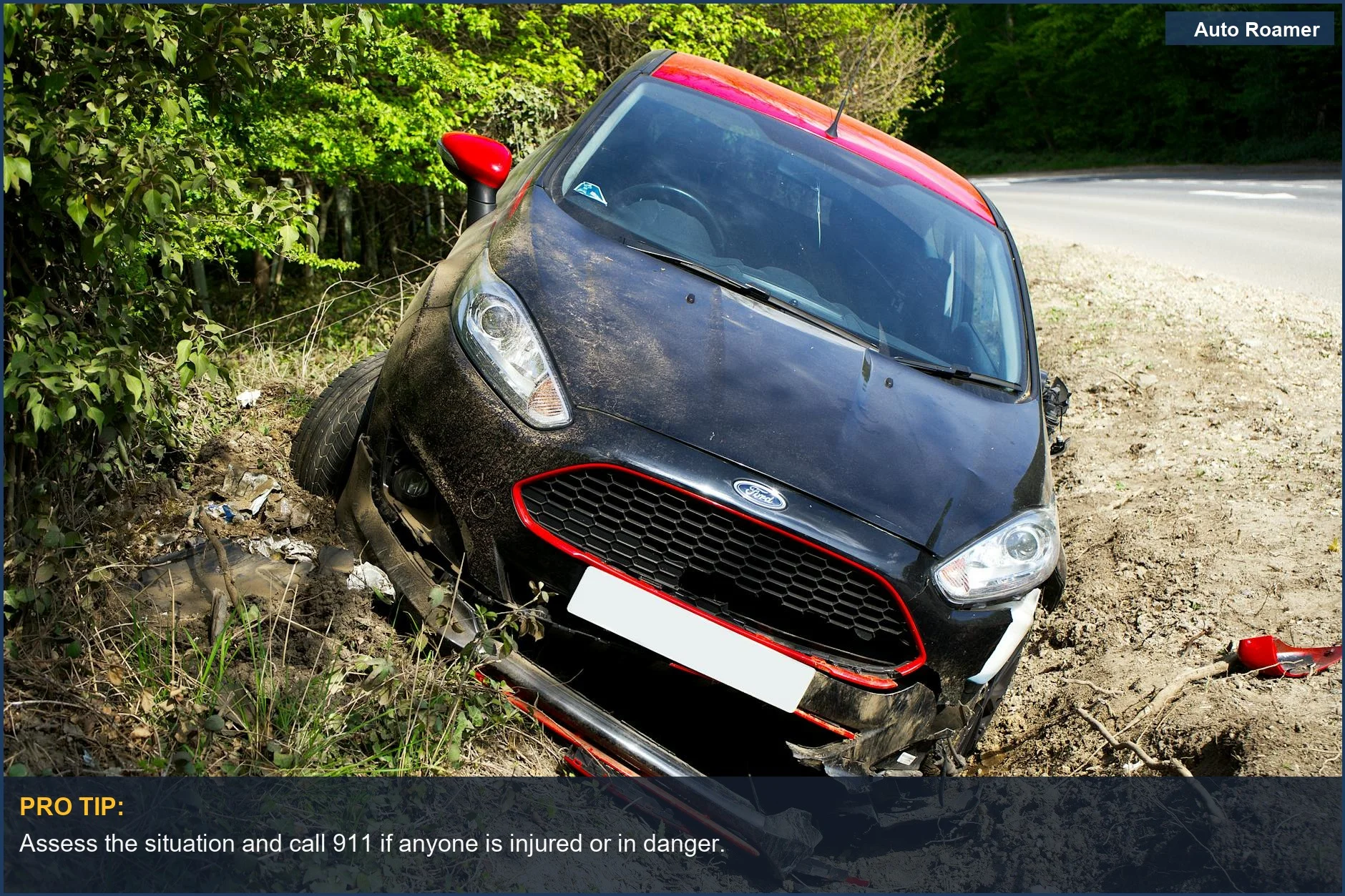
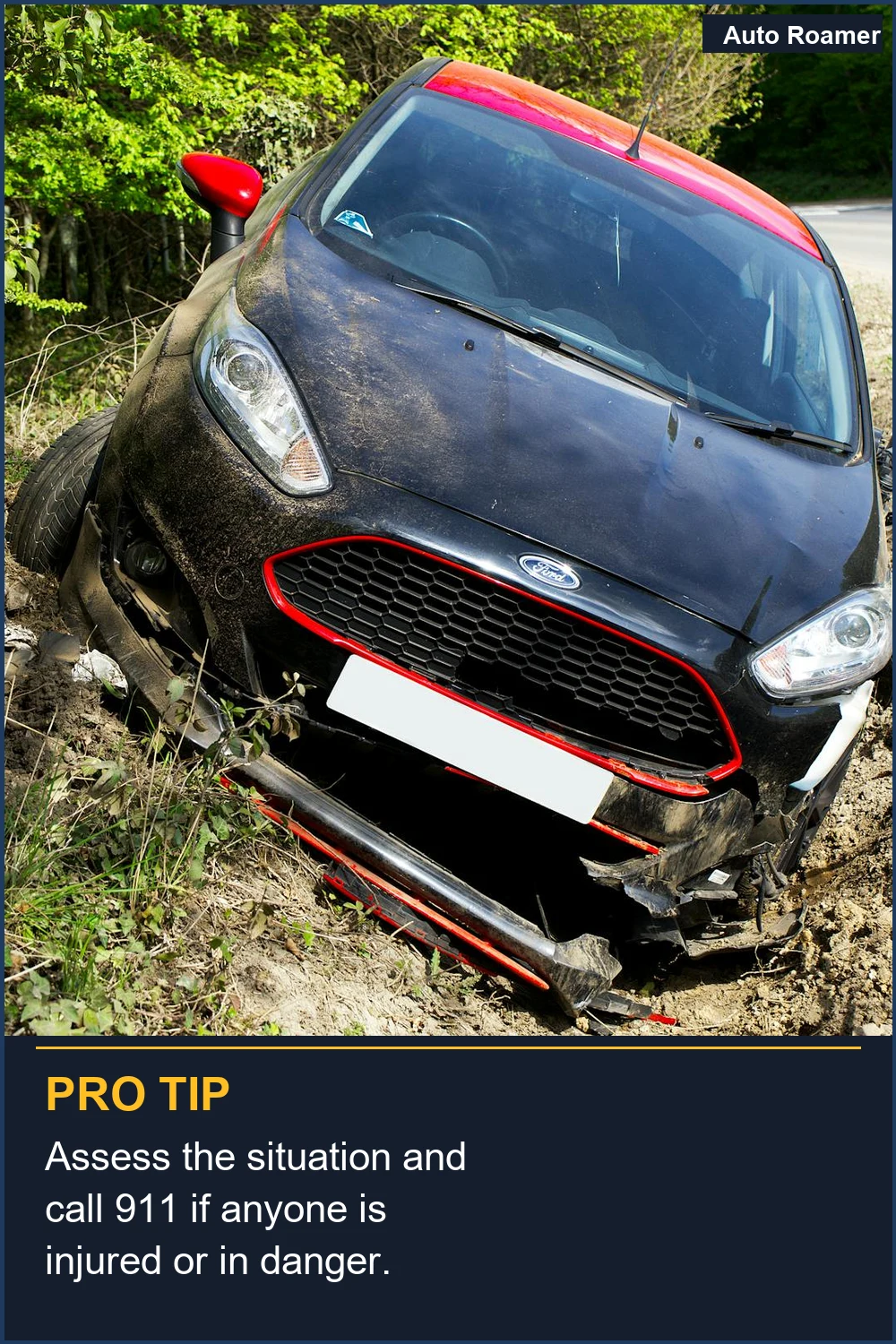
After ensuring our safety, we need to assess the situation. If anyone in our vehicle is injured, calling 911 should be our next step State Farm. If the deer is still on the road and appears injured, we must not attempt to approach it. Injured animals can be unpredictable and may pose a significant danger Consumer Reports.
In addition, we should document the accident scene by taking photographs of our vehicle and any evidence, such as deer fur or blood, which may be useful for insurance claims or reporting the incident to authorities Murray Insurance. Finally, contacting local law enforcement or animal control is vital to report the incident, especially if the deer is in the roadway, to prevent further accidents Fmins. By following these safety considerations, we can mitigate risks and handle the aftermath of hitting a deer with greater peace of mind.
Common Mistakes to Avoid
One of the most common mistakes we can make after hitting a deer is failing to prioritize safety. Many drivers instinctively want to get out of their vehicles to check on the deer or assess the damage. However, this can be extremely dangerous, especially if we are near traffic. Instead, we should remain inside the car with our seatbelts fastened and turn on our hazard lights. If the vehicle is drivable, we should move it to a safe location away from the road to avoid further accidents (Stover Insurance Agency).
Another mistake is neglecting to report the incident to local authorities. We may assume that if the deer runs away, there is no need for a report. However, regardless of the deer's condition, we must call 911 or animal control to ensure proper procedures are followed and to document the accident for insurance purposes. Not doing so can complicate claims later on (State Farm).
Additionally, we should avoid the assumption that our vehicle is undamaged just because we don't see any immediate issues. Deer collisions can cause hidden damage, such as to the engine or the frame. It is crucial to have our vehicle inspected by a professional as soon as possible to identify any underlying problems. Ignoring this can lead to more significant issues down the line. Always document the scene by taking photos of any damage and any evidence like fur or blood, as this will be helpful for insurance claims (AAA Club Alliance).
By being aware of these common mistakes, we can better navigate the aftermath of a deer collision, ensuring our safety and the accuracy of any claims we may need to file.
Final Thoughts
In conclusion, knowing what to do if you hit a deer can significantly impact your safety and the outcome of the situation. First and foremost, we recommend prioritizing safety by checking for injuries and ensuring that your vehicle is moved to a safe location if possible. This helps protect both you and other road users from further accidents. As per Stover Insurance Agency, turning on hazard lights and staying inside your vehicle is essential, especially if you are near traffic.
It is also critical to report the incident to local authorities, as they can manage the situation effectively. If the deer is still alive but injured, do not attempt to approach it, as it may react unpredictably. Instead, call 911 or animal control for assistance, as stated in Murray Insurance. Documenting the scene by taking photos of any damage to your vehicle and any evidence of the deer can also be beneficial for insurance claims later on.
Understanding the statistics surrounding deer collisions can also help us stay vigilant. According to State Farm, the odds of hitting a deer are approximately 1 in 139, with heightened risks during specific seasons like late fall and early winter. By being prepared and knowing exactly what to do if you hit a deer, we can mitigate the stress and consequences of such an unfortunate incident and drive with greater peace of mind.
Frequently Asked Questions
What should I do immediately after hitting a deer?
Is it necessary to report hitting a deer?
What should I do if the deer is injured but still alive?
How can I ensure my safety after hitting a deer?
What kind of damage can hitting a deer cause?
Should I take pictures after hitting a deer?
What if I can't move my car after hitting a deer?
What time of year should I be more cautious of deer?
Sources
- Immediate Steps to Take if You Hit a Deer - State Farm®
- What to Do if You Hit a Deer While Driving | Stover Insurance Agency
- What steps do I take if I'm driving and hit a deer? : r/Pennsylvania
- How to Avoid Collisions With Deer This Fall - Consumer Reports
- What to Do If You Hit a Deer: A Step-by-Step Safety Guide.