
What to Do If You Hit a Deer While Driving (2026 Complete Guide)
The jarring thud, the sudden lurch of your vehicle - you've just hit a deer. Your heart pounds, adrenaline surges, and the immediate aftermath can feel chaotic. This isn't a hypothetical; deer collisions are alarmingly common , with an estimated 1.1 million deer strikes occurring annually, contributing to over 1.7 million animal collision claims State Farm .
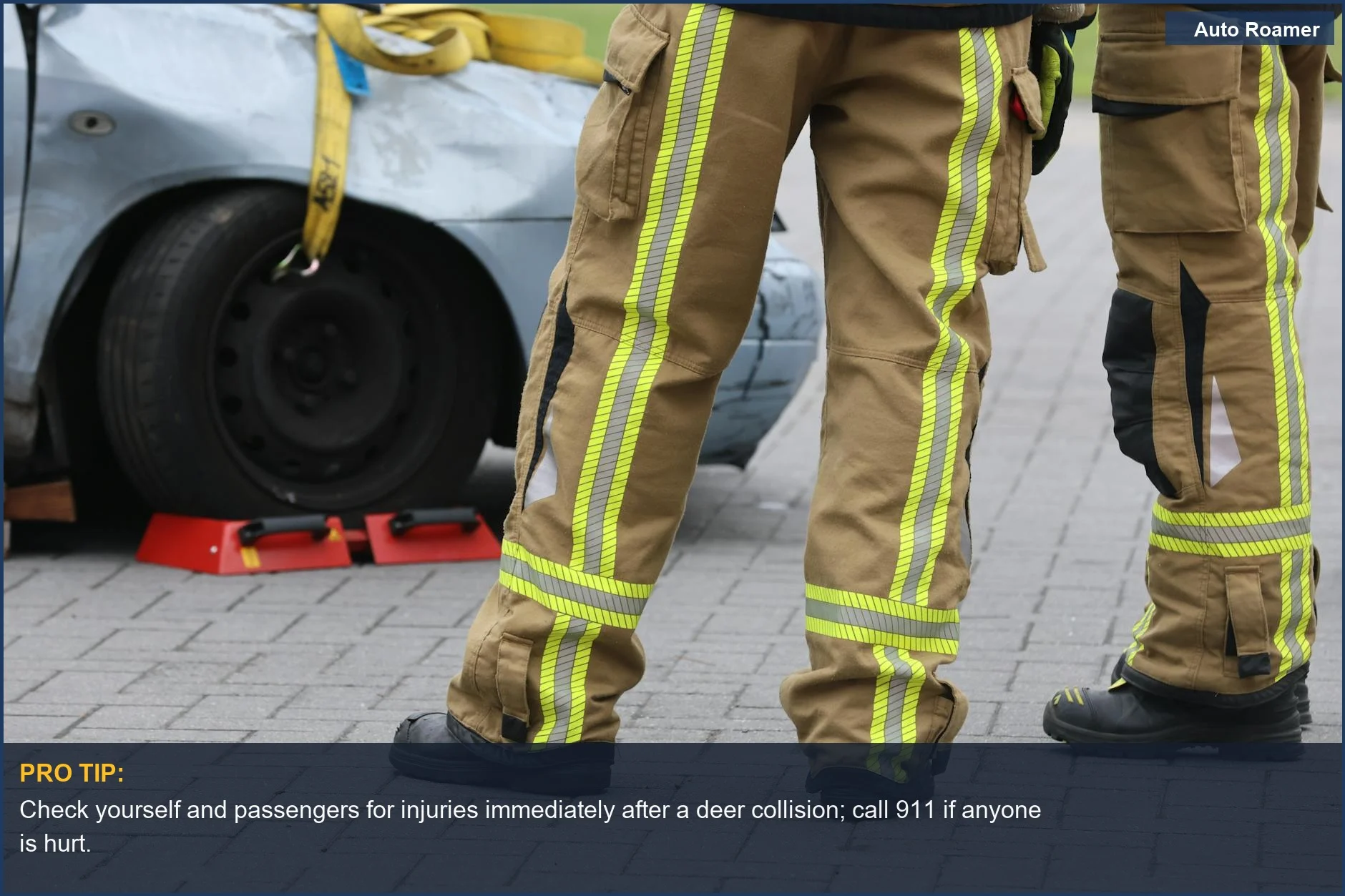
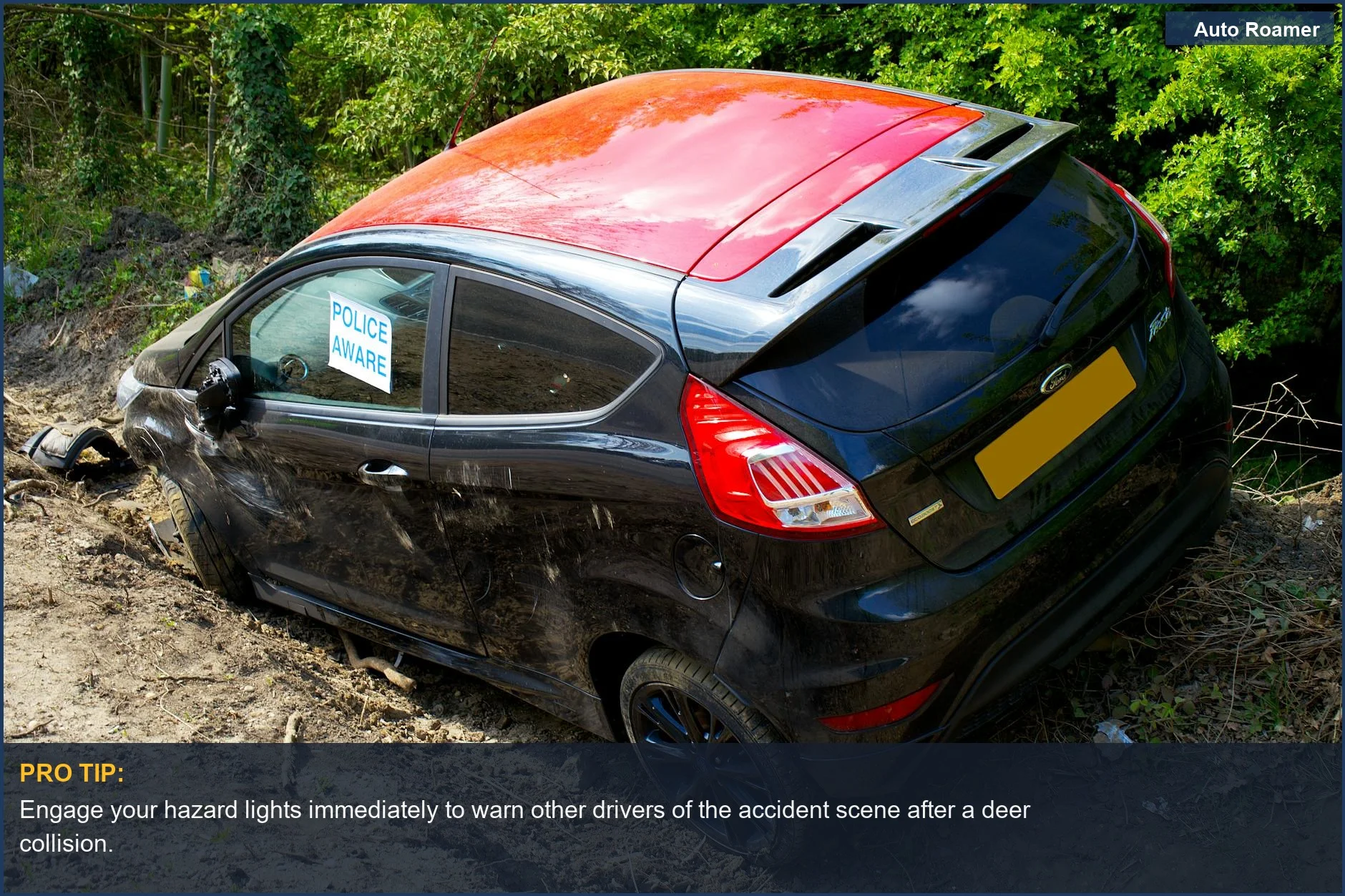
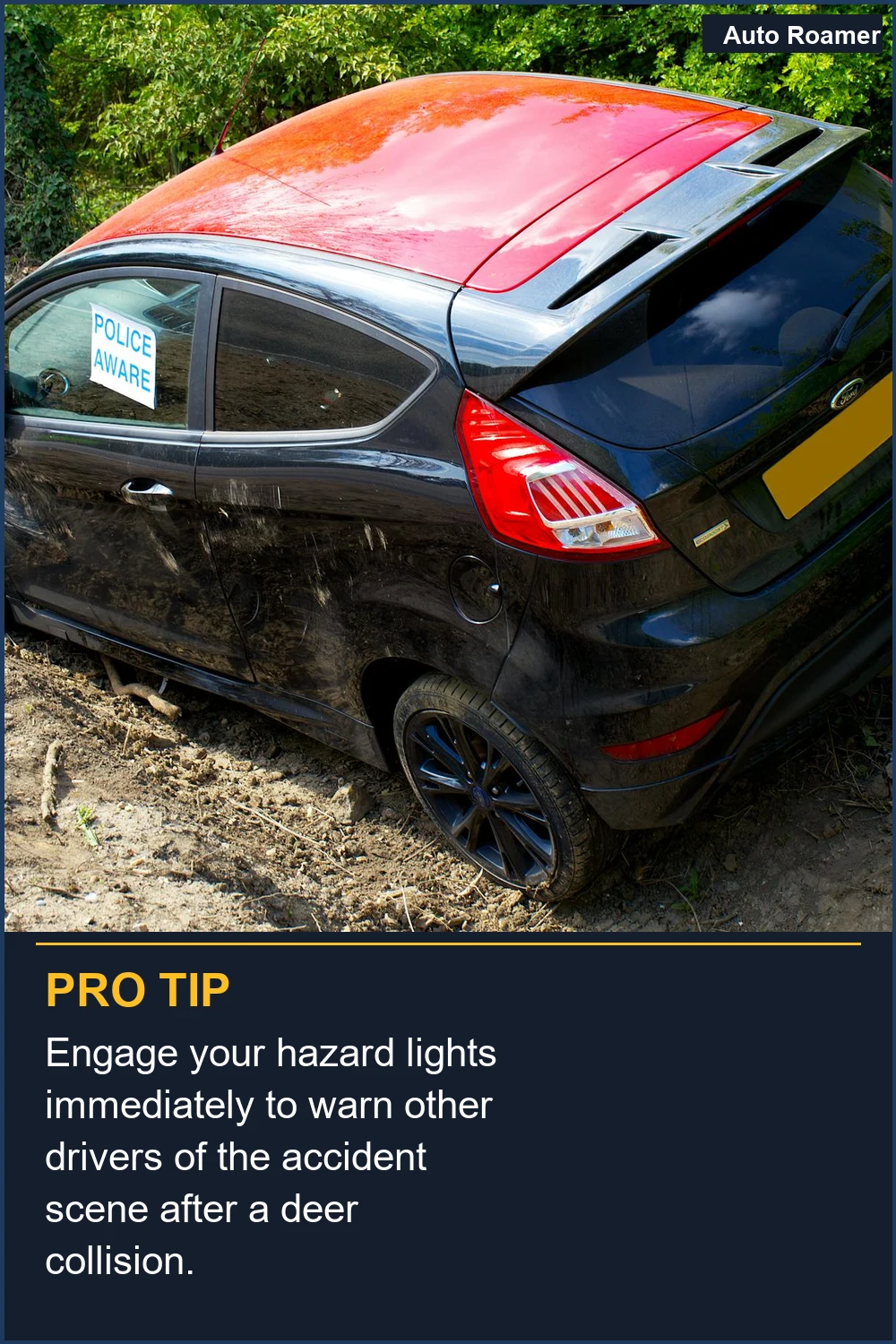
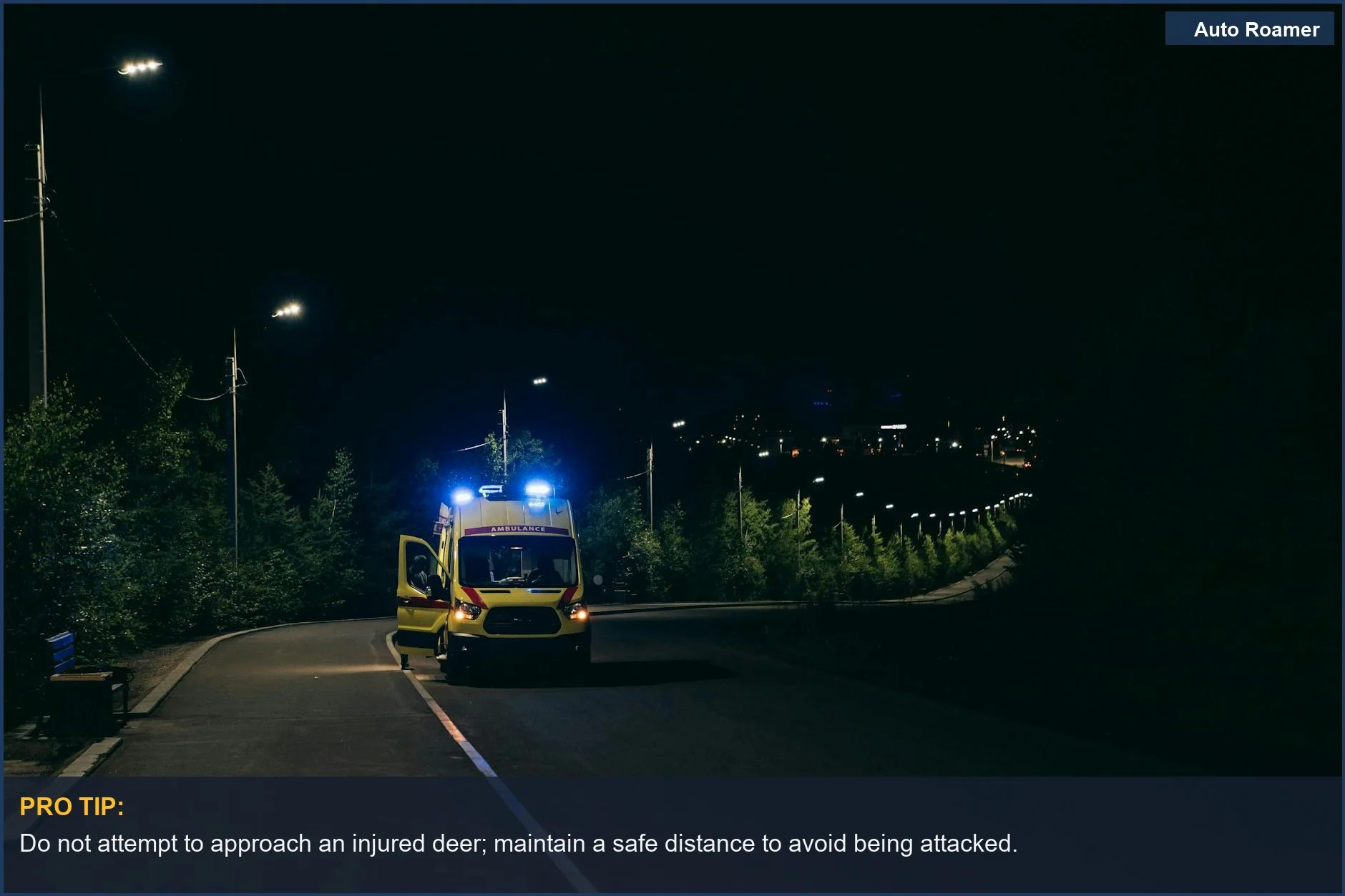
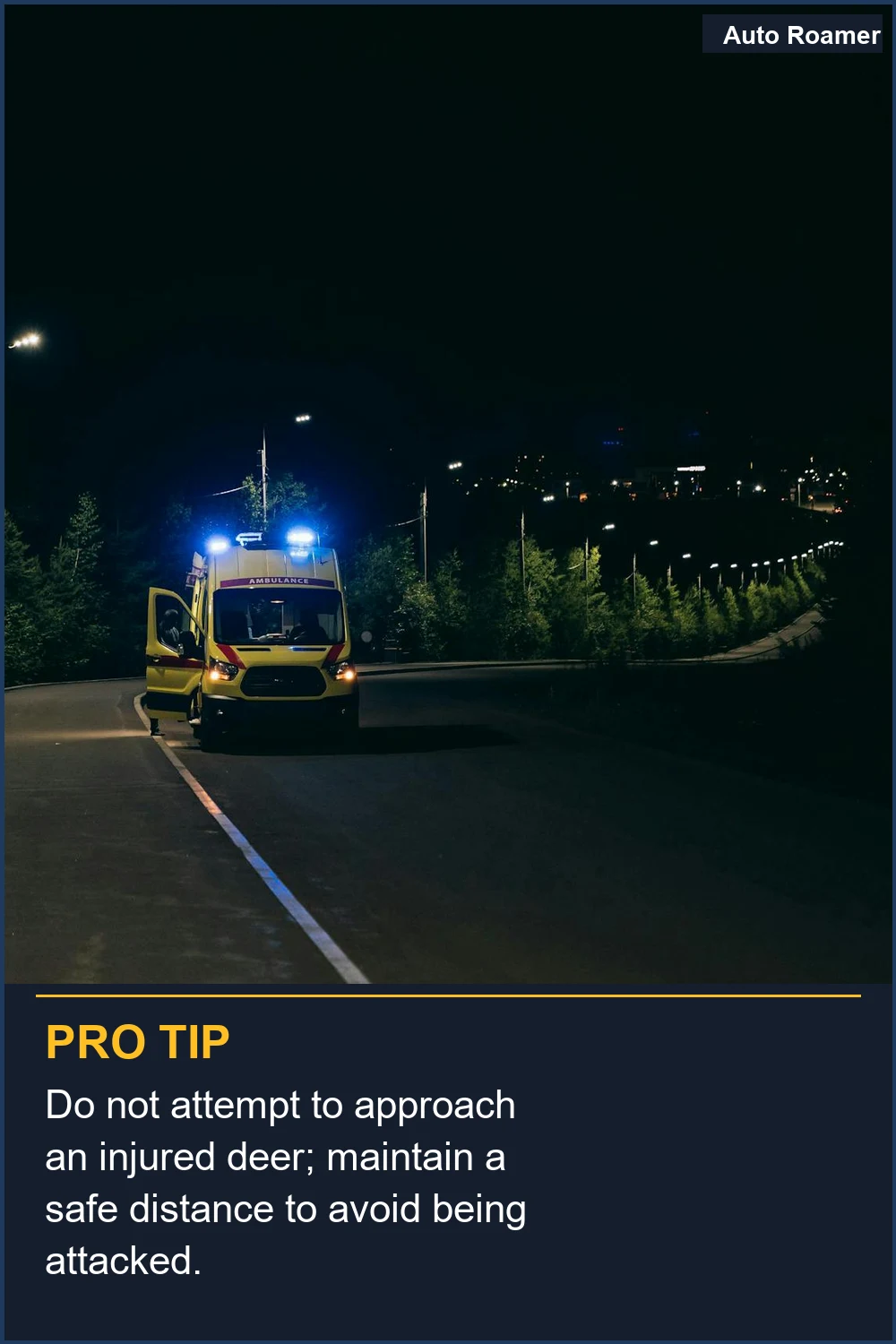
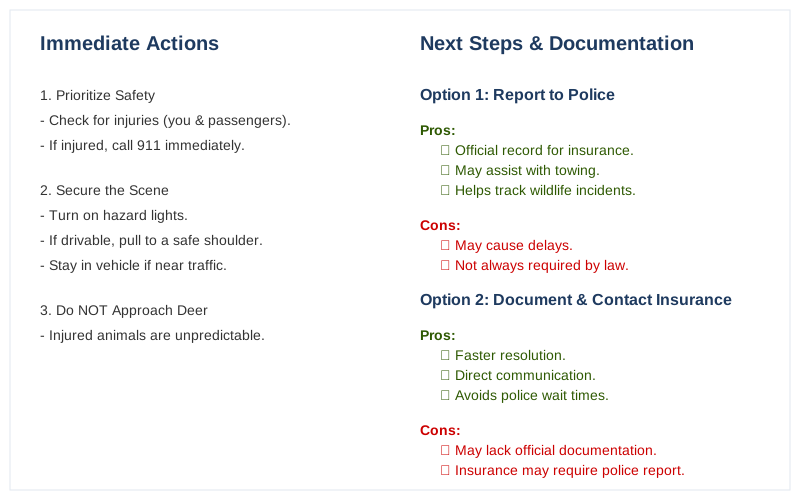
The jarring thud, the sudden lurch of your vehicle - you've just hit a deer. Your heart pounds, adrenaline surges, and the immediate aftermath can feel chaotic. This isn't a hypothetical; deer collisions are alarmingly common, with an estimated 1.1 million deer strikes occurring annually, contributing to over 1.7 million animal collision claims State Farm. The first, non-negotiable step is your safety and that of your passengers. Check for injuries immediately and call 911 if anyone is hurt. Then, if your car is still drivable, turn on your hazard lights and move to the side of the road to alert other drivers. If you're near active traffic, it's best to stay inside your vehicle until help arrives. Don't approach the deer, no matter how stunned it may seem; injured animals can be unpredictable and dangerous. Instead, focus on securing the scene and preparing for the next steps in dealing with a deer collision car incident.
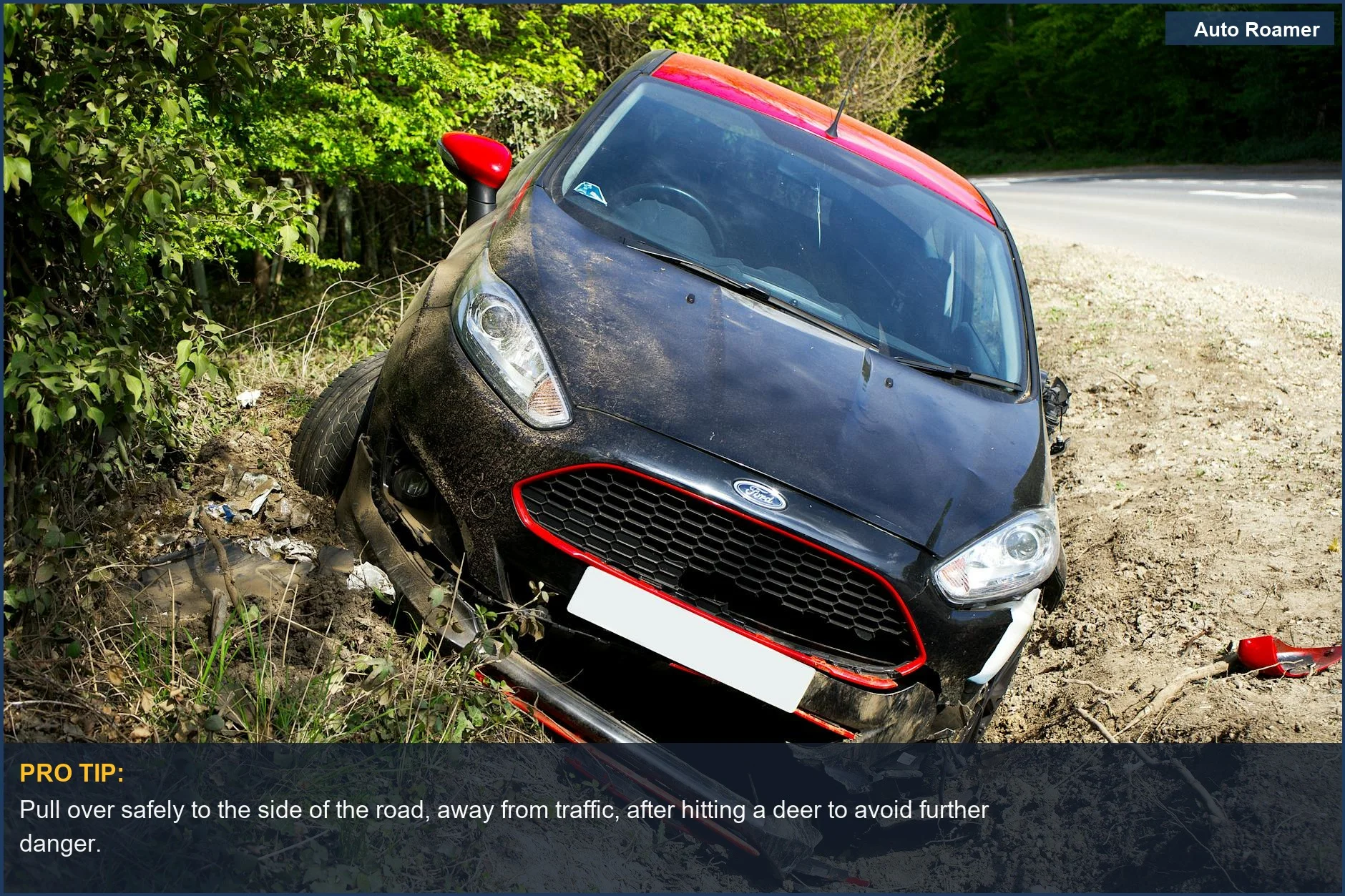
It is crucial to prioritize your well-being and that of anyone else in your vehicle right after the impact. Once you've confirmed there are no immediate injuries, and if your car is still operational, safely pull over to the shoulder or a breakdown lane. Engaging your hazard lights is essential to make your vehicle visible to oncoming traffic and prevent further accidents U.S. News. If you are on a busy road, remaining inside your car can offer better protection until emergency services or roadside assistance arrive F&M Insurance. Under no circumstances should you attempt to approach or touch the injured animal. Wild animals, especially when injured, can exhibit aggressive behavior and pose a significant risk of causing further harm Consumer Reports. Your primary concern should be to ensure your immediate safety and the safety of others around you.
The Short Answer
If you hit a deer while driving, your immediate priority is safety: yours, your passengers', and other motorists'. Once everyone is secure, the next critical steps involve documenting the scene and reporting the incident to the authorities.
First, ensure your own safety and that of your passengers. If your vehicle is still drivable, pull over to a safe spot on the shoulder and activate your hazard lights immediately to alert other drivers What to Do if You Hit a Deer While Driving. If you are injured, call 911 Deer on the Road? Here's What to Do - Grange Insurance. Stay inside your vehicle if you are near traffic; injured or startled deer can be unpredictable and dangerous What to Do If You Hit a Deer: A Step-by-Step Safety Guide.. If your car is not drivable and you are in a dangerous location, use flares or cones if available to warn approaching vehicles.
Never approach an injured or deceased deer. Even if it appears motionless, it could react suddenly and cause harm. Instead, contact local law enforcement or animal control to report the accident What to Do if You Hit a Deer While Driving | Pierson & Fendley. They are equipped to handle the situation safely. A police report is often crucial for insurance claims Immediate Steps to Take if You Hit a Deer - State Farm®.
Document everything thoroughly. Take photos of the damage to your car, the surrounding area, and any evidence left by the deer, such as fur or blood, if it's safe to do so Immediate Steps to Take if You Hit a Deer - State Farm®. Note the exact time and location of the collision, along with any relevant details like weather conditions or landmarks. If witnesses stop, get their contact information. This documentation is vital when you contact your insurance company to file a claim. State Farm estimates that between July 1, 2024 and June 30, 2025, there were over 1.7 million auto claims related to animal crashes Immediate Steps to Take if You Hit a Deer - State Farm®.
What You Need to Know
Animal collisions, especially hitting a deer, are unfortunately common. State Farm estimates that there were 1.7 million animal collision insurance claims in a recent year, with deer strikes accounting for 1.1 million of those. Immediate Steps to Take if You Hit a Deer - State Farm®. The risk of such an incident increases in late fall and early winter when deer are more active. Immediate Steps to Take if You Hit a Deer - State Farm®.
The cost of repairs after a deer collision can be significant, with an average of $5,600. Deer on the Road? Here's What to Do - Grange Insurance. Vehicle type can influence the extent of damage; while not explicitly detailed for sedans vs. SUVs vs. trucks vs. vans in the provided research, larger vehicles may absorb impact differently. It's crucial to remember that swerving can be more dangerous than hitting the animal, as it could lead to a more severe collision with another vehicle or loss of control. How to Avoid Collisions With Deer This Fall - Consumer Reports.
If you find yourself in the unfortunate situation of a deer collision, remember that a police report is often a requirement for insurance claims. What to Do if You Hit a Deer While Driving. If you hit a deer and it runs away, document any evidence left behind on your vehicle. Immediate Steps to Take if You Hit a Deer - State Farm®.
How to Handle This
What This Looks Like in Practice
- Winter Mountain Pass in a Subaru Outback: Driving on a slick, winding mountain road at dusk, a Subaru Outback struck a large buck that bolted from the trees. The impact caused significant damage to the front bumper and grill, and the engine warning light illuminated. The driver, shaken but uninjured, activated hazard lights and maneuvered the vehicle to the shoulder. They called 911 to report the incident and damage, emphasizing the car was not drivable. Grange Insurance advises reporting injuries and car parts on the road.
- Summer Desert Highway in a Honda Civic: A Honda Civic was traveling at highway speeds on a long, straight desert road when a young deer darted into its path. The collision resulted in a cracked windshield and a dented hood, but the car remained drivable. The driver pulled over, turning on their hazard lights. They took photos of the damage and surrounding area, then contacted their insurance company to initiate a claim. State Farm recommends documenting the incident State Farm®.
- Rural Road at Dawn in a Pickup Truck: A pickup truck hit a deer crossing a rural route. The deer ran off, but the truck sustained damage to its passenger-side door and mirror. The driver pulled over safely, noting the time and location. They called the non-emergency police line to report the collision, as advised by Brewer Lloyd for a police report.
- Suburban Street at Night in a Minivan: A minivan struck a deer emerging from a wooded area onto a residential street. The impact deployed airbags and rendered the minivan undrivable. The occupants remained inside for safety, as it was near active traffic. They called 911, reporting injuries and the vehicle's inoperable status. Local authorities were dispatched. Fidelity Mutual Insurance suggests staying inside if near traffic.
Mistakes That Cost People
Key Takeaways
- Prioritize safety immediately after a deer collision. Check yourself and passengers for injuries and call 911 if needed. Turn on hazard lights and, if your car is drivable, carefully move it to the side of the road. Stay inside your vehicle if you are near traffic, as deer can be unpredictable What to Do if You Hit a Deer While Driving.
- Never approach the deer. An injured or frightened animal can be dangerous. Contact local law enforcement or animal control to handle the situation safely. They can also provide a police report, which is crucial for insurance claims Deer on the Road? Here's What to Do - Grange Insurance.
- Document everything thoroughly. Take photos of vehicle damage, the collision scene, and any injuries. Record the time, location, and weather conditions. Gather witness information if available. This detailed record will streamline your insurance claim process Immediate Steps to Take if You Hit a Deer - State Farm®.
- Contact your insurance company promptly. Most comprehensive auto policies cover animal collisions, but confirm your specific coverage. Having your documentation ready will expedite the claims process.
The single most important thing to remember if you hit a deer while driving is: safety first, then report.
Frequently Asked Questions
I just hit a deer with my car. What are the immediate steps I should take?
What should I do if the deer runs off after I hit it?
Is it safe to approach a deer I've hit?
Do I need to call the police if I hit a deer?
What information should I gather after a deer collision?
Will my car insurance cover damage from hitting a deer?
How much does it typically cost to repair a car after a deer collision?
Sources
- Deer on the Road? Here's What to Do - Grange Insurance
- What to Do If You Hit a Deer: A Step-by-Step Safety Guide.
- How to Avoid Collisions With Deer This Fall - Consumer Reports
- Immediate Steps to Take if You Hit a Deer - State Farm®
- What to Do if You Hit a Deer While Driving
- What to Do if You Hit a Deer While Driving | Pierson & Fendley