
What to Do If You Encounter a Bear While Camping (2026 Complete Guide)
The crackle of the campfire dies down as a twig snaps nearby. You freeze, heart pounding. Through the dim light, a dark shape emerges from the trees - a bear. This isn't a movie scene; it's happening *now*, and your camping trip has just taken a critical turn.
The crackle of the campfire dies down as a twig snaps nearby. You freeze, heart pounding. Through the dim light, a dark shape emerges from the trees - a bear. This isn't a movie scene; it's happening now, and your camping trip has just taken a critical turn. Your immediate actions could determine the outcome of this bear encounter camping. Running is never the answer; it can trigger a chase response American Bear Association. Instead, assess the situation calmly. Is the bear aware of you? What is its demeanor? Understanding how to react to a bear sighting while camping is paramount for your safety and the animal's well-being U.S. National Park Service. This guide will equip you with the knowledge to navigate this high-stakes scenario, turning potential panic into decisive action.
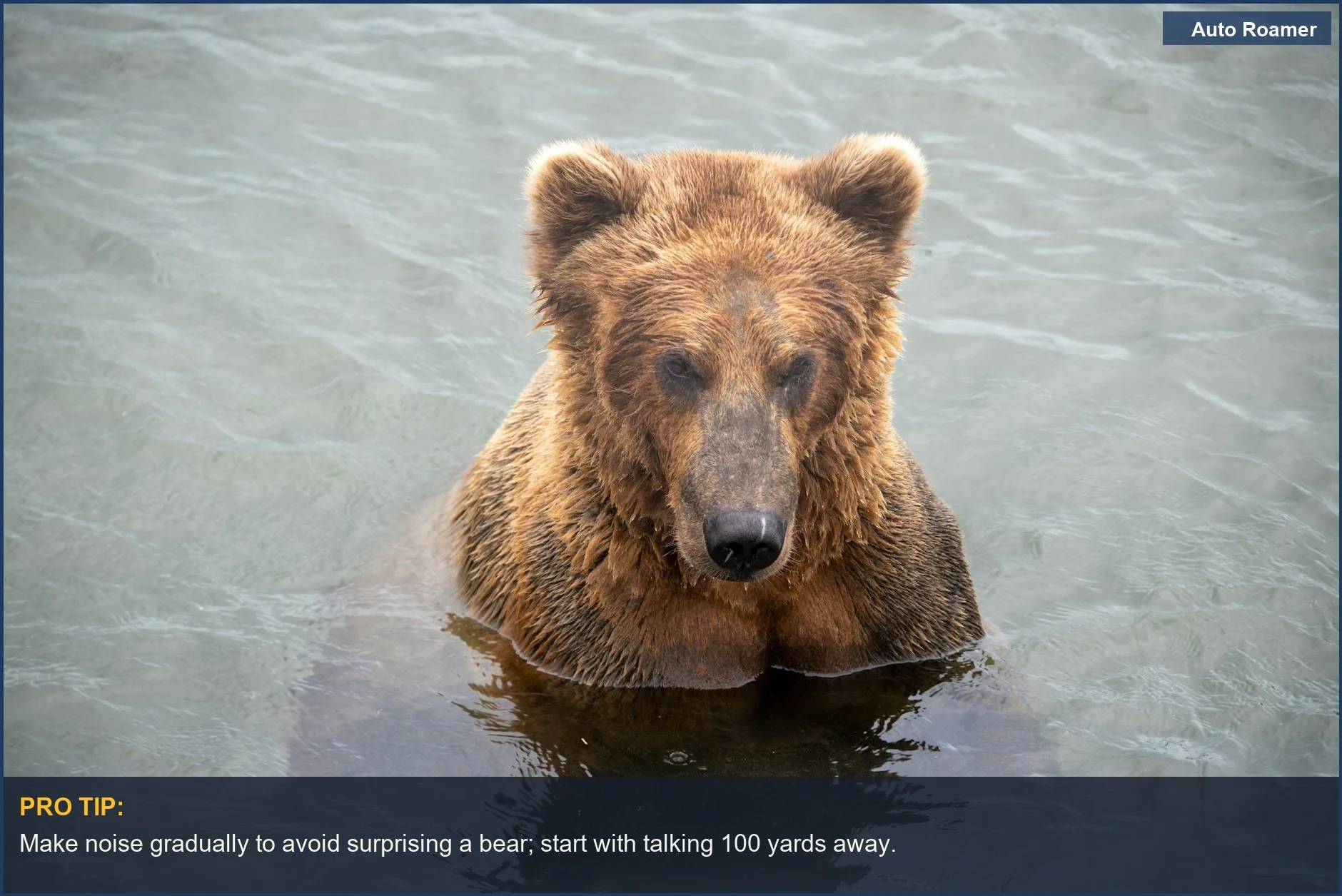
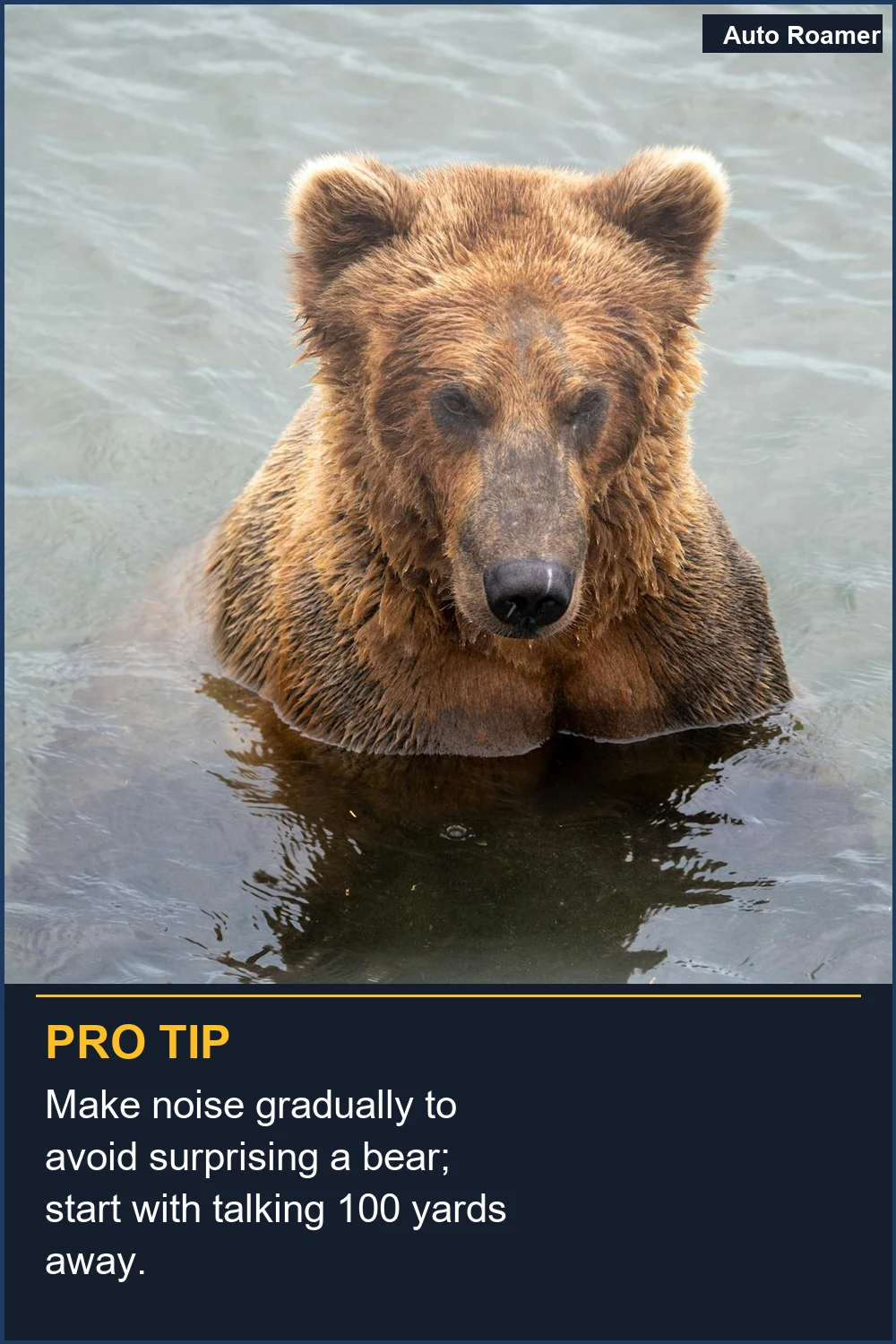
The sudden appearance of a bear can induce immediate fear, but it's crucial to remember that most bears wish to avoid confrontation. Your initial response should focus on de-escalation and demonstrating that you are not a threat, nor are you prey. If the bear has not noticed you, the best course of action is to slowly and quietly back away, giving the animal plenty of space and an unobstructed escape route. If the bear is aware of your presence, it's vital to remain calm and avoid sudden movements. Speak in a low, calm voice to identify yourself as human and not an animal. Making yourself appear larger is also recommended; this can involve standing tall and slowly waving your arms. Remember, the goal is to signal your presence without provoking the animal. Different bear species may require slightly different responses, so knowing whether you are in black bear or grizzly country can influence your strategy REI Expert Advice.
The Short Answer
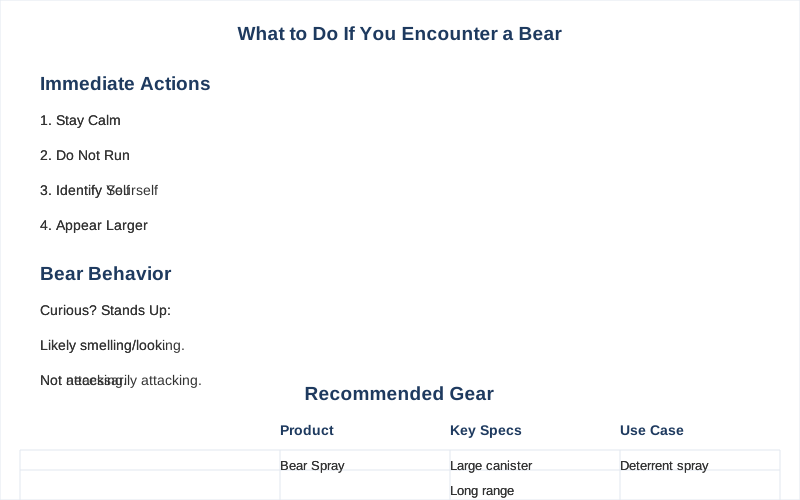
The core principle of bear encounters while camping is to avoid surprising the animal and to remain calm if you do see one. Your goal is to de-escalate the situation by clearly identifying yourself as human and making yourself appear non-threatening, or if necessary, a threat that is not worth engaging.
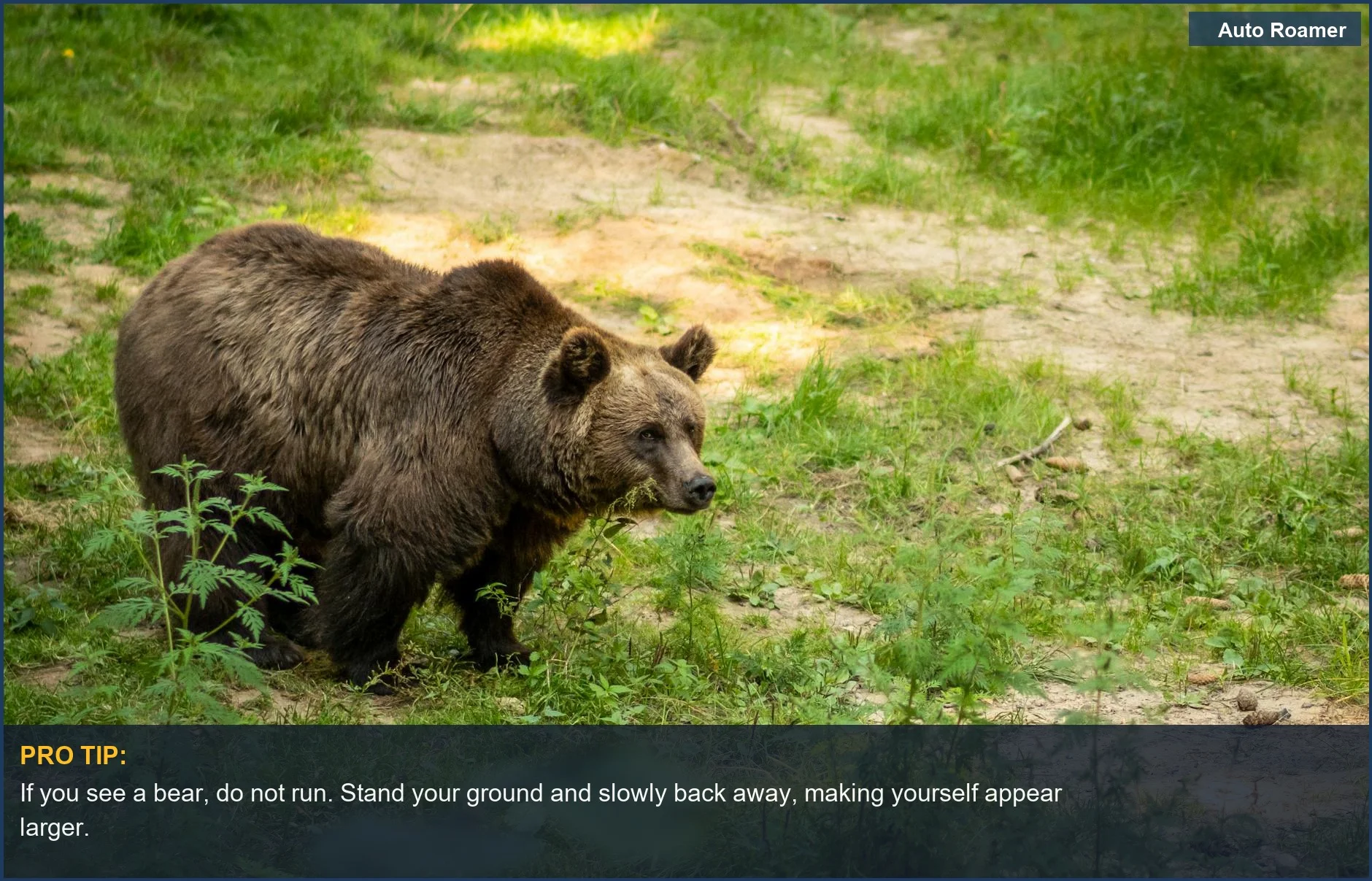
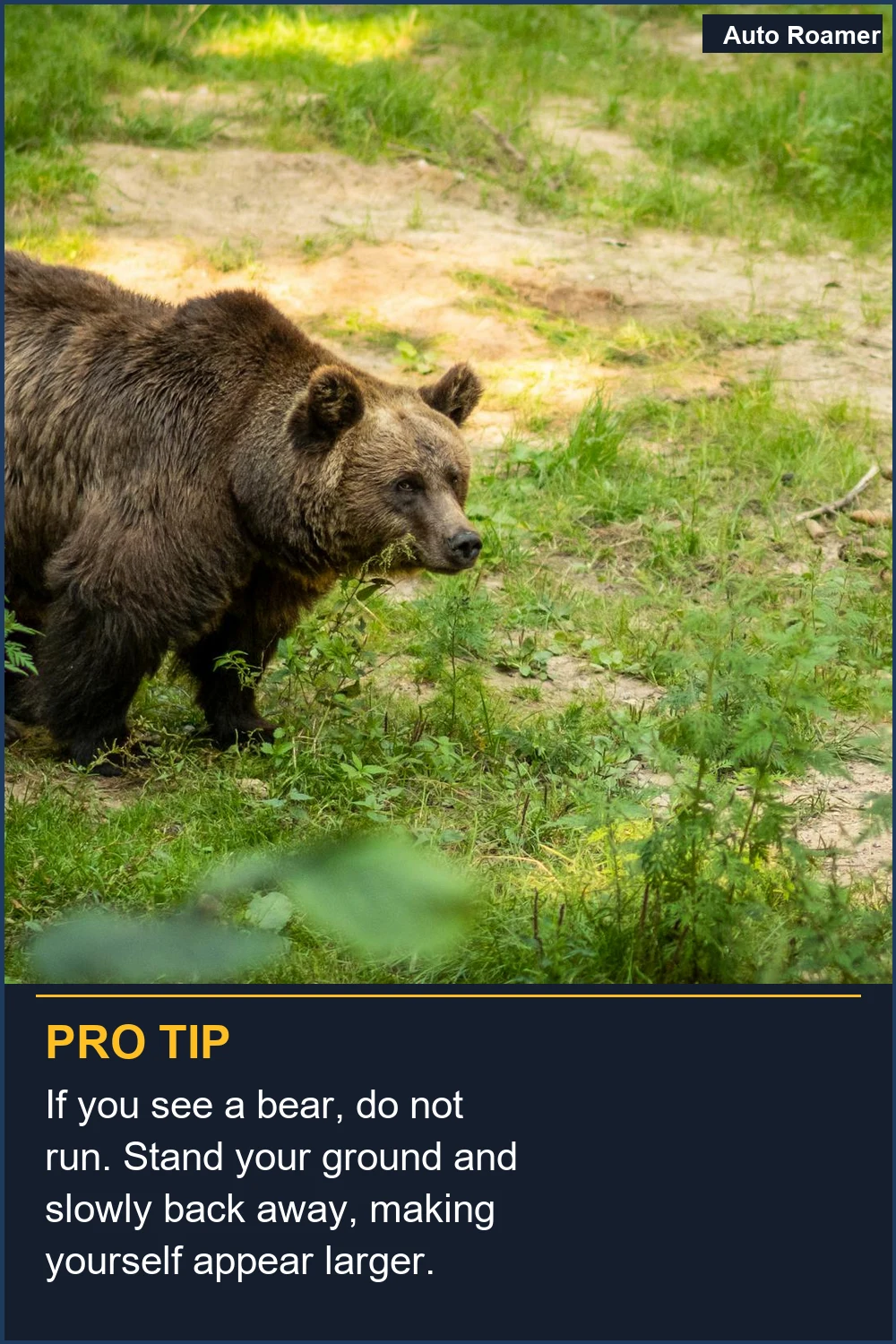
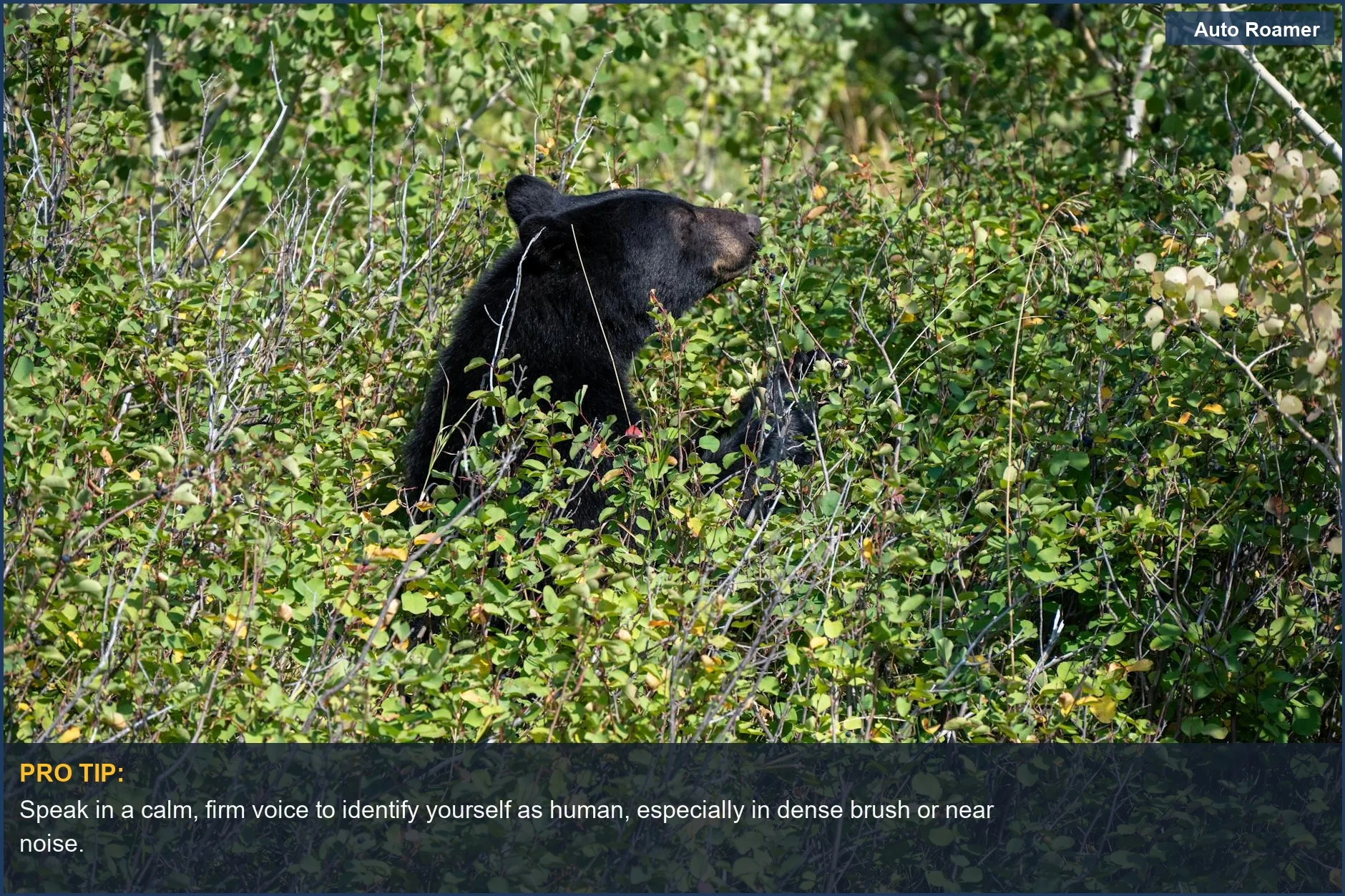
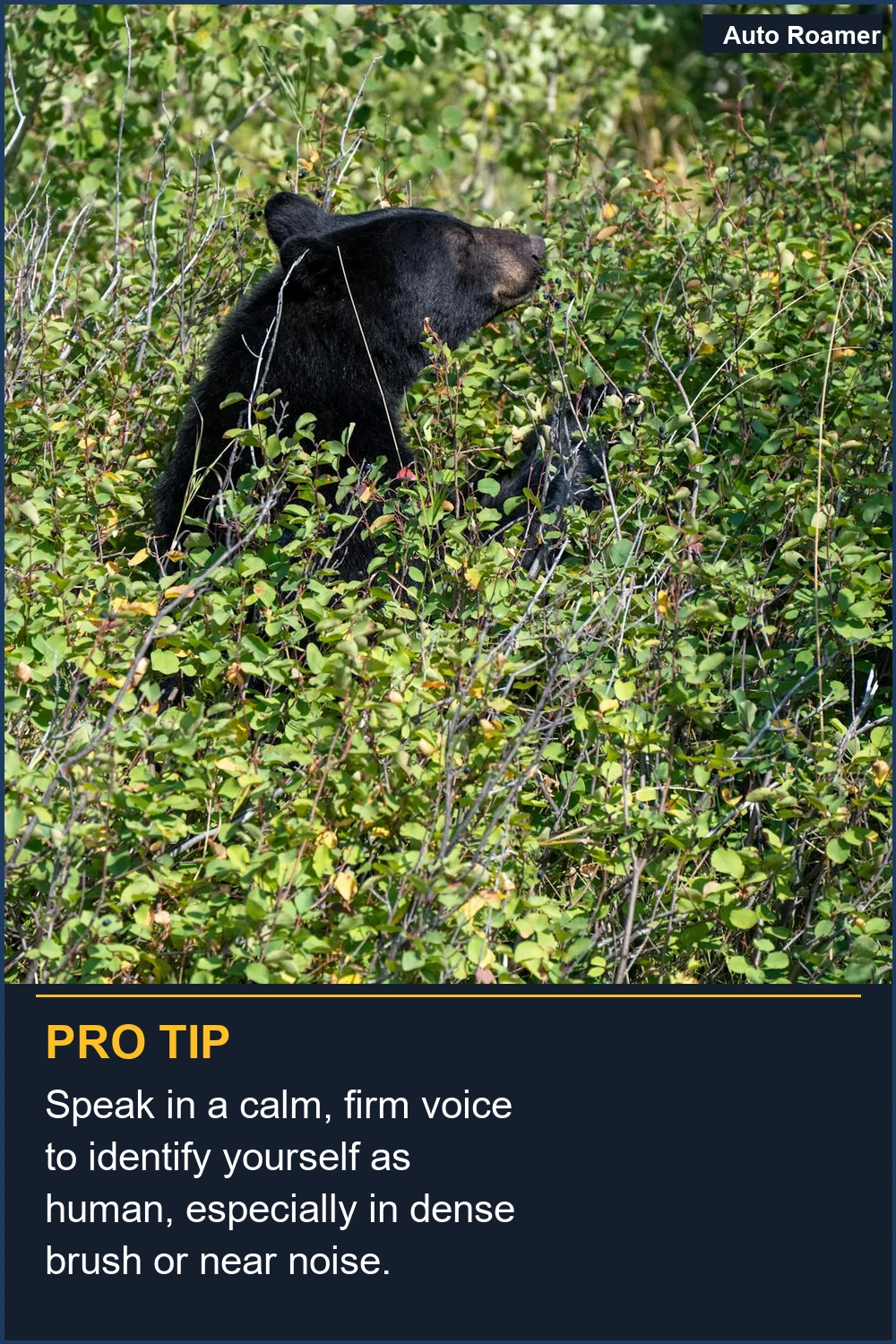
If you encounter a bear while camping, the immediate priority is to stay calm and do NOT run. Running can trigger a chase response in bears American Bear Association. Instead, identify yourself as human by speaking in a calm, assertive voice. Wave your arms slowly to appear larger and more noticeable. If the bear seems curious and stands on its hind legs, it's likely trying to get a better smell or look, not necessarily preparing to attack U.S. National Park Service.
When you see a bear, your next step is to slowly and calmly move away. Do not make direct eye contact, as this can be perceived as a challenge. If possible, move sideways, putting distance between yourself and the bear without turning your back. Always monitor the bear's reaction to your movements BearVault. Remember that your campsite setup, especially food storage, plays a massive role in preventing encounters. Ensure all food and scented items are stored in bear-proof containers or locked vehicles, well away from your tent BearWise.
If a bear approaches you aggressively, the response depends on the species. For black bears, fight back aggressively, aiming for the eyes and nose. Do not play dead, as this signals you are prey REI Expert Advice. However, if you are attacked by a brown/grizzly bear, play dead. Lie flat on your stomach with your hands clasped behind your neck, leaving your pack on for protection U.S. National Park Service. Having bear spray readily accessible and knowing how to use it is crucial; aim for the face when the bear is 20-30 feet away and use short bursts Montana Knife Company.
What You Need to Know
How to Handle This
What This Looks Like in Practice
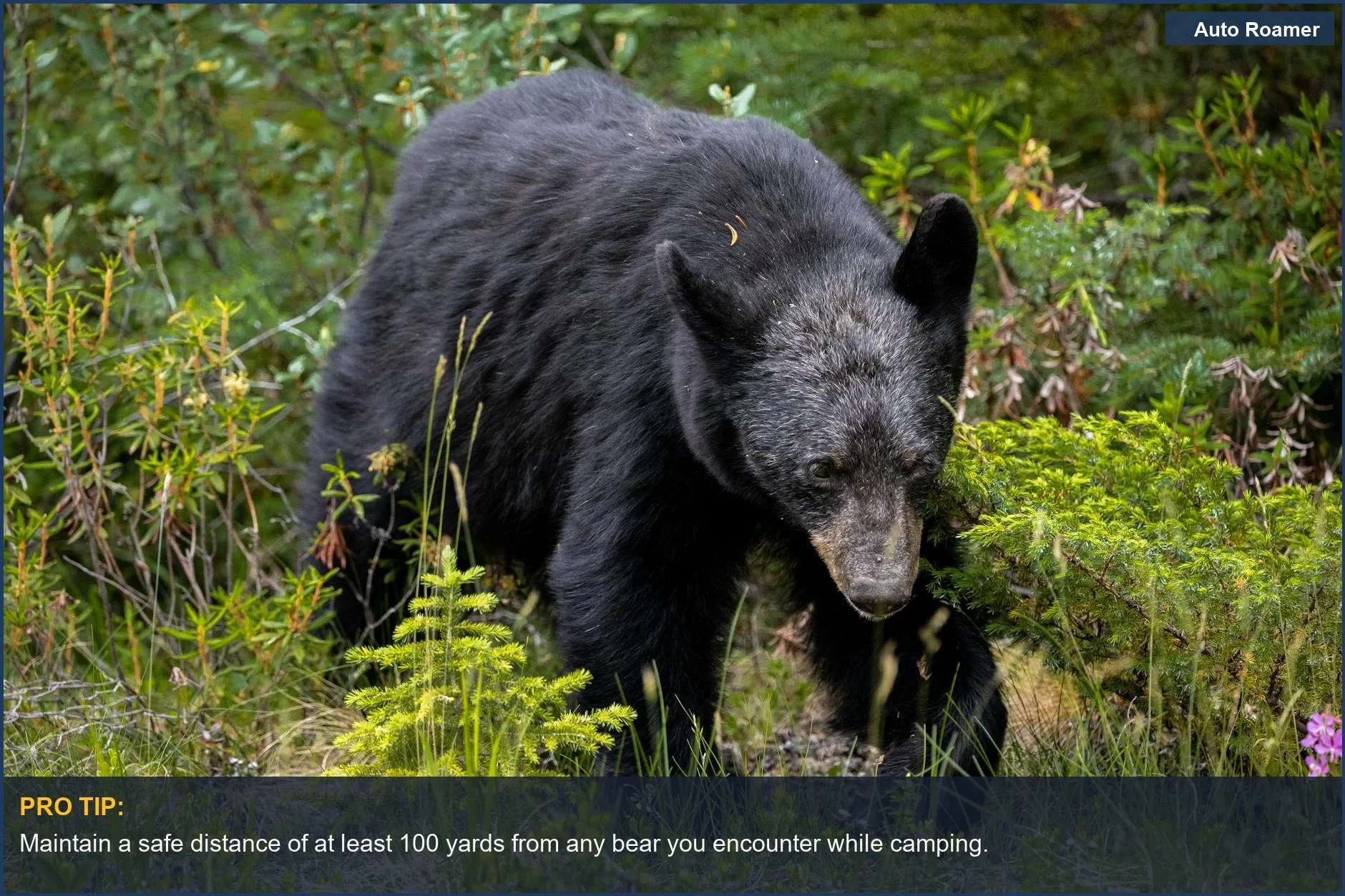
- Winter Mountain Pass in a Subaru Outback: Encountered a curious black bear near our parked vehicle at a remote trailhead in Colorado. The bear approached the Outback, sniffing around the tires. We stayed inside the car, remaining quiet and still. The bear eventually lost interest and ambled off into the woods. Keeping food securely stored inside the locked vehicle with windows fully rolled up prevented it from becoming a more significant issue BearWise.
- Summer Desert in a Honda Civic: While stopped on a scenic overlook in Utah, a young black bear emerged from the scrub brush and approached our Civic. It seemed drawn by the smell of snacks left on the dashboard. We immediately rolled up all windows and honked the horn repeatedly. The bear startled and retreated quickly. This aggressive noise deterrence worked effectively Facebook.
- Late Autumn Forest in a Pickup Truck: Camping in Montana, a grizzly bear entered our campsite while we were preparing dinner. It approached our pickup truck, which had camping gear visible in the bed. We immediately retrieved our bear spray and made ourselves appear large and loud. The bear, likely a sow with cubs nearby, initially stood its ground. Fortunately, it eventually moved away without direct confrontation. Leaving attractants out in the open is a critical mistake; proper food storage is paramount American Bear Association.
- Spring River Valley in an SUV: During a spring camping trip in Alaska, we spotted a brown bear foraging near a salmon stream. We maintained a significant distance, using binoculars to observe. The bear was aware of our presence but seemed unconcerned. We slowly and deliberately backed away, talking calmly to identify ourselves as humans. Never run from a bear; it can trigger a predatory chase response Islands.com.
Mistakes That Cost People
Key Takeaways
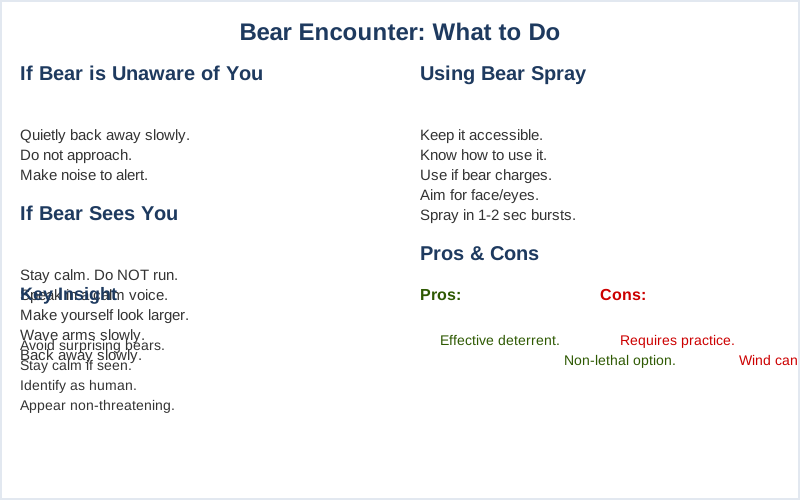
- When a bear encounter happens, stay calm and never run. Running can trigger a chase response, turning a curious bear into a threat American Bear Association. Your goal is to de-escalate the situation by letting the bear know you are human, not prey.
- Make yourself known by talking calmly and waving your arms slowly U.S. National Park Service. If the bear stands on its hind legs, it's likely curious, not aggressive. Back away slowly and sideways if you need to move, always keeping the bear in sight Islands.com.
- Remember the crucial difference between bear types: for a black bear attack, fight back aggressively, targeting its eyes and nose with any available tools REI Expert Advice. For a brown/grizzly bear attack, play dead, leaving your pack on for protection and lying flat on your stomach U.S. National Park Service.
- Bear spray is your most effective defense. Know how to use it; aim for the face and deploy for 1-2 seconds when the bear is 20-30 feet away, as you have only about 7-9 seconds of spray montanaknifecompany.com.
- The single most important thing to remember for any bear encounter camping is: DO NOT RUN. Your safety hinges on remaining calm and letting the bear know you are not a threat or prey.
Frequently Asked Questions
Help! I'm camping and just saw a bear. What's the first thing I should do?
I'm worried about running into bears while camping. What are some basic safety tips to avoid them?
If a bear approaches my campsite, should I try to scare it away or just leave it alone?
What's the difference in how I should react if I see a black bear versus a grizzly bear?
I'm going camping in bear country. What gear should I absolutely have for bear safety?
Sources
- Staying Safe Around Bears - Bears (U.S. National Park Service)
- How to Stay Safe From Bears While Camping: Defense Tools and ...
- Did any of you encounter bears while camping? How ... - Facebook
- Hiking & Camping in Black Bear Country - American Bear Association
- Backpacking & Camping in Bear Country | REI Expert Advice
- What to Do If You See a Bear: A Complete Guide
- What To Do If You're Out Hiking Or Camping And You See A Bear
- Bear Encounters: Ways to Avoid, How to Respond - BearWise