Car Safety

What to Do After a Minor Fender Bender (2026 Complete Guide)

Auto Roamer
11 min read
Prices verified February 2026
Includes Video

The screech of tires, the sickening crunch of metal - it's a sound no driver wants to hear. You've just had a minor fender bender, perhaps a gentle tap at a red light or a scrape in a crowded parking lot.

The screech of tires, the sickening crunch of metal - it's a sound no driver wants to hear. You've just had a minor fender bender, perhaps a gentle tap at a red light or a scrape in a crowded parking lot. Your heart pounds, adrenaline surges, and your mind races. What do you do now? This isn't just an inconvenience; it's a critical moment where your actions can significantly impact your health, finances, and legal standing How to Handle a Fender Bender the Right Way in California?. Even seemingly small impacts can lead to hidden damage or delayed injuries. It's essential to stay calm and follow a clear plan. Your safety and the safety of others involved are paramount What to Do After a Car Accident | AAA Insurance. This guide will walk you through the immediate steps to take after a minor car accident, ensuring you protect yourself and navigate the aftermath effectively.
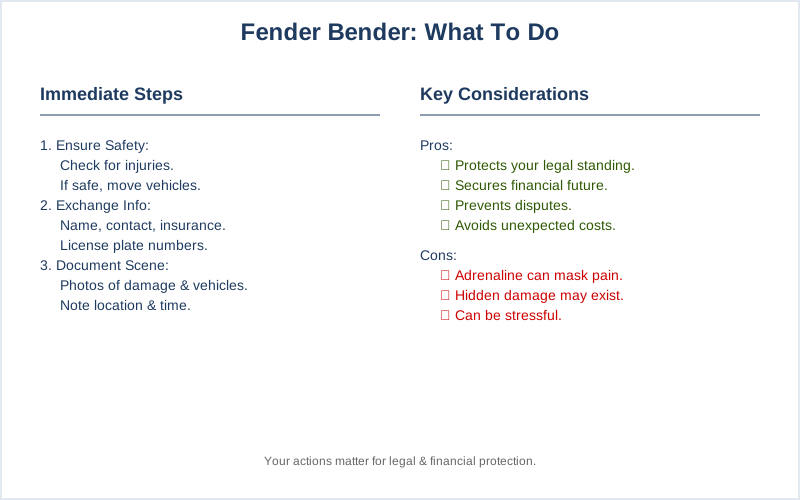
Infographic: Fender bender steps & specs comparison.
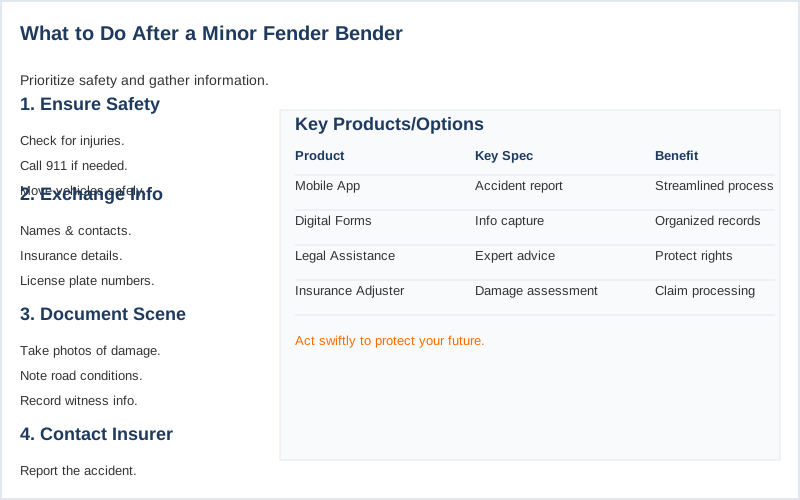
Key specifications for What to Do After a Minor Fender Bender

The Short Answer

The core of handling a minor fender bender isn't just about the damage; it's about securing your future legal and financial standing. Your immediate actions dictate whether you're protected or vulnerable to insurance disputes and unexpected costs.

The absolute first priority after any collision, no matter how minor, is ensuring everyone's safety.

Check for injuries on yourself, your passengers, and the occupants of the other vehicle. If anyone is hurt, call 911 immediately. Even if there are no obvious injuries, it's wise to seek medical attention soon after, as adrenaline can mask pain prestigelaw.com. If the scene is safe, move your vehicles out of traffic to prevent further accidents Caliber.

Next, document everything meticulously. This is your crucial evidence. Take extensive photos of the damage to all vehicles, the surrounding area, and license plates. Gather the other driver's name, address, phone number, and insurance information. Do not admit fault at the scene; statements made in the heat of the moment can be used against you tflcar.com.

Call the police to file a report, even if the damage seems minor. A police report provides an official record of the incident, which is vital for insurance claims and legal protection karlaw.com. In California, around 69 percent of police-reported car crashes result in property damage Caliber.

Finally, notify your insurance company promptly, even if you believe the other party will pay out of pocket. Provide them with all the details you've gathered. Obtain your own repair estimate to compare with any provided by the other party JustAnswer.
To ensure you're fully prepared, review our comprehensive car accident checklist for essential steps to take.
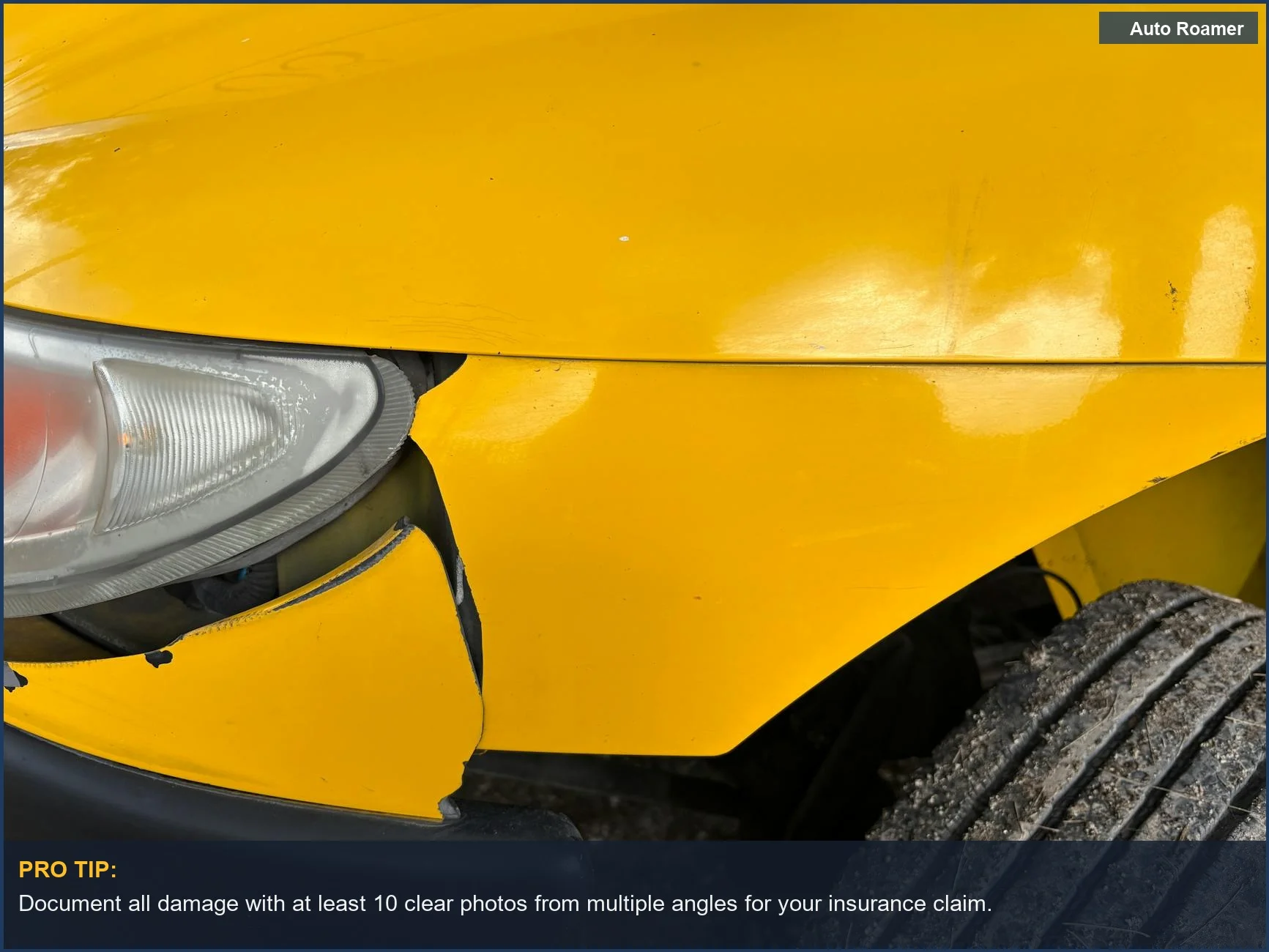
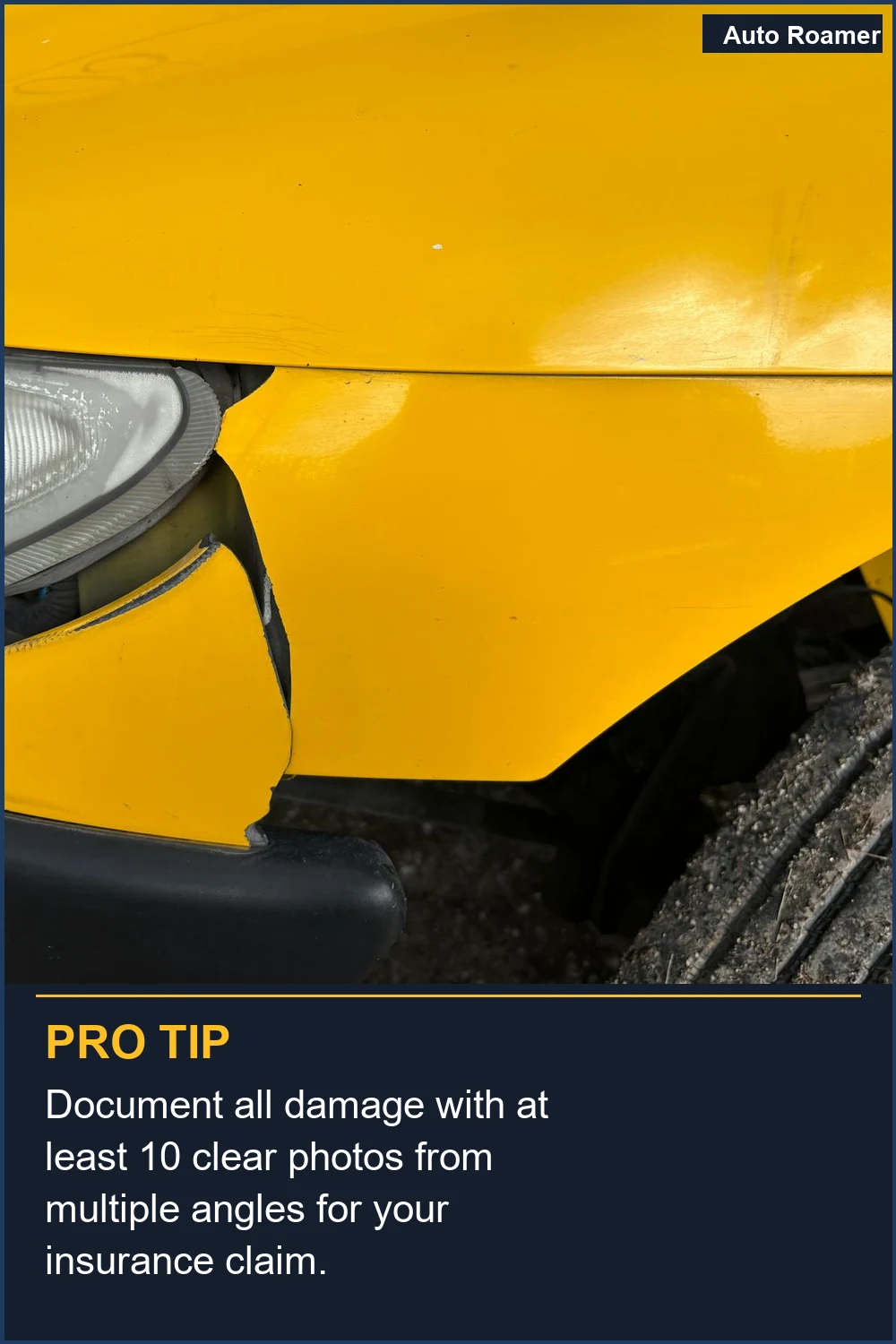
Document all damage with at least 10 clear photos from multiple angles for your insurance claim.
Even minor damage like this dented bumper after a fender bender needs careful documentation for insurance purposes. Take clear photos of all affected areas. | Photo by Jorge Romero

What You Need to Know

1
Prioritize Safety First - Your immediate concern after a minor car accident, or fender bender, is everyone's safety. Check yourself and your passengers for any injuries. If anyone is hurt, call 911 immediately. Your safety and the safety of others are paramount. Even if the collision seems minor, assess the situation before moving.
2
Secure the Scene and Call for Help - If no one is injured and it's safe to do so, move your vehicle out of traffic to a secure location to avoid further incidents or disruptions. This is critical for safety and to prevent additional damage Caliber. Even for a minor fender bender, calling the police can be beneficial. A police report provides an official record, which is invaluable for insurance claims and potential disputes TFLcar.
3
Document Everything Thoroughly - This is where you protect yourself legally and financially. Take extensive photos of the damage to all vehicles involved, the surrounding area, and any relevant road conditions or signs. Jot down notes about what happened, when, and where. Exchange contact and insurance information with the other driver(s). Do not admit fault; statements made at the scene can be used against you later Prestige Law.
4
Seek Medical Attention and Get Estimates - Even if injuries aren't immediately apparent, some issues like whiplash may manifest later TFLcar. It's wise to get checked out by a medical professional to document any potential injuries. After the immediate aftermath, obtain your own repair estimate from a trusted body shop to compare with any estimate provided by the other party JustAnswer. Mechanics can uncover hidden damage that isn't visible externally.
5
Notify Your Insurance Company - Promptly inform your insurance provider about the accident, regardless of fault. This is crucial for initiating the claims process and ensuring your policy coverage is activated. Failing to report can jeopardize your claim. While fender benders are common, with 69 percent of police-reported crashes in 2020 resulting in property damage Caliber, proper procedure protects you.
When prioritizing safety after any vehicle incident, it's also important to know what to do if you encounter wildlife, like in our guide on hitting a deer.
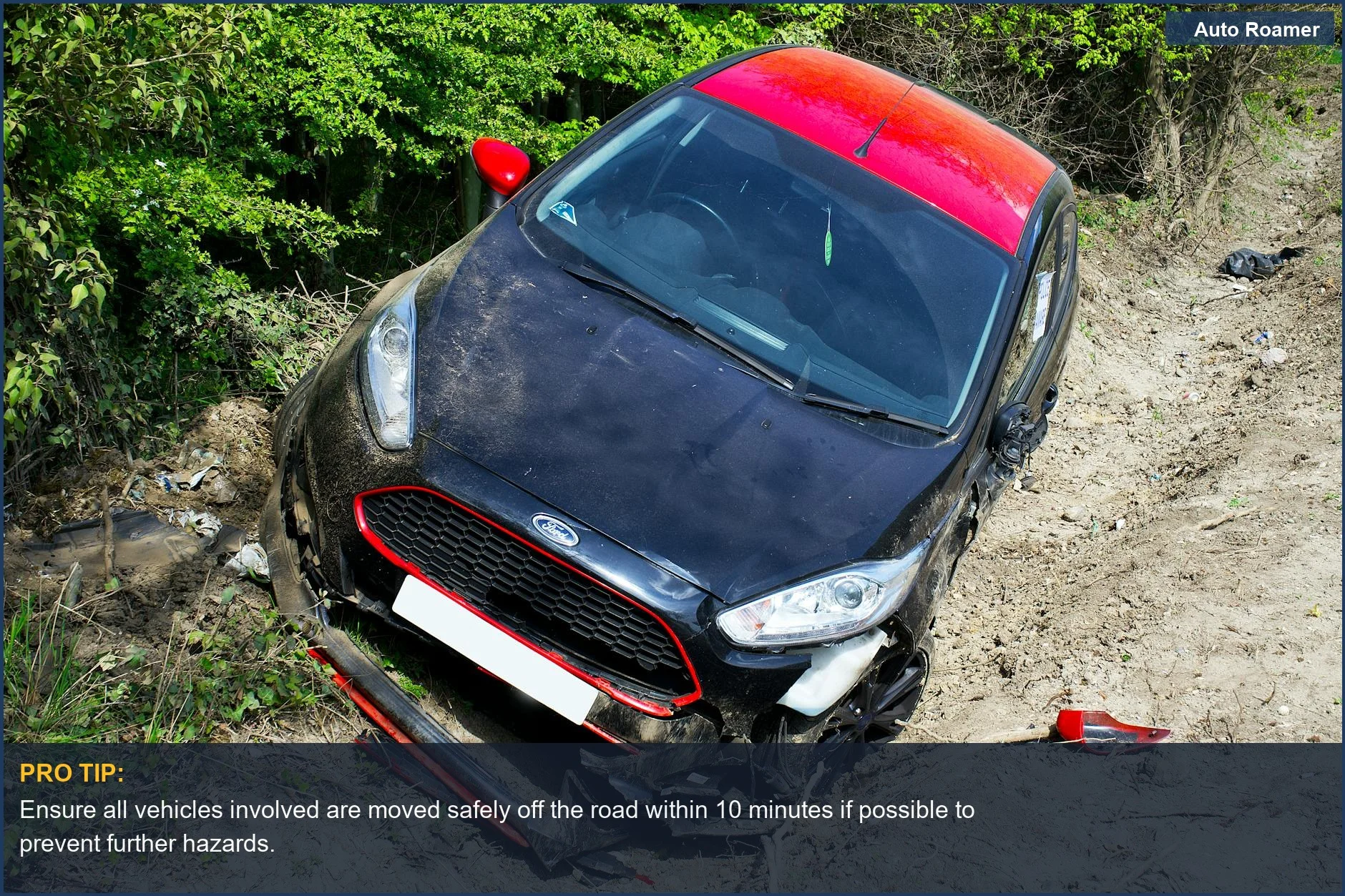
Ensure all vehicles involved are moved safely off the road within 10 minutes if possible to prevent further hazards.
This damaged car on a dirt road highlights the importance of assessing your surroundings after a minor car accident. Prioritize safety and move vehicles if feasible. | Photo by Mike Bird

How to Handle This

1
Prioritize Safety and Assess for Injuries - This is the absolute first thing. Even if you feel fine, adrenaline masks pain. Check yourself, then your passengers, and if safe, the occupants of the other vehicle. If there's any sign of injury, call 911 immediately. Fender benders can cause delayed injuries, and ignoring them can lead to bigger problems.
2
Move to a Safe Location if Possible - If the vehicles aren't drivable or are blocking traffic, and it's safe to do so, move them out of harm's way. A minor car accident on a busy highway or at an intersection can quickly become a major one if you don't clear the roadway. This prevents further collisions and keeps everyone safer. This is crucial, especially during rush hour or in poor weather conditions.
3
Document Everything Thoroughly - This is your digital evidence. Take pictures of the damage to both vehicles from multiple angles, the surrounding area, license plates, and any relevant road signs or traffic signals. Note the time of day, weather conditions, and the exact location. If there are witnesses, get their contact information. This detailed record is invaluable for insurance claims and potential disputes. Failing to document can leave you vulnerable later.
4
Exchange Information and Notify Authorities - Get the other driver's name, address, phone number, insurance company, and policy number. Even for a minor incident, calling the police is often recommended. A police report provides an official record and can be critical if fault is disputed or injuries become apparent later. Without a police report, you might lose legal protection.
5
Report to Your Insurance Company Promptly - Contact your insurance provider as soon as possible, even if you believe the damage is minimal or you weren't at fault. Delays can jeopardize your coverage. Be factual and avoid admitting fault, as this can be used against you. Your insurer will guide you through the claims process. They can also advise on repair estimates.
Once you've ensured everyone's safety, you might want to consider how to fix any minor damage with our tips on removing small dents.
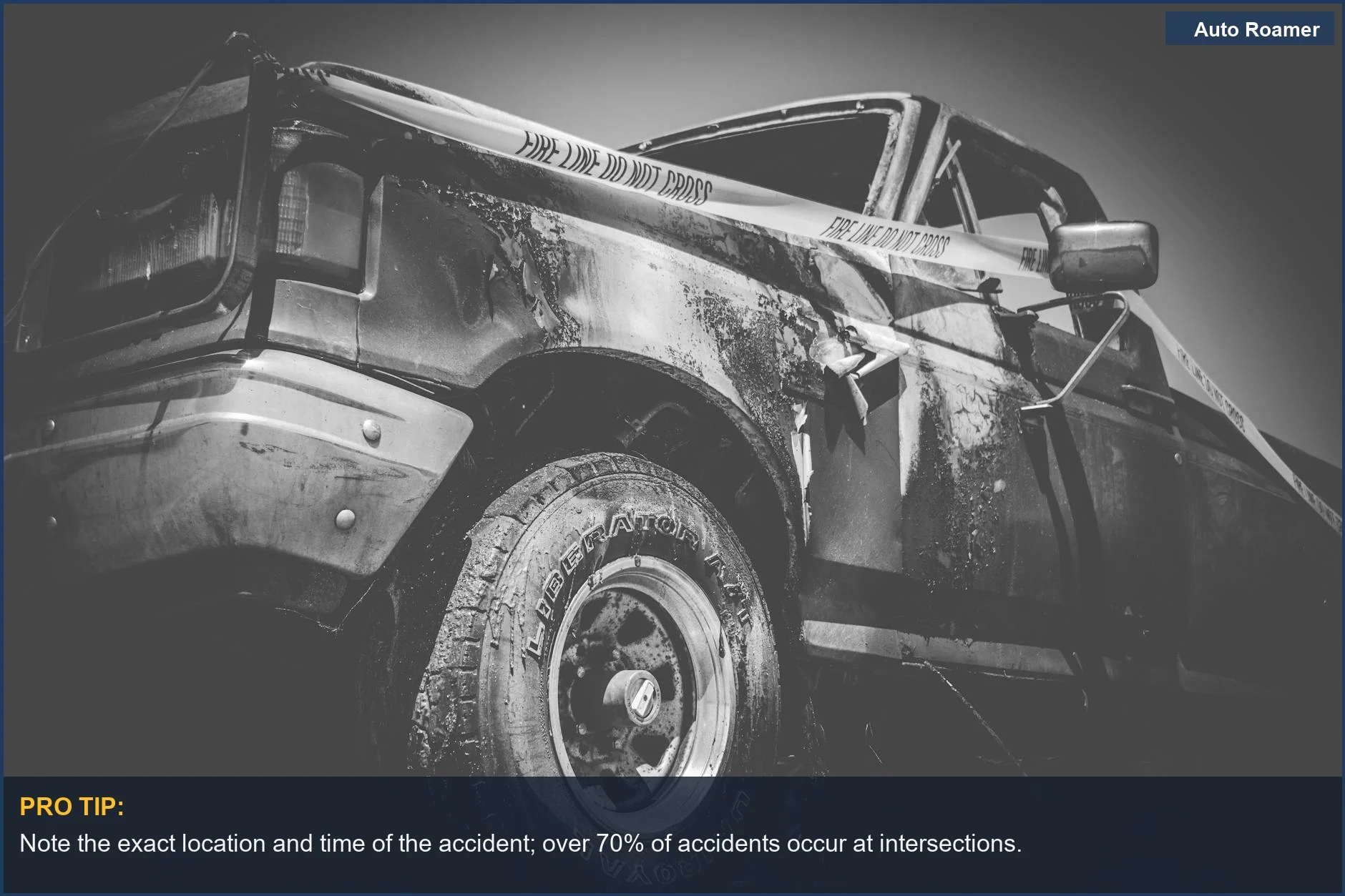
Note the exact location and time of the accident; over 70% of accidents occur at intersections.
While this truck shows significant damage, the principles of handling any accident apply. Understanding what to do after an accident is crucial for all situations. | Photo by Tina Nord

What This Looks Like in Practice

  • Urban Intersection Rear-End A driver stopped at a busy urban intersection during heavy rush hour traffic was rear-ended. The impact, while jarring, resulted in minor damage to the bumper. Moving the vehicles to a safer location off the active roadway was crucial to prevent further disruption and potential secondary accidents Caliber. Documenting the scene with photos of both vehicles and the surrounding intersection proved invaluable later for insurance purposes.
  • Parking Lot Scrape While Reversing While backing out of a tight parking space at a shopping center, a driver misjudged the distance and lightly scraped another parked vehicle. The damage was superficial, a mere scratch on a fender. Exchanging insurance information promptly with the other driver, even for minor damage, is standard procedure to avoid future complications prestigelaw.com. Failing to report it could lead to unexpected issues if the other party later decides to file a claim.
  • Highway Merge Tap During a highway merge, a vehicle experienced a light tap from another car attempting to change lanes. The collision caused a minor dent to the rear quarter panel. The immediate priority was to pull over safely to the shoulder if possible and assess for any injuries, even if none were immediately apparent karlaw.com. Calling the police, even for seemingly minor incidents, establishes an official record which can be critical insurance.ca.gov.
  • Low-Speed Drive-Thru Bump In a slow-moving drive-thru line, a momentary lapse in attention led to a low-speed bump into the vehicle ahead. The resulting damage was minimal, perhaps a slight scuff mark. It's important to remain calm and avoid admitting fault, as adrenaline can lead to impulsive statements that could be used against you later tflcar.com. Documenting the scene and exchanging information ensures both parties are covered.
In addition to handling aggressive drivers, it's important to know what to do if you encounter wildlife, such as a deer, on the road; read about hitting a deer for safety tips.
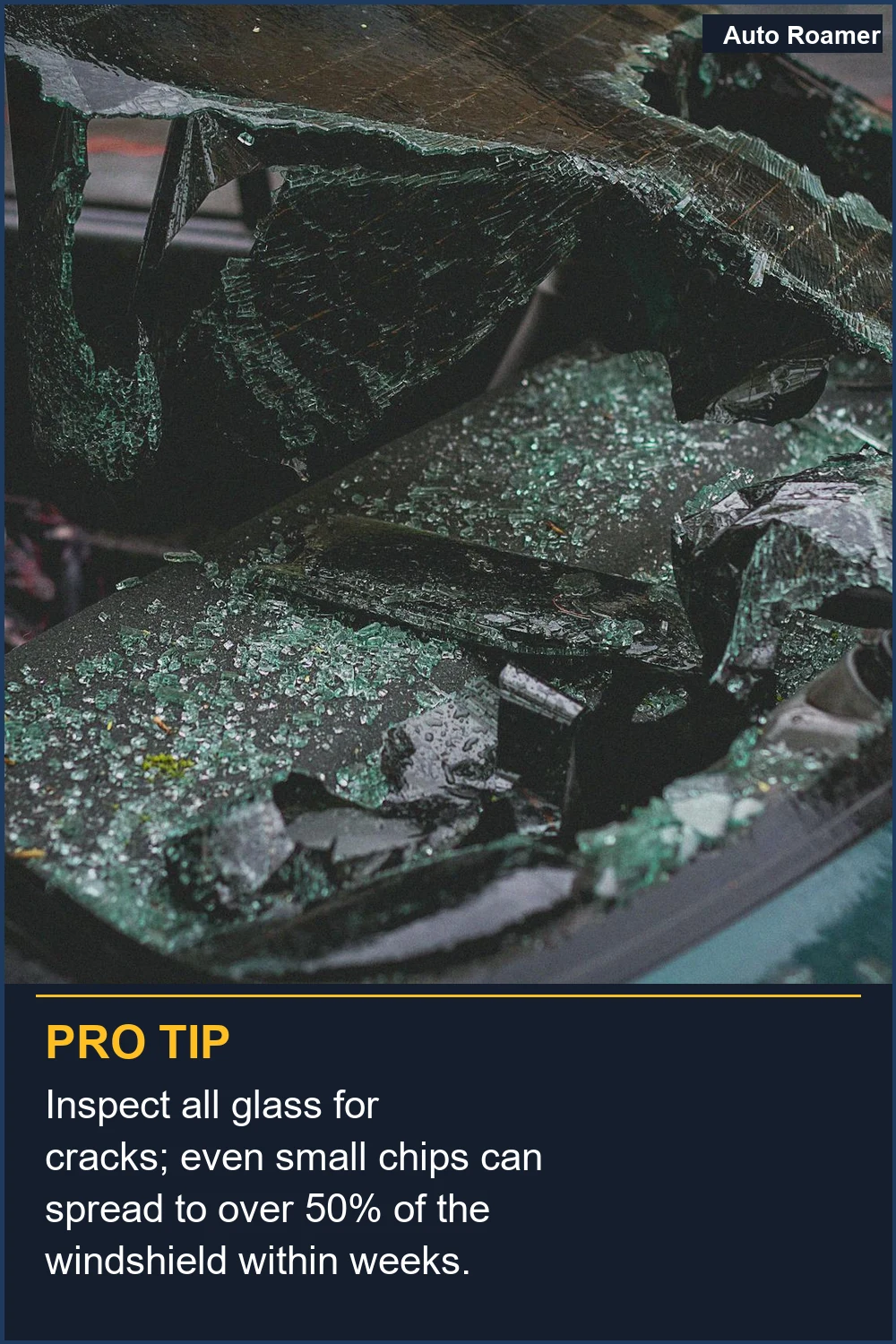
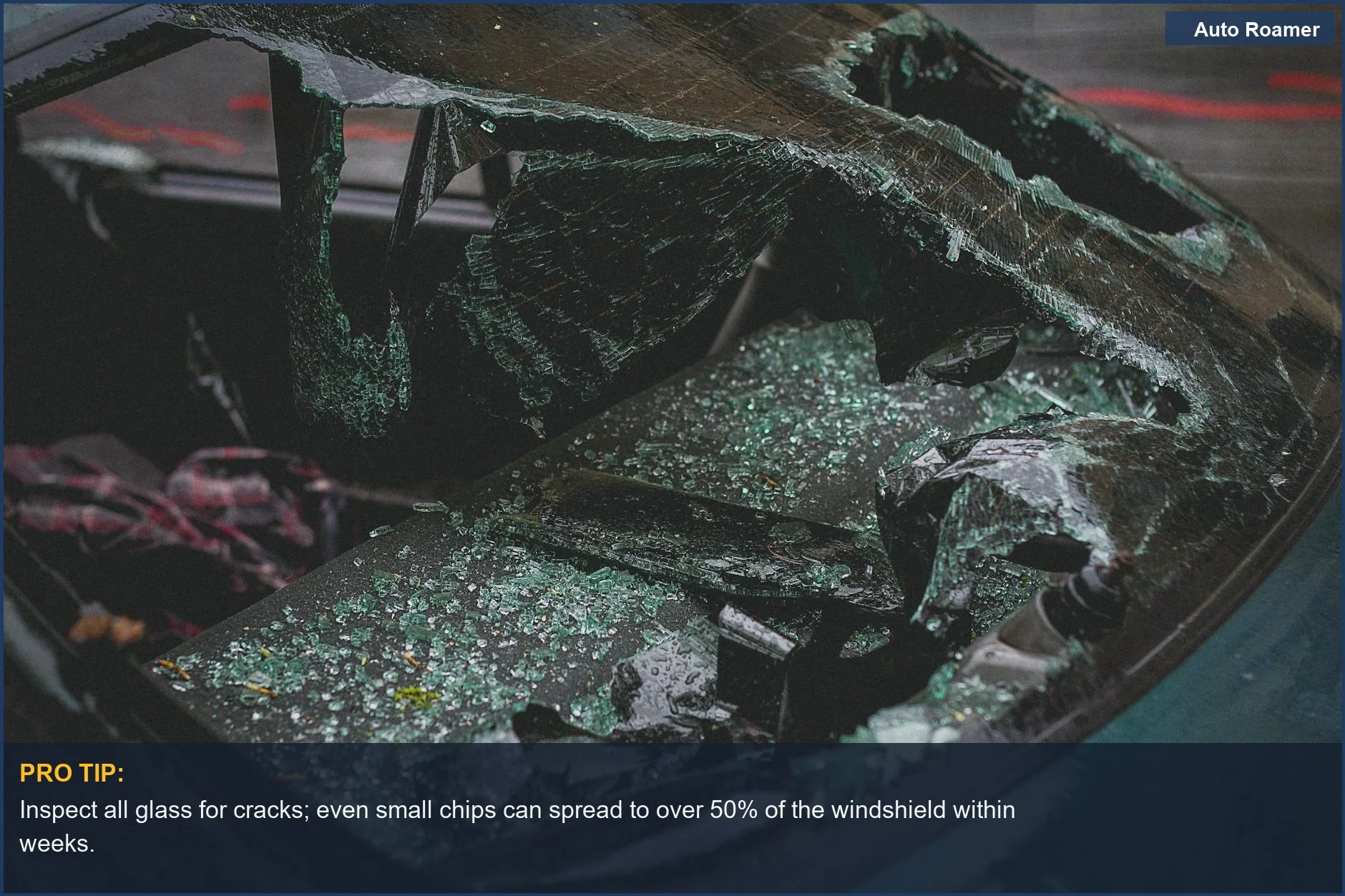
Inspect all glass for cracks; even small chips can spread to over 50% of the windshield within weeks.
A shattered windshield is a stark reminder of impact. Learn what to do after a minor accident to ensure you cover all necessary steps, starting with safety. | Photo by Artyom Kulakov

Mistakes That Cost People

Symptom Forgetting to document the scene thoroughly.
Signal Insurance adjusters questioning damage or liability due to lack of evidence.
Fix Take photos and videos of all angles of both vehicles, the surrounding area, and any visible injuries immediately after ensuring safety. Don't rely on memory; capture license plates, road conditions, and even skid marks. This documentation is vital for your insurance claim and any potential disputes after a fender bender. How to Handle a Fender Bender the Right Way in California?
Symptom Admitting fault at the scene.
Signal Your insurance company denying coverage or drastically increasing premiums.
Fix Never admit fault, even if you feel responsible. Statements like "I'm so sorry" can be twisted. Let the insurance companies and potentially the police determine fault. Focus on exchanging information and ensuring everyone's safety. You Just Had a Fender Bender: The Critical Steps After a Collision
Symptom Skipping the police report for a seemingly minor incident.
Signal Difficulty proving the accident occurred or resolving disputes later on.
Fix Call the police regardless of the perceived severity. A police report provides an official record of the minor car accident, which is invaluable for insurance claims and legal protection. Even if they don't come to the scene, their dispatch number can be useful. What to Do After a Car Accident in California: A Legal Guide
Symptom Ignoring potential injuries due to adrenaline.
Signal Delayed onset of pain and difficulty linking injuries to the accident.
Fix Seek medical attention even if you feel fine. Adrenaline can mask injuries like whiplash. Getting checked out promptly creates a medical record that links any subsequent pain or issues directly to the accident, which is crucial for insurance and legal purposes. What to Do After a Minor Fender Bender: A Complete Guide
Symptom Driving newer vehicles with advanced driver-assistance systems (ADAS) and assuming they handled the impact.
Signal Malfunctioning ADAS features after a collision, leading to unexpected behavior or safety risks.
Fix Have ADAS sensors recalibrated after any collision, even a minor one. Sensors for adaptive cruise control, lane keeping, and automatic emergency braking can be knocked out of alignment. This ensures these critical safety features function correctly.
Symptom Not getting your own repair estimate.
Signal Overpaying for repairs or accepting subpar work.
Fix Obtain your own independent repair estimate. Don't solely rely on the estimate provided by the other party's insurance or chosen shop. Compare estimates to ensure fair pricing and quality work for your vehicle. What to Do After a Minor Accident, Obtain Your Own Repair Estimate
In addition to documenting accidents, it's also important to know how to handle unexpected situations, like when a pet causes a car breakdown.
Pros/cons of actions after a minor car fender bender.
Product comparison for What to Do After a Minor Fender Bender

Key Takeaways

  • Prioritize safety first: Check yourself and others for injuries. If anyone is hurt, call 911 immediately. Even in a minor car accident, your well-being is paramount. You Just Had a Fender Bender: The Critical Steps After a Collision
  • Document everything meticulously: Take clear photos of the damage, license plates, and surrounding area. Gather contact information from all parties involved and any witnesses. This detailed record is crucial for insurance claims and potential legal matters. What to Do After a Car Accident in California: A Legal Guide
  • Report the incident: Even for a minor fender bender, it's often wise to call the police to create an official report. This provides an objective record and can protect your rights. Notify your insurance company promptly, regardless of fault. What To Do After A Minor Car Accident in California?
  • Never admit fault: Avoid making statements that could be interpreted as admitting blame at the scene. Let the insurance companies and authorities determine fault.
  • Seek medical attention: Adrenaline can mask injuries. Even if you feel fine, a medical evaluation is essential to rule out hidden issues like whiplash. How to Handle a Fender Bender the Right Way in California?
  • The single most important thing to remember after a fender bender is to prioritize safety and document everything. Your health and a clear record are your best defenses.
In case of more serious accidents, knowing how to retrieve dashcam footage can be invaluable.

Frequently Asked Questions

Just got into a small bump, what are the first things I should do after a fender bender?
The absolute first priority is safety. Check yourself and any passengers for injuries, and if anyone is hurt, call 911 immediately. If it's safe to do so, move your vehicle out of traffic to prevent further accidents or disruptions.
What's the most important step after a minor car accident if no one is hurt?
Even without visible injuries, it's crucial to document everything thoroughly. Take pictures of the damage to both vehicles, the surrounding area, and any relevant road signs or conditions. This evidence is invaluable for insurance claims and potential disputes.
Should I call the police for a fender bender where there's only minor damage?
Yes, it's generally recommended to call the police even for a minor incident. A police report provides an official record of the accident, which can be essential for your insurance company and protects you legally, especially if any issues arise later.
What information do I need to exchange with the other driver after a minor car accident?
You should exchange names, addresses, phone numbers, and insurance company details. It's also wise to get the other driver's license plate number and, if possible, their driver's license number. Never admit fault at the scene, as this can impact your insurance claim.
My car has a small dent after a bump, should I still get it looked at by a mechanic?
Absolutely. Even minor impacts can cause hidden damage that isn't immediately visible, such as to the frame or internal components. Visiting a trusted body shop can uncover these issues and ensure your vehicle is safe and properly repaired, often within a few days for minor cosmetic fixes.

Sources

Related Articles