
What To Do After A Car Accident Checklist (2026 Complete Guide)
After a car accident, prioritize safety by checking for injuries among all parties. Call emergency services if needed, exchange information with the other driver, and document the scene with photos. Notify your insurance company within 24 hours and seek medical attention, even for minor injuries. Remember, staying calm and following these steps can help you navigate the aftermath effectively.
Experiencing a car accident can be a disorienting and stressful event, leaving us wondering what to do after a car accident. Whether it's a minor fender bender or a serious collision, knowing the appropriate steps to take can significantly impact our safety, legal standing, and insurance claims. We've compiled a comprehensive checklist to guide you through the immediate aftermath of an accident, ensuring you don't miss any critical steps.
First and foremost, we emphasize the importance of staying calm and assessing the situation. Check for injuries, both to yourself and others involved, and if safe, move vehicles out of traffic to prevent further incidents. Calling 911 is crucial, as they can dispatch medical assistance and document the accident for legal and insurance purposes. Each of these initial steps plays a vital role in protecting your well-being and establishing a clear record of events.
Why does this checklist matter? The moments following an accident can be chaotic, and we often find ourselves overwhelmed by emotions. Having a structured plan helps us act decisively and ensures that we gather essential information, such as exchanging contact and insurance details with other parties involved. Additionally, documenting the scene with photographs and obtaining witness statements can be invaluable when filing claims or if disputes arise later on. According to Progressive, keeping calm and methodically working through these steps can make a significant difference in the outcome of your case.
This guide not only helps mitigate potential legal repercussions but also aids in a smoother interaction with insurance companies. As noted by State Farm, being prepared can streamline the claims process, helping you get back on the road sooner. By understanding what to do after a car accident, we empower ourselves to navigate this challenging situation effectively, ensuring that we handle it with the seriousness it deserves.

The Short Answer: What To Do After A Car Accident Checklist
After a car accident, our immediate recommendation is to stay calm and prioritize safety. Start by checking for injuries among all parties involved. If anyone is injured or the situation poses immediate danger, call 911 right away. Once safety is assured, gather information from all drivers, including names, contact details, insurance information, and vehicle details. Taking photos of the scene and damages is crucial for insurance claims and future reference. Lastly, notify your insurance company about the accident as soon as possible to initiate the claims process.
Key facts to consider include the importance of documenting everything. For instance, in situations involving injuries or significant damage, a police report is essential for your insurance claim. Ensure you gather a copy of this report for your records. It's also wise to avoid discussing fault at the scene; focus solely on collecting necessary information. If you feel overwhelmed, remember that your insurance agent can guide you through the next steps, ensuring you follow the correct procedures.
The bottom line is that knowing what to do after a car accident can significantly affect the outcome of your claim and your recovery process. This checklist serves as a reliable guide to help navigate the aftermath of a car accident, ensuring you cover essential steps without unnecessary stress.
For a detailed approach, we recommend these steps: first, check yourself and others for injuries. If safe, move vehicles out of traffic to prevent further accidents. Contact emergency services to report the crash, and keep the scene secure until help arrives. Exchange information with the other driver(s), and remember to document the scene thoroughly with photos and notes. Finally, reach out to your insurance company to report the accident, as they will guide you on the next steps to take in filing your claim Source. Make sure to keep all documentation organized, as this will be invaluable when filing claims and dealing with any legal matters Source.
What You Need to Know
After a car accident, we often find ourselves disoriented and unsure of what to do next. However, having a clear checklist can significantly ease the stress of managing the situation. We recommend that you follow a structured approach, taking into account the nuances and exceptions that may arise depending on the circumstances of the accident.
First, it's crucial to assess the scene. We should start by checking ourselves and our passengers for injuries. If anyone is hurt, it is vital to call 911 immediately. This is non-negotiable. In the event of a serious accident, even if injuries are not apparent, calling for medical assistance is essential. According to AAA Insurance, remaining calm is key; taking a deep breath can help us think clearly.
Next, if it is safe to do so, we should move our vehicles out of the flow of traffic to prevent further accidents. If the cars cannot be moved, we should turn on hazard lights and set up warning triangles if we have them. It's important to remain at the scene until law enforcement arrives, especially if there are injuries or significant property damage, as police will create an official accident report, which is crucial for insurance claims.
Once safety is established, we need to exchange information with the other driver(s). This includes names, insurance details, and contact information. Remember, we should avoid admitting fault or making statements that could be interpreted as an admission of liability. According to State Farm, our words can be used against us later, which is why being factual and calm is essential during this process.
Taking photos of the accident scene is another critical step. Document the positions of the vehicles, damage to all cars, and any relevant road signs or signals. These images can serve as vital evidence when filing an insurance claim. We should also note any witnesses' contact information, as their accounts may be beneficial if disputes arise later.
If the accident involves another party, we should notify our insurance company as soon as possible, typically within 24 hours. Each insurance policy may have specific reporting requirements, so being prompt can help in managing claims efficiently. We can refer to guidelines from California's Department of Insurance for more detailed instructions on what to report.
In certain situations, such as minor accidents with no injuries, we may opt not to involve law enforcement, though this varies by state. For example, some states require a police report for any accident, while others allow for private exchanges of information if both parties agree.
Lastly, we should consider following up with medical professionals even if we feel fine. Injuries from car accidents can manifest hours or even days later. It's wise to document any medical visits related to the accident for insurance purposes.
By following this checklist, we can navigate the aftermath of a car accident more effectively, ensuring that we protect ourselves and our interests while remaining compliant with the law.
How to Handle This
After a car accident, knowing what to do can significantly impact your safety, insurance claims, and overall peace of mind. Here's a step-by-step guide on how to handle the situation effectively.
-
Stay Calm and Assess the Situation: First, take a deep breath. It's important to remain calm. Look around to see if anyone is injured. If there are injuries, call 911 immediately. Even if the accident seems minor, it is wise to alert the authorities, as they can document the scene and provide assistance if needed Progressive.
-
Move to Safety: If your vehicle is drivable and it's safe to do so, move it out of traffic to prevent further accidents. Turn on your hazard lights to alert other drivers. If you can't move your vehicle, stay inside with your seatbelt fastened until help arrives AAA Insurance.
-
Exchange Information: After ensuring safety, we recommend exchanging contact and insurance details with the other driver(s). Collect names, phone numbers, insurance policy numbers, and license plate numbers. Be factual; avoid discussing fault or blame at this stage.
-
Document the Scene: Use your smartphone to take photos of the vehicles involved, the accident scene, and any visible damage. This documentation will be invaluable when filing your insurance claim. Capture details like road signs, traffic signals, and any relevant environmental conditions 1800 Lion Law.
-
Notify Your Insurance Company: Contact your insurance agent as soon as possible to report the accident. Provide them with all the details, including the police report number if applicable. Having this documented promptly can help streamline your claim process California Department of Insurance.
-
Seek Medical Attention: Even if you feel fine, it's a good idea to visit a healthcare professional to rule out any hidden injuries. Some issues may not be immediately apparent following an adrenaline rush from the accident.
-
Follow Up on Repairs: Once you're ready, start the process of getting your vehicle repaired. Obtain multiple estimates from reputable auto body shops to ensure you're getting a fair price.
-
Stay Organized: Keep all documents related to the accident in one place, including police reports, medical records, and correspondence with your insurance company. This organization will be crucial if disputes arise.
-
Consult Legal Help if Necessary: If there are complexities, such as disputes over fault or injuries, consider consulting a legal professional who specializes in auto accidents to understand your rights and options.
By following these practical steps after a car accident, we can effectively manage the aftermath, ensuring safety, proper documentation, and a smoother insurance process. Stay informed, and keep this checklist handy in your vehicle for easy access.
Safety Considerations
Accidents can be chaotic, and safety should always be our top priority. After a car accident, we must navigate several safety considerations to protect ourselves, others involved, and our legal standing.
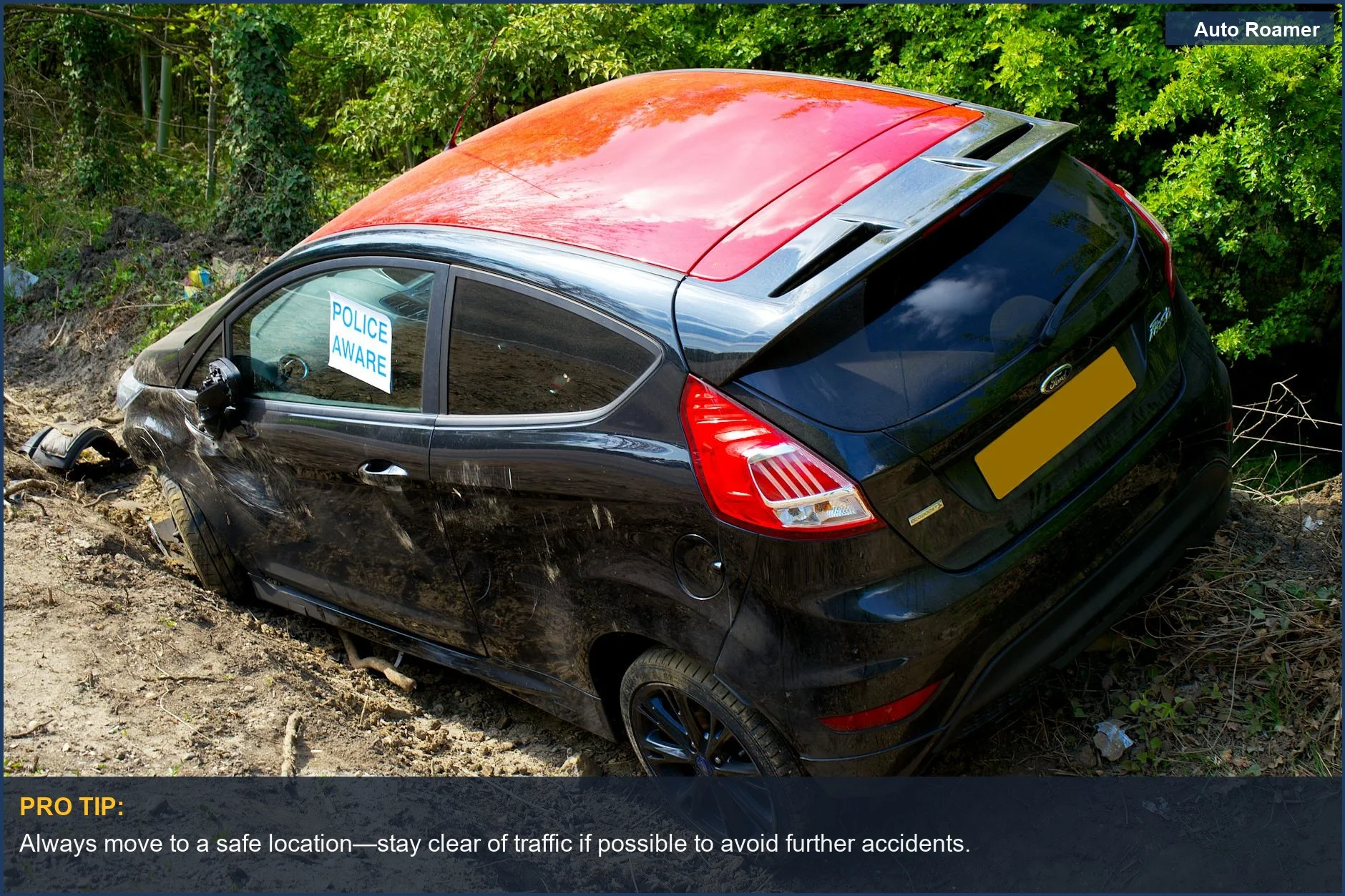
First, we need to assess any immediate safety risks at the accident scene. If the vehicles are in a position that poses a danger-such as blocking traffic or leaking fluids-our first step should be to move to a safer location if possible. While we may feel the urge to check on others, we must ensure that we are not putting ourselves in harm's way. For instance, if we smell gasoline or notice smoke, we should move far away from the vehicles and wait for emergency services to arrive AAA Insurance.
Health hazards are another critical concern. Even if we feel fine after an accident, adrenaline can mask injuries. We recommend seeking medical attention, especially if we experience any symptoms like dizziness, pain, or confusion. Some injuries, such as concussions or internal injuries, may not be immediately apparent. It's wise to consult a healthcare professional to rule out any serious conditions Progressive.
Legal consequences can arise from how we handle the aftermath of the accident. We should avoid admitting fault or making statements that could be misconstrued. It's essential to document the scene accurately, including taking photos and collecting witness statements, which can be invaluable in determining liability later. Legal issues can escalate quickly, so if we feel overwhelmed or uncertain about our rights, we may want to consult with a legal professional who specializes in auto accidents 1800LionLaw.
When watching out for potential pitfalls, we need to be cautious of how we interact with the other parties involved. We should exchange information, but keep the conversation factual and calm. Avoid discussing insurance details or making any statements that could be interpreted as accepting blame. Additionally, we should be aware of our insurance policy requirements, as failing to notify our insurer promptly can have negative repercussions California Department of Insurance.
In summary, after a car accident, we must prioritize safety, health, and legal considerations. If we experience any doubts or complexities in handling the situation, we should not hesitate to seek professional help, whether from medical providers or legal experts. Making informed decisions in these critical moments can significantly influence our recovery and future interactions following the accident.
Common Mistakes to Avoid
In the aftermath of a car accident, it's easy to feel overwhelmed, leading to common mistakes that can complicate the situation. First and foremost, many people mistakenly assume that they should admit fault at the scene. This is dangerous; even if you believe you were responsible, acknowledging blame can have legal consequences. Instead, we recommend staying calm and gathering facts without making statements that could be interpreted as an admission of guilt AAA Insurance.
Another frequent error is failing to call the police, regardless of the accident's severity. Some individuals think that if no one is injured and the damage seems minor, a police report is unnecessary. However, having an official record is crucial for insurance claims and can protect you in case of future disputes. We advise always contacting law enforcement to document the incident officially State Farm.
Moreover, many people underestimate the importance of collecting comprehensive evidence at the scene. It may seem sufficient to take a few photos of the damage, but detailed documentation is vital. We recommend capturing images of all vehicles involved, the surrounding environment, and any pertinent road signs. This evidence can significantly aid in claims processing and liability determination 1800LionLaw.
Another misconception is that discussing the incident with the other driver is harmless. However, we should be cautious about conversations that delve into the details of the accident, as anything said can be used against us later. Keep interactions factual and limited to exchanging contact and insurance information.
Lastly, neglecting to notify your insurance company promptly is a mistake that can delay your claim process. Many assume that their insurance provider will find out eventually, but it's crucial to be proactive. We recommend contacting your insurer as soon as possible after the accident to ensure you meet all deadlines and requirements California Department of Insurance.
By avoiding these common pitfalls, we can navigate the post-accident process more smoothly and protect our rights and interests effectively.
Key Takeaways
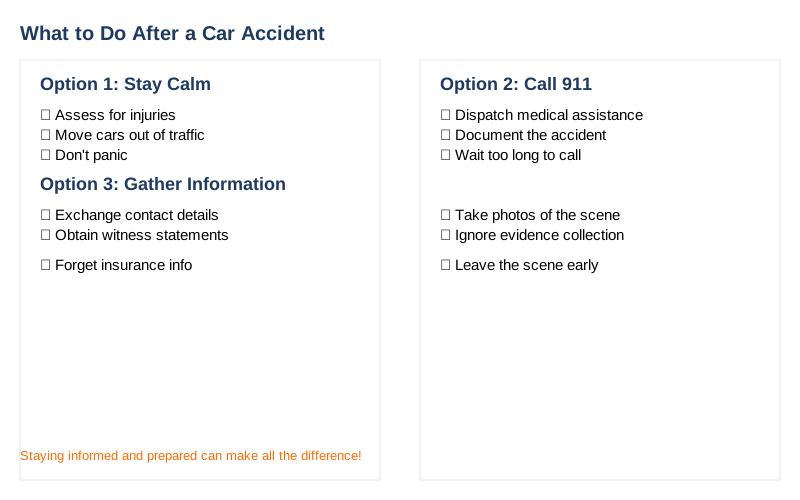
After experiencing a car accident, navigating the aftermath can feel overwhelming. However, following our checklist can help streamline the process and ensure you're taking the necessary steps to protect yourself and your interests. First and foremost, we recommend staying calm and assessing the situation. This includes checking for injuries, calling 911 if necessary, and moving to a safe area away from traffic. Properly documenting the scene is crucial; take photos of all vehicles involved, note the conditions, and exchange information with other drivers, such as names, contact details, and insurance information AAA Insurance.
We also advise notifying your insurance company promptly. Keeping a copy of any accident reports and documentation for your records will be invaluable when filing a claim California Department of Insurance. Additionally, it's essential to avoid admitting fault at the scene, as this could complicate the claims process later on.
If you find yourself experiencing ongoing pain or emotional distress after the accident, seeking professional help from a medical provider or mental health professional is crucial. Sometimes injuries may not be immediately apparent, and having a thorough examination can safeguard your health 1800lionlaw.
In summary, knowing what to do after a car accident is vital for ensuring your safety, protecting your rights, and efficiently handling the situation. By following the checklist and seeking professional help when needed, we can navigate the complexities that arise after a car accident effectively.