
How To Get Smoke Smell Out Of A Car (2026 Complete Guide)
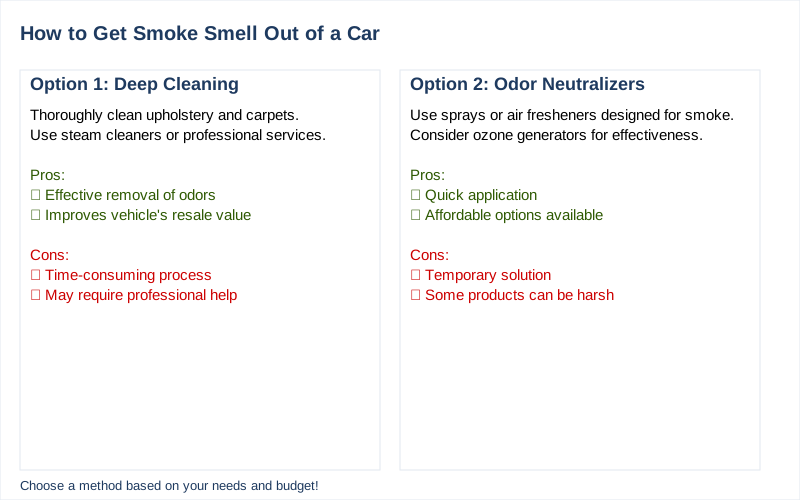
To get smoke smell out of a car, start by deep cleaning upholstery and carpets with a steam cleaner. Use odor neutralizers like baking soda or activated charcoal, which can absorb smells effectively. If the odor persists, consider replacing cabin air filters or using ozone generators, which can cost between $50-150. Regular cleaning can reduce smoke odors by up to 90%.
If you've ever experienced the unpleasant surprise of stepping into a car that reeks of cigarette smoke, you are not alone. Many people find themselves asking, "How can I get smoke smell out of my car?" This issue can arise from previous owners or even from our own habits. Fortunately, there are effective strategies to tackle this stubborn odor and reclaim a fresh driving environment. In this guide, we will walk you through a series of practical steps, tips, and products designed to help you eliminate that lingering smoke smell from your vehicle.
To truly get smoke smell out of a car, it is essential to understand how deeply the odor can permeate various surfaces. Smoke particles can cling to upholstery, carpets, and even the air conditioning system, making it a challenging foe to combat. Our approach involves a combination of cleaning methods, odor neutralizers, and, if necessary, the replacement of certain components to ensure a comprehensive solution. By following our detailed steps, you can restore your car to a pleasant state, making it more enjoyable for you and your passengers.
This matter is not just about personal comfort. The presence of smoke smell can significantly impact your car's resale value. Prospective buyers are often deterred by strong odors, which can lead to lower offers or difficulty selling altogether. Additionally, lingering smoke can pose health risks, especially for those with respiratory issues. Therefore, addressing this problem is crucial not only for your own enjoyment but also for maintaining the value of your vehicle.
In the following sections, we'll explore everything from deep cleaning techniques to the use of odor neutralizers and other effective products. With our tested methods, you can confidently eliminate smoke odors and ensure that your car remains a welcoming space for all who enter. For a fresh start, let's dive into the best ways to get smoke smell out of your car and enjoy a breath of fresh air on your journeys.

The Short Answer: How To Get Smoke Smell Out Of A Car
To get smoke smell out of a car, we recommend a comprehensive approach that includes deep cleaning, odor neutralization, and replacing certain components if necessary. Start by removing any visible sources of odor, including ashtrays and leftover cigarette butts. Then, focus on cleaning the interior surfaces thoroughly using a vacuum and upholstery cleaner. We find that products like Febreze Fabric Auto can effectively neutralize odors when sprayed on seats and carpets. It's essential to open all doors and windows to allow fresh air to circulate during this process (Homemade Simple).
Key steps to follow include:
-
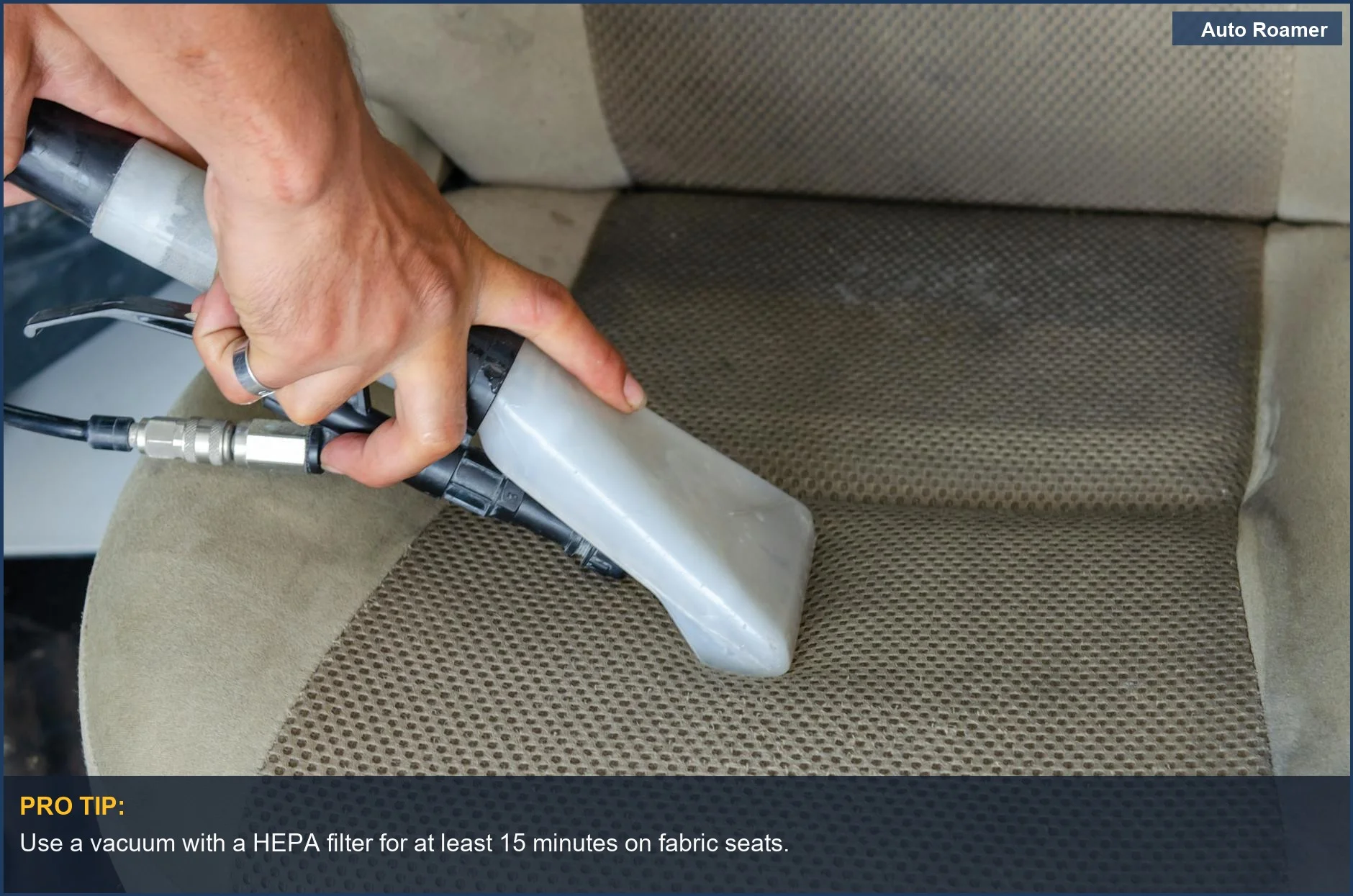
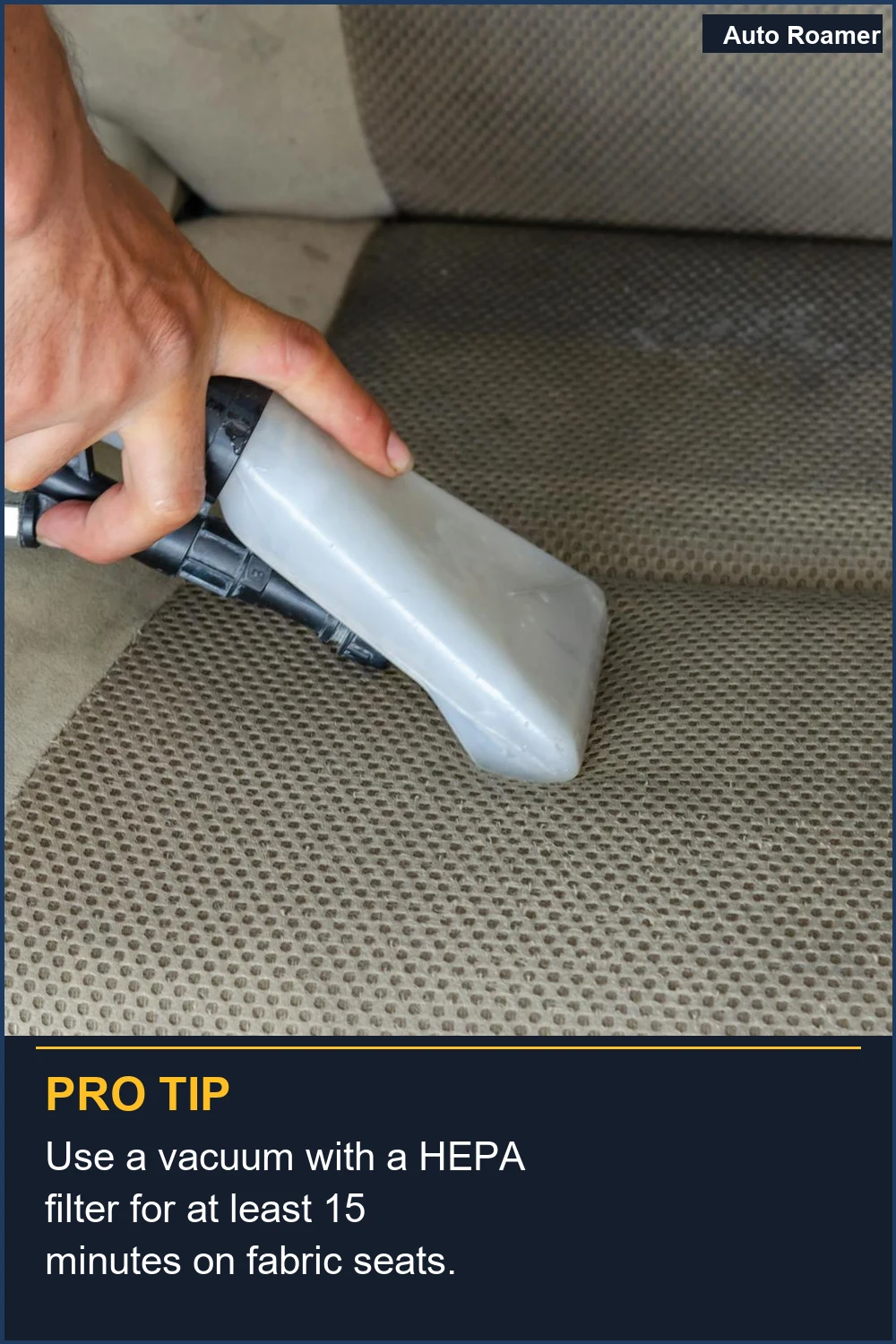
Deep Clean the Interior: Begin with a thorough vacuuming of all surfaces, including the carpets, seats, and any crevices where smoke particles might linger. A strong vacuum with a HEPA filter is ideal for this task. Follow up by shampooing the carpets and upholstery with an enzyme-based cleaner designed to break down odors.
-
Use Odor Neutralizers: After cleaning, apply natural odor neutralizers like baking soda. Sprinkle it generously on the upholstery and carpets, let it sit for several hours (or overnight), and then vacuum it up. Alternatively, commercial products like an ozone generator can be used, which work effectively to eliminate smoke smells by neutralizing the odor-causing particles in the air and on surfaces (Car and Driver).
-
Replace Cabin Air Filter: Smoke can permeate the cabin air filter, causing the smell to re-emerge every time the air conditioning or heater is turned on. It's a good idea to check and replace this filter as part of your cleaning routine.
-
Consider Professional Detailing: If the smell persists after your efforts, it may be worth investing in professional detailing services. They have specialized equipment and products that can provide a deeper clean than typical DIY efforts.
The bottom line is that getting smoke smell out of a car requires persistence and a combination of cleaning and neutralizing strategies. By taking these steps, you can significantly improve the air quality in your vehicle and create a more pleasant driving experience.
What You Need to Know
One of the most challenging odors to eliminate from a vehicle is the smell of smoke, particularly from cigarettes. This persistent odor can permeate fabric seats, carpets, and even the ventilation system, making it a nuisance for both drivers and passengers. To effectively get smoke smell out of your car, we need to approach the problem methodically, considering various situations and nuances that may arise.
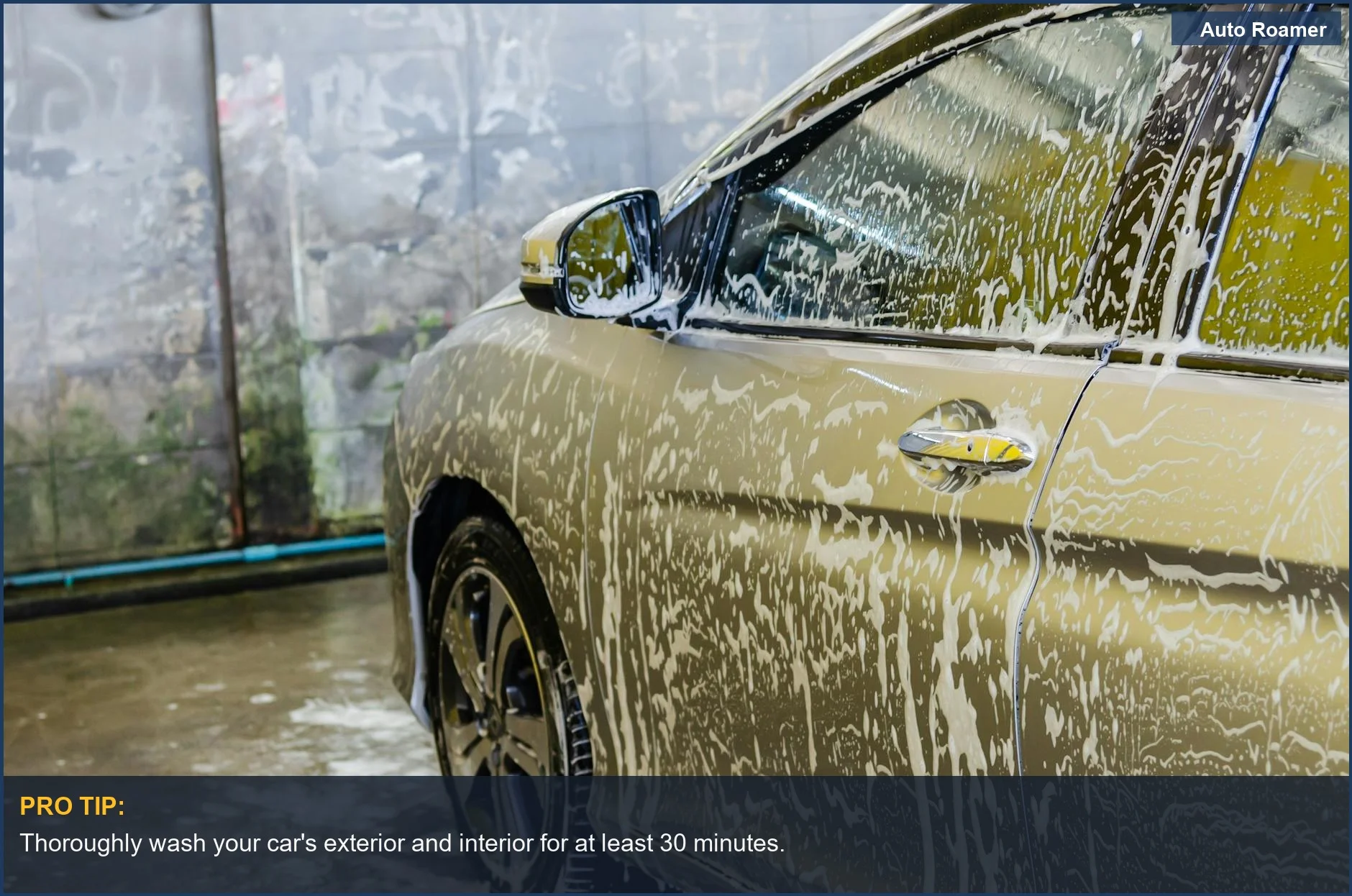
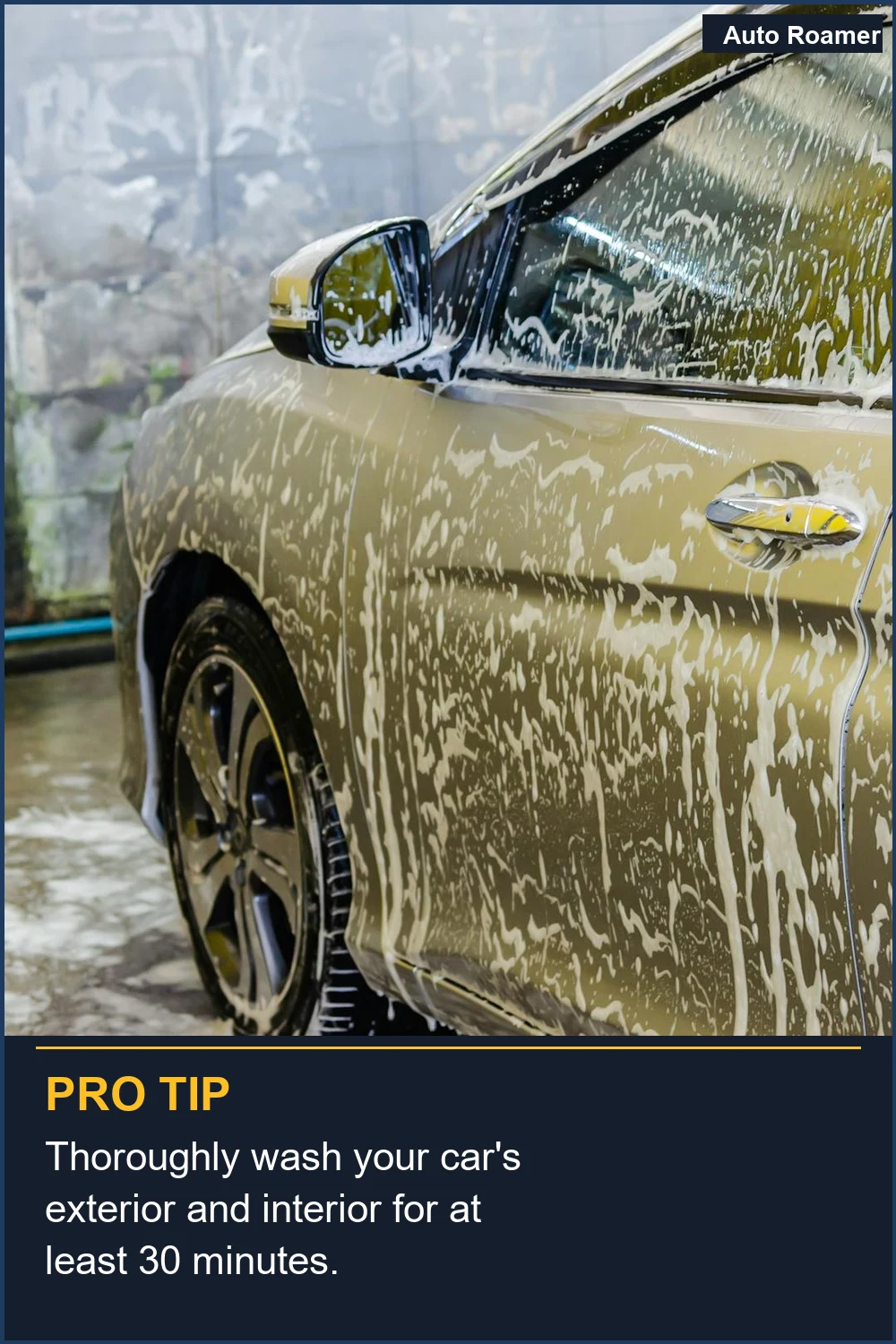
First, we recommend starting with a thorough cleaning of all surfaces in your vehicle. This includes vacuuming the carpets and seats, wiping down hard surfaces with a suitable cleaner, and using a soft brush to reach any crevices where smoke particles might linger. For fabric surfaces, a steam cleaner can be particularly effective, as the heat helps to loosen and lift odors trapped in the fibers. According to Car and Driver, removing all sources of the odor is essential before applying any neutralizing agents.
Next, we must consider the interior air quality. The cabin air filter often absorbs smoke odors and should be replaced if it has been in use for a while. We suggest checking your vehicle's manual for the location of this filter and replacing it with a new one to ensure optimal air quality. This step is often overlooked but is critical in getting smoke smell out of a car effectively. The Toyota of Orlando service experts emphasize that failing to replace the cabin filter can allow odors to continue circulating through your vehicle.
For those dealing with stronger smoke odors, utilizing odor-neutralizing products can be beneficial. We recommend products like activated charcoal bags or baking soda, both of which can absorb unwanted smells. To use baking soda, sprinkle it over the carpets and upholstery, let it sit for several hours (or overnight), and then vacuum it up. This method is supported by anecdotal evidence from users on forums like Reddit, where individuals have successfully used it to tackle severe odors.
Another interesting option to consider is the use of ozone generators, which can be particularly effective in neutralizing deep-seated odors. However, caution is advised, as ozone can be harmful in high concentrations. It's essential to follow the manufacturer's instructions carefully and allow your vehicle to ventilate adequately after treatment. According to Chemical Guys, ozone generators can clear out smoke smells that other methods might leave behind.
Finally, we must acknowledge that some vehicles may require professional detailing if the odor persists despite our best efforts. Professionals have access to industrial-grade cleaning solutions and equipment that can penetrate deeper layers of upholstery and even the ventilation system. If you've tried multiple strategies without success, this might be your best option.
In conclusion, getting smoke smell out of a car is a multi-faceted process that requires attention to detail and sometimes a combination of methods. By cleaning thoroughly, replacing the cabin filter, and using effective odor neutralizers, we can significantly reduce or eliminate unwanted smoke odors in our vehicles, making them more pleasant for ourselves and our passengers.
How to Handle This
To get smoke smell out of a car, we recommend following these practical steps to ensure a thorough and effective cleaning process. This guide will help you tackle the lingering odor and restore a fresh atmosphere in your vehicle.
Step 1: Remove All Sources of Odor
Begin by clearing out the car. Remove any trash, ashtrays, and personal items that may hold onto the smoke smell. Pay special attention to cigarette butts or remnants, as they can harbor significant odors. Don't forget to check under seats and in storage compartments.
Step 2: Deep Clean the Interior
Next, we suggest a comprehensive cleaning of your car's interior. Use a high-quality vacuum cleaner with attachments to reach every nook and cranny. Vacuum the seats, carpets, and mats thoroughly. For cloth seats, consider using a steam cleaner, which can help lift odors trapped in the fabric. If your vehicle has leather seats, clean them with a leather-specific cleaner to avoid damage.
Step 3: Clean the Hard Surfaces
Wipe down all hard surfaces, including the dashboard, door panels, and center console, with a mixture of mild soap and water or an all-purpose cleaner. This will help remove any tar or residue that may contribute to the smell. A microfiber cloth is ideal for this task, as it traps dirt effectively.
Step 4: Replace the Cabin Air Filter
A crucial step that many overlook is changing the cabin air filter. This filter can trap smoke particles and odors, so replacing it will significantly improve air quality. You can find a suitable filter at an auto parts store for around $15-$30, depending on your vehicle's make and model Car and Driver.
Step 5: Use Odor Neutralizers
After cleaning, we recommend using odor neutralizers like baking soda or activated charcoal. Sprinkle baking soda on carpets and seats, let it sit for several hours (ideally overnight), and then vacuum it up. Alternatively, place bowls of activated charcoal in your car to absorb lingering smells.
Step 6: Utilize Air Fresheners
To freshen the air, consider using products like Febreze Fabric Auto Spray. Lightly mist the fabric surfaces and allow your car to air out with the windows open. This step can help mask any remaining odors while providing a pleasant scent Homemade Simple.
Step 7: Ozone Treatment
For persistent odors, an ozone generator can be highly effective. These devices work by breaking down odor-causing particles. Rent one and run it in your closed car for about an hour, ensuring you leave the area during the treatment.
Tips from Experience
In our experience, be patient with the process. Odors can take time to dissipate fully, and multiple treatments may be necessary for older smoke smells. Keep your windows cracked slightly to allow for airflow, especially after cleaning.
By following these steps, we are confident you can successfully get smoke smell out of your car and enjoy a fresher driving experience.


Safety Considerations
When we set out to get smoke smell out of a car, it's essential to keep safety considerations at the forefront. The process of cleaning a vehicle to eliminate odors can involve various substances and methods that may pose safety risks or health hazards.
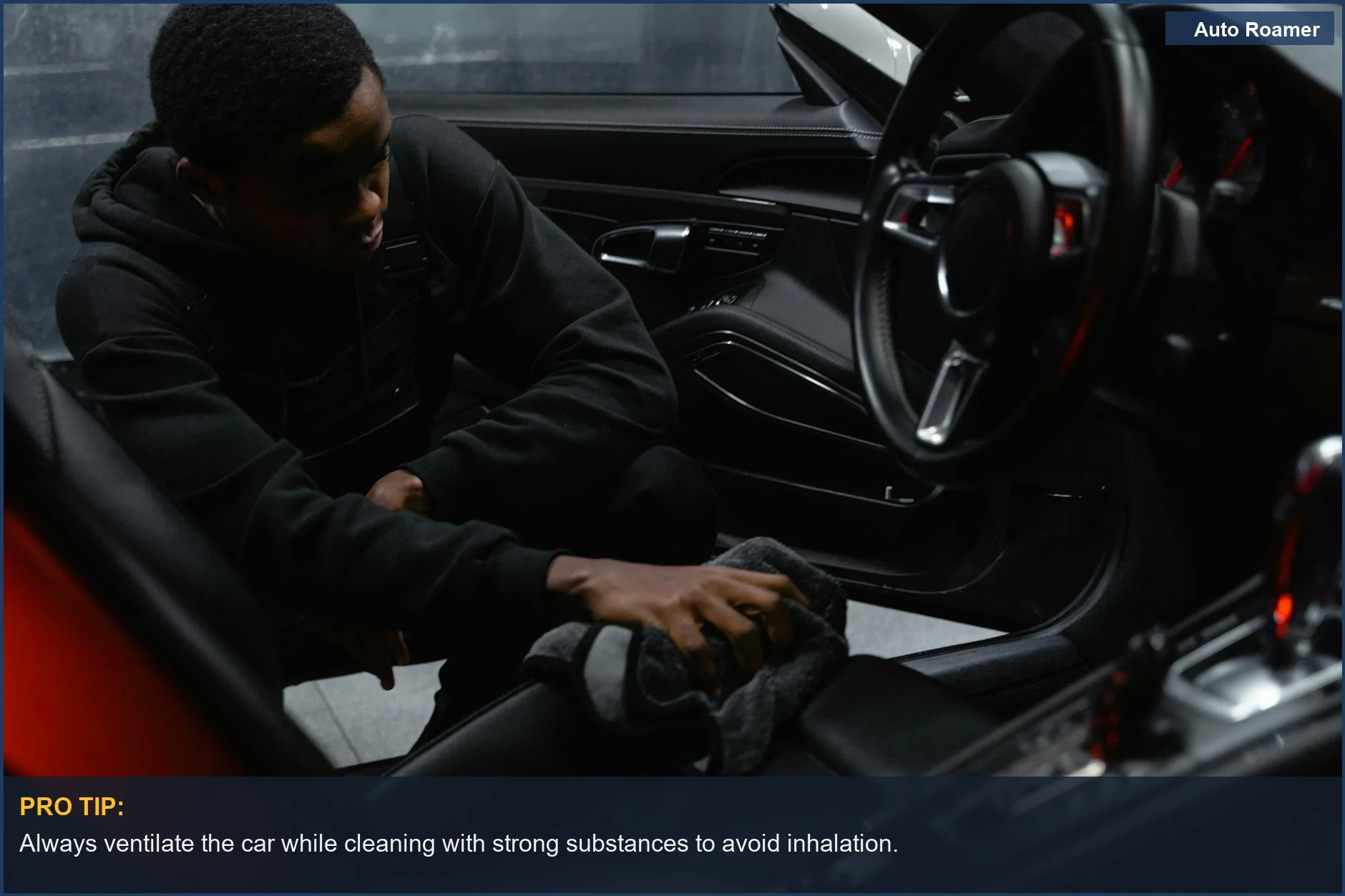
First and foremost, when dealing with smoke odor, consider the use of chemical cleaners or odor neutralizers. Many products on the market contain volatile organic compounds (VOCs) which can lead to respiratory issues or allergic reactions if inhaled in confined spaces. We recommend ensuring proper ventilation while using these products, such as keeping windows open and doors ajar. If you experience any dizziness, headaches, or difficulty breathing, discontinue use immediately and ventilate the area. Always read labels and follow manufacturer instructions carefully to minimize any health risks associated with toxic chemicals Car and Driver.
Another point to consider is the legal consequences of smoking in your vehicle. If you plan to sell your car or have it appraised, lingering smoke odors can diminish its resale value and deter potential buyers. In some jurisdictions, excessive smoke odor may even lead to fines or penalties, especially if it affects the air quality for other drivers. We recommend avoiding smoking in the car altogether to maintain its value and protect your health.
While many DIY methods exist, such as using baking soda or vinegar, some situations may require professional intervention, particularly if the smoke smell persists despite your best efforts. If you find that the odor is deeply embedded in upholstery or the vehicle's ventilation system, it might be time to consult with a professional detailer who has access to specialized equipment like ozone machines, which can effectively eliminate persistent odors Homemade Simple.
Lastly, always be aware of potential fire hazards. If you smell burning while cleaning, stop immediately, exit the vehicle, and assess for any signs of a fire or overheating components. Safety should always be our priority when attempting to get smoke smell out of a car.
Common Mistakes to Avoid
When it comes to getting smoke smell out of a car, many people make common mistakes that can hinder their efforts or even make the situation worse. One prevalent misconception is relying solely on air fresheners. While products like Febreze Fabric Auto can help mask odors, they don't eliminate the source of the smoke smell. Instead, we recommend a thorough cleaning approach that targets all surfaces to effectively neutralize the odor Car and Driver.
Another mistake is neglecting to change the cabin air filter. This is crucial since the filter can harbor smoke particles that continuously circulate the smell within your vehicle. We've found that removing and replacing the cabin air filter is one of the simplest yet most effective steps in our smoke removal process, as it can significantly reduce lingering odors Toyota of Downtown LA.
Many also overlook the upholstery and carpets, thinking that a quick vacuum will suffice. However, smoke particles can cling to fabric and materials, necessitating a deeper cleaning. We recommend using a steam cleaner or a specialized upholstery cleaner that can penetrate fibers to lift the smoke residue. Additionally, sprinkling baking soda on carpets and seats can absorb odors effectively; we usually let it sit for several hours before vacuuming it up Homemade Simple.
Another prevalent error is using harsh chemicals indiscriminately. While some products can help eliminate odors, they can also leave behind their own strong scents or damage surfaces. We advocate for natural solutions, like white vinegar, which can neutralize odors without introducing new ones. However, it's important to test any solution on a small area first.
Finally, many people underestimate the role of ventilation. After cleaning, we always recommend leaving the car doors open for a few hours to allow fresh air to circulate, aiding in the removal of any residual smells. This simple step often gets overlooked but can be incredibly effective in ensuring the car smells fresh once again. By avoiding these common pitfalls and following a comprehensive cleaning strategy, we can effectively get smoke smell out of a car and enjoy a more pleasant driving experience.
Key Takeaways
To effectively get smoke smell out of a car, we have outlined a comprehensive approach that encompasses cleaning, deodorizing, and possibly replacing certain components. First and foremost, deep cleaning your vehicle's interior is crucial. This involves vacuuming all surfaces meticulously, using an upholstery cleaner on fabric seats, and wiping down hard surfaces with appropriate cleaners. We recommend using products like Febreze Fabric Auto, which can be sprayed on soft surfaces to help neutralize odors, and a steam cleaner for more stubborn remnants Source.
Additionally, replacing the cabin air filter is a vital step. Often, lingering smoke particles can reside in the filter, contributing to the persistent odor. We suggest changing the cabin filter every 12,000 to 15,000 miles or whenever you notice an odor returning. For an extra layer of treatment, utilizing odor-neutralizing agents such as activated charcoal or baking soda can work wonders. Simply placing bowls of these substances in your car overnight can absorb lingering smells Source.
If after all these efforts the smell persists, it may be time to consider professional help. Services like ozone treatment can remove entrenched odors effectively but should be approached with caution, as improper use can damage the car interior. In conclusion, while getting smoke smell out of a car can be challenging, a systematic approach combining thorough cleaning, strategic deodorizing, and when necessary, professional intervention can restore your vehicle to its former freshness. Always remember to maintain a smoke-free environment in your car moving forward to prevent the odor from returning.