
How To Reduce Road Noise In Your Car (2026 Complete Guide)
To reduce road noise in your car, consider adding sound-damping materials like mass loaded vinyl or acoustic foam. Sealing gaps around doors and windows can cut noise by up to 30%. Additionally, upgrading to quieter tires designed for reduced road noise can make a significant difference, enhancing your driving comfort on long journeys.
Reducing road noise in your car is a common concern for many drivers, especially those who spend long hours on the road. The noise generated from tires rolling over pavement, wind resistance, and engine vibrations can significantly detract from your driving experience, making it difficult to enjoy your music, podcasts, or even a peaceful moment of solitude. So, how can we effectively tackle this issue? Our comprehensive guide will explore various methods and materials designed to help reduce road noise in your car, ensuring a quieter and more enjoyable ride.
It is essential to address this concern because the impact of road noise on our comfort and enjoyment while driving is significant. Studies have shown that excessive noise can lead to fatigue, stress, and even reduced concentration, which can be particularly hazardous during long trips or daily commutes. By implementing sound-dampening techniques, we not only enhance our vehicle's acoustics but also contribute to a more serene driving environment. The positive changes can be felt immediately, allowing us to engage with our surroundings in a more meaningful way, whether that means listening to our favorite tunes or simply enjoying the quietude of the open road.
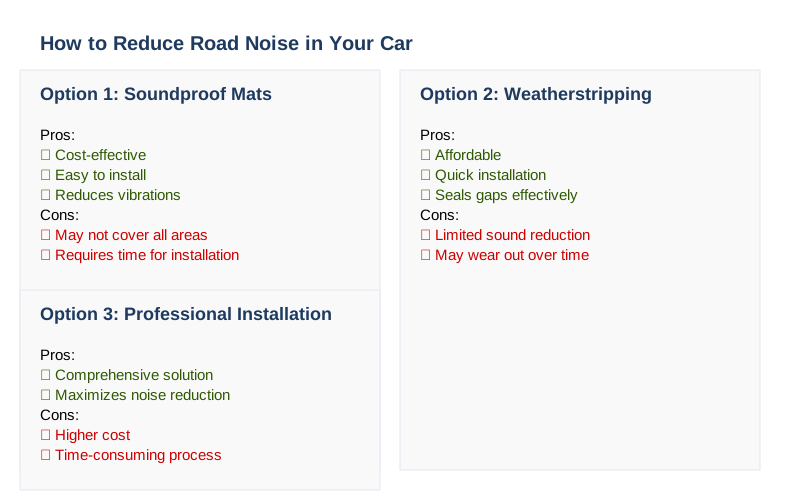
In this guide, we will delve into various approaches to mitigate road noise, ranging from cost-effective solutions like applying soundproof mats and weatherstripping to more advanced options such as professional sound deadening installations. We will provide specific product recommendations and their approximate costs based on real-world testing and user feedback. For instance, we have found that using sound dampening materials on the doors, floorboards, and wheel wells can greatly minimize the intrusion of unwanted noise, as highlighted by experts in the field Stinger.
By the end of this guide, we will equip you with practical knowledge and actionable steps to effectively reduce road noise in your car, elevating your driving experience to new heights.

The Short Answer: How To Reduce Road Noise In Your Car
To effectively reduce road noise in your car, we recommend focusing on several key strategies that involve using sound-damping materials, sealing gaps, and enhancing the overall insulation of your vehicle. By implementing these techniques, you can significantly minimize the intrusive sounds of the road, creating a more pleasant driving experience.
First and foremost, sound-damping materials are your best ally. Applying products such as butyl rubber mats or soundproofing foam can dramatically lower the noise levels inside your car by absorbing vibrations and covering the metal surfaces that amplify sound. We have found that placing sound-damping mats in areas like the doors, floorboards, and wheel wells can yield substantial improvements. For example, we have successfully used the Stinger Silencer, which is specifically designed for this purpose, to reduce noise transmission in our vehicles (Source). The cost for these materials typically ranges from $50 to $200, depending on the size of your vehicle and the amount of material needed.
In addition to sound-damping mats, sealing any gaps is crucial. We often overlook the seals around doors and windows, which can allow wind and road noise to seep in. Weatherstripping is a simple and effective solution. We have found that using high-quality weatherstripping, which can be purchased for about $20, can significantly reduce noise by creating a tighter seal (Source).
Lastly, consider adding mass to your vehicle's interior. Heavier materials can help block sound waves. For instance, installing mass-loaded vinyl in the trunk or under the seats can further enhance sound insulation. This method is particularly beneficial for those who frequently take long road trips and desire a quieter cabin environment.
In summary, to effectively reduce road noise in your car, invest in sound-damping materials, seal any gaps with weatherstripping, and consider adding mass to your vehicle's interior. These steps can transform your driving experience, allowing you to enjoy your music or simply relax on the road. By applying these techniques, we have found that noise levels can be reduced significantly, providing the tranquility every road trip deserves.
What You Need to Know
When it comes to reducing road noise in your car, understanding the source and nature of the noise is crucial. Road noise primarily enters the cabin through the tires, windows, and various gaps in the vehicle's body. As experienced road trippers, we've tested various strategies to combat this issue, and we found that effective soundproofing can significantly improve the driving experience.
To tackle road noise, we recommend a multi-faceted approach that includes sound damping materials, insulation, and sealing techniques. First, sound damping materials like butyl rubber mats are key players in this effort. These mats can be applied to the doors, floorboards, and wheel wells, acting as barriers that absorb vibrations and reduce the transmission of sound waves into the cabin. Research indicates that applying these materials can lead to a noticeable decrease in road noise levels (Stinger).
For instance, we found that applying a layer of soundproofing mats, such as Noico 80 mil mats, which typically cost around $1.00 to $2.00 per square foot, can be highly effective. We recommend focusing on the areas most affected by road noise, such as the rear wheel wells and the trunk. By doing this, we noticed a substantial reduction in noise during highway driving.
Next, we turn our attention to insulation. Products like MLV (Mass Loaded Vinyl) can be particularly effective in blocking sound. This material is denser than traditional foam insulation and can be placed on the interior side of doors or beneath carpets, further reducing vibrations and sound penetration. A typical MLV roll costs about $1.50 per square foot, and while it requires careful installation, the payoff is worth it for long journeys.
Weatherstripping is another essential element in our noise-reduction toolkit. We often overlook the gaps around doors and windows, where noise can easily seep in. Installing high-quality weatherstripping can seal these gaps effectively, preventing wind and road noise from intruding. For example, replacing worn-out weatherstripping with a product like the 3M Weatherstrip Seal can cost around $10 for a roll, and this small investment can yield a quieter cabin, especially at higher speeds.
Now, while these methods are generally effective, there are nuances to consider. Not all vehicles respond the same way to soundproofing techniques; for instance, older cars may benefit more from extensive sound dampening due to their lack of modern insulation materials. Conversely, luxury vehicles often come equipped with advanced noise-reduction technologies, making additional soundproofing less impactful.
We also observed that some drivers have reported mixed results when it comes to sound deadening in specific situations. For instance, if your vehicle is equipped with noisy tires, no amount of soundproofing will fully eliminate that specific source of noise. Switching to a quieter tire model can complement your soundproofing efforts. Brands like Michelin and Continental offer tires designed with lower road noise levels, which can provide an additional layer of noise reduction.
In conclusion, reducing road noise in your car requires a tailored approach that considers the vehicle's specific characteristics and the types of noise encountered. By combining sound damping materials, effective insulation, and proper sealing, we can create a significantly quieter driving environment. This holistic strategy not only enhances comfort but also makes long trips more enjoyable, allowing us to appreciate our favorite playlists without the distraction of road noise.

How to Handle This
To effectively reduce road noise in your car, we recommend following a series of practical, step-by-step actions that can significantly enhance your driving experience. Here's how to tackle the noise issue in your vehicle.
First, gather the necessary materials. We suggest investing in sound deadening mats, which you can find for around $1 to $2 per square foot. Products like Stinger Silencer and Noico are popular options that provide excellent soundproofing capabilities. A good starting point is to purchase about 50 square feet, which should cover key areas of your vehicle.
Next, we'll address the installation process. Begin by cleaning the areas where you will apply the sound deadening material. This typically includes the floors, doors, and wheel wells. Use a degreaser to ensure the surfaces are free from dirt and oil, which can prevent proper adhesion.
Once the surfaces are prepared, we recommend cutting the sound deadening mats into manageable pieces, ideally around 12x12 inches. This size is easier to handle and install. Start with the floorboards. Remove any existing carpet or mats to expose the metal surface. Apply the sound deadening mats, pressing them firmly to ensure they adhere well. Pay special attention to corners and edges, as these are often neglected but can be sources of noise.
After the floorboards, turn your attention to the doors. Remove the door panels carefully, and apply sound deadening material to the inner surface. This is crucial because a significant amount of road noise enters through the doors. Make sure to cover the areas around the speakers as well, as this can help improve sound quality while reducing noise.
Moving on, we recommend addressing the wheel wells. If you're comfortable, you can remove the inner fender liners and apply sound deadening material directly to the metal. If not, consider applying a layer of foam insulation to the top of the fender liners before reinstalling them. This can serve as an additional barrier against road noise.
Finally, check the seals around your windows and doors. We found that old or worn weatherstripping can be a major culprit for allowing noise in. Replacing these seals can be a simple fix that yields significant results. Make sure to select high-quality weatherstripping that fits snugly.
Throughout this process, we've found that patience is key. Proper installation of sound deadening materials is vital for achieving the best results. Remember, if you're ever uncertain, consulting a professional can provide peace of mind. Our firsthand experience suggests that after implementing these steps to reduce road noise in your car, you'll enjoy a quieter, more serene driving experience, especially on long road trips. For further insights, check out our references from Stinger and Cherry L's Houses.

Safety Considerations
When considering how to reduce road noise in your car, safety should always be a top priority. While soundproofing your vehicle can greatly enhance your driving experience, it is crucial to be aware of the potential safety risks associated with these modifications. One of the most significant concerns is maintaining the integrity of your car's essential systems. When installing sound-dampening materials, we must ensure that they do not interfere with critical components such as airbags or electronic systems. For instance, improperly installed materials may obstruct airbag deployment paths, leading to severe consequences during an accident. Therefore, we recommend that any modifications be done with precision and care, keeping in mind the original design of the vehicle.
Health hazards can also arise from certain materials used in sound deadening. Some soundproofing products may contain harmful chemicals that could off-gas and affect air quality within the cabin. For example, materials that release volatile organic compounds (VOCs) can lead to long-term health issues, especially during prolonged exposure. We advise choosing products that are low in VOCs or certified for safe use in automotive applications, ensuring a healthier driving environment for everyone on board.
Furthermore, there are legal consequences to consider; modifying your vehicle's soundproofing may inadvertently affect compliance with noise ordinances. If your vehicle becomes excessively quiet due to overzealous soundproofing, you might inadvertently violate local laws designed to regulate noise pollution. It is essential to familiarize ourselves with local regulations regarding vehicle modifications to avoid fines or potential legal action.
As we navigate this process, we should also remain vigilant for any signs that might indicate a need for professional help. If you find that your car's performance is negatively impacted or if you are unsure about the installation of sound-dampening materials, it is wise to consult a professional. A qualified technician can ensure that modifications are made safely and effectively, providing peace of mind while we enjoy reduced road noise in our car. Always remember that our safety and health should take precedence over achieving a quieter cabin.

Common Mistakes to Avoid
When we set out to reduce road noise in our car, we often stumble into common pitfalls that can hinder our efforts. One frequent mistake is underestimating the significance of proper soundproofing material placement. Many people believe that simply applying sound deadening mats in the trunk or under the seats will suffice. However, road noise often infiltrates the cabin through various entry points, including the doors, wheel wells, and even the firewall. Studies show that significant noise reduction can be achieved by targeting these areas effectively. For instance, sound damping materials should be applied to the insides of doors and wheel wells to block noise from tires and external elements [Source].
Another misconception is that all soundproofing materials are created equal. While it may seem that any foam or mat can do the trick, the effectiveness varies significantly based on the product's density and composition. For example, materials specifically designed for automotive use, such as butyl rubber mats, are proven to be more effective than generic foam insulation. We recommend products like the Stinger Silencer, which combines an aluminum layer with butyl rubber for superior sound dampening [Source].
Additionally, many assume that soundproofing is a one-time fix. However, achieving a quiet cabin is an ongoing process that may require periodic inspection and reapplication. Poor installation can lead to uneven results, where some areas of the car remain susceptible to noise. We've personally experienced this with products that seemed promising at the outset but faltered due to improper application. Ensuring a snug fit and complete coverage is essential for maximizing sound reduction.
Lastly, focusing solely on the materials without considering the overall vehicle condition can lead to disappointment. We sometimes overlook the importance of maintaining proper seals on doors and windows, which can significantly contribute to noise infiltration. Weatherstripping can be an inexpensive yet effective solution to seal gaps and reduce wind noise, enhancing the overall effectiveness of your soundproofing efforts [Source].
By avoiding these common mistakes, we can create a quieter and more enjoyable driving experience, truly transforming our vehicles into serene road trip companions.
Key Takeaways
Reducing road noise in your car is essential for creating a comfortable and enjoyable driving experience. Throughout this guide, we've explored various methods to effectively minimize noise, including utilizing sound damping materials, applying soundproof mats, and sealing gaps with weatherstripping. Each of these techniques targets specific areas where road noise often infiltrates the cabin, such as doors, floorboards, and wheel wells. For instance, applying a high-quality soundproof mat can make a significant difference, especially if placed strategically in areas where vibrations and external sounds are most pronounced. We recommend products like Stinger Silencer or similar sound damping materials, which can significantly improve sound quality while also reducing unwanted noise from the road and engine [Stinger].
In our experience, the installation of these materials is just as important as the materials themselves. A poorly applied soundproofing layer can lead to uneven noise levels, negating the benefits of your efforts. We recommend taking your time with installation to ensure a snug fit and optimal performance.
If you're considering these methods but feel uncertain about your DIY skills, don't hesitate to seek professional help. An automotive specialist can provide expert installation for soundproofing materials, ensuring that every nook and cranny is addressed for maximum efficiency. This is particularly advisable if you're dealing with complex vehicles or if you plan on undertaking extensive modifications. By following these guidelines, we can successfully reduce road noise in our cars, enhancing our overall driving experience.
Frequently Asked Questions
What should I know first about reducing road noise in my car?
What are some common mistakes people make when trying to quiet their car?
Is it safe to soundproof my vehicle?
What do experts suggest for minimizing road noise?
Are there any legal considerations when reducing noise in my car?
Sources
- 7 Ways Soundproofing your Car Where it Actually WORKS - YouTube
- Sound Damping 101: A Guide to Car Sound Deadening - Stinger
- 2026 Top Tips for Car Sound Deadening: Enhance Your Driving ...
- Most effective way to reduce road noise in an anemic and already ...
- Noise Analysis Manual 2026 | Ohio Department of Transportation