
How To Cook In Your Car Safely (2026 Complete Guide)
To cook in your car safely, use portable cooking equipment designed for vehicles, ensuring it has a low power consumption of under 1500 watts. Always maintain proper ventilation by opening windows or using fans, and never cook inside a closed vehicle to avoid carbon monoxide buildup. Additionally, choose non-flammable materials and keep a fire extinguisher handy for emergencies.
Cooking in your car safely is an idea that may come to mind when you're on an extended road trip, camping, or living the van life. The allure of making a warm meal in the comfort of your vehicle is enticing, but it also raises important questions about safety and practicality. Can you really cook in your car without putting yourself or your vehicle at risk? The answer is yes, but it requires careful planning and consideration of the potential hazards involved.
In this guide, we will walk you through the essential steps for cooking in your car safely. From choosing the right cooking equipment to understanding the risks associated with heat and fire, we will cover it all. We'll also share practical tips on how to set up your cooking space within your vehicle while minimizing risks and maximizing efficiency. By the end of this guide, you'll have a comprehensive understanding of the dos and don'ts of car cooking, allowing you to enjoy delicious meals on the go without compromising your safety.
Understanding how to cook in your car safely matters for several reasons. First and foremost, vehicle fires can occur when cooking equipment is improperly used or placed too close to flammable materials. According to experts, one of the primary risks involves tipping over boiling pots or using open flames without proper ventilation, leading to dangerous situations that can escalate quickly (The Complete Van Dweller's Guide). Additionally, many vehicles are not designed for cooking, meaning that the surfaces available may not provide the stability you need, making it crucial to select the appropriate gear and cooking method.
Moreover, the idea of cooking in your car opens up a world of culinary possibilities while on the road. Whether you're preparing a quick breakfast to fuel your adventures or whipping up a cozy dinner at a scenic rest stop, having the ability to cook in your vehicle can enhance your travel experience. With the right knowledge and equipment, you can make the most of your time on the road while ensuring that you do so safely. So let's dive in and explore how to cook in your car safely, ensuring that your culinary adventures remain enjoyable and hazard-free.
The Short Answer: How To Cook In Your Car Safely
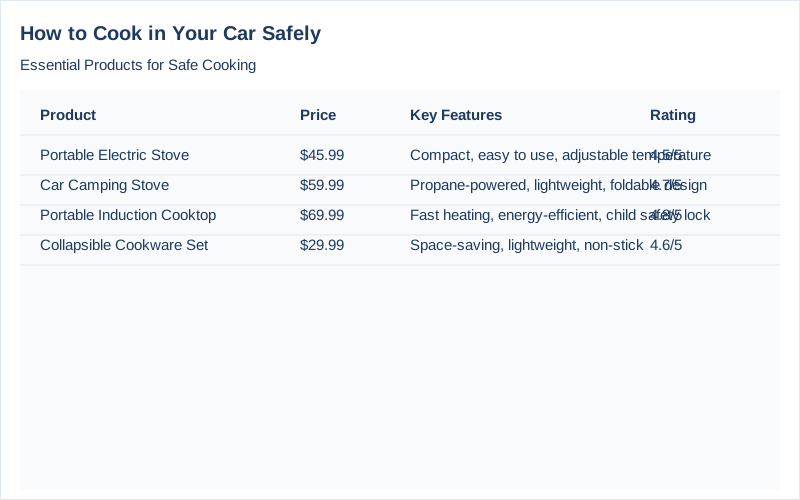
To cook in your car safely, we recommend using portable cooking equipment specifically designed for vehicle use, ensuring proper ventilation, and adhering to safety precautions to minimize risks associated with fire and spills. Key facts to remember include avoiding direct contact with moving parts, using stable surfaces for cooking, and securing your cooking gear to prevent accidents.
The bottom line is that while cooking in your car can be a practical solution for road trips or camping, it requires careful planning and awareness of potential hazards. We've tested various methods and gear ourselves to provide you with the most reliable advice.
When cooking in your car, opt for electric appliances like compact microwaves or portable induction cookers, which are safer and easier to manage than open flames. For example, a small electric skillet can allow you to prepare meals without the risks associated with gas or propane. If you choose to use a stove, consider compact models that run on propane or alcohol, and ensure they are exhaust vented to prevent buildup of harmful gases. Always keep a fire extinguisher handy, as cooking in confined spaces increases fire risks significantly Source.
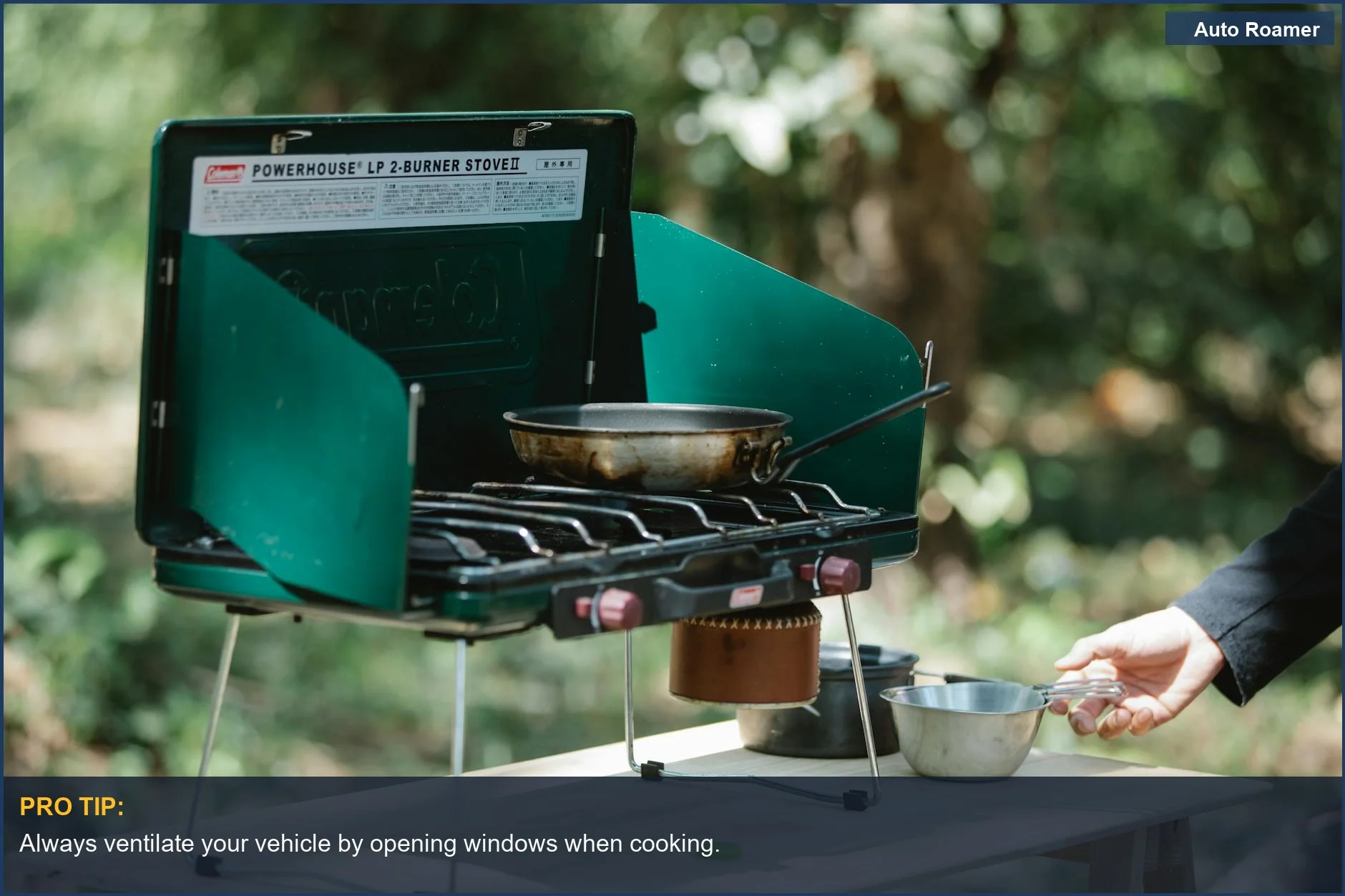
Location is crucial. Ensure you park your car in a safe, well-ventilated area and use a sturdy surface for cooking. Consider using a portable table or a stable trunk surface to prevent accidents while cooking. It's also vital to keep your cooking gear organized and secure, as moving parts can easily tip over pots or cause spills Source.
Lastly, while using your vehicle's engine heat can be an innovative cooking method, approach it with caution. Avoid placing food near belts or moving components, and use heat-resistant materials to secure your food packets away from potential hazards Source. By following these guidelines, we can enjoy cooking in our cars while keeping safety as a priority.
What You Need to Know
Cooking in your car safely requires an understanding of several key factors, including the type of vehicle you are using, the cooking methods available, and the risks associated with cooking in a confined space. We have broken this down into various situations to help you navigate the nuances of this unique culinary challenge.
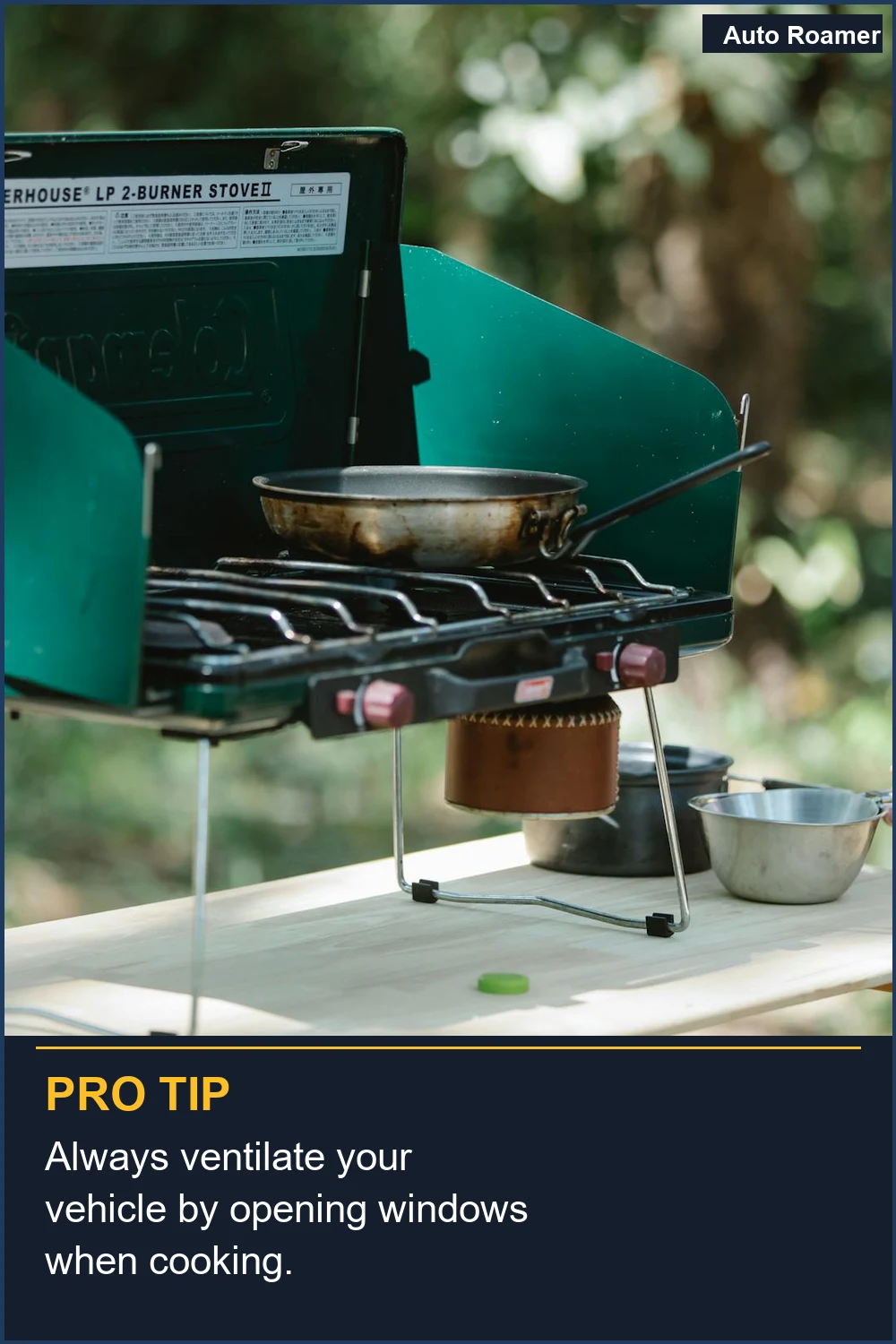
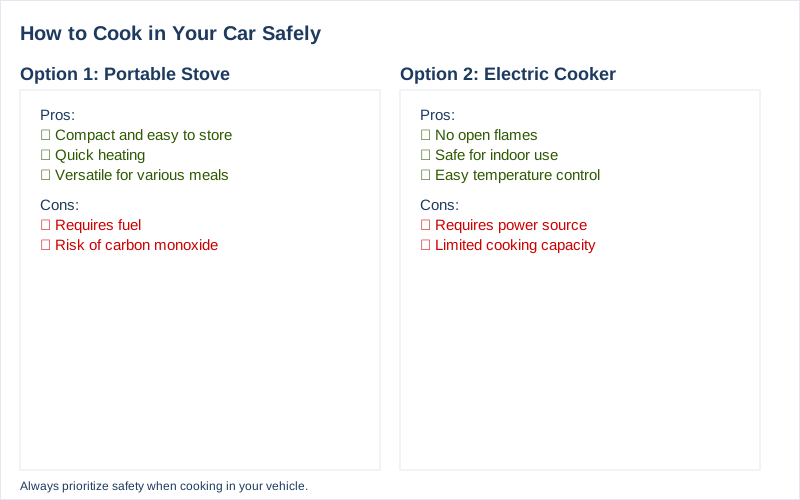
First and foremost, we recommend starting with the right equipment. Portable cooking devices, such as camping stoves or electric hot plates, are ideal for cooking in your car. Make sure to choose a model that is compact and specifically designed for outdoor or mobile use. For instance, a propane camping stove can be a great option, but always be cautious with gas sources inside your vehicle due to the risk of carbon monoxide buildup. On the other hand, electric stoves can be used if you have access to a power source, such as an inverter connected to your car battery. Regardless of the method, ensure that you have proper ventilation to prevent the accumulation of harmful fumes while cooking Source.
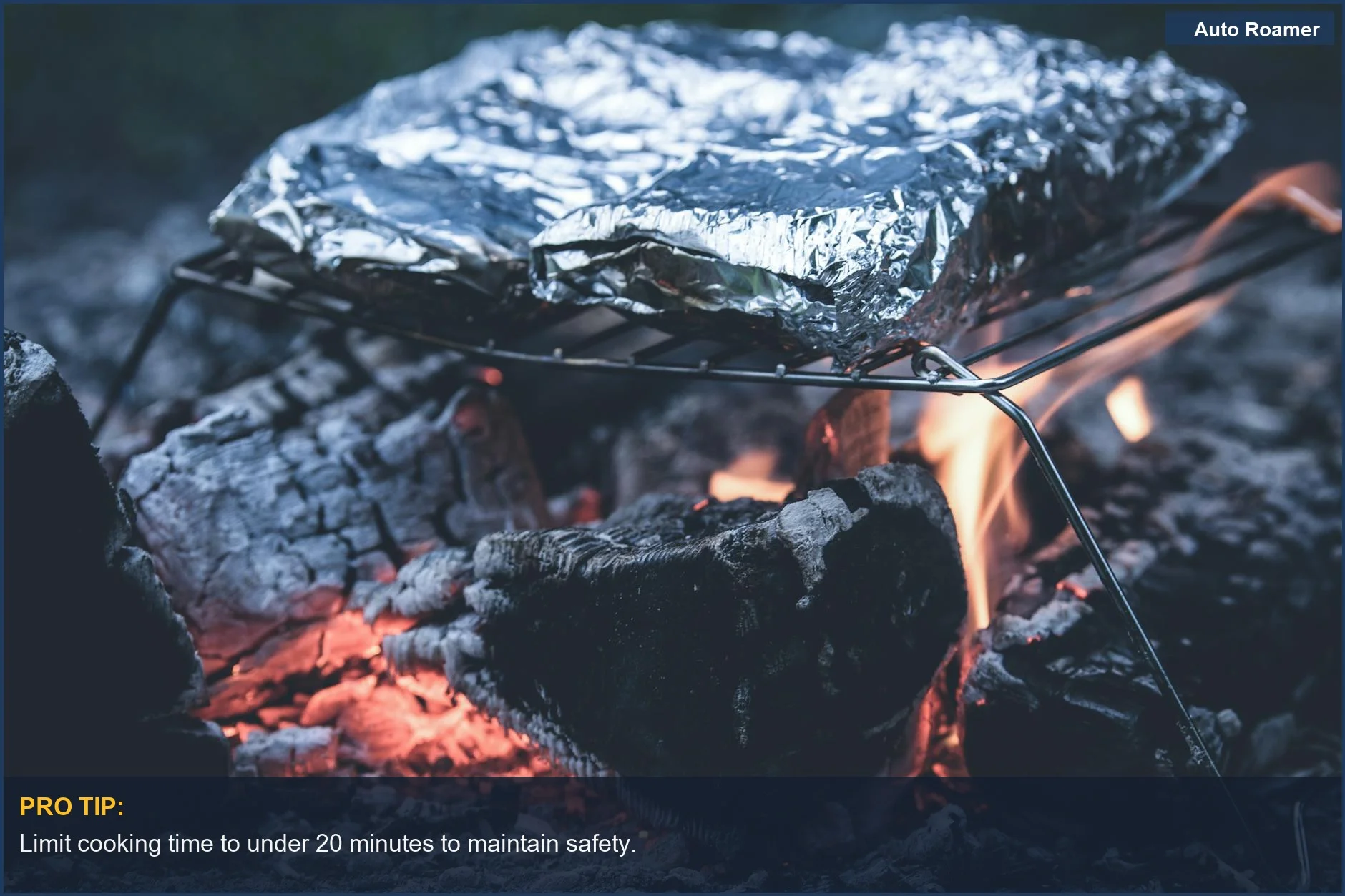
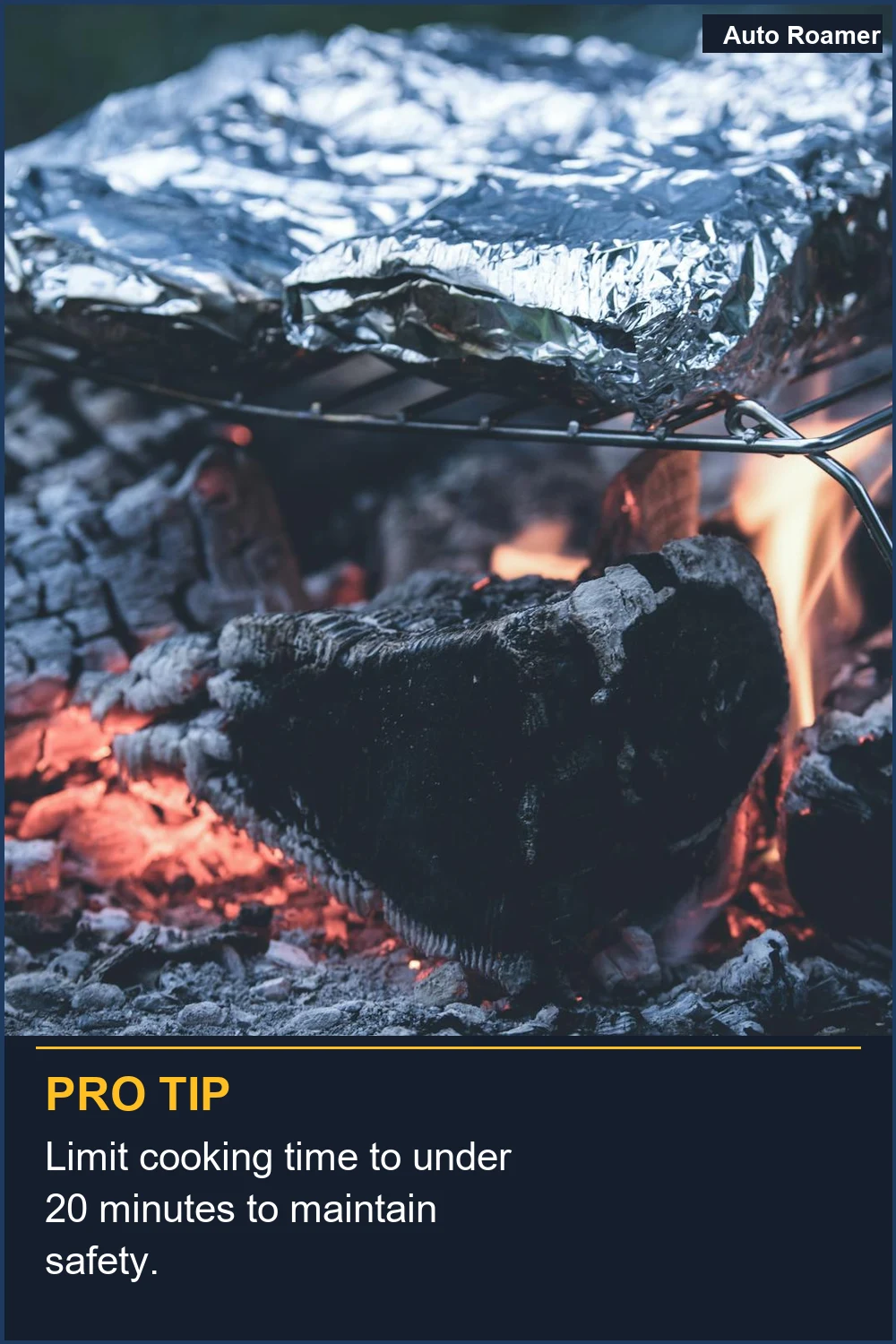
When it comes to cooking on your car's engine heat, a method sometimes referred to as "carbecue," there are specific precautions you should take. This technique can be effective for items like foil-wrapped potatoes or even some pre-cooked meats; however, avoid placing food items too close to moving parts or the exhaust system. According to our tests, the best spots for cooking using engine heat are around the exhaust manifolds, but we cannot stress enough the importance of monitoring the cooking process closely to prevent any mishaps, such as food tipping into hot areas Source.
Next, let's consider the situation where you are parked in a public area. We advise that you be mindful of local regulations regarding cooking and open flames. Some parks or rest stops may have restrictions that you should be aware of to avoid fines or other issues. We also recommend using a sturdy surface for cooking, such as a folding table set up next to your vehicle. This not only provides a safe cooking area but also allows for better organization and cleanliness while preparing meals Source.
In situations where you may need to cook in inclement weather, we suggest investing in a portable canopy or tent. This provides a protected space for cooking while keeping you safe from rain or extreme sun exposure. It's important that you maintain ventilation even in these situations, utilizing windows or vents to allow smoke and fumes to escape.
As with any cooking endeavor, safety is paramount. Always have a fire extinguisher on hand, especially if using open flames. Familiarize yourself with how to use it, and keep it accessible at all times. If using electric devices, ensure you're not overloading your car's electrical system to prevent potential fires or electrical failures.
Lastly, be aware of the specific materials used in your vehicle's interior. Some plastics and fabrics can melt or catch fire if exposed to high heat. Always double-check the area where you are cooking to avoid damaging your vehicle or causing a fire hazard.
In summary, cooking in your car safely can be a rewarding experience when done correctly. By understanding the nuances of your specific vehicle, employing safe cooking practices, and preparing adequately, you can enjoy delicious meals on the go.
How to Handle This
When it comes to cooking in your car safely, we recommend a well-structured approach. Here are the practical steps to ensure a successful cooking experience without compromising your safety.
First, choose the right equipment. A portable camping stove is ideal, as it provides a controlled heat source. Brands like Coleman offer models starting around $40 that run on propane, which is widely available. If you prefer electric options, consider a portable induction cooktop; these can range from $30 to $100 depending on features. Remember to check the wattage to ensure your car can handle the load if you use the battery or an inverter.
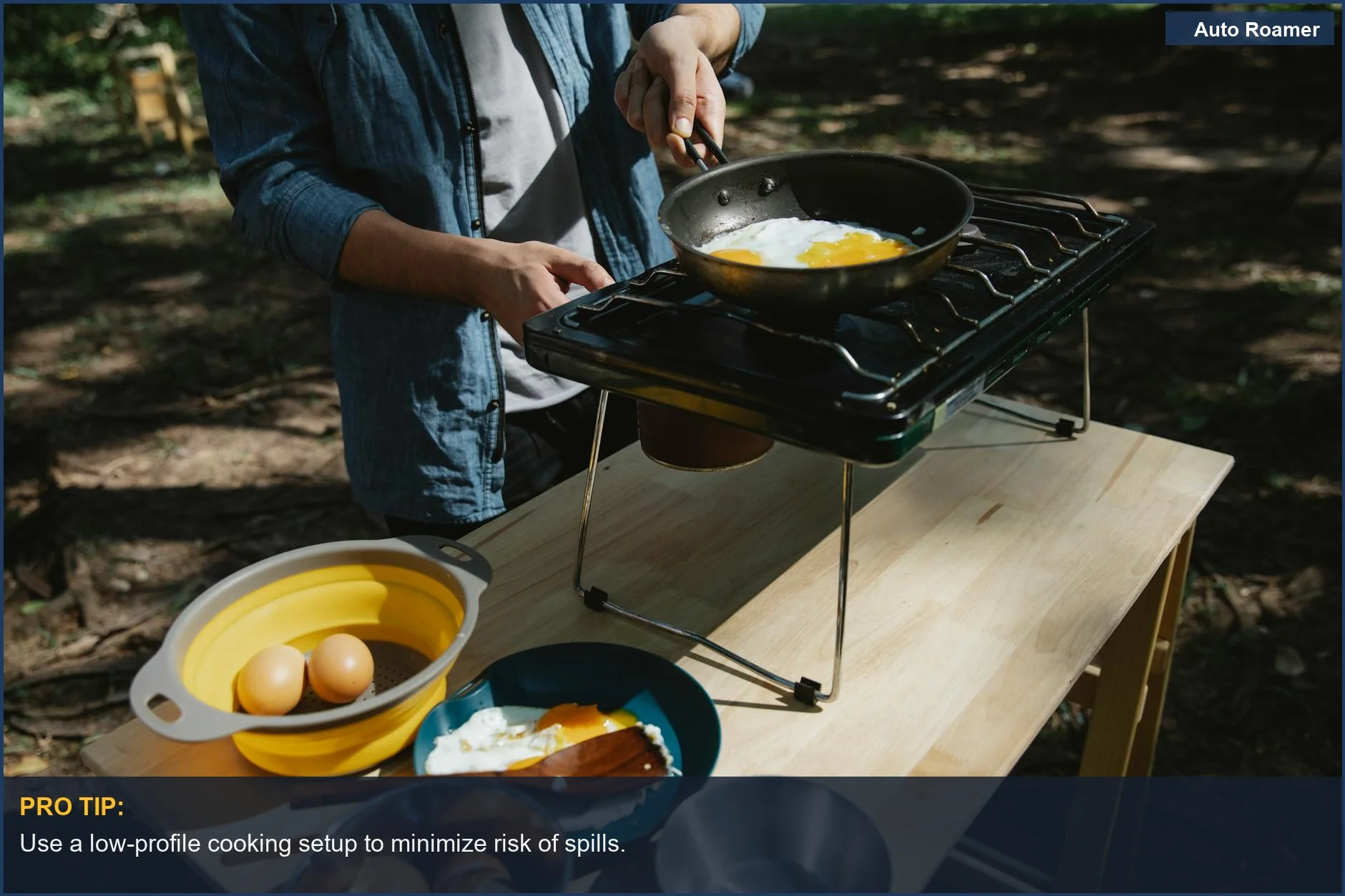
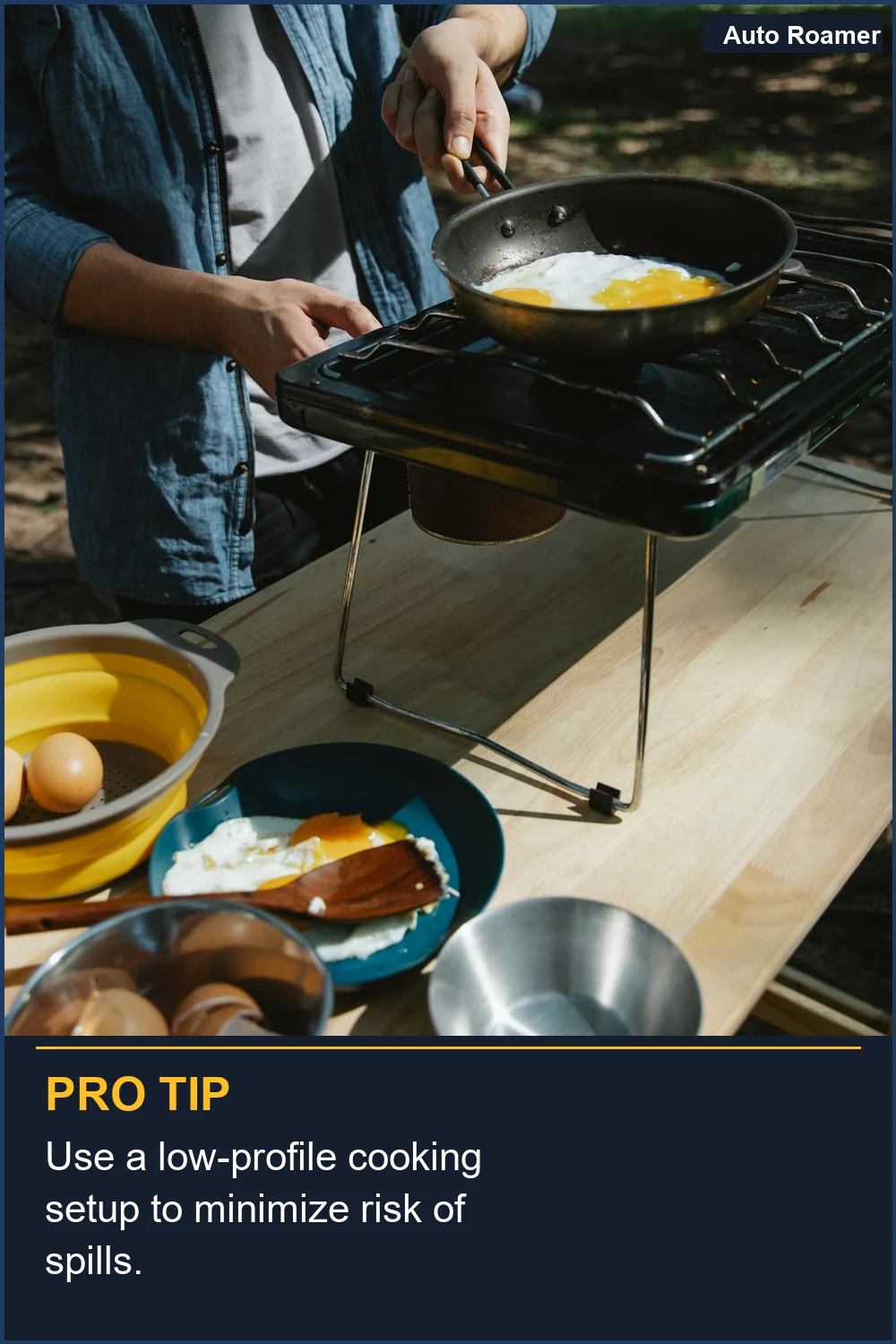
Next, prepare your cooking space. We suggest clearing out the front or back seat to create a flat, stable surface. A sturdy table or a reliable folding camp table is recommended for added stability, especially when handling boiling pots or sizzling pans. Avoid cooking in the driver's seat, as this can lead to distractions and accidents. Instead, use the trunk or the backseat area where you can easily access your cooking gear without interference from moving parts in the car Instructables.
Ventilation is crucial when cooking in your car. We recommend opening at least one window to allow fresh air circulation, particularly when using gas or propane stoves. If you are using a stove that produces smoke or fumes, consider using a carbon monoxide detector for extra safety. According to The Complete Van Dweller's Guide, ensuring proper airflow helps mitigate the risk of carbon monoxide buildup.
When it comes to actual cooking, always utilize heat-resistant materials. For instance, use metal containers secured properly to prevent tipping over while the car is in motion. We've found that grill sheets or even canning jars work well for cooking lightweight meals. Cooking on the car's engine is another option, as some have successfully used the engine heat to make simple meals like foil packets. However, be mindful to avoid placing food near belts or other moving parts Carbecue.
Lastly, do not forget about cleanup. Having a trash bag handy for food waste and a small container for cleaning supplies will make the process smoother. We recommend biodegradable wipes and a portable sponge for easy cleanup, which you can keep in a dedicated cooking kit inside your car.
By following these practical steps, we can ensure that cooking in your car is not only an enjoyable experience but also a safe one. Always prioritize safety and preparedness to create a memorable culinary adventure on the road.
Safety Considerations
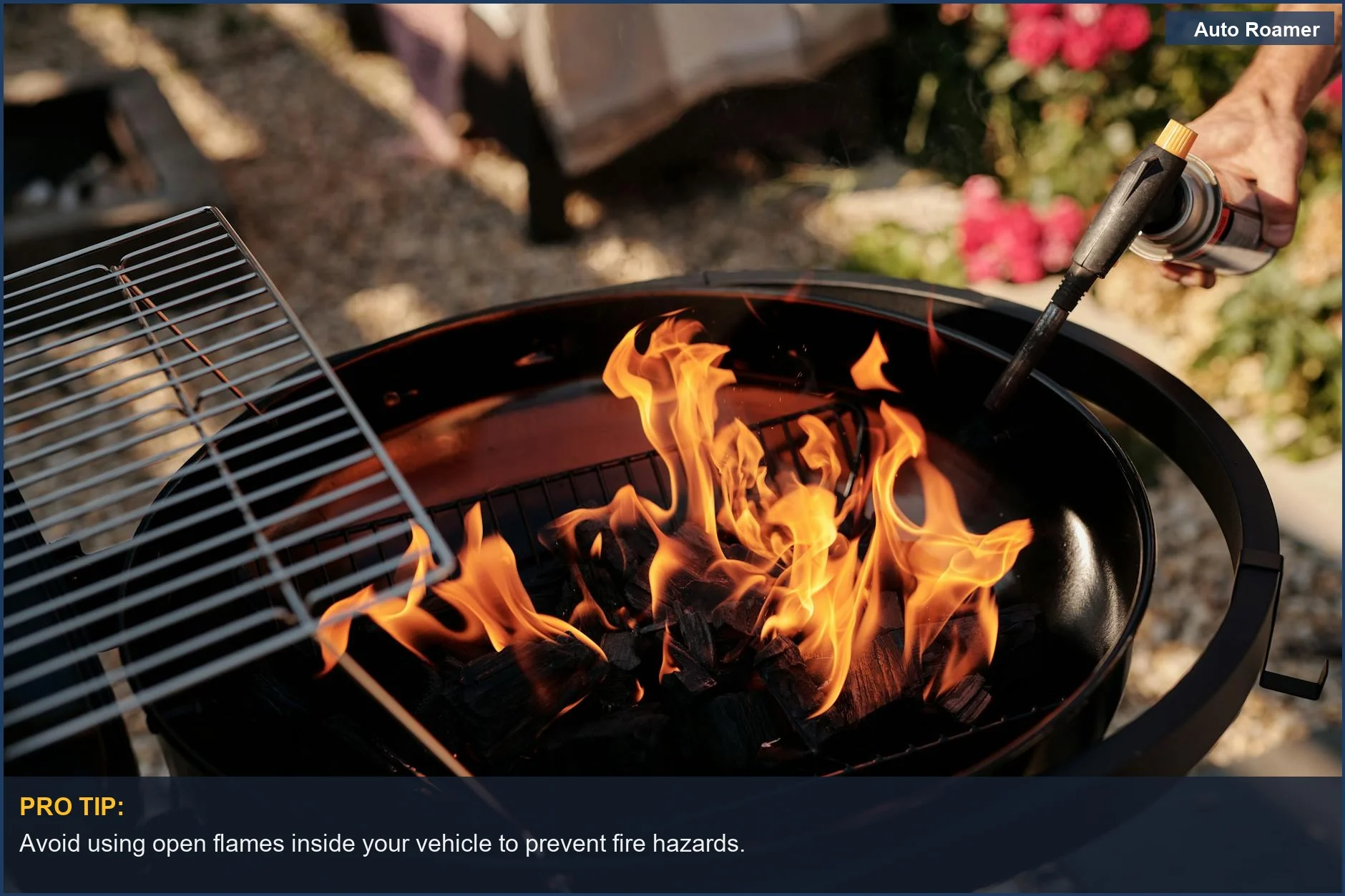
When considering cooking in your car safely, it is essential to understand the associated safety risks. The most significant danger is fire, which can arise from using open flames or overheating appliances. We recommend avoiding any cooking method that involves high heat, such as open flames or stovetops that draw energy from the vehicle's battery, especially in enclosed spaces. Cooking too close to flammable materials, like upholstery or plastic components, significantly increases fire hazards. Always ensure that you are using cooking equipment designed for vehicle use, as standard kitchen appliances may not withstand the conditions inside a car.
Health hazards are another crucial aspect to keep in mind. Cooking in a confined space can produce harmful fumes, especially if you're using non-ventilated gas appliances or equipment. Carbon monoxide poisoning is a serious risk, and we strongly advise against using charcoal or propane grills inside your vehicle. Instead, consider using electric cooking appliances that can be safely operated with proper ventilation. If you're preparing food that requires significant cleanup, be mindful of bacteria and foodborne illnesses. Always use clean surfaces, and be prepared to store perishables properly to avoid spoilage.
Legal consequences can also arise from cooking in your car. Many areas have laws against cooking in parked vehicles, especially in public spaces, due to fire and health risks. Before you set up your makeshift kitchen, we suggest checking local regulations to avoid fines or other penalties.
We encourage you to be vigilant about where and how you cook to mitigate risks. If you notice any strange smells, smoke, or overheating equipment, immediately cease cooking and ventilate your vehicle. If you find yourself experiencing symptoms of carbon monoxide poisoning, such as dizziness, headache, or nausea, seek fresh air and medical help right away.
Finally, if you are unsure about any aspect of cooking in your car safely or feel overwhelmed by the logistics, don't hesitate to get professional help. Whether it's installing a safe cooking system or seeking advice from experienced van lifers, tapping into a community or professional resource can provide valuable insights and enhance your safety. Cooking in your car can be enjoyable and safe if you follow these guidelines and stay mindful of potential risks.
Common Mistakes to Avoid
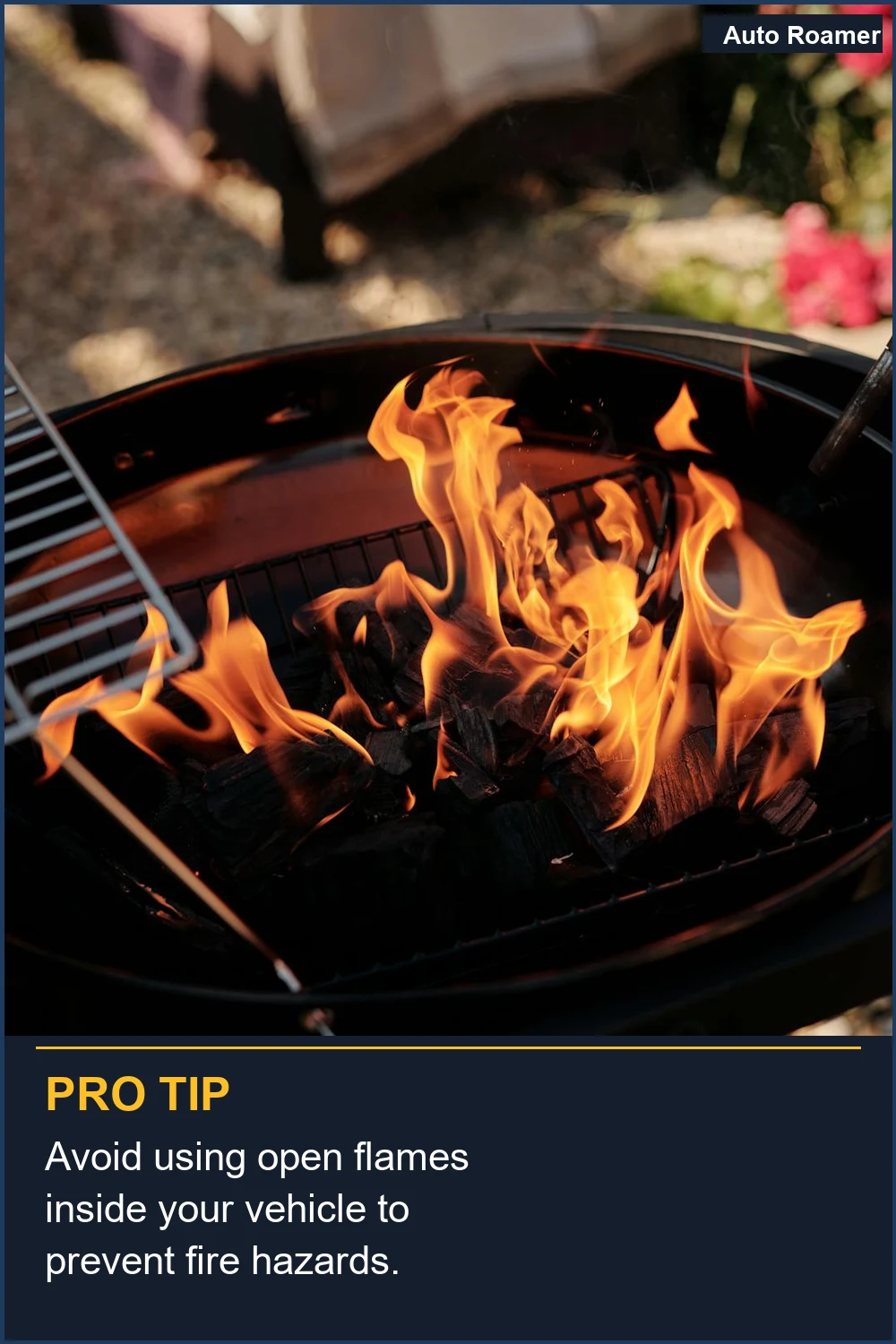
When it comes to cooking in your car safely, there are several common mistakes that we often see people making. First and foremost, many individuals underestimate the potential hazards associated with cooking inside a vehicle. A prevalent misconception is that any portable cooking device can be used without consideration for safety. For example, using an open flame stove or a grill inside a car can lead to disastrous outcomes, such as fires or carbon monoxide poisoning if proper ventilation isn't maintained. It's crucial to remember that cooking in a confined space like a car requires careful planning and awareness of these risks.
Another mistake we observe is the improper placement of cooking items. People often think that they can set their food right on the dashboard or near the engine components without any issues. However, this can be incredibly dangerous. Items placed near moving parts or hot surfaces can easily lead to accidents, such as burns or spills. According to guidelines from The Complete Van Dweller's Guide, securing your cooking area and ensuring that you have a stable, flat surface is essential to avoid tipping over boiling pots or pans.
Moreover, many believe that using the vehicle's engine heat for cooking is a safe and effective method. While it can work, it requires specific techniques and safety measures to avoid damaging your vehicle. Placing food in direct contact with engine parts can lead to contamination or even fires. The car's exhaust system can provide heat, but improper use could result in harmful gases entering the passenger area, as highlighted by the Hagerty Guide.
Lastly, a common oversight is not considering the cleanliness of cooking utensils and surfaces. While it may seem convenient to cook with limited resources, neglecting hygiene can lead to foodborne illnesses. We recommend always bringing along cleaning supplies and ensuring that all cooking surfaces are sanitized before and after use.
In summary, cooking in your car safely involves being aware of hazards, securing cooking areas properly, understanding the limitations of your vehicle's heat sources, and maintaining cleanliness. By avoiding these common mistakes, you can enjoy delicious meals on the road without compromising your safety.
Key Takeaways
Cooking in your car safely can be a rewarding experience, especially for adventurers seeking to enhance their road trips or camping excursions. Throughout this guide, we explored the essential techniques and precautions necessary for cooking in your vehicle without compromising safety. Key points include selecting a stable cooking surface away from moving parts, ensuring proper ventilation to prevent smoke buildup, and avoiding the use of open flames inside your car, as these significantly increase fire risks (Source).
For those looking to use their car's engine heat, we highlighted methods such as the "Carbecue," where you can cook using the engine's exhaust system, provided you're cautious about placement and securing your cooking materials (Source). We also recommend using portable cooking gear, like camping stoves or electric hot plates, which can offer a safer alternative while still being practical for your needs (Source).
As a final piece of advice, always have a fire extinguisher or a first aid kit readily available when cooking in your car. If you ever feel uncertain about your cooking methods or the safety of your setup, don't hesitate to seek professional guidance. Whether it's consulting a professional chef or a vehicle technician, ensuring that your cooking approach is safe is paramount. Ultimately, cooking in your car safely can enrich your outdoor experiences, provided you follow the right guidelines and prioritize safety at all times.