
Can You Run A Portable Heater In A Car Safely (2026 Complete Guide)
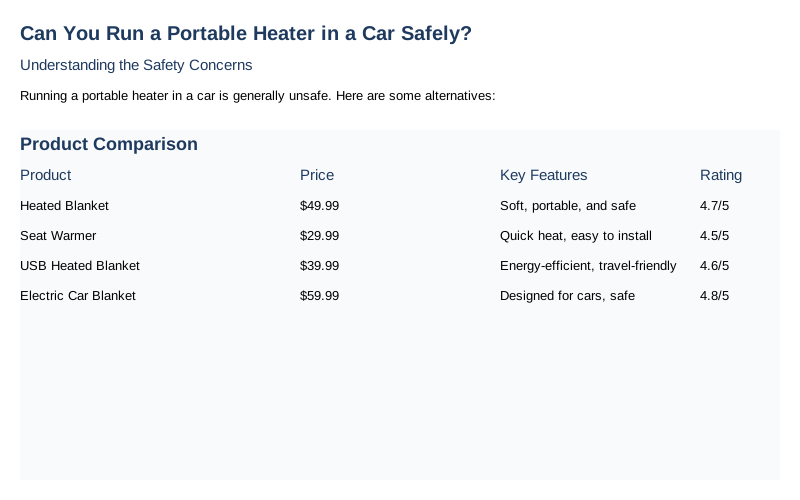
Running a portable heater in a car is generally unsafe and not recommended due to the risk of carbon monoxide poisoning. Most portable heaters require ventilation and can exceed 1500 watts, which can overload your car's electrical system. Instead, use your vehicle's built-in heating system, which is designed for safe operation while driving. Always prioritize your safety over convenience when dealing with heat sources in confined spaces.
The question of "can you run a portable heater in a car safely" is one that many of us ponder, especially when faced with the biting chill of winter or during long, cold road trips. While the thought of adding extra warmth to our vehicles might seem like a practical solution, the reality is layered with significant safety concerns that cannot be ignored. This guide aims to dissect the complexities surrounding the use of portable heaters in cars, providing clarity on the potential risks involved.
First and foremost, the consensus in the automotive safety community is clear: running a portable heater in a car is generally unsafe and not recommended. Many portable heaters operate at 110-120 volts and require a substantial amount of power, exceeding what a standard car battery can provide. This mismatch not only poses a risk of electrical failure but can also lead to dangerous situations such as carbon monoxide poisoning or fire hazards. According to research, the confined space of a vehicle amplifies these risks, making it imperative to approach the idea of using a portable heater with caution Source.
Understanding why this matters goes beyond mere safety; it is about ensuring that we can travel comfortably without exposing ourselves or our passengers to unnecessary dangers. Many alternatives exist that provide warmth without the risks associated with traditional portable heaters. For example, heated blankets and seat warmers are effective and far safer options. These alternatives not only maintain warmth but also minimize the chances of fire or carbon monoxide buildup, allowing us to focus on our journey rather than worrying about hazards Source.
As we delve deeper into this guide, we will explore various aspects of portable heaters, including specific types that may be suitable for automotive use, and how to safely manage heat in your vehicle. The goal is to equip you with the knowledge and insights needed to make informed decisions about staying warm while on the road, ensuring both comfort and safety.
The Short Answer: Can You Run A Portable Heater In A Car Safely
Running a portable heater in a car is generally unsafe and not recommended. The risks associated with using such devices far outweigh the benefits, primarily due to the dangers of carbon monoxide poisoning and fire hazards. Most portable heaters require 110-120 volts and draw significant power, which exceeds what a standard car battery can safely provide. This can lead to overheating and potentially damaging your vehicle's electrical system.
When considering whether you can run a portable heater in a car safely, we must examine the critical safety implications. A confined space like a car creates a unique environment where exhaust gases can build up quickly, especially if a heater isn't functioning correctly. Carbon monoxide, a colorless and odorless gas, poses a serious risk if the heater is improperly used or if the vehicle's ventilation system fails. Moreover, the risk of fire is heightened if the heater is placed too close to flammable materials, which can easily occur in the limited space of a vehicle. Some portable heaters even have specific safety requirements for clearance that are tough to maintain in a car environment, making them impractical for use on the road Source.
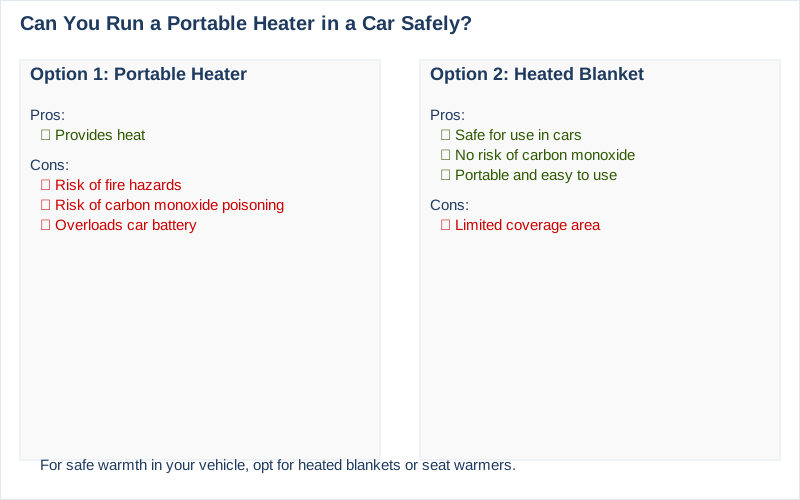
The bottom line is that while it might seem convenient to have a portable heater in your car during cold weather, safer alternatives exist. We recommend using heated blankets or seat warmers as effective substitutes. These options are designed for automotive use, meaning they have built-in safety features and are less likely to cause harm. For example, heated blankets such as the Far Infrared Electric Blanket can provide warmth while being powered safely through your car's electrical system without the risks associated with a traditional portable heater Source.
In conclusion, while the thought of running a portable heater in a car might seem like a good way to combat the cold, the risks involved make it an unwise choice. Opt for safer heating methods that protect both you and your vehicle.
What You Need to Know
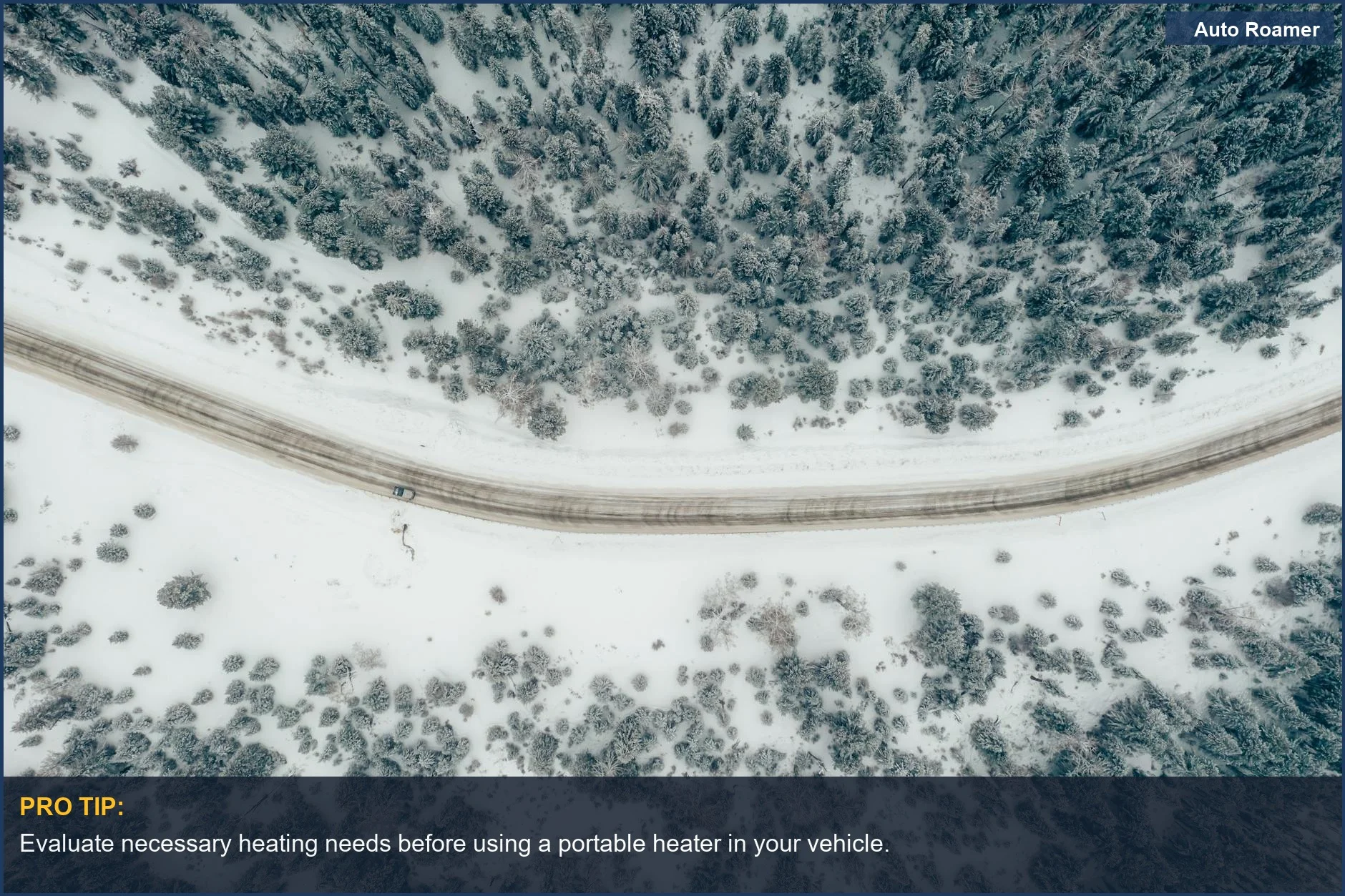
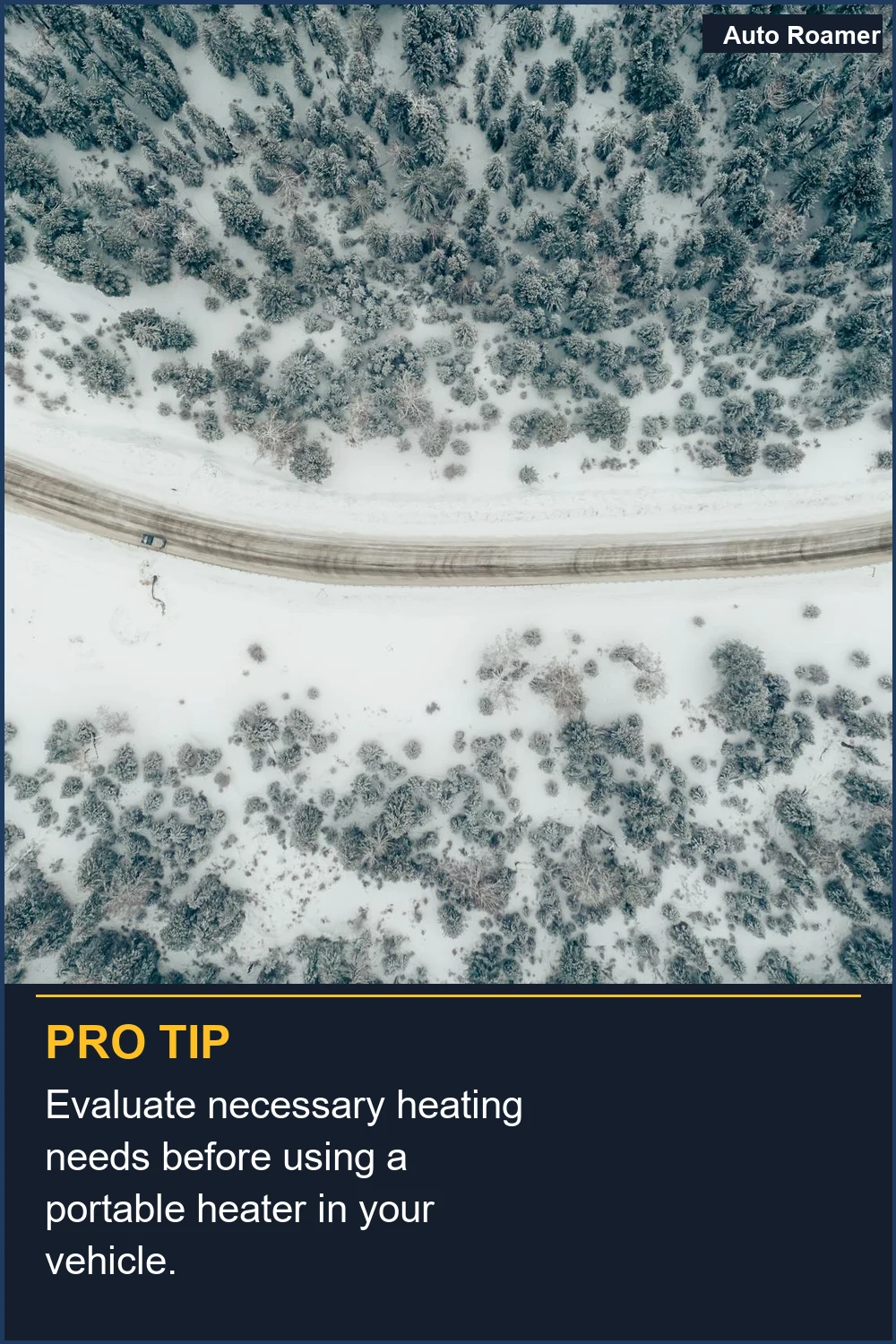
The question of whether you can run a portable heater in a car safely is a complex one that requires a careful examination of several factors, including the type of heater, the vehicle's power capacity, and potential hazards such as carbon monoxide poisoning and fire risks. First and foremost, we must acknowledge that while the idea of a portable heater might sound appealing for staying warm during cold months, it poses significant safety concerns.
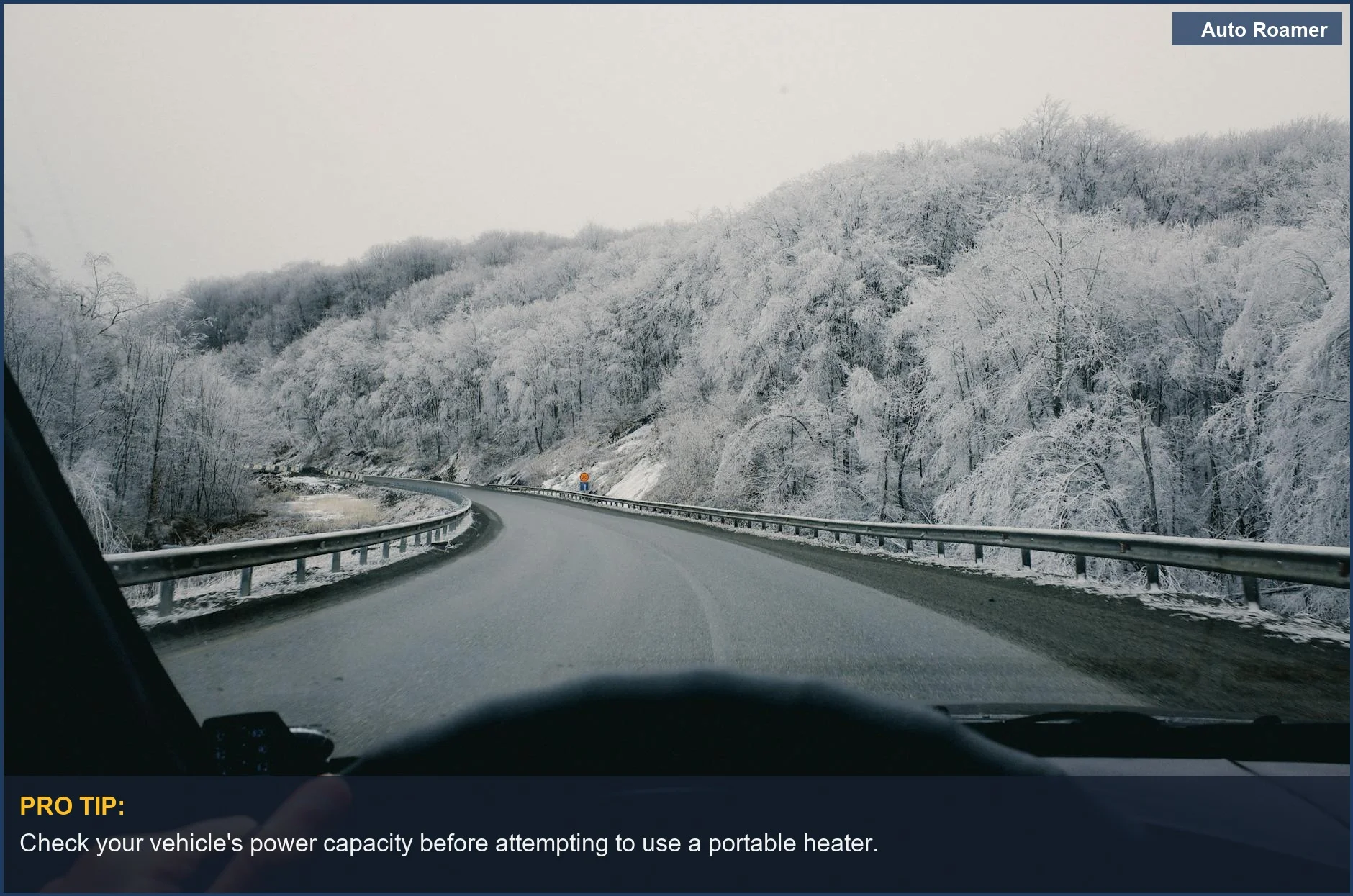
Most portable heaters designed for home use require 110-120 volts and draw a considerable amount of power, often exceeding what a standard car battery can safely provide. For example, many space heaters consume anywhere from 750 to 1,500 watts of energy, which could quickly drain a vehicle's battery, particularly if the engine is not running. Even if you have a vehicle with a high-capacity battery, the risk of overheating and causing a fire is substantial. The confined space of a vehicle also means that any heat generated could ignite flammable materials nearby, leading to potentially disastrous consequences. As highlighted by Auto Roamer, running a portable heater in a car is generally unsafe and not recommended.
State-by-state regulations regarding the use of portable heaters in vehicles can vary. In some states, it may be illegal to use certain types of heaters in your car, particularly if they are not specifically designed for automotive use. For instance, there are exceptions for electric heaters that are designed to be plugged into the car's power outlet, but even these can be risky if not used properly. It's crucial to check local laws and regulations before considering any form of portable heating device in your vehicle.
Nuances also come into play when we consider the type of heater. Electric blankets or heated seat covers are often safer alternatives, as they are specifically designed for automotive use and typically operate at lower wattages, thereby minimizing the risk of battery drain and overheating. We have found products like the Far Infrared Heated Blanket or the Zonli Heated Car Seat Cover to be effective for maintaining warmth without the risks associated with traditional heaters. These products can often be run from a car's power outlet without significant strain on the battery, making them a safer choice.
Furthermore, it is essential to recognize the dangers of carbon monoxide poisoning when running any heating device in a confined space. If a heater malfunctions or if there is an exhaust leak in the vehicle, the risk of carbon monoxide buildup increases dramatically. This silent killer can cause serious health issues or even be fatal. As reported by Currently, proper ventilation is crucial, yet achieving adequate airflow in a closed car can be challenging.
In summary, while the allure of a warm car on a chilly day is understandable, the risks associated with running a portable heater in a car cannot be overlooked. We recommend opting for safer alternatives, such as heated blankets or seat warmers, and always ensuring that the vehicle is well ventilated if you do decide to use any form of heating device. Staying informed about local regulations and prioritizing safety can help you enjoy your travels without unnecessary risks.
How to Handle This
When considering the use of a portable heater in a car, we must prioritize safety and practicality. Here's a step-by-step guide on how to handle this situation effectively.
-
Assess Your Needs: Before using any heater, evaluate why you feel you need one. If your car's heating system is malfunctioning or if you're parked in extreme cold for extended periods, consider alternatives like heated blankets or seat warmers that are safer to use inside a vehicle.
-
Choose the Right Heater: If you decide to proceed, select a heater designed specifically for automotive use. Look for options that plug into the car's 12V outlet, such as the RoadPro 12V 300-Watt Portable Heater, which is safer for car use than standard household heaters. Make sure it has built-in safety features like overheat protection.
-
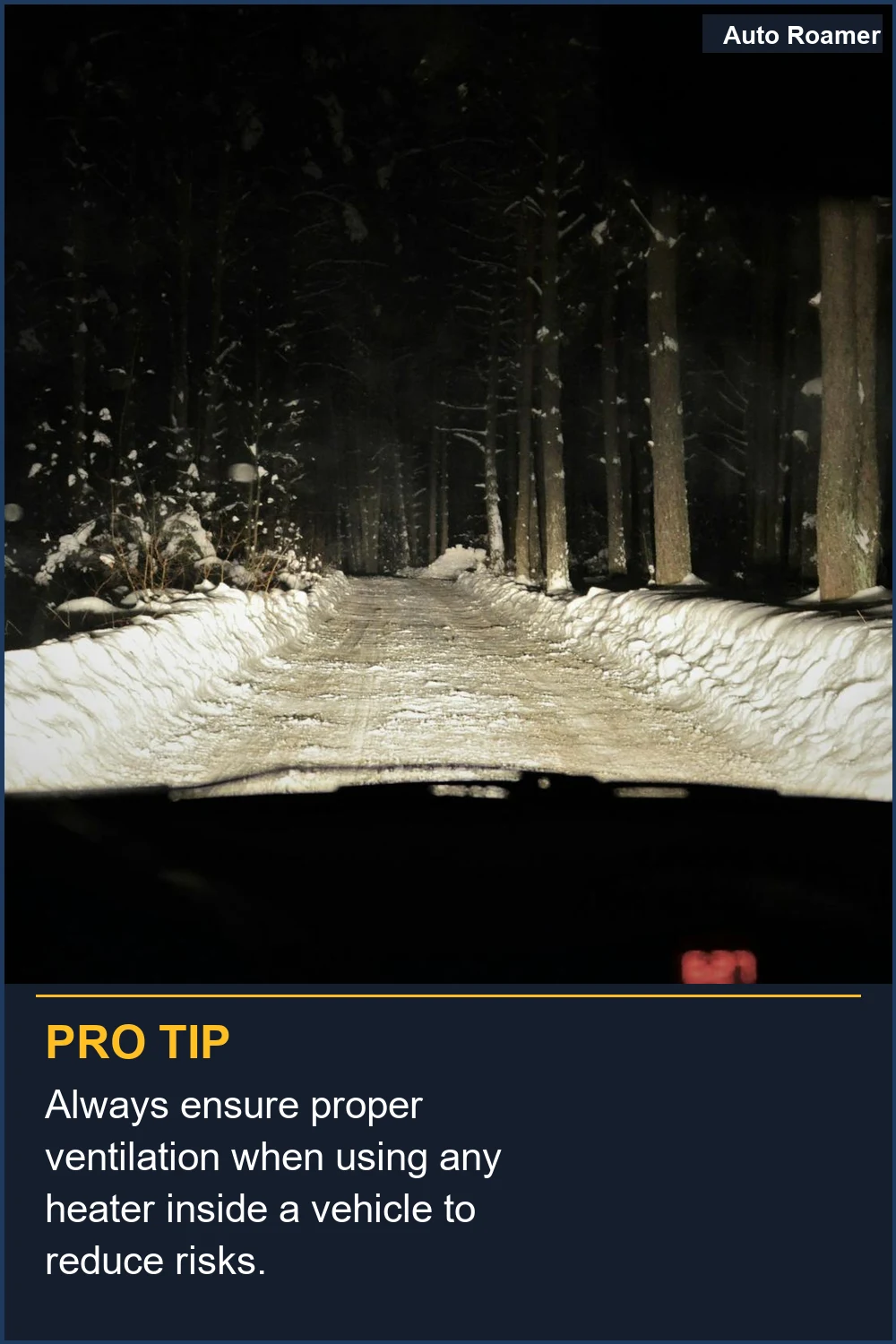
Ensure Proper Ventilation: If using any heater, maintain proper ventilation to avoid the buildup of carbon monoxide, which can occur with fuel-burning heaters. Open a window slightly to ensure fresh air circulates in the cabin.
-
Maintain a Safe Distance: Position the heater on a flat, stable surface, ideally on the floor, and keep it away from any flammable materials. We recommend maintaining at least a 1-2 foot clearance around the heater to prevent fire hazards SlashGear.
-
Monitor Battery Levels: Running a heater can drain your car battery quickly. We suggest keeping the vehicle running while using the heater to prevent a dead battery. If you must use it while parked, check your battery periodically or consider investing in a portable jump starter for emergencies.
-
Limit Usage Time: Do not leave the heater unattended, and limit its usage to prevent overheating and potential fires. Regularly check the heater's surface temperature and turn it off if it feels excessively hot.
-
Be Informed About Local Regulations: Some areas have restrictions on using certain types of heaters in vehicles. It's wise to check local laws and regulations to avoid fines or penalties.
-
Consider Safer Alternatives: As mentioned earlier, electric blankets or heated seats can provide warmth without the risks associated with portable heaters. Products like the Far Infrared Heated Blanket can be plugged into the car's power outlet and are much safer Yahoo.
-
Stay Informed and Prepared: Always keep an emergency kit in your car, including blankets, food, and water. This way, if your heating plan fails, you'll have backup options to keep warm.
In practice, while the convenience of a portable heater can be tempting, we strongly advise caution. The risks associated with using a portable heater in a confined space like a car often outweigh the benefits. By following these practical steps and considering safer alternatives, we can help ensure our comfort without compromising our safety.
Safety Considerations
When considering whether you can run a portable heater in a car safely, it is essential to weigh the safety risks involved. First and foremost, running a non-automotive portable heater in a confined space poses significant risks, including carbon monoxide poisoning. Many portable heaters are not designed for vehicle use and can emit harmful gases if they burn fuel, leading to serious health hazards that can be fatal in poorly ventilated areas Source.
Additionally, there are fire hazards associated with using portable heaters in cars. Heaters require a clear space around them to function safely, typically 1-2 feet of clearance from flammable materials. Given the confined nature of a car, maintaining this safety zone can be challenging, increasing the risk of fire Source. We have observed firsthand that even small items like clothing or blankets can quickly become dangerous when placed too close to a heat source.
Legal consequences should also be a consideration. Many states have regulations against using non-approved heating devices in vehicles, especially if they pose a risk to public safety. Should an incident occur, such as a fire or poisoning, liability may fall on you as the vehicle owner, leading to legal repercussions.
We recommend being aware of specific signs that indicate a need for professional help. If you experience symptoms such as headaches, dizziness, or confusion while using a heater in your car, discontinue use immediately and seek fresh air. It is crucial to understand that portable heaters are generally not designed for vehicle use; instead, consider safer alternatives like heated blankets or seat warmers, which are designed specifically for automotive applications and do not carry the same risks Source.
In summary, while it may seem convenient to run a portable heater in a car, the potential safety risks, health hazards, legal consequences, and the difficulty of maintaining a safe environment make it an unwise choice. Always prioritize safety and consider alternatives that provide warmth without compromising your well-being.
Common Mistakes to Avoid
When contemplating whether you can run a portable heater in a car safely, it's crucial to recognize some common mistakes and misconceptions that many drivers make. First and foremost, many believe that any portable heater can be used in a vehicle without considering its power requirements and safety implications. Most portable heaters operate on 110-120 volts and demand substantial power, far beyond what a car battery can safely supply. Attempting to do so not only risks draining your battery but can also lead to overheating and potential fire hazards (Source).
Another misconception is that all portable heaters are created equal. While some products are designed specifically for automotive use, such as 12V car heaters, many popular space heaters are unsuitable for a confined space like a vehicle. Users often overlook the significant risk of carbon monoxide poisoning, especially when using fuel-based heaters or improperly vented electric units. Even battery-operated heaters can pose risks if they are not designed for automotive environments (Source).
Additionally, many believe that simply cracking a window or leaving the car running will mitigate risks. However, this is not a foolproof solution. Carbon monoxide is odorless and can accumulate quickly in a closed space, making it hazardous even with slight ventilation. We have seen firsthand that the best approach is to utilize alternatives like heated blankets or seat warmers that provide warmth without the associated risks of a portable heater (Source).
Lastly, a frequent oversight is underestimating the importance of safety zones around heaters. Portable heaters require at least 1-2 feet of clear space around them to prevent fires, a challenging requirement in the cramped quarters of a car. Ensuring that combustible materials are out of reach is essential, yet many users fail to consider their vehicle's layout, inadvertently creating unsafe conditions.
In conclusion, while the desire for warmth during cold weather is understandable, the risks associated with running a portable heater in a car far outweigh the benefits. We recommend exploring safer alternatives that provide comfort without compromising safety.
Key Takeaways
When considering the question of whether you can run a portable heater in a car safely, it is crucial to understand the inherent risks involved. In summary, running a portable heater within a confined space like a vehicle is generally unsafe and not recommended due to several factors. The primary concerns include the potential for carbon monoxide poisoning and fire hazards, as many portable heaters require power levels that exceed what a car battery can safely provide (Source). Additionally, using such heaters creates a risk of overheating and can lead to flammable materials igniting within the vehicle.
For those seeking warmth during colder months, we recommend exploring safer alternatives. Options like heated blankets or seat warmers are designed specifically for automotive use and provide a practical solution without compromising safety (Source). If you find yourself frequently dealing with cold conditions, consider investing in products that are built for use in vehicles, as these are typically more reliable and safer.
Finally, if you encounter specific heating needs that you cannot address with standard automotive solutions, it may be time to seek professional help. Consulting with a qualified mechanic or an automotive expert can provide insight into vehicle modifications or heating solutions that adhere to safety standards. Remember, prioritizing safety is essential when it comes to any heating device used in a car. Always err on the side of caution, as the risks associated with running portable heaters in a car significantly outweigh the temporary comfort they might provide.
Frequently Asked Questions
What should I keep in mind before using a heater in my car?
How do portable heaters for cars compare to other heating options?
What are common safety concerns with car heaters?
What features should I look for in a car heater?
Are there any recommended alternatives to portable heaters in cars?
Sources
- Can You Run A Portable Heater In A Car Safely (2026 Complete ...
- 5 Best Portable Auto Heaters 2026! Tested & Tried - YouTube
- Here's How To Safely Use A Portable Car Heater In Your Automobile
- Recommendations for a safe battery-powered space heater
- Stay Cozy on the Road: The Essential Guide to Car Travel Heaters