None
When we embark on a car camping adventure, the thrill of the great outdoors often comes with unexpected challenges, especially when the temperature drops. Cold nights can quickly turn a cozy camping trip into an uncomfortable experience, making it essential to have a reliable heating solution on hand. Whether you're exploring in the brisk autumn or braving the winter chill, a good car camping heater can make all the difference in ensuring your comfort and enjoyment.
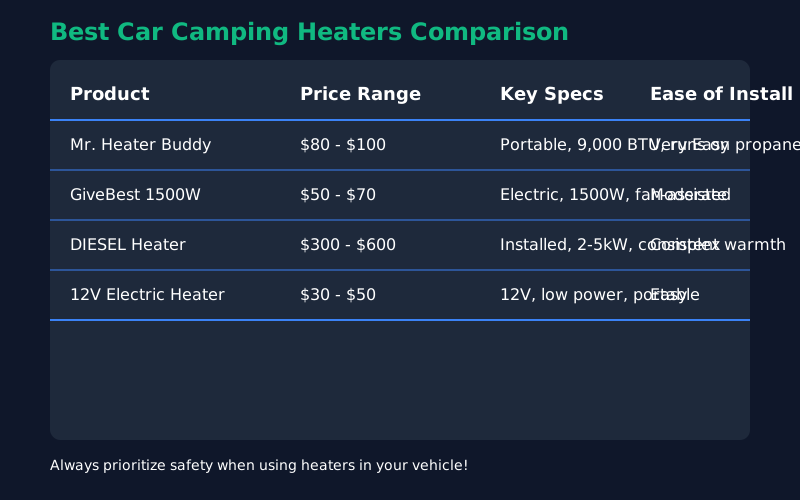
In our 2025 guide, we will explore the best car camping heaters available, focusing on a variety of heating options to suit different needs. From portable propane heaters like the Mr. Buddy to electric space heaters such as the GiveBest 1500W model, the market is brimming with choices that can keep you warm during those frosty nights. For those who prefer a more integrated solution, diesel heaters can be installed in your vehicle for consistent warmth, albeit with some considerations regarding power and noise.
However, safety must always be a top priority when using any heating device in a confined space like your car. Carbon monoxide poisoning is a serious risk with propane heaters, so it's crucial to ensure proper ventilation and to always follow the manufacturer's guidelines. Electric heaters require a reliable power source, which may necessitate a generator or a substantial battery setup. In this guide, we will provide detailed reviews and safety tips to help you choose the best car camping heater for your next adventure, ensuring that your trip remains enjoyable and safe, regardless of the weather.
Types of Car Camping Heaters
When it comes to staying warm while car camping, different types of heaters cater to varying needs and preferences. Here, we explore the most popular options: propane heaters, diesel/gas heaters, 12V electric heaters, and battery-powered options, along with their pros and cons.
Propane Heaters: One of the most favored choices for car camping is the propane heater, with the Mr. Heater Buddy being a standout model. This portable heater operates on 1 lb propane tanks and can produce up to 9,000 BTUs, heating spaces up to 225 square feet. It features an automatic shut-off for safety, which is crucial when using it in confined spaces like a car or tent. However, while propane heaters are effective, they do require ventilation to prevent carbon monoxide buildup, which may limit their usability in certain situations.
Diesel/Gas Heaters: Diesel or gas heaters, often referred to as Chinese heaters, are another excellent option for extended camping trips. These heaters are typically installed in your vehicle and can run off the vehicle's fuel tank, making them a convenient choice for long-term use. They generate heat by drawing air from outside and circulating it inside the vehicle. While efficient, they can be noisy and require a bit of installation. Popular models like the Planar 44D offer around 8,000 to 10,000 BTUs of heat. However, they can be pricier due to installation costs.
12V Electric Heaters: For those who prefer electric options, 12V electric heaters are ideal for use in vehicles. These heaters plug directly into your car's power outlet and are designed to warm up small spaces quickly. However, their heating capability is limited, typically around 400-600 watts. While they are convenient, they can drain your car battery if used for extended periods without the engine running.
Battery-Powered Options: Lastly, battery-powered heaters are becoming increasingly popular among campers looking for a portable solution. These heaters run on rechargeable batteries, allowing for flexibility without needing to plug into a vehicle. They can be a bit less powerful than other options, usually producing between 500 to 1,500 watts depending on the model. The GiveBest Portable Electric Space Heater is an example, providing a safe, quiet, and efficient heating solution for smaller spaces and is suitable for use in tents or vehicles.
In summary, each type of car camping heater has its strengths and weaknesses. Propane heaters offer portability and high output, while diesel heaters provide long-lasting heat for extended trips. Electric heaters are convenient but may require engine power, and battery-powered options provide flexibility with limitations on heat output. We recommend assessing your camping needs, budget, and the size of the space you need to heat to choose the best option for your adventures.
Our Top Picks
Our Top Picks
When it comes to car camping in colder climates, having a reliable heater can make all the difference between a cozy night and an uncomfortable experience. After thorough research and testing, we have compiled our top picks for the best car camping heaters available in 2025. Each heater has been selected based on its performance, portability, and user reviews to ensure you stay warm and comfortable during your adventures. Best Overall for Car Camping: Mr. Heater Portable Buddy Heater For those who want a well-rounded, reliable option, we recommend the Mr. Heater Portable Buddy Heater. This propane heater has a BTU rating of 4,000 to 9,000, making it suitable for heating spaces up to 225 square feet. Its compact design and lightweight (approximately 9 pounds) make it easy to transport and set up in your vehicle. Priced at around $109, it features an automatic shut-off system for safety, ensuring peace of mind while you enjoy its warmth. Additionally, it runs on standard propane tanks, which are widely available, adding to its convenience. Best Propane Heater: Campy Gear 2-in-1 Portable Propane Heater If you're specifically looking for a propane heater that doubles as a stove, consider the Campy Gear 2-in-1 Portable Propane Heater. This innovative heater has a BTU rating of 10,000, which is more than sufficient for heating small tents or vehicles. Priced at approximately $129, it is designed to provide both heat and a cooking surface, making it perfect for car camping. One of its standout features is the built-in safety precautions, including an automatic shut-off if it detects low oxygen levels. With its versatility, this heater is a fantastic addition to any camping gear list. Best Diesel Heater for Vans: Eberspächer Airtronic D2 For van campers looking for a more permanent solution, the Eberspächer Airtronic D2 Diesel Heater is our top choice. With a BTU rating of 7,000 to 21,000, it can effectively heat larger spaces while drawing minimal power from your vehicle's battery. Priced around $1,200, it is an investment but highly valued for its efficiency and reliability. It operates quietly and can be installed under the vehicle or within the cabin, giving you flexibility in how you set up your heating system. This heater requires a diesel fuel source, making it ideal for those who already rely on diesel for their vehicles. Best Electric Option: Lasko 754200 Ceramic Heater For those who prefer an electric heater, we recommend the Lasko 754200 Ceramic Heater. This compact heater offers a powerful 1,500 watts of heating capacity, effectively warming spaces up to 300 square feet. Priced at approximately $49, it features adjustable thermostat settings and a built-in safety switch that turns the heater off if it tips over. While it does require access to a power source, it is an excellent choice for car camping in areas with electrical hookups. Its lightweight design makes it easy to transport, and it operates quietly, ensuring a peaceful camping experience. Conclusion In conclusion, whether you're using propane, diesel, or electricity, there are excellent options available to keep you warm during your car camping adventures. The Mr. Heater Portable Buddy Heater is perfect for most camping situations, while the Campy Gear heater offers versatility for cooking. The Eberspächer Airtronic D2 is ideal for vanlifers looking for a permanent heating solution, and the Lasko Ceramic Heater is great for those with access to electricity. With prices ranging from $49 to $1,200, there is a heater to fit every budget and camping style. Stay warm and enjoy the great outdoors, even when the temperatures drop!Critical Safety Considerations
When it comes to car camping heaters, safety should always be our top priority. While these heaters can keep us warm during chilly nights, they also pose potential risks if not used correctly. Here are the critical safety considerations we must keep in mind.
First and foremost, we need to address the risk of carbon monoxide (CO) poisoning. Many portable heaters, especially propane and diesel models, produce CO as a byproduct of combustion. This colorless, odorless gas can be deadly if it accumulates in an enclosed space like a car. For this reason, we strongly recommend that any heater we choose should be used solely in well-ventilated areas. This means keeping windows slightly open or ensuring that there is adequate airflow to prevent CO build-up.
Ventilation is not just important for preventing CO poisoning; it is also crucial for safety in general. If we are using a propane heater such as the Mr. Buddy Portable Heater, we must ensure it is placed in a way that allows fresh air to circulate. Additionally, these heaters should never be used while the vehicle is running, as this can create a dangerous combination of exhaust and heater emissions.
Fire safety is another major concern. Heaters can become extremely hot, and if placed near flammable materials-like blankets, clothing, or gear-we risk starting a fire. We recommend using heaters that come with built-in safety features, such as tip-over protection and automatic shut-off mechanisms. For example, the GiveBest Portable Electric Space Heater is designed with safety in mind, featuring a tip-over switch that turns the heater off if it falls over.
Finally, we cannot stress enough the importance of installing carbon monoxide detectors in our camping setups. A CO detector is a simple yet effective way to monitor levels of this dangerous gas, alerting us to any hazardous conditions before they become life-threatening. Models like the Kidde Nighthawk CO Detector are compact and can easily be integrated into our camping gear.
By adhering to these safety guidelines, we can enjoy our car camping experience without compromising our health or safety. Always remember to prioritize ventilation, be mindful of fire hazards, and equip ourselves with CO detectors to ensure a safe and warm camping adventure.
Setup and Usage Tips
When setting up your car camping heater, there are several important factors to consider for both safety and efficiency. First and foremost, proper ventilation is essential. Even when using a portable heater designed for automotive use, carbon monoxide buildup can occur, especially with propane or diesel heaters. We recommend cracking a window or opening the vehicle's vents to ensure fresh air circulation. This practice not only enhances safety but can also help regulate the temperature inside your vehicle.
Next, fuel storage is a critical aspect to keep in mind. If you opt for a propane heater, such as the Mr. Buddy Portable Heater, make sure to store your propane canisters in a cool, dry place away from direct sunlight and extreme temperatures. Keep them secured and avoid overfilling your vehicle with extra fuel to minimize the risk of leaks or explosions. For electric heaters, like the GiveBest Portable Electric Space Heater, ensure your vehicle's battery can handle the power requirements without draining too quickly. We recommend using a high-capacity portable power station if you plan to rely on electric heating for extended periods.
Lastly, consider when to use a heater versus simply layering up. On particularly cold nights, a heater can provide quick warmth, but it can also be beneficial to use layers of clothing and sleeping bags to retain body heat. We suggest using a good-quality sleeping bag rated for lower temperatures, combined with thermal layers, to stay warm without solely relying on a heater. This approach not only conserves fuel but also ensures that you have a backup source of warmth should the heater fail. Balancing the use of a heater with proper clothing and sleeping gear can create a comfortable camping experience, even in the coldest conditions.
Our Verdict
When it comes to choosing the best car camping heater, safety and value are two crucial factors we heavily consider. For the safest option, we recommend the Mr. Heater Buddy Portable Propane Heater. This compact unit is designed with safety features such as an automatic shut-off system that activates if it tips over or detects low oxygen levels. Priced around $100, it offers a reliable heat source while ensuring you can camp comfortably without compromising safety.
For those who want the best value, we suggest the GiveBest Portable Electric Space Heater. This heater delivers efficient heating with two power settings (750W and 1500W) and is capable of warming up to 200 square feet. At around $50, it's an affordable choice that provides peace of mind with its built-in thermostat and overheat protection. This model is particularly effective for car campers with access to electricity, making it an ideal companion during chilly nights.
In summary, whether you prioritize safety or value, both the Mr. Heater Buddy and GiveBest Portable Electric Space Heater stand out as top picks in our guide. With these heaters, we believe you can enjoy a warm and cozy camping experience, no matter how cold it gets outside.