
What Is Hydroplaning and How Do You Recover from It?
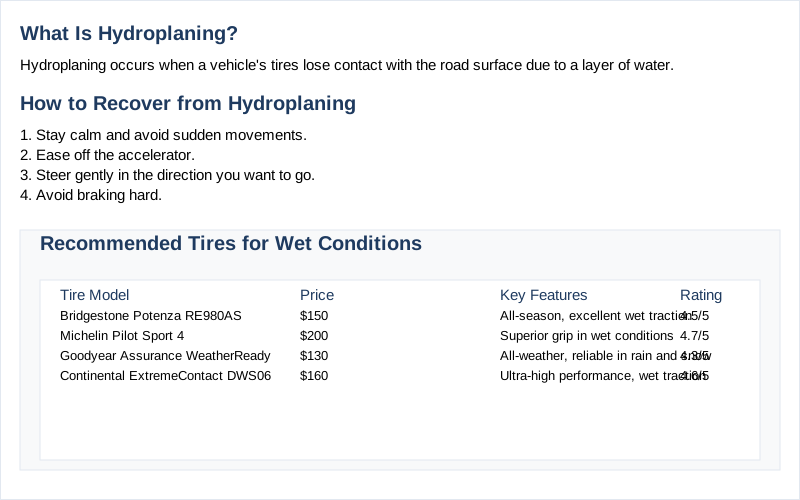
Hydroplaning, or aquaplaning, occurs when a vehicle's tires lose contact with the road due to a layer of water, typically at speeds over 35 mph. To recover from hydroplaning, gently steer in the direction of travel, avoid sudden movements, and gradually ease off the accelerator. Maintaining proper tire pressure and tread depth can reduce the risk of hydroplaning.
Introduction
Hydroplaning is a critical driving hazard that can catch even the most experienced motorists off guard. But what is hydroplaning exactly? It occurs when a vehicle's tires lose contact with the road surface due to a layer of water that builds up, causing a temporary loss of traction. This phenomenon can happen at surprisingly low speeds-sometimes as low as 35 mph-depending on factors such as tire tread depth, vehicle weight, and the amount of standing water on the road (Bridgestone Tires). When hydroplaning occurs, the tires essentially skim across the water like water skis, making it difficult to steer, brake, or accelerate.
Understanding the mechanics behind hydroplaning is essential for safe driving, especially during inclement weather. As water accumulates on the road, it becomes increasingly challenging for tires to disperse this water effectively. For instance, a tire can disperse nearly eight gallons of water per second at a speed of 50 mph. However, if the water depth exceeds 1/10th of an inch, the risk for hydroplaning significantly increases (Car and Driver). This makes it vital to maintain proper tire tread depth and ensure that your tires are in good condition to mitigate the risk.
In this guide, we will delve deeper into what hydroplaning is and provide practical strategies for recovering from it if you find yourself in such a situation. Whether you're navigating through a rainstorm or driving on wet roads, being informed and prepared can make a significant difference in your safety and control behind the wheel.
Quick Answer
Hydroplaning, often referred to as aquaplaning, is a perilous driving condition that occurs when a vehicle's tires lose contact with the road surface due to a layer of water. This phenomenon typically arises when water accumulates on the road, creating a film that prevents tires from effectively gripping the surface. The risk of hydroplaning increases significantly when water depth exceeds 1/10th of an inch, particularly at higher speeds where tires cannot evacuate water quickly enough (Bridgestone Tires).
To recover from hydroplaning, we recommend remaining calm and following several key steps. First, avoid sudden steering movements or hard braking, as these actions can exacerbate the loss of control. Instead, gently ease off the accelerator and steer straight until you regain traction. If your vehicle begins to skid, steer in the direction you want the front of the car to go, allowing the tires to re-establish contact with the road surface (Car and Driver).
Preventing hydroplaning is equally important. Ensure that your tires have adequate tread depth, which is crucial for dispersing water effectively. It is recommended that tires have at least 2/32 inch of tread to minimize hydroplaning risks (Kelley Blue Book). Additionally, maintaining proper tire inflation and replacing tires that are worn can significantly enhance your vehicle's handling in wet conditions. By taking these precautions and knowing how to react in the event of hydroplaning, we can help ensure a safer driving experience during rainy weather.
What You Need to Know
Hydroplaning, often referred to as aquaplaning, is a perilous driving condition that arises when a vehicle's tires lose contact with the road surface due to a layer of water. This results in a significant reduction in traction and control, rendering the driver unable to steer, brake, or accelerate effectively. According to Allstate, hydroplaning typically occurs when water accumulates on the road, creating a film that the tires cannot displace quickly enough.
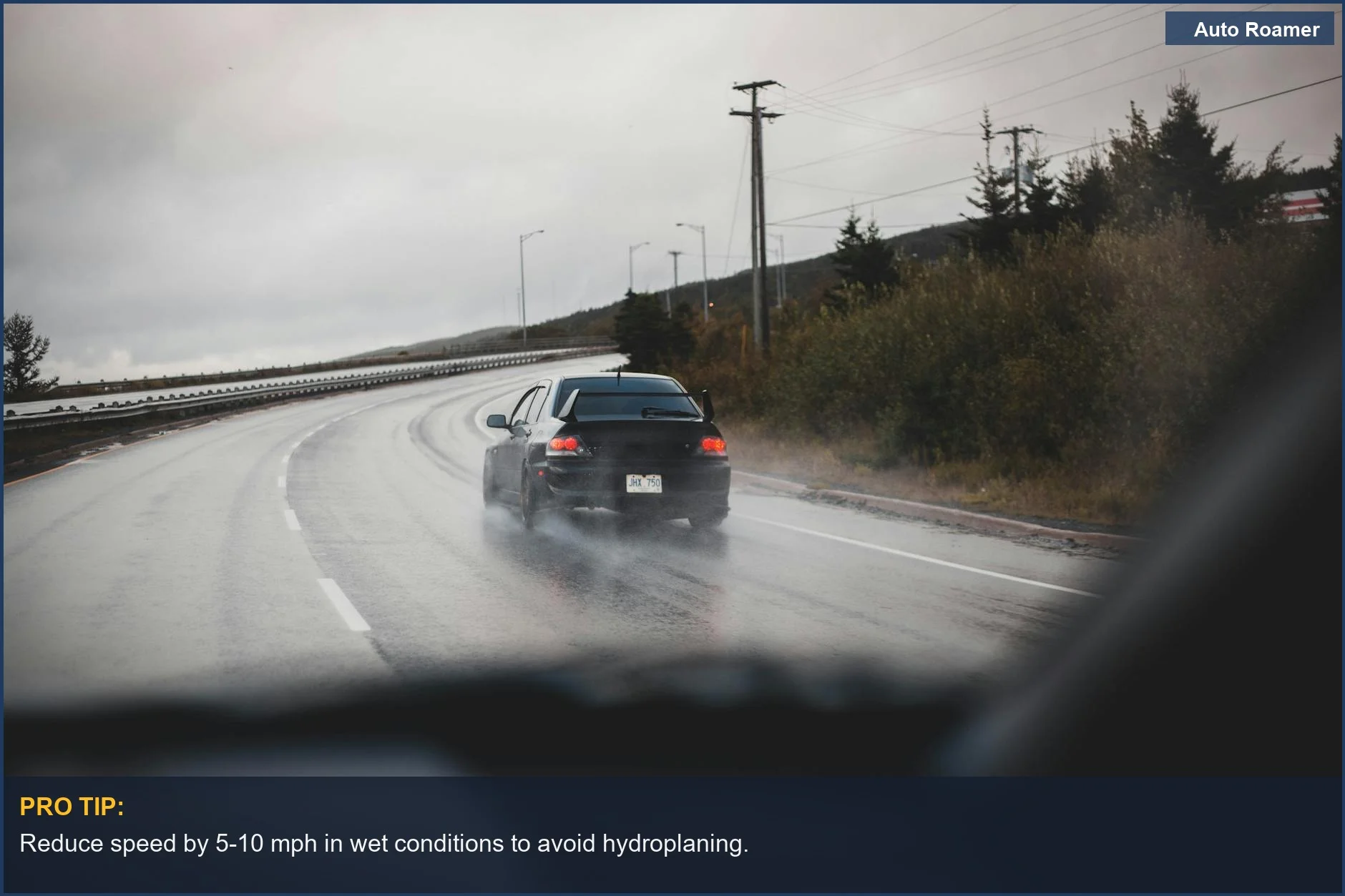
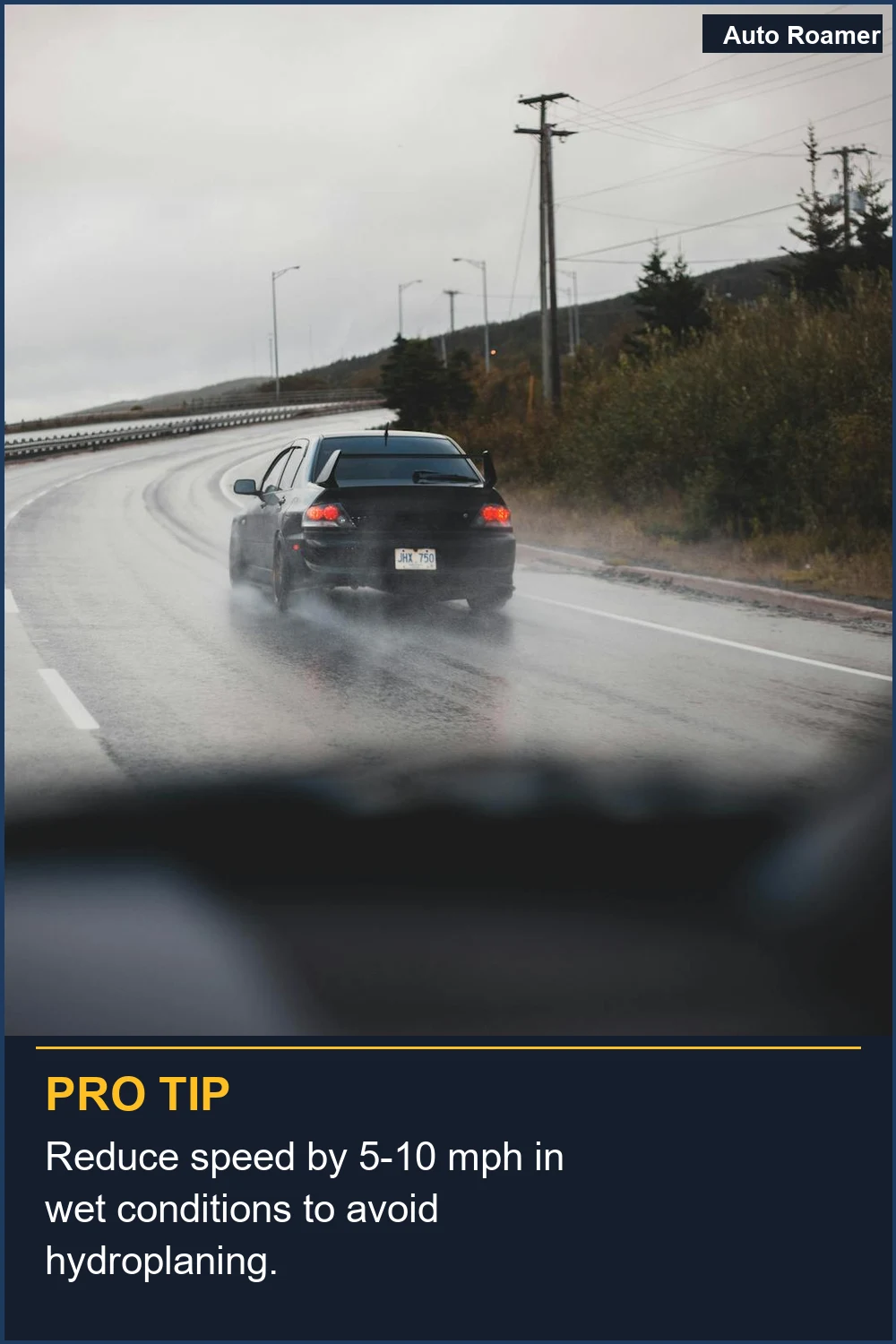
The risk of hydroplaning increases with various factors, including road conditions, vehicle speed, tread depth, and vehicle weight. For instance, as the depth of the water on the road surpasses 1/10th of an inch, the likelihood of hydroplaning escalates, especially during heavy rainfall or on poorly drained road surfaces, as mentioned by Bridgestone Tires. Moreover, the speed at which we travel plays a crucial role; tires require adequate time to evacuate water from their tread patterns. At speeds as low as 35 mph, a vehicle can hydroplane if the tire tread is insufficiently deep or designed to handle wet conditions effectively.
To mitigate the risks of hydroplaning, we recommend maintaining proper tire tread depth and ensuring that tires are adequately inflated. New tires with good tread can disperse up to eight gallons of water per second at 50 mph, according to Car and Driver. Thus, checking tire conditions regularly can significantly reduce the chances of encountering hydroplaning. If you find yourself hydroplaning, experts advise avoiding sudden braking or sharp steering-doing so can worsen the situation. Instead, ease off the accelerator and let the vehicle regain traction naturally. Understanding what is hydroplaning and how to respond can be vital for safe driving in wet conditions.
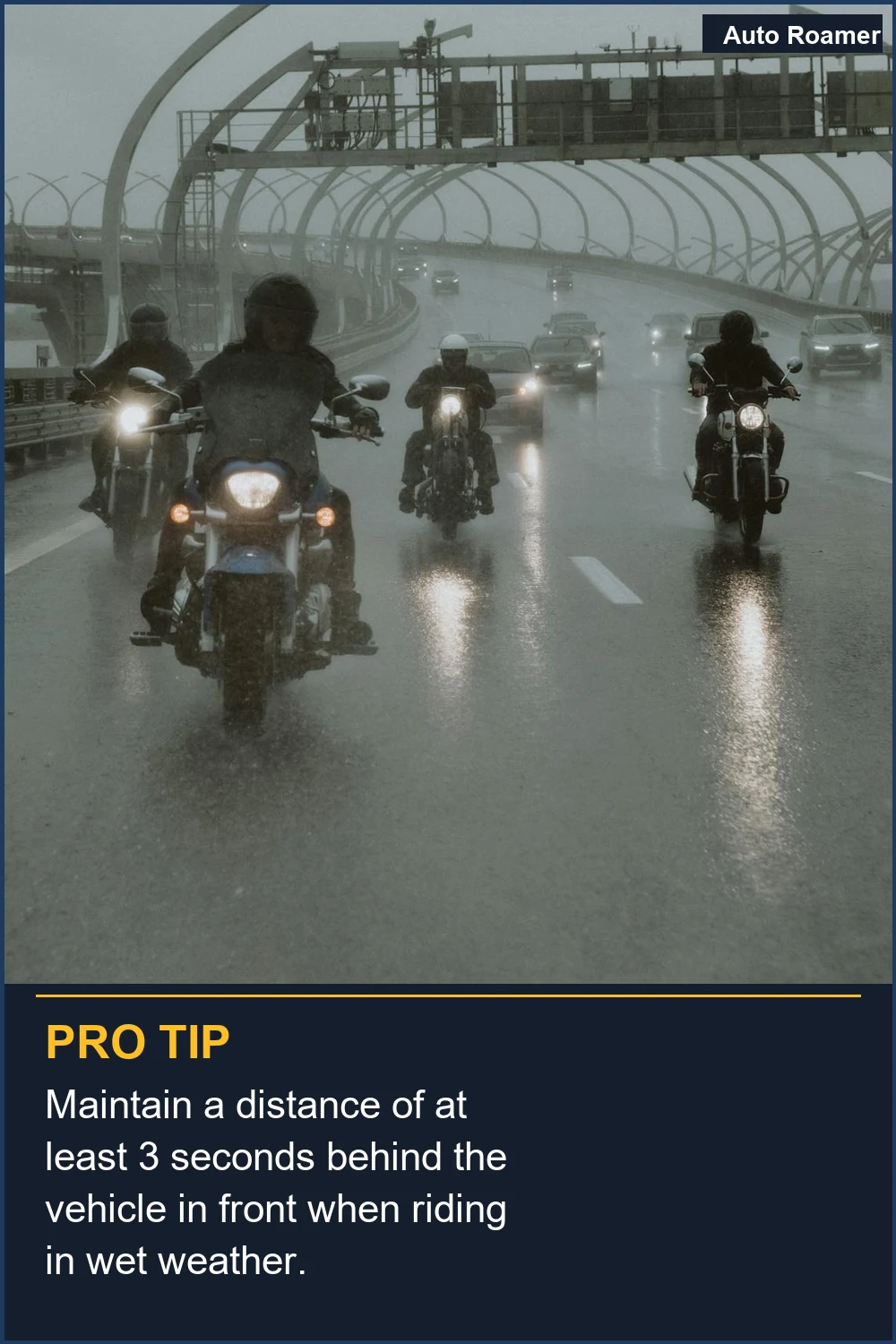
Step-by-Step Guide
To effectively recover from hydroplaning, we recommend following these practical steps to regain control of your vehicle:
-
Stay Calm: The first step is to remain calm. Hydroplaning can be a scary experience, but panicking can lead to overreacting, which may worsen the situation.
-
Do Not Brake Suddenly: Avoid slamming on the brakes. This can cause the tires to lose even more traction. Instead, gently ease off the accelerator to reduce speed. As you slow down, the tires will gradually regain contact with the road when the water is displaced.
-
Steer Smoothly: If you feel your car starting to slide, steer in the direction you want to go. For instance, if your car is drifting to the right, gently steer to the right. Oversteering can cause additional loss of control, so keep your movements smooth and deliberate.
-
Avoid Sharp Turns: While recovering from hydroplaning, avoid making any sharp turns. Sudden changes in direction can lead to skidding and increased loss of traction. Instead, maintain a steady course until you regain control.
-
Check Your Tires: After experiencing hydroplaning, it's essential to check the condition of your tires. Make sure they have adequate tread depth and are properly inflated. Tires with worn tread are more susceptible to hydroplaning, as they cannot effectively channel water away from the contact patch with the road surface Bridgestone Tires.
-
Reduce Speed in Wet Conditions: As a preventative measure, we recommend driving at lower speeds when road conditions are wet. Hydroplaning can occur at speeds as low as 35 mph, especially if there is standing water on the surface Kelley Blue Book.
-
Maintain Vehicle Maintenance: Regularly check your vehicle's tires, brakes, and suspension systems. Proper maintenance can help prevent hydroplaning incidents by ensuring your vehicle handles well in wet conditions.
By following these steps, we can significantly reduce the chances of losing control during hydroplaning and improve our overall safety on wet roads. Understanding what hydroplaning is and how to react can make a crucial difference in maintaining control of our vehicles.


Safety Considerations
When discussing what is hydroplaning, it is crucial to understand the safety considerations that come into play while driving in wet conditions. Hydroplaning occurs when a vehicle's tires lose contact with the road surface and instead glide on a layer of water. This can drastically reduce control and increase the risk of accidents. Therefore, we recommend taking proactive measures to mitigate the risks associated with hydroplaning.
First, ensure your tires are in optimal condition. Tires with good tread depth are essential for maintaining grip on wet surfaces, as they help channel water away from the tire's contact patch. According to Bridgestone, tires can begin to hydroplane at speeds as low as 35 mph if the tread depth is inadequate or if there is significant standing water on the road. Regularly check your tire pressure and tread depth to ensure they meet safety standards.
We also recommend adjusting your driving behavior during rainy conditions. Reducing speed is one of the simplest yet most effective ways to prevent hydroplaning. The faster you drive, the less time your tires have to displace water. For instance, if you're driving at 50 mph, remember that a new tire can disperse around eight gallons of water per second; if the water depth exceeds the tire's capacity to evacuate it, hydroplaning becomes likely (Car and Driver).
Additionally, avoid sudden braking or sharp turns, as these actions can exacerbate hydroplaning conditions. Instead, maintain a steady speed and gentle steering to help retain control of your vehicle. If you do experience hydroplaning, it is vital to remain calm and gradually ease off the accelerator while steering straight. This approach allows your tires to regain contact with the road surface safely.
By understanding the factors that contribute to hydroplaning and adopting safe driving practices, we can significantly reduce the risks associated with this hazardous condition. Being prepared and informed is key to ensuring safety on the roads.


Common Mistakes to Avoid
When discussing what is hydroplaning, it's essential to acknowledge common mistakes that can exacerbate this dangerous driving condition. One major error is driving too fast in wet conditions. As water accumulates on the road, particularly over 1/10th of an inch, the risk of hydroplaning increases significantly. We recommend adjusting your speed to ensure your tires have enough time to disperse water from their treads. Many drivers mistakenly believe they can maintain normal speeds when it starts to rain, but hydroplaning can occur at speeds as low as 35 mph, especially if your tires are worn down (Bridgestone Tires).
Another frequent blunder is neglecting tire maintenance. Tire tread depth is crucial in preventing hydroplaning; tires must have adequate tread to channel water away effectively. It's advisable to check your tire tread regularly and replace tires that have less than 2/32 of an inch of tread remaining. Worn tires significantly increase the likelihood of losing traction when the roads are wet (Allstate).
Many drivers also panic and make sudden movements when they feel their car hydroplaning. Instead, we recommend staying calm, easing off the accelerator, and steering gently in the direction you want to go. Avoid sudden braking or sharp turns, as these actions can lead to a complete loss of control (Car and Driver). By being aware of these common mistakes, we can better prepare ourselves to prevent hydroplaning and respond effectively when it happens.
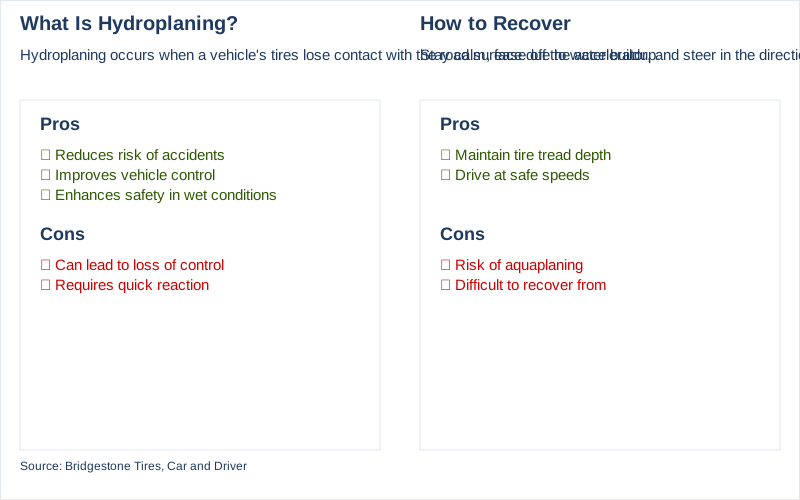
Final Thoughts
In conclusion, understanding what hydroplaning is and how to effectively recover from it is essential for safe driving, especially during adverse weather conditions. Hydroplaning occurs when a thin layer of water builds up between a vehicle's tires and the road surface, causing a loss of traction and control. This phenomenon can happen at speeds as low as 35 mph, particularly when road conditions are poor and tire tread depth is inadequate (Bridgestone Tires). To mitigate the risk of hydroplaning, drivers should regularly check their tire tread depth, ensure proper inflation, and drive at safe speeds, particularly in wet conditions.
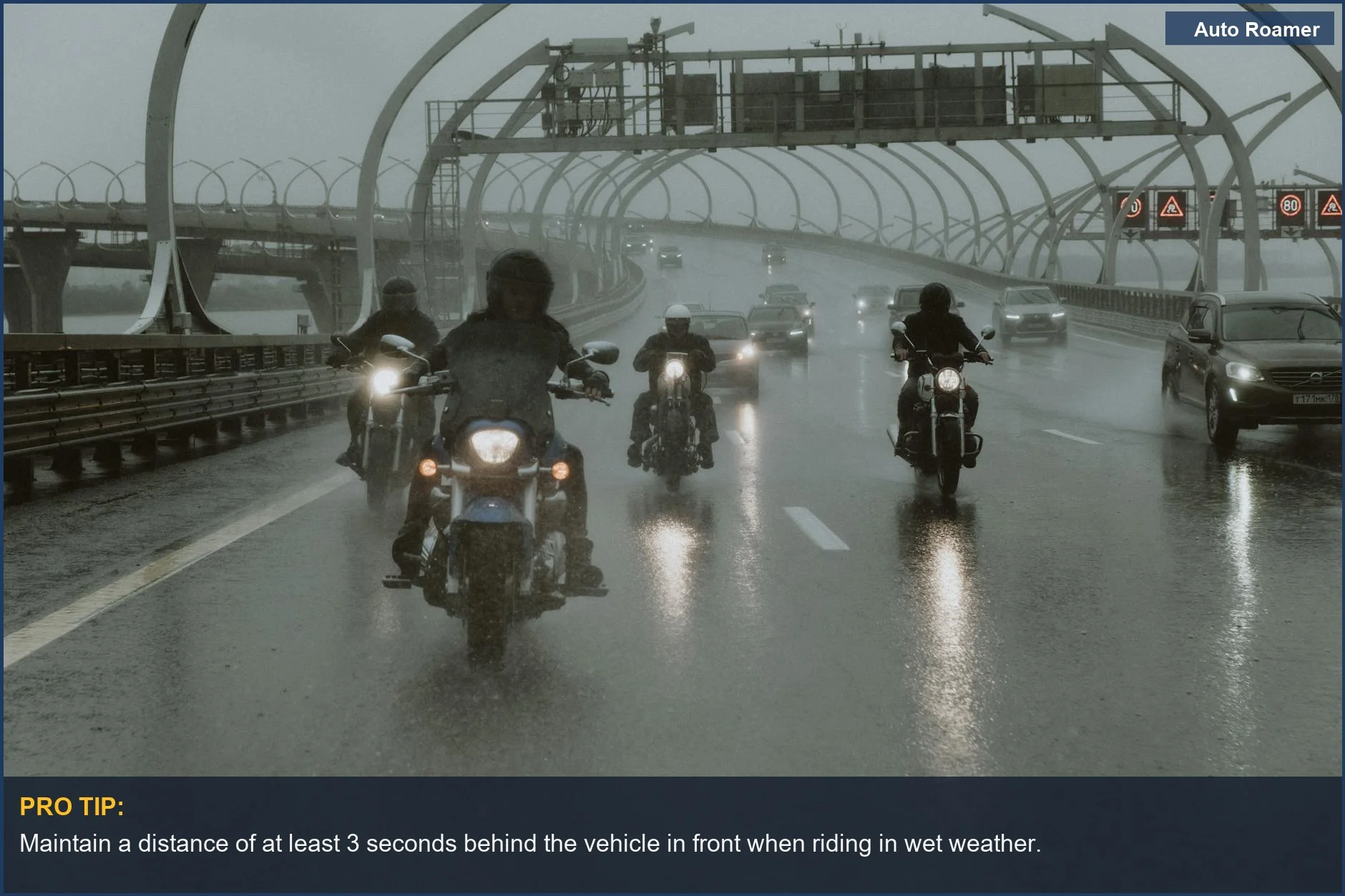
If you find yourself hydroplaning, it is crucial to remain calm. We recommend gently easing off the accelerator and avoiding sudden movements with the steering wheel or brakes, as these can exacerbate the loss of control. Instead, focus on steering in the direction you want to go until your tires regain contact with the road (Car and Driver). Additionally, maintaining a safe following distance from other vehicles can provide you with more time to react to changing conditions.
By incorporating these strategies, we can significantly reduce the likelihood of experiencing hydroplaning and enhance our overall safety on the road. Remember, staying informed and prepared is the best defense against hydroplaning, allowing us to navigate wet roads with greater confidence and control. For more detailed information about hydroplaning and prevention techniques, consider consulting resources like Kelley Blue Book and Telle Tire.