
How to Drive Safely in Snow and Ice for the First Time
To drive safely in snow and ice for the first time, maintain a speed 20-30% slower than usual. Increase following distance to 8-10 seconds to allow for longer stopping times. Use gentle steering and braking to avoid skidding, and always keep your headlights on for visibility. Equip your vehicle with winter tires for optimal traction.
Introduction
Driving in snow and ice for the first time can be a daunting experience, especially if you are used to milder weather conditions. As winter approaches, it's crucial to equip ourselves with the knowledge and skills necessary to navigate icy roads safely. Each year, thousands of accidents occur due to slick surfaces, with over 150,000 crashes reported annually according to the Federal Highway Administration. With 70% of U.S. roads situated in snowy regions, understanding how to drive in snow and ice is not just important; it's essential for keeping ourselves and others safe on the road.
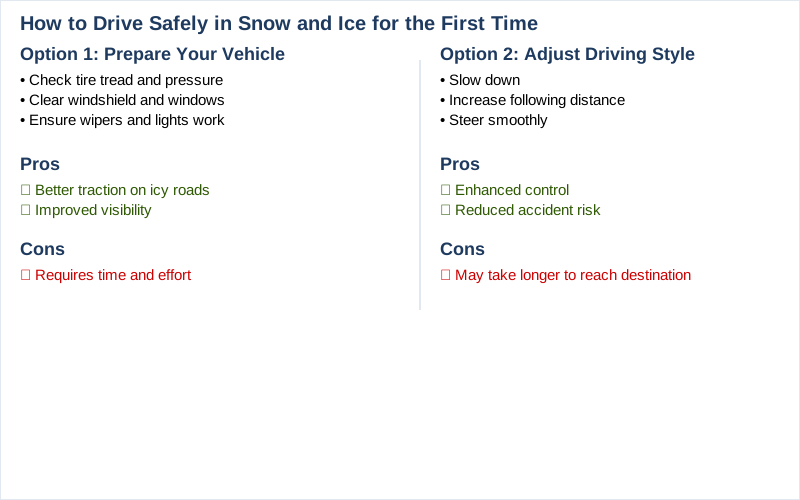
When driving in these conditions, we recommend that you prepare both your vehicle and yourself. This preparation includes making necessary adjustments like checking tire tread and pressure, which, as the NHTSA suggests, are vital for maintaining traction. Additionally, always ensure your windshield and windows are cleared of ice and snow before driving. A clear view is paramount, as driving with limited visibility is one of the leading causes of winter accidents.
We must also adjust our driving style. Slowing down, increasing following distances, and steering smoothly can significantly improve our control on slippery roads. The Car and Driver emphasizes that we should allow double the stopping distance on wet roads and even more on snow and ice. For instance, if we typically stop at a distance of 100 feet in dry conditions, we should aim for at least 200 feet in the snow and potentially 300 feet on ice.
In this guide, we'll explore essential tips and techniques to navigate winter driving safely, ensuring that we're well-prepared for whatever the weather throws at us. Whether it's understanding vehicle dynamics or learning how to handle skids, this knowledge is vital for our safety and the safety of everyone on the road.

Quick Answer
Driving safely in snow and ice for the first time can be intimidating, but with the right preparation and techniques, we can navigate these conditions confidently. First and foremost, we recommend reducing our speed significantly. On wet roads, we should allow for double the stopping distance, and on snow, we should triple this distance. Ice requires even greater caution, as it can be nearly impossible to stop quickly (Car and Driver).
Before setting out, ensure our vehicle is equipped for winter driving. This includes having winter tires, which are specifically designed to provide better traction in snow and ice conditions. According to the National Highway Traffic Safety Administration, switching to winter tires can dramatically improve our vehicle's handling and stopping ability (NHTSA). Additionally, we should check our battery, windshield wipers, and fluid levels, ensuring everything is in good working order.
While driving, we recommend maintaining smooth and gradual movements. Sudden braking or sharp turns can lead to skidding, so we should accelerate and decelerate slowly. If we do start to skid, it's crucial to steer in the direction we want to go, avoiding the instinct to overcorrect. If our vehicle is equipped with Anti-lock Braking Systems (ABS), we should firmly press the brake pedal instead of pumping it (USA Today).
Lastly, we should always keep an emergency kit in our vehicle, containing items like a blanket, flashlight, and a shovel, which can be invaluable if we find ourselves stuck. By following these guidelines on how to drive in snow and ice, we can ensure a safer experience on the road during winter conditions.
What You Need to Know
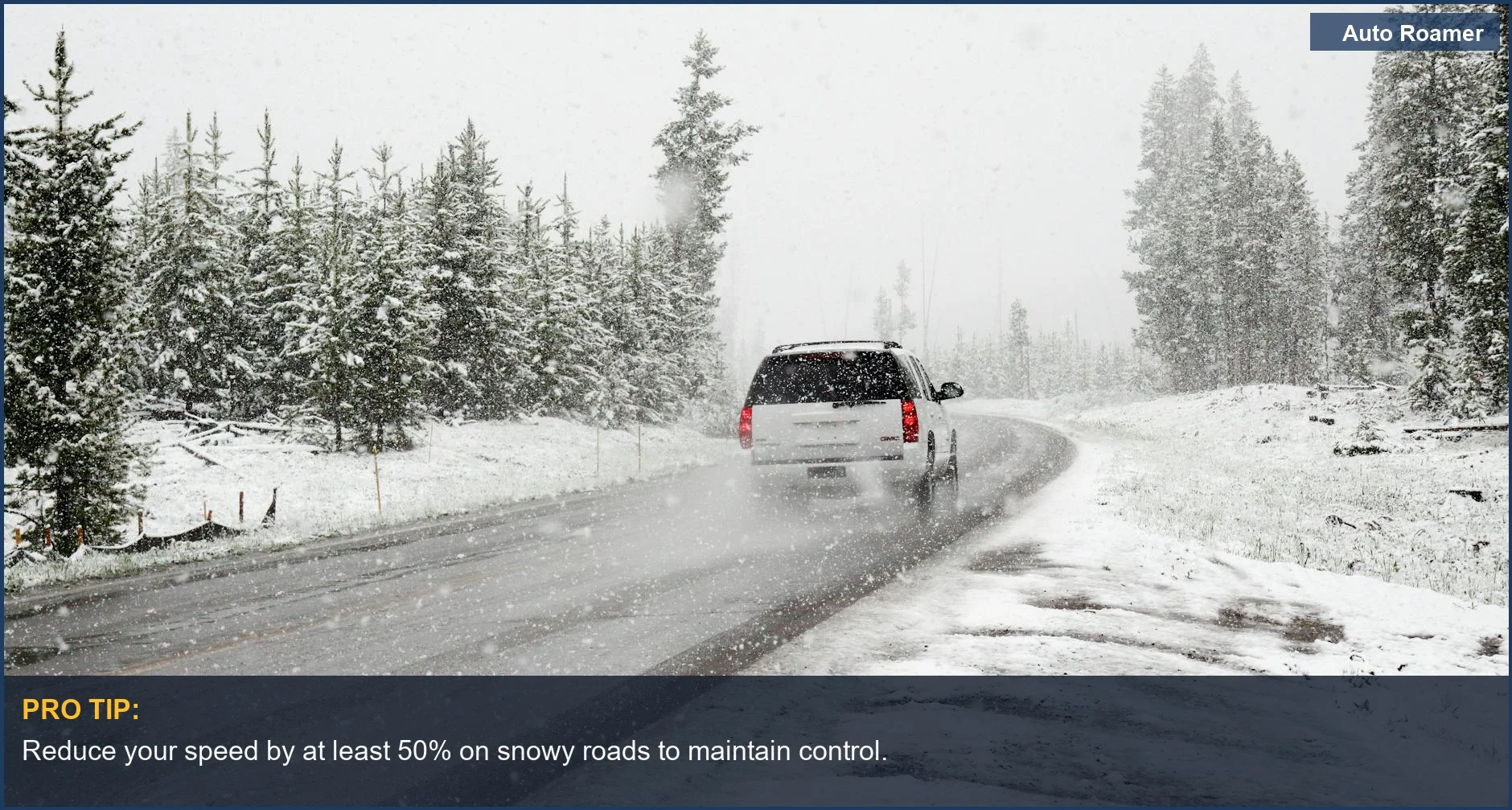
Driving in snow and ice for the first time can be a daunting experience, but with the right knowledge and preparation, we can navigate winter roads safely. First and foremost, we recommend adjusting our speed. According to Car and Driver, it's crucial to slow down significantly, especially when making turns or navigating intersections. Snow and ice reduce traction, which means we should allow at least double the normal stopping distance on wet roads, triple that on snow, and even more on ice. This approach is echoed by the USA Today, which stresses the importance of maintaining a safe distance from other vehicles to mitigate the risk of collisions.
Preparation starts before we even hit the road. Clearing snow and ice from our entire vehicle, not just a small section of the windshield, is essential for visibility. We also recommend checking our tires to ensure they have adequate tread and considering winter tires for improved grip. The NHTSA suggests keeping an emergency kit in our car that includes items such as blankets, water, and a flashlight. These supplies can be invaluable if we find ourselves stranded.
While driving, we should aim to use smooth, controlled movements when steering, accelerating, and braking. Sudden actions can lead to skids, which are often difficult to recover from on slippery surfaces. If we do begin to skid, the guidance from Kelley Blue Book is clear: steer into the skid and avoid slamming the brakes. This technique can help us regain control of the vehicle.
Finally, we should always remain alert and prepared for changing conditions. Snow and ice can create unexpected obstacles, so keeping our eyes scanning the road ahead can help us react more effectively. With these precautions and techniques in mind, we can confidently learn how to drive in snow and ice, ensuring our safety and that of others on the road.
Step-by-Step Guide
To drive safely in snow and ice for the first time, we recommend following these practical steps:
-
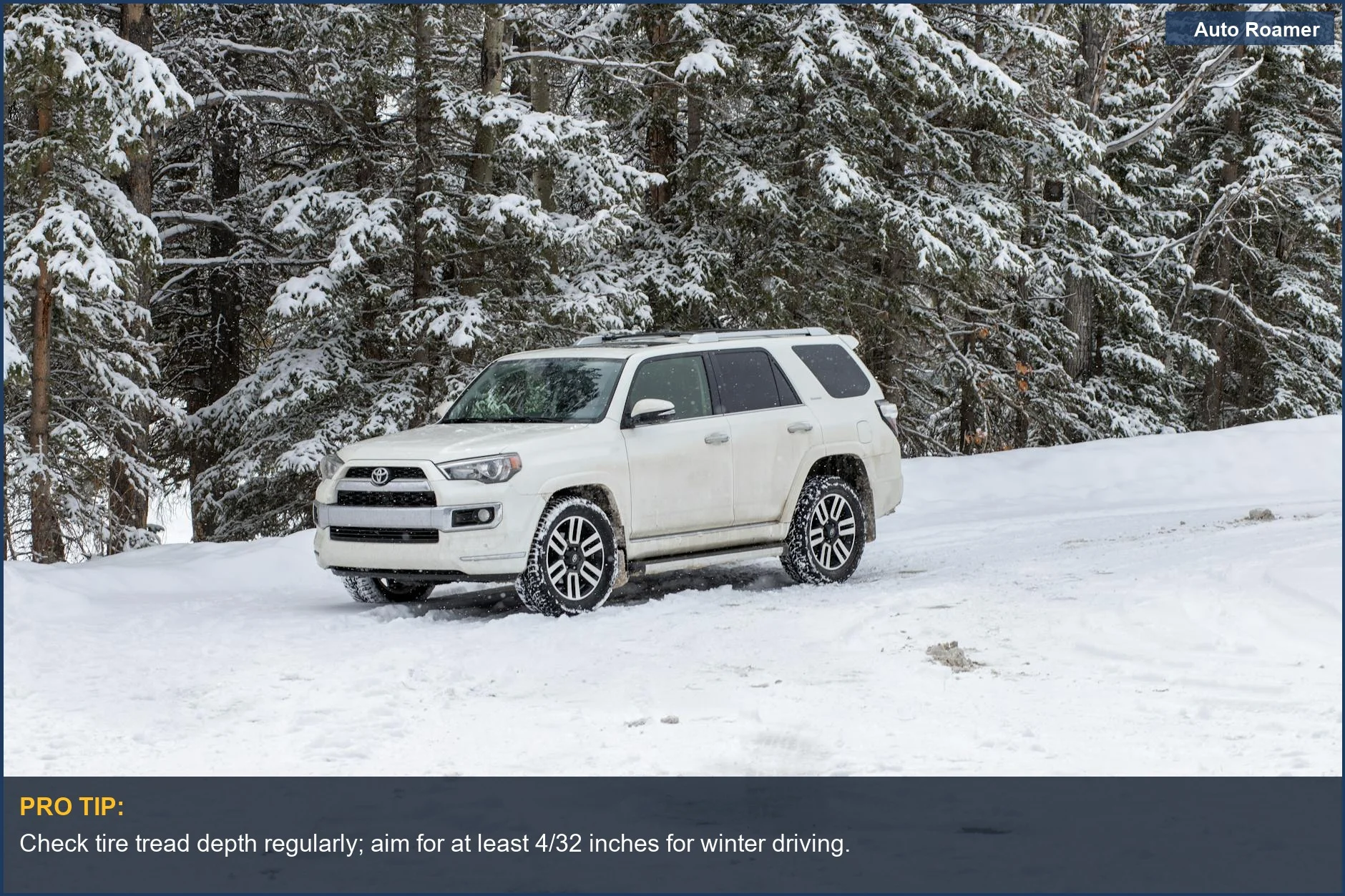
Prepare Your Vehicle: Before heading out, ensure your vehicle is winter-ready. This includes checking your tires for adequate tread and considering winter tires, which provide better traction on slippery surfaces. According to Kelley Blue Book, winter tires are specifically designed to handle snow and ice, enhancing your safety.
-
Clear Your Vehicle: Make sure to thoroughly clean off all snow and ice from your vehicle, including the roof, hood, and windows. Driving with snow on your roof can be dangerous as it may slide down and obstruct your view. The Reddit community emphasizes that scraping a small hole is not enough; you need full visibility.
-
Adjust Your Driving Speed: When learning how to drive in snow and ice, remember to slow down significantly. A good rule of thumb is to double your stopping distance on wet roads, triple it on snow, and increase it even more for icy conditions. The AAA recommends being especially cautious and understanding that your vehicle will take longer to stop.
-
Maintain Control: Use smooth and gradual movements when accelerating, braking, and steering to maintain control of your vehicle. Sudden actions can lead to loss of traction or skidding. If your vehicle begins to skid, steer in the direction you want to go rather than braking hard, as this can help you regain control.
-
Increase Following Distance: Keep a greater distance between your vehicle and the one in front of you. This extra space will allow you more time to react to any sudden stops. The Car and Driver suggests allowing at least three times the normal following distance in snowy conditions.
-
Be Aware of Black Ice: Particularly in the early morning or late evening, be vigilant for black ice, which can be nearly invisible. Places like bridges and shaded areas are more prone to icy conditions, so approach them with caution.
-
Prepare for Emergencies: Always carry an emergency kit in your vehicle that includes a shovel, ice scraper, jumper cables, and blankets. This preparation can be invaluable if you ever get stranded.
By following these steps, we can enhance our safety on the road while driving in snow and ice. Remember, patience and caution are key to navigating these challenging conditions successfully.
Safety Considerations
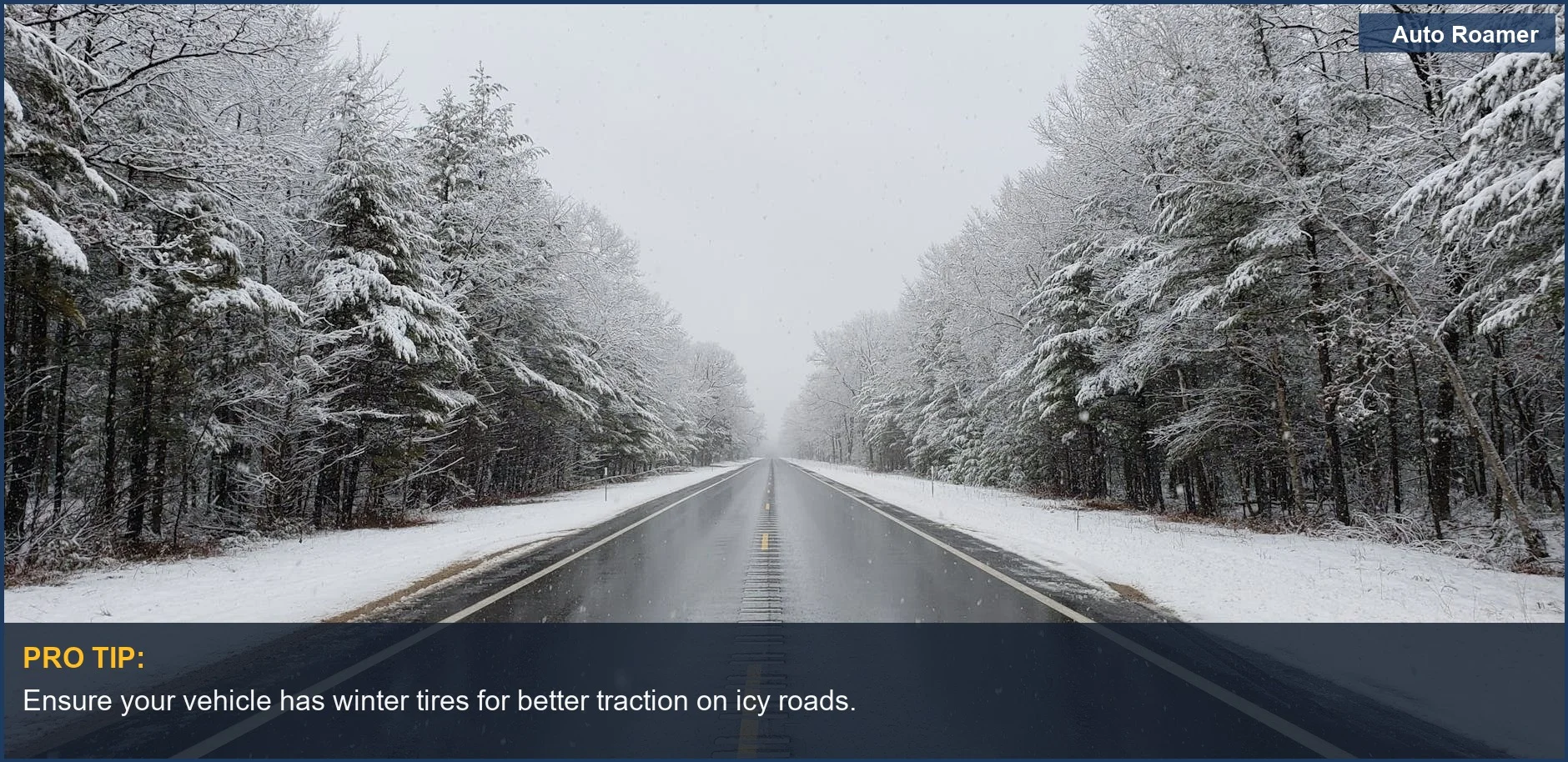
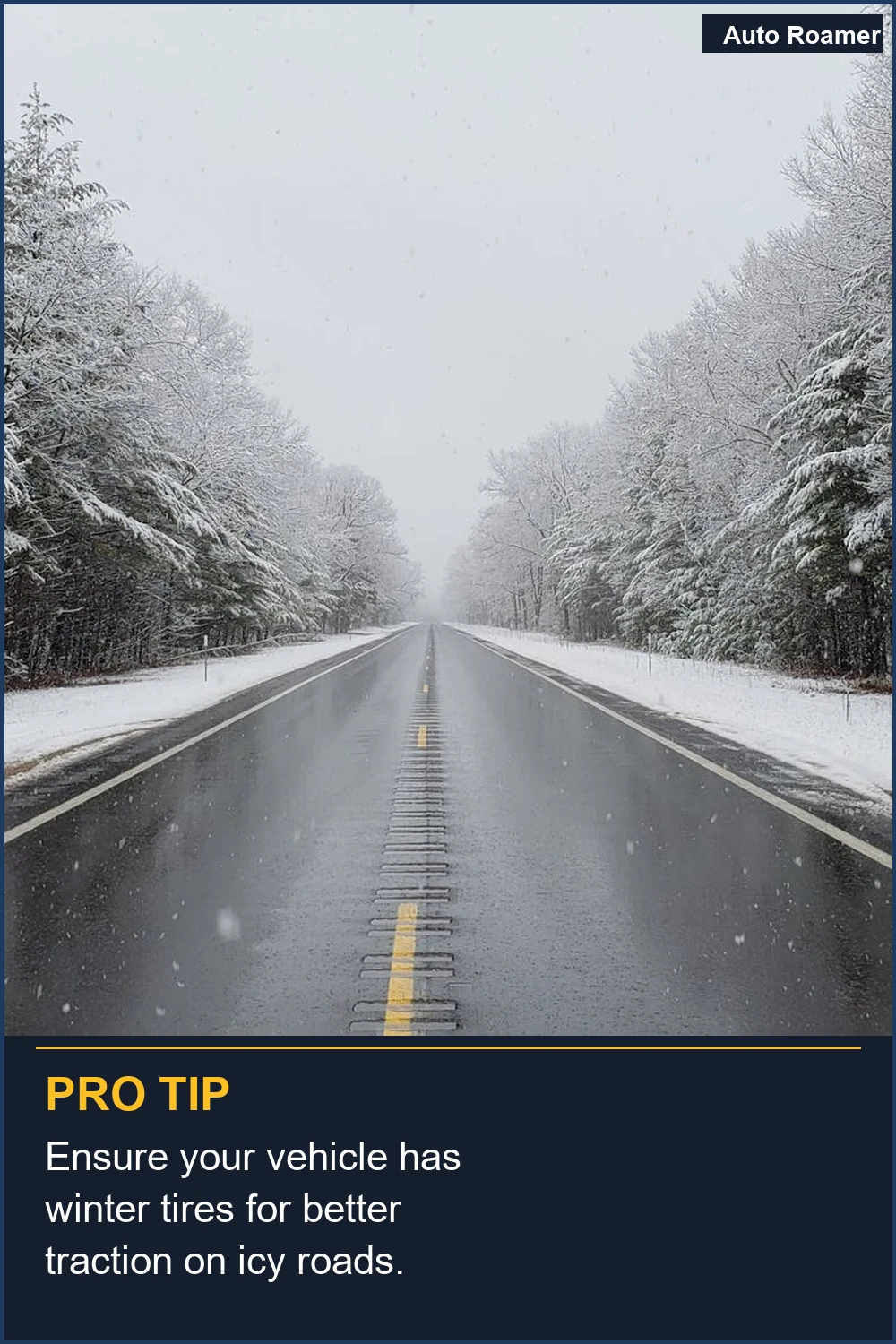
When learning how to drive in snow and ice for the first time, it's essential to prioritize safety to avoid accidents and ensure a smooth experience on the road. First and foremost, we recommend that you equip your vehicle with winter tires, as they provide better traction and grip on slippery surfaces compared to all-season tires. According to Kelley Blue Book, winter tires can significantly improve your vehicle's handling and stopping distance in snow and ice.
Before hitting the road, we should ensure that we clear all snow and ice from our vehicle, including the roof, windows, and lights. Driving with a snow-covered windshield or headlights can impair your visibility and endanger both you and other drivers. As emphasized by Reddit, scraping a small hole to see through is not only unsafe but also illegal in many places.
When driving, we must adjust our speed based on road conditions. It's advisable to slow down and allow extra space for stopping. Experts recommend increasing your stopping distance to triple the usual distance on snow and even more on ice, as stated by USA Today. In addition, we should avoid sudden movements such as hard braking or sharp turns, as these can lead to skidding. Instead, we should accelerate and decelerate gradually to maintain control of the vehicle.
Lastly, let's consider carrying an emergency kit that includes essentials like a blanket, flashlight, water, and a shovel. This can be vital if we find ourselves stranded in adverse conditions. By following these safety considerations, we can enhance our confidence and proficiency when learning how to drive in snow and ice.
Common Mistakes to Avoid
Driving in snow and ice can be daunting, especially for those attempting it for the first time. To enhance your safety and effectiveness on slippery roads, we need to avoid several common mistakes that can lead to accidents or dangerous situations.
One major error is underestimating the importance of speed. Many new drivers believe they can maintain regular speeds, but this is a recipe for disaster. We recommend significantly reducing your speed; in fact, you should slow down by at least one-third on snow-covered roads and even more on ice Car and Driver. Not only does this give you more time to react, but it also allows for better control of your vehicle.
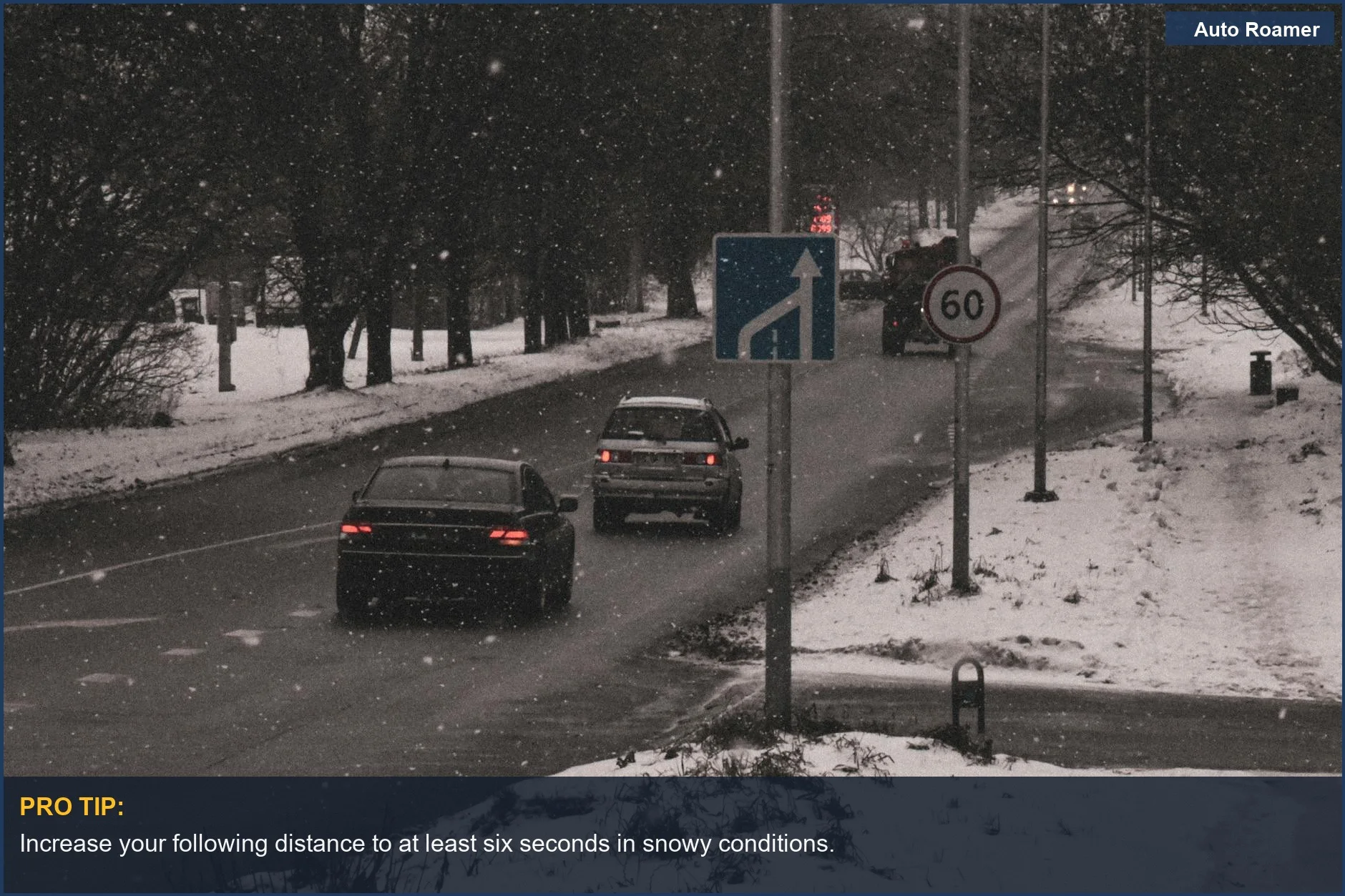
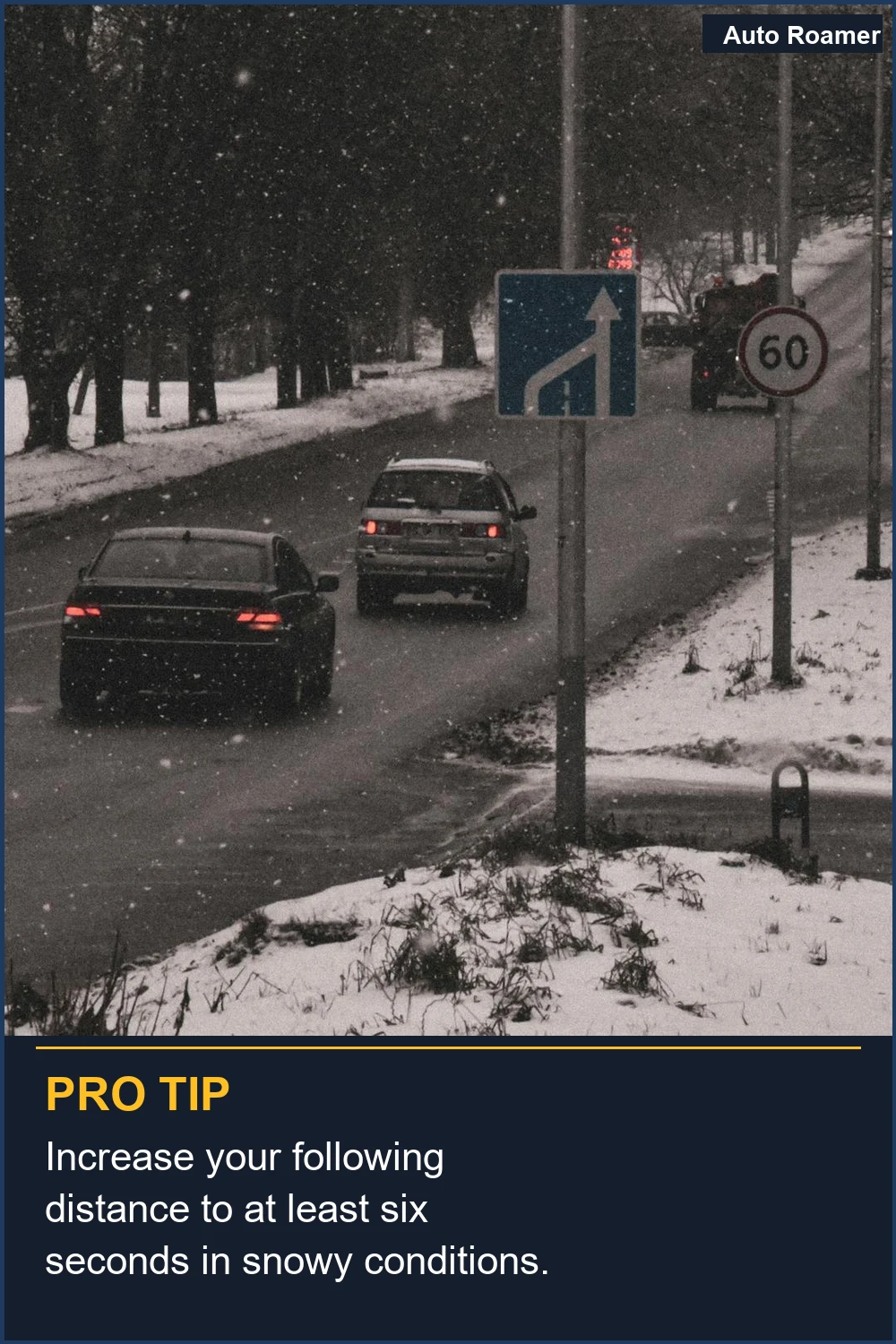
Another common mistake is failing to increase the distance between your vehicle and those in front of you. In snowy conditions, we should give ourselves triple the stopping distance compared to dry roads USA Today. This extra space is crucial for making safe stops and avoiding collisions.
We also tend to overlook the necessity of proper vehicle preparation. Before heading out, ensure that your tires are suitable for winter conditions. All-season tires may not provide adequate grip on ice or snow, so consider investing in dedicated winter tires Kelley Blue Book. Additionally, clear all snow and ice from your vehicle, including the roof and lights, to prevent visibility issues and hazards for other drivers.
Lastly, we must avoid the misconception that all-wheel drive (AWD) or four-wheel drive (4WD) guarantees safety. While these features can help with traction, they do not eliminate the need for caution. Driving too aggressively can still lead to skidding or losing control of your vehicle. Remember, even the best equipment requires careful handling in adverse conditions BBC. By being aware of these pitfalls and adjusting our driving habits accordingly, we can navigate snowy and icy roads more safely and confidently.
Final Thoughts
Driving in snow and ice for the first time can be daunting, but by following the right precautions and techniques, we can enhance our safety and confidence on the road. As we've discussed, the most crucial step is to slow down and adjust our driving style. According to Car and Driver, we should allow double the stopping distance when roads are wet, triple it on snow, and even more on ice. This principle is particularly vital as it gives us ample time to react to any unforeseen circumstances, such as skidding or sudden obstacles.
Preparation is key. Before we embark on our winter journeys, we must ensure our vehicles are ready for the harsh conditions. This includes investing in winter tires, which significantly improve traction and control. As highlighted by the NHTSA, regular maintenance checks on our batteries, brakes, and wiper blades are also essential for safe driving during winter months. Moreover, we should clear all snow and ice from our vehicle, as neglecting this can obstruct our vision and increase the risk of accidents, as noted by USA Today.
In addition to our vehicle's readiness, we must adopt a cautious mindset while driving. This includes being smooth with our steering and braking, as abrupt movements can lead to loss of control. If we find ourselves skidding, the best approach is to steer in the direction we want to go, allowing the vehicle to regain traction. The more we familiarize ourselves with these techniques, the better equipped we will be to face winter roads.
Ultimately, knowing how to drive in snow and ice is not just about understanding the mechanics of our vehicles or road conditions; it is also about being mentally prepared to adapt to changing situations. By practicing patience and mindfulness, we can navigate the challenges of winter driving and arrive safely at our destinations. Remember, safety is our top priority, so let's take the necessary steps to ensure we are well-prepared for winter driving conditions.