
How to Drive Safely on Mountain Roads and Steep Grades
To drive safely on mountain roads, ensure your vehicle is in top shape, checking brakes and tires before you start. Use low gears on steep grades to maintain control and avoid overheating. Additionally, be aware of weather conditions, as 30% of mountain accidents occur in bad weather. Always keep a safe distance of at least 3-4 seconds behind the vehicle in front to react promptly to sudden stops.
Introduction
Driving on mountain roads can be a breathtaking experience, offering stunning views and the thrill of navigating through some of nature's most beautiful landscapes. However, it also presents unique challenges that demand our full attention and preparation. In this guide, we will provide essential tips for driving on mountain roads that will help ensure your safety and the safety of others as you traverse steep grades and winding paths.
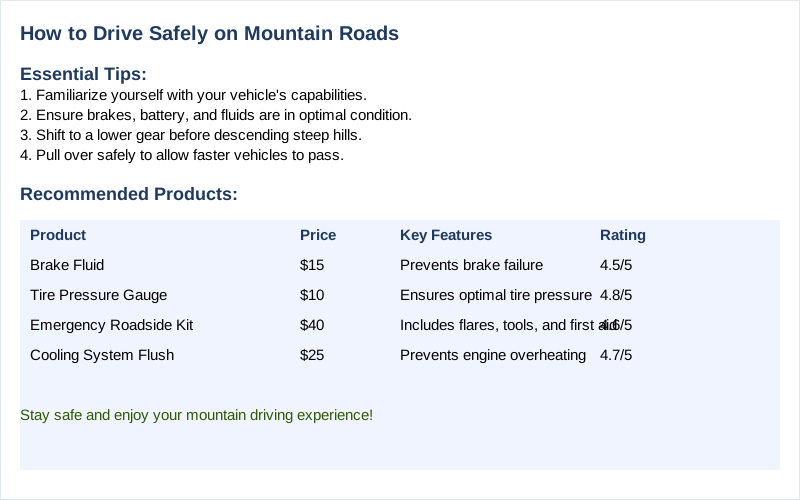
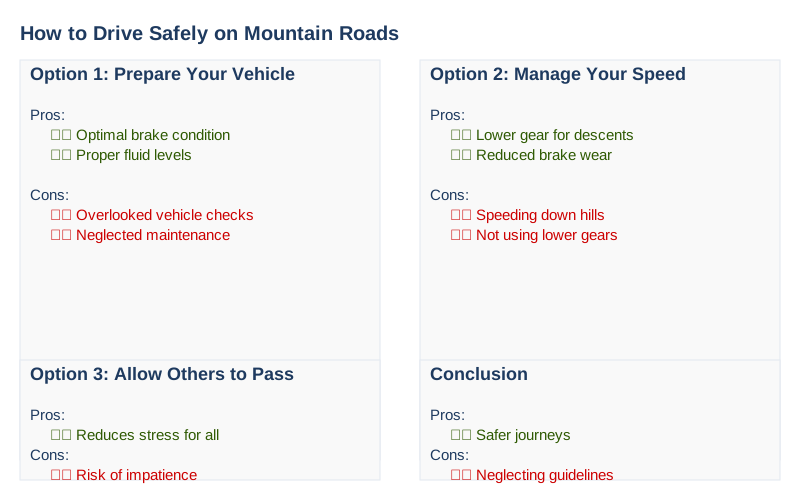
Mountain driving requires a different skill set compared to regular highway driving. The steep inclines and declines, combined with sharp curves and sometimes unpredictable weather conditions, can make even the most experienced drivers feel uneasy. We recommend that before setting out, you familiarize yourself with your vehicle's capabilities and prepare it for the journey ahead. Ensuring that your brakes, battery, and fluids are in optimal condition is crucial, as mountain driving can put a strain on these components (Bountiful Mazda).
Additionally, managing your speed is vital. Many drivers tend to underestimate the steepness of grades, which can lead to dangerous situations. Shifting to a lower gear before descending steep hills can help maintain control and reduce brake wear (Allstate). Furthermore, if you find yourself with a line of vehicles behind you, pull over safely to allow others to pass, reducing stress for both yourself and other drivers (Roadtrippers).
By preparing adequately and being mindful of the specific challenges that mountain driving presents, we can make our journeys safer and more enjoyable. Let's dive deeper into the specific techniques and strategies that will enhance our mountain driving experience.
Quick Answer
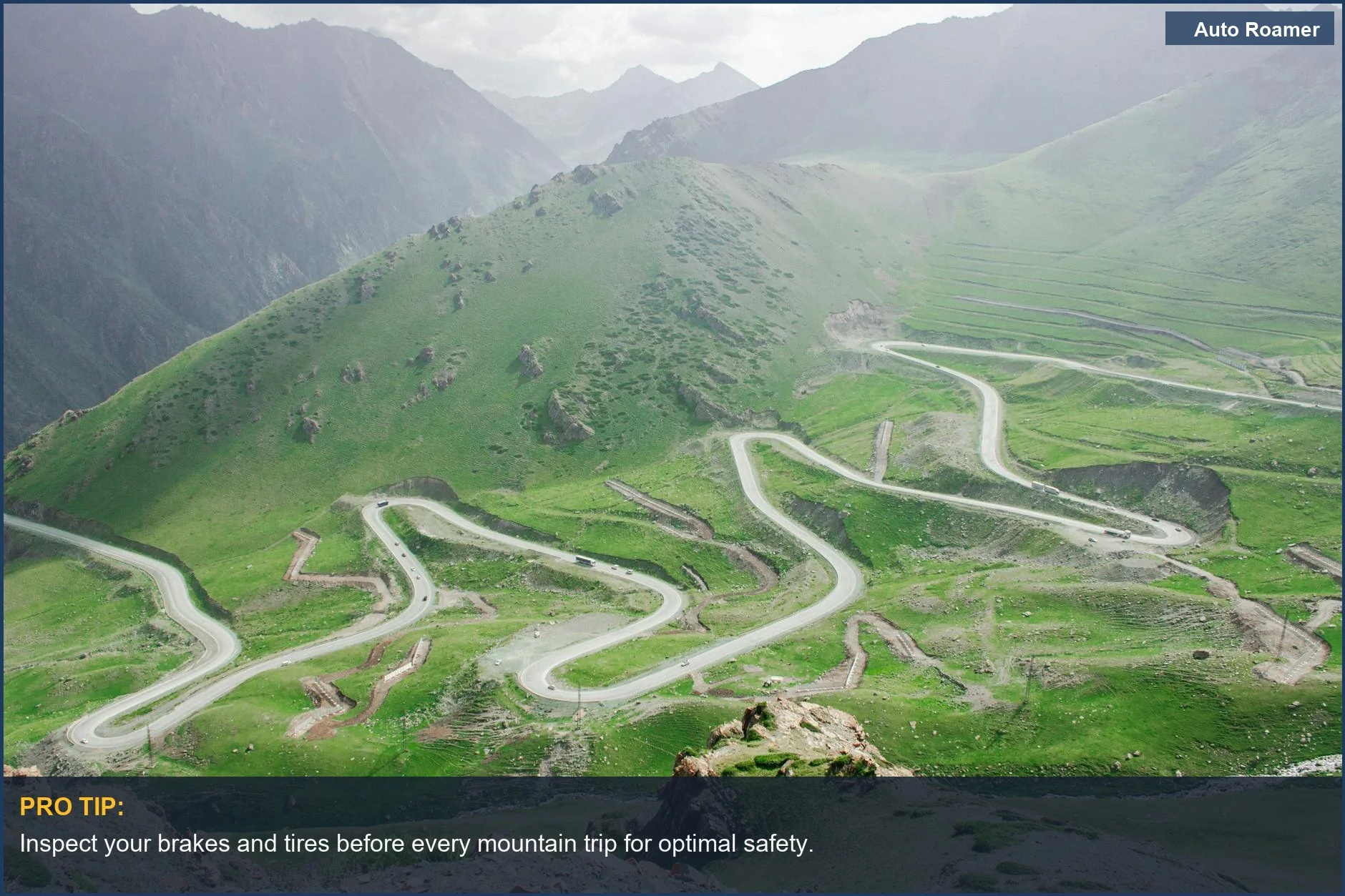
To drive safely on mountain roads and steep grades, we recommend several key tips that can help ensure a smooth and secure journey. First and foremost, vehicle preparation is critical. Before setting out, we should conduct a thorough inspection of our vehicle, paying special attention to the brakes, battery, and vital fluids like oil and coolant. Ensuring everything is in top condition helps us manage the unique stresses mountain driving places on our cars Bountiful Mazda.
When navigating steep inclines and declines, we recommend using lower gears. Shifting to a lower gear before descending helps control speed and reduces wear on the brakes Allstate. It's essential to avoid riding the brakes during long descents, which can lead to overheating. Instead, we should apply brakes firmly to reduce speed and downshift when necessary, allowing the engine to help slow the vehicle Roadtrippers.
Additionally, maintaining a safe distance from other vehicles is crucial. If we find ourselves in a line of cars, we should consider pulling over at a safe location to allow others to pass, thereby reducing stress and preventing risky maneuvers City of Colorado Springs. Lastly, we must be prepared for unexpected situations, such as GPS or cell service failures. Carrying paper maps can be a lifesaver in remote areas where connectivity is spotty. By following these driving on mountain roads tips, we can enhance our safety and enjoyment while exploring the beautiful, challenging terrain of the mountains.
What You Need to Know
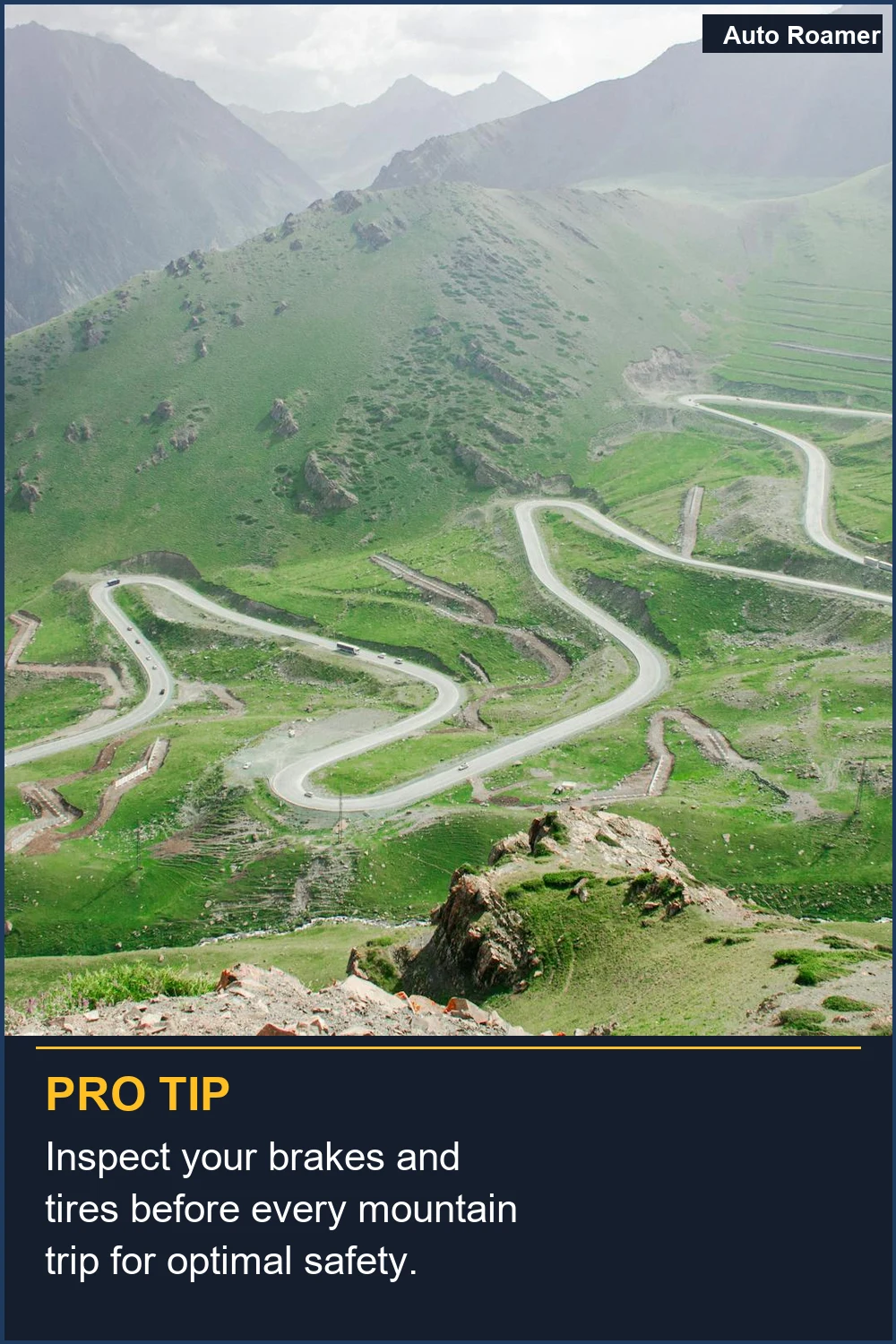
Driving on mountain roads requires careful preparation and consideration due to the unique challenges posed by steep grades and sharp curves. To ensure a safe journey, we recommend starting with a thorough vehicle inspection. Before we venture into the mountains, we should check that our brakes, battery, and all essential fluids-such as oil, transmission fluid, coolant, and windshield washer fluid-are in optimal condition. This proactive approach helps prevent mechanical failures on steep grades, which can lead to dangerous situations (Source Name).
As we navigate these winding roads, maintaining a safe speed is crucial. We should always start our descent in a lower gear, which allows the engine to assist in braking and minimizes wear on our brake system. Riding the brakes can cause them to overheat, which may lead to brake failure. Instead, we should apply brakes firmly to reduce speed, and then shift to a lower gear for a steady descent. This technique not only preserves the brakes but also enhances control over the vehicle (Source Name).
Another essential tip for driving on mountain roads is to be mindful of other vehicles. If we find ourselves with a line of cars behind us, it's courteous to pull over at designated areas to allow for safe passing. This helps alleviate stress for all drivers on the road (Source Name). Additionally, we should prepare for potential communication issues; GPS and cell service can be unreliable in mountainous regions. It's wise to carry paper maps and familiarize ourselves with the routes that suit our vehicle's capabilities.
Lastly, let's not forget to fuel up before we head out. Gas stations can be scarce in remote mountain areas, so filling the tank beforehand is a smart move. By following these driving on mountain roads tips, we can enjoy the stunning views while ensuring a safer journey for ourselves and others.
Step-by-Step Guide
To drive safely on mountain roads and steep grades, we recommend following these practical steps that can significantly enhance your driving experience and safety.
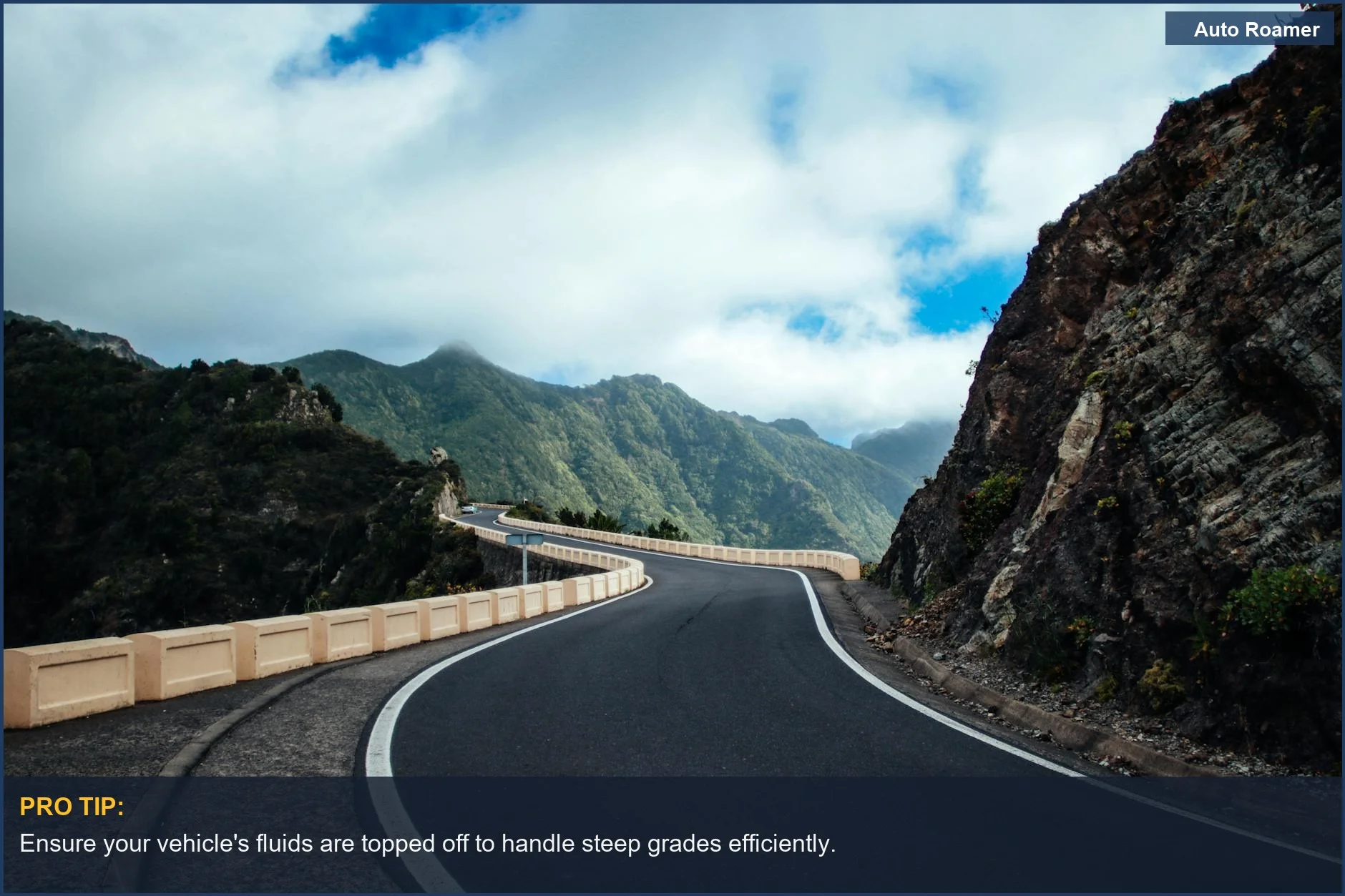
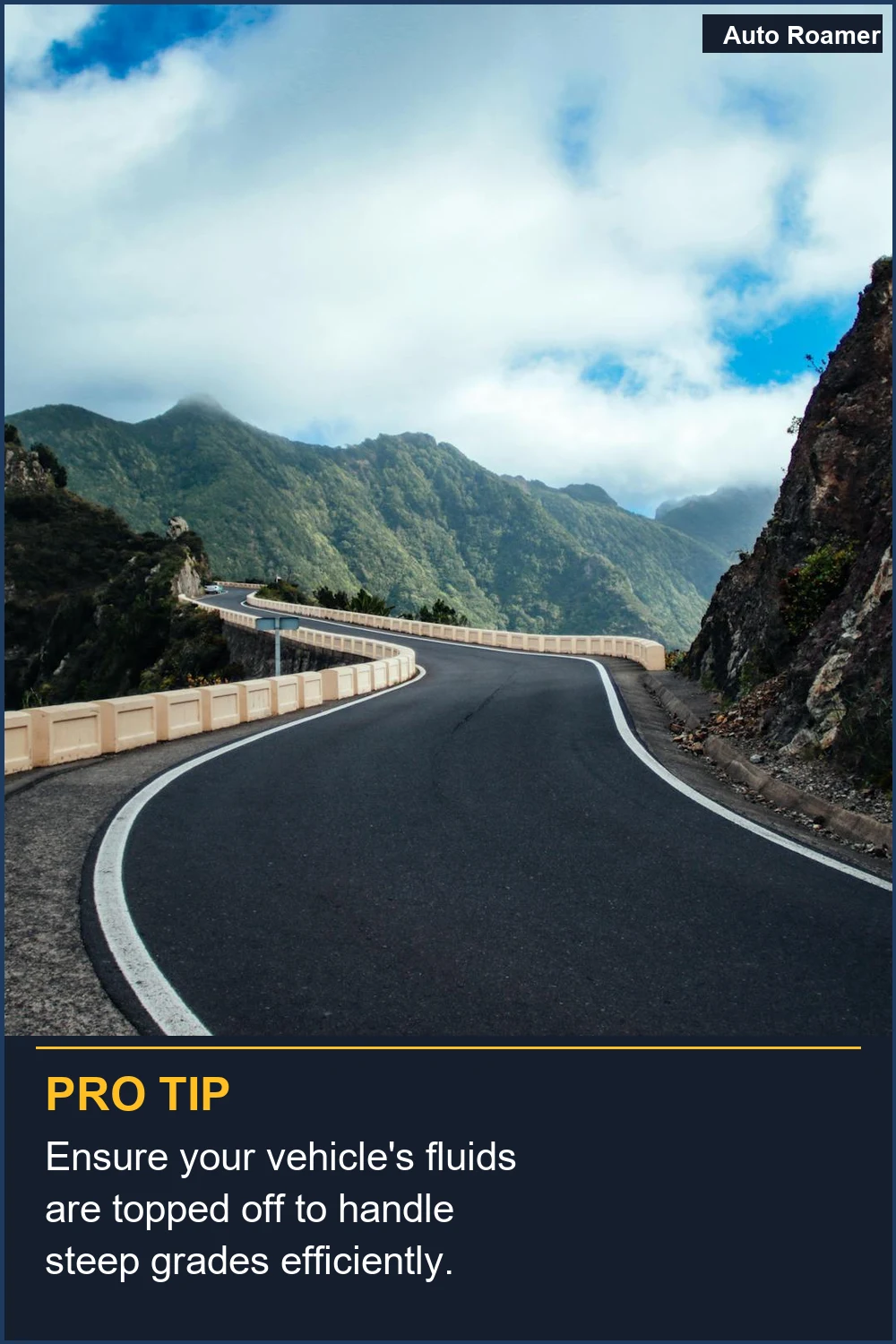
First and foremost, before embarking on your mountain journey, it's crucial to conduct a thorough vehicle inspection. Ensure that your brakes are in excellent condition, as they will be put to the test on steep descents. Check your battery, and top off all fluids, including oil, coolant, and windshield washer fluid. This preparation helps prevent mechanical failures that can lead to dangerous situations on steep grades (Source).
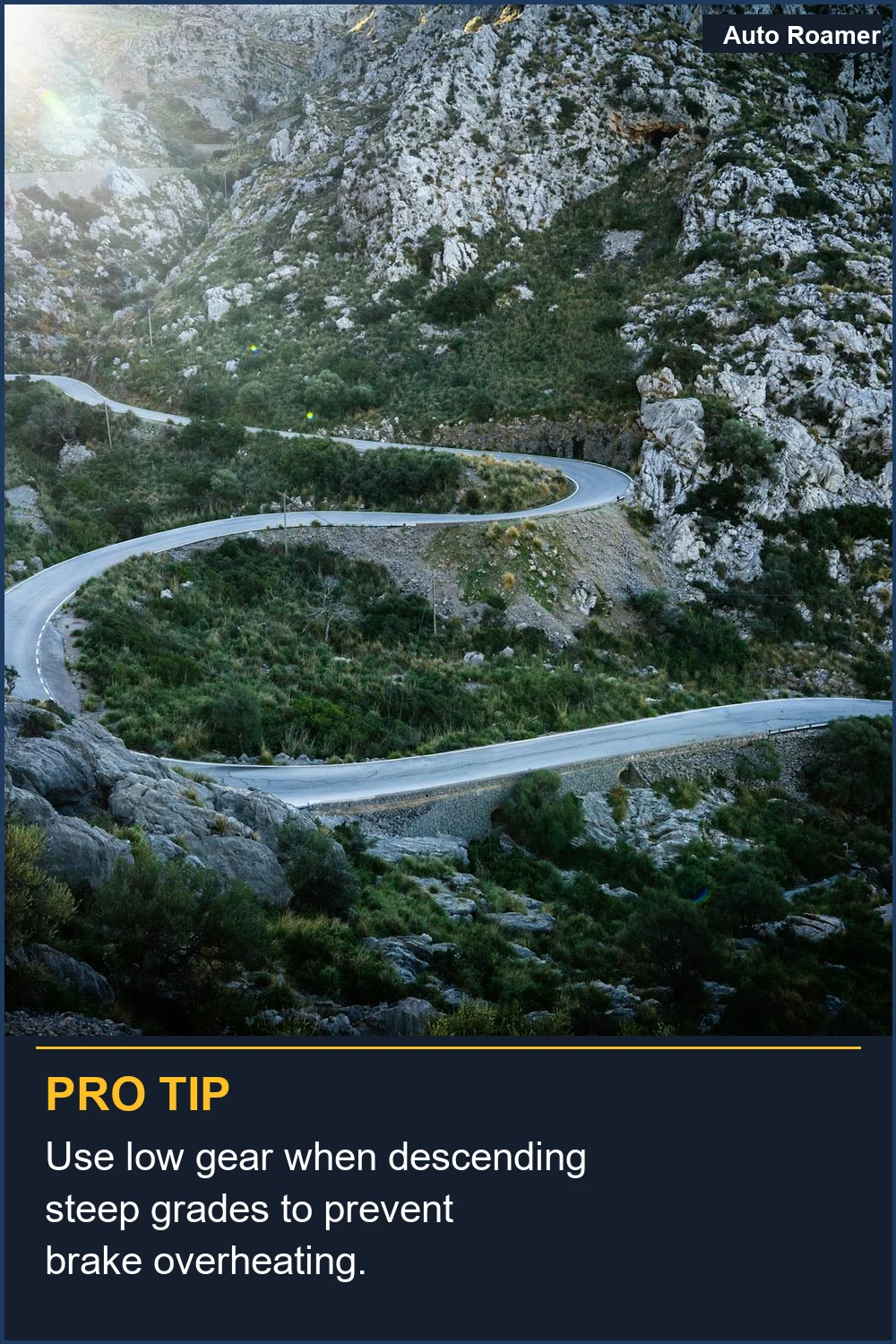
While driving, always shift to a lower gear before descending steep grades. This technique helps to control your speed without over-relying on brakes, which can overheat and become less effective. For example, if you are driving a manual transmission vehicle, downshift to second gear as you approach a long downhill section. If you are driving an automatic, use the "low" gear setting (Source).
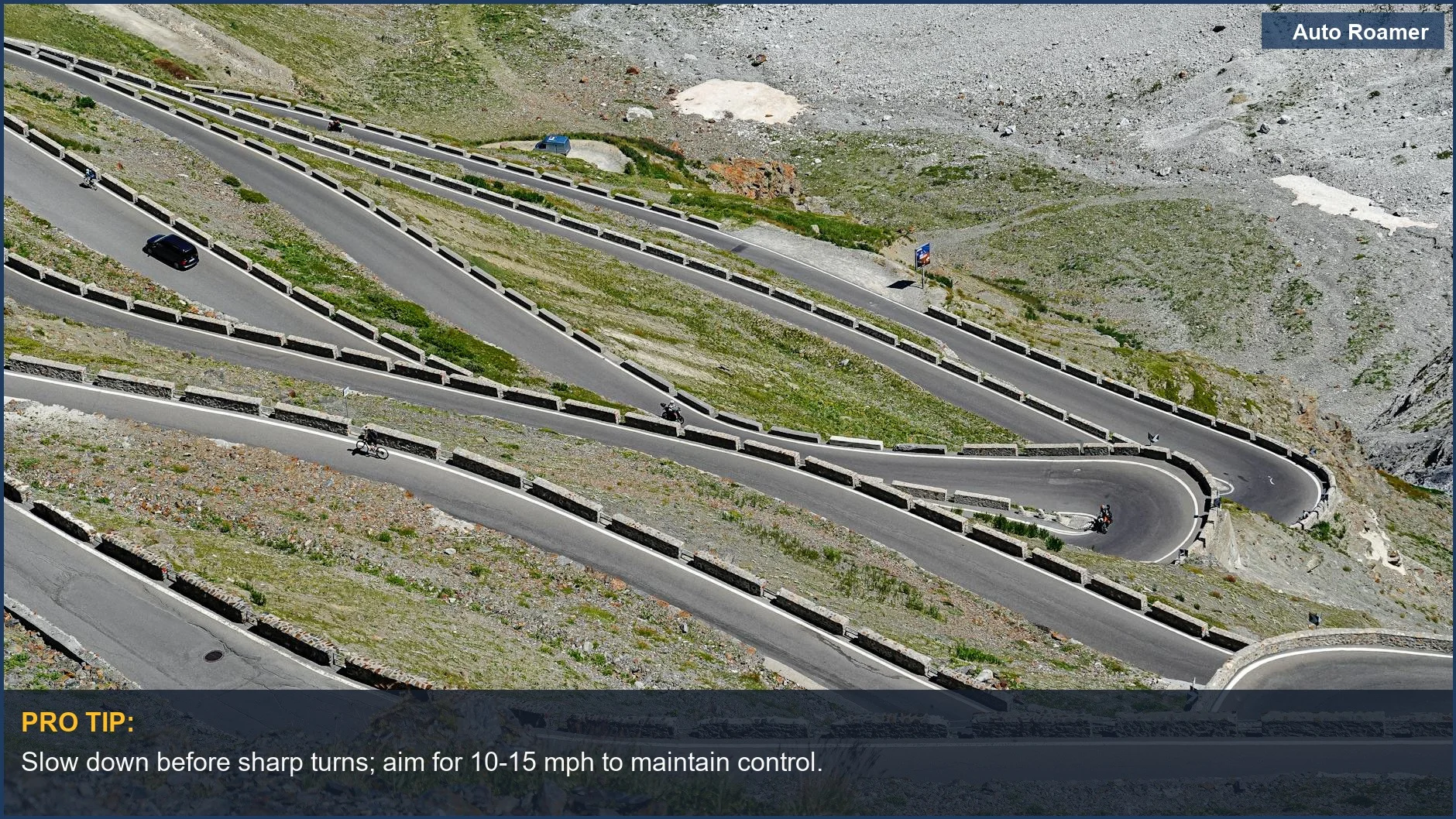
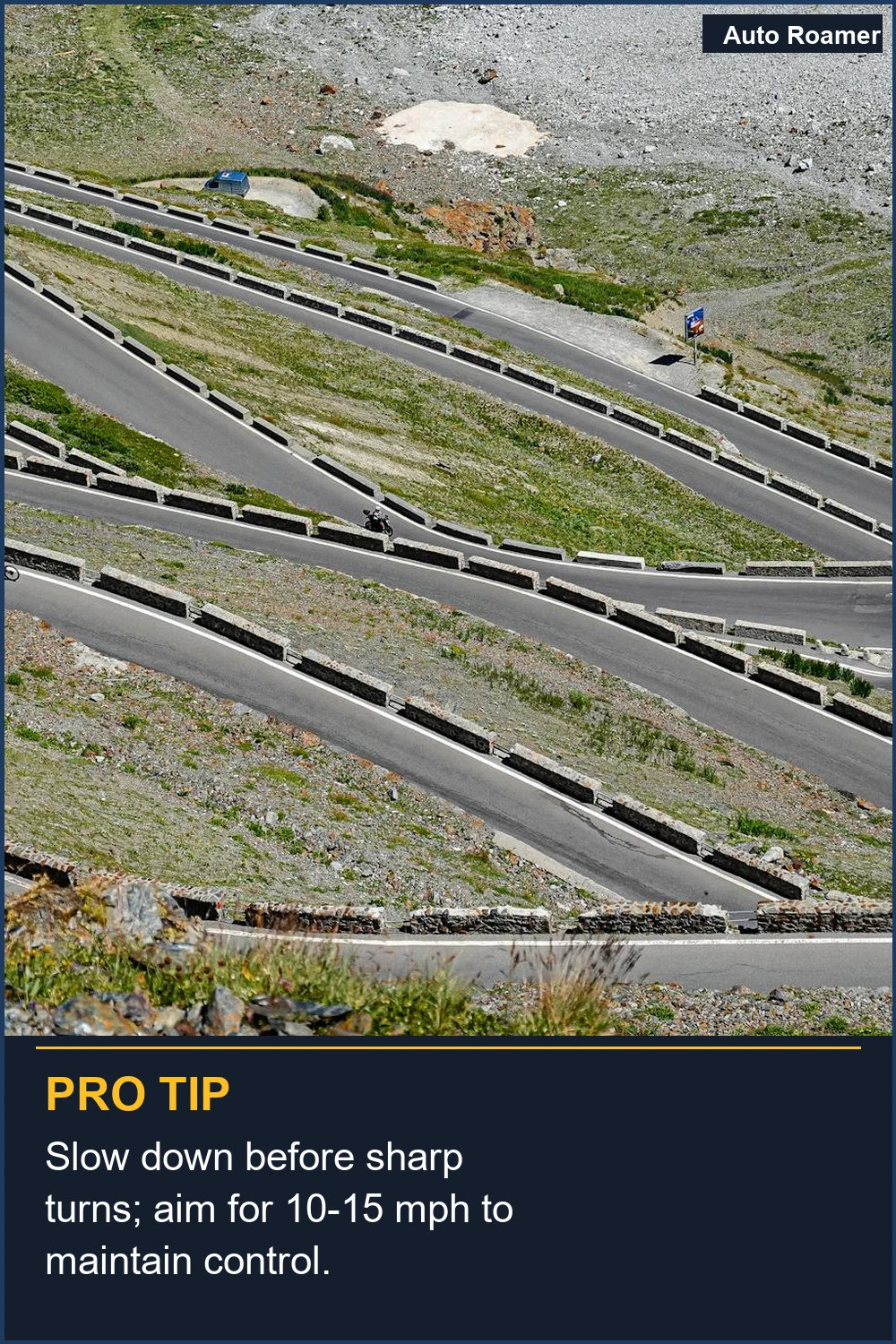
When navigating mountain roads, maintain a safe speed, especially in areas with sharp curves. We recommend staying well below the posted speed limit and being ready to adjust your speed based on road conditions. If you find yourself with multiple vehicles behind you, pull over safely at designated areas to let them pass, which can help prevent risky maneuvers from other drivers (Source).
Additionally, keep an eye on weather conditions before and during your drive. Fog, rain, or snow can affect visibility and road traction. If you encounter adverse weather, reduce your speed further and increase your following distance, giving yourself ample time to react.
Lastly, always carry a paper map and familiarize yourself with the route before you head out. GPS systems can fail in mountainous areas, so having a reliable paper map can be a lifesaver (Source). By adhering to these driving on mountain roads tips, we can ensure a safer and more enjoyable experience while navigating the breathtaking landscapes of the mountains.
Safety Considerations
Driving on mountain roads can be both a thrilling and daunting experience. To ensure our safety and the safety of others, we recommend a few key considerations. First, vehicle preparation is crucial. Before embarking on your journey, conduct a thorough vehicle inspection, focusing on the brakes, battery, and fluid levels. According to Roadtrippers, having brakes in good working order is essential, as steep descents can generate significant heat, leading to brake failure if they are not maintained properly.
Next, we should always shift to a lower gear before heading downhill. This technique allows our vehicle to slow down without over-reliance on the brakes, which can easily overheat and fail. As highlighted by Allstate, using lower gears is critical for maintaining control on steep grades. Additionally, we recommend starting off slow when navigating steep inclines; many drivers tend to accelerate too quickly, which can lead to dangerous situations, as noted by Prime, Inc..
It is also vital to stay alert and aware of our surroundings. Mountain roads can be narrow, and we should always keep to our side of the road to avoid accidents. If we find ourselves with several cars behind us, it's courteous to pull over when safe to allow them to pass. This not only reduces stress for us but also helps prevent risky maneuvers by other drivers.
Lastly, we should consider that cell service may be limited in mountainous areas. Therefore, it is wise to carry a paper map and plan our route in advance. Preparing ourselves and our vehicles for the challenges of driving on mountain roads can enhance our safety and make our journey more enjoyable.
Common Mistakes to Avoid
When driving on mountain roads, we often encounter several common mistakes that can lead to dangerous situations. One major error is failing to adjust speed appropriately. Many drivers, even those with experience, descend steep grades too quickly, sometimes exceeding safe speed limits by 20 mph or more. It's crucial to start slow and maintain a controlled speed, especially when navigating tight curves or steep declines (Prime, Inc.).
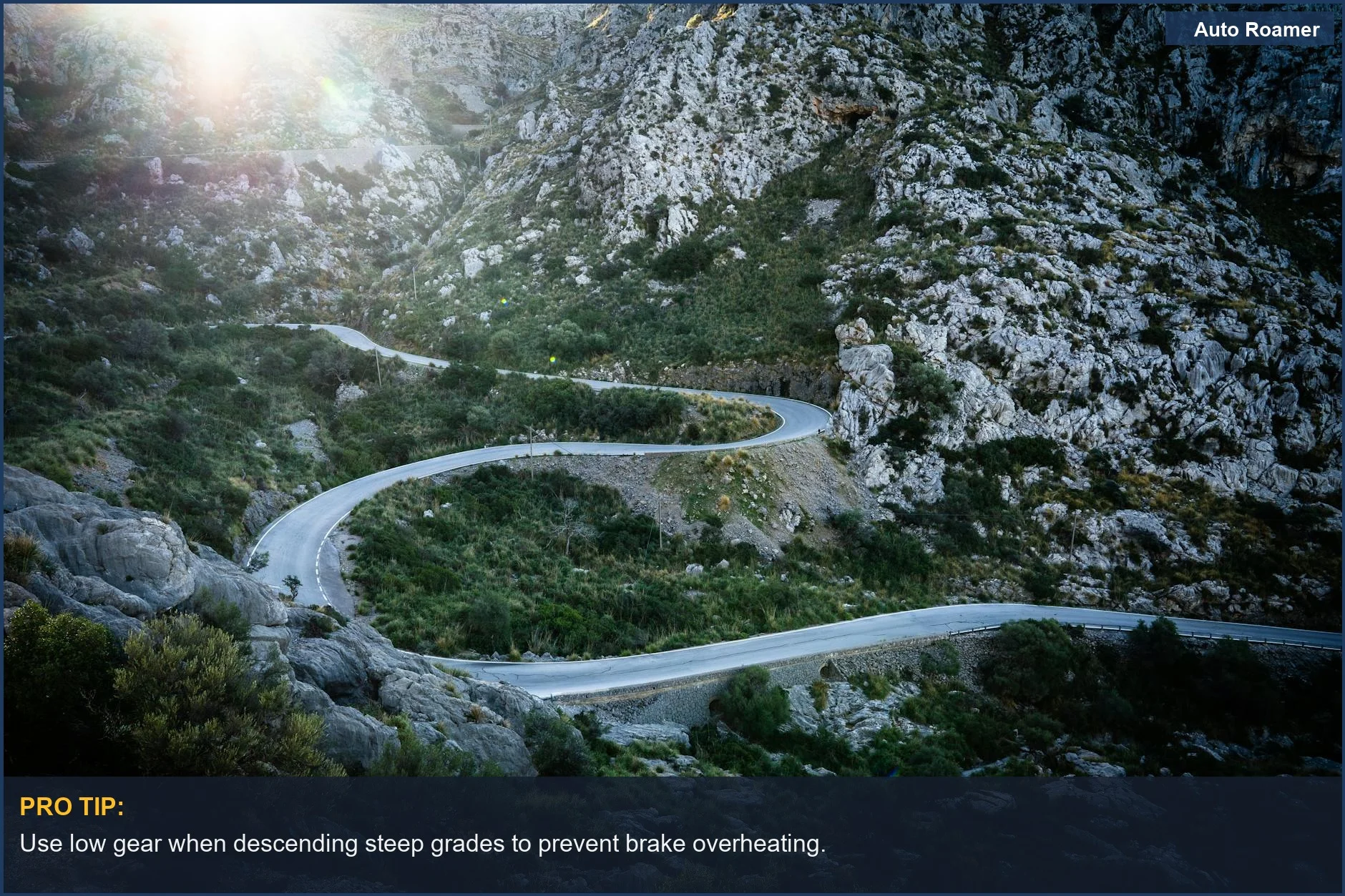
Another frequent mistake is riding the brakes. We recommend shifting to a lower gear before beginning a downhill drive. This technique not only helps to control your speed but also prevents brake overheating, which can lead to brake failure. If we ride the brakes for extended periods, as noted by Roadtrippers, we risk cooking our brakes and losing stopping power. Instead, we should apply the brakes firmly to reduce speed, and then allow them to cool periodically during long descents.
Moreover, we often underestimate the importance of vehicle preparedness. Before embarking on mountain adventures, we should ensure that our vehicle's brakes, battery, and fluid levels are in excellent condition. A vehicle checkup can help prevent breakdowns in remote areas (Bountiful Mazda).
Lastly, over-reliance on GPS and mobile devices can lead to issues since signals may drop in mountainous areas. We recommend carrying paper maps and pre-planning our routes. By avoiding these common mistakes and implementing driving on mountain roads tips, we can enhance our safety and enjoyment while navigating these beautiful yet challenging terrains.
Final Thoughts
Driving on mountain roads can be a breathtaking experience, but it also presents unique challenges that require careful preparation and attentive driving. As we conclude this guide on how to drive safely on mountain roads and steep grades, it's essential to remember the importance of both vehicle readiness and driver awareness. Before embarking on your mountain journey, we recommend performing a thorough inspection of your vehicle, ensuring that brakes, battery, and fluid levels are in optimal condition. This is crucial, as the demands of mountain driving can strain your vehicle more than regular road conditions (Bountiful Mazda).
When navigating steep grades, remember to shift to a lower gear before descending, as this helps control your speed without over-relying on the brakes, which can lead to overheating. As noted by Allstate, it is vital to avoid riding the brakes for extended periods. Instead, downshift and allow your brakes a chance to cool periodically. Additionally, be considerate of other drivers; if you find traffic building behind you, pull over safely to let others pass, as this reduces stress for everyone on the road (Roadtrippers).
Lastly, always stay alert for changing weather conditions and road signs, and remember that cell service can be unreliable in remote areas. Carrying paper maps and planning your route can ensure you remain on track, even if technology fails. By adhering to these driving on mountain roads tips, we can enjoy the stunning vistas while prioritizing safety for ourselves and others on the road. So gear up, stay focused, and take in the beauty of the mountains responsibly.