
How To Drive In Heavy Rain Safely (2026 Complete Guide)
To drive safely in heavy rain, reduce your speed by at least 10-20 mph and maintain a following distance of at least 5-6 seconds behind the vehicle in front of you. Ensure your headlights are on to improve visibility, as rain can reduce it by up to 90%. Avoid sudden movements and be cautious of hydroplaning, especially when driving through puddles.
Driving in heavy rain can be a daunting experience, and many of us have found ourselves asking: "How can I drive safely in these conditions?" The answer lies in understanding the unique challenges posed by wet weather and adopting strategies that enhance our safety and control on the road. This guide aims to equip you with essential driving in heavy rain tips that address not just the obvious precautions, but also the nuances of navigating through torrential downpours.
First and foremost, it's crucial to recognize the potential hazards associated with driving in heavy rain. According to the AAA, nearly 1.2 million traffic crashes are attributed to wet pavement each year. The combination of decreased visibility, reduced tire traction, and the unpredictable behavior of other drivers creates a perilous environment. Knowing how to mitigate these risks is imperative for ensuring your safety and that of your passengers.
In this comprehensive guide, we will delve into practical, actionable advice that covers everything from vehicle preparation to advanced driving techniques. For instance, we will discuss the importance of maintaining proper tire tread and pressure, as well as how to effectively use your headlights during rainstorms. We'll also touch on defensive driving strategies that can help you react appropriately to sudden changes in road conditions and the behavior of other drivers.
Understanding these driving in heavy rain tips matters not just for your own safety, but for the safety of everyone on the road. A minor lapse in judgment or a simple oversight can lead to accidents that have far-reaching consequences. By equipping ourselves with the knowledge and tools to navigate heavy rain safely, we empower ourselves to make better decisions behind the wheel. Whether you're a seasoned driver or someone who finds themselves in stormy weather more often than you'd like, mastering these skills is essential for a safer driving experience.
The Short Answer: How To Drive In Heavy Rain Safely
Driving in heavy rain necessitates a proactive approach to ensure safety on the road. The most effective strategy we recommend is to reduce your speed significantly and increase your following distance. This enables better reaction times and reduces the risk of hydroplaning, a common hazard when water accumulates on the roadway. According to the AAA, wet pavement contributes to nearly 1.2 million traffic crashes each year, underscoring the importance of caution in these conditions.
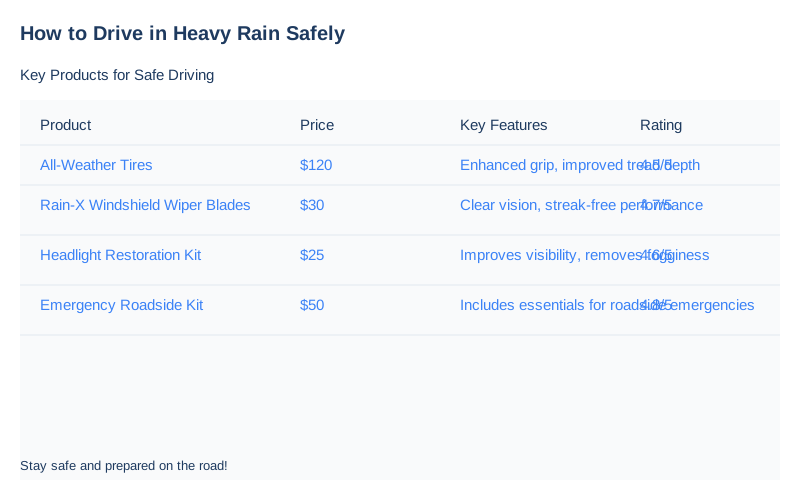
To tackle the challenges presented by heavy rain, here are some essential driving in heavy rain tips. First, ensure that your vehicle is prepared for the weather. Check your tire tread depth by inserting a quarter upside down into the tire groove; if you can see above Washington's head, it's time to shop for new tires. Proper tire maintenance is crucial for maintaining traction on wet roads (Driver Educators).
Visibility is another key factor. Always use your headlights in rainy conditions, even during the day. This not only helps you see better but also makes it easier for other drivers to see you. Ensure all bulbs are functioning correctly to maximize visibility. Proper windshield wipers are also vital; if yours leave streaks, consider replacing them for clearer visibility.
When driving, we advise against using cruise control, especially on slick surfaces. This feature can lead to loss of control if your vehicle starts to hydroplane. Instead, keep your foot ready to respond to changes in traction. If you do begin to hydroplane, remain calm; ease off the gas and steer gently in the direction you want to go. Sudden movements can exacerbate the situation (Meemic).
Lastly, avoid flooded roads whenever possible. Not only can deep water damage your vehicle, but it can also obscure road hazards. If you must drive in heavy rain, we recommend leaving earlier to allow more time for your journey and to adjust to the slower, safer pace required in such conditions. By following these guidelines, you can significantly enhance your safety while driving in heavy rain.
What You Need to Know
Driving in heavy rain can transform a simple journey into a test of skill and concentration. To navigate these conditions safely, we recommend preparing both your vehicle and your driving habits. Here's a detailed breakdown of how to approach driving in heavy rain, situation by situation, while addressing nuances and exceptions.
Firstly, before we even put the car in gear, we should discuss vehicle readiness. Ensuring that our tires are in optimal condition is crucial. We recommend checking the tread depth regularly; a quarter inserted into the tire groove should not expose Washington's head if your tires are adequate. If you can see above his head, it's time for new tires. Additionally, proper inflation is essential. Under-inflated tires can lead to a loss of traction, particularly on wet surfaces, contributing to nearly 1.2 million traffic crashes annually due to wet pavement conditions (AAA).
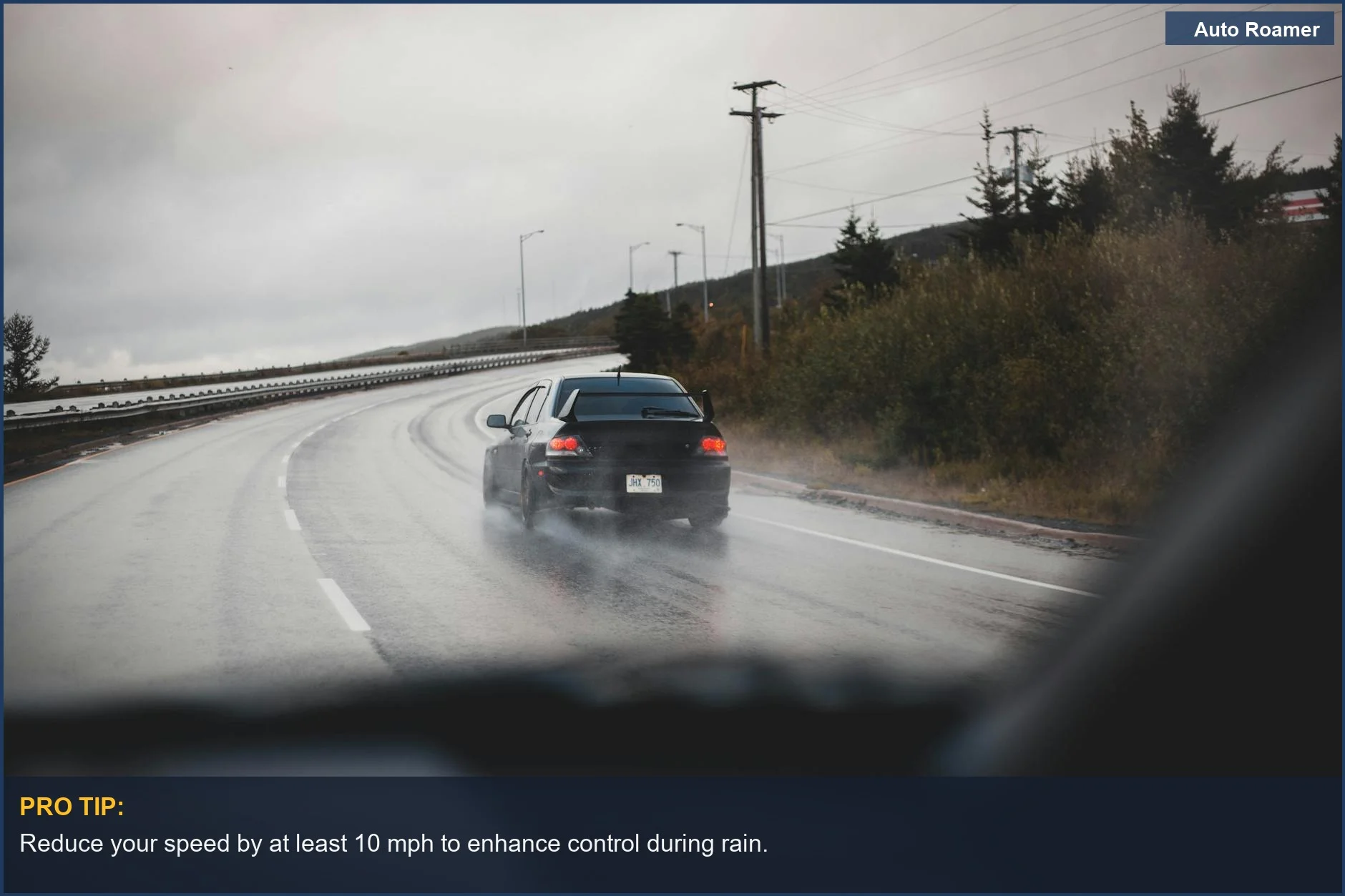
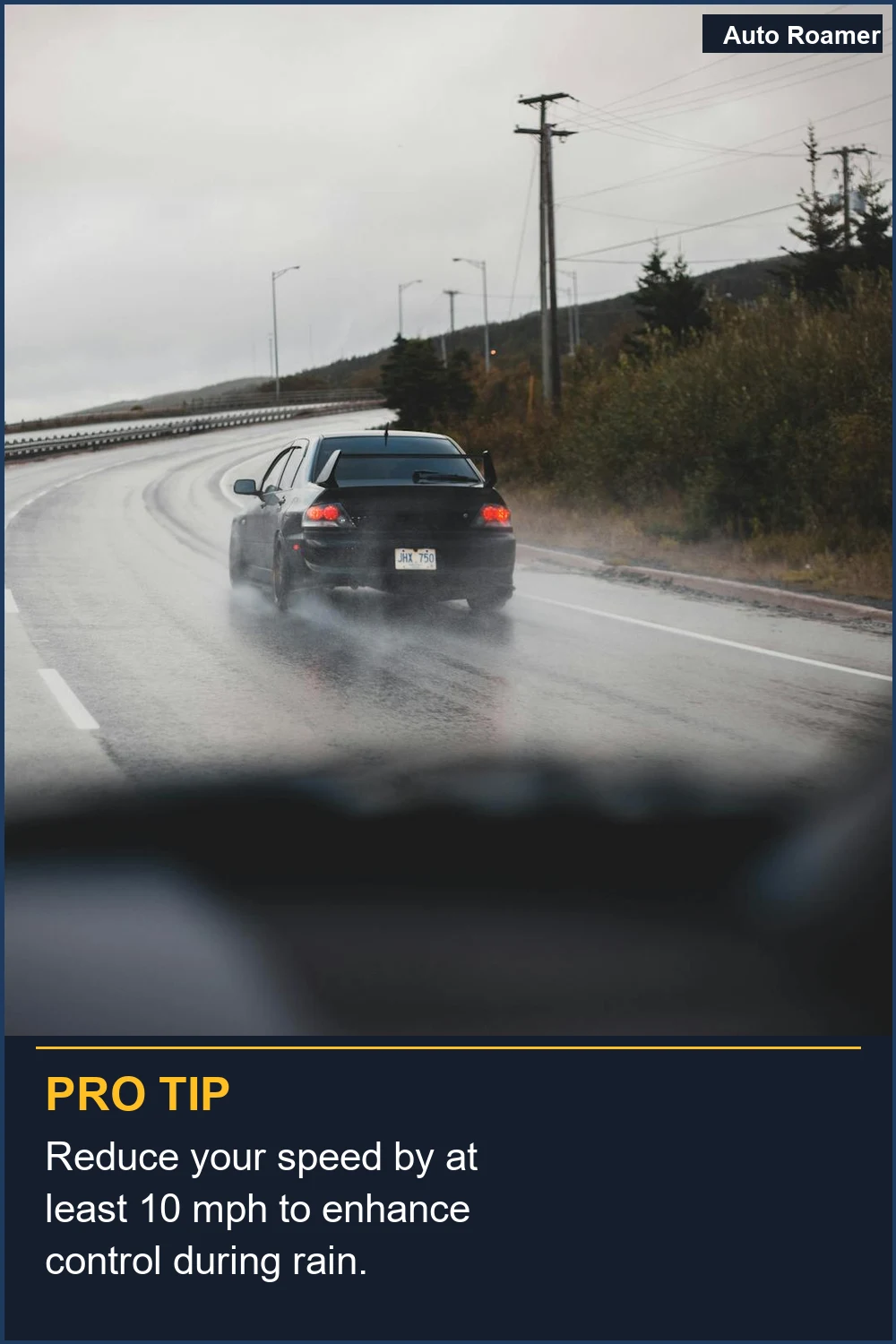
Once we're on the road, the first rule is to reduce our speed. Rain creates slick surfaces, and hydroplaning is a significant risk at speeds above 30 mph. When driving in heavy rain, we recommend reducing our speed by at least 10 mph below the posted limit. This gives us more control and a better reaction time to unexpected obstacles, such as large puddles or debris, which can appear suddenly.
Visibility is another critical factor. We should always keep our headlights on during rain, even during daylight, to enhance our visibility to other drivers. This simple action can significantly reduce the chances of an accident. Moreover, we should ensure that our windshield wipers are functioning optimally. Worn wipers can leave streaks that impair our vision. Replacing wiper inserts, which typically cost around $15-30, can make a significant difference in maintaining clear visibility (Driver Educators).
In situations where we encounter standing water, we should proceed with caution. If we see a large puddle, it's often best to avoid it entirely; driving through standing water can lead to loss of control or even engine damage. When we do drive through water, we should ease off the accelerator and avoid hard braking or sharp turns, as these actions can increase our chances of hydroplaning (Infiniti of Melbourne).
If we find ourselves in an extremely heavy downpour, the safest option might be to pull over and wait until conditions improve. We should look for a safe place to stop, away from high water levels and other vehicles, as visibility can drop dramatically during such storms. We recommend keeping an emergency kit in our vehicle that includes water, snacks, and a flashlight, just in case we need to wait longer than expected.
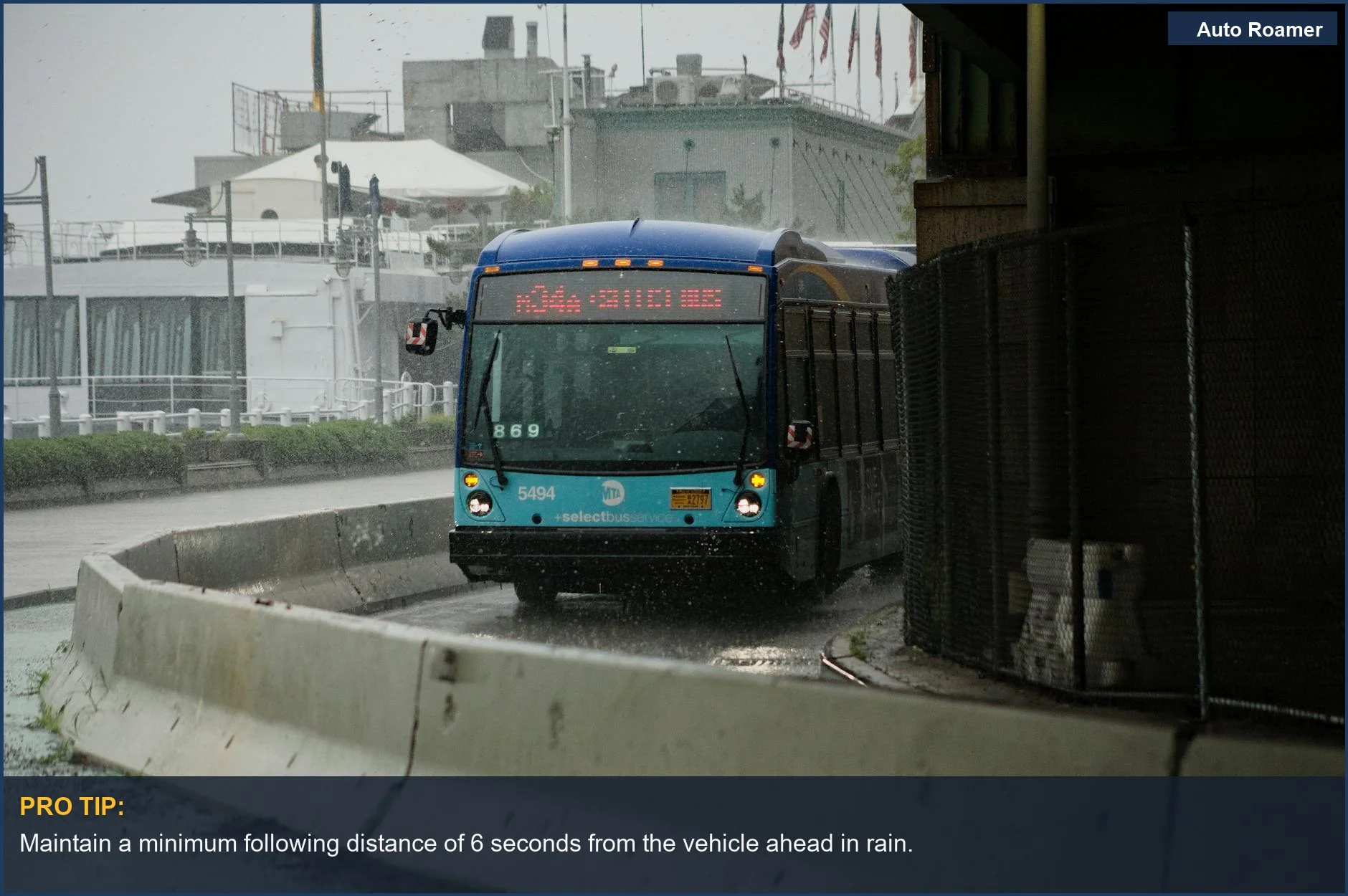
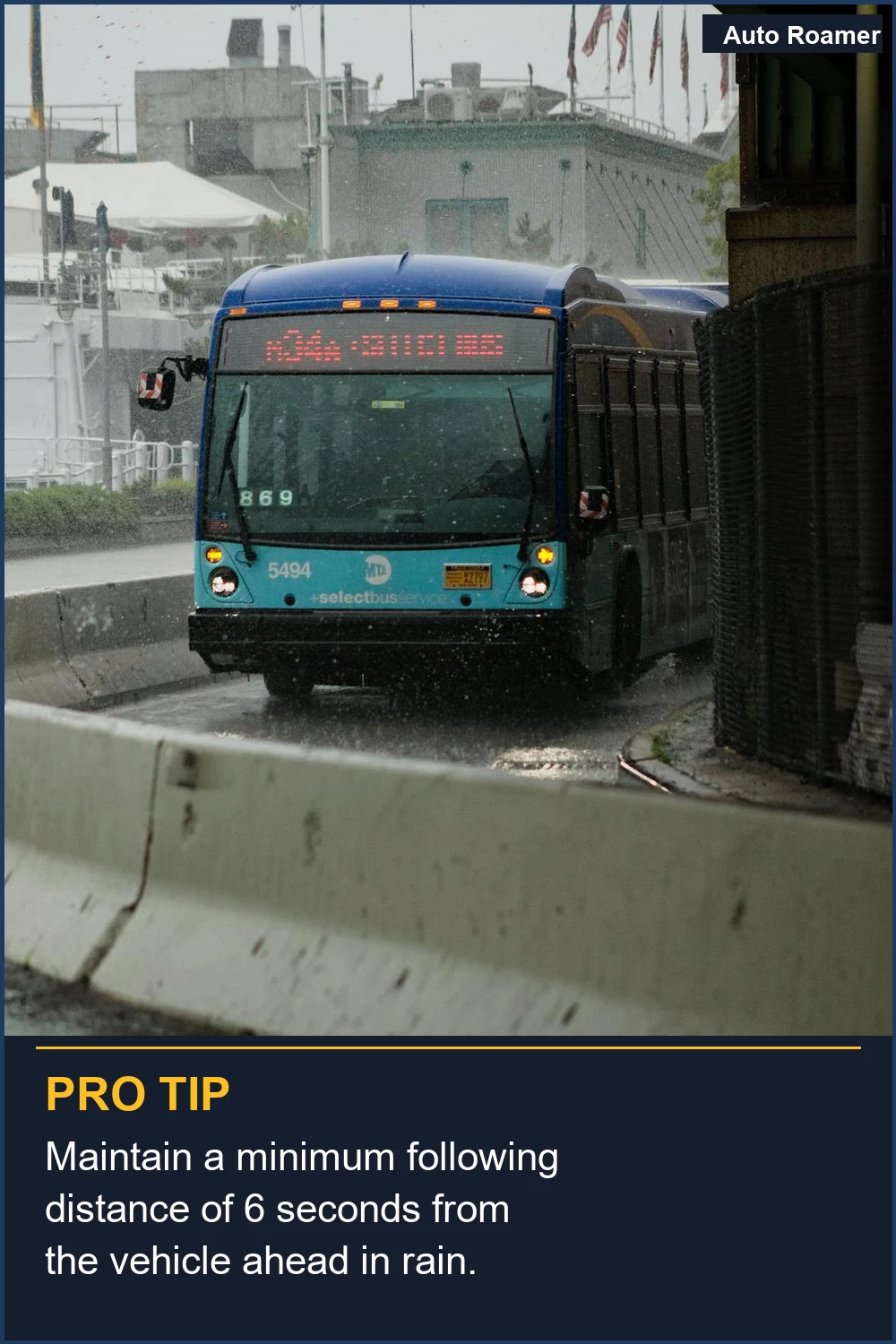
Lastly, we must remember that other drivers may not be as cautious. Maintaining a greater following distance-at least six seconds behind the vehicle ahead-allows us ample time to react if they make a sudden stop or swerve. Defensive driving is key to staying safe, especially in adverse weather conditions.
By adhering to these driving in heavy rain tips, we can significantly reduce the risks associated with wet road conditions. Whether we are commuting to work or embarking on a road trip, these practical strategies will help us navigate safely through the storm.


How to Handle This
To drive in heavy rain safely, we recommend following these practical steps based on extensive experience and research. By preparing beforehand and adjusting your driving habits on the road, we can significantly reduce the risk of accidents.
-
Check Your Vehicle: Before hitting the road, ensure your vehicle is ready for wet conditions. This means checking tire tread depth; we recommend using a quarter to measure it. If you can see above Washington's head on the coin, it's time to invest in new tires (AAA). Additionally, inspect your windshield wipers. If they leave streaks or miss spots, replace them. A good set of wipers, like the Bosch Icon, costs about $30 and ensures clear visibility.
-
Adjust Your Speed and Following Distance: When driving in heavy rain, we must reduce our speed. Slower speeds help maintain traction and give us more time to react if something unexpected occurs. We recommend reducing your speed by at least 10 mph below the posted limit. Moreover, increase your following distance to at least four seconds behind the vehicle in front of you. This extra space allows for better reaction times and reduces the risk of hydroplaning (Driver Educators).
-
Use Headlights Properly: Always turn on your headlights in rainy conditions, even during the day. This improves your visibility and makes it easier for other drivers to see you. We suggest checking all your lights regularly to ensure they are functioning properly.
-
Avoid Hydroplaning: To prevent hydroplaning, we should avoid sudden movements such as hard braking or sharp turns. If we feel the vehicle starting to hydroplane, we must ease off the gas pedal and steer gently in the direction we want to go (Meemic).
-
Stay Aware of Your Surroundings: Be particularly cautious when encountering large puddles or flooded areas. If the road is flooded, it's best to turn around and find an alternative route. We should also avoid driving next to larger vehicles that may splash water onto our windshield or obstruct our visibility.
-
Stay Calm: If the rain is particularly heavy, and visibility drops significantly, we recommend pulling over to a safe location, such as a parking lot, until the worst of the storm passes. Stay calm; sudden movements can cause accidents. Use this time to reassess your route and make sure you're prepared for the conditions ahead.
By following these driving in heavy rain tips, we can make our journeys safer for ourselves and others on the road. Remember, safety is the priority, and if conditions are too severe, it's always wise to delay travel until the weather improves.
Safety Considerations
Driving in heavy rain presents unique safety risks that we must acknowledge to protect ourselves and others on the road. Wet conditions significantly decrease tire traction, leading to a higher likelihood of hydroplaning. This occurs when a thin layer of water separates the tires from the pavement, causing loss of control. In fact, wet roads contribute to nearly 1.2 million traffic crashes each year in the United States alone AAA.
In addition to the physical dangers of driving in heavy rain, there are health hazards to consider. Exposure to harsh weather conditions can lead to increased anxiety and stress, particularly if we find ourselves navigating through flash floods or reduced visibility. It's crucial to remain calm and collected; sudden movements can exacerbate the situation and potentially lead to accidents Crash Champions.
We also need to be aware of the legal consequences of driving unsafely in heavy rain. If we cause an accident due to reckless driving, we may face significant legal repercussions, including fines, increased insurance rates, and potential lawsuits. It's our responsibility to ensure that we are driving within safe limits and adhering to any local traffic laws that may be affected by weather conditions.
When we are driving in heavy rain, there are specific elements to watch out for. Always be cautious of large puddles, as they can hide deeper water and cause our vehicles to lose control. Additionally, we should avoid following large vehicles too closely, as they can create significant spray that obscures our visibility Driver Educators.
Lastly, we must know when to seek professional help. If the rain is particularly severe or if we find ourselves in a situation where visibility is less than 100 feet, it's best to pull over to a safe location until conditions improve. Driving in heavy rain can be manageable with the right precautions; however, recognizing our limits is equally important. By following these driving in heavy rain tips, we can significantly enhance our safety and that of others on the road.
Common Mistakes to Avoid
Driving in heavy rain presents unique challenges that can often lead to dangerous situations if we aren't careful. One common mistake we see is assuming that regular driving habits apply even in wet conditions. For instance, many drivers think it's sufficient to simply slow down when the rain starts to fall. While reducing speed is crucial, we must also increase our following distance significantly. For example, if we usually maintain a three-second gap, we should extend it to at least six seconds in heavy rain. This extra distance gives us more time to react to unexpected stops or slides caused by hydroplaning, which can occur if we drive too fast on slick roads AAA.
Another misconception is the belief that using cruise control is safe in rainy weather. In fact, we recommend turning off cruise control altogether when driving in rain. The reason is that cruise control can lead to a loss of control if we hit a slick spot or need to respond quickly to changing conditions. Instead, we should maintain full control of our vehicle, allowing for more immediate responses to any sudden changes in traction Meemic.
Moreover, many drivers underestimate the importance of tire maintenance. We often assume that our tires are in good condition simply because they look fine on the surface. However, proper tread depth is essential for maintaining grip on wet roads. We recommend checking our tire tread regularly-using the quarter test where we insert a quarter upside down into the tread; if we can see above Washington's head, it's time to replace our tires Driver Educators. This is particularly important as tires with insufficient tread are more prone to hydroplaning, which can easily lead to loss of control.
Lastly, many of us also fail to adjust our driving mindset during heavy rain. Panic and sudden movements can exacerbate a bad situation. We should remind ourselves to stay calm, ease off the gas pedal gradually, and steer gently in the desired direction if we start to skid. Quick, jerky movements can worsen the loss of control, so we need to stay composed and act thoughtfully. By avoiding these common mistakes and employing effective driving in heavy rain tips, we can significantly improve our safety during adverse weather conditions.
Key Takeaways
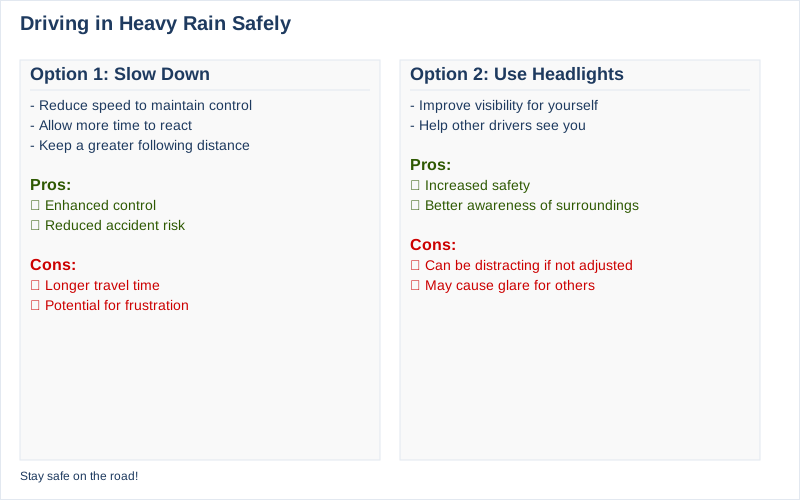
Driving in heavy rain can present a range of challenges, but by following a few essential tips, we can significantly enhance our safety on the road. First and foremost, we recommend reducing speed and increasing our following distance. Wet pavement can lead to hydroplaning, and slowing down will give us more time to react to sudden changes in traffic or road conditions. Additionally, it's crucial to maintain our vehicle, particularly ensuring that tires have adequate tread depth and are properly inflated to maximize traction. Checking the tires regularly can prevent dangerous skidding and improve our overall control in adverse weather conditions Source.
Visibility is another critical factor while driving in heavy rain. We should always use our headlights to ensure not only that we can see the road ahead but also that other drivers can see us. This is especially important during downpours when visibility can drop drastically Source. Moreover, avoiding cruise control is advisable; manual control allows for quicker responses to changing conditions and helps avoid losing traction.
In extreme cases, if the rain is so heavy that our visibility is near-zero, it may be best to pull over and wait until conditions improve. If we frequently find ourselves in situations where we feel uncomfortable or unsafe while driving in heavy rain, it may be a good idea to consult a driving instructor or take a defensive driving course specifically focused on adverse weather conditions. In summary, by adhering to practical driving in heavy rain tips and maintaining our vehicles, we can ensure a safer driving experience even in challenging weather.