
How to Drive Safely at Night: Tips for Reducing Eye Strain and Fatigue
To drive safely at night, keep headlights clean and functional, as visibility is reduced by up to 50%. Take regular breaks every 2 hours to combat fatigue, and avoid looking directly at oncoming headlights to reduce eye strain. Remember, fatal accidents are three times more likely to occur at night compared to daytime driving.
Introduction
Driving at night presents unique challenges that can significantly increase the risk of accidents. Research shows that fatal accidents are three times more likely to occur after dark compared to daytime driving, primarily due to reduced visibility and increased fatigue among drivers GEICO Living. As the sun sets, our ability to see clearly diminishes, making it crucial to understand how to drive safely at night. Factors such as glare from oncoming headlights and the fatigue that often comes with nighttime travel can further complicate the situation, leading to diminished reaction times and impaired decision-making.
To navigate these risks effectively, we recommend employing a few practical strategies. First and foremost, keeping your vehicle's headlights clean and well-aligned can dramatically enhance visibility. It is advised to use high beams when appropriate, particularly on dark, rural roads, while being mindful to switch to low beams when approaching other vehicles to reduce glare NHTSA. Additionally, maintaining a safe following distance is essential; we suggest a minimum of three seconds behind the vehicle in front of you, which allows for adequate reaction time should the unexpected happen.
Moreover, combating fatigue is vital for safe nighttime driving. We recommend taking breaks during long trips and being aware of signs of drowsiness, such as frequent yawning or difficulty focusing. If you find yourself feeling sleepy, consider pulling over to rest or switching drivers if possible Safe in the Seat. By implementing these tips, we can help ensure a safer driving experience even in the challenging conditions that night presents.
Quick Answer
Driving safely at night requires careful consideration and preparation. To reduce eye strain and fatigue, we recommend several strategies. First, ensure your vehicle's headlights are clean and functioning properly. Dirty or misaligned headlights can significantly diminish visibility, making it harder to see the road and any obstacles ahead. It's essential to use low beams in foggy or rainy conditions and high beams on dark, open roads when no other vehicles are present (Source).
Next, we advise driving at a slower speed than you would during the day. Reduced visibility means you have less time to react to any hazards, so maintaining a safe following distance is crucial. We suggest keeping at least three seconds between your vehicle and the one in front of you to allow for adequate reaction time, especially in less illuminated areas (Source).
Another effective tip is to minimize distractions. This includes turning off your phone or using hands-free technology to avoid being tempted to look away from the road. We should also avoid staring directly at the headlights of oncoming vehicles, which can cause temporary blindness. Instead, focus on the right edge of the road to help maintain your lane and enhance your overall awareness of your surroundings (Source).
Lastly, combating fatigue is vital. If you feel tired or drowsy, take a break. We recommend pulling over at a safe rest area to stretch or grab a quick nap before continuing your journey. It's important to remember that driving while drowsy significantly increases the risk of accidents (Source). By following these tips, we can enhance our safety and reduce the risks associated with night driving.
What You Need to Know
Driving at night presents unique challenges that can increase the risk of accidents due to reduced visibility and heightened fatigue. We recommend preparing adequately to tackle these issues effectively. First and foremost, it is crucial to recognize that driving at night is statistically more hazardous. According to the National Highway Traffic Safety Administration (NHTSA), fatal accidents are three times more likely to occur at night compared to daytime driving GEICO Living. This is largely because our visibility is significantly compromised when it's dark, making it essential to adopt techniques that enhance our safety.
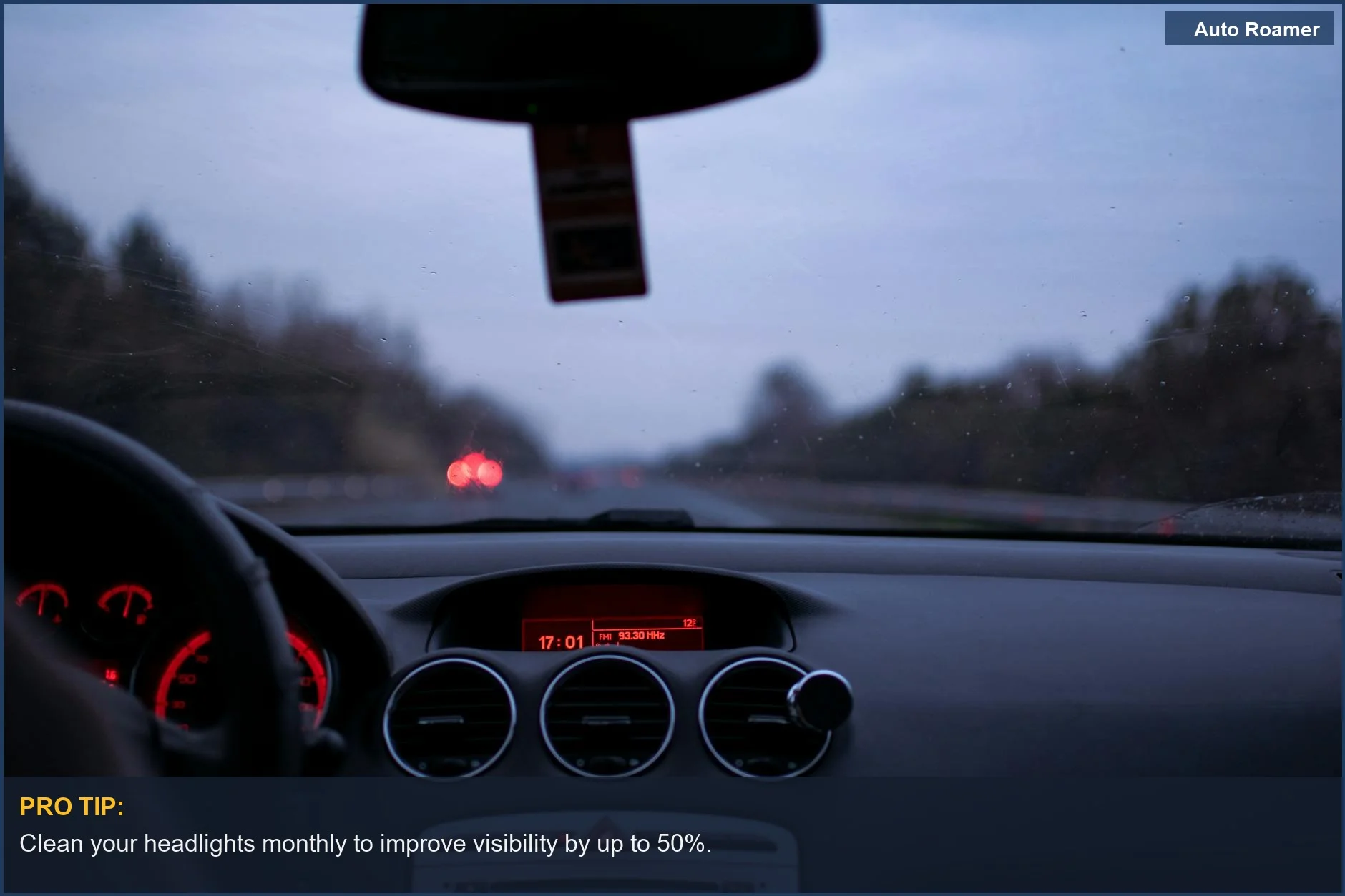
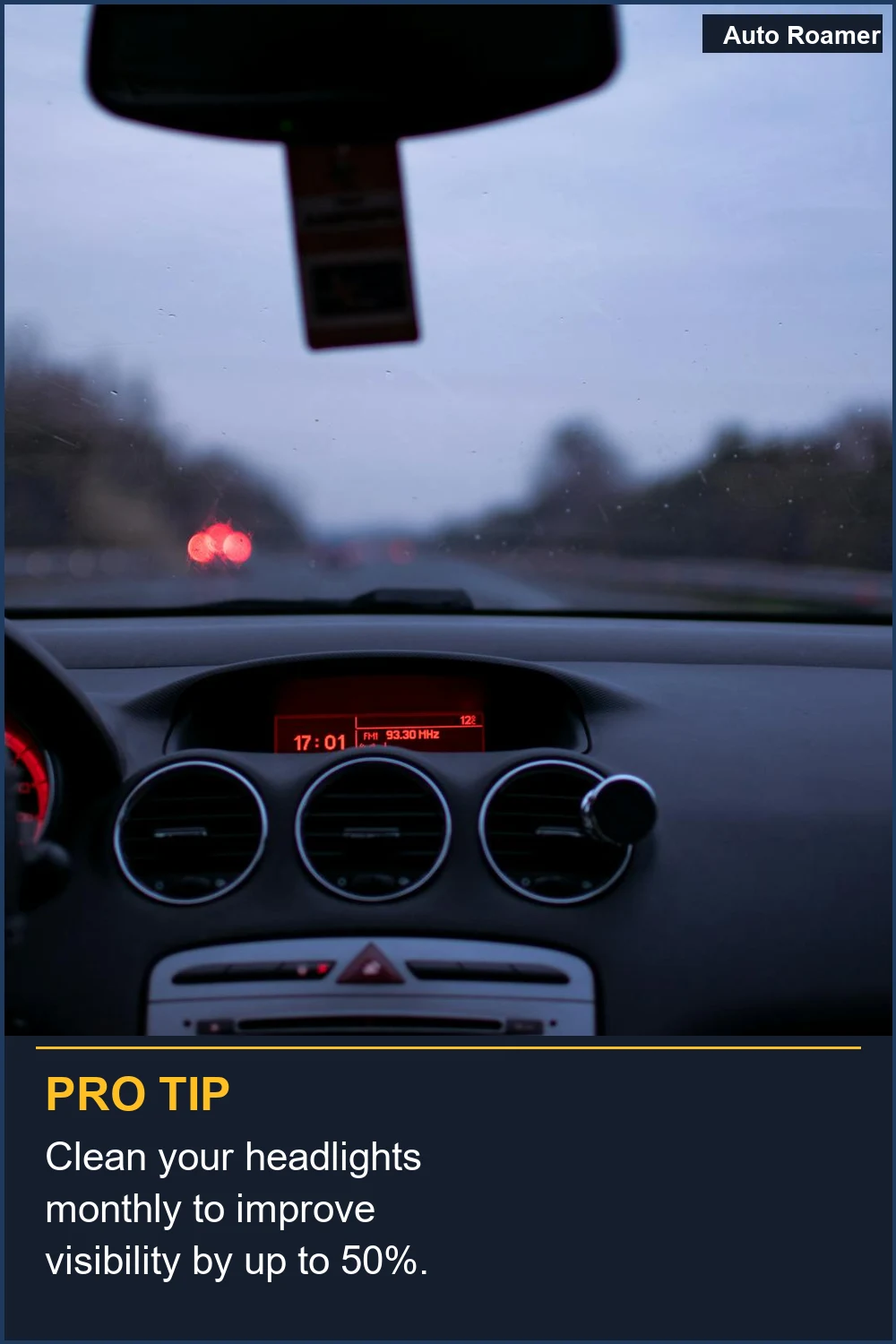
One key strategy is to maintain a clean windshield and headlights. Dirt and grime can further impair our vision, so we recommend using a glass cleaner designed for automotive use, like Invisible Glass (around $5), which effectively removes smudges and enhances clarity. Furthermore, using low beams in foggy conditions improves visibility without causing glare to oncoming drivers Safe in the Seat.
Another important tip is to combat drowsiness. We should strive to get adequate rest before hitting the road after dark. If we begin to feel fatigued, we recommend pulling over to a safe location and taking a short nap or switching drivers if possible. The NHTSA has found that the risk of fatal crashes involving alcohol impairment is almost four times higher at night, so we must also avoid driving under the influence National Safety Council.
Additionally, focusing on the right edge of the road can help us navigate better in low-light conditions. This technique minimizes the glare from oncoming headlights and allows us to maintain a safer position on the roadway. Finally, we recommend using high beams whenever possible in rural areas where there is little traffic, but always remember to switch back to low beams when approaching other vehicles to avoid dazzling other drivers CNET. By following these guidelines, we can significantly reduce eye strain and fatigue, making our night driving experiences safer and more manageable.
Step-by-Step Guide
To drive safely at night and reduce eye strain and fatigue, we recommend following these practical steps:
-
Adjust Your Environment: Before you start driving, ensure your vehicle is comfortable and conducive to focus. Dim your dashboard lights to minimize glare and adjust your seat for optimal visibility. A good posture can help reduce fatigue during long drives.
-
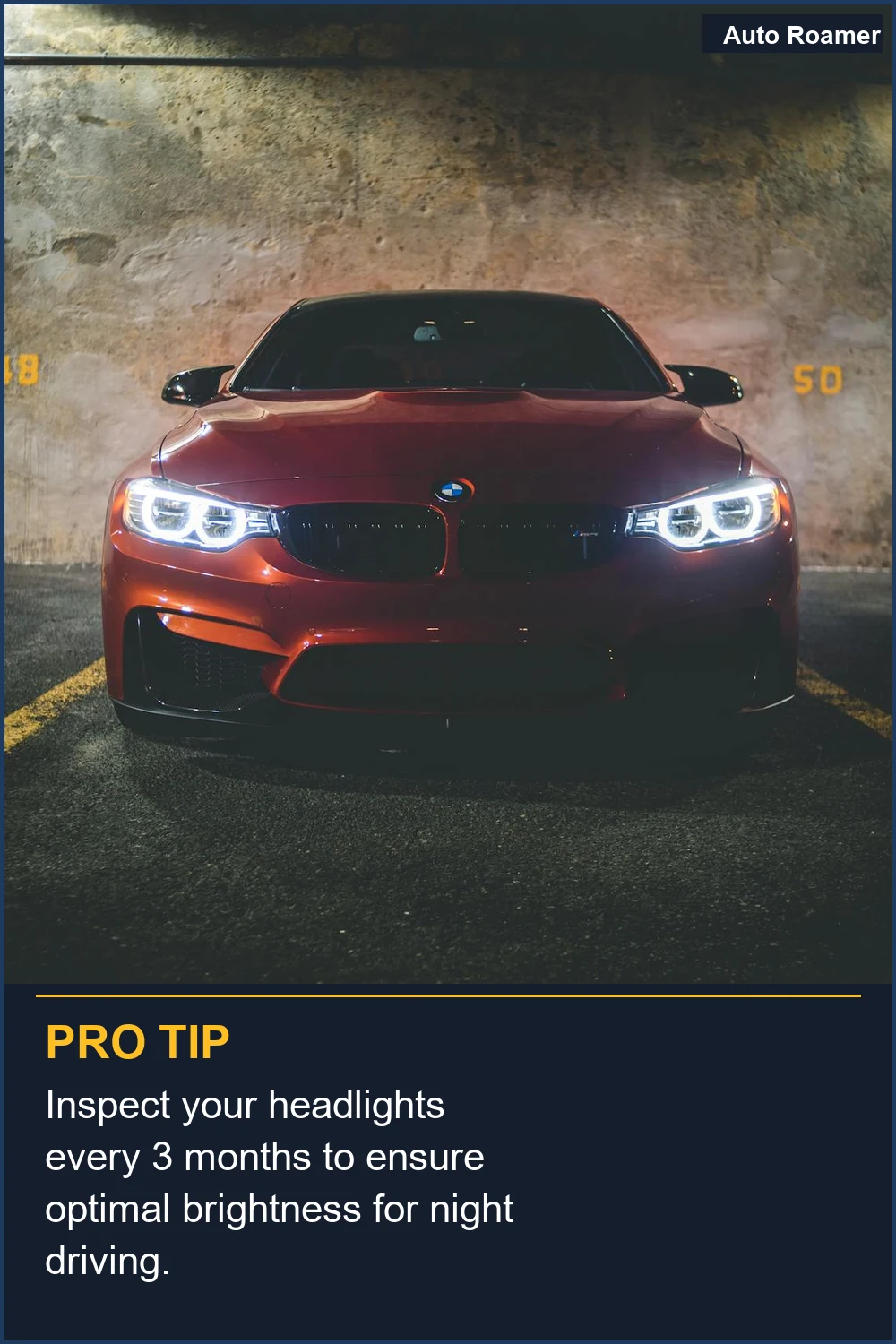
Use Headlights Wisely: Make use of your vehicle's low beams in regular nighttime conditions and switch to high beams when driving on dark, rural roads without oncoming traffic. Remember to dim your lights when approaching other vehicles to avoid blinding other drivers. Maintaining clean headlights is crucial for optimal visibility; use a glass cleaner to keep them clear of dirt and grime (GEICO Living).
-
Combat Fatigue: Drowsy driving is a significant risk at night. We recommend taking regular breaks on longer journeys. If possible, share the driving responsibilities with another licensed driver. If you start to feel tired, pull over in a safe area and take a short nap or stretch to refresh yourself (NHTSA).
-
Maintain Safe Following Distances: Visibility can be limited at night, so it's essential to increase your following distance. We recommend maintaining at least a three-second gap between you and the vehicle ahead to give yourself ample time to react (Safe In The Seat).
-
Limit Distractions: Keep distractions to a minimum. This includes managing your smartphone, adjusting the radio, or engaging in conversations with passengers. We suggest using hands-free devices if you need to make calls, and setting up your GPS before you start driving.
-
Adjust Your Eyes: Before hitting the road, we recommend spending a few moments outside in the dark to allow your eyes to adjust. This can help improve your night vision and reduce strain once you start driving (National Safety Council).
-
Stay Aware of Surroundings: Keep an eye out for pedestrians, cyclists, and animals that may be less visible at night. Use your peripheral vision to scan the environment continuously.
By implementing these steps, we can significantly enhance our safety and comfort when driving at night, effectively reducing eye strain and fatigue.
Safety Considerations
When considering how to drive safely at night, it is essential to be aware of various safety considerations that can significantly impact our driving experience. Night driving presents unique challenges, including reduced visibility, increased fatigue, and a higher likelihood of encountering impaired drivers. Therefore, we recommend taking proactive measures to enhance safety.
One of the primary concerns while driving at night is visibility. The National Safety Council indicates that visibility decreases dramatically in the dark, making it crucial to keep headlights clean and properly adjusted. We should also avoid using high beams in areas where they can blind oncoming drivers, as this can create dangerous situations. Instead, focusing on the right edge of the road can help maintain a clear path ahead (Source).
Fatigue is another significant risk factor during night driving. Studies show that the likelihood of drowsy driving increases after dark, with fatal accidents being three times more likely at night compared to daytime (Source). We recommend taking regular breaks during long trips to combat fatigue. Additionally, engaging in pre-driving routines, such as adjusting to the dark for a few minutes before hitting the road, can help our eyes acclimate better (Source).
Moreover, we must remain vigilant about our surroundings. Defensive driving becomes even more critical at night, as the chances of encountering impaired or reckless drivers increase. We should always maintain a safe following distance and stay alert for pedestrians and cyclists who may be less visible. By being proactive and following these safety considerations, we can significantly reduce the risks associated with how to drive safely at night.
Common Mistakes to Avoid
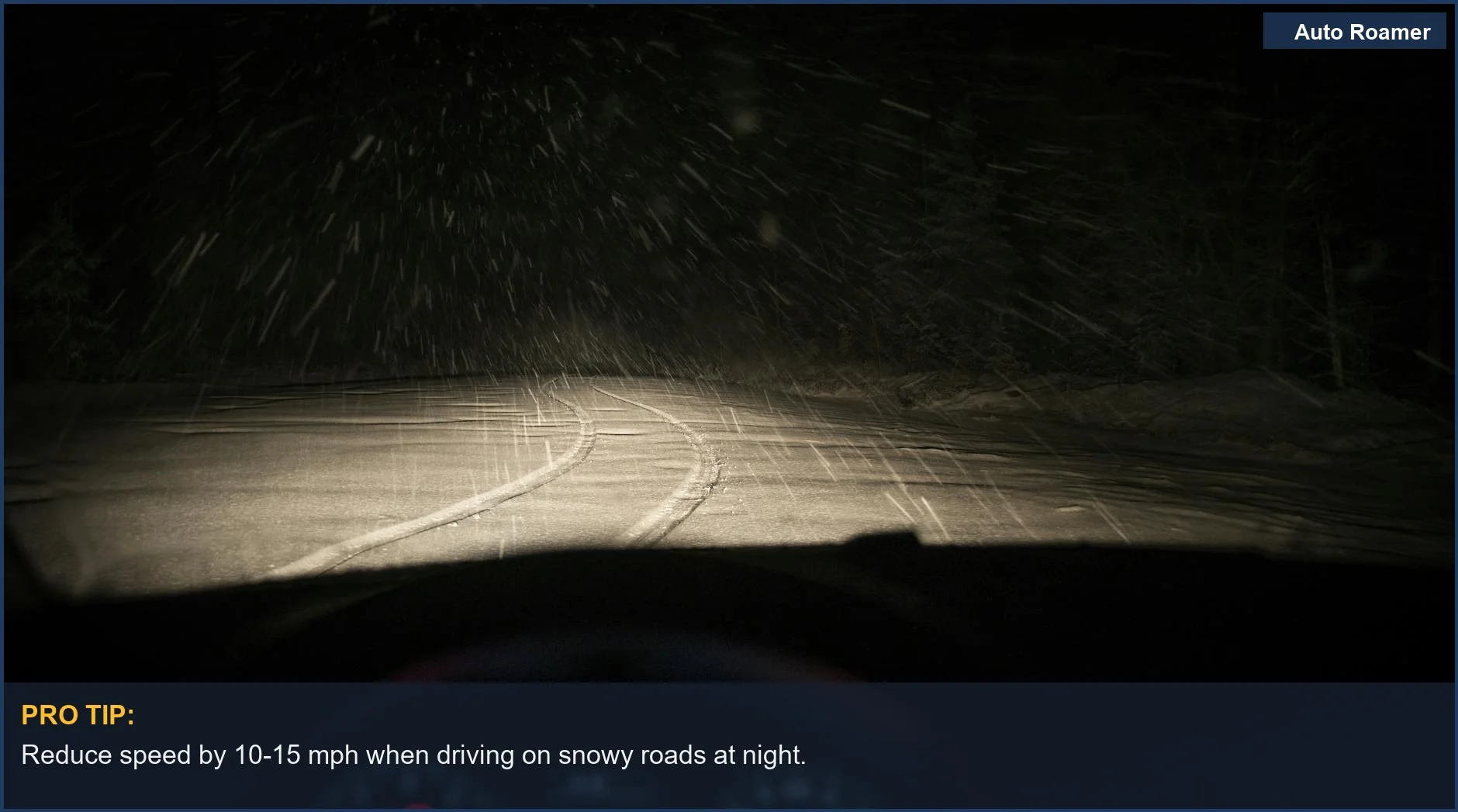
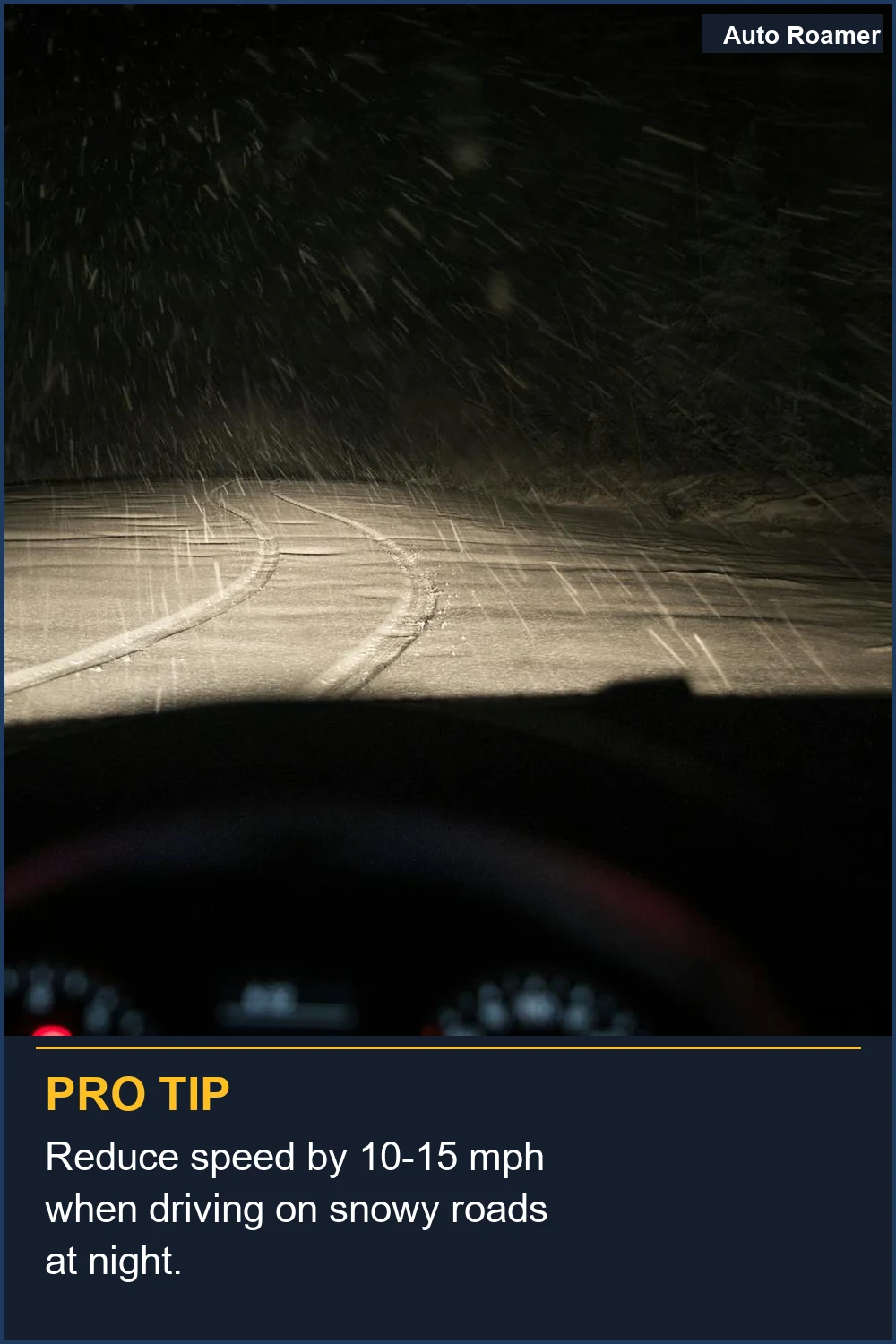
When learning how to drive safely at night, there are several common mistakes that we should avoid to enhance our safety and reduce eye strain and fatigue. One prevalent error is neglecting to adjust our driving speed. Many drivers underestimate the reduced visibility at night and tend to drive at the same speed they would during the day, which can be dangerous. We recommend reducing speed and increasing our following distance to allow for a greater reaction time. According to the National Safety Council, visibility is limited to about 500 feet with high beams and even less with standard headlights, making it crucial to drive cautiously Source.
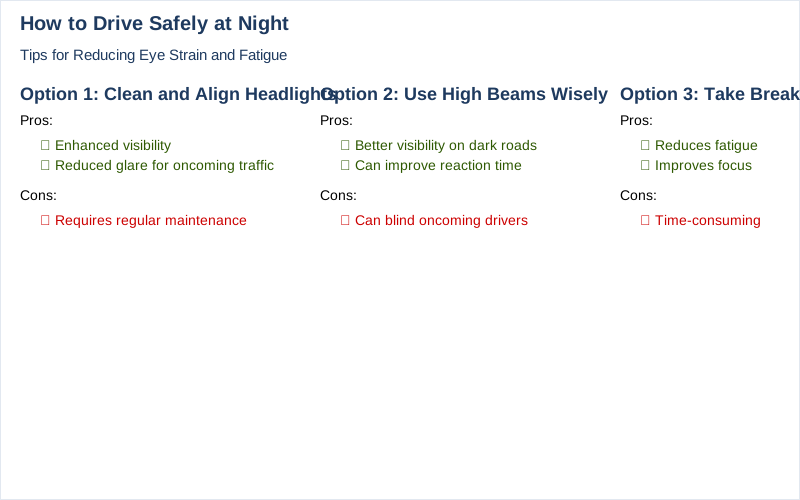
Another mistake is failing to utilize headlights properly. Some drivers only use their standard beams, which may not provide sufficient illumination of the road ahead. We recommend using high beams when appropriate, particularly on rural roads without oncoming traffic. However, we must remember to switch back to low beams when approaching other vehicles to avoid blinding them Source.
Moreover, distraction is a significant factor in night driving accidents. We often underestimate how distractions can lead to loss of focus, especially in low-light conditions. We suggest minimizing distractions by keeping the cabin environment simple-turning off loud music, silencing our phones, and avoiding conversations that can take our attention away from the road. Finally, it is essential to combat fatigue; driving while drowsy is as dangerous as driving under the influence. We should plan our trips to avoid nighttime driving when possible and take regular breaks to rest if we must drive at night Source. By steering clear of these common mistakes, we can significantly improve our safety and comfort while driving at night.
Final Thoughts
As we conclude our exploration of how to drive safely at night, it's essential to remember that the risks associated with nighttime driving are notably higher than during the day. In fact, according to the National Highway Traffic Safety Administration (NHTSA), fatal accidents are three times more likely after dark compared to daylight hours. This stark statistic emphasizes the importance of adopting specific strategies to mitigate hazards such as poor visibility and driver fatigue Source.
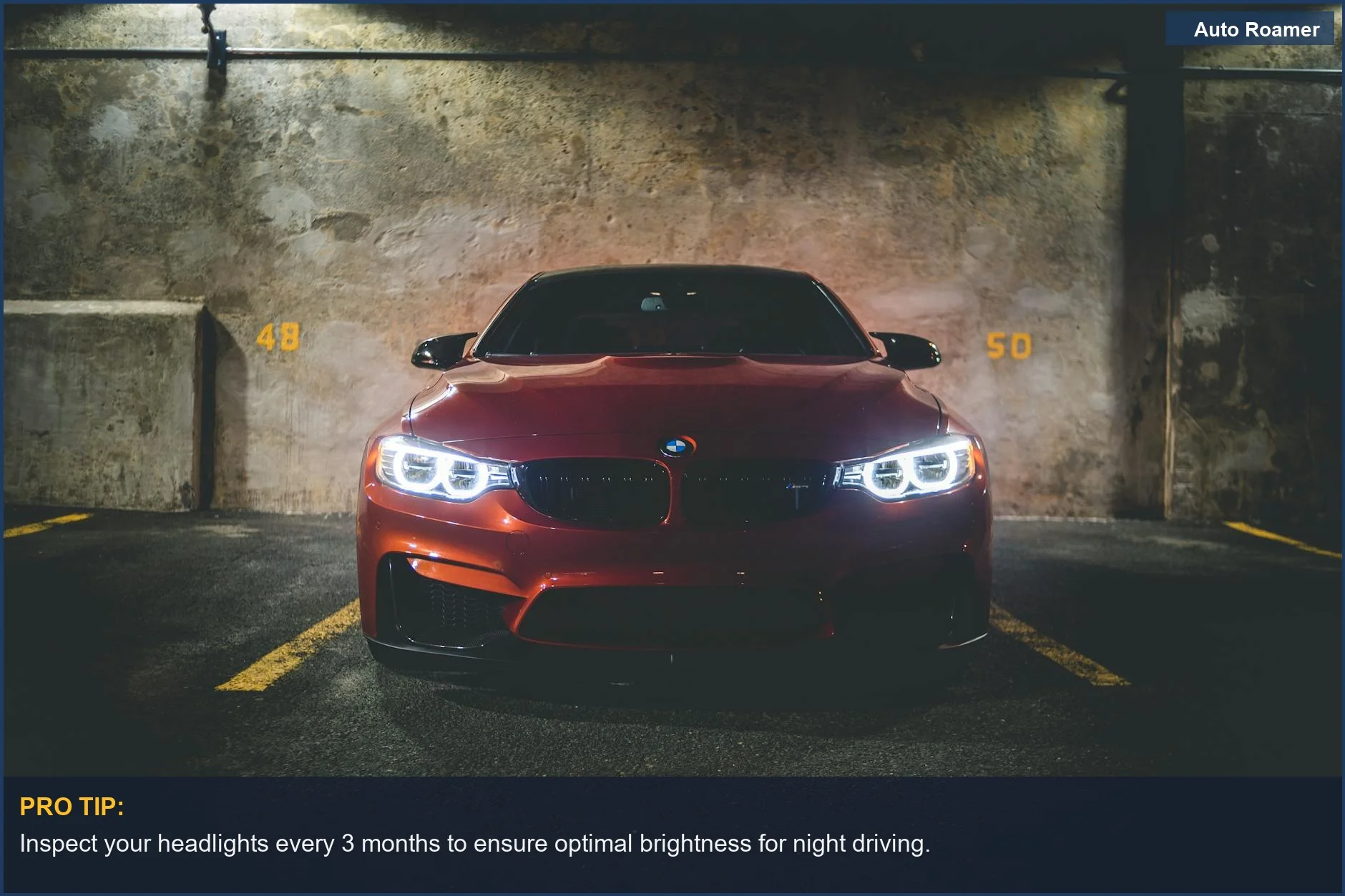
To enhance our safety while driving at night, we recommend several practical tips. First, maintaining clean headlights and windshields is crucial for maximizing visibility. Dirty or foggy glass can significantly diminish our ability to see the road clearly. Additionally, using low beams in foggy conditions can help reduce glare and improve our visibility Source.
Equally important is the need to combat fatigue, a common issue for night drivers. We should take regular breaks during long drives and consider carpooling when possible. Engaging in pre-driving routines, such as spending a few minutes outside to adjust our eyes to low light, can also be beneficial Source.
Moreover, adopting a defensive driving approach is vital. We must remain vigilant and anticipate the actions of other drivers, especially since impaired driving incidents increase at night Source. By integrating these strategies, we can better navigate the challenges that come with nighttime driving. Ultimately, being proactive about our safety not only protects us but also ensures the safety of those around us. Let us commit to driving safely at night, embracing these tips to minimize risks and enhance our overall driving experience.