
Is It Illegal to Drive with Your Interior Light On?
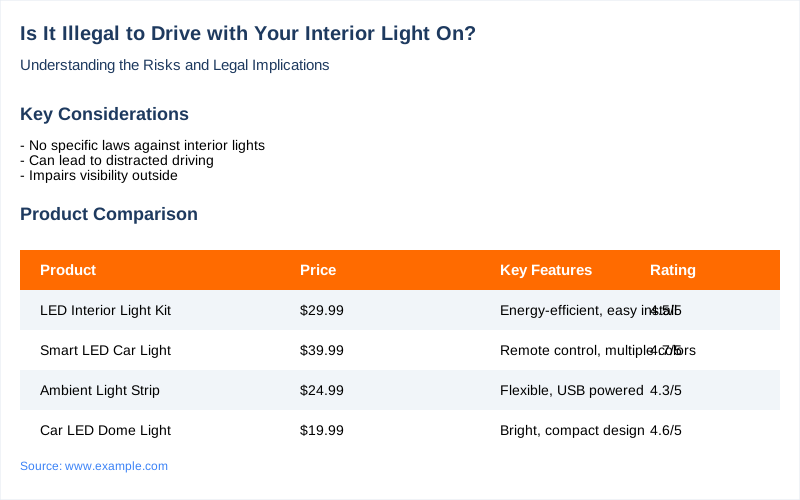
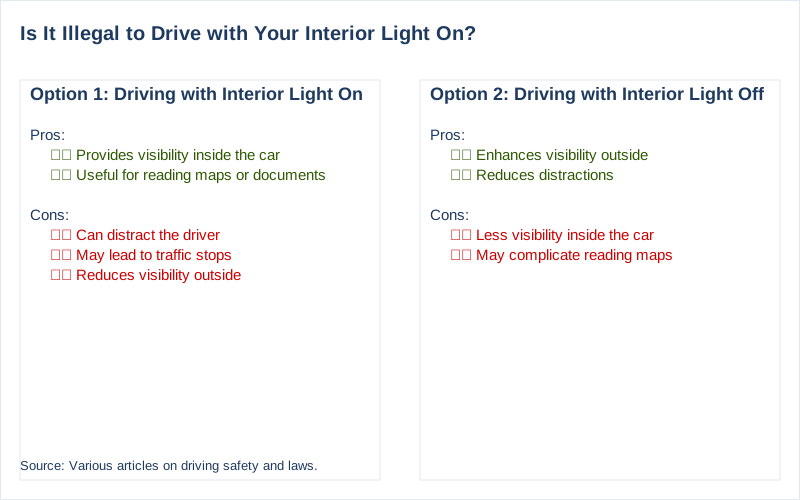
Driving with your interior light on is not explicitly illegal in any state, but it can be risky. It may reduce visibility and increase the chance of accidents. Additionally, if a police officer believes the light is causing a distraction, it could lead to a traffic stop. Always prioritize safety while driving, especially at night.
Introduction
Driving with your interior light on is a common practice among many drivers, especially at night. However, the question often arises: is it illegal to drive with your interior light on? The answer is not as straightforward as one might hope. While no state explicitly prohibits the use of interior lights while driving, it is important to understand the potential risks and legal implications associated with this behavior.
Although there are no specific laws against driving with your interior lights illuminated, doing so can contribute to distracted driving. Bright lights inside a vehicle can significantly impair a driver's ability to see outside, making it difficult to notice other vehicles, pedestrians, or road signs Source. This distraction can lead to traffic stops or citations if law enforcement deems it as a factor in unsafe driving practices. Moreover, while some states may not have explicit laws against interior lights, they can still penalize drivers for actions that lead to distracted driving incidents Source.
In addition to the legal aspects, there are safety concerns to consider. The illumination from interior lights can create a stark contrast between the inside of the vehicle and the outside environment, reducing visibility for the driver. This situation can be particularly hazardous during nighttime driving when the road is less illuminated Source. Therefore, while we recommend that drivers keep their interior lights off when driving at night, it's crucial to be aware of the broader implications, both from a legal and safety perspective. Understanding these factors can help ensure safer driving experiences for everyone on the road.
Quick Answer
It is important to clarify that while driving with your interior light on is not explicitly illegal in any state, it can be a risky behavior that may lead to potential legal issues or traffic stops. Many drivers and parents discourage using interior lights while driving at night because it can increase the risk of distracted driving, which is a significant safety concern. For example, bright lights can reduce a driver's ability to see outside the vehicle, making it harder to spot pedestrians, cyclists, or other vehicles on the road. This is particularly relevant at night when visibility is already compromised (Monsour Law Firm).
While no state laws prohibit interior lights outright, the misuse of such lights can lead to citations for distracted driving. This could be classified as a moving violation if an officer believes that the lights are contributing to unsafe driving conditions (Team Justice). For instance, if a driver is pulled over for another infraction and the officer notices that the interior light is on, they may issue a warning or citation for distraction.
Moreover, some states have laws that indirectly relate to the use of interior lights. For instance, while it may not be illegal, it can attract unwanted attention from law enforcement, particularly if it is perceived that the driver is not fully focused on the road (Ultra Bright Lightz). Therefore, while it might not be against the law to drive with your interior light on, we recommend that drivers exercise caution and minimize distractions to ensure safety on the road.
What You Need to Know
Driving with your interior light on is a common concern among motorists, but is it illegal to drive with your interior light on? The short answer is no; no state explicitly prohibits this practice. However, it's essential to understand the implications of having your interior lights illuminated while driving. Although it may not be illegal, it can contribute to distracted driving, which is a significant concern on the road.
Many drivers and parents discourage using interior lights while driving, especially at night, because it can impair visibility. When the interior light is on, it creates a bright contrast that makes it difficult for drivers to see outside the vehicle, particularly in low-light conditions. This increase in distraction can lead to dangerous situations and may even result in traffic stops if law enforcement deems the driver to be operating the vehicle unsafely. According to Monsour Law Firm, while no state laws strictly prohibit driving with your interior lights on, the potential for distraction could lead to a moving violation.
It's worth noting that some drivers believe that having the interior light on is a potential cause for receiving a ticket, as it may be considered a form of distracted driving. As stated in an article from Team Justice, while many people think it's illegal, the reality is that it's not against the law in most places. However, if a driver's use of interior lights contributes to an accident or traffic violation, they may face legal repercussions.
In summary, while driving with your interior light on is generally not illegal, we recommend exercising caution. It is wise to keep interior lights off while driving to minimize distractions and ensure a safer driving environment. If you find yourself needing to use the light, consider pulling over safely to avoid any potential risks associated with distracted driving.
Step-by-Step Guide
To determine if driving with your interior light on is illegal, we recommend following these practical steps:
-
Know Your State Laws: Start by researching your state's specific traffic laws regarding interior lights. While no state explicitly prohibits driving with interior lights on, some states may enforce laws related to distracted driving that could apply if the lights impair visibility. For example, according to Monsour Law Firm, misuse of interior lights can lead to traffic stops and citations.
-
Assess the Risks: Understand that even if it is not illegal, having your interior lights on can create hazardous conditions. Bright interior lights can reduce the driver's ability to see outside clearly, especially at night. This risk is highlighted in a discussion by Morin Bros, which emphasizes that interior lights can distract drivers and increase the likelihood of accidents.
-
Consider Safety: While it's not against the law, we recommend being cautious about using interior lights while driving at night. If you need to adjust something in your vehicle, consider pulling over to a safe location instead of relying on interior lights while the vehicle is in motion. The potential for distraction makes it a risky choice, as Team Justice notes.
-
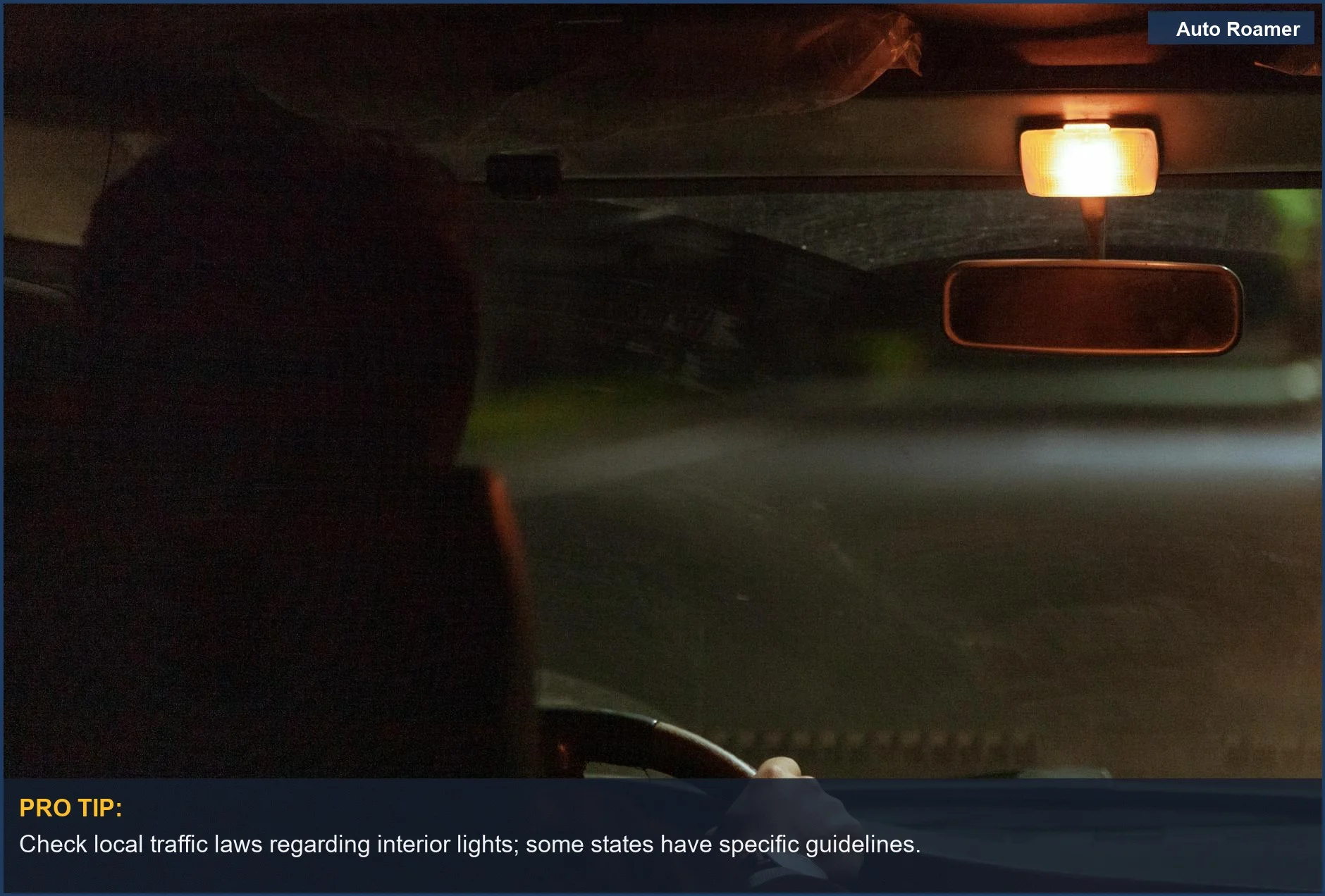
Consult Local Regulations: Since laws can vary at the municipal or county level, checking local traffic ordinances can provide clarity. Some local jurisdictions may have specific rules regarding the use of lights in vehicles, and knowing these regulations can help you avoid fines or legal issues.
-
Stay Informed About Changes: Keep an eye on any new traffic laws that might affect driving with interior lights. For example, new legislation in California aims to enhance road safety and could influence how distracted driving is policed in the future, as outlined in Fox LA.
By following these steps, you can ensure that you are aware of the legal landscape regarding driving with your interior light on and maintain safe driving practices.
Safety Considerations
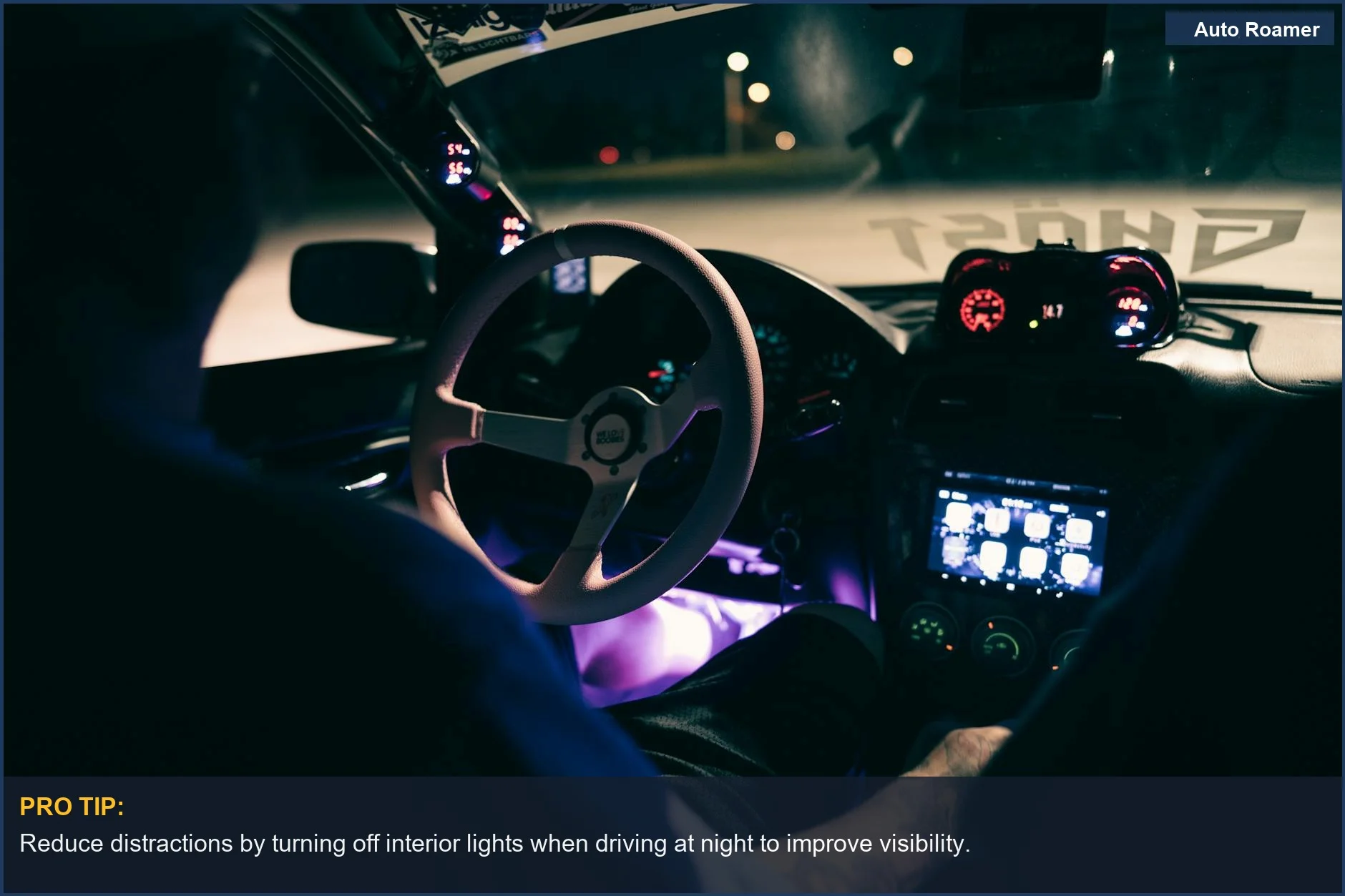
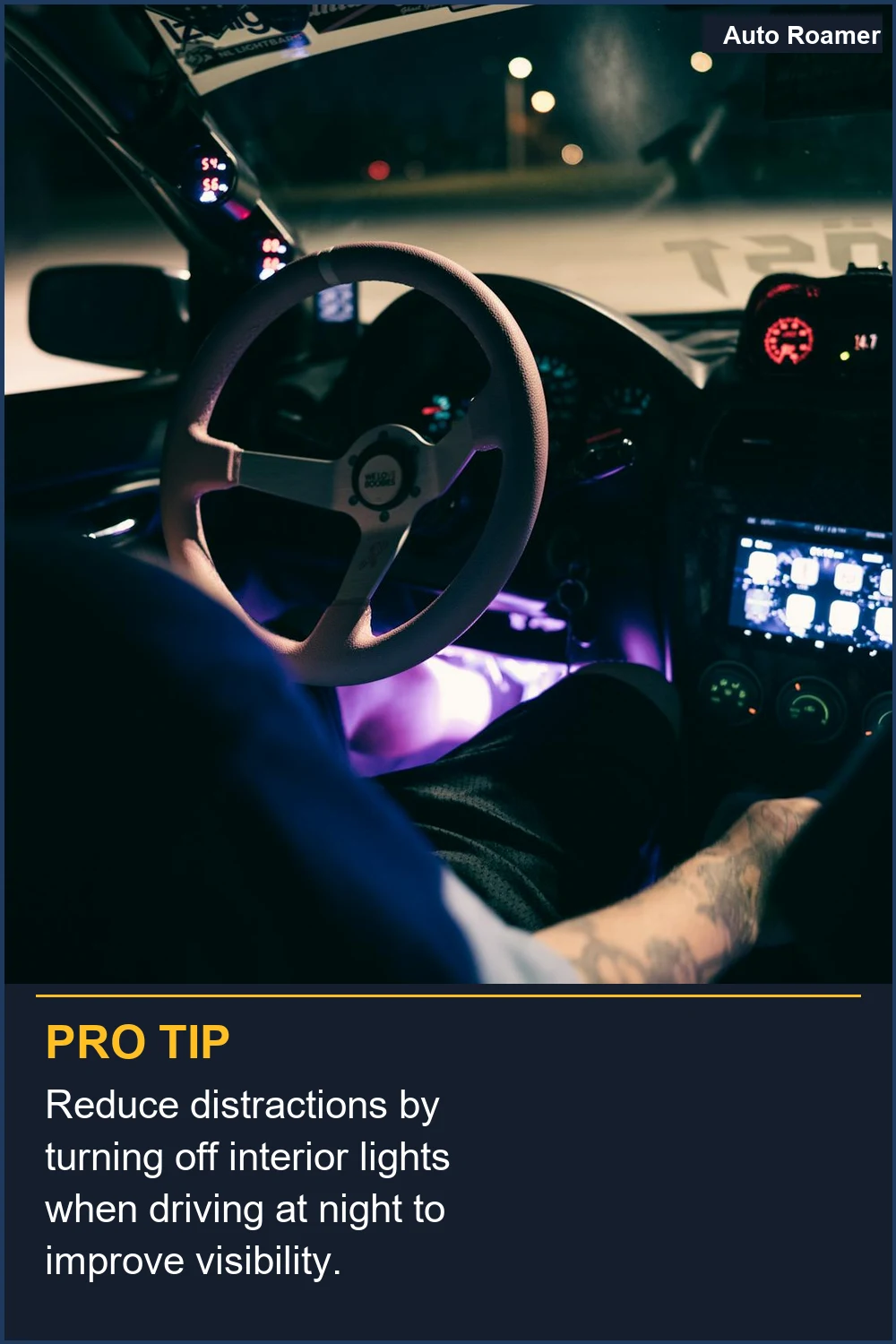
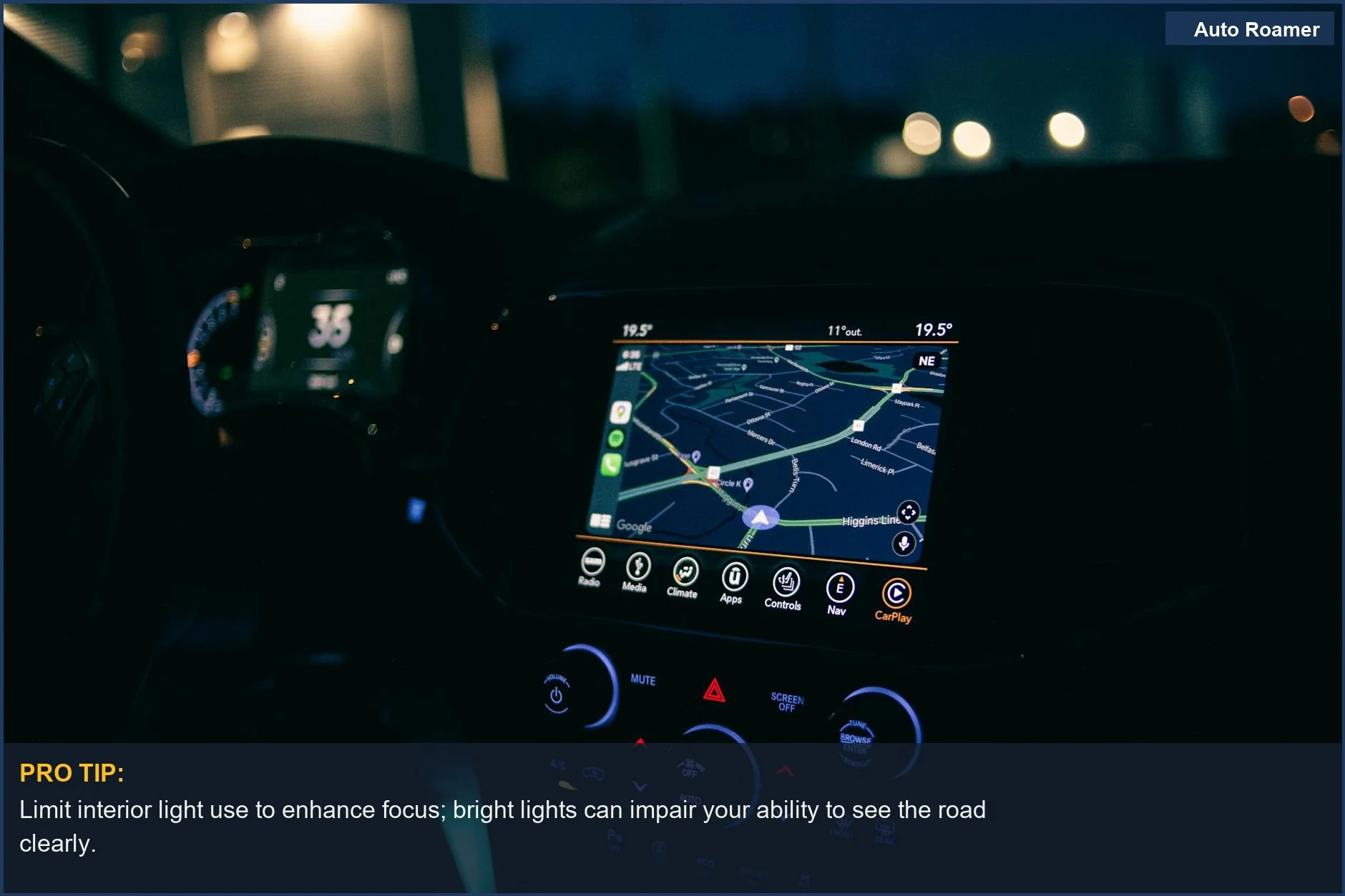
Driving with your interior light on might not be illegal, but it can pose significant safety risks. While no state explicitly prohibits the use of interior lights while driving, it is widely discouraged due to the potential for increased distraction and impaired visibility. Bright lights inside a vehicle can reduce a driver's ability to see outside, especially in low-light conditions, making it more difficult to detect pedestrians, cyclists, and other vehicles on the road. This can significantly increase the risk of accidents, as illuminated interiors can create a stark contrast with the darkness outside, blinding the driver momentarily when looking up from the dashboard or controls Monsour Law Firm.
Moreover, some jurisdictions may interpret driving with interior lights on as a form of distracted driving, which can lead to citations or traffic stops. While this is not a common enforcement issue, the potential for being ticketed exists, particularly if a law enforcement officer believes that the interior light is distracting the driver enough to pose a safety hazard Team Justice.
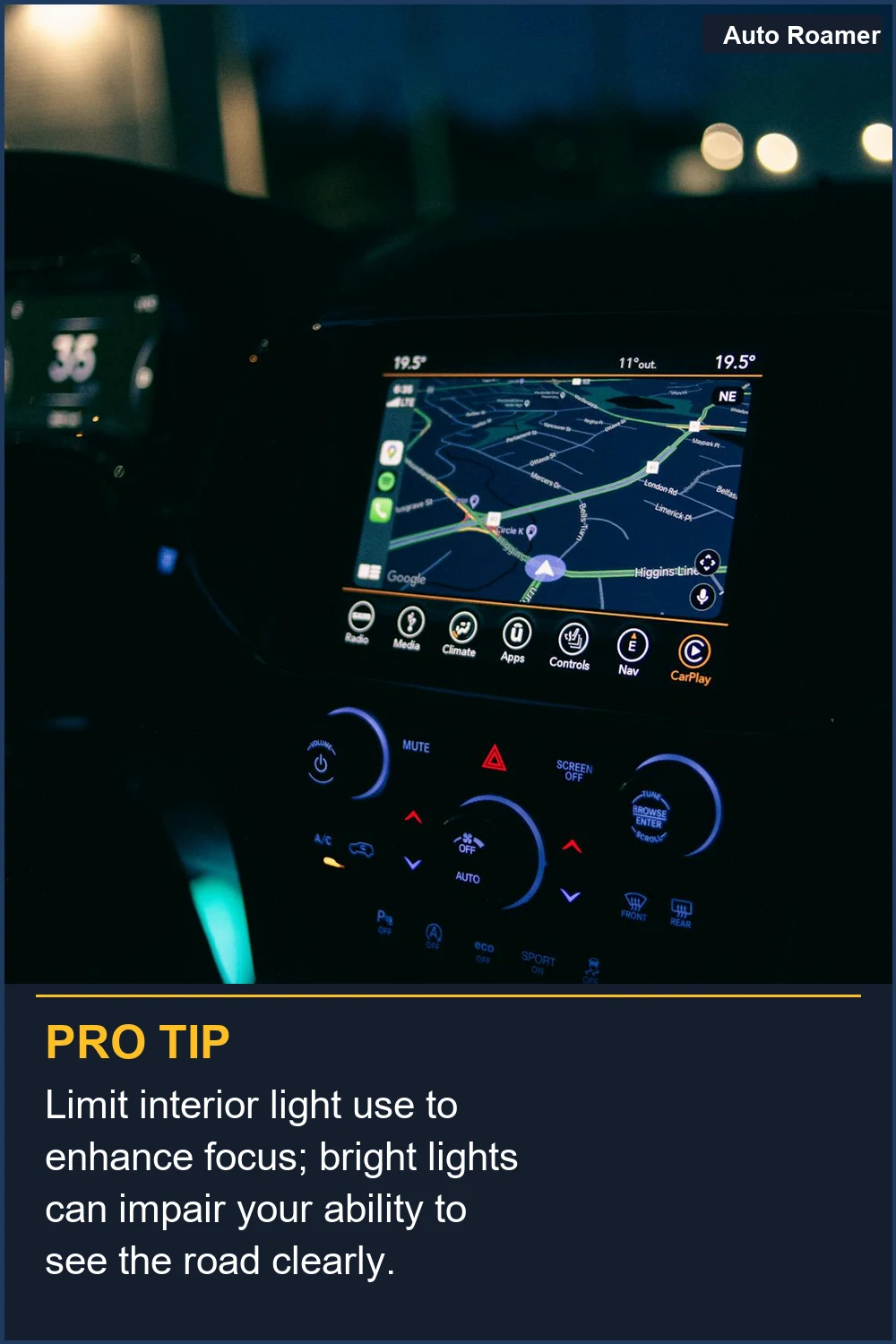
We recommend that drivers exercise caution and consider turning off their interior lights while driving, especially at night. If you need to use your interior light for any reason-such as reading a map or adjusting controls-try to do so only when your vehicle is stationary. This approach not only enhances your own safety but also the safety of others on the road. It is essential to strike a balance between convenience and safety; while it may not be illegal to drive with your interior light on, the risks associated with it are significant enough that it merits careful consideration. Always prioritize your visibility and focus when behind the wheel Ultra Bright Lightz.
Common Mistakes to Avoid
Many drivers mistakenly believe that it is illegal to drive with interior lights on. However, as we have explored, no state explicitly prohibits this practice; instead, it can lead to issues related to distracted driving. For instance, while it may not attract a ticket on its own, driving with the interior light illuminated can easily become a contributing factor in a traffic stop if it leads to erratic driving or impaired visibility. This misunderstanding often stems from parental warnings or anecdotal advice rather than legal statutes.
Moreover, another common mistake is assuming that all interior lights have the same impact. For example, bright dashboard lights may not cause as much distraction as a dome light, which can significantly hinder a driver's ability to see outside at night. It is essential to recognize that while the legality of driving with interior lights on can vary, the safety implications are consistent across states. We recommend keeping your interior lights off while driving at night to minimize distractions and enhance visibility.
Additionally, some drivers might also overlook that even if it is not specifically illegal, it could lead to a moving violation if deemed a distraction by law enforcement. This is particularly relevant in states with strict distracted driving laws. As per Monsour Law Firm, while Texas does not outlaw the practice, misuse can still result in citations. Thus, to stay on the safe side, always prioritize safety over legality when considering questions like "is it illegal to drive with interior light on?"
Final Thoughts
When considering whether it is illegal to drive with your interior light on, the consensus among various sources is that it is generally not against the law in most states. For instance, Monsour Law Firm clarifies that no state explicitly prohibits the use of interior lights while driving. However, this does not imply that it is advisable to do so. The presence of bright lights inside the vehicle can significantly impair a driver's vision of the road and surrounding environment, creating potentially dangerous conditions.
Moreover, while you may not receive a ticket specifically for having your interior lights on, you could still be cited for distracted driving if law enforcement deems that the lights contributed to unsafe driving behavior. According to Team Justice, the act of driving with interior lights illuminated can lead to distractions that increase the risk of accidents. Therefore, while it is not illegal to drive with your interior light on, we recommend avoiding the practice to maintain optimal focus on the road.
In conclusion, understanding the nuances surrounding this issue is essential for safe driving. While we may not be breaking the law by keeping our interior lights on, it is evident that the risks associated with such actions warrant caution. We encourage drivers to prioritize their safety and that of others on the road by minimizing distractions, including the use of interior lights at night. For a safer driving experience, we recommend keeping interior lights off or dimmed to enhance visibility and reduce the likelihood of an accident.
Frequently Asked Questions
Can you get pulled over for driving with your interior lights on?
Are there any states where it's against the law to have your interior lights on while driving?
Is it considered unsafe to drive with your interior lights on?
What are the consequences of driving with your interior lights on?
Can having your interior lights on affect your car insurance?
Sources
- What States Is It Illegal To Drive With Interior Lights On
- New California traffic laws in 2026: $1000 fines, new red-light cameras
- Is It Illegal to Drive With Interior Lights On? Laws, Myths & Safety Facts
- Is It Illegal to Drive with Interior Lights On? Guide - CarInterior
- Is It Illegal to Drive with Interior Lights On? | Ultra Bright Lightz