
How to Safely Pull Over on the Highway Shoulder
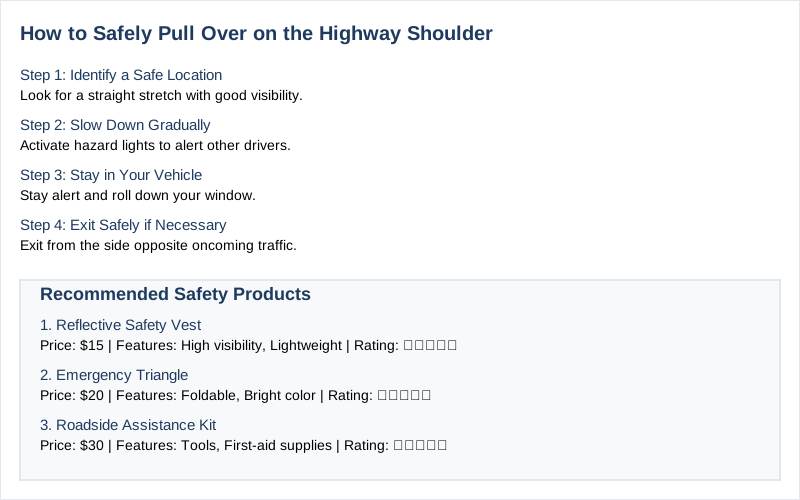
To safely pull over on the highway, signal at least 100 feet before exiting the lane. Aim for a straight stretch of the shoulder, and reduce your speed gradually. Once stopped, turn on your hazard lights and stay inside the vehicle if possible, particularly if it's dark or traffic is heavy. Keeping these steps in mind helps ensure your safety and that of other road users when you need to pull over on the highway.
Introduction
When driving on the highway, knowing how to safely pull over on the highway shoulder is a crucial skill that can protect you and others on the road. Whether you are experiencing a vehicle malfunction, feeling unwell, or simply need to make an important call, understanding the correct procedure to pull over can significantly reduce the risk of accidents. Highways are designed for high-speed travel, and any sudden movements can lead to dangerous situations, not only for you but also for other drivers.
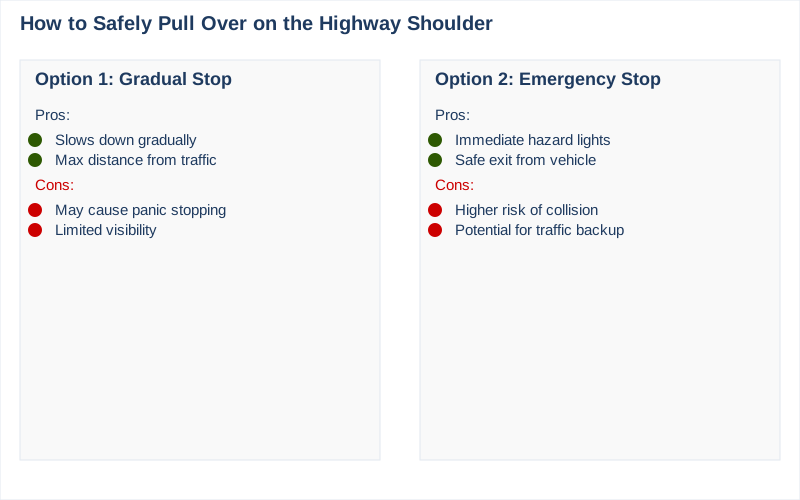
To begin, we recommend identifying a safe location to pull over, ideally a straight stretch of road where visibility is good. Aim for a spot that allows you to create maximum distance between your vehicle and active traffic, thus minimizing the risk of a collision. According to a guide on how to pull over on the highway safely, it is vital to slow down gradually and activate your hazard lights to alert other drivers. This simple step can prevent misunderstandings and allow other vehicles to maneuver around you safely.
Once you've successfully reached the shoulder, stay in your vehicle if it is safe to do so, especially if you're in a high-traffic area. Rolling down your window and staying alert to your surroundings is advisable. If you need to exit the vehicle, ensure that you do so from the side opposite oncoming traffic. As highlighted in a blog on pulling over, getting as far to the right as possible is essential to avoid any potential hazards.
Being informed and prepared can be the difference between a minor inconvenience and a serious accident. We encourage all drivers to familiarize themselves with these practices to ensure they know how to safely pull over on the highway when the need arises.
Quick Answer
To safely pull over on the highway, we recommend following a series of steps that prioritize your safety as well as that of other road users. First, if you notice that you need to pull over, gradually reduce your speed and activate your hazard lights to alert other drivers that you are making an unplanned stop. This is crucial as it gives others a heads-up about your intentions, thus helping to prevent accidents Source.
Next, look for a safe spot to pull over. We suggest aiming for the right shoulder of the highway, where you should steer as far away from the traffic lanes as possible. Try to find a straight stretch of road if you can, as curves may limit visibility for other drivers. Once you find a suitable location, slowly maneuver your vehicle onto the shoulder, ensuring that you stay clear of any oncoming traffic. If possible, pull over past any guardrails or barriers Source.
After coming to a complete stop, keep your seatbelt on and remain inside your vehicle unless it is unsafe to do so. In many cases, it's safer to stay in your car, particularly if you are on a busy highway. If you have to exit the vehicle, we recommend doing so from the side opposite to oncoming traffic, and move to a safe distance away from the road. When it comes to communicating with law enforcement, if you are pulled over by a police officer, stay calm, keep your hands visible, and follow their instructions Source.
By adhering to these steps on how to safely pull over on the highway, we can significantly reduce risks and ensure a safer experience for everyone involved.
What You Need to Know
To safely pull over on the highway shoulder, we need to understand the fundamental steps to ensure our safety and that of other drivers. First and foremost, if we experience a mechanical issue or need to stop for any reason, we should begin by gradually reducing our speed and signaling our intentions. Using our turn signal is crucial; this alerts other drivers that we are preparing to pull over.
Once we find a suitable location, we should aim to pull off to the right side of the road. Ideally, we want to stop as far away from the travel lane as possible, which reduces the risk of being hit by passing vehicles. According to Starfleet Trucking, it's advisable to leave as much space between our vehicle and the closest lane as we can, especially in high-speed environments like highways.
After coming to a complete stop, we should immediately activate our hazard lights. This not only signals to other drivers that we are stationary but also helps to draw attention to our vehicle. It is important to remain inside our vehicle with seat belts fastened, as exiting the vehicle can be dangerous, especially on busy highways. If we are in a situation where we need to exit, such as in the case of an emergency, we should do so only when it is completely safe to do so.
In the event of a police stop, we must remain calm and respectful, following the officer's instructions. We can find more about this in Wawanesa's guide. Overall, understanding how to safely pull over on the highway not only enhances our safety but also contributes to the safety of everyone on the road.

Step-by-Step Guide
To safely pull over on the highway shoulder, we recommend following these step-by-step guidelines to ensure both your safety and that of other road users.
First, when you realize you need to pull over, check your surroundings. Activate your turn signal to indicate your intention to change lanes. Gradually reduce your speed, ideally to below the speed limit, as you approach the shoulder. Make sure to check your mirrors and blind spots for any vehicles that may be close behind you. It's crucial to ensure it's safe to move over before executing the maneuver.
Next, slowly steer your vehicle onto the shoulder. Try to pull over as far to the right as possible, allowing ample space between your vehicle and the traffic lane. If possible, choose a straight stretch of the highway where visibility is good, as this minimizes the risk of accidents. Remember to use your hazard lights to alert other drivers that you are stationary and may need assistance (if applicable) Source.
Once safely on the shoulder, turn off your engine and remain in your vehicle if it's safe to do so. If you must exit the car, do so carefully and away from traffic. Always stay as far away from the road as possible. If your vehicle is disabled or you need help, you can use a roadside assistance service or call for help while remaining in your car. Following these steps on how to safely pull over on the highway ensures you minimize risks and maintain safety for yourself and others on the road Source.

Safety Considerations
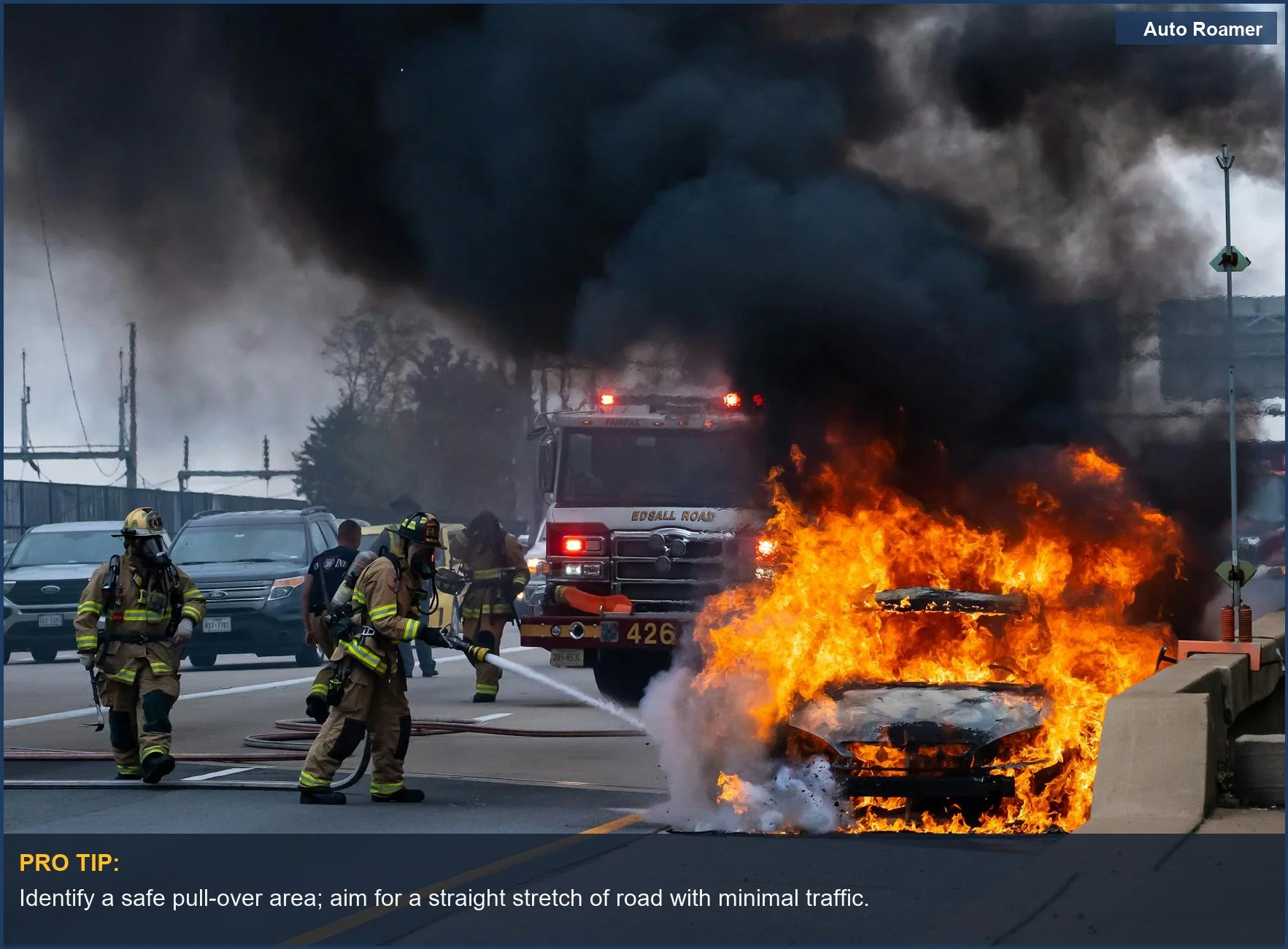
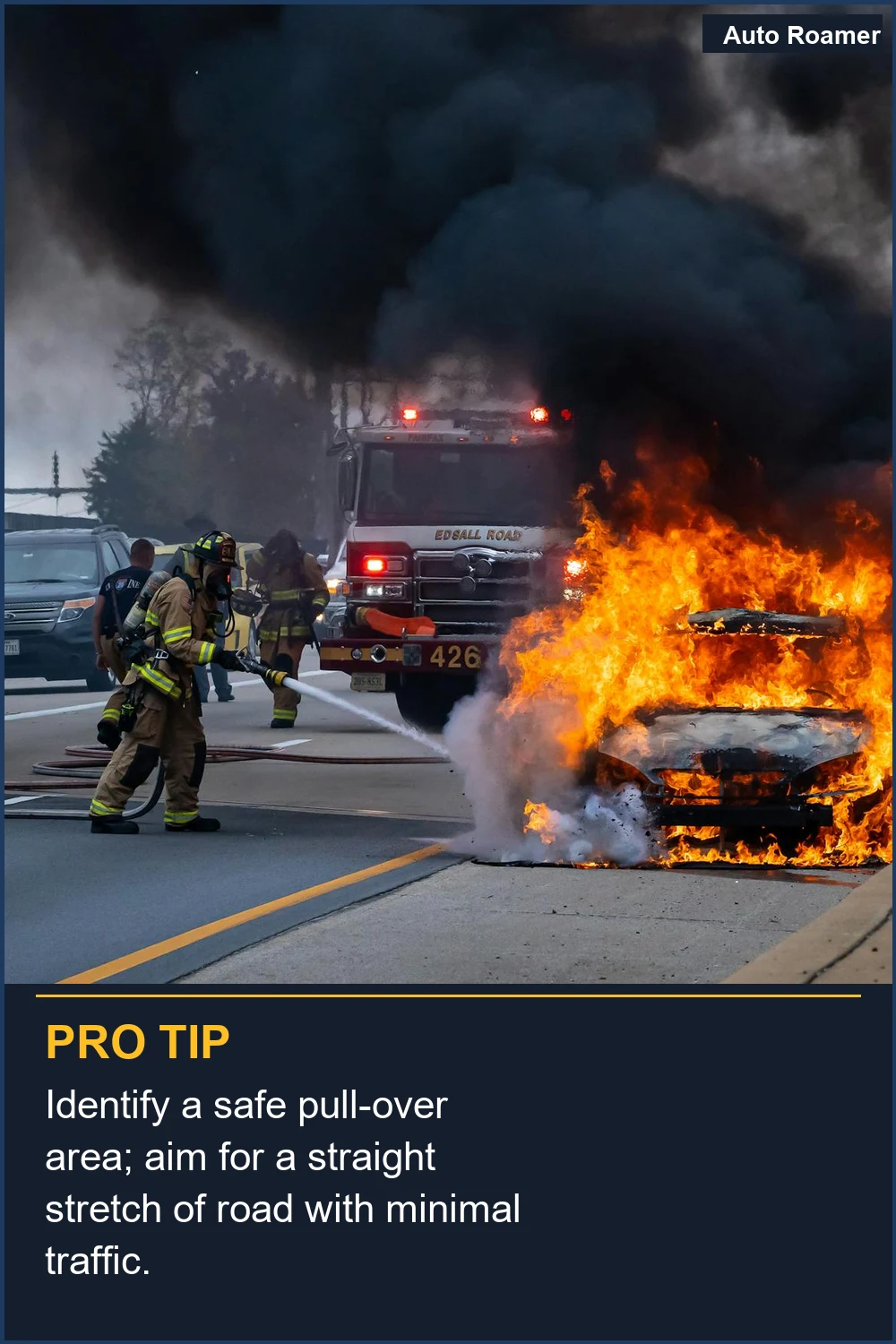
When considering how to safely pull over on the highway, we must prioritize safety for ourselves and fellow drivers. First, it is crucial to identify a suitable location to pull over. We recommend looking for a straight stretch of road with minimal traffic, ideally in an area that is well marked and allows for ample distance from the travel lanes. According to CKF Law, we should aim to pull off as far to the right as possible and, if available, utilize designated emergency lanes.
Before pulling over, we need to signal our intentions clearly. Use your turn signal well in advance to alert drivers behind us. This practice is not only courteous but can also help prevent accidents. As we gradually slow down, we should activate our hazard lights to increase visibility, as recommended by Starfleet Trucking. This alerts other drivers that we are experiencing an issue and advises them to proceed with caution.
Once we have successfully pulled over, we must remain in the vehicle if it is safe to do so, particularly if we are on a busy highway. Exiting a vehicle can expose us to dangers from oncoming traffic. If we need to get out, we should check our surroundings carefully, ensuring that it is safe to do so.
Additionally, we should be aware of the risks associated with being on the shoulder. According to NHTSA, if we see emergency vehicles or roadside assistance, we should move over if possible or slow down significantly. This not only protects us but also the responders working on the highway. By adhering to these safety considerations, we can significantly reduce the risk while learning how to safely pull over on the highway.
Common Mistakes to Avoid
When learning how to safely pull over on the highway, we often encounter common mistakes that can jeopardize our safety and the safety of others. One major mistake is failing to signal our intention to pull over. Always use turn signals well in advance to alert other drivers. This not only helps them adjust their speed but also reduces the chances of a rear-end collision, which is a frequent hazard on highways. According to the 16 Rules of the Road, signaling is crucial for safe driving.
Another common error is not pulling over far enough to the right. We recommend getting as far off the road as possible, ideally onto the shoulder or emergency lane. This minimizes the risk of being struck by passing vehicles. If you cannot get far off the road, slow down significantly and use your hazard lights to alert other drivers of your presence, as advised by CKF Law.
Additionally, many drivers mistakenly neglect to check their surroundings before pulling over. It is essential to look for other vehicles, especially large trucks and motorcycles, as they may not have the same visibility. Always be aware of your blind spots to ensure a safe maneuver. Lastly, some drivers fail to remain calm and patient during a pull-over situation, which can lead to erratic driving behavior. By avoiding these common mistakes, we can enhance our safety and that of others on the highway.
Final Thoughts
In conclusion, understanding how to safely pull over on the highway is a crucial skill that can significantly reduce the risk of accidents and ensure the safety of both drivers and passengers. As we navigate our busy roads, we recommend that all drivers familiarize themselves with the essential steps of pulling over. This includes signaling your intentions well in advance, gradually slowing down, and moving as far to the right as possible to clear the traffic lanes. According to the National Highway Traffic Safety Administration, using hazard flashers when pulling over can alert other drivers, promoting safer interactions on the highway.
It is also vital to remain calm and respectful during any traffic stop, following the instructions of law enforcement officers to ensure everyone's safety. As highlighted in the Traffic Stop Guide, maintaining a compliant attitude can prevent misunderstandings and promote a smoother experience. Additionally, keeping your vehicle well-maintained can help to avoid breakdowns, which often necessitate a pull-over situation.
Lastly, staying informed about the rules of the road, such as those detailed in the 16 Rules of the Road, can empower us to make safer choices while driving. By implementing these strategies, we can confidently navigate highway travel, ensuring we know how to safely pull over on the highway when necessary.