
What to Do If Your Car Runs Out of Gas on the Road
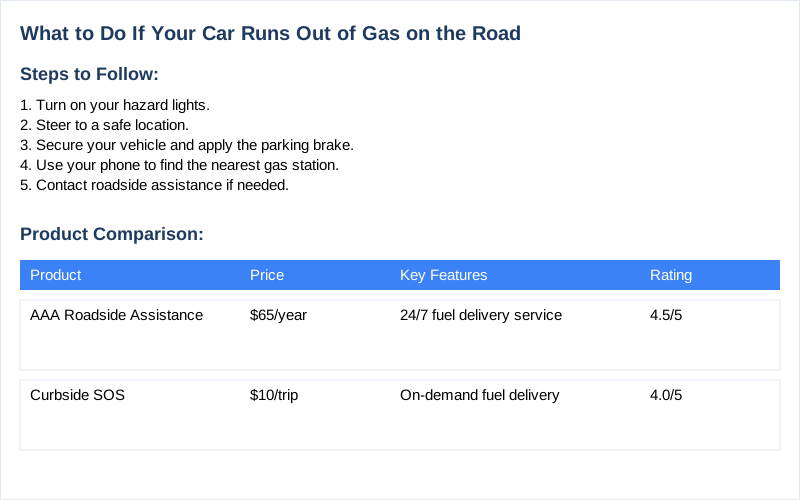
If your car ran out of gas on the road, first ensure your safety by pulling over to the right side. Turn on your hazard lights and stay inside your vehicle. If you're in a safe location, you can walk to find fuel or call for roadside assistance. Remember, it typically takes about 30-60 minutes for help to arrive, depending on your location.
Introduction
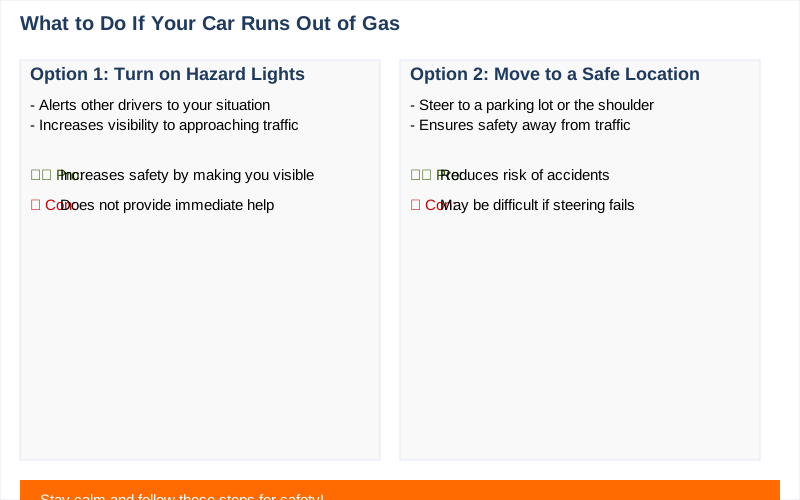
If your car ran out of gas on the road, it can be a stressful and potentially dangerous situation. Knowing how to respond can make a significant difference in ensuring your safety and getting back on your way. First and foremost, we recommend turning on your vehicle's hazard lights to alert other drivers that you are in distress. This simple action can help prevent accidents, as it makes your vehicle more visible to approaching traffic (NJM).
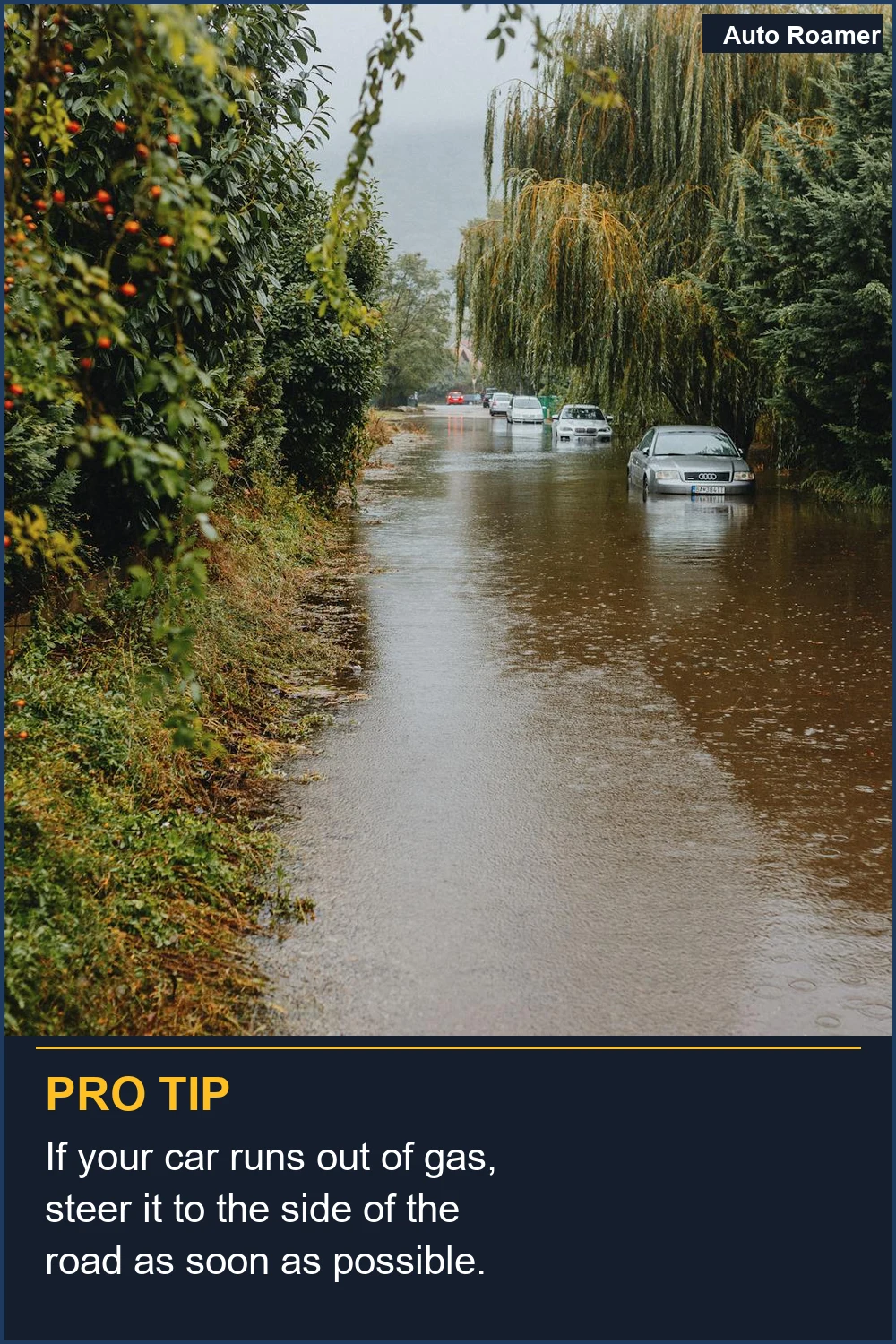
Next, if possible, steer your car to a safe location such as a parking lot or the right shoulder of the road, ensuring you are as far away from moving traffic as possible. It's important to remember that when your vehicle runs out of gas, steering and braking can become more challenging, so maneuvering carefully is crucial (Firestone). Once you have stopped, put your car in park and apply the parking brake to prevent any unintended movement.
After securing your vehicle, we recommend using your cell phone to determine your exact location and find the nearest gas station. If you are unable to reach a gas station, consider contacting roadside assistance services, which can deliver fuel directly to you. Many services, such as AAA, offer gas delivery as part of their roadside assistance plans (Curbside SOS).
In the unfortunate event that you cannot get help, don't hesitate to call a friend or use a ride-sharing service to get to a gas station. Being stranded can be daunting, but staying calm and following these steps will help ensure your safety and a swift return to the road.
Quick Answer
If your car ran out of gas while on the road, the first step is to remain calm and prioritize safety. We recommend pulling over to the right side of the road as soon as possible. Turn on your hazard lights immediately to alert other drivers that your vehicle is stationary and potentially in distress. This is crucial, as it helps prevent accidents and keeps you safe. It's important not to attempt to coast to the nearest gas station; doing so could damage your engine and create additional problems Source.
Once your vehicle is safely off the road, we advise putting the car in park and applying the parking brake. If you're in a high-traffic area or feel unsafe, it's best to stay inside your vehicle until help arrives Source. If you have a cell phone, use it to determine your location and find the nearest gas station. You can also call roadside assistance, which can deliver fuel directly to you. Many services, like AAA, offer this for a fee, which generally ranges from $25 to $75 depending on your membership level and location.
If roadside assistance isn't an option, consider calling a friend or using a ride-sharing service to get to a gas station. If you cannot use your phone, look for nearby businesses or ask passing motorists for help. Remember, your safety is the priority, so if you're in a dangerous situation, do not hesitate to seek assistance Source.
What You Need to Know
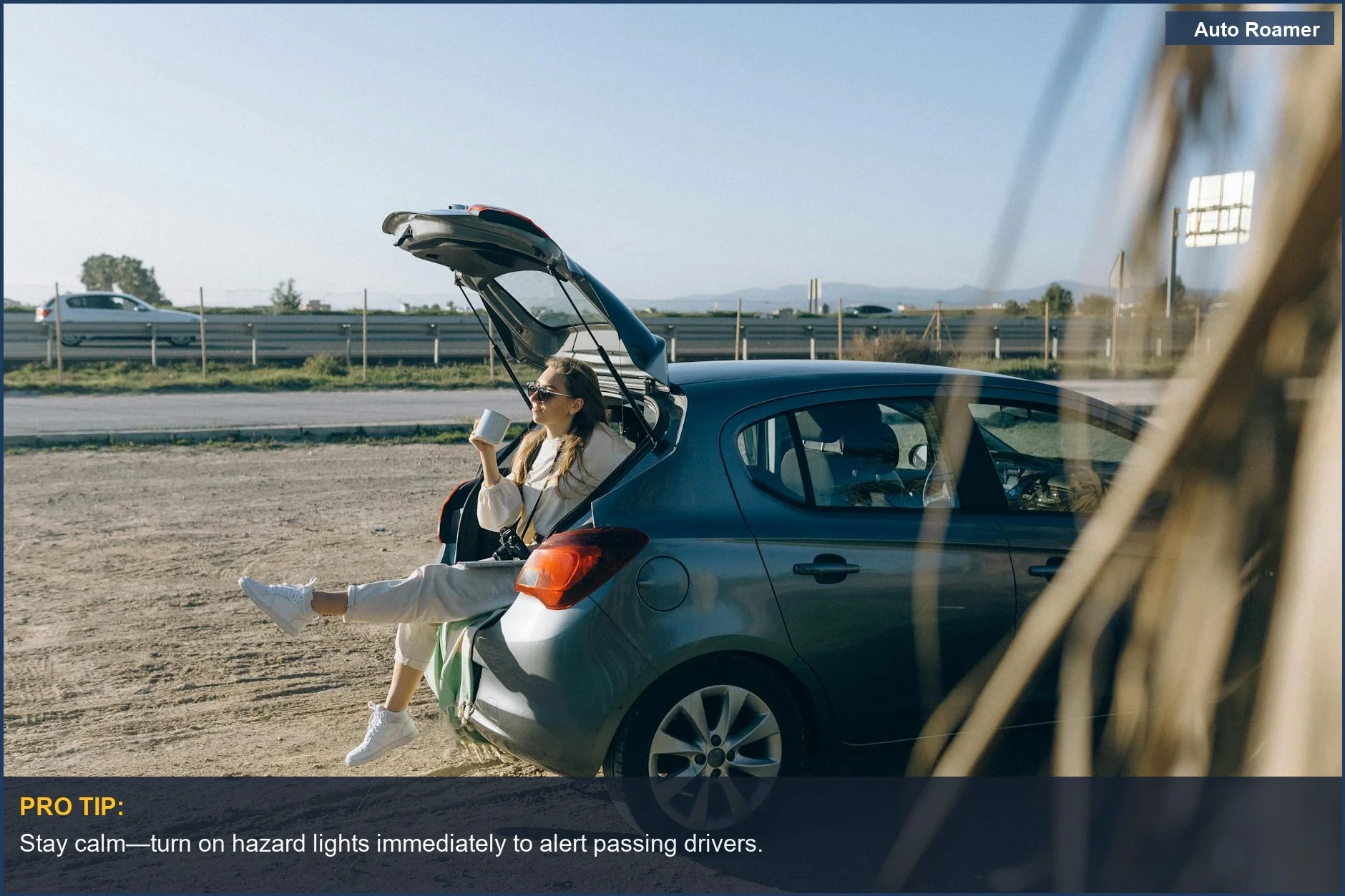
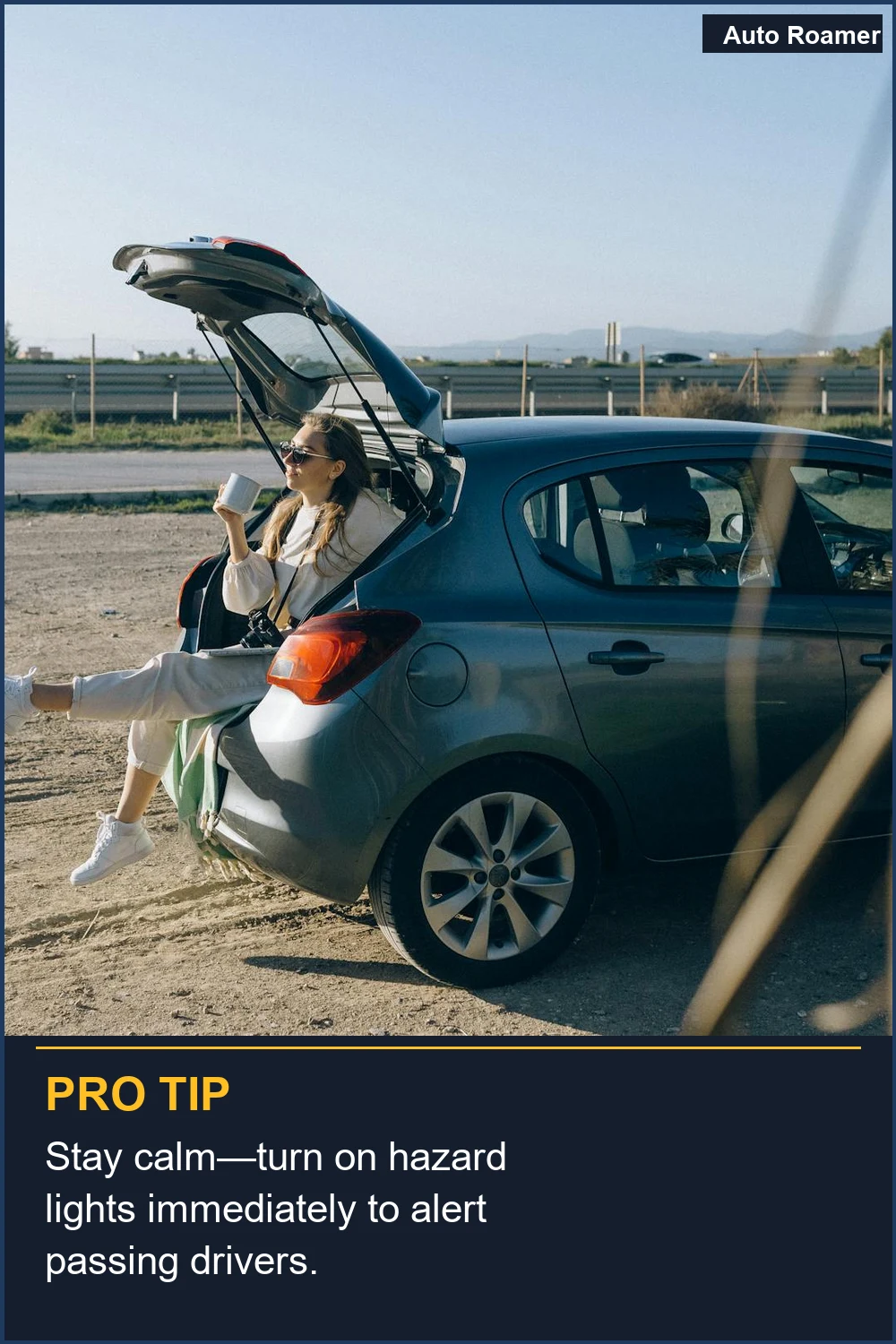
If your car runs out of gas on the road, the first step is to ensure your safety. We recommend turning on your hazard lights immediately to alert other drivers that you are experiencing an issue. This is crucial, especially if you're on a busy highway. If possible, guide your vehicle to the right shoulder or a safe area such as a parking lot. If you can't move your vehicle safely, stay inside it with your seatbelt fastened and wait for assistance, as leaving your vehicle can put you at risk from passing traffic NJM.
Once your vehicle has come to a stop, put it in park and engage the parking brake. This helps prevent any unintended movement. Now is the time to assess your situation. We recommend using your cell phone's GPS to determine your exact location and find the nearest gas station. If you have roadside assistance coverage, such as through AAA, consider calling them for help. They can deliver fuel directly to you, saving you the stress of trying to reach a gas station on foot Curbside SOS.
If you're unable to get assistance or if your phone is dead, you might need to flag down a passing vehicle for help or walk to the nearest gas station cautiously. However, it's important to consider your surroundings; if you're in an unsafe area, it's best to wait for help to arrive instead of leaving your vehicle The Auto Doc. Remember, running out of gas can happen to anyone, so staying calm and following these steps can help you manage the situation safely.
Step-by-Step Guide
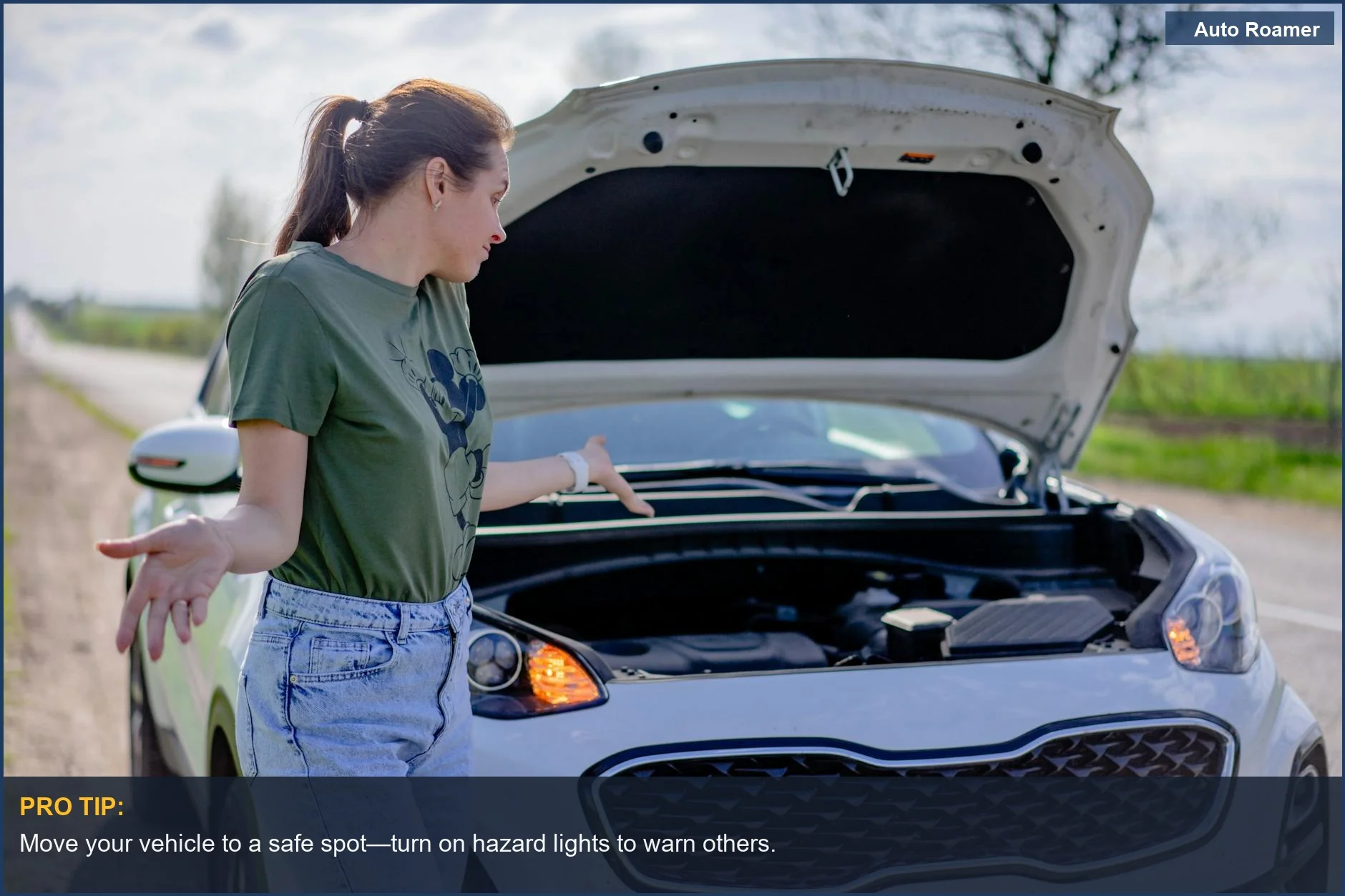
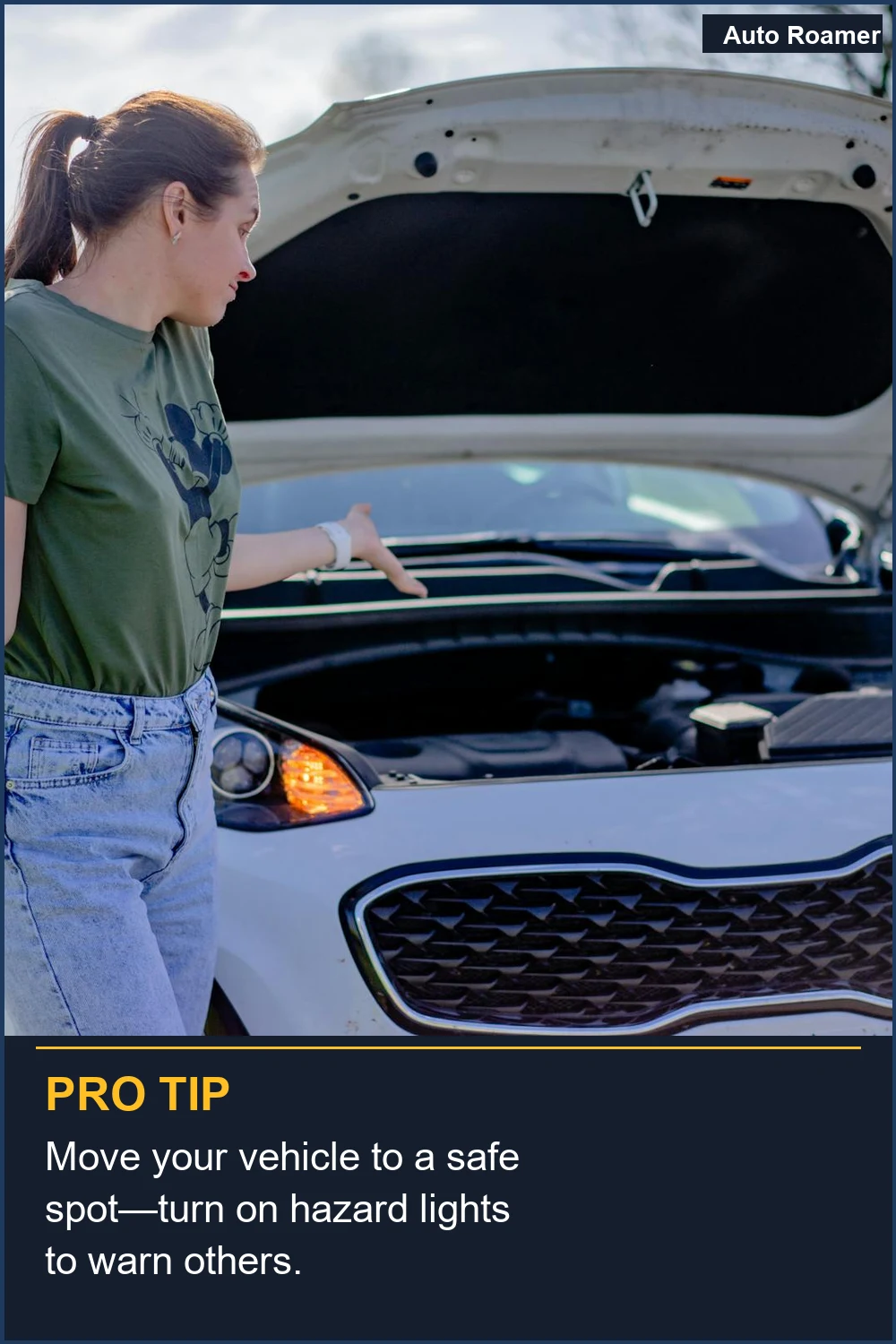
If we find ourselves in a situation where our car ran out of gas, there are specific steps we should follow to ensure our safety and get back on the road. First, as soon as we notice that our gas tank is empty, we should turn on our vehicle's hazard lights to alert other drivers of our situation. This is crucial, especially if we are stranded on a busy road or highway (NJM).
Next, we should carefully maneuver our vehicle to the side of the road or a safe area, such as a parking lot. It is essential to pull over as far to the right as possible to minimize the risk of an accident. Once stopped, we must put the vehicle in park and apply the parking brake to prevent any rolling (Curbside SOS).
Now that we are safely stopped, we can assess our options. If we have a cell phone, we can use GPS to find the nearest gas station or call for roadside assistance. Many services, like AAA, can deliver a few gallons of gas to us for a fee. Alternatively, if we have a friend nearby, we might ask them for a ride to the nearest station. If neither option is viable, we can consider calling a ride-sharing service like Uber or Lyft to get to a gas station (Sullivan Tire).
If we do not have a cell phone or are unable to call for help, we should remain in the car with our seatbelt fastened until help arrives. Leaving the vehicle can expose us to danger, especially if we are on a busy road. Remember, while it might be tempting to try to coast to the nearest station, this can cause damage to our vehicle's engine (Firestone Complete Auto Care). Following these practical steps can help us navigate the stressful situation of running out of gas safely and efficiently.
Safety Considerations
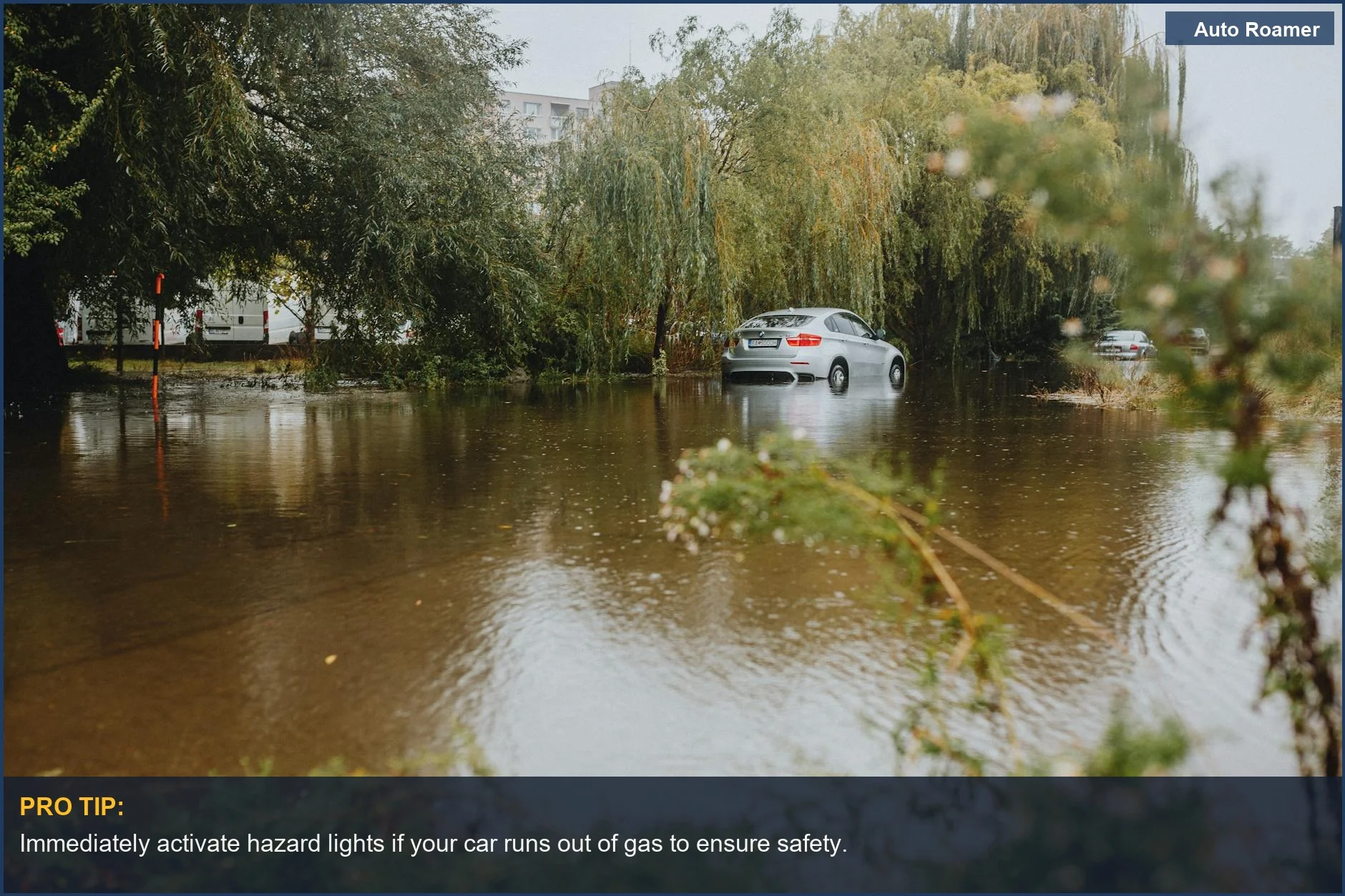
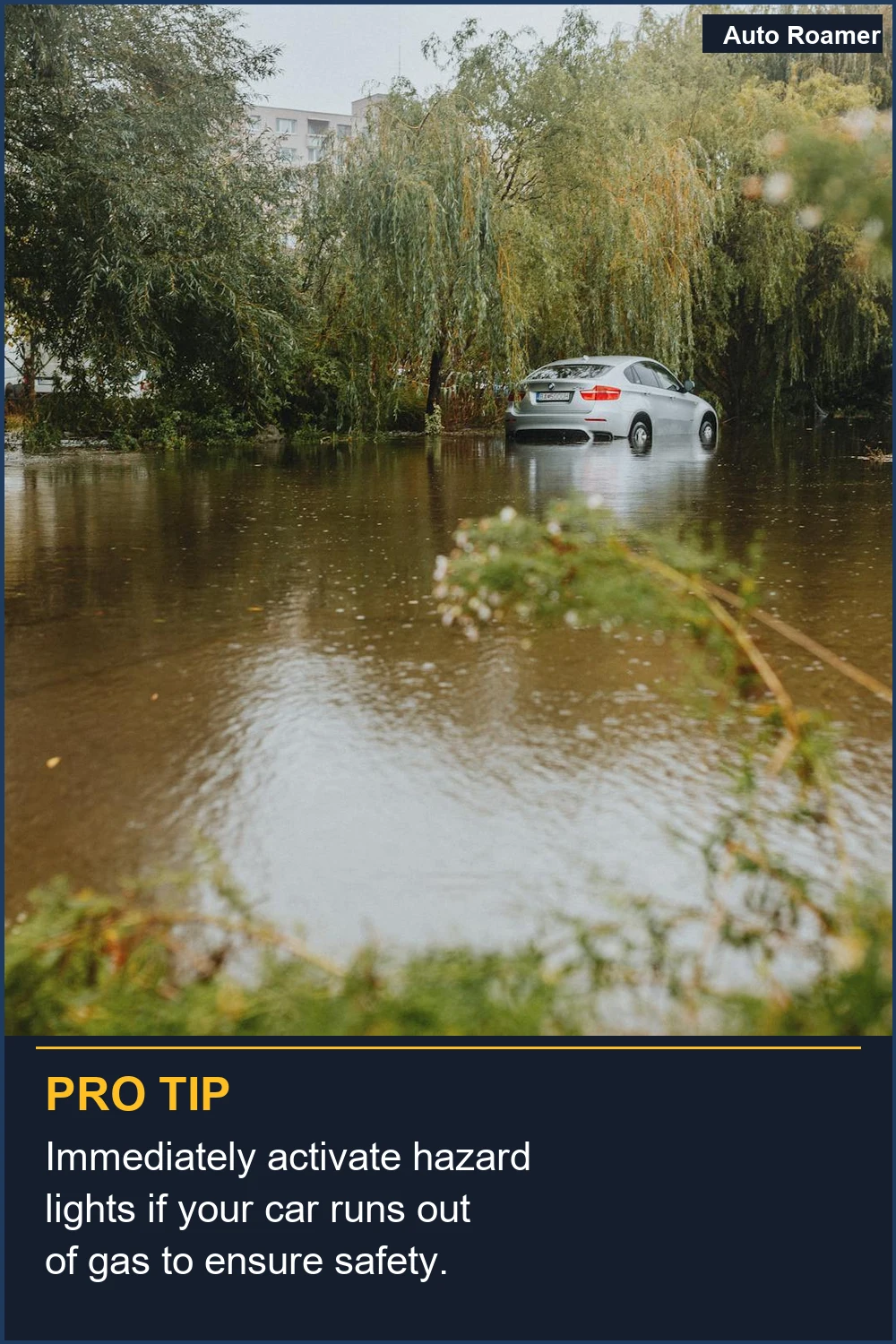
When our car runs out of gas on the road, safety should be our top priority. First and foremost, we recommend turning on our hazard lights immediately. This action alerts other drivers that we are experiencing an issue and need extra caution as they pass by. If possible, we should steer the vehicle to the right shoulder of the road, as this is typically the safest spot, away from moving traffic. If we cannot reach the shoulder, we should pull over as far to the side as we can to minimize the risk of an accident (NJM).
Once the vehicle is safely stopped, we must remember that our brakes may feel heavier and steering can be more difficult, as described by Firestone. Therefore, we should engage the parking brake and put the vehicle in park to prevent it from rolling. If we find ourselves stranded in an unsafe area, we should avoid leaving the vehicle unless absolutely necessary. It's usually safer to wait for assistance, as wandering too far from the car can expose us to additional dangers (Curbside SOS).
In this situation, we can utilize our cell phones to check our GPS for our location and the nearest gas station. If we have roadside assistance, we should call for help; many services, like AAA, can deliver fuel directly to us (Sullivan Tire). If we can't get immediate assistance, consider contacting a friend or using a ride-sharing service to reach a gas station. By taking these precautions, we can ensure our safety and minimize the stress associated with running out of gas.
Common Mistakes to Avoid
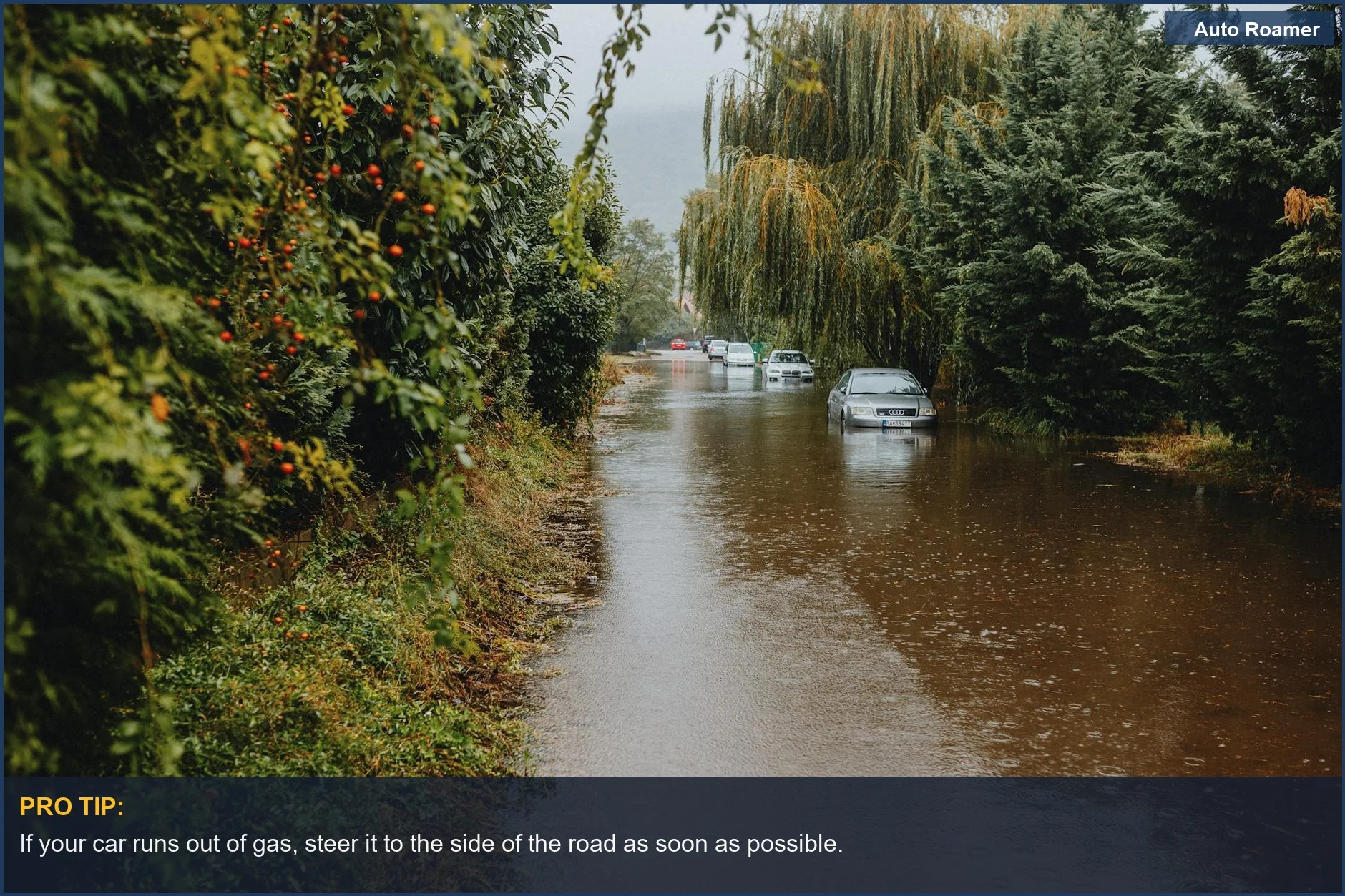
When our car runs out of gas, we often make several common mistakes that can exacerbate the situation. One major error is neglecting to turn on our hazard lights immediately after the vehicle stops. This simple step increases our visibility and alerts other drivers to our predicament, allowing them to steer clear and avoid potential accidents. Failure to do this can put ourselves and our vehicle at risk on the roadside Source.
Another mistake we might make is attempting to coast to the nearest gas station. While it may seem like a good idea to save time and effort, coasting can lead to significant engine damage. Instead, we should pull over to the side of the road as safely as possible and turn off the engine. This will prevent further complications, especially since steering and braking can become more difficult when the vehicle runs out of gas Source.
Additionally, some of us may choose to leave the car to walk to the nearest gas station. While this might seem like a practical solution, it can be dangerous, especially if we are stranded in an unsafe area. We recommend staying with the vehicle and calling for roadside assistance instead. Many services can deliver gas directly to our location, sparing us the hassle of walking long distances Source.
Lastly, we should avoid driving on empty as a regular practice. Regularly checking our fuel gauge and refueling before reaching the "E" mark can help prevent such a stressful situation. By being proactive, we can minimize the likelihood of experiencing the dilemma of "what to do if our car runs out of gas on the road."
Final Thoughts
Running out of gas can be a daunting experience, but knowing what to do can make a significant difference in how quickly and safely you can get back on the road. First and foremost, we recommend that as soon as your car runs out of gas, you activate your hazard lights to alert other drivers of your situation. This is crucial for your safety, especially if you find yourself on a busy road or highway. Pull your vehicle over to the right shoulder or as far off the road as possible to prevent any potential accidents Source.
Once you have safely stopped, it's essential to remain calm and assess your options. If you have a smartphone, use it to determine your exact location and find the nearest gas station. Many modern vehicles come equipped with GPS systems that can assist you in locating fuel quickly Source. If you cannot get to a gas station on foot, consider calling for roadside assistance, which can deliver a few gallons of fuel directly to you. Services like AAA are popular for this purpose and can save you time and hassle Source.
While waiting for assistance, it is advisable to stay in your vehicle if you are in an unsafe area. Leaving your car can expose you to unnecessary risks, especially in high-traffic zones. If you find yourself in a remote area and feel comfortable doing so, you might consider walking to the nearest gas station, but only if the distance is manageable and safe Source.
In conclusion, if your car ran out of gas, remember to prioritize safety first by pulling over and using your hazard lights. Assess your location, call for help, and avoid taking unnecessary risks. With the right steps, you can turn a stressful situation into a manageable one. Always keep a roadside assistance number handy, and consider carrying a spare gas can in your trunk to prevent future mishaps.