
How to Jump Start a Car with Another Car Step by Step
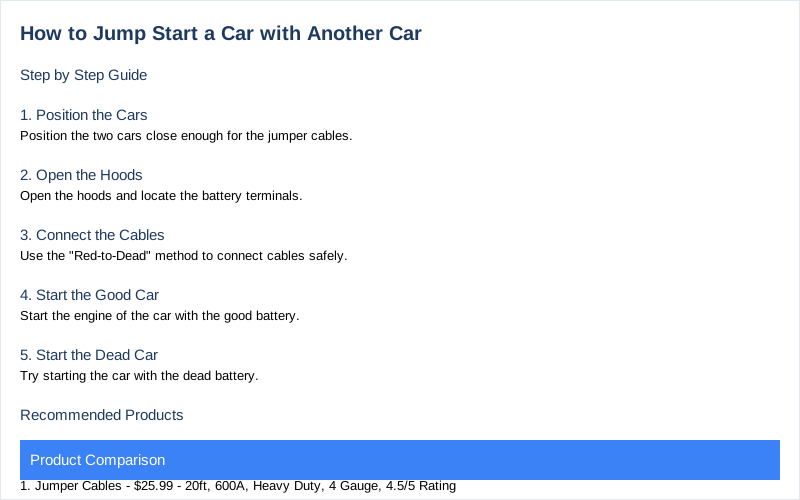
To jump start a car, park the working vehicle close to the one with a dead battery, ensuring the batteries are within 2-3 feet of each other. Connect the red jumper cable to the positive terminal of the dead battery first, then to the good battery. Next, attach the black cable to the good battery and the other end to a grounded metal surface on the dead car. Start the working car and let it run for a few minutes before attempting to start the dead vehicle.
Introduction
A dead car battery can be a frustrating experience, especially at the most inconvenient times. One moment you are ready to hit the road, and the next, you're left waiting for assistance. Learning how to jump start a car is not only a valuable skill for every driver, but it can also save you time and money in emergency situations. Whether you are faced with a dead battery due to leaving your headlights on overnight or the cold weather affecting your battery's performance, knowing the correct procedure can make all the difference.
In this guide, we will walk you through each step to safely jump start a car with another vehicle. We recommend starting by positioning the two cars close enough so that the jumper cables can reach both batteries, but be cautious to avoid letting the vehicles touch. This is crucial, as it helps prevent any potential electrical shorts between the two cars. According to Kelley Blue Book, you should always begin by opening the hoods of both vehicles and locating the positive and negative battery terminals.
Moreover, it's essential to remember that improper connections can lead to serious damage or even personal injury. Following a specific sequence is vital; we suggest using the "Red-to-Dead" method: connecting the red cable to the dead battery first, followed by the good battery, then the negative cable to the good battery, and finally connecting the last negative clamp to an unpainted metal part of the dead car's engine. This method not only ensures a safe jump start but also minimizes the risk of sparks near the battery, as highlighted by Allstate.
By following these steps, you can confidently jump start a car and get back on the road quickly. Let's dive into the detailed procedures to make sure you're well-prepared for any roadside emergencies.
Quick Answer
To jump start a car, we recommend following a step-by-step process to ensure safety and effectiveness. First, park the car with the good battery close to the car with the dead battery, ensuring that the vehicles do not touch each other. Then, open the hoods of both cars and locate their batteries. Identify the positive (usually marked with a red cover) and negative terminals (often black) on both batteries.
Next, take your jumper cables. We advise using a good quality set, which can range from $20 to $50 at most auto parts stores. Start by connecting one end of the red (positive) jumper cable to the positive terminal of the dead battery. Then, connect the other end of the red cable to the positive terminal of the good battery. After that, attach one end of the black (negative) cable to the negative terminal of the good battery. The crucial final step is to connect the other end of the black cable to an unpainted metal surface on the engine block of the dead car. This helps to ground the connection and reduces the risk of sparks near the battery Kelley Blue Book.
Once the cables are securely connected, start the engine of the car with the good battery and let it run for a few minutes. Then, attempt to start the dead car. If it doesn't start immediately, wait a few more minutes and try again. Once the dead car is running, carefully disconnect the cables in the reverse order of how you connected them: black cable from the unpainted metal, black from the good battery, red from the good battery, and finally red from the dead battery The Red News.
Remember to keep both vehicles running for several minutes to allow the dead battery to charge. It's essential to follow these steps carefully to avoid any potential hazards or damage to the vehicles involved.
What You Need to Know
Jump starting a car is a skill every driver should master, as it can save you time and hassle when faced with a dead battery. To jump start a car safely and effectively, we recommend following a step-by-step procedure that ensures both cars are protected from potential damage. First, park the vehicle with a good battery close enough to the one needing a jump, making sure they do not touch. Open the hoods of both cars and locate the battery terminals. Typically, the positive terminal is marked with a "+" sign, while the negative terminal is marked with a "-" sign.
Next, we need to connect the jumper cables in the correct sequence to avoid any electrical mishaps. Start by attaching one end of the red jumper cable to the positive terminal of the dead battery. Then, connect the other end of the red cable to the positive terminal of the good battery. Following that, take the black jumper cable and attach one end to the negative terminal of the good battery. Finally, instead of connecting the other end to the negative terminal of the dead battery, we recommend connecting it to an unpainted metal surface on the dead car's engine. This helps minimize the risk of sparks near the battery, which can be hazardous.
Once all connections are secure, start the engine of the car with the good battery and allow it to run for a few minutes. Afterward, try starting the dead car. If it starts successfully, let it run for a while to recharge the battery. If not, double-check your connections and try again. Be cautious and always consult professional resources for detailed guidelines on how to jump start a car, such as those provided by Kelley Blue Book and The Red News. This step-by-step process not only ensures safety but also increases the chances of a successful jump start.
Step-by-Step Guide
To jump start a car safely and effectively, we recommend following these detailed steps:
-
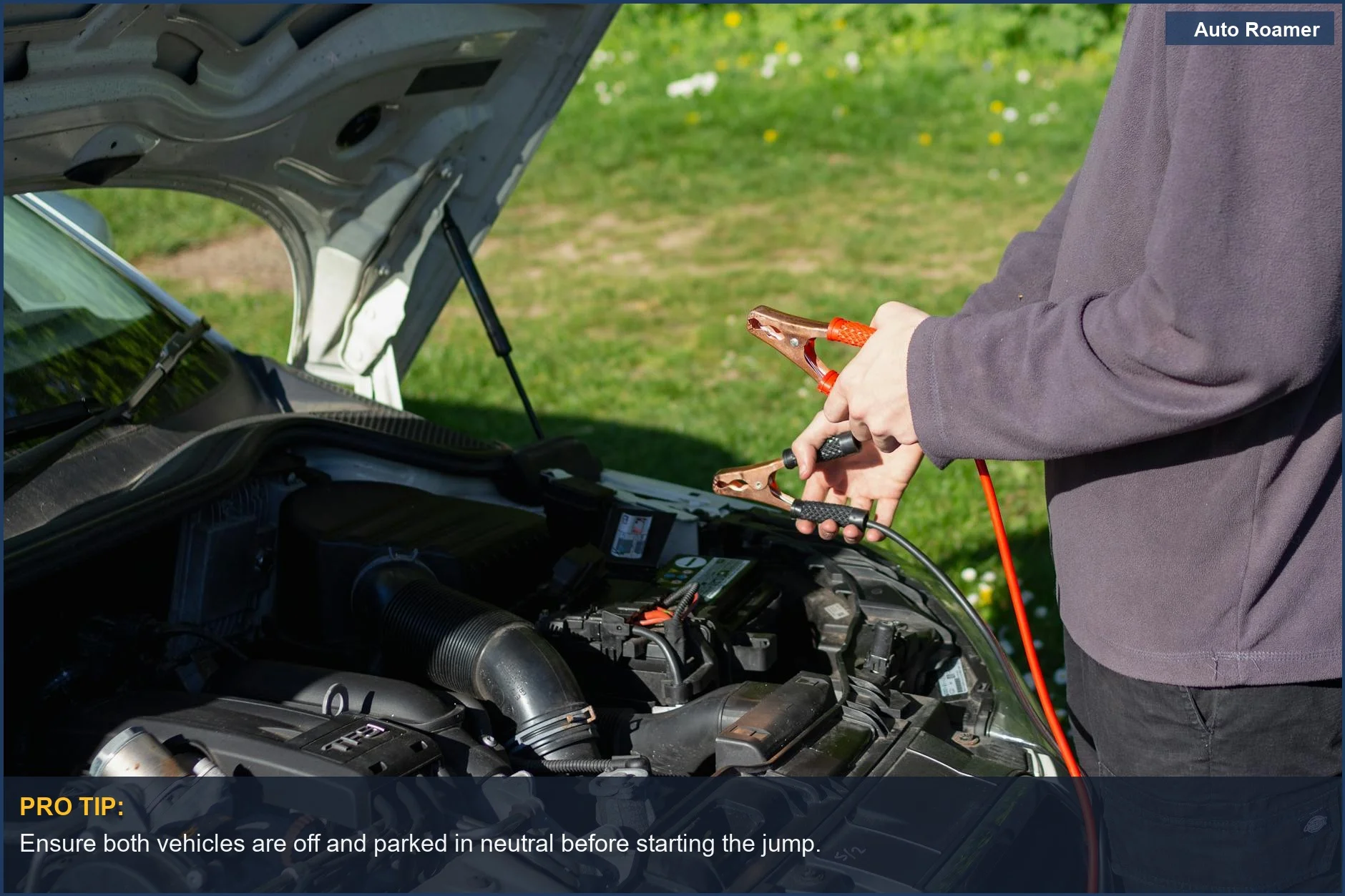
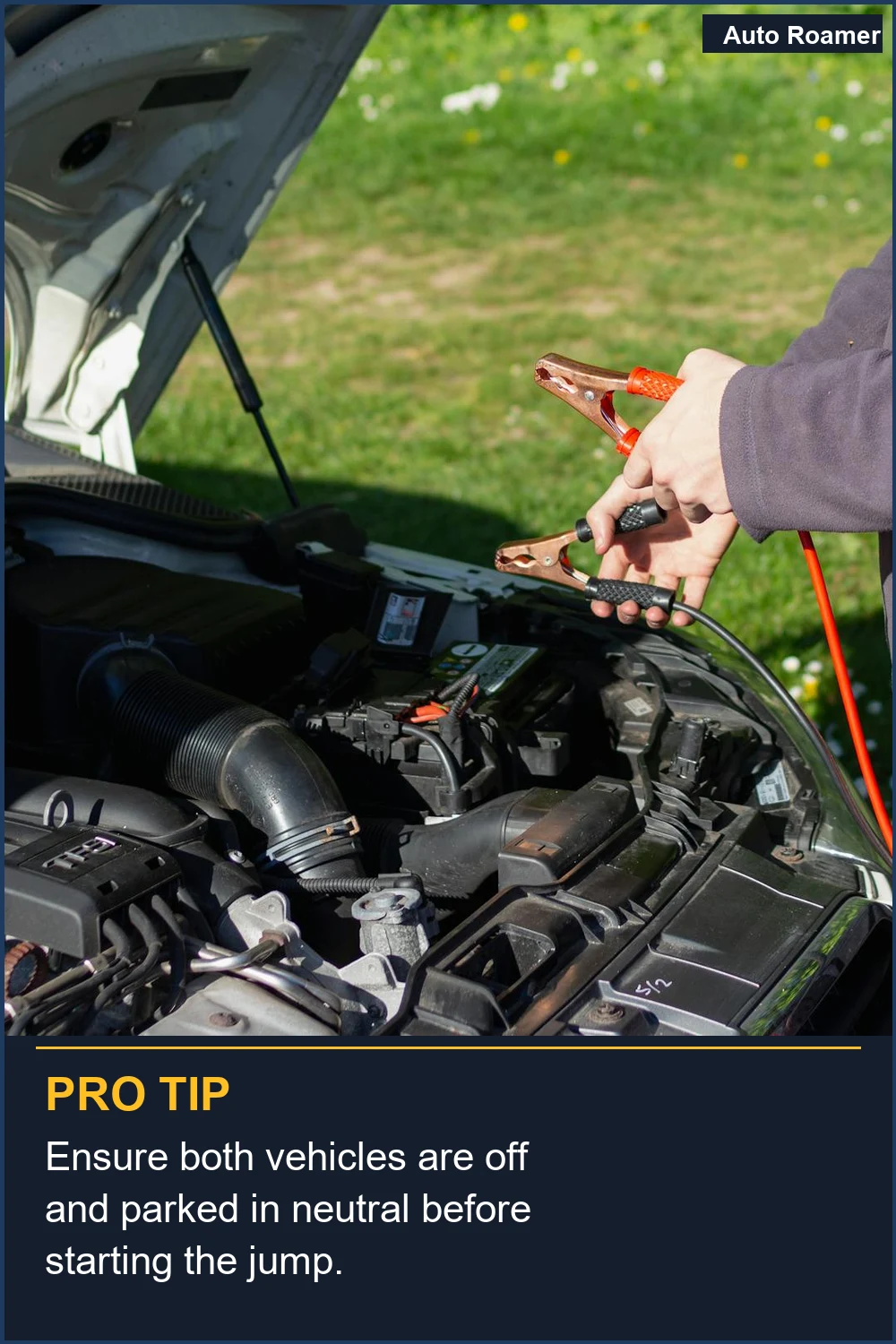
Prepare the Vehicles: Park the vehicle with the good battery close to the one needing a jump start, ensuring they do not touch. Turn off both engines and any electronic devices to prevent electrical surges while connecting the jumper cables. Open the hoods of both vehicles and locate the batteries and their terminals.
-
Identify the Terminals: Each battery has two terminals: positive (usually marked with a "+" sign and often red) and negative (marked with a "-" sign and typically black). Confirm that you can easily access these terminals without obstruction.
-
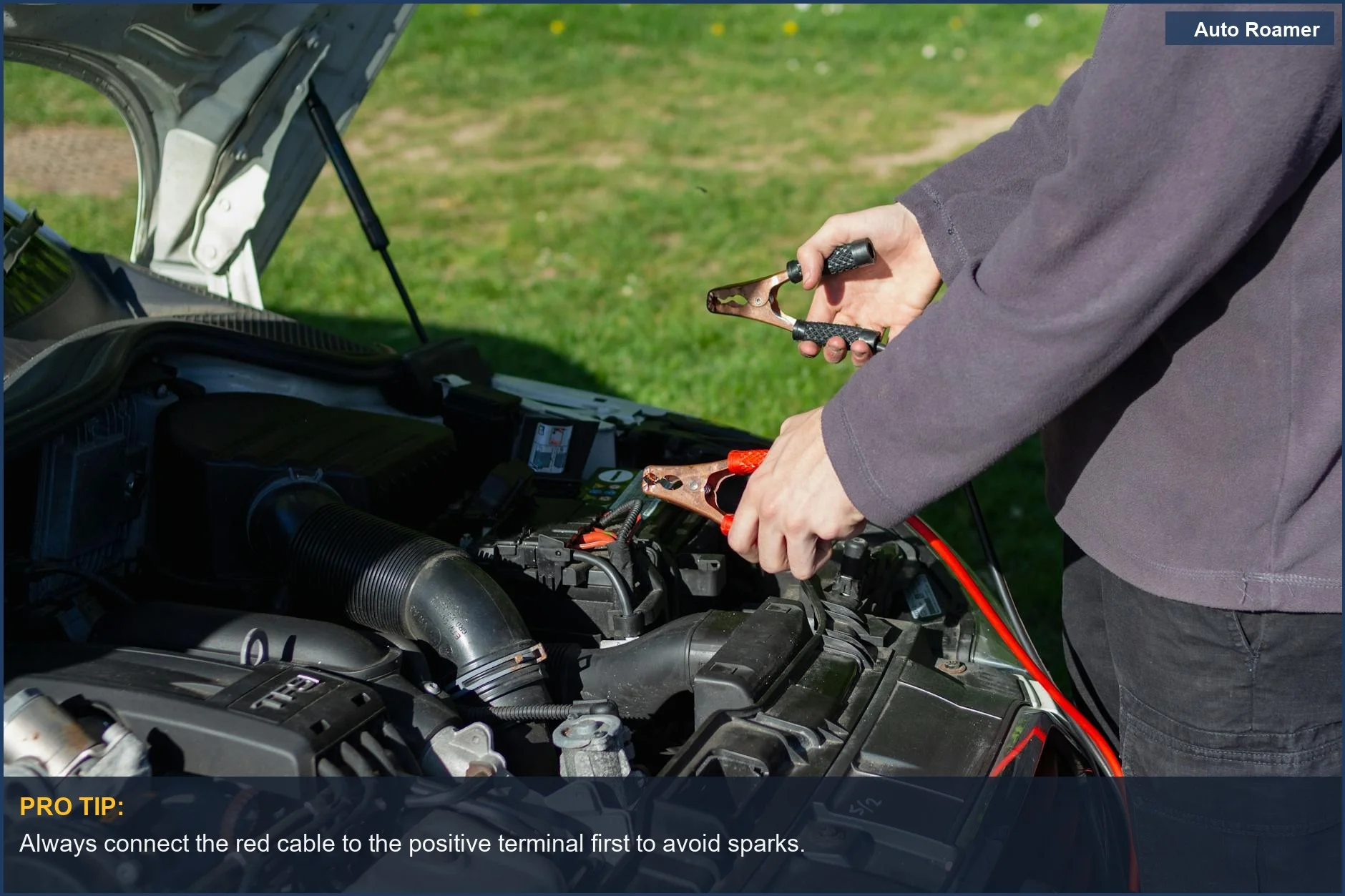
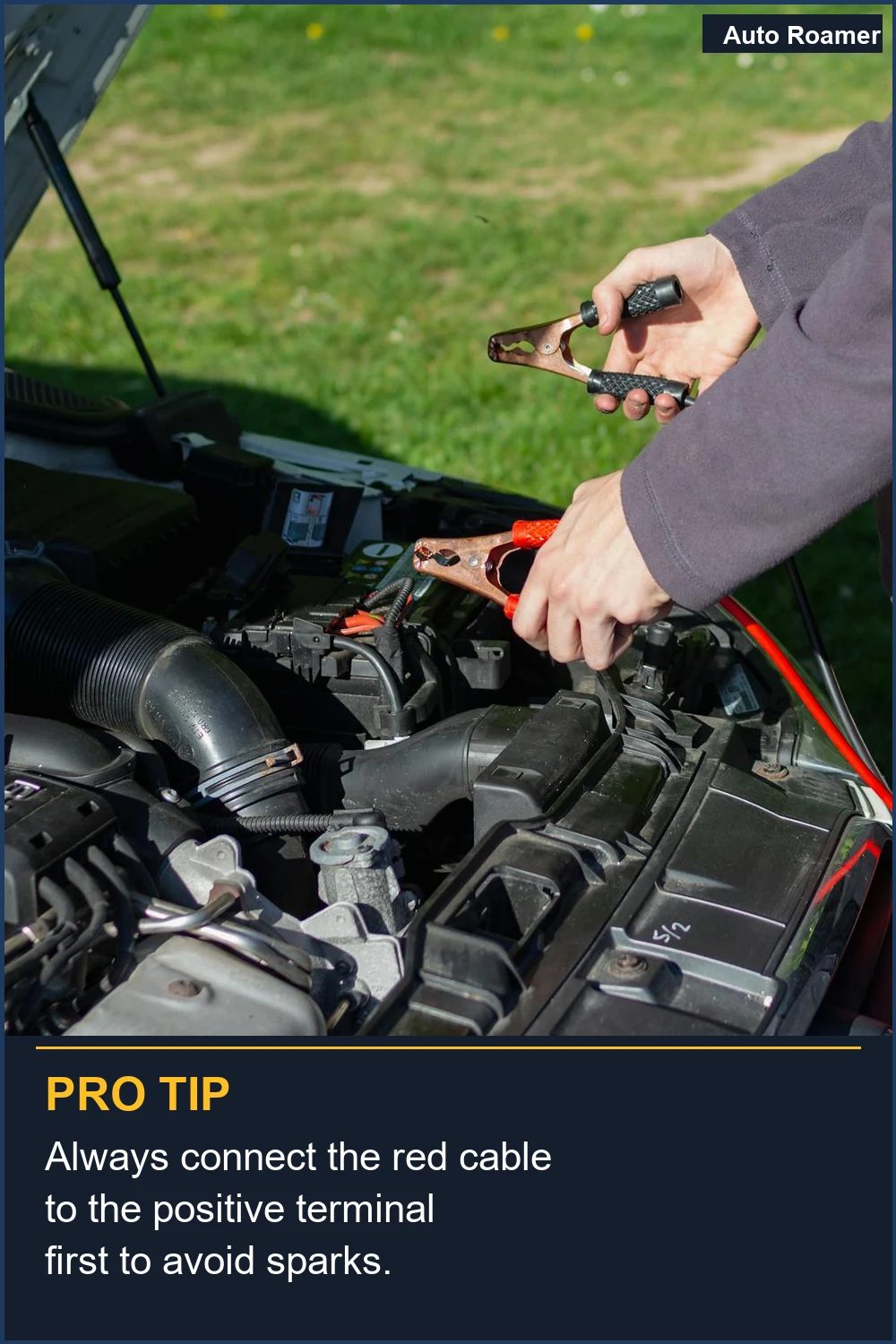
Connect the Jumper Cables: Begin by connecting the red (positive) jumper cable to the positive terminal of the dead battery. Next, attach the other end of the red cable to the positive terminal of the good battery. This step is crucial, as it creates a circuit that allows current to flow from the charged battery to the dead one Kelley Blue Book.
-
Attach the Negative Cables: Now, connect the black (negative) jumper cable to the negative terminal of the good battery. For the final connection, instead of attaching it to the negative terminal of the dead battery, we recommend securing it to an unpainted metal surface on the engine block or chassis of the dead car. This reduces the risk of sparks near the battery The Red News.
-
Start the Working Vehicle: Start the engine of the vehicle with the good battery and let it run for a few minutes. This allows the dead battery to charge.
-
Start the Dead Vehicle: After a few minutes, attempt to start the dead vehicle. If it doesn't start, wait a few more minutes and try again.
-
Disconnect the Cables Safely: Once the dead car is running, carefully disconnect the cables in the reverse order of how you connected them: black cable from the unpainted metal, black cable from the good battery, red cable from the good battery, and finally red cable from the dead battery. Make sure the cables do not touch each other during this process Toyota of Louisville.
-
Allow the Jumped Vehicle to Run: Let the jumped car run for at least 15-30 minutes to recharge the battery sufficiently before turning it off again.
By following these steps, we can jump start a car effectively while minimizing risks. Remember, safety first!
Safety Considerations
When learning how to jump start a car, safety should always be our top priority. Jump starting a vehicle involves working with electrical systems, and improper handling can lead to serious injuries or damage to both cars. To ensure a safe jump start, we recommend following these important safety considerations.
First, always wear protective eyewear. The risk of battery acid splashes or sparks is a real concern, and eye protection will help safeguard against potential injuries. Additionally, make sure both vehicles are turned off before connecting the jumper cables. This prevents any electrical surge that could harm the car's systems or cause battery damage Allstate.
Next, we should ensure that the jumper cables are in good condition. Inspect the cables for any fraying or damage before use. Using damaged cables can increase the risk of sparks or even battery explosion during the jump start process. When connecting the cables, we must follow the correct order: connect the positive (red) cable to the dead battery first, then the positive end to the good battery. After that, connect the negative (black) cable to the good battery and finally to an unpainted metal surface on the dead car's engine The Red News.
Finally, we should avoid letting the two vehicles touch each other during the process. If the vehicles make contact, it can create a short circuit, leading to electrical failures or even fires. Once the jump is complete, allow the dead vehicle to run for a few minutes before disconnecting the cables in reverse order. Following these precautions will help ensure a smooth and safe experience when we jump start a car.
Common Mistakes to Avoid
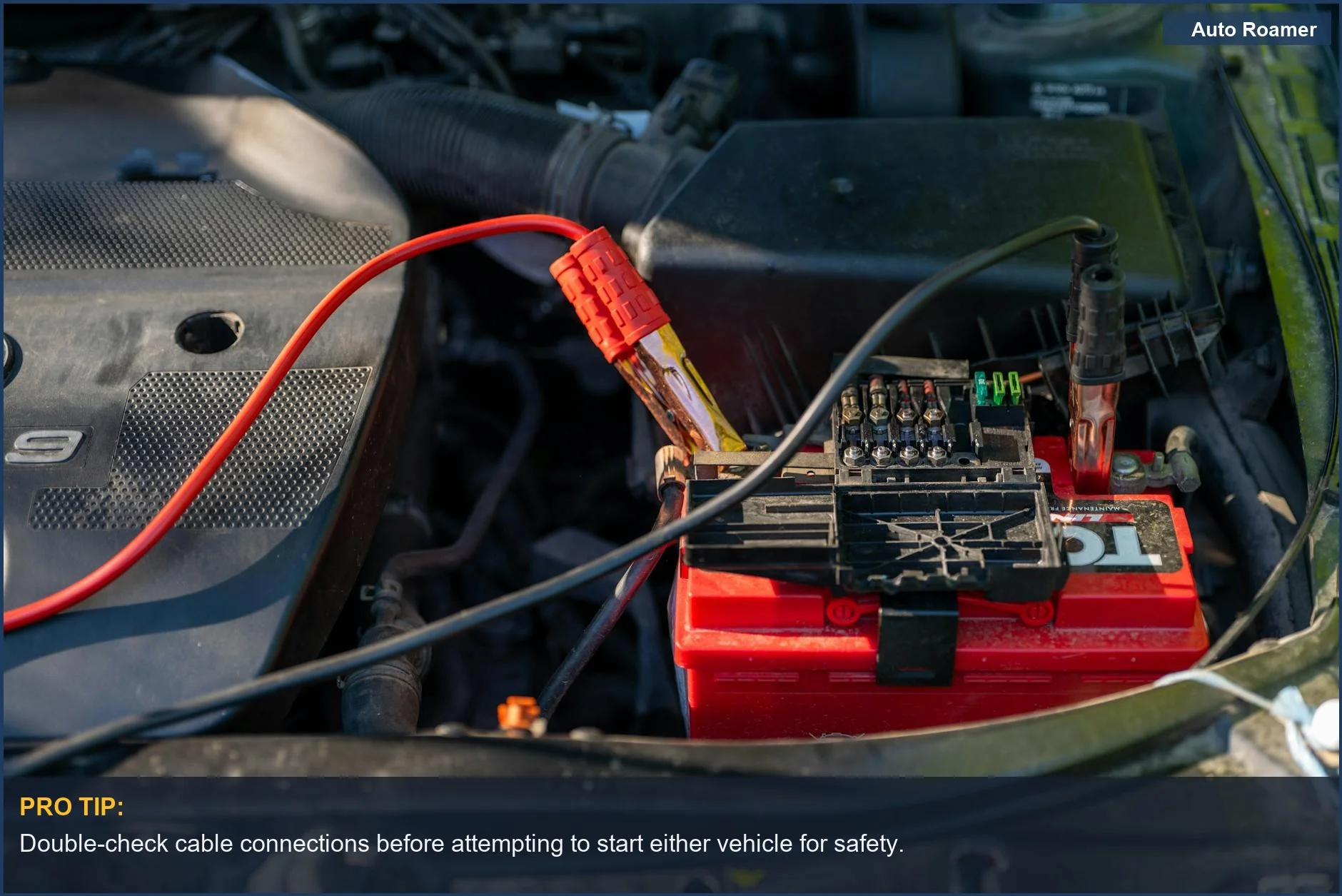
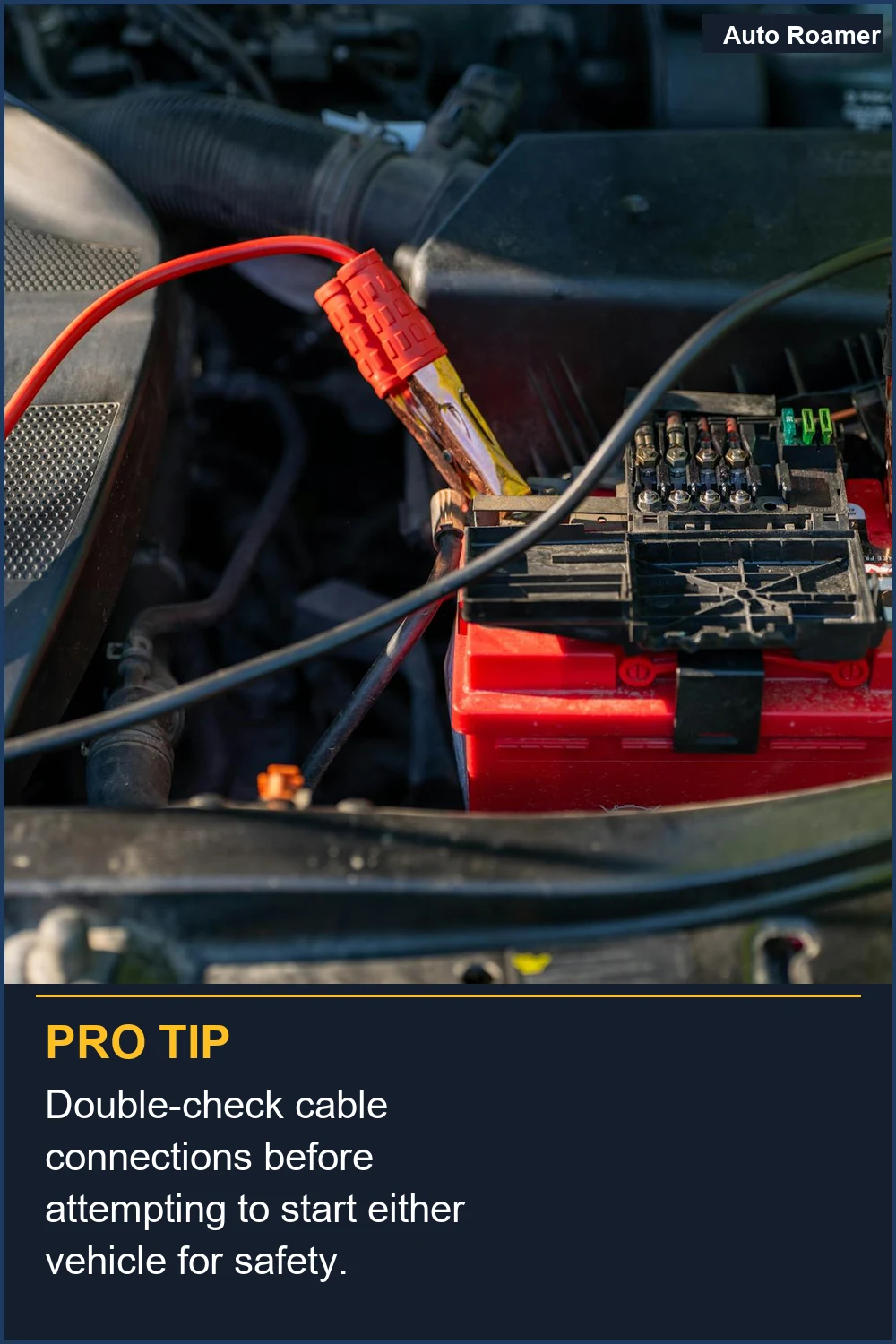
Jump starting a car may seem straightforward, but there are several common mistakes that can lead to complications, damage, or even injury. First, we often see people neglecting to check the battery terminals for corrosion or damage before attempting to jump start a car. Corroded terminals can interfere with the connection and prevent the jump from being successful. Ensuring clean and intact terminals is crucial for a successful jump-start process.
Another frequent error is connecting the jumper cables in the wrong order. We cannot stress enough the importance of following the correct sequence: red to red, red to the good battery, black to the good battery, and finally black to an unpainted metal surface on the dead car. Failing to adhere to this sequence can result in a short circuit or even damage to the car's electrical system, as noted in the guide by The Red News.
Additionally, we recommend ensuring that both vehicles are turned off before connecting the cables. Some people mistakenly leave the ignition on, which can lead to sparks or electrical surges. Also, make sure the two cars are parked close enough for the jumper cables to reach without stretching. However, they should not touch each other, as this could create a dangerous situation.
Lastly, we often observe individuals forgetting to wear eye protection. While it may seem excessive, the risk of battery acid or sparks is real. Wearing safety glasses can help protect your eyes during this process, as advised by Allstate. By avoiding these common mistakes, we can successfully navigate the process of jump starting a car safely and effectively.
Final Thoughts
Jump-starting a car is an essential skill that every driver should master. It can save us valuable time and prevent us from being stranded in inconvenient situations, especially during cold winter months when battery failures are more common. By following the step-by-step process outlined in this guide, we can ensure that we do it safely and effectively. Remember to always start by positioning the cars close enough for the jumper cables to reach but ensuring they do not touch. This minimizes the risk of electrical shorts or sparks that could lead to accidents.
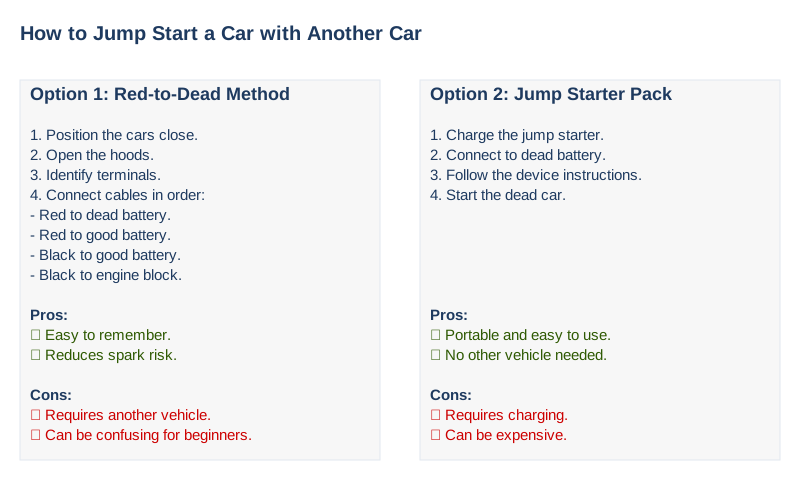
It's important to adhere to the correct order when connecting the jumper cables: red to the dead battery, red to the good battery, black to the good battery, and finally black to an unpainted metal surface on the dead car. This method, often referred to as the "Red-to-Dead" sequence, helps to prevent electrical damage and ensures safety during the jump-start process Source.
Once the dead battery is revived, we should allow the engine to run for a while to recharge the battery fully. If the car does not start after several attempts, it may be time to consult a professional mechanic, as the issue could be more complex than a simple battery failure. Additionally, it's wise to keep a set of jumper cables in our vehicles, as they are relatively inexpensive, typically ranging from $20 to $50, and can be invaluable in emergencies Source.
In summary, knowing how to jump start a car can empower us as drivers, allowing us to handle unexpected battery issues with confidence. By following the safety guidelines and proper techniques, we can avoid potential dangers and ensure that we are prepared for any situation on the road.
Frequently Asked Questions
What should I do first when I need to jump start my car?
How do I know which terminals to connect when jump starting?
What is the correct order to connect the jumper cables?
How long should I wait after connecting the cables before starting the dead car?
What should I do if the dead car doesn't start after a jump?
Are there any safety precautions I should take while jump starting a car?
Sources
- How to Jump Start a Car in 6 Steps - Kelley Blue Book
- How to Jump Start a Car: The 2026 Step-by-Step Safety Guide
- What is the Proper Way to Jump Start a Car? - Toyota of Louisville
- How to Jump Start a Car in Minutes | Essential Skill for Every Driver!
- A Cool Guide On How To Jump Start A Car : r/coolguides - Reddit