
What Is an OBD2 Port and Where Is It in Your Car?
The OBD2 port, or Onboard Diagnostics II port, is a standardized diagnostic interface in vehicles manufactured after 1996 in the U.S. and after 2001 in Europe. It is typically located under the dashboard near the driver's seat, allowing mechanics to access vital performance data and troubleshoot issues efficiently.
Introduction
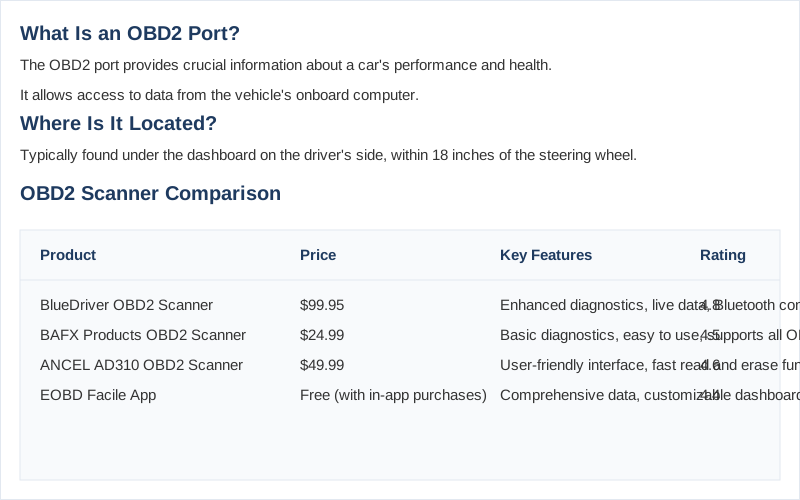
The OBD2 port, or Onboard Diagnostics II port, is an essential feature in modern vehicles, designed to provide crucial information about a car's performance and health. It serves as a gateway for mechanics and car enthusiasts alike to access data from the vehicle's onboard computer. Knowing what an OBD2 port is and where it is located can significantly enhance your ability to diagnose and troubleshoot vehicle issues.
All cars manufactured after 1996 in the United States and after 2001 in Europe come equipped with this standardized port, making it a common feature across various makes and models. The OBD2 port allows users to connect diagnostic tools, like OBD2 scanners, which read and interpret error codes generated by the vehicle's systems. These codes can indicate a range of issues, from minor maintenance needs to significant mechanical failures, allowing for timely interventions and repairs.
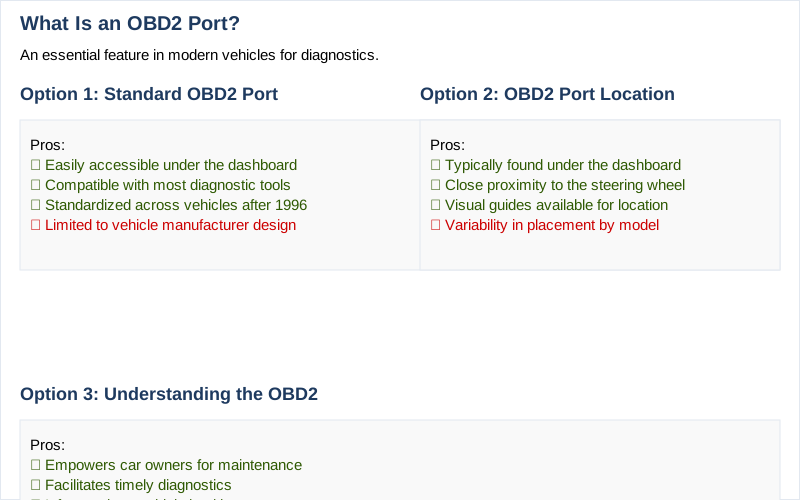
Typically, you will find the OBD2 port located under the dashboard on the driver's side, usually within 18 inches of the steering wheel. However, the exact placement can vary slightly depending on the manufacturer and model. For example, videos such as How To Find Your OBD Port and Where is the OBD2 Port in a Nissan Maxima provide visual guides for finding the port in different vehicles.
Understanding the function and location of the OBD2 port empowers car owners to take charge of their vehicle's maintenance and diagnostics, leading to better performance and longevity. For anyone looking to connect devices or retrieve data from their vehicle's onboard computer, knowing what an OBD2 port is and where it is located is the first step toward becoming more informed and proactive in vehicle care.
Quick Answer
An OBD2 port, also known as an OBD-II port, is a standardized diagnostic interface found in vehicles manufactured after 1996 in the United States and after 2001 in Europe. This port allows mechanics and car owners to connect diagnostic tools to the vehicle's onboard computer system, enabling the retrieval of vital information about the car's performance and health. The OBD2 system tracks a variety of data, including emissions, fuel efficiency, and error codes related to various components of the vehicle. This information is crucial for diagnosing issues and ensuring that the vehicle meets environmental regulations.
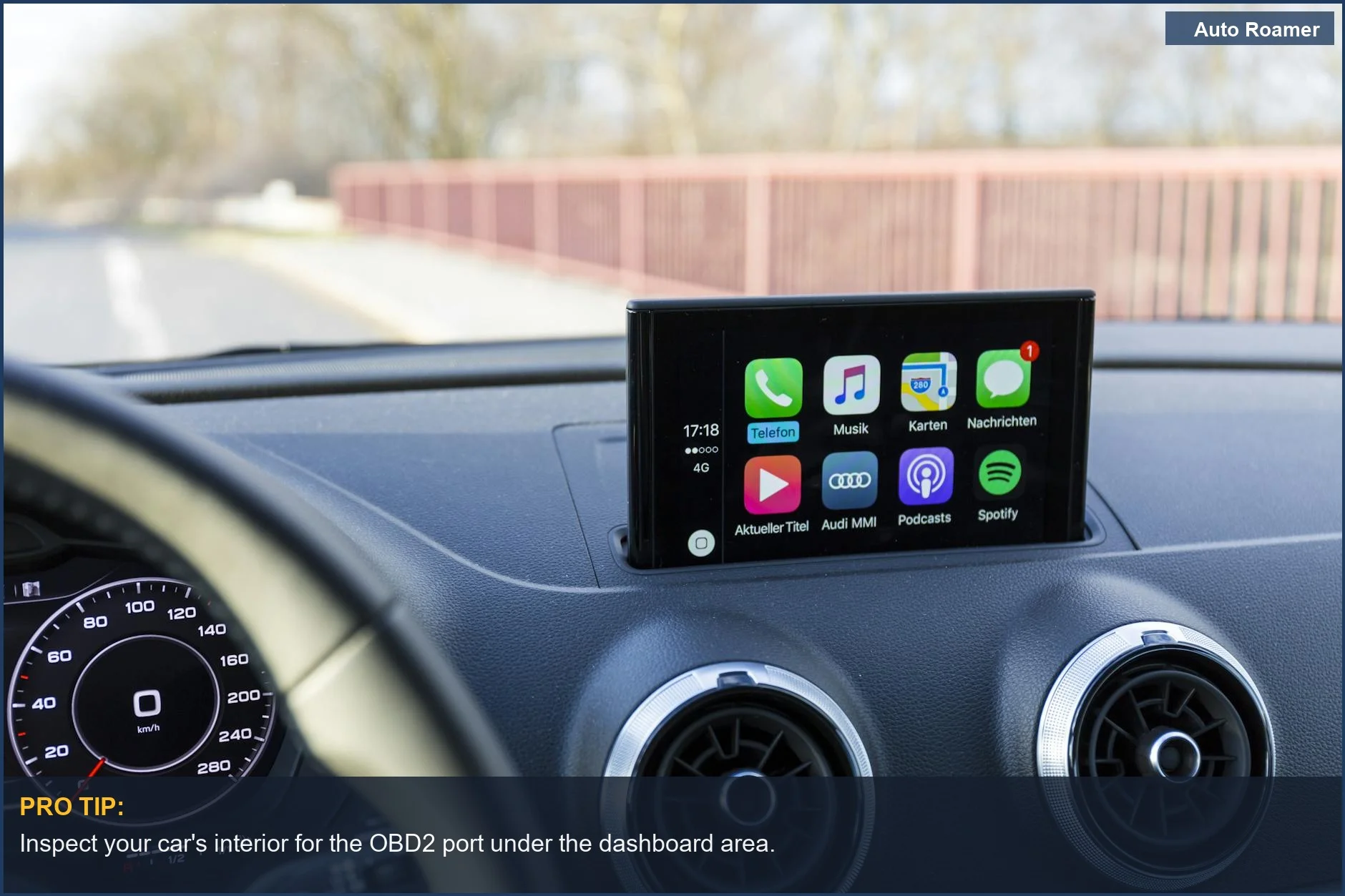
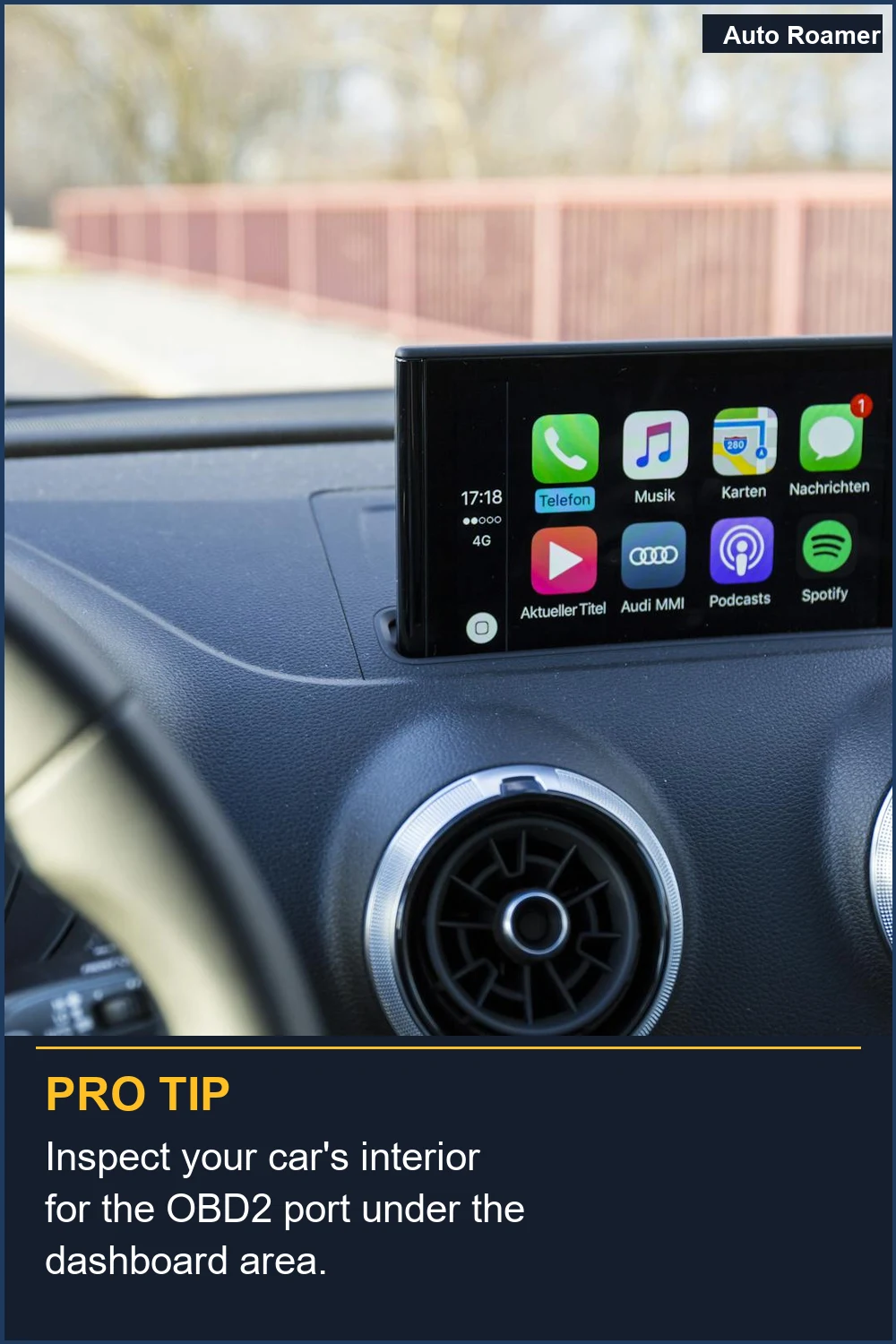
When it comes to the location of the OBD2 port, we typically find it under the dashboard on the driver's side of the vehicle. Most often, it is situated within 18 inches of the steering wheel, making it relatively easy to access. However, the exact location can vary by manufacturer and model. For example, in many vehicles, you will find the port just above the brake pedal or behind a cover that can be easily removed. For specific vehicle models, there are helpful resources, such as YouTube channels that provide visual guides on finding the OBD2 port.
If you are unsure about the location in your specific vehicle, we recommend consulting your owner's manual or visiting a reliable source like OBDeleven. These resources can help you pinpoint the OBD2 port effectively, ensuring you can connect your diagnostic tool without any hassle. Knowing what an OBD2 port is and where it is located will empower you to take better care of your vehicle and address any issues that may arise.
What You Need to Know
The OBD2 port, also known as the OBD-II port, is a standardized connection point found in vehicles manufactured after 1996 in the United States and after 2001 in Europe. This port allows mechanics and car enthusiasts to connect diagnostic tools to the vehicle's onboard computer system, enabling them to retrieve valuable data regarding engine performance, emissions, and potential malfunctions. The data collected through the OBD2 port can include everything from vehicle speed and fuel efficiency to error codes indicating specific issues, such as a malfunctioning sensor or emissions problems. This functionality is crucial for maintaining vehicle health and ensuring compliance with environmental regulations.
When it comes to locating the OBD2 port in your car, it is typically positioned under the dashboard on the driver's side, usually within 18 inches of the steering wheel. This location allows easy access for diagnostic tools. In many cases, you may need to look behind a plastic cover or near the fuse box to find it. However, the exact placement can vary by vehicle make and model. For example, in some Mini Cooper models, the OBD2 port is conveniently located right above the brake pedal area, while in a Nissan Maxima, it can be found under the dashboard near the driver's side door Source Source.
If you're unsure where to find the OBD2 port in your specific vehicle, referring to your owner's manual can provide clarity. Additionally, there are various online resources and videos that offer visual guidance on locating the OBD2 port in different car models Source. By understanding what an OBD2 port is and where to find it, we can better manage our vehicle's performance and address any issues that may arise.

Step-by-Step Guide
To locate the OBD2 port in your vehicle, we recommend following these practical steps for an efficient search. First, ensure you have adequate lighting, as the OBD2 port is often located in dimly lit areas.
-
Gather Your Tools: All you typically need is a flashlight. Some users may find a mirror helpful to see into tight spaces. If you have an OBD2 scanner, keep it nearby for testing once you locate the port.
-
Start with the Driver's Side: Most OBD2 ports are located under the dashboard on the driver's side of the vehicle. The port is generally positioned within 18 inches of the steering wheel, which is consistent across various makes and models (LiveView GPS).
-
Look for a Connector: The OBD2 port is a 16-pin connector, usually molded into a plastic casing. If you see a rectangular socket with multiple pins, you've likely found the OBD2 port.
-
Check Common Hiding Spots: If you don't find the port immediately, check common hiding spots like behind removable panels, near the fuse box, or even under the steering column. Some vehicles may have the port located above the brake pedal or to the left of the steering wheel, so be thorough in your search (Lemonade).
-
Consult Your Owner's Manual: If you're still having trouble, refer to your vehicle's owner's manual for the exact location of the OBD2 port. This can save you time and effort.
-
Watch Tutorial Videos: If you're a visual learner, consider watching tutorial videos for your specific vehicle model, such as this guide on finding your OBD port.
By following these steps, you can easily find the OBD2 port in your car, allowing you to connect diagnostic tools and retrieve important data about your vehicle's performance.
Safety Considerations
When considering the use of an OBD2 port, safety should always be a top priority. While accessing the OBD2 port for diagnostics is generally straightforward, we recommend taking certain precautions to ensure both your safety and the integrity of your vehicle's systems. First and foremost, always ensure the vehicle is turned off before connecting or disconnecting any devices to the OBD2 port. This helps prevent potential electrical surges that could damage the vehicle's onboard computer or the diagnostic tool itself.
Additionally, we advise wearing appropriate personal protective equipment, such as gloves and safety glasses, when working around the vehicle's interior. Some vehicles may have sharp edges or components that could cause injury. It's also important to be mindful of your surroundings. Ensure the vehicle is parked in a safe area, away from traffic, and that the parking brake is engaged to prevent any unintended movement.
When using OBD2 diagnostic tools, always refer to the user manual for both your vehicle and the diagnostic device. This will help you understand how to properly interpret the data retrieved from the OBD2 port and avoid misdiagnosis. For instance, some error codes may not necessarily indicate a severe issue but could be related to routine maintenance reminders. Therefore, understanding what the codes mean is crucial for safe vehicle operation.
Lastly, if you are unfamiliar with vehicle diagnostics or mechanics, we recommend consulting a certified mechanic for assistance. Misinterpreting OBD2 data could lead to unnecessary repairs or even safety hazards. By following these safety considerations, we can ensure a smooth and secure experience while exploring what an OBD2 port is and where it is located in your car.
Common Mistakes to Avoid
When it comes to understanding what an OBD2 port is and where it is located in your car, several common mistakes can hinder your experience. One misconception is believing that all vehicles have the OBD2 port located in the same place. While most cars manufactured after 1996 in the U.S. and after 2001 in Europe have an OBD2 port, its location can vary significantly. Typically, it is found under the dashboard on the driver's side, but it may also be hidden behind panels or in less obvious spots, such as near the center console or above the pedals. We recommend checking resources like Lemonade for specific guidance on your vehicle model.
Another common mistake is assuming that the OBD2 port serves only to read error codes. While it does allow for diagnostic trouble codes to be retrieved, it can also provide a wealth of data about your vehicle's performance, including emissions and fuel efficiency. This means that if you only focus on error codes, you may miss out on important insights that could help with maintenance and improvement.
Furthermore, we often see people neglect the importance of using the correct type of OBD2 scanner. Not all scanners are compatible with every vehicle, so we recommend doing thorough research on which OBD2 scanner is best suited for your car. For example, some advanced OBD2 scanners can connect to smartphones and offer real-time data monitoring, which can be incredibly useful for proactive maintenance. Online guides, such as those found on OBDeleven, can help you identify the right tool for your needs.
In summary, understanding what an OBD2 port is and where it is located in your car is crucial for effective vehicle diagnostics and maintenance. Always check for specific locations based on your car model, recognize the full capabilities of the port, and select the appropriate OBD2 scanner to maximize your vehicle's performance.
Final Thoughts
Understanding the OBD2 port and its location in your vehicle is crucial for anyone interested in maintaining their car's health or troubleshooting issues. As we have discussed, the OBD2 port, also known as the OBD-II port, serves as a gateway to the onboard diagnostics system. This system tracks various vehicle parameters, including emissions and error codes that indicate potential malfunctions. For vehicles sold in the U.S. after 1996 and in Europe after 2001, the presence of an OBD2 port is standard, making it an essential feature for modern cars OBDeleven.
Locating the OBD2 port typically involves checking under the dashboard on the driver's side, often within 18 inches of the steering wheel LiveView GPS. However, the exact position may vary based on the make and model of the vehicle; thus, consulting your owner's manual or watching tutorial videos can provide valuable insights How To Find Your OBD Port.
We recommend familiarizing yourself with the OBD2 port as it can enhance your ability to diagnose problems and even perform some repairs. Investing in an OBD2 scanner, like the FIXD Sensor, which typically costs around $50, can empower you to read diagnostic trouble codes and monitor your vehicle's performance in real-time. This knowledge not only saves you money on mechanic visits but also gives you a deeper understanding of your vehicle's health. In conclusion, knowing what an OBD2 port is and where it is located can be a game-changer for car maintenance and troubleshooting.