
Impact of Smart Car Tech on Used Car Inspection (2026 Complete Guide)
The dealer wanted $180 for a 'pre-purchase inspection' on a 2017 F-150 last week, claiming their 'advanced diagnostics' would catch everything. What they meant was a kid with a flashlight and a generic OBD-II scanner. Modern cars are rolling computers, and ignoring the software means you're buying a pile of potential electrical gremlins, not a vehicle.
The dealer wanted $180 for a 'pre-purchase inspection' on a 2017 F-150 last week, claiming their 'advanced diagnostics' would catch everything. What they meant was a kid with a flashlight and a generic OBD-II scanner. Modern cars are rolling computers, and ignoring the software means you're buying a pile of potential electrical gremlins, not a vehicle. Old school wrench-turning won't tell you squat about a failing CAN bus or a degrading battery pack.
Smart tech has changed the game, whether you like it or not. I don't trust any inspection that doesn't poke at the bits and bytes. Especially with 400,000 more lease returns hitting the market in 2026, you'll be swimming in complex vehicles with hidden issues.
The Short Answer
Traditional inspections focused on tactile feedback: how the steering felt, the sound of the engine, the visible condition of components. Now, a car's 'health' is buried in gigabytes of sensor data and control module logs. This means the old 'kick the tires' method is about as useful as a screen door on a submarine.
The thermal cycling on a direct injection fuel pump, for example, might be perfectly fine visually, but logging data could show it's operating outside its pressure tolerance 30% of the time, signaling impending mechanical stress failure.
AI-powered systems are allegedly getting 99% detection accuracy after expert validation on damage. This isn't just about spotting a dent. It's about using computer vision algorithms trained on millions of images to detect subtle paint thickness variations indicating body filler, or minute distortions in panel gaps that betray a previous structural repair. A human eye might miss a 0.5mm misalignment, but a laser scanner won't. This fundamentally changes what 'hidden damage' means.
The real failure mode here isn't a part breaking, it's the information about the part being incomplete or misleading. Odometer fraud, for instance, used to be a physical rollback. Now, it's a data mismatch between the instrument cluster, the engine control unit, and potentially other modules. If the ECU logs a transmission fault at 200,000 miles and the dash reads 80,000, you've got a problem. This requires deep dives into proprietary diagnostic protocols, not just a generic OBD-II scan.
New AI tools help dealers spot hidden damage and prevent fraud. Apparently, preventing fraud is good for business. Who knew?
For electric vehicles, battery degradation isn't a visual inspection. It's about understanding charge cycles, discharge depth, and internal resistance - all logged data points. You need to know the state of health (SOH) and state of charge (SOC) to predict remaining service life. Thermal management system issues, like a failing coolant pump or a clogged radiator, will manifest as higher internal temperatures and accelerated electrochemical degradation, not as a puddle on the garage floor until it's too late.
The underlying physics of electrochemical reactions and thermal transfer dictate the lifespan, not just mileage.

The Reality Check
The game's changed. You're not just looking for a leaky gasket or worn brake pads anymore. You're looking for data integrity issues, sensor failures, and the ghost in the machine that's going to cost you $8000 to fix. The smart tech in modern cars introduces entirely new failure modes, mostly related to circuit integrity and thermal cycling on sensitive electronics. Insurers are even starting to reward safety tech, which means they're tracking it.
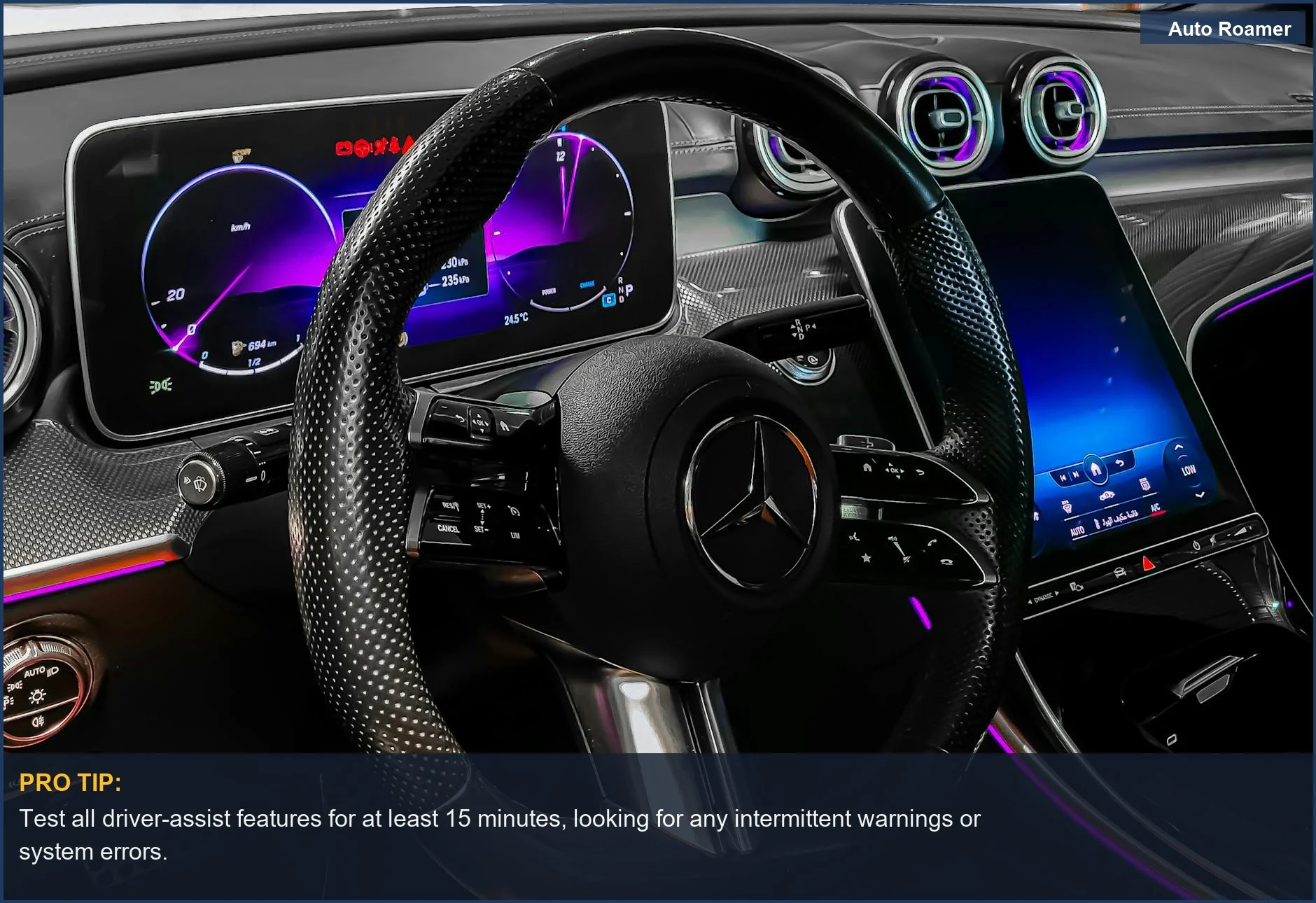
For example, the ADAS (Advanced Driver-Assistance Systems) suite in a 2020 Honda Civic relies on multiple radar, lidar, and camera sensors. If one of those sensors gets a 0.2mm impact from road debris, it might not shatter, but its internal calibration could be off by 1 degree. This isn't a 'check engine' light issue; it's a 'lane keeping assist suddenly tries to steer you into a ditch' issue.
The mechanical stress on the mounting bracket or the thermal cycling on the sensor's PCB can cause intermittent failures. AI-powered inspections aim to eliminate human error, but they still need good data.
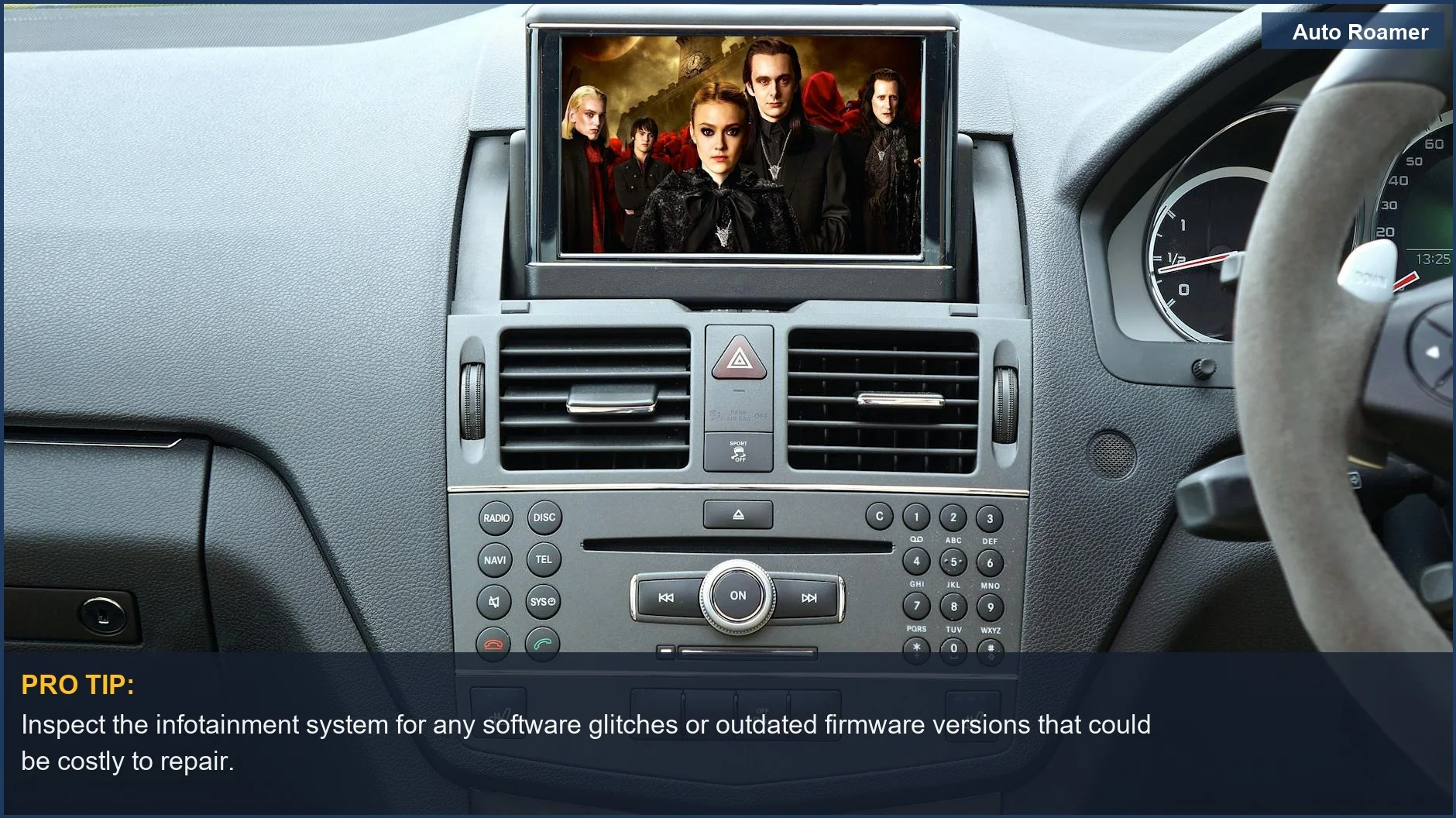
Then there's the software. Over-the-air updates can introduce bugs, or previous owners might have tried sketchy modifications. A simple software glitch can render a $2000 infotainment system useless, even if all the hardware is fine. It's not a mechanical failure; it's a data integrity issue. You need to understand the vehicle's digital history.
| Component | How It Fails | Symptoms | Fix Cost |
|---|---|---|---|
| ADAS Radar Sensor | Micro-fractures from impact, thermal cycling leading to solder joint fatigue. | Intermittent warning lights, incorrect distance readings, system deactivation. | $800 - $1500 (calibration included) |
| Body Control Module (BCM) | Voltage spikes, outgassing from cheap capacitors causing internal corrosion, firmware corruption. | Phantom electrical issues (e.g., windows open themselves), battery drain, non-responsive accessories. | $600 - $1200 (programming included) |
| Infotainment Head Unit | Corrupted software, flash memory degradation, thermal stress on integrated circuits. | Frozen screen, Bluetooth disconnects, navigation errors, random reboots. | $1000 - $3000 (replacement unit) |
| EV Battery Management System (BMS) | Sensor drift, communication errors over CAN bus, internal resistance changes. | Reduced range, inconsistent charging, 'limp mode' activation, inaccurate battery percentage. | $2000 - $5000+ (complex diagnosis) |
These aren't parts you 'check' with a wrench. You need specialized diagnostic tools to pull fault codes, monitor live data streams, and compare values against factory specifications. The 'fix cost' often includes extensive diagnostic time, not just the part itself. It's a different kind of mechanical stress - the stress on your wallet.
How to Handle This
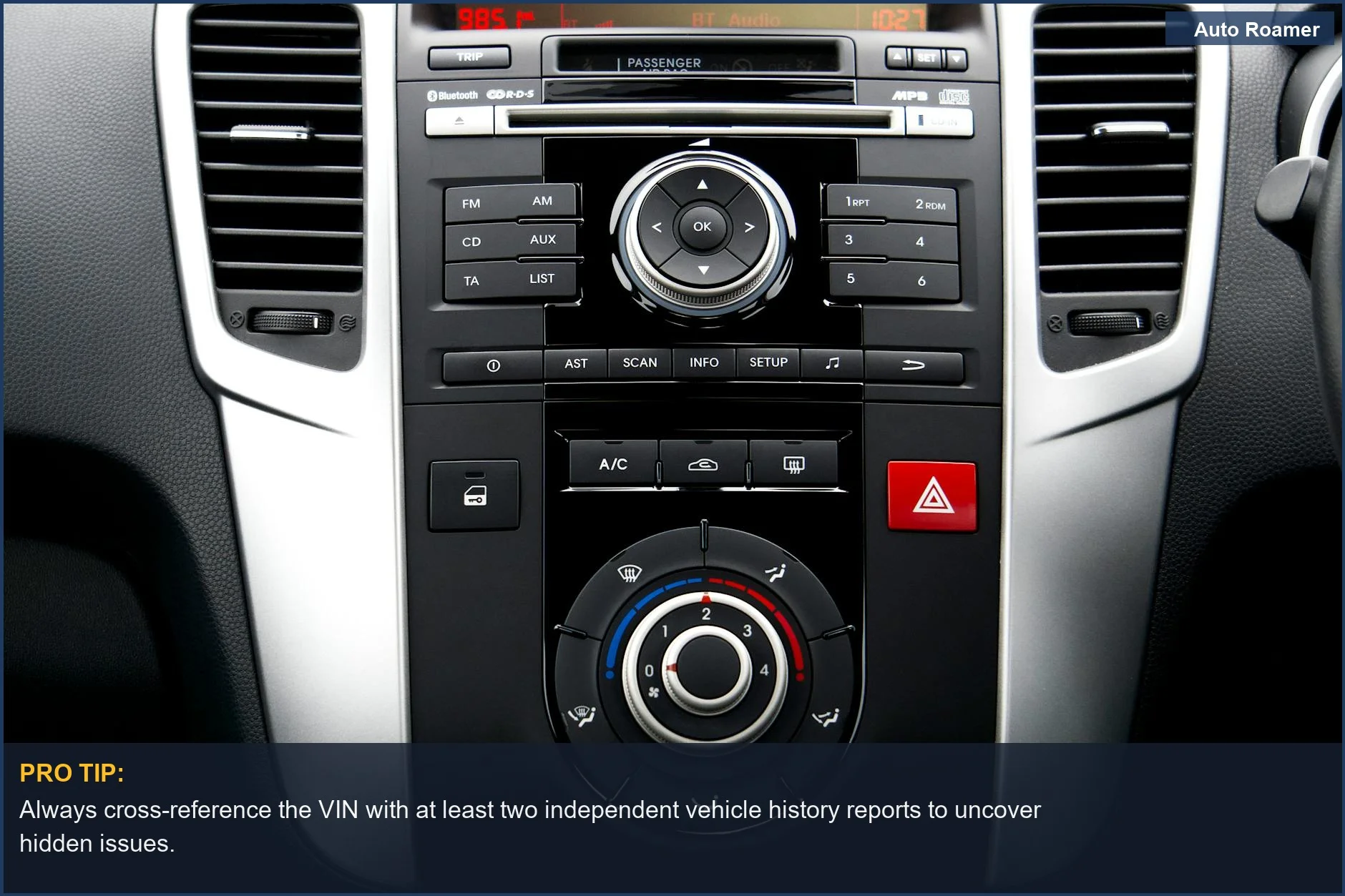
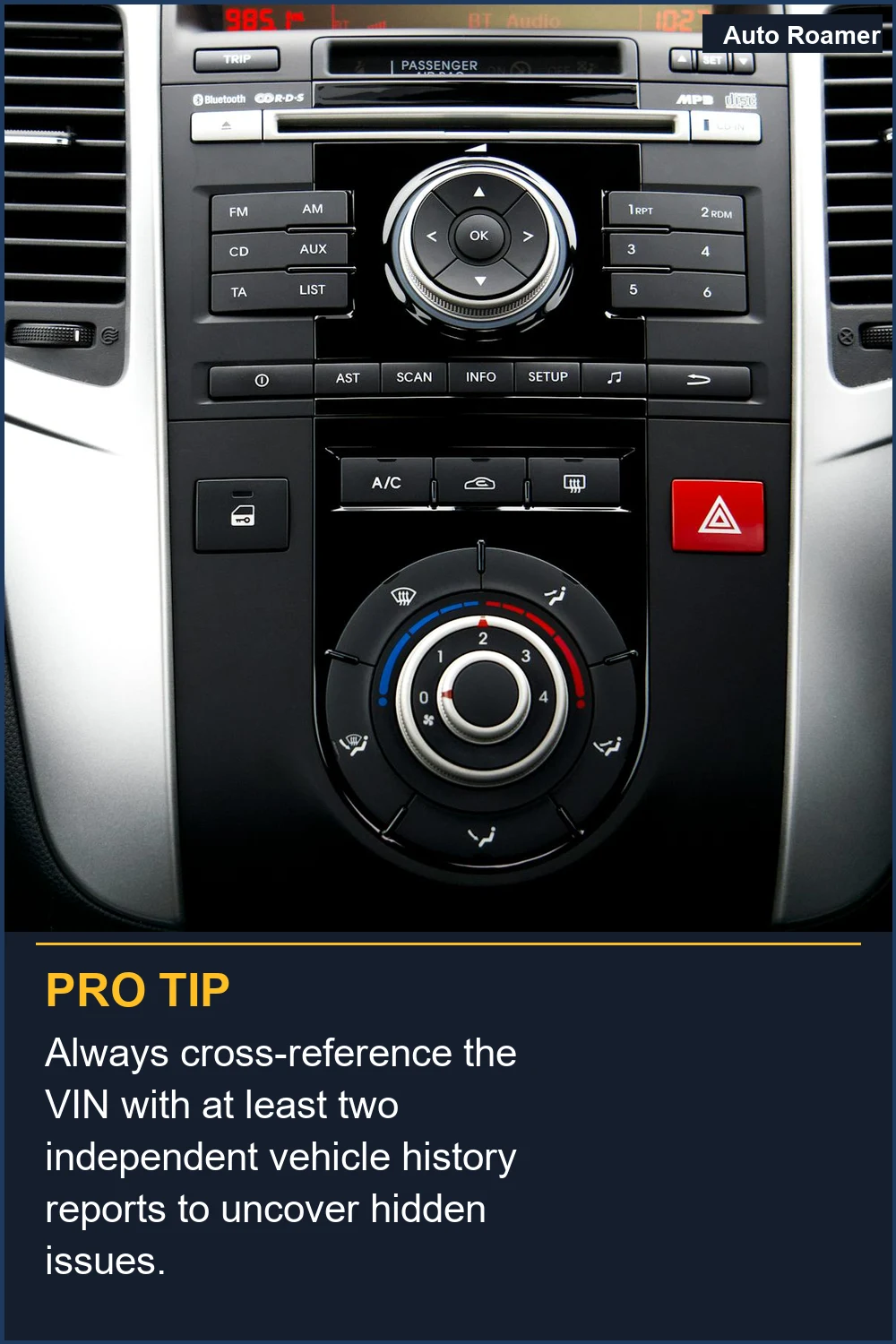
First, get the VIN. Don't even bother looking at the car without it. You need a comprehensive vehicle history report from a reputable source, not just the free one from the dealer. This is your first line of defense against data fraud and undisclosed repairs. Check for accident history, flood damage, salvage titles, and odometer discrepancies. This report should cost you about $25-$40. If the seller won't provide the VIN, walk away. Immediately.
No amount of 'good vibes' will fix a rolled back odometer.
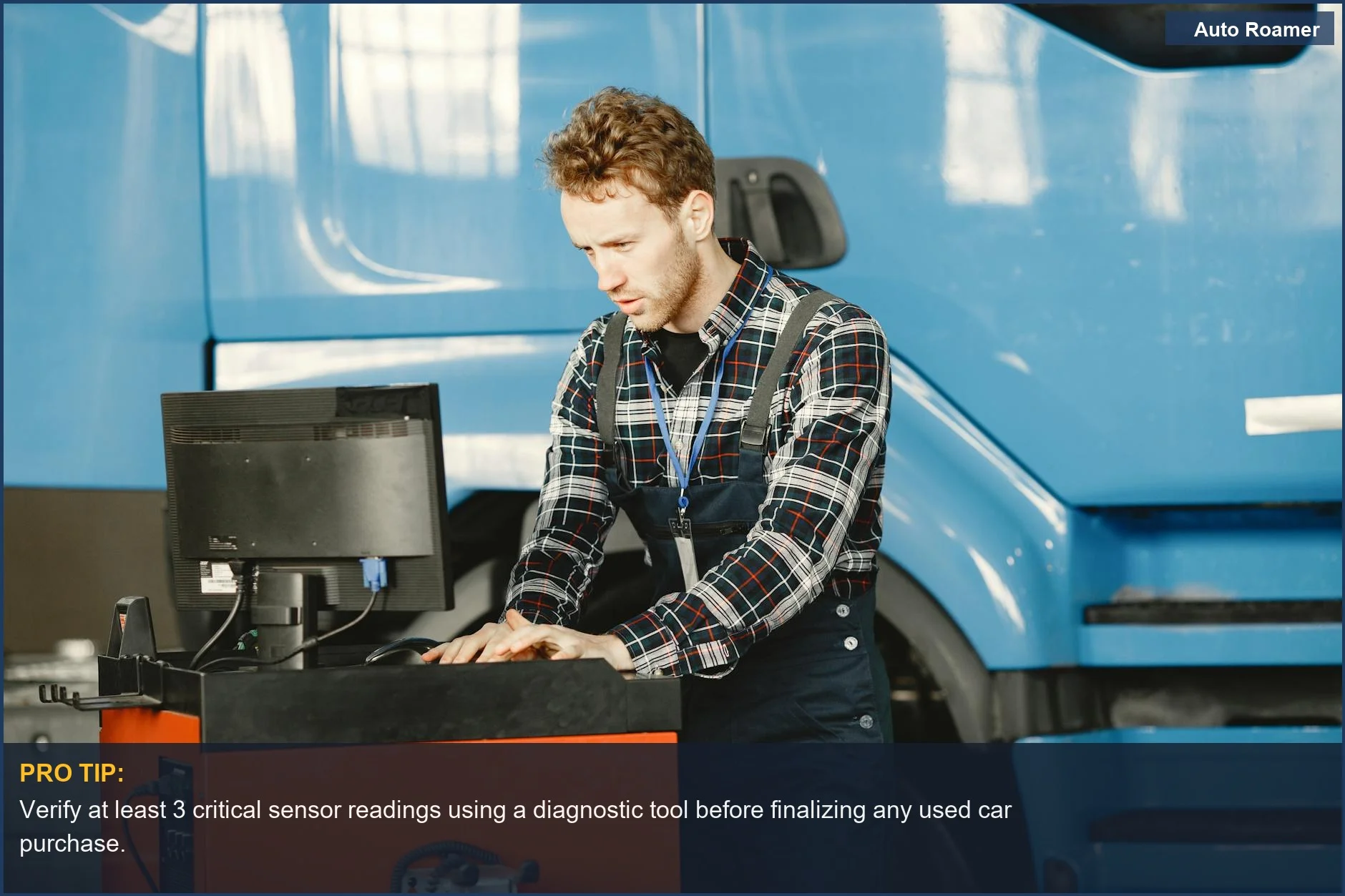
Next, you need a professional pre-purchase inspection. Not your buddy, not a quick look at Jiffy Lube. Find an independent shop that specializes in the specific make and model you're looking at. Ask them explicitly if they have OEM diagnostic software for that vehicle. A generic OBD-II scanner is useless for deep dives into proprietary modules. They need to be able to access the Body Control Module (BCM), Engine Control Unit (ECU), Transmission Control Unit (TCU), and any ADAS modules.
- Request a Full Diagnostic Scan: This isn't just checking for 'check engine' lights. They need to scan all modules for fault codes, current and historic. A shop with OEM software can pull manufacturer-specific codes that generic scanners miss. These codes often indicate intermittent circuit integrity issues or sensor failures that haven't triggered a dash light yet.
For example, a 'U0422' code on a Toyota might mean an invalid data received from the BCM, pointing to an underlying CAN bus issue.
- Monitor Live Data Streams: Ask the mechanic to show you live data during a test drive. Look for sensor values that are out of expected ranges. For instance, if a wheel speed sensor on a 2019 Subaru Outback shows 0 MPH while the other three show 20 MPH, you've got a problem. This could be a failing sensor, a corroded wire, or a cracked tone ring, all leading to ABS/traction control issues.
AI could revolutionize these inspections, but for now, it's about skilled technicians.
-
Check for Software Versions and Updates: Inquire about the current software versions for major modules. Many manufacturers release updates to fix bugs, improve performance, or address safety recalls. If the vehicle is running ancient software, it could be missing critical fixes. This is a common oversight even by dealerships. Sometimes a module just needs a $150 flash, not a $1000 replacement.
-
Inspect ADAS Calibration: If the car has adaptive cruise control, lane-keeping assist, or automatic emergency braking, ask how they verify calibration. A slight impact to the bumper can knock a radar sensor out of alignment by 0.5 degrees, rendering the system unreliable. Special tools are required for this, often costing thousands. If the shop doesn't have them, find one that does.
AI is being implemented for quality defects in manufacturing, but it's still hit or miss in the field for consumers.
This inspection might cost you $150-$300, but it's cheap insurance against a $3000 repair. Don't skip it. The dealer's 'certified' inspection is often just a glorified wash and vacuum.
What This Looks Like in Practice
You'll see plenty of these. The smart tech isn't always 'smart' in your favor.
-
Scenario 1: The Phantom Warning Light. A 2018 Ford Escape owner buys a used model. After 3 weeks, the 'Pre-Collision Assist Not Available' warning flashes intermittently. No dealer code is present. A deep scan reveals a BCM (Body Control Module) internal fault, specifically a voltage regulator outputting 11.8V instead of 12.0V under load, causing the ADAS module to drop offline. This is a subtle circuit integrity issue, not a hard failure. The BCM needs replacement, costing $900.
-
Scenario 2: The Battery Drain Mystery. A 2021 Hyundai Sonata starts slow after sitting for 3 days. The battery tests fine, but a parasitic draw test shows 150mA at rest (spec is < 50mA). After pulling fuses, the culprit is the telematics module, constantly trying to connect to a defunct server. This is a firmware bug causing excessive current draw, leading to electrochemical degradation of the battery.
The module needs a software update, or replacement if the flash memory is corrupted. A $200 diagnostic charge turns into a $600 module replacement.
-
Scenario 3: The Glitchy Infotainment. A 2019 Chevrolet Equinox owner complains the touchscreen freezes for 10 seconds every 2 minutes. No hard reboot fixes it. Diagnostic data shows the internal storage NAND flash memory is failing due to excessive read/write cycles and thermal cycling, causing data corruption. This isn't a software bug, it's a hardware degradation. The entire head unit requires replacement, a $1500 job. Privacy concerns also arise with this level of tech.
-
Scenario 4: The Misaligned Camera. A 2020 Toyota RAV4's lane-keeping assist pushes the car to the right. The bumper was replaced after a minor fender bender. The front camera, mounted behind the windshield, was not recalibrated. It's off by 0.7 degrees, causing the system to 'see' the lane lines incorrectly. This requires a specialized camera calibration procedure, typically $300-$500, often requiring a dealer or specialized body shop. A mechanical stress on the mounting bracket caused an electrical system error.
Automated inspection tools are trying to catch these, but they're not foolproof yet.
Mistakes That Cost People
People make some dumb assumptions when buying used cars with smart tech. Here's how they get burned.
| Mistake | Why It's a Mistake (Physics/Engineering) | Consequence |
|---|---|---|
| Trusting 'No Warning Lights' | Many critical system faults (e.g., ADAS sensor drift, intermittent CAN bus errors) don't trigger a 'check engine' light. They're soft faults or calibration issues. | Unsafe vehicle operation, unexpected system failures, expensive diagnosis later. |
| Ignoring Service Records | Lack of service records means unknown oil change intervals, coolant flushes, or software updates. This impacts component lifespan due to thermal degradation and lubrication breakdown. | Premature engine/transmission wear, reduced fluid viscosity, potential for 'catastrophic' component failure. |
| Relying on Generic OBD-II Scanners | These scanners only read generic powertrain codes. They miss manufacturer-specific codes from BCM, ABS, airbag, and infotainment modules, which are crucial for smart tech health. | Hidden electrical gremlins, inability to diagnose complex sensor issues, incomplete picture of vehicle health. |
| Not Test Driving ADAS Features | Many active safety systems (adaptive cruise, lane keep) operate within tight tolerances. If they're not tested, mechanical stress from impacts or poor calibration won't be apparent. | System malfunction in critical situations, potential for accidents, high cost of recalibration ($300-$1500). |
| Assuming Software is Always Up-to-Date | Software updates fix bugs, improve performance, and address recalls. An outdated system can have security vulnerabilities or known functional defects. | System instability, reduced functionality, potential for hacks, or recurring electrical glitches. |
| Not Checking EV Battery Health (SOH) | EV battery degradation is a chemical process influenced by charge cycles and temperature. A visual inspection won't show internal resistance or capacity loss. | Significantly reduced range, accelerated long-term degradation, potential for $10,000+ battery replacement. |
These mistakes cost people thousands because they don't understand the underlying physics or circuit integrity of modern vehicles. AI vehicle inspection aims for faster assessments, but it's not a magic bullet.
Key Takeaways
Buying a used car in 2026 means you're buying a complex network of wires, sensors, and code, not just an engine and four wheels. The days of a simple visual inspection are long gone. You need to adapt, or you'll get burned.
- VIN Check is Non-Negotiable: Spend the $25-$40 for a full history report. It's your first line of defense against odometer fraud and undisclosed structural repairs. Don't cheap out here.
- OEM Diagnostics are King: Generic OBD-II scanners are glorified paperweights for deep dives. Find a shop with manufacturer-specific software to uncover hidden fault codes and live data anomalies.
This is crucial for understanding circuit integrity and sensor health. * Test ADAS Features: If the car has adaptive cruise or lane-keeping assist, make sure they work. These systems rely on precise calibration; a slight impact can throw them off by 0.5 degrees, making them useless or even dangerous. The mechanical stress on sensor mounts is real. * Software Matters: Ask about software updates and versions.
Outdated firmware can lead to bugs, security vulnerabilities, and reduced component lifespan due to inefficient operation or thermal management. A smart buyer focuses on these details. * EVs Require Battery Health Checks: For electric vehicles, demand a detailed battery health report showing State of Health (SOH) and degradation. This isn't optional; it's the most expensive component in the car. Ignoring it is like buying a house without checking the foundation. The electrochemical degradation is irreversible.
Frequently Asked Questions
What's the real cost difference between DIY checking for a parasitic draw and taking it to the dealer?
Do I really need a specialized scan tool, or can my cheap Bluetooth OBD-II adapter do the trick for smart tech checks?
What if I get a pre-purchase inspection from a reputable shop, but a smart tech issue still pops up a month later?
Can ignoring a minor ADAS sensor warning permanently damage my vehicle's systems?
I heard AI inspections are 99% accurate. Does that mean I don't need a human mechanic anymore?
Sources
- New AI vehicle inspection tech reshapes how dealers evaluate ...
- Benefits of AI-Powered Damage Detection in Vehicle Inspection
- AI-Powered Vehicle Inspections: How 94% Accuracy Is ...
- Used Car Vehicle Buying Guide: Buy Smart in 2025
- Used Car Inspection Made Easy 2026: Smart Tech Secrets ...
- LPT: This January is going to be one of the best possible ...
- AI-powered car inspection: Use cases & complexities - Inspektlabs
- PolicyStreet
- Using AI In The Future Of Vehicle Inspections
- Top Tech Trends in the Automotive Industry in 2026
- Car privacy improvement methods - Questions
- Artificial Intelligence for Quality Defects in the Automotive Industry