
How Obd2 Scanners Diagnose Engine Problems (2026 Complete Guide)
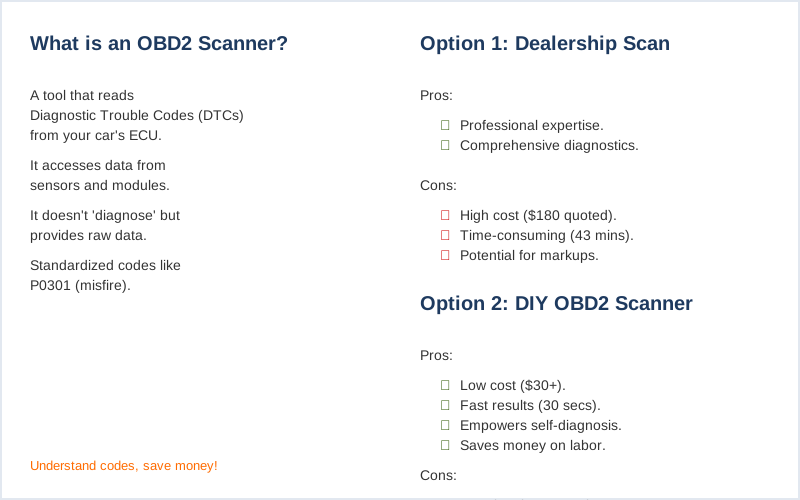
The dealer quoted me $180 for a diagnostic scan on my old F-150, which took them 43 minutes and confirmed the check engine light was indeed on. Brilliant. You can buy a decent OBD2 scanner for $30 and pull the same codes in 30 seconds.
The dealer quoted me $180 for a diagnostic scan on my old F-150, which took them 43 minutes and confirmed the check engine light was indeed on. Brilliant. You can buy a decent OBD2 scanner for $30 and pull the same codes in 30 seconds. This isn't rocket science; it's a 16-pin data port under your dash, feeding you raw sensor data. Knowing how to interpret those codes can save you hundreds, if not thousands, in dealership markups.
It's about understanding the raw data, not just the flashy interface. YouTube says these tools are designed to help diagnose problems quickly. Yeah, no kidding.
The Short Answer
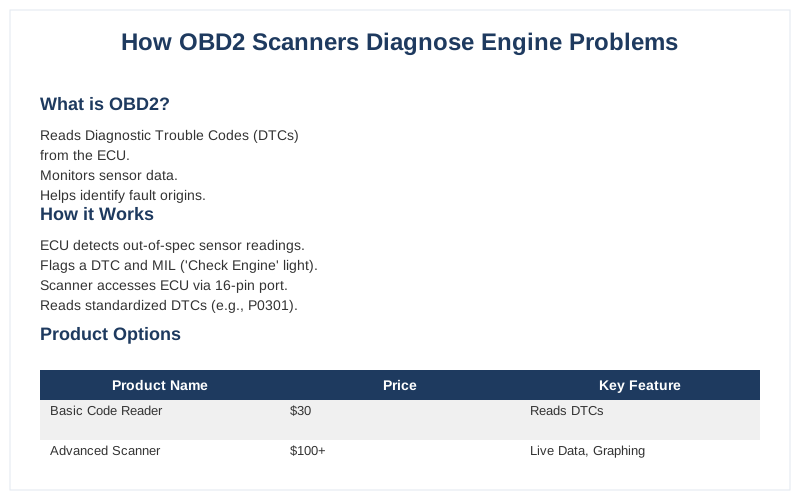
These codes are standardized, like P0301 for a misfire on cylinder 1. The 'P' means Powertrain. Other prefixes exist for Body (B), Chassis (C), and Network (U) issues. Each code points to a specific system or component where the fault originated. It's a digital breadcrumb trail. Car and Driver notes these scanners display a five-digit DTC.
The underlying physics is often a failure of circuit integrity, mechanical stress, or thermal/fluid dynamics. A P0420 (Catalyst System Efficiency Below Threshold) isn't the catalyst being 'bad'; it's the downstream oxygen sensor reporting a lower-than-spec temperature differential or oxygen storage capacity compared to the upstream sensor. This signals a degradation in the catalytic converter's chemical reaction rate. The ECU sees the numbers, flags the code. You get the symptom. It's all about the numbers.
Live data is where the real diagnosis happens. A P0171 (System Too Lean Bank 1) could be a vacuum leak. Your scanner can show you short-term and long-term fuel trims. If these values are pegged high (+25% or more), the ECU is dumping fuel to compensate for unmetered air. This isn't just a code; it's a real-time chemical imbalance in your combustion cycle. It's a disgrace that most new car screens don't display this data directly.
You need the tool.
So, the scanner doesn't perform magic. It's a window into the digital brain of your vehicle. It tells you which sensor or system is reporting data outside its engineered parameters. Your job is to understand what that means in terms of physical failure modes: a cracked vacuum hose (mechanical stress), a corroded wire (circuit integrity), or a clogged fuel injector (fluid dynamics). The tool just gives you the starting point.
This device reads data from your car's onboard computer, plain and simple.
The Reality Check
The OBD2 system, mandated since 1996 for all vehicles sold in the US, is a standardized communication protocol. It's not just for engines anymore; modern systems monitor everything from ABS to airbag deployment. The real trick is knowing what the codes mean beyond the generic 'P0XXX' definition your cheap scanner gives you. A single DTC can have a dozen potential root causes, each with a different failure mode.
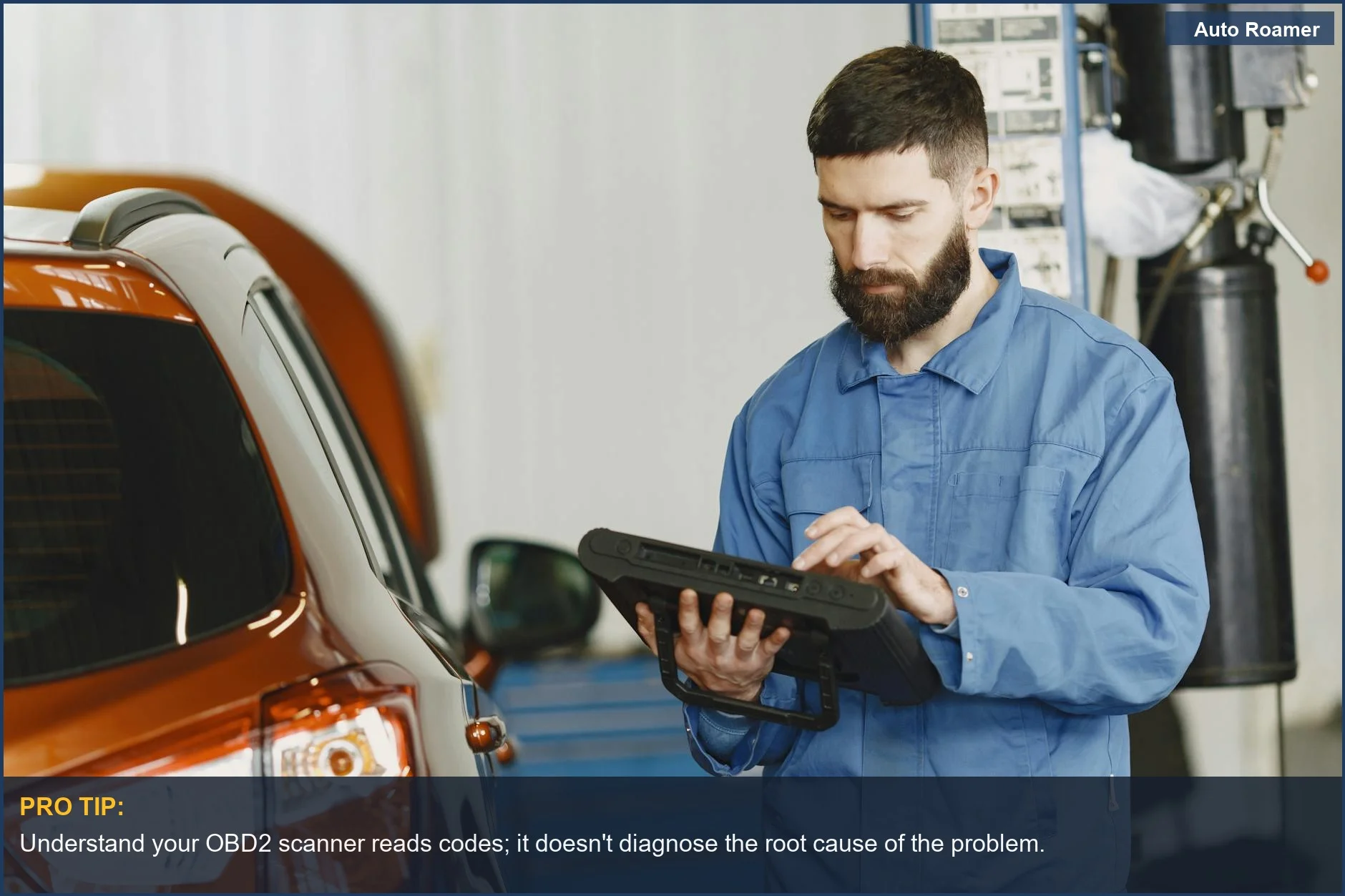
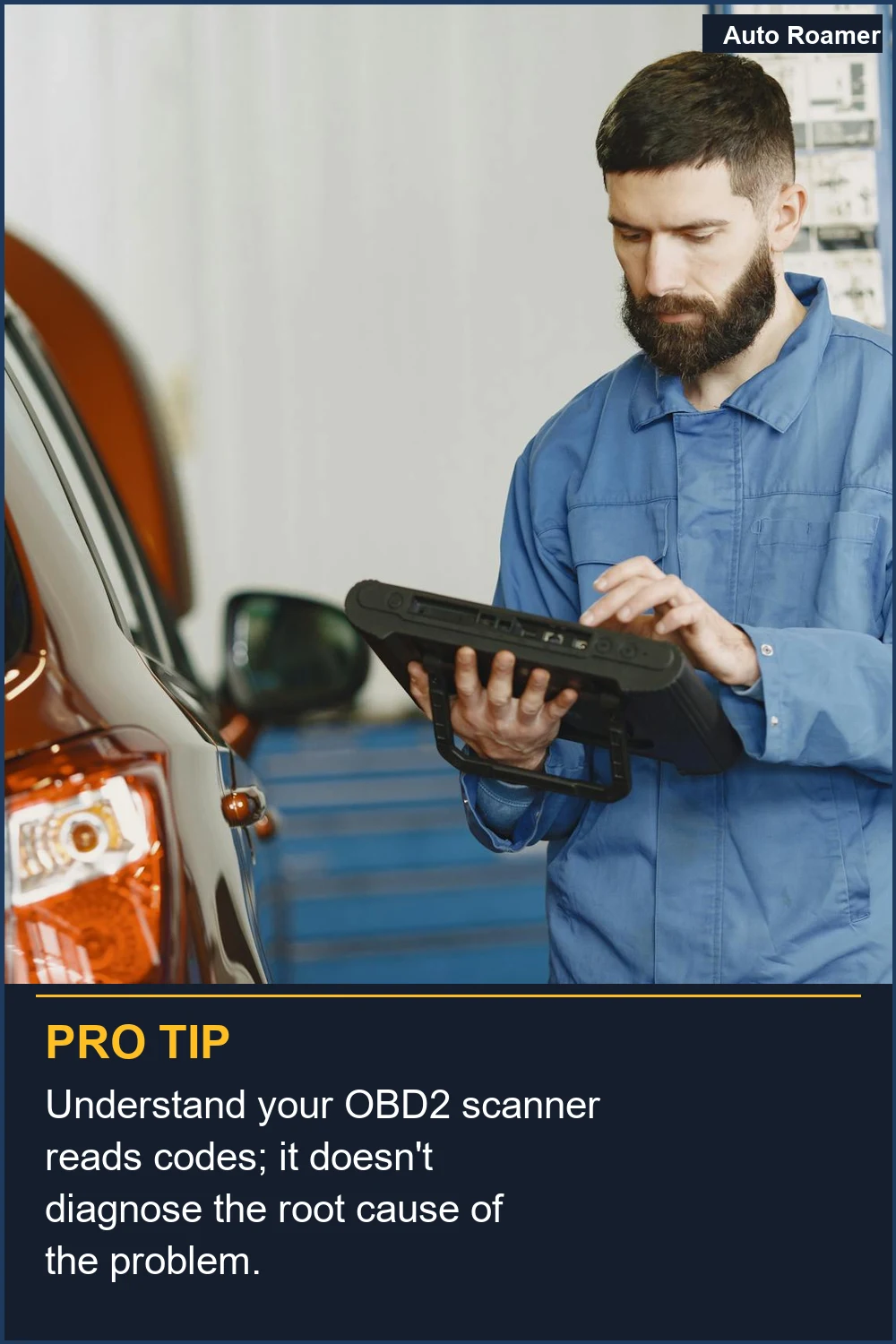
For instance, a P0401 (EGR Flow Insufficient) could be a sticky EGR valve (carbon buildup, mechanical stress), a clogged EGR tube (thermal cycling deposits), or a failed EGR solenoid (coil resistance out of spec, circuit integrity). The code tells you where the problem is, not what specifically failed. This is why a $30 scanner is a starting point, not a complete diagnostic solution. Consumer scanners are good for basic code reading.
Professional scanners, however, can read manufacturer-specific codes (P1XXX, B1XXX, etc.), access live data streams, run actuator tests, and even perform bidirectional controls. They can tell you the precise voltage drop across a circuit, the outgassing rate of an EVAP component, or the viscosity of transmission fluid based on sensor input. These are the tools that diagnose a specific solenoid failure, not just 'EGR System Fault'.
| Component | How It Fails | Symptoms | Fix Cost |
|---|---|---|---|
| Oxygen Sensor | Thermal cycling degradation, contamination (silicone/oil) leading to slow response time or biased readings. | P0133 (Slow Response), P0171/P0172 (Lean/Rich), poor fuel economy, rough idle. | $80-$250 (part), $100-$300 (labor) |
| EVAP Purge Valve | Carbon buildup, solenoid coil failure (circuit integrity), stuck open/closed (mechanical stress). | P0440 (Evap System Malfunction), P0442 (Small Leak), P0455 (Large Leak), hard start after fueling. | $40-$150 (part), $50-$150 (labor) |
| Mass Air Flow (MAF) Sensor | Contamination (oil/dirt) on hot wire, leading to inaccurate airflow readings, circuit integrity issues. | P0101 (MAF Range/Performance), rough idle, hesitation, poor acceleration. | $60-$200 (part), $50-$100 (labor) |
| Ignition Coil | Internal insulation breakdown, thermal fatigue, short circuit (circuit integrity), mechanical vibration. | P030X (Misfire Cylinder X), rough idle, loss of power, reduced fuel economy. | $30-$100 per coil (part), $50-$150 (labor, depending on access) |
The 'fix cost' is a rough estimate, but it illustrates why pinpointing the exact failure mode matters. Replacing an oxygen sensor because of a P0171 when the real issue is a cracked intake manifold gasket (vacuum leak) is just throwing money at symptoms. The dealer charges $150 for 'diagnosis' then another $300 to replace the wrong part. My $15 multimeter and a can of carb cleaner would have found that gasket in 5 minutes.
This scanner provides access to a wealth of information, if you know how to dig.
How to Handle This
-
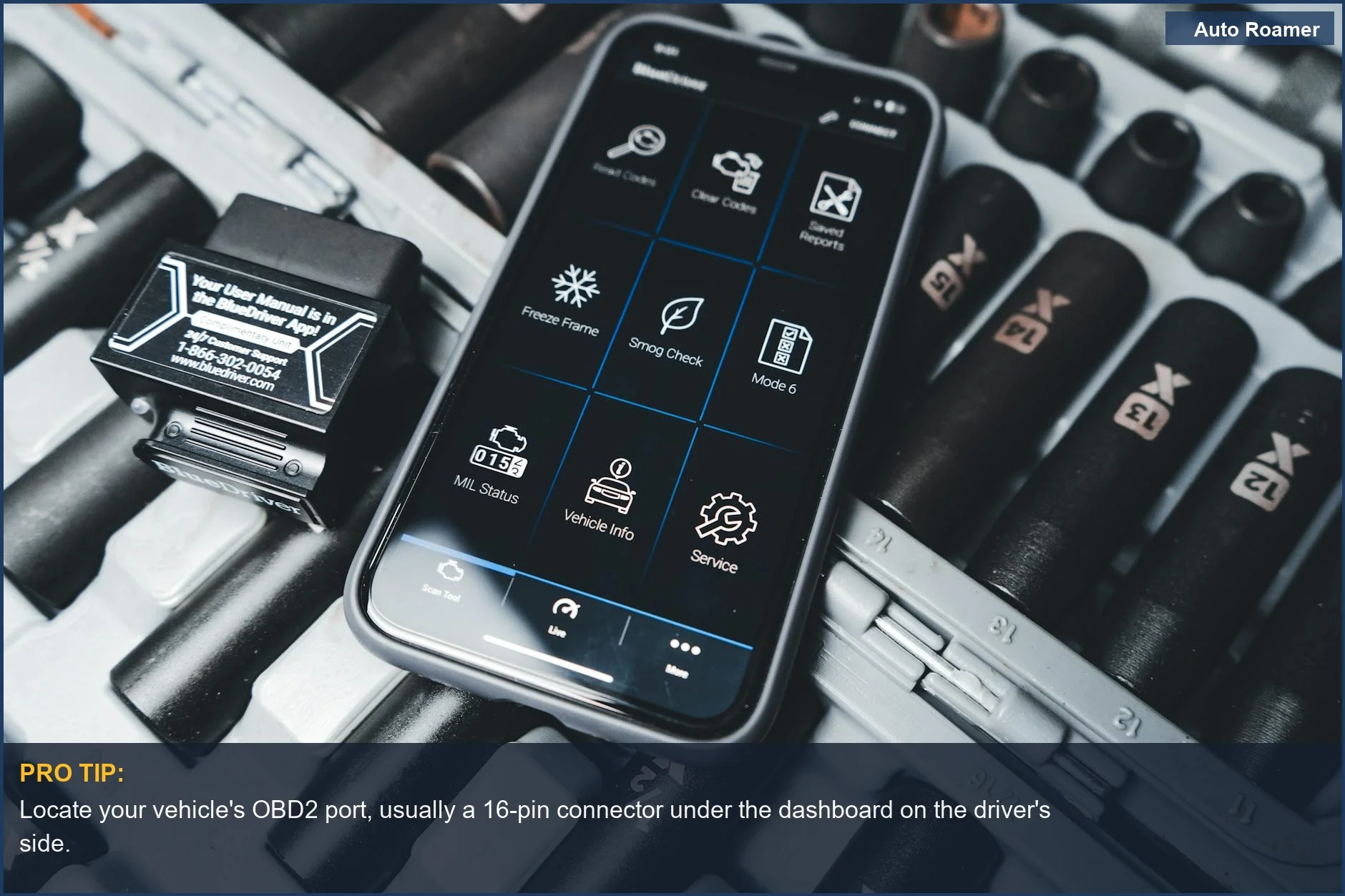
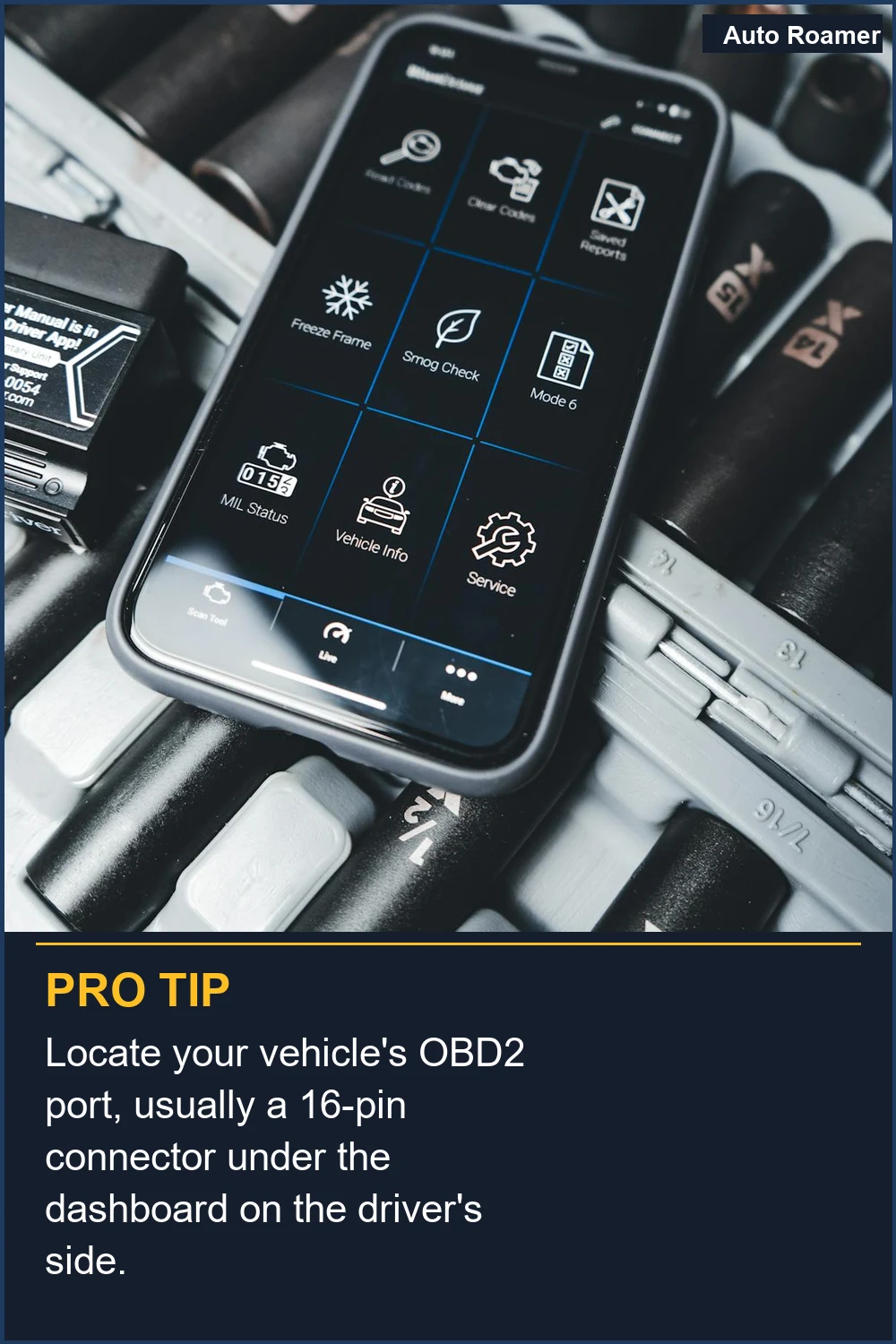
Locate the OBD2 Port: This 16-pin trapezoidal connector is almost always under the dashboard on the driver's side. Sometimes it's behind a flimsy plastic cover, sometimes it's just hanging there. My 2007 Silverado has it tucked right next to the parking brake pedal. Check your owner's manual if you can't find it - saves you crawling around. It's usually under the dashboard near the steering wheel.
-
Plug in the Scanner: Ensure the ignition is off before plugging in. This prevents any transient voltage spikes from potentially corrupting data or damaging the ECU, though modern systems are pretty robust. Firmly connect the scanner cable to the port. You should feel a positive click. A loose connection will give you 'communication error' messages, which is just a waste of time. Make sure it's firmly connected.
-
Turn Key to ON (Engine OFF): Don't start the engine unless the scanner specifically requests it for live data. Most code reading happens with the ignition on, engine off. This powers up the ECU and allows the scanner to communicate without the added noise and vibration of a running engine. The scanner will typically boot up and prompt you to select your vehicle if it's a more advanced model.
-
Read Diagnostic Trouble Codes (DTCs): Navigate the scanner's menu to 'Read Codes' or 'DTCs'. It will display pending codes (issues detected but not yet confirmed) and confirmed codes (issues that have occurred enough times to trip the MIL). Write them down. Seriously. P0420, P0301, P0171 - these are your starting points. Select 'Read Codes' to scan for DTCs.
-
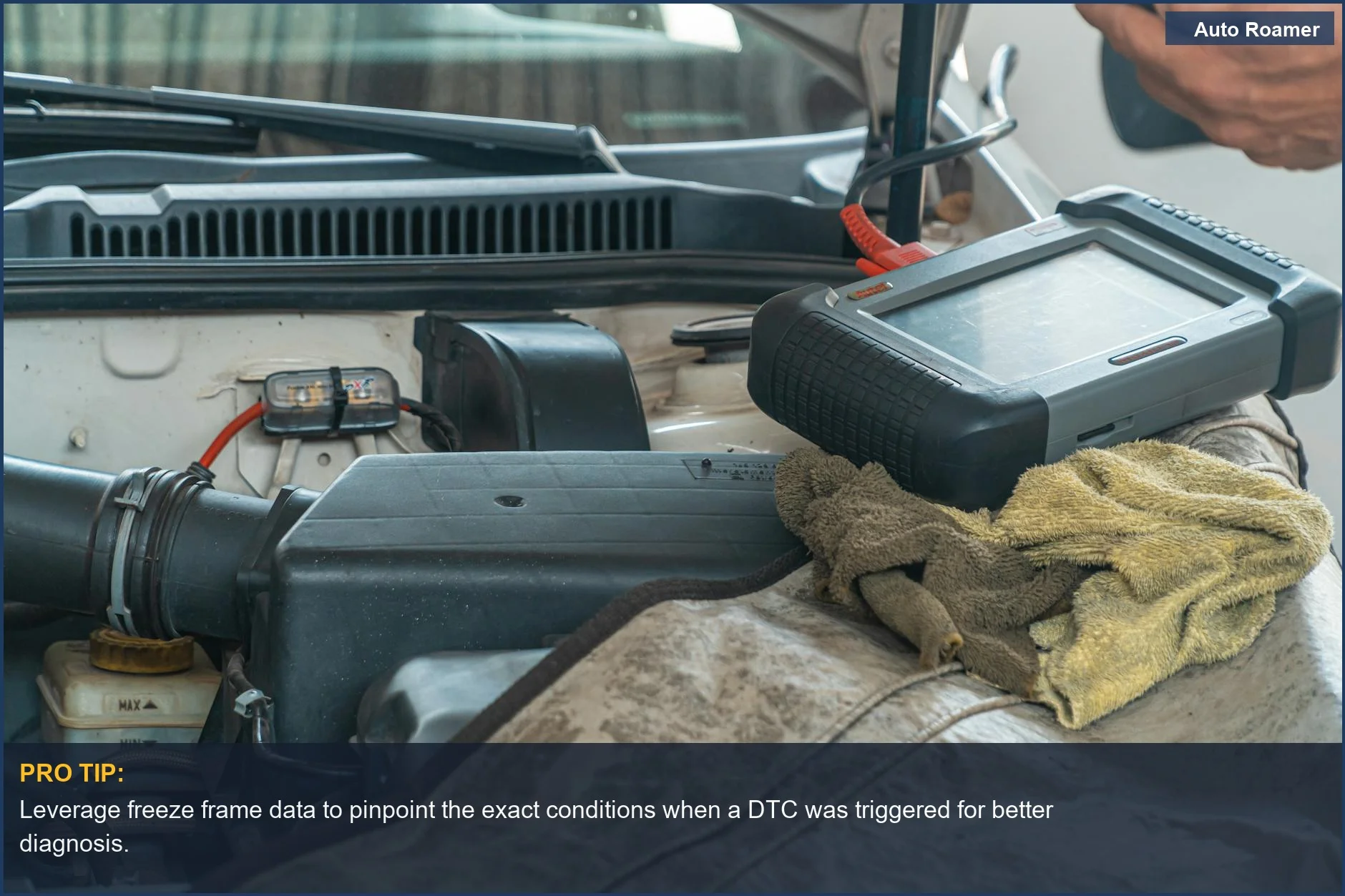
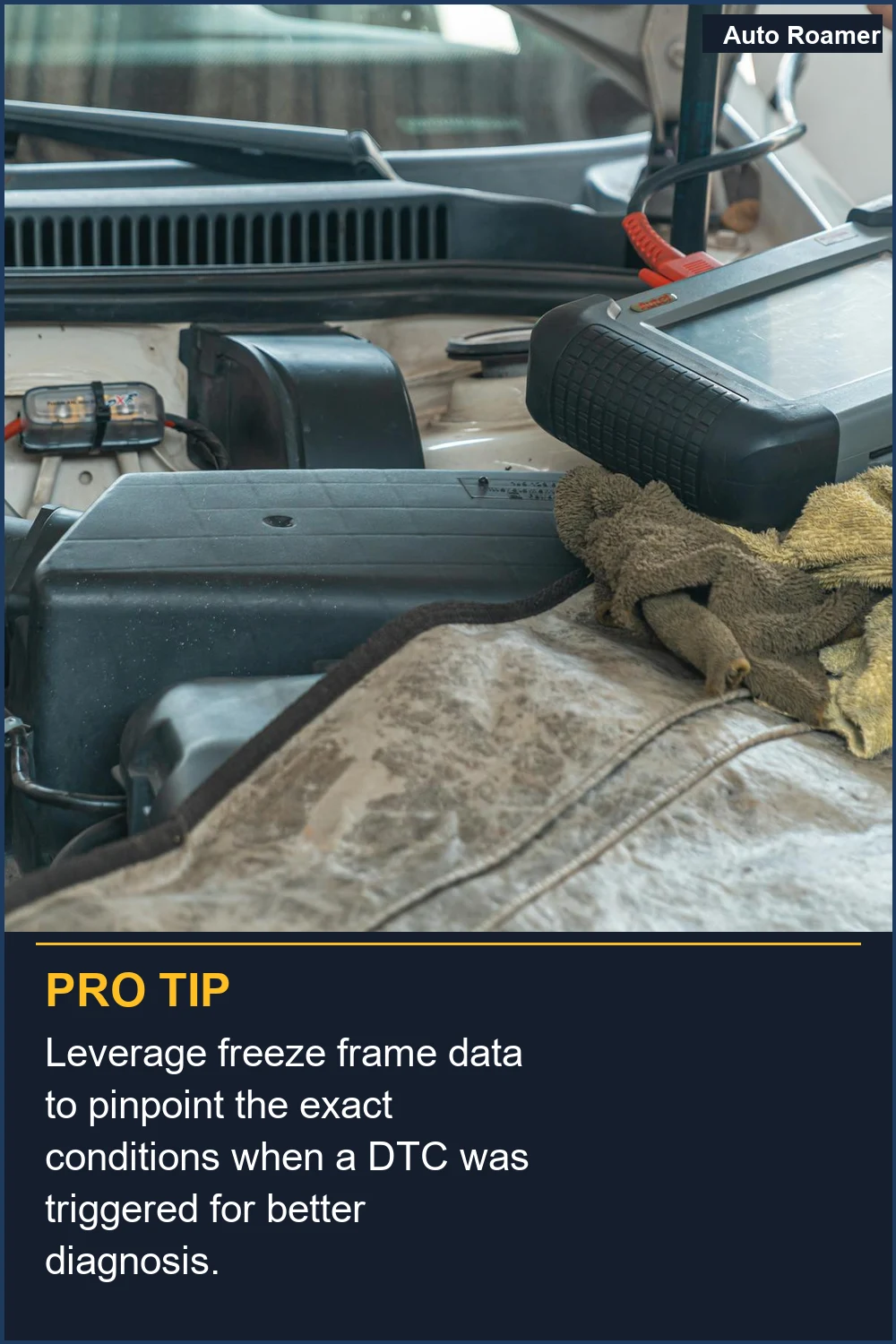
View Freeze Frame Data: This is crucial. When a DTC is set, the ECU records a 'snapshot' of sensor values at that exact moment - engine RPM, coolant temp, vehicle speed, fuel trims, etc. This 'freeze frame' data provides context. Was the misfire happening at idle or wide-open throttle? Was the engine cold or fully warmed up? This information helps narrow down conditions under which the fault occurs, which is gold for diagnosis.
-
Clear Codes (with caution): Most scanners have a 'Clear Codes' function. Only clear codes after you've documented them and have a plan for repair. Clearing codes also resets the 'readiness monitors' (emissions tests). If you clear codes and your state requires an emissions test soon, you'll fail because the monitors aren't 'complete'. Drive cycles are required to reset them, which can take days or hundreds of miles.
An OBD-II scanner can provide insight into your vehicle's computer, but don't just blindly clear codes.
-
Research the DTCs: Once you have the codes, hit the internet. Look for common causes for your specific vehicle and engine. 'P0420 Toyota Camry' will give you much better results than just 'P0420'. This is where you connect the code to the physical failure mode. Is it a known issue with a specific component failure rate? Is there a Technical Service Bulletin (TSB) for it?
-
Consider Live Data: If your scanner supports it, monitoring live data (O2 sensor voltages, MAF readings, fuel pressure) while the engine is running can confirm a suspected component failure. For example, if your O2 sensor voltage is flatlining, it's dead, regardless of what the code says. This is where the cheap $30 scanner often falls short; you need something with a decent refresh rate and graphing capabilities to see transient issues.
What This Looks Like in Practice
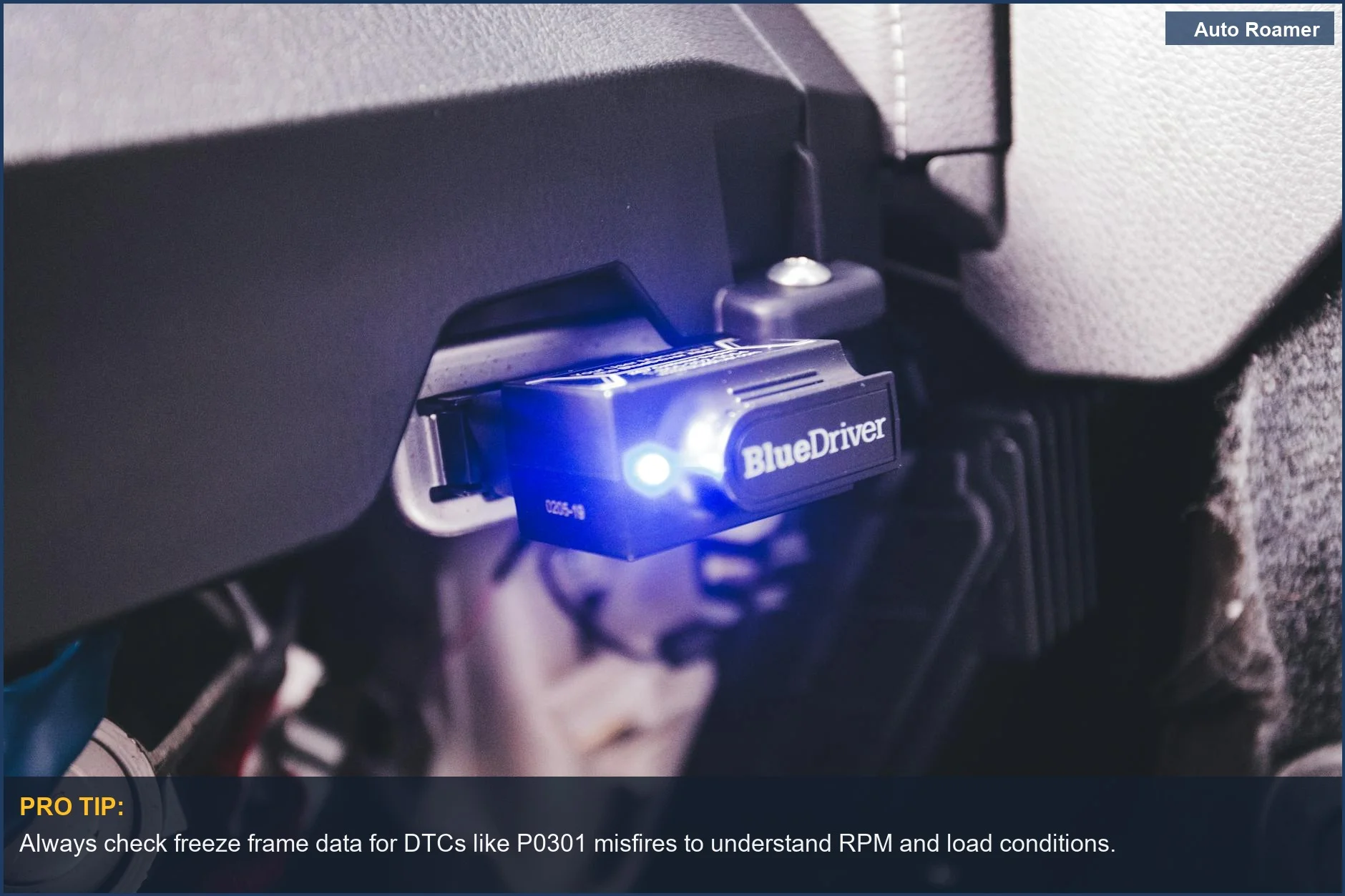
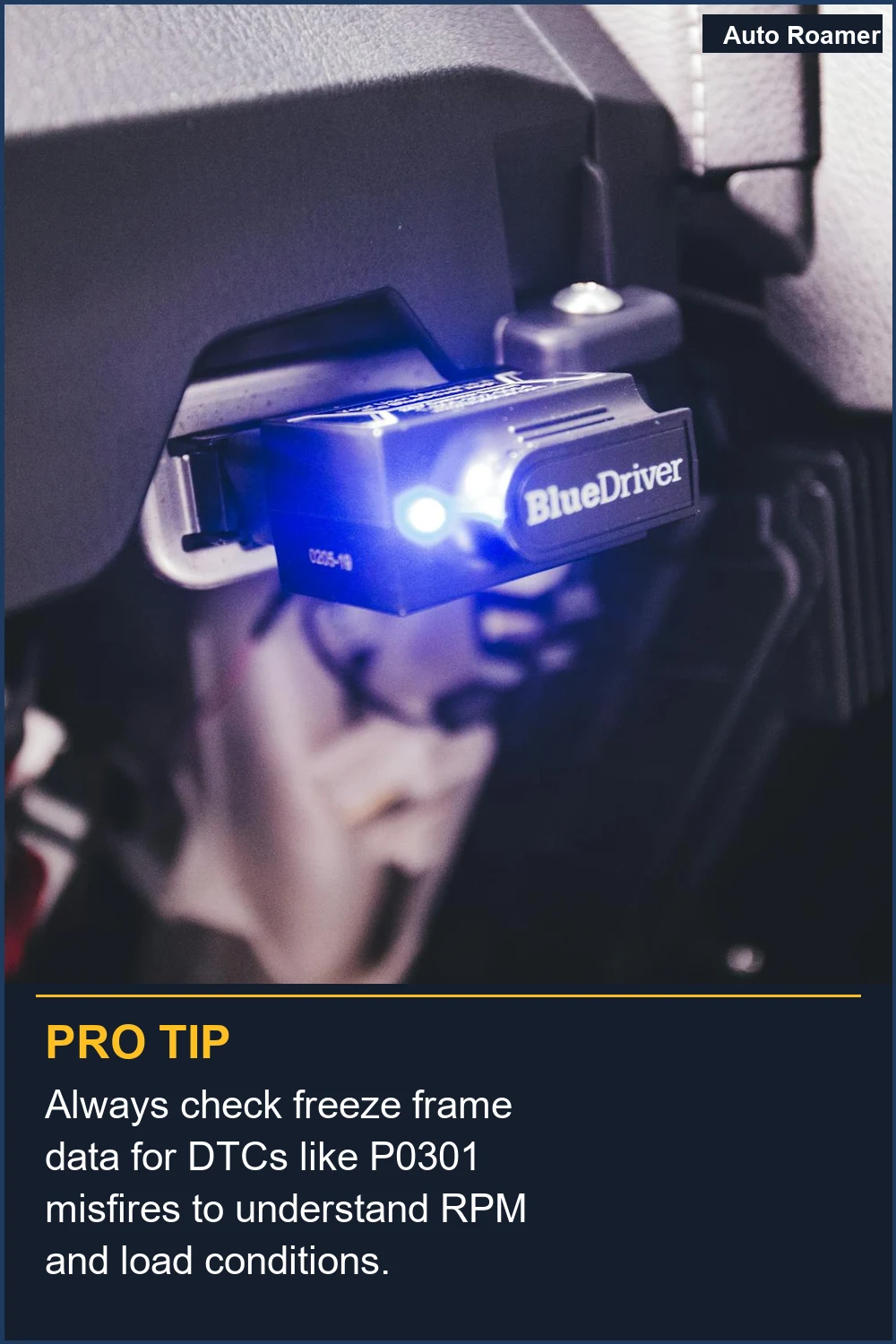
You pull a P0301 (Cylinder 1 Misfire). Check the freeze frame data. It shows the misfire occurred at 3500 RPM under load. This immediately tells me it's not a coil pack failing at idle. I'm looking at fuel delivery (injector clog from carbon buildup, fluid dynamics) or a valve issue (mechanical stress). A quick swap of the coil pack from cylinder 1 to cylinder 2 would confirm if the misfire follows the coil.
If it does, $40 coil pack and 10 minutes. If not, more digging.
My buddy's 2012 Honda Civic threw a P0420 (Catalyst System Efficiency Below Threshold). He figured he needed a new $800 catalytic converter. I checked live data on the upstream and downstream O2 sensors. The downstream sensor was mirroring the upstream, meaning the catalyst wasn't doing its job of storing oxygen. But then I noticed his long-term fuel trims were +15%. Turns out, he had a small exhaust leak before the catalyst, letting in unmetered air.
Fixed the leak with a $12 clamp. Code gone. This is how you fix a car with a scan tool, not just throw parts at it.
On a 2015 Ford Focus, a P0456 (EVAP System Small Leak Detected) popped up. The dealer wanted $350 to 'smoke test' it. I checked the gas cap first - a common failure point for its cheap plastic threads and poor sealing. The O-ring was cracked. A $15 OEM gas cap fixed it. The leak was caused by a loss of mechanical clamp load on the seal, allowing vapor outgassing. Simple.
This new cheap scan tool can help diagnose problems without a mechanic.
My old Jeep Cherokee had a P0113 (IAT Sensor High Input). The Intake Air Temperature sensor was reporting -40 degrees F, even in summer. This meant an open circuit. I checked the wiring harness. Sure enough, a squirrel had chewed through two wires near the sensor. A $5 splice kit and 15 minutes of my time. The sensor itself was fine; it was a circuit integrity failure due to external mechanical stress from a rodent.
No need for a new sensor. No need for a $150 'electrical diagnosis'.
Mistakes That Cost People
| Mistake | Why It's Wrong (Physics/Engineering) | Costly Outcome |
|---|---|---|
| Clearing codes without diagnosis | Removes freeze frame data, resetting readiness monitors. This erases the context of the fault. | Fails emissions test, problem recurs without understanding root cause. |
| Replacing parts based solely on DTC definition | DTCs are system-level, not component-level. 'P0420 Catalyst' doesn't mean the cat is bad; it's an efficiency issue. | Wasted money on expensive parts (e.g., $800 catalytic converter when it's an O2 sensor). |
| Ignoring freeze frame data | Loses critical operating conditions (RPM, temp, load) at the moment of failure. | Blindly troubleshooting, missing intermittent issues or specific operating condition failures. |
| Not checking for TSBs (Technical Service Bulletins) | Manufacturers often have known issues with specific failure rates or design flaws. | Spending hours diagnosing a problem with a known, often simpler, factory-recommended fix. |
| Using a cheap scanner for live data | Slow refresh rates and poor graphing make it impossible to see transient voltage drops or sensor fluctuations. | Misinterpreting data, missing intermittent glitches in circuit integrity or sensor response. |
| Ignoring symptoms beyond the code | A P0301 with black exhaust smoke points to a rich condition; P0301 with white smoke is coolant. The code is only part of the story. | Focusing on one component when a larger thermal or fluid dynamics issue is present. |
| Not checking basic maintenance items first | Vacuum leaks, dirty air filters, fouled spark plugs often mimic more complex issues. | Overlooking simple mechanical stress or fluid dynamic issues that could be fixed for $10. |
These mistakes are why people waste hundreds at the dealer. They hand over a code, the dealer replaces the most expensive component associated with it, and the problem often comes back because the root cause wasn't addressed. An OBD2 scanner is a device that reads your vehicle's 'check engine light' codes, but it's not a crystal ball. You still need to think.
Key Takeaways
Getting an OBD2 scanner, even a basic $30 unit, is a solid investment against dealership rip-offs. It gives you raw data, which is power. But remember, the scanner is just a tool; your brain is the diagnostic instrument. Don't let a generic code scare you into an expensive, unnecessary repair.
- DTCs are symptoms, not diagnoses: A P0420 doesn't mean 'replace catalytic converter.' It means 'catalyst efficiency is below spec.' The root cause could be an O2 sensor, an exhaust leak, or even misfires contaminating the catalyst over time. Always dig deeper than the simple code definition. This small tool connects to your car and reads problem codes.
- Context is King (Freeze Frame Data): Always review the freeze frame data.
Knowing the engine RPM, load, and temperature when the code set can save you hours of troubleshooting. It narrows down the conditions under which the failure mode occurs, helping you pinpoint intermittent issues. * Live Data is Your Friend: If your scanner supports it, monitoring live sensor data (O2 voltages, fuel trims, MAF readings) confirms component failures in real-time. This is where you see the actual circuit integrity or fluid dynamics at play, not just a static code.
A slow O2 sensor response, for instance, is clear on a live graph. * Don't Fear the DIY: Most 'Check Engine' light issues are minor and can be diagnosed and fixed with basic tools and a little research. The dealership wants your money; your scanner wants to give you information. Choose wisely.
Frequently Asked Questions
My scanner says 'P0420 Catalyst System Efficiency Below Threshold'. How much can I save by doing this myself versus a shop?
Do I really need a fancy scanner that shows live data, or is a basic code reader enough?
What if I replace the part the code points to, and the check engine light comes back on after 50 miles?
Can driving with the check engine light on permanently damage my engine?
My buddy told me to just disconnect the battery to reset the check engine light. Is that a good idea?
Sources
- Best OBD2 Scanners 2026 Top Picks for Car Diagnostics - YouTube
- mastering-the-use-of-an-obd2-scanner-a-step-by-step-guide-for-every-car-owner?srsltid=AfmBOopZaQXmnRFR6ptRLcELAY6V6mLugViinftPhvwJaz8lBrbTeZif
- This New Cheap Scan Tool Has Mechanics Crapping in Their Pants
- 3 Things You Need to Know Before Buying an OBD-II Scan Tool
- How to Use an OBD2 Scanner: A Beginner's Guide - Reddit
- The OBD2 Scanners I Actually Use (Best of 2025/2026) - YouTube
- How To Use An OBD2 Scanner (2026) - Automoblog
- Consumer and Professional Scanners, are mechanics using more ...
- How to Use an OBD2 Scanner for Accurate Car Diagnostics - VEVOR
- Tested: Best OBD-II Scanners for 2026 - Car and Driver
- Cheap vs Expensive OBD2 Scanners – One Stood Out! - YouTube