Car Maintenance

How to Reset Check Engine Light: Why Clearing the Code is Usually a Mistake

Auto Roamer
11 min read
Includes Video

The check engine light just flickered on your dash, miles from anywhere, and your first instinct is to hit that reset button. We've all been there, staring at that ominous glow and hoping it's just a phantom gremlin. But that immediate urge to clear the code is precisely the wrong move.

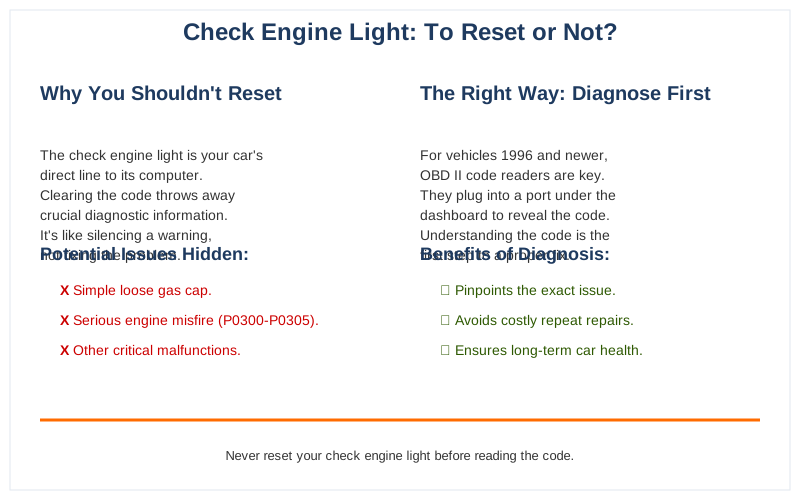
The check engine light just flickered on your dash, miles from anywhere, and your first instinct is to hit that reset button. We've all been there, staring at that ominous glow and hoping it's just a phantom gremlin. But that immediate urge to clear the code is precisely the wrong move. Think of the check engine light as your car's direct line to its onboard computer, and the diagnostic trouble code it triggers is invaluable information, not just a nuisance. Ignoring it or simply resetting it before diagnosis is like throwing away a crucial clue Reset a Check Engine Light at Your Own Risk - Car and Driver. For vehicles 1996 and newer, an OBD II code reader makes understanding these codes surprisingly straightforward, plugging into a port usually found under the dashboard How to Reset a Check Engine Light - TrueCar Blog. This code is the starting point for understanding if you're dealing with something as simple as a loose gas cap or a more serious issue like an engine misfire, which can be indicated by codes like P0300 to P0305 The 5 Most Frequent Check Engine Codes. Clearing the light without understanding the underlying problem means you're essentially silencing your car's warning system without addressing the root cause.
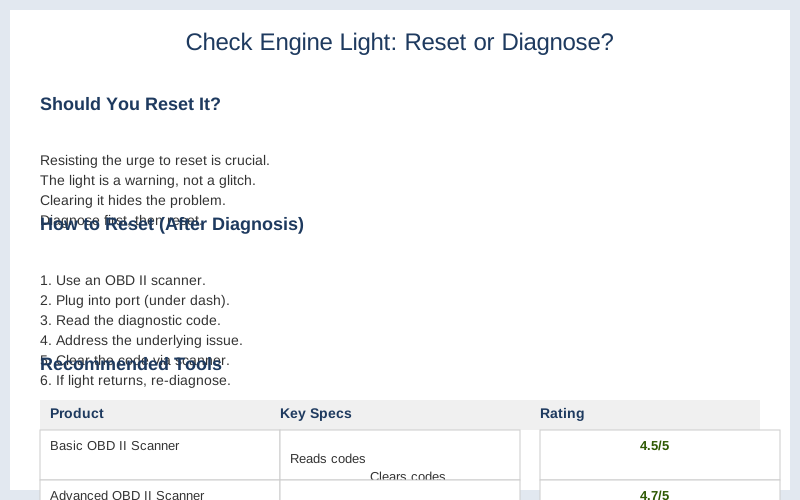
Infographic: Resetting check engine light vs. diagnosis.
Key specifications for how to reset check engine light and whether you should before getting it diagnosed

The Short Answer

Never reset your check engine light before reading the code. Clearing the code without diagnosing the underlying issue is like throwing away the only clue to a problem; it's a temporary fix that hides a potentially serious malfunction.

When that amber engine outline illuminates on your dashboard, your first instinct might be to reset check engine light and hope it vanishes. Resist this urge. The light is your car's way of telling you something is wrong, and the diagnostic trouble code (DTC) stored in the car's computer is the key to understanding the problem.

Common culprits for a check engine light include a loose gas cap, faulty oxygen sensors, engine misfires (codes P0300 to P0305), or catalytic converter issues (like P0420) The 5 Most Frequent Check Engine Codes. A solid light usually means a minor issue that doesn't require immediate roadside attention, but a flashing light indicates a severe problem, like a misfire, that demands you pull over immediately to prevent catastrophic engine damage Reset a Check Engine Light at Your Own Risk - Car and Driver.

You can read the code yourself for free at many auto parts stores like AutoZone, or invest in an affordable OBD2 scanner for around $20. Simply plug it into your car's OBD-II port (usually under the dashboard), turn the ignition to the 'run' position, and select the option to read codes How to Reset a Check Engine Light - TrueCar Blog. You'll get a code (e.g., P0172 for a rich fuel system) that you can then look up for your specific vehicle's make and model to understand the exact issue.

Clearing the code without fixing the problem means the light will likely return, especially after the car's onboard diagnostic system runs its readiness monitors. If you clear the code and the light stays off for a few drive cycles, it might seem fixed, but the underlying issue is still present and could lead to more significant, expensive repairs down the line. Always diagnose first, then clear.
If you're looking for alternatives, you might want to explore how to reset your check engine light without a scanner.
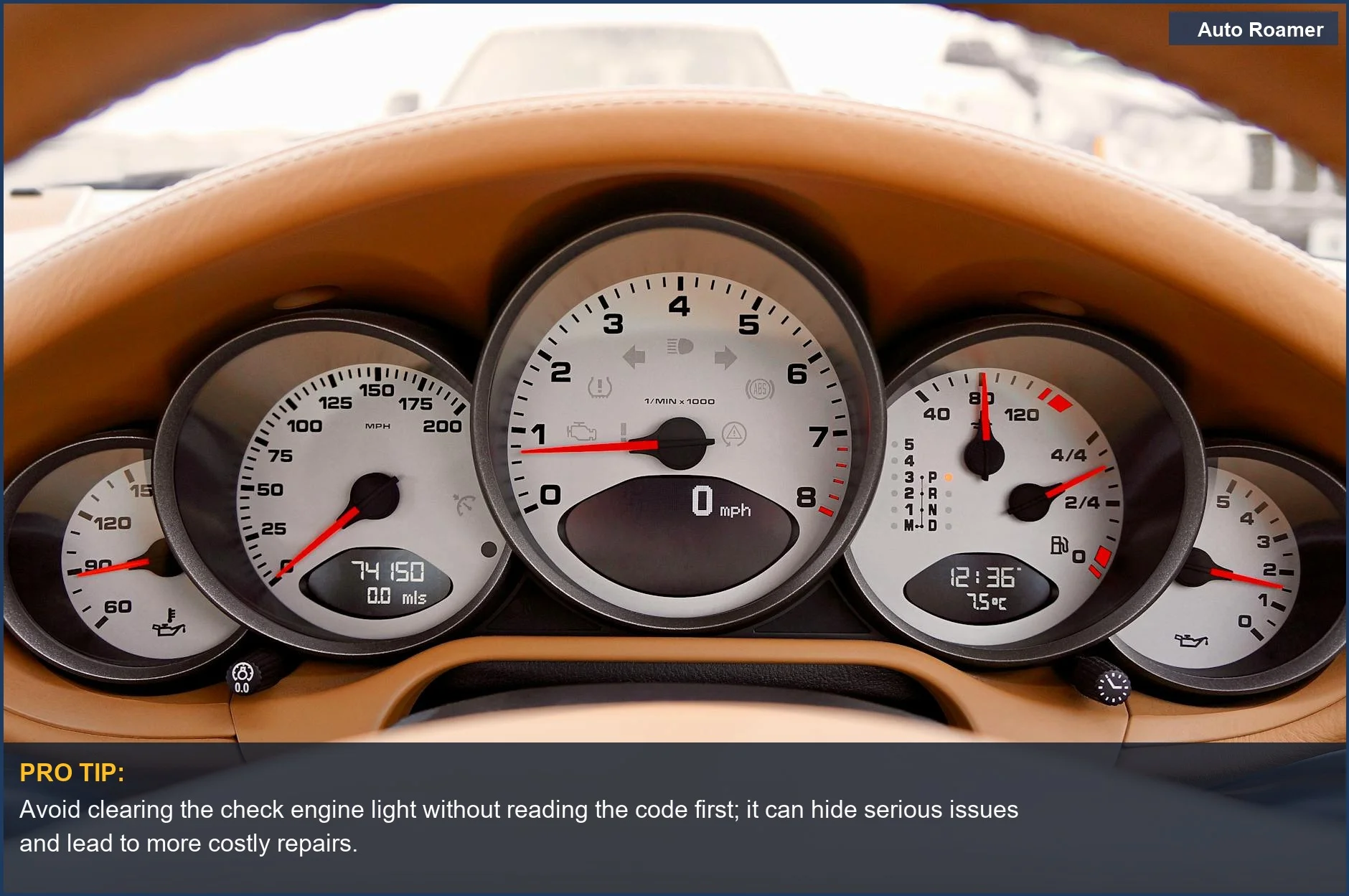
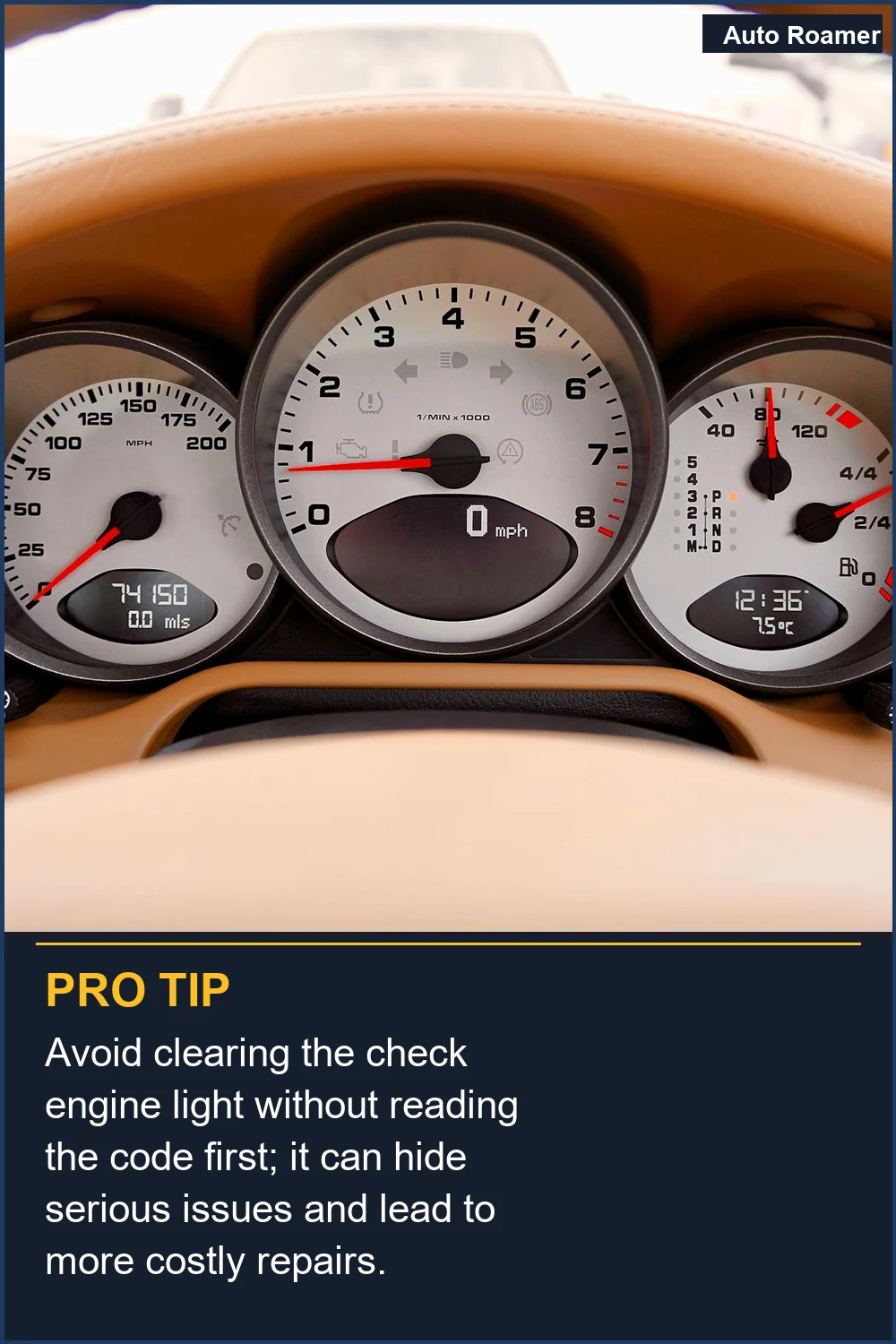
Avoid clearing the check engine light without reading the code first; it can hide serious issues and lead to more costly repairs.
A lit check engine light on a car dashboard signifies an issue. Learn why you shouldn't reset it before understanding the OBD2 code. | Photo by Mike Bird

What You Need to Know

1
Understand OBD2 Codes - Your vehicle's check engine light is triggered by diagnostic trouble codes (DTCs) stored in the Engine Control Module (ECM). These codes are standardized and typically start with a letter indicating the system: P for Powertrain, B for Body, C for Chassis, and U for Network Communications The 5 Most Frequent Check Engine Codes. For example, P0xxx codes relate to powertrain issues, such as the common P0172 for a rich fuel mixture Check Engine Light - Diagnostic Codes.
2
Beware of Freeze Frame Data - When a DTC is set, the ECM also captures "freeze frame" data. This is a snapshot of sensor readings and operating conditions at the exact moment the fault occurred. Clearing the code without understanding this data is like throwing away crucial evidence. You lose the context that helps pinpoint the root cause, making diagnosis much harder Reset a Check Engine Light at Your Own Risk.
3
Pending vs. Confirmed Codes and Readiness Monitors - Some codes are "pending," meaning the ECM detected a potential issue but it hasn't occurred consistently enough to trigger the check engine light. "Confirmed" codes are what illuminate the light. Clearing any code, pending or confirmed, resets your vehicle's "readiness monitors." These monitors are self-tests the ECM runs to ensure emissions systems are functioning correctly. If they are not reset, your vehicle will likely fail an emissions inspection How to Reset a Check Engine Light.
4
Why Clearing is Usually a Mistake - The biggest mistake people make is trying to reset the check engine light before diagnosing the problem. You might get lucky with a loose gas cap (often a P0440 code), but for more complex issues like misfires (P0300-P0305) or oxygen sensor failures (P0150-P0175), the light will return. This not only wastes your time but can mask a serious problem that could lead to further damage or costly repairs down the line Reset a Check Engine Light at Your Own Risk. For vehicles 1996 and newer, an OBD II scanner is your best friend for reading these codes How to Reset a Check Engine Light.
To better understand persistent issues, consider reading about why your check engine light keeps coming on.
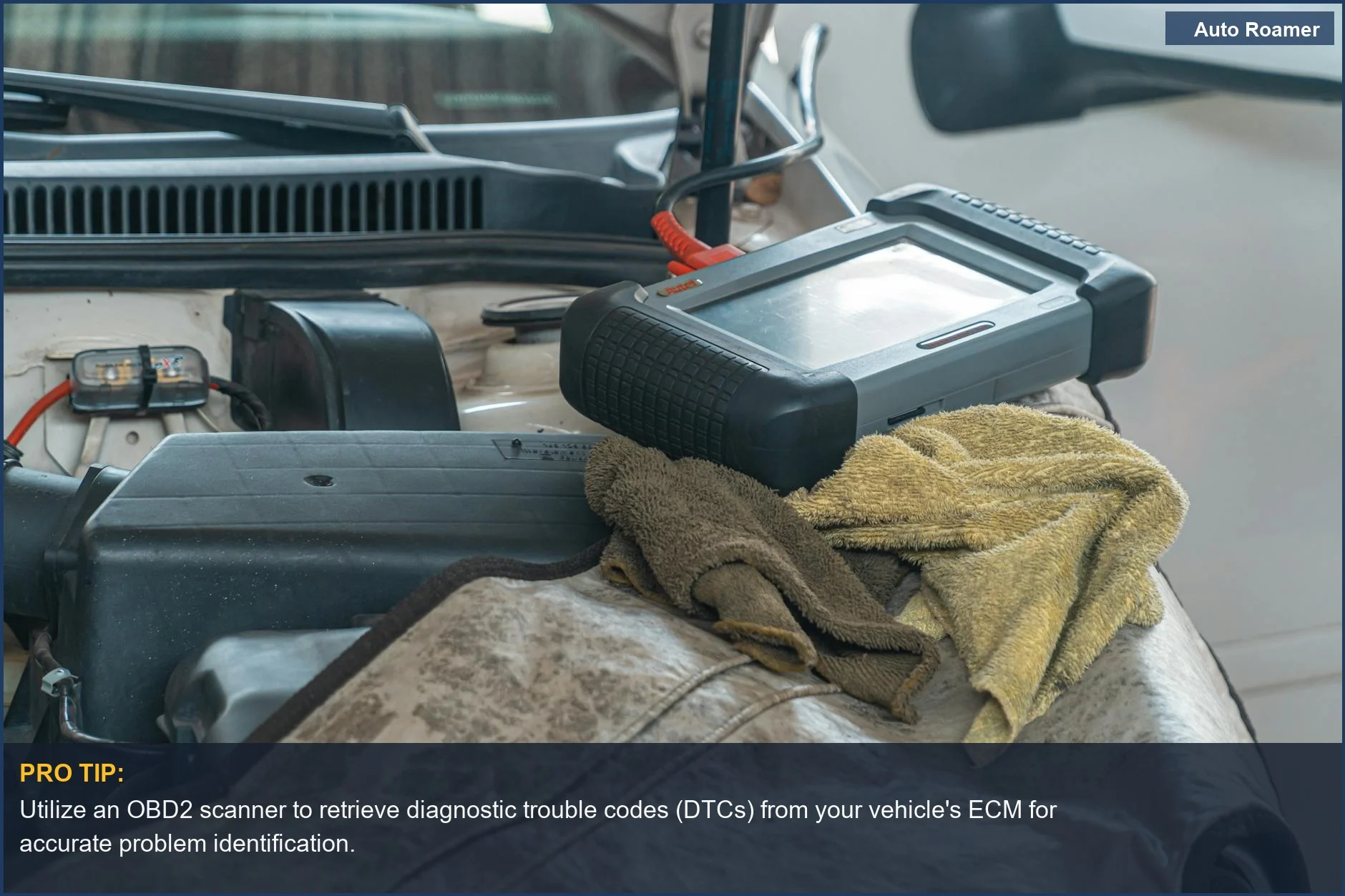
Utilize an OBD2 scanner to retrieve diagnostic trouble codes (DTCs) from your vehicle's ECM for accurate problem identification.
Diagnosing car trouble with an OBD2 scanner is the first step. Understand the meaning of these codes to effectively clear your check engine light. | Photo by Jose Ricardo Barraza Morachis

How to Handle This

1
Read the code first - Before clearing a check engine light, know why it came on. Plug in an OBD II scanner or use a smartphone app like Torque or Carly. This step is critical; it provides diagnostic information. Skipping it means you're flying blind.
2
Identify your specific vehicle's code - Don't use generic code meanings. Codes like P0300 to P0305 for engine misfires or P0172 for a rich fuel system have different root causes depending on your car's make and model. Use a reliable online resource like KBB's OBD-II code list to understand what that specific code means for *your* car.
3
Determine if it's a glitch or a persistent problem - Was it momentary, or is the light staying on consistently? If the check engine light is solid and the car drives normally, it might be a minor issue, perhaps a loose gas cap (which can trigger codes like P0440). If the light is flashing, pull over immediately; this indicates a serious problem.
4
Fix the root cause before attempting to reset - If your scanner shows a P0150 to P0175 code indicating a faulty oxygen sensor, replace the sensor. If it's a P0420 for catalytic converter efficiency, that needs addressing. Clearing the code without fixing the underlying issue will cause the light to return. For vehicles 1996 and newer, clearing codes also resets readiness monitors, which can cause you to fail an emissions test if they haven't completed their cycles.
5
Battery disconnect as a last resort - If other methods fail, or if the code is intermittent, disconnecting the negative battery terminal can sometimes reset the light. This wipes all learned parameters from your car's computer, requiring it to relearn driving habits and emissions cycles. It's less precise than using an OBD2 scanner to clear specific fault codes.
Understanding how to reset the check engine light can complement your knowledge of how OBD2 scanners diagnose problems.
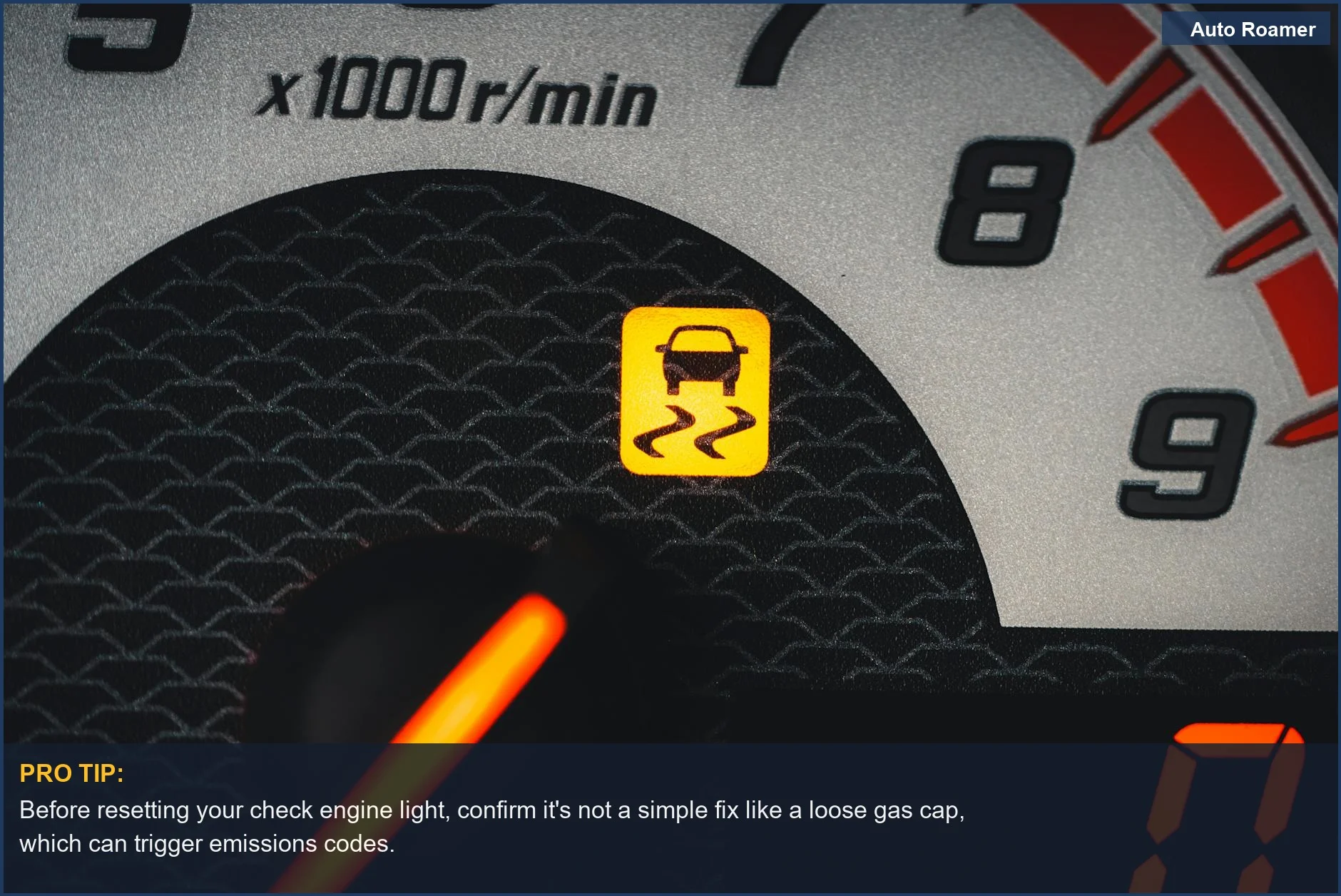
Before resetting your check engine light, confirm it's not a simple fix like a loose gas cap, which can trigger emissions codes.
While this shows a traction control light, similar dashboard warnings can accompany a check engine light. Learn how to reset it properly. | Photo by Erik Mclean

What This Looks Like in Practice

  • Loose Gas Cap on a Suburban Road Trip A P0440 code (evaporative emission system leak) often appears after refueling. The fix is simple: tighten the gas cap until it clicks. The light may disappear after a few driving cycles TrueCar Blog. This is a common, easily resolved issue.
  • Oxygen Sensor Failure on a Mountain Ascent Driving a Subaru Outback on a winding mountain road, a P0420 code (catalytic converter efficiency issue) might signal a failing oxygen sensor The 5 Most Frequent Check Engine Codes. Clearing the code with an OBD2 scanner might provide temporary relief, but the light often reappears within a certain distance as the sensor continues to report a problem Reset your Check Engine Light Easily - OBD2 Reader - YouTube. This code points to a significant emissions-related component.
  • Misfire on a Long Highway Drive A P0303 code (misfire in cylinder 3) during a long highway drive in a Ford F-150 is serious The 5 Most Frequent Check Engine Codes. This usually means a faulty spark plug, ignition coil, or fuel injector I made a 'Check Engine Light' cheat sheet for the most common .... Clearing the code is temporary; the underlying issue will persist and could cause more damage.
  • Catalytic Converter Issue in City Driving A P0420 code, often linked to catalytic converter problems, can appear during stop-and-go city traffic. This repair is frequently expensive. While an OBD2 scanner can clear the check engine light, the problem remains unresolved, and the light will return Reset a Check Engine Light at Your Own Risk - Car and Driver. Diagnose the root cause before clearing such codes.
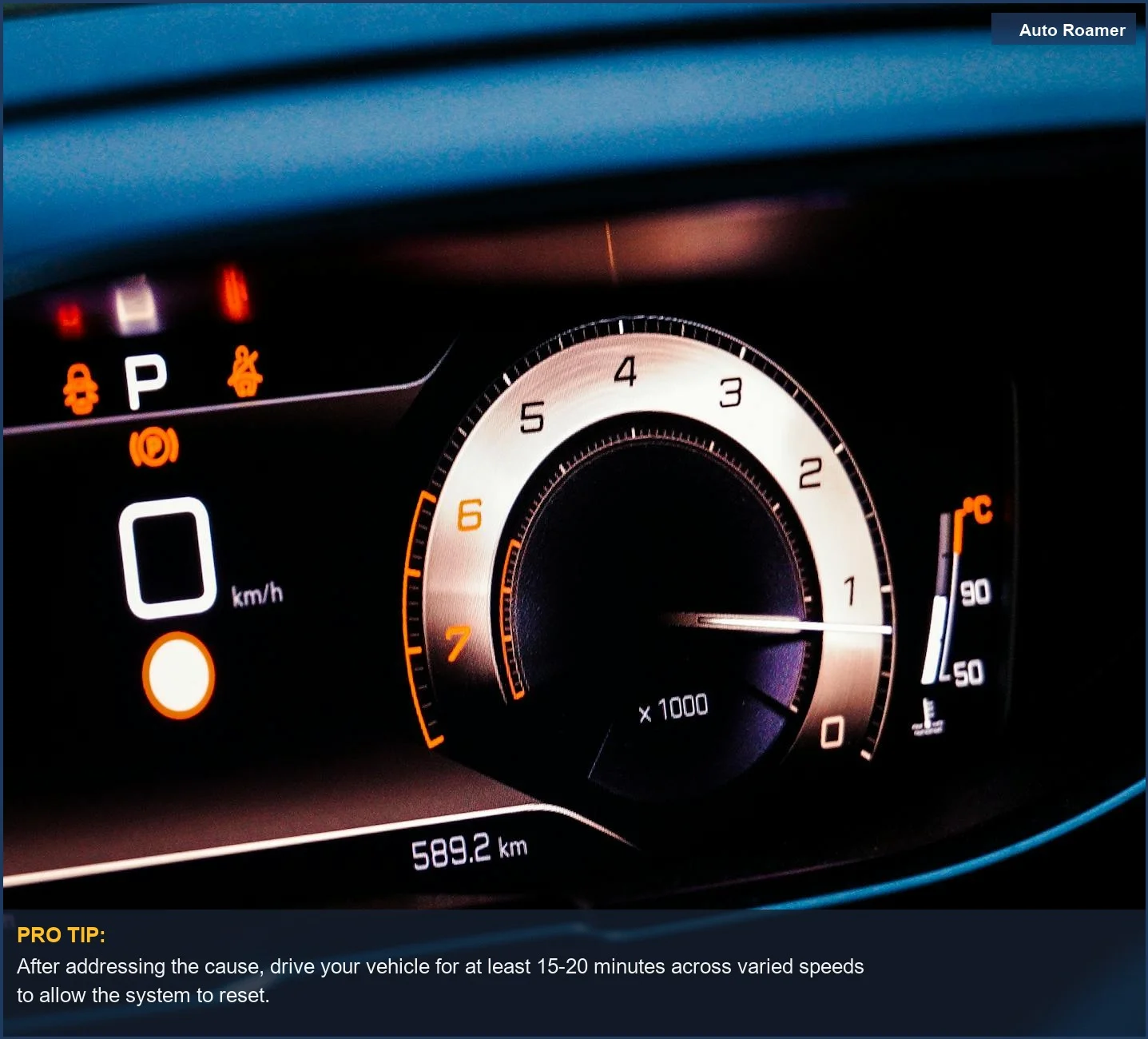
Understanding how to interpret your vehicle's indicators can be crucial, so familiarize yourself with what those dashboard warning lights actually mean.
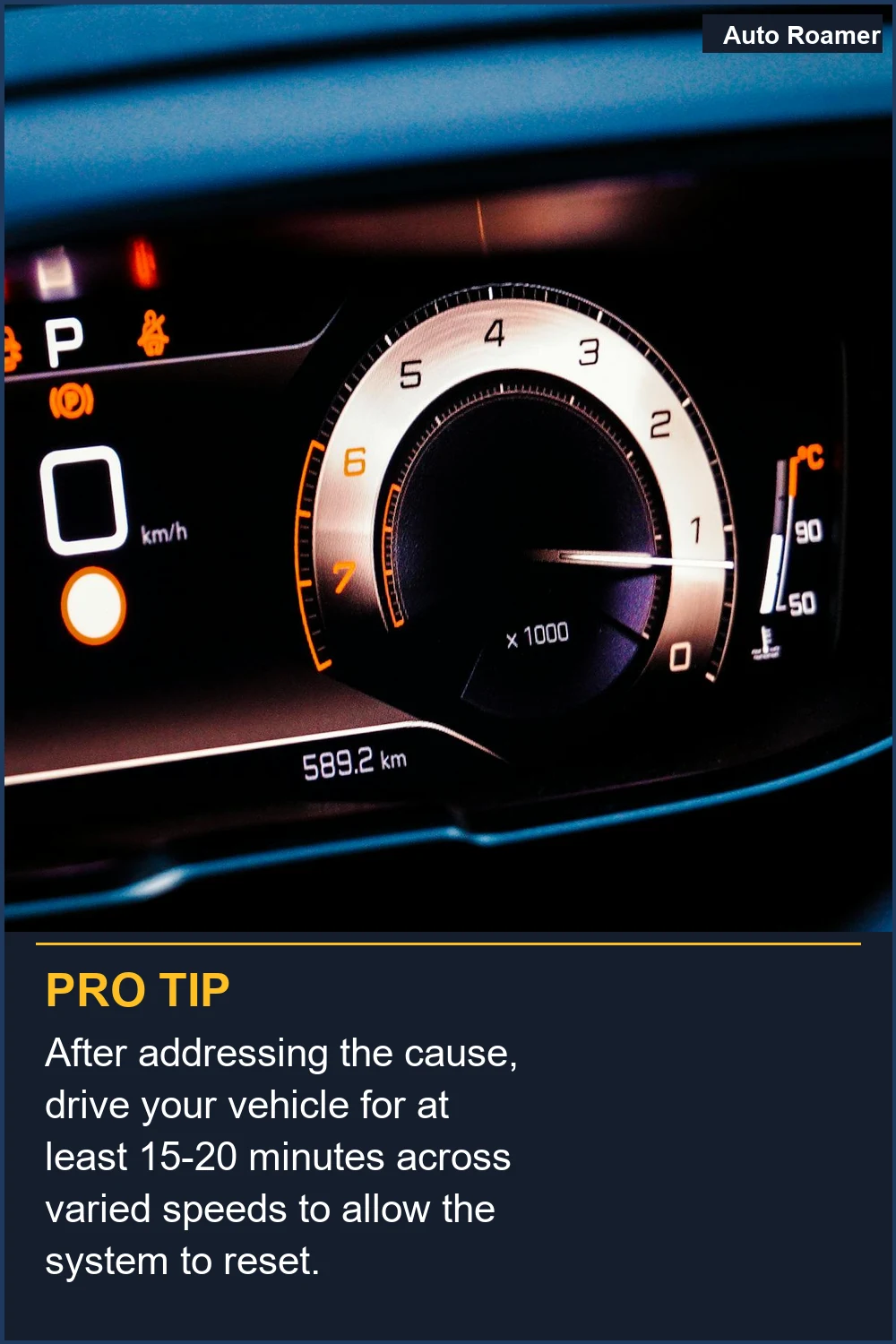
After addressing the cause, drive your vehicle for at least 15-20 minutes across varied speeds to allow the system to reset.
Your car's dashboard displays crucial information. Discover how to reset the check engine light and what the various warning indicators mean. | Photo by Damir K .

Mistakes That Cost People

Mistakes That Cost People

We see this all the time: the check engine light comes on, and the first instinct is to clear the code and hope it disappears. This is a critical error. Clearing the code without understanding its cause is like ignoring a smoke alarm because you don't like the noise. You're masking a problem, not solving it. This is especially true for newer vehicles, which have complex emissions monitoring systems.

Symptom Check engine light illuminates.
Signal OBD2 scanner shows a code, for example, P0172 (system too rich) or P0300 (engine misfire).
Fix Use an OBD2 scanner to read the code before clearing it. Understand the code's meaning using resources like KBB's OBD-II code list.
Symptom Check engine light is on before an emissions test.
Signal Readiness monitors are not complete after clearing a code.
Fix Drive the vehicle through its full drive cycle to allow the emissions systems to run their tests. Clearing the code without completing the drive cycle will cause a failed emissions inspection.
Symptom Flashing check engine light.
Signal Rapidly blinking check engine light on the dashboard.
Fix Pull over immediately and shut off the engine. A flashing light almost always indicates a severe issue, like a misfire that can quickly damage the catalytic converter (Car and Driver).
Symptom Assuming the first code is the only problem.
Signal Scanner shows a P0420 code (catalyst system efficiency below threshold).
Fix Recognize that one code can trigger others. For instance, an oxygen sensor issue (P0150 to P0175) might precede a catalytic converter code (CBAC). Diagnose all related codes before attempting a repair.

Many people assume they need to pay a significant amount to diagnose a check engine light. This is rarely the case. Auto parts stores often offer free code reading services. Even purchasing your own OBD2 scanner, like a Bluetooth adapter that works with your smartphone, can be a cost-effective solution.
Symptom Paying for code reading.
Signal Mechanic or dealership visit for simple code retrieval.
Fix Utilize free OBD2 code scanning services at many auto parts stores (TrueCar Blog). A basic OBD2 scanner can be acquired for a modest investment, often paying for itself on the first use.
Symptom Resetting the light for a temporary fix.
Signal Check engine light reappears after a short period of driving.
Fix Address the root cause of the code. Clearing the code without repairing the underlying issue, such as a faulty spark plug or a loose gas cap, will only provide a temporary reprieve before the light returns.
Symptom Ignoring a steady check engine light.
Signal Solid amber or yellow check engine light with no apparent drivability issues.
Fix Even a steady light indicates a problem that should not be ignored. It could be something as simple as a loose gas cap, or it could be an early warning of a more significant issue like emissions system problems (P0400 to P0499) (CBAC).
To keep your car running smoothly, don't forget to also tackle maintenance tasks like replacing the air filter.
Pros/cons: resetting check engine light vs. diagnosing.
Comparison overview for how to reset check engine light and whether you should before getting it diagnosed

Key Takeaways

  • Never reset your check engine light before reading the code. This is the single most important thing. Clearing the code without understanding the underlying problem is like ignoring a fever without knowing if it's a cold or pneumonia. You're just hiding the symptom.
  • A $20 Bluetooth OBD2 scanner, like those recommended on YouTube OBD2 Reader, pays for itself on the first use. It allows you to read the diagnostic trouble code that triggered the light, providing crucial information for diagnosis TrueCar Blog.
  • The check engine light can indicate anything from a loose gas cap to a failing catalytic converter, with common codes like P0300 to P0305 signaling engine misfires The 5 Most Frequent Check Engine Codes. Knowing the specific code (e.g., P0172 for a rich fuel system Check Engine Light - Diagnostic Codes) is essential for accurate repair.
  • Clearing codes also resets your vehicle's readiness monitors, which are crucial for passing emissions tests. If you clear a code without fixing the issue, your car won't be ready for inspection, leading to a failed test.
  • While some might suggest disconnecting the battery, it's a brute-force method that often just masks the problem and resets these vital monitors. Always read the code first, then address the root cause before attempting to clear it.
To maintain your vehicle's safety, it’s also important to learn how to check your oil regularly.

Frequently Asked Questions

Will clearing the check engine light help me pass emissions testing?
Generally, no. Most emissions tests require the vehicle's onboard computer to have completed a series of 'drive cycles' without triggering a fault code. Clearing the light resets these monitors, and if they haven't run their course, you'll likely fail. We found this out the hard way on a long trip through Arizona; the light popped on for a loose gas cap, and we had to drive for a couple of days before the system reset so we could pass inspection.
Can I just disconnect the battery to get rid of the check engine light?
Yes, disconnecting the battery for about 15-30 minutes will often reset the check engine light, as it clears the car's computer memory. However, this also resets other learned settings like radio presets and sometimes even the idle control on certain vehicles. It's a quick fix, but it doesn't solve the underlying issue, which will likely cause the light to return.
How soon after I clear the check engine light will it come back on?
That really depends on the original problem. If it was something simple like a loose gas cap, it might stay off for a long time, or until you hit a bump that loosens it again. If it's a more serious issue, like a failing oxygen sensor (a common culprit, often showing as P0171 or P0172 Source), the light could reappear within a few miles or even minutes. We've had codes related to emissions systems come back within the same day.
Is it safe to keep driving if my check engine light is on?
If the check engine light is solid and the car is driving normally, it's usually safe to drive, but don't ignore it. It might be something minor like a gas cap Source. However, if the light is flashing, pull over immediately; this indicates a severe issue, like a misfire that could quickly damage your catalytic converter, and continuing to drive could lead to costly repairs. We once had a flashing light on our old Subaru Outback and had to get it towed.
What does it mean when my check engine light starts flashing?
A flashing check engine light is a serious warning. It usually signifies a critical engine malfunction, most commonly a severe engine misfire that is sending unburned fuel into the exhaust system Source. Continuing to drive with a flashing light can quickly lead to expensive damage, especially to your catalytic converter. You should pull over as soon as it's safe and have the vehicle diagnosed immediately.
Should I try to clear the check engine light before taking it to a mechanic?
It's generally not recommended to just clear the light before diagnosis. While you can easily do this with an OBD2 scanner Source, it erases the trouble codes that a mechanic needs to pinpoint the problem. Without those codes, they're essentially starting blind, which can lead to unnecessary diagnostic time and cost. We always let the codes tell the story first.
How do I actually clear a check engine light using an OBD2 scanner?
Using an OBD2 scanner is straightforward. You plug the scanner into your car's OBD-II port (usually found under the dashboard), turn the ignition key to the 'on' position (without starting the engine), and navigate the scanner's menu to 'read codes' or 'clear codes' Source. Some scanners, like the Innova FixAssist, make this process very quick Source. After clearing, it's a good idea to tighten your gas cap if that was the suspected issue Source.
What does a P0171 code mean for my check engine light?
A P0171 code typically indicates that your engine's air-fuel mixture is too lean, meaning there's too much air or not enough fuel. This is a common check engine light meaning Source. It could be caused by a vacuum leak, a faulty mass airflow sensor, or issues with the fuel injectors or fuel pump. We've seen this code pop up on our old Ford F-150 more than once.

Sources

Related Articles