
How to Jump Start a Car Safely: Essential Tips for Every Road Trip
Jump-starting a car safely involves a precise cable connection sequence. Connect the dead battery's positive terminal first, then the good battery's positive. Next, connect the good battery's negative terminal, and finally, the unpainted metal on the engine block of the dead car. This order prevents sparks.
Getting stranded with a dead car battery is a common roadside headache, but knowing how to jump start a car safely can get you back on the road quickly. We've all been there, staring at a silent engine, wondering what to do next. This guide breaks down the process, ensuring you can tackle this common issue with confidence and avoid potential hazards like electrical damage or personal injury AAA.
Jump-starting a car involves using jumper cables to draw power from a working vehicle's battery to revive a depleted one. It's a skill every driver should have in their toolkit, especially for those who tend to leave their cars parked for extended periods, as batteries naturally drain over time Consumer Reports. While it might seem straightforward, incorrect procedures can lead to sparks, damage to sensitive electronics, or even a battery explosion. Understanding the proper sequence and safety precautions is crucial; this isn't just about getting your car started, it's about doing it without creating bigger problems. We'll walk you through the essentials to ensure a safe and successful jump-start every time.
The Short Answer: How To Jump Start A Car Safely
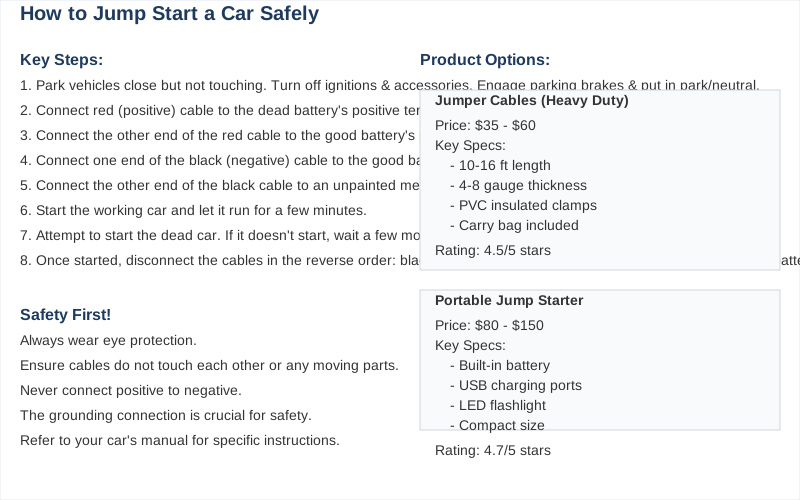
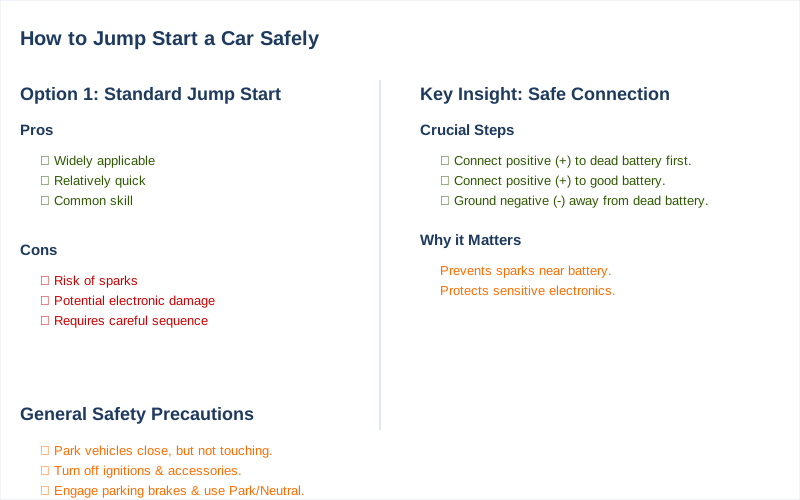
Jump-starting a car safely requires careful cable connection and a precise sequence to prevent sparks and protect electronics. Connect the dead battery's positive terminal first, then the good battery's positive, and finally ground the negative connection away from the dead battery.
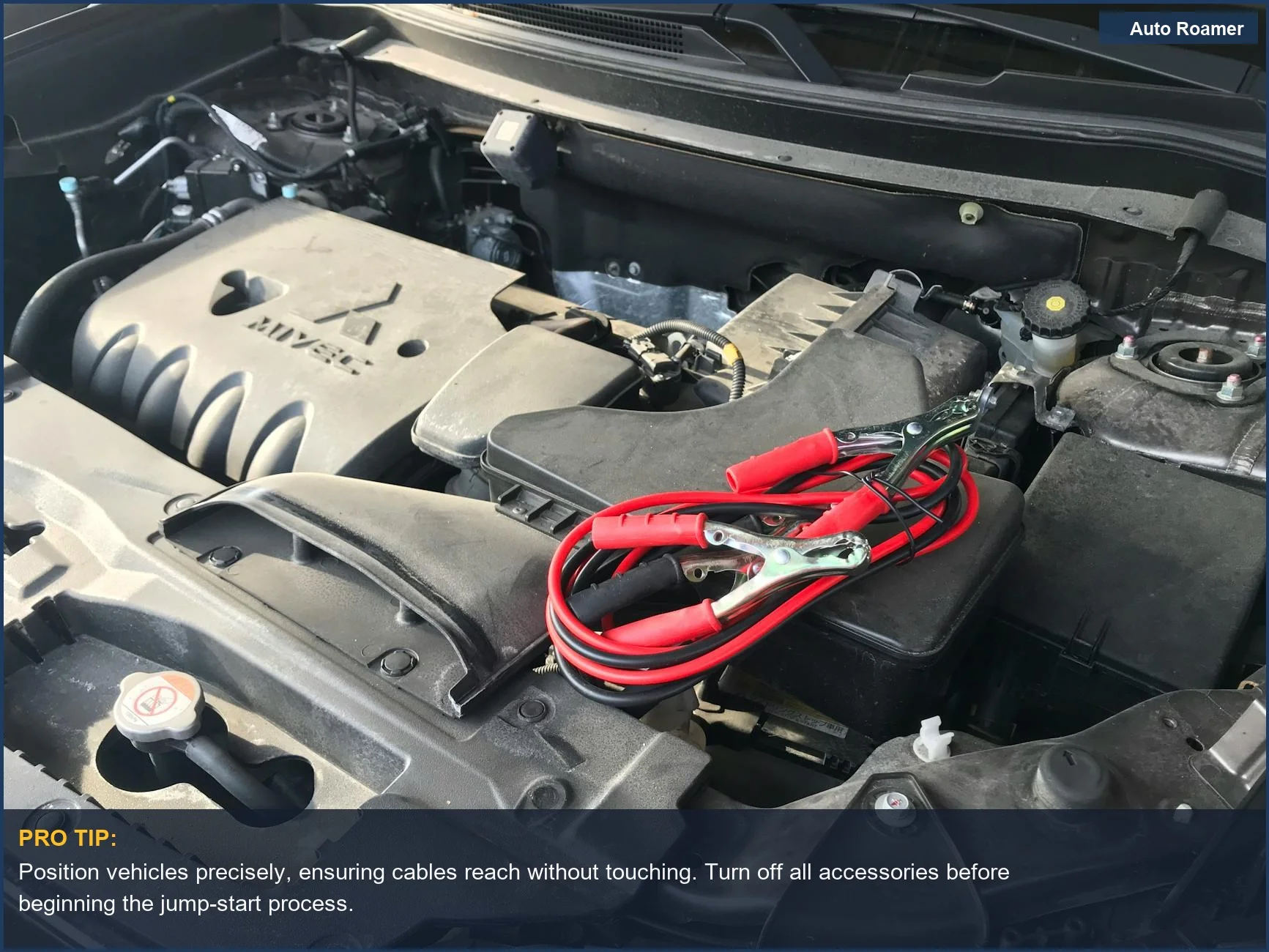
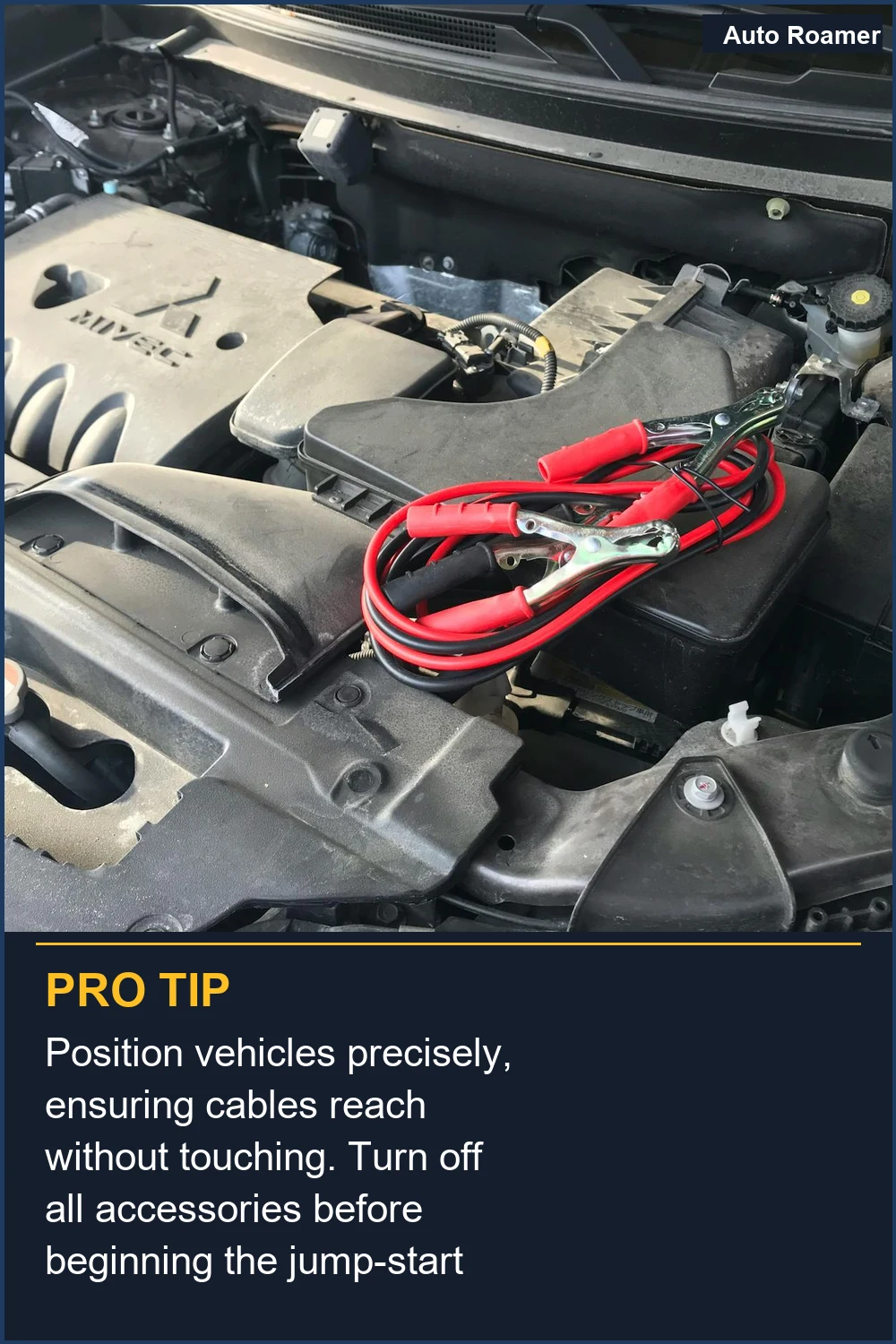
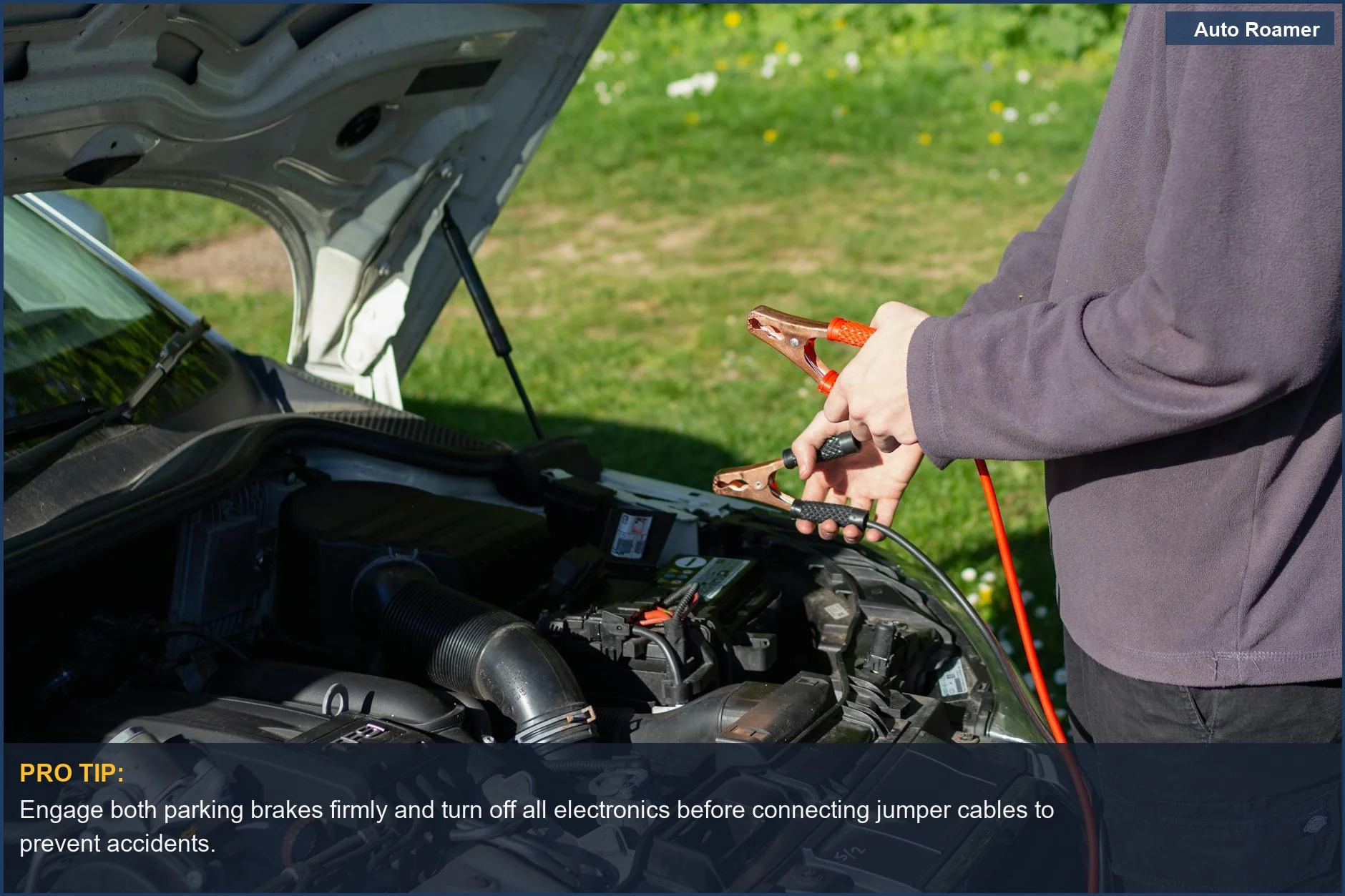
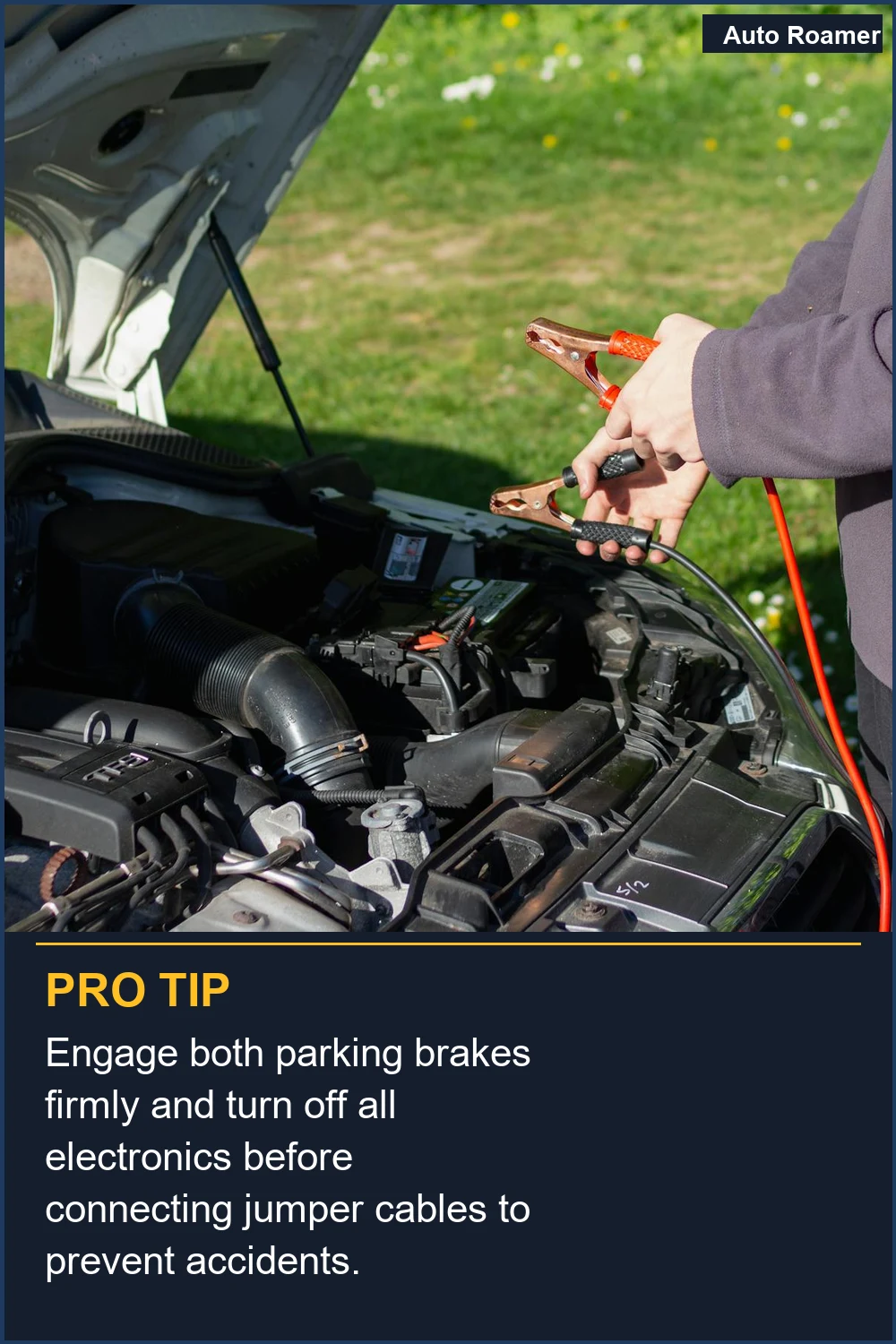
Park vehicles close enough for cables to reach but not touch. Turn off both ignitions and all accessories. Engage parking brakes and put cars in park (or neutral). This prevents accidental movement and shorts.
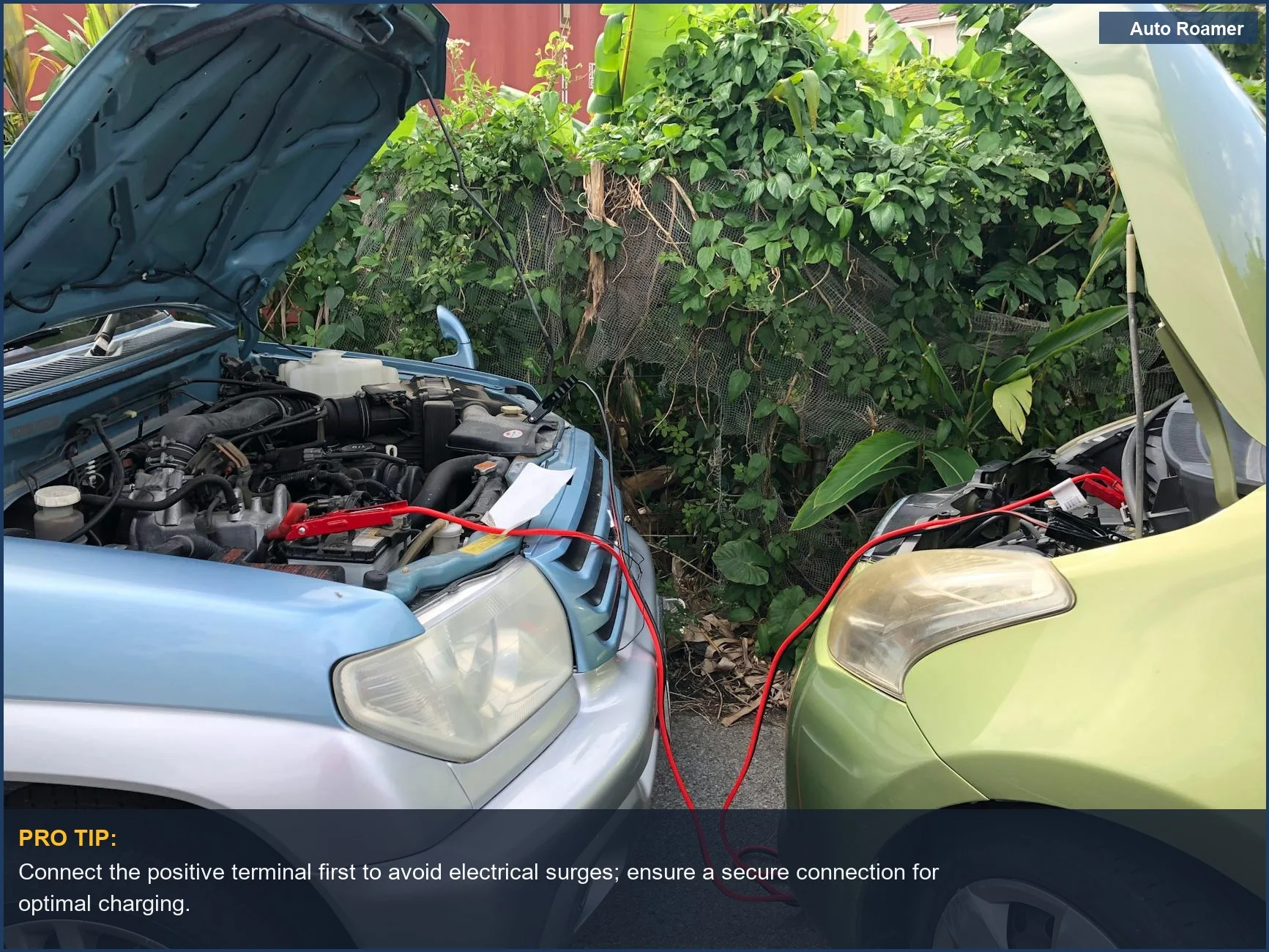
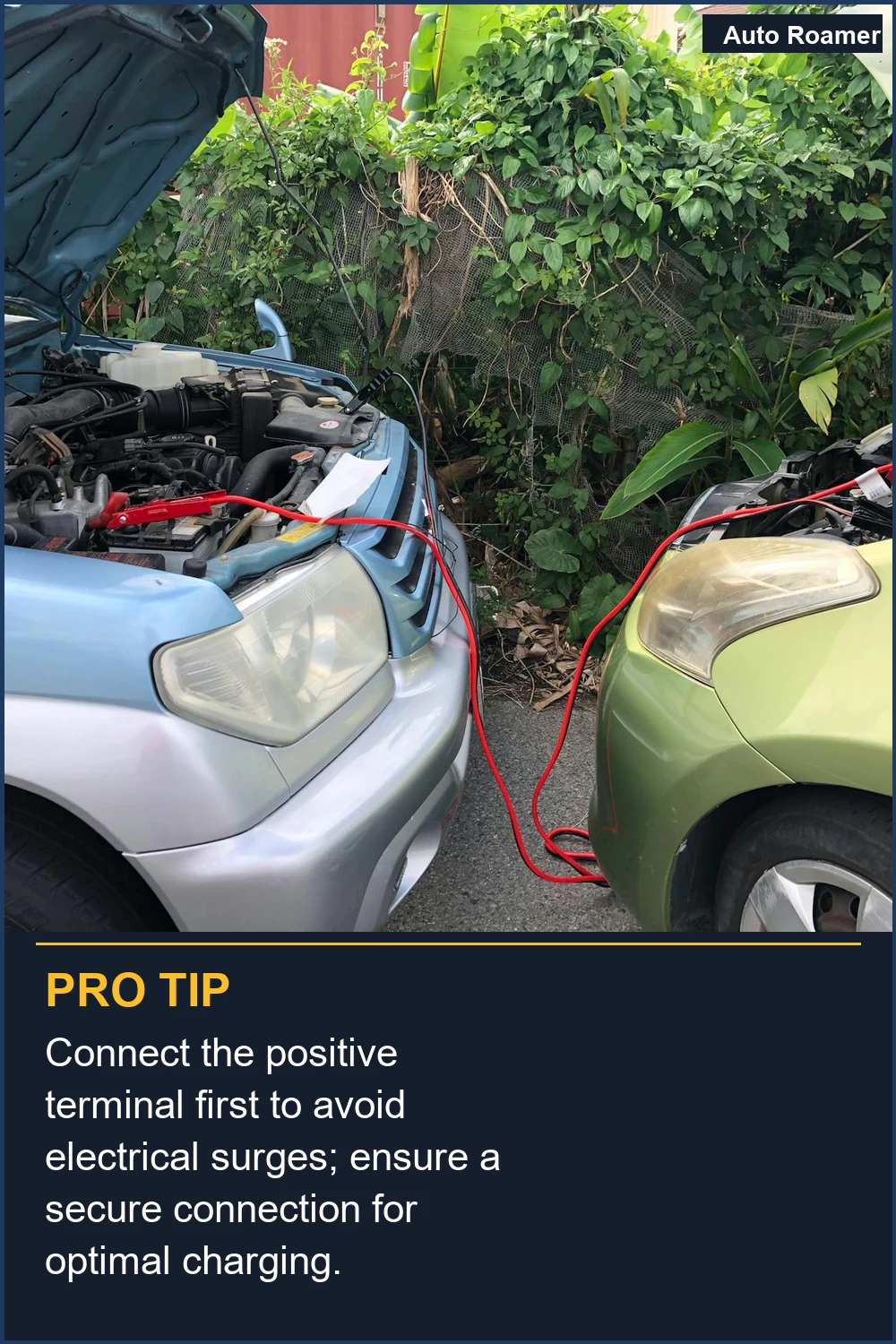
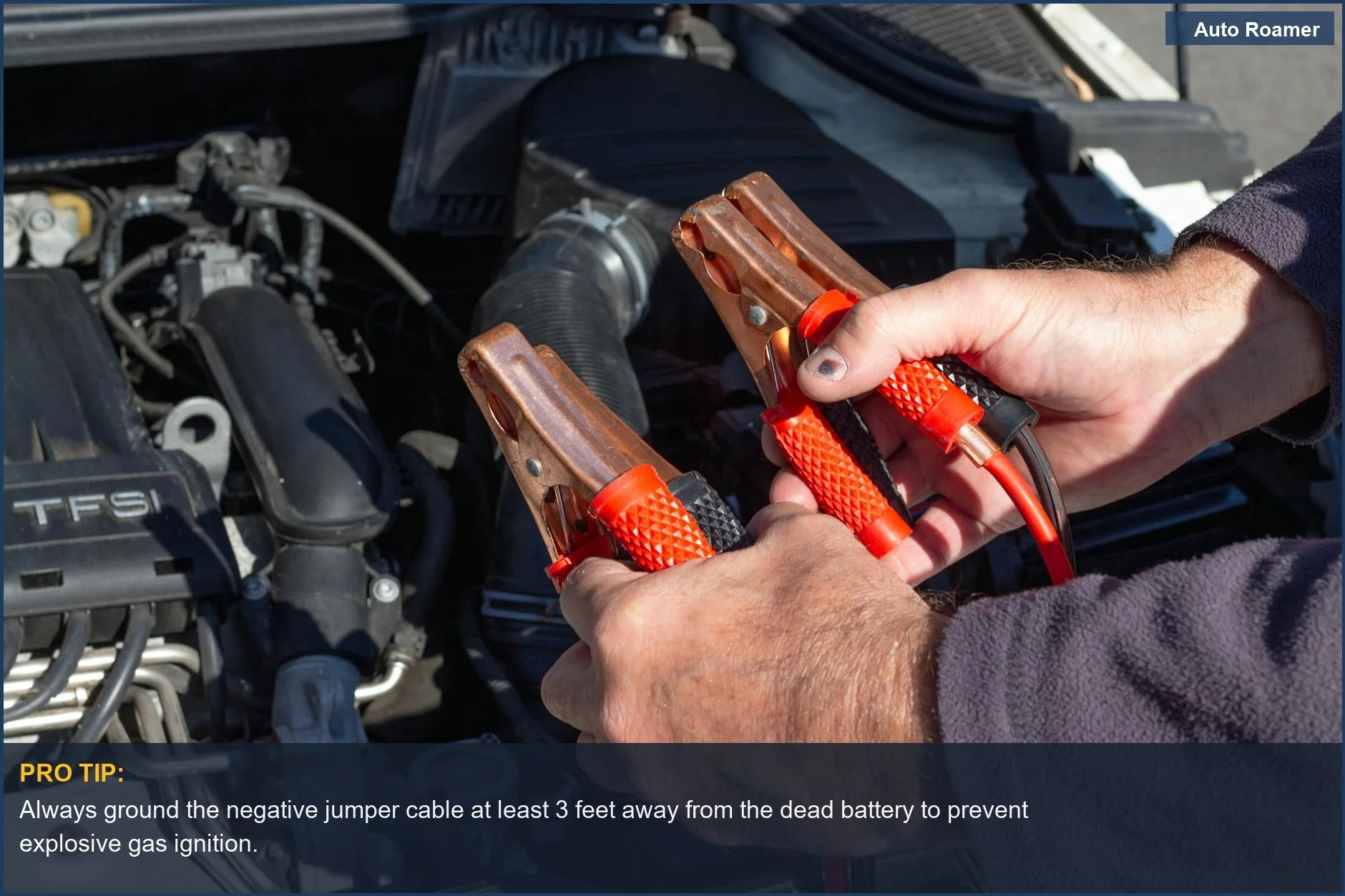
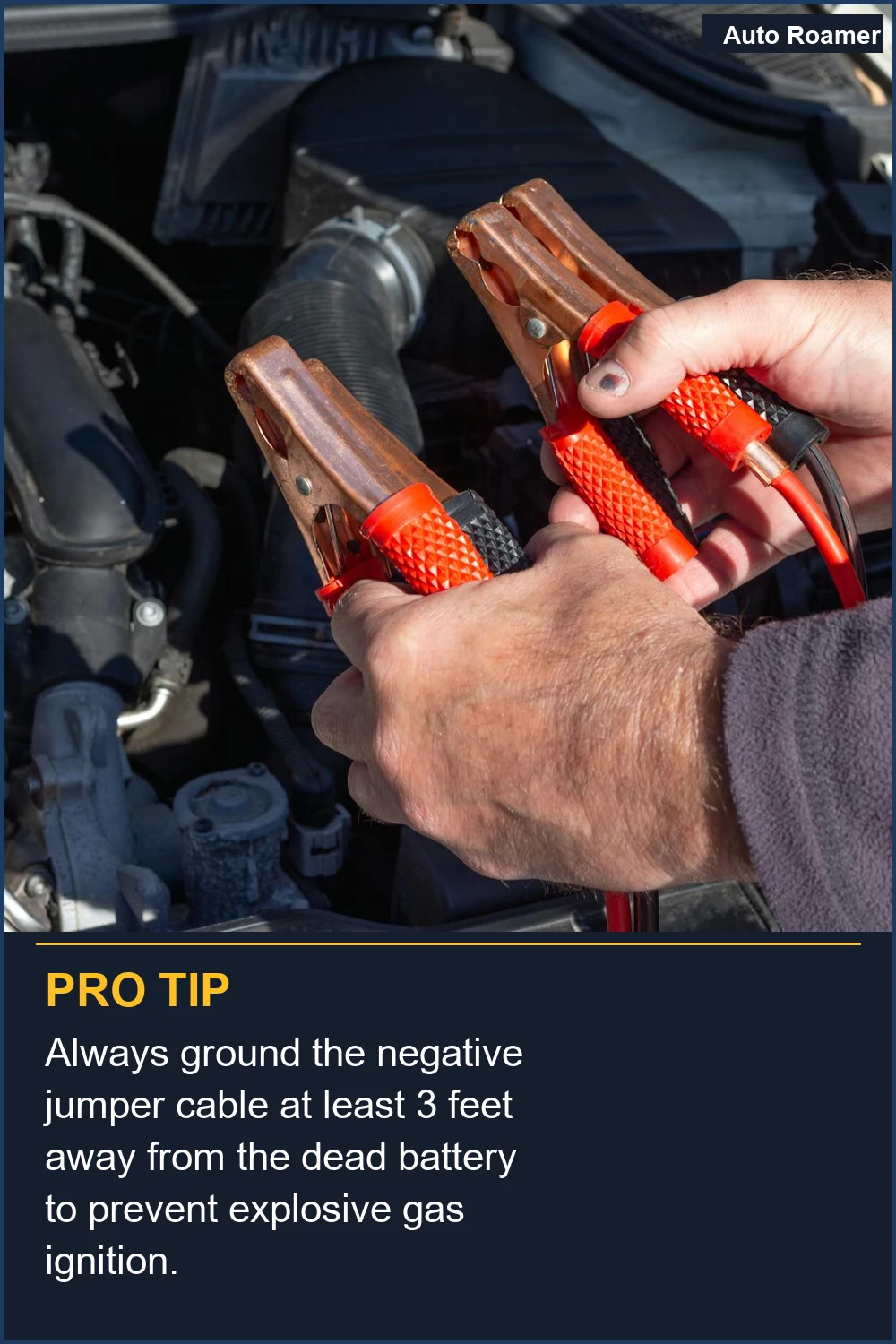
The critical step is the order of cable connections. Attach one end of the red (positive) cable to the positive terminal of the dead battery. Then, connect the other end of the red cable to the positive terminal of the good battery. Next, connect one end of the black (negative) cable to the negative terminal of the good battery. The final connection is to an unpainted metal surface on the engine block or chassis of the car with the dead battery, away from the battery itself. This provides a safe ground and prevents sparks near the battery, which can emit explosive hydrogen gas.
Once connected, start the car with the good battery and let it run for a few minutes. Then, attempt to start the car with the dead battery. If it starts, let it run for at least 20 minutes to allow the alternator to recharge. Disconnect the cables in the reverse order of connection, ensuring clamps do not touch. Always consult your owner's manual for specific instructions, especially for EVs, hybrids, or diesel trucks Firestone Complete Auto Care.
This process is vital, as 5.7 million battery-related roadside service calls occurred in 2024 Consumer Reports. Having reliable jumper cables, ideally 10-20 feet long, is essential for any road trip Firestone Complete Auto Care.
What You Need to Know
Battery-related roadside calls are common; AAA reported over 5.7 million in 2024 Consumer Reports. While most systems are 12-volt, consult your owner's manual for vehicles like EVs or diesel trucks with different voltage requirements Firestone Complete Auto Care.
How to Handle This
Safety Considerations
Understanding jump-starting risks is paramount. The primary dangers involve electrical shock and potential battery explosions from hydrogen gas ignition AAA.
Incorrect cable connections can damage vehicle electronics via power surges. Follow the exact sequence:
Common Mistakes to Avoid
Here are common jump-starting mistakes and how to avoid them:
Mistake: Connecting cables in the wrong order, especially the final negative clamp to the dead battery's negative terminal. What actually happens: Connecting the last negative clamp directly to the dead battery can create a spark right next to the battery, which vents explosive hydrogen gas. This can cause a dangerous battery explosion How to Safely Jumpstart a Car | Via - AAA. Better approach: Always connect the final negative cable to an unpainted metal surface on the engine block or chassis of the dead car, away from the battery How to Jump-Start a Car With a Dead Battery - Consumer Reports. This provides a safe ground and minimizes the risk of a spark igniting hydrogen gas.
Mistake: Starting the "good" car immediately after connecting the cables. What actually happens: The surge of power can overwhelm the dead battery's system or electronics if not done in the correct sequence. Better approach: First, connect the cables in the proper order, then start the car with the good battery and let it run for a few minutes to charge the dead one before attempting to start the disabled vehicle How to Jump-Start a Car With a Dead Battery - Consumer Reports.
Mistake: Assuming any car can jump any other car. What actually happens: While most cars are 12-volt, some vehicles, like certain trucks or RVs, might have different voltage systems How to Jump-Start a Dead Car Battery | Firestone Complete Auto Care. Connecting incompatible systems can damage the electronics of both vehicles. Better approach: Always consult your owner's manual before jump-starting. Ensure both vehicles have the same voltage.
Mistake: Letting the vehicles touch. What actually happens: If the cars touch, especially if one has a running engine and the other doesn't, it can create a ground loop and potentially damage the electrical systems How to Jump-Start Your Car Safely: A Beginner's Guide. Better approach: Park the vehicles close enough for the cables to reach but ensure they do not touch. Engage the parking brake on both cars.
Key Takeaways
- Always park vehicles facing each other, ensuring they don't touch, and engage the parking brake on both.Toyota of Louisville This setup is crucial for safe cable connections.
- Connect the jumper cables in the correct sequence: red to the dead battery's positive terminal, then the other red to the good battery's positive terminal. Next, connect black to the good battery's negative terminal, and finally, the other black clamp to an unpainted metal surface on the dead car's engine block or chassis, away from the battery.Consumer Reports This order prevents sparks and potential battery explosions.AAA
- Start the donor vehicle first, let it run for a few minutes to charge the dead battery, then attempt to start the car with the dead battery.Witt NAPA If it doesn't start, check cable connections and try again.
- Once the dead car starts, let both vehicles run for at least 20 minutes to allow the battery to recharge.Consumer Reports Disconnect the cables in the reverse order of connection.
- If your car still won't start after a jump, or if the battery shows signs of damage (like a cracked casing or leaking fluid), it's time to seek professional help from a mechanic or roadside assistance. A dead battery is often a symptom of a larger issue.Consumer Reports
Frequently Asked Questions
What safety precautions should I take before jump starting a car?
Can I jump start my car if the battery is completely dead?
What tools do I need to jump start a car safely?
Are there any vehicles I should avoid using to jump start my car?
What should I do if the jump start doesn't work?
Sources
- mwg.aaa.com
- How to Jump-Start Your Car Safely: A Beginner's Guide
- wittnapa.com
- How to Jump-Start a Car With a Dead Battery - Consumer Reports
- How to Safely Jumpstart a Car | Via - AAA
- What is the Proper Way to Jump Start a Car? - Toyota of Louisville
- How to Jump-Start a Dead Car Battery | Firestone Complete Auto Care