
Hidden Car Costs (2026 Complete Guide)
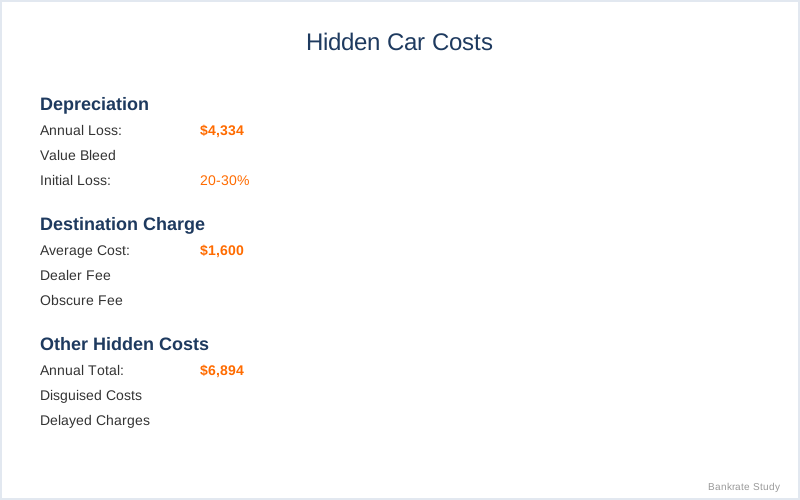
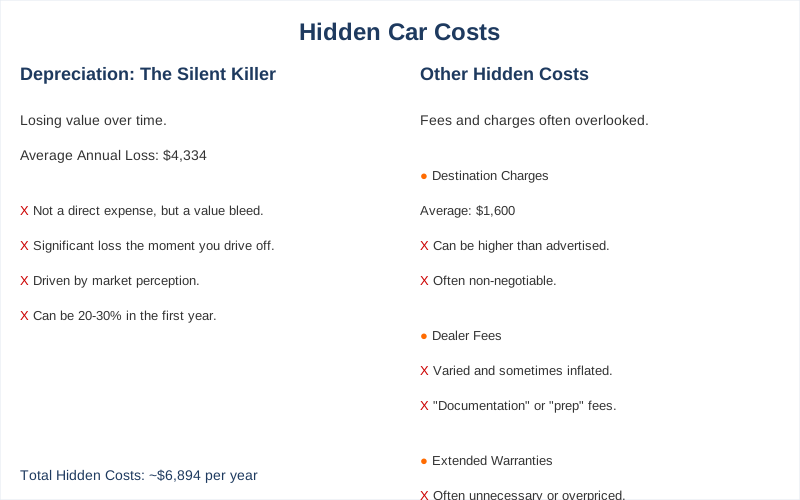
That new car smell costs you $6,894 per year in 'hidden' expenses, according to a Bankrate study . You see the sticker price, maybe the monthly payment, and think you've got it figured out. But the real bill shows up later, often disguised as 'normal wear and tear' or 'dealer fees.' It's a game of delayed charges.
That new car smell costs you $6,894 per year in 'hidden' expenses, according to a Bankrate study. You see the sticker price, maybe the monthly payment, and think you've got it figured out. But the real bill shows up later, often disguised as 'normal wear and tear' or 'dealer fees.' It's a game of delayed charges. MarketWatch calls it sticker shock long after the sale. I call it engineered obfuscation.
The Short Answer
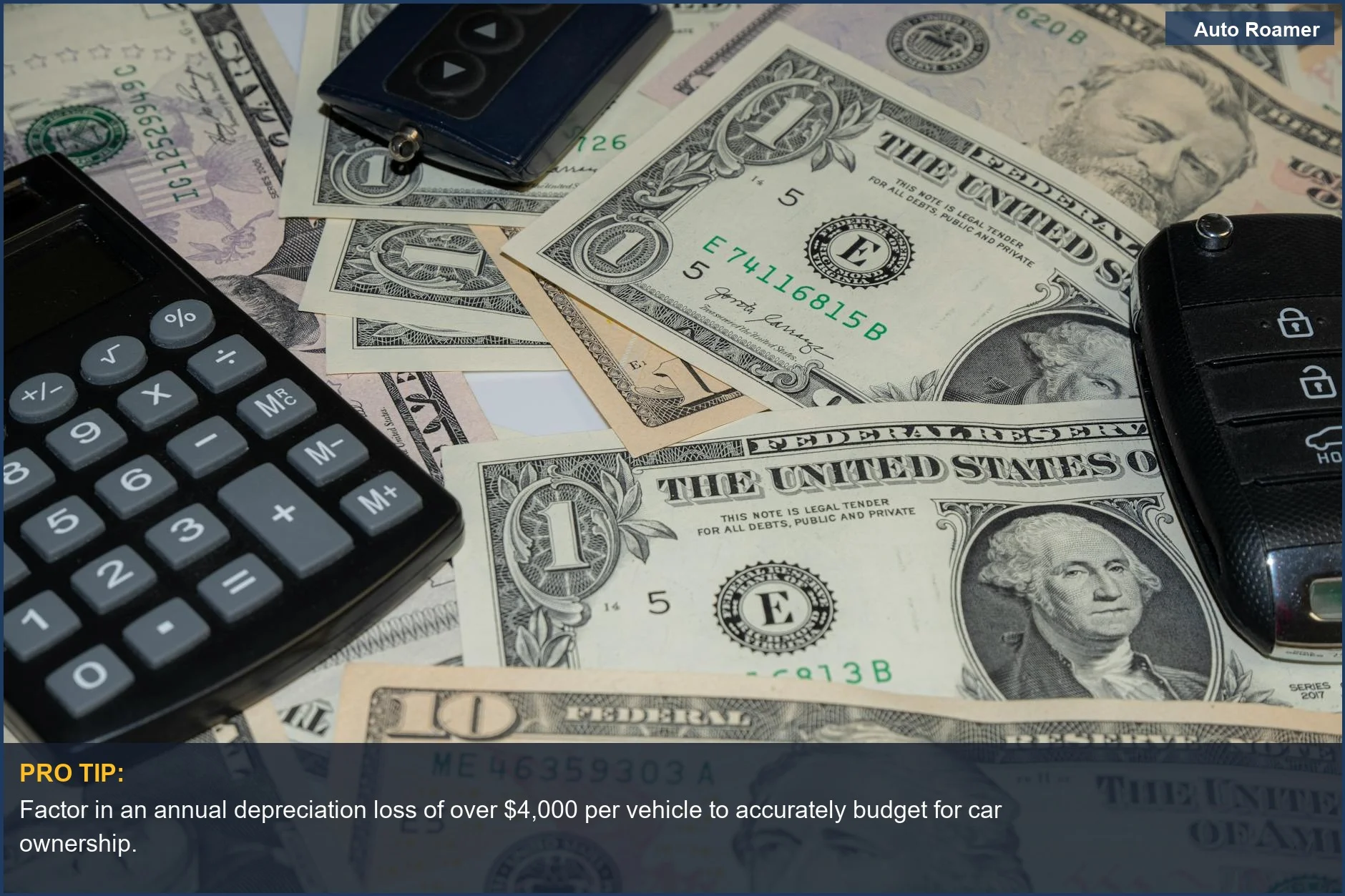
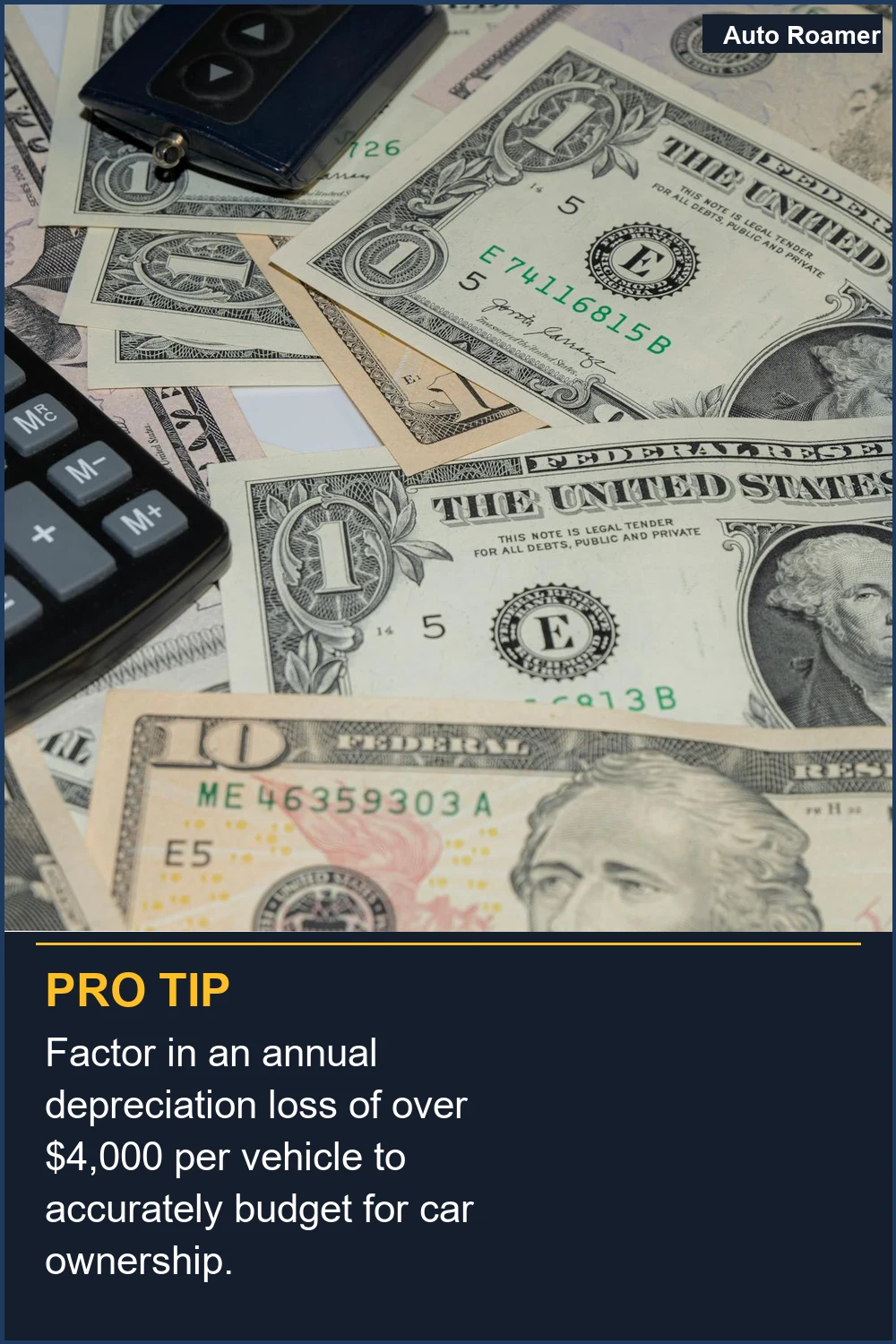
Depreciation is the silent killer, a non-linear decay of asset value. It's not a part failing, but the market's assessment of future failure rates and maintenance burden. A new vehicle loses 20-30% of its value the second you drive it off the lot. That's $10,000 gone on a $50,000 car before the first oil change. Jupiter Chevrolet's guide points this out clearly.
Then there are the 'gotcha' fees. The average destination charge is $1,600, according to the Wall Street Journal. This isn't a shipping cost; it's a fixed profit margin disguised as logistics, tacked on to every new vehicle. You can't negotiate it. It's built into the MSRP from the factory.
Financing charges are another big one. If you're not paying cash, that 60-month loan adds an average of $1,131 per year. That's money vaporized, a parasitic draw on your budget, not an investment in mechanical integrity. It's pure interest, a tax on not having enough liquid capital.
Insurance is a variable cost, but it's not 'hidden' until you realize how much it fluctuates based on your zip code, driving record, and the vehicle's repair cost index. A minor fender-bender that costs $3,000 to fix in parts and labor will hike your premiums for years. That's long-term thermal cycling on your finances.
Maintenance is where the real fun begins. Modern cars are over-engineered with proprietary modules and specialized tools. A simple sensor replacement on a 2020 BMW can cost $800 because the dealer charges for 'programming' the new part. My '98 Civic just needed a wrench and a $30 sensor. Brilliant engineering, that.
These costs aren't surprises; they're predictable outcomes of specific economic and mechanical frameworks. Understanding the 'why' behind depreciation, the fixed nature of destination fees, and the repair complexity of modern components is the only way to avoid getting fleeced. It's all about force vectors and material properties, just applied to your cash flow instead of a suspension arm.
The Reality Check
The average new car price is pushing $50,000. That's not a 'suggested retail price,' that's the actual transaction value for many. But that number is just the entry ticket. How-To Geek notes the 'sweet spot' is still a chunk of change.
Consider the hidden charges that inflate that figure. Dealer documentation fees, often $200-$500, are pure profit for paperwork you could do yourself. Then there's the 'market adjustment' or 'additional dealer markup' - a fancy term for price gouging when demand outstrips supply. Consumer Reports lists these as fees to avoid. They're not for parts or labor, just for the privilege of buying.
| Component | How It Fails | Symptoms | Fix Cost |
|---|---|---|---|
| CV Axle Boot | Rubber degradation from thermal cycling, UV exposure; tears, allowing grit entry. | Grease spray on wheel well, clicking noise on turns (inner joint failure), vibration. | $300-$600 |
| Water Pump | Bearing failure due to sustained radial load, seal outgassing and embrittlement. | Coolant leak, whining noise (bearing), engine overheating. | $400-$800 |
| Battery Terminal Corrosion | Acid vapor reaction with copper/lead, increasing resistance, reducing current flow. | Slow crank, intermittent electrical issues, visible white/blue powder. | $50-$150 (cleaning/replacement) |
| Catalytic Converter | Thermal shock from misfires, substrate melting, internal ceramic breakdown. | Reduced power, P0420 code, rotten egg smell, rattling noise from loose substrate. | $1000-$3000 |
| Brake Caliper Slide Pins | Corrosion from moisture ingress, loss of lubrication, binding. | Uneven pad wear, pulling to one side, reduced braking force, grinding noise. | $150-$300 per axle |
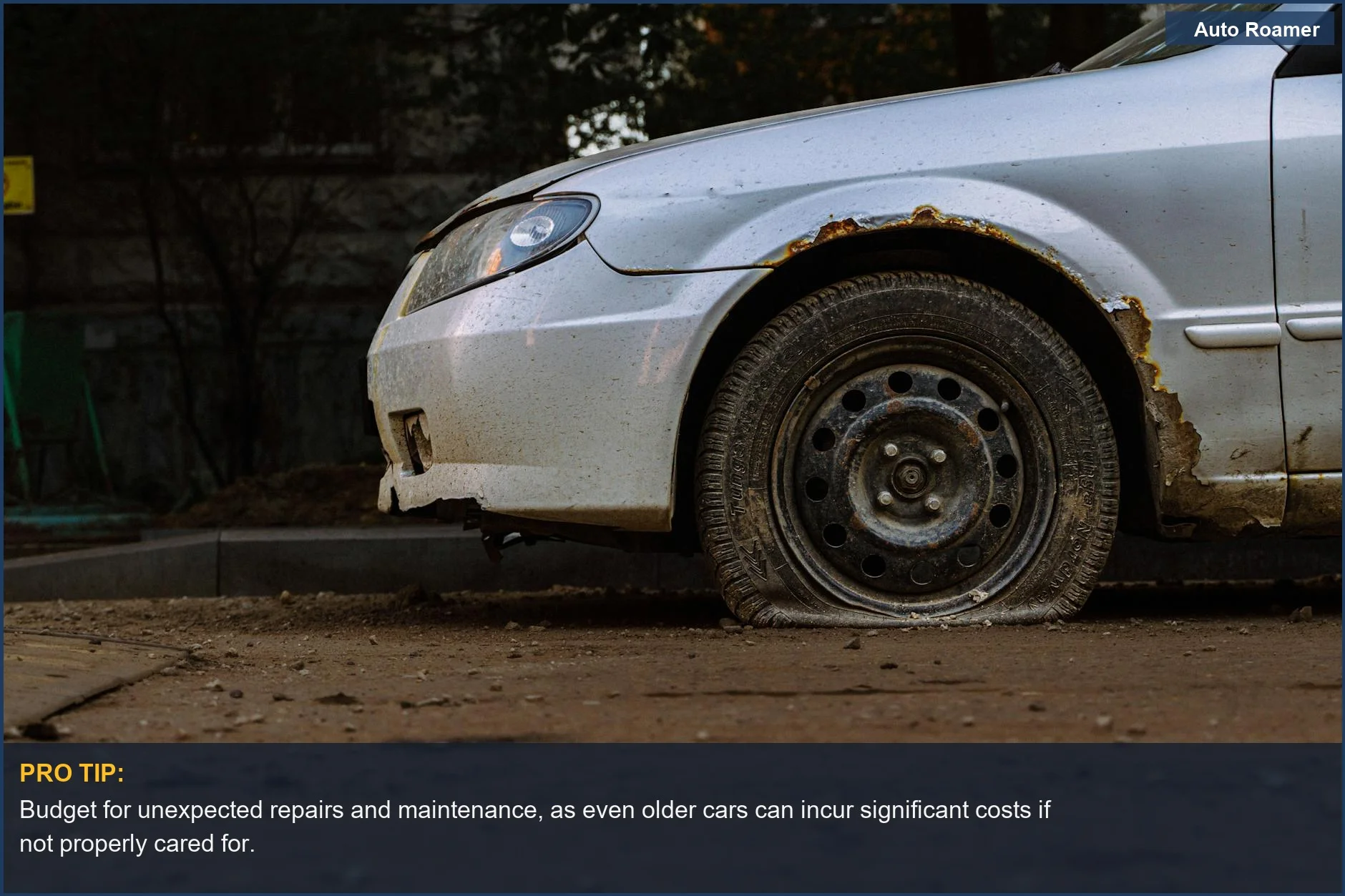
These aren't 'hidden' if you know what to look for. They're predictable failure modes. The CV axle boot, for example, is a flexible mechanical seal. Its rubber compound eventually loses its elasticity, develops micro-fissures, and then fails under shear stress from wheel articulation. Once compromised, abrasive grit enters the constant velocity joint, rapidly increasing wear rates. That clicking isn't magic; it's metal-on-metal impact due to excessive play.
The water pump bearing failure? That's a classic fatigue failure. Constant rotational stress and thermal cycling on the bearing races and grease eventually lead to increased friction and heat, accelerating wear. The seal, usually a carbon-ceramic type, degrades from chemical exposure to coolant and thermal expansion/contraction cycles, leading to leakage. It's all just material science and applied mechanics.
How to Handle This
-
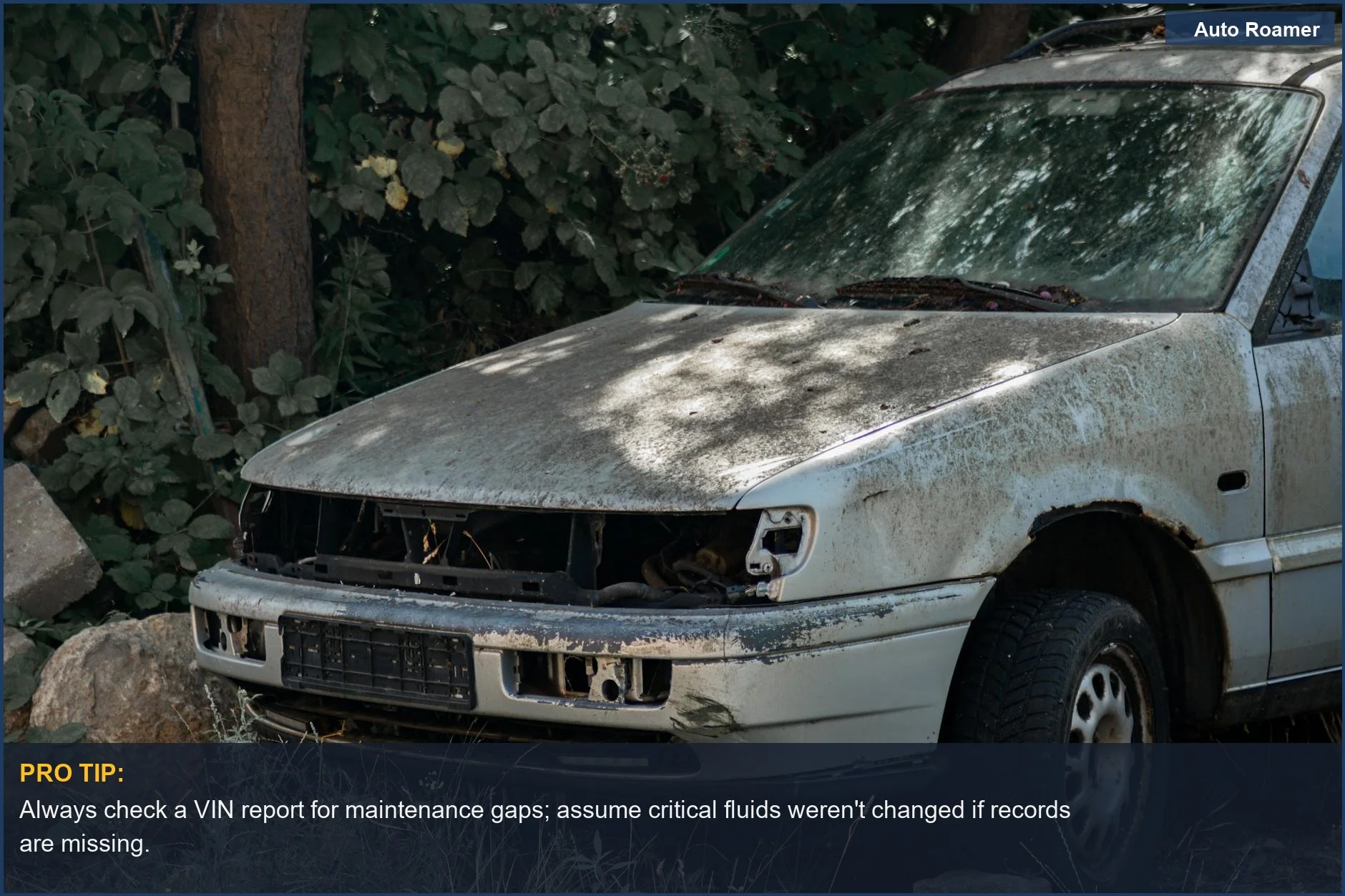
Inspect the VIN Report for Maintenance Gaps: Before buying any used car, pay $20 for a CarFax or AutoCheck. Look for gaps in service history, especially for critical fluids like transmission fluid (every 60k miles) or coolant (every 50k miles). If there's no record, assume it wasn't done. This guide stresses thorough checks.
-
Perform a Cold Start Inspection: When you test drive, ensure the engine is stone cold. Listen for initial valve clatter (lifter bleed-down), which should subside in 1-2 seconds. Check for exhaust smoke: blue (oil), white (coolant), or black (rich fuel mix). None of these are good. A healthy engine has minimal outgassing.
-
Check for Fluid Contamination and Levels: Pull the dipsticks. Engine oil should be amber to dark brown, not milky (coolant contamination) or gritty. Transmission fluid should be reddish, not burnt brown. Check the coolant reservoir; look for oil film or particulate matter floating on top. This indicates a breach in the cooling system's circuit integrity.
-
Inspect Undercarriage for Leaks and Damage: Get under the car with a flashlight. Look for fresh drips or long-term staining that indicates chronic fluid leaks. Check suspension components for torn bushings (excessive play), bent control arms (impact damage), or leaky shocks (loss of hydraulic damping). My last used truck had a zip-tie holding up a heat shield. That's a clue.
-
Test All Electrical Accessories: Turn on every switch. Windows, AC, radio, wipers, lights, seat heaters. Modern cars have complex body control modules. A single non-functioning switch could mean a bad module, not just a bulb. This could be a $150 repair or a $1500 nightmare, depending on the fault location in the circuit.
-
Get a Pre-Purchase Inspection (PPI): Spend $150-$250 for an independent mechanic to do a PPI. They'll put it on a lift, scan for codes, and check for things you missed. This is cheap insurance against a $3000 transmission replacement. This YouTube video reinforces the need to avoid getting played. The dealer won't tell you the strut mount has 3mm of play.
What This Looks Like in Practice
-
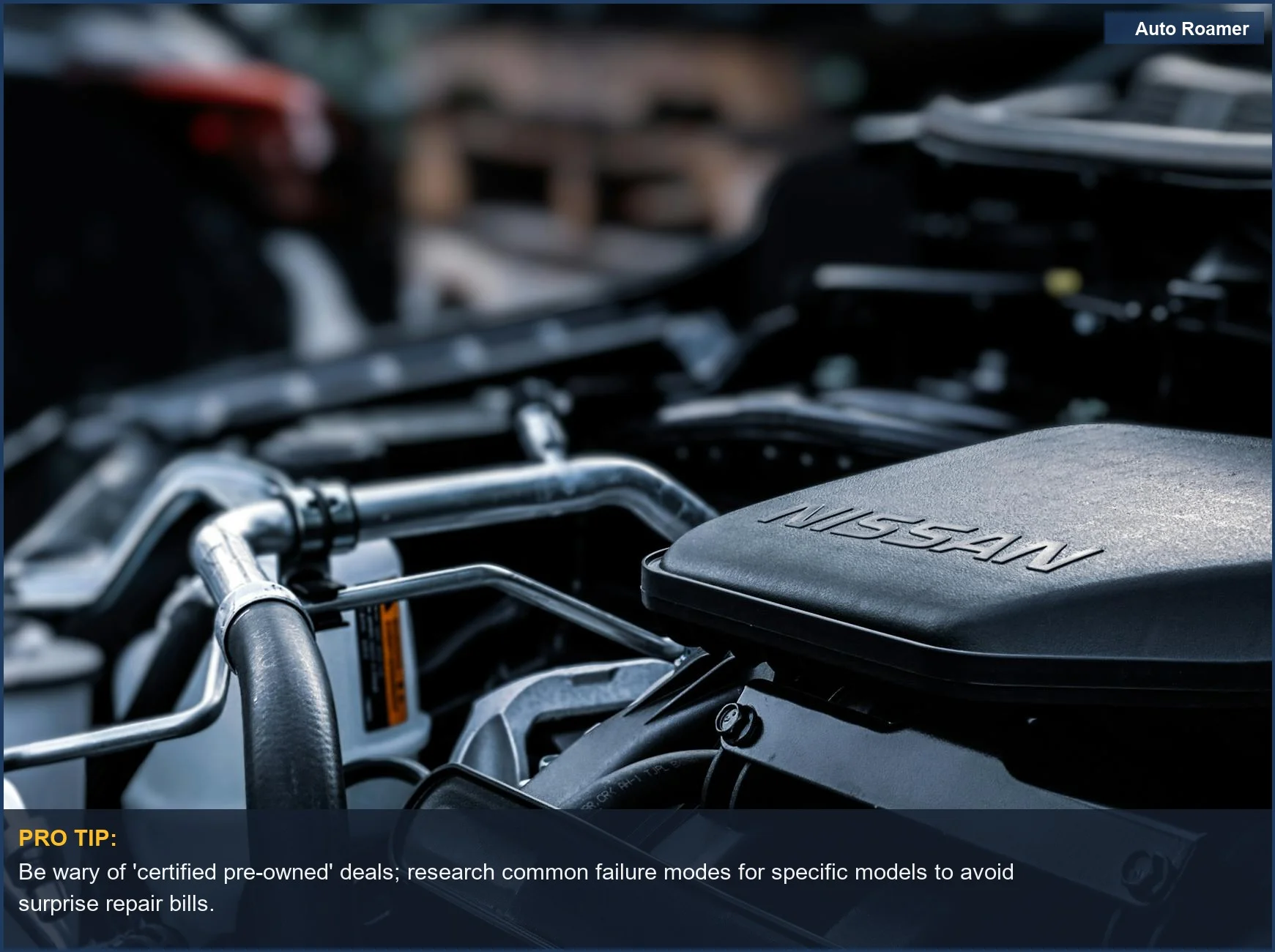
The 'Certified Pre-Owned' Mirage: My buddy bought a 2019 F-150, 'CPO' for $45,000. Six months later, the 10-speed transmission started shuddering. The dealer 'diagnosed' it as a torque converter issue, a known failure mode on those units from thermal cycling and clutch pack wear. The fix was $3,500, thankfully covered by warranty, but the downtime was 14 days. CPO just means they checked a box, not that it's immune to design flaws.
-
The Cheap Tire Trap: A customer came in with a 2017 Honda CR-V that vibrated at 70 MPH. He'd just bought new tires for $400. The shop hadn't balanced them correctly, and the front passenger tire had 1.5 ounces of imbalance. That's enough to induce resonant frequency in the suspension, causing the whole chassis to oscillate. A proper balance cost $60 and fixed it. Cheap tires often mean cheap service.
-
The Dealership 'Service' Rip-off: I saw an invoice for a 2015 Camry: 'Brake Fluid Flush - $180.' The fluid looked clear. They probably just siphoned the reservoir and topped it off. A proper flush involves cycling new fluid through the entire hydraulic system, purging old, moisture-laden fluid. That takes 30 minutes and $20 of DOT3. The dealer's service center is a profit center, not a charity.
-
The Aftermarket 'Upgrade' Downfall: A guy installed an LED light bar on his 2018 Tacoma, tapping into the headlight circuit. The extra 10A draw caused voltage sag, triggering a 'low voltage' fault in the body control module. Intermittent headlight flickering, constant diagnostic trouble codes. Cost him $250 for me to rewire it to a relay and a dedicated 12V fused circuit. Circuit integrity is not optional.
-
The Diesel Particulate Filter (DPF) Nightmare: A 2016 Ram 2500 owner only drove short distances. The DPF never got hot enough (600 degrees F) to complete its regeneration cycle, leading to soot buildup and increased exhaust backpressure. Engine derate, check engine light. A DPF replacement is $2,500. Regular highway driving is a design requirement for modern diesels; ignore it at your peril.
Mistakes That Cost People
| Mistake | Why It Costs You | Diagnostic Tip |
|---|---|---|
| Ignoring the 'Check Engine' Light | A simple sensor fault (e.g., O2 sensor, $80 part) can lead to rich fuel condition, burning out a $1500 catalytic converter due to thermal overload. | Scan for codes immediately with a $20 OBD2 reader. Don't assume it'll go away. |
| Skipping Fluid Changes | Engine oil breaks down, losing viscosity and lubricating properties. This accelerates wear on bearings and piston rings. Transmission fluid loses friction modifiers, leading to clutch pack slip and heat. | Check fluid color/smell. Dark, burnt oil/fluid means excessive thermal degradation. |
| Buying the Cheapest Tires | Low-grade rubber compounds have poor wear resistance and reduced adhesion. They often have inconsistent carcass construction, leading to balance issues and increased rolling resistance. | Inspect treadwear rating (UTQG). Look for reputable brands. Cheap tires cost more in fuel and premature replacement. |
| Not Negotiating Dealer Fees | 'Documentation fees,' 'etching fees,' 'dealer prep' are often pure profit. The average destination charge is $1,600 and non-negotiable, but others are. | Ask for an itemized breakdown. Challenge anything not a government charge or the vehicle's MSRP. |
| Focusing Only on Monthly Payment | Dealers stretch loan terms (72-84 months) to lower the payment, but you pay more in interest over time. You'll be upside down on the loan (owe more than it's worth) for longer. | Calculate total cost of ownership including interest, not just the monthly hit. |
| Ignoring Tire Pressure | Under-inflated tires increase rolling resistance, reducing fuel economy by 0.2% per 1 PSI drop. It also causes uneven tread wear and increases risk of sidewall flex fatigue. | Check tire pressure monthly with a $5 gauge. Follow the PSI on the door jamb, not the tire's sidewall max. |
Key Takeaways
Don't get fleeced by the 'hidden' costs; they're only hidden if you don't understand the underlying physics or financial mechanics. Depreciation is your biggest enemy, a constant value decay. My own experience taught me this the hard way.
Always scrutinize the full invoice. Challenge every 'dealer fee' that isn't a state tax or registration charge. A $200 'document prep' fee is pure profit, not a service. You're paying for their printer ink.
Prioritize preventative maintenance. Ignoring a $50 fluid change today can lead to a $3,000 component replacement tomorrow. It's not about 'saving money' in the short term, it's about minimizing the long-term thermal cycling and mechanical stress on your components.
Understand that a car is a depreciating asset, not an investment. Its value is constantly decreasing. Buy smart, maintain it yourself where possible, and don't let the sales floor smooth talk you into a financial black hole. Your wallet's structural integrity depends on it. Don't let insane payments dictate your life.
Frequently Asked Questions
My mechanic quoted me $500 for a brake fluid flush. Can I do it myself for less?
Do I really need a multimeter to check for parasitic draws, or can I just pull fuses until the battery stops dying?
What if I use cheap, off-brand oil filters to save $5, and my engine still fails?
Can ignoring a slight vibration in my steering wheel permanently damage my car?
My buddy told me to use premium fuel in my regular unleaded car to get better mileage. Is that true?
Sources
- How to Avoid High Car Buying Fees - Consumer Reports
- True Cost of Car Ownership: Complete Guide 2026 - Jupiter Chevrolet
- The Hidden $1,600 Fee That's Jacking Up Your Car Purchase
- Navigating the New Car Maze: Finding the Best Value in 2026
- How Much Car Can You Actually Afford in 2026? - YouTube
- Buying a Used Car in 2026: How to Calculate Real Costs and Avoid ...
- Study: Americans Pay $575 per Month in Hidden Car Ownership Costs
- Car prices are near $50K—here's the hidden sweet spot for 2026 ...
- these-hidden-costs-of-car-ownership-are-giving-buyers-sticker-shock-long-after-they-leave-the-dealership-ec7edda9?gaa_at=eafs&gaa_n=AWEtsqcCvSAbtnTD1jtadh4tbPEXPecnSMOzgjIQJuV-a8MoRMeCe0gYRc8m&gaa_ts=69aa24ba&gaa_sig=Pl6srANiIHuxkXp_iseCJitp1_SgzGOV2YIWrlkDfrDV5CQNkw9cdI2f-_z5FNhm4_u-mpxmw5qfcUsOG5utw%3D%3D
- If You're Buying a Car in 2026, You NEED to Watch This - YouTube
- The Obscure Fee Costing You More to Buy a Car - WSJ