Why the Cover on the Wheel Is Worth Getting Right
I've fitted a few hundred steering wheel covers in 12 years of installing interior parts, and it's the one accessory people buy last and touch most. Your hands are on that wheel every second the car is moving, which means a cover that's slick, sticky, or a half-inch off the right size isn't a cosmetic problem — it's a thing you fight on every drive until you finally rip it off in a parking lot.
There are two honest reasons to put a cover on a wheel. The first is grip and temperature: a bare wheel in summer hits temperatures that make you steer with two fingertips, and a bare wheel in winter is a cold ring of plastic. The second is repair economy — a worn, peeling factory wheel is an expensive thing to refinish, and a $14 cover hides and protects it for the life of the car. One of those reasons is comfort; the other is money. Most people buy for comfort and get the money saving for free.
The catch is that this is a category where the install matters as much as the product. A good cover seated wrong feels worse than a mediocre cover seated right. The rest of this guide is the same checklist I run before I stretch one over a customer's wheel — size first, material second, and the thirty-second fit step nobody reads about.
How Wheel Sizing Actually Works — Read the Code First
Almost every returned steering wheel cover I see traces back to one mistake: the buyer never checked the size. Covers are sold by outer-diameter range, usually as a code — size S is about 14 to 14.25 inches, size M is the common 14.5 to 15 inches that fits the vast majority of cars and crossovers, and size L is 15.5 to 16 inches for trucks and older big-rim vehicles. The number printed biggest on the box is rarely the one that matters; the size range buried on the back is.
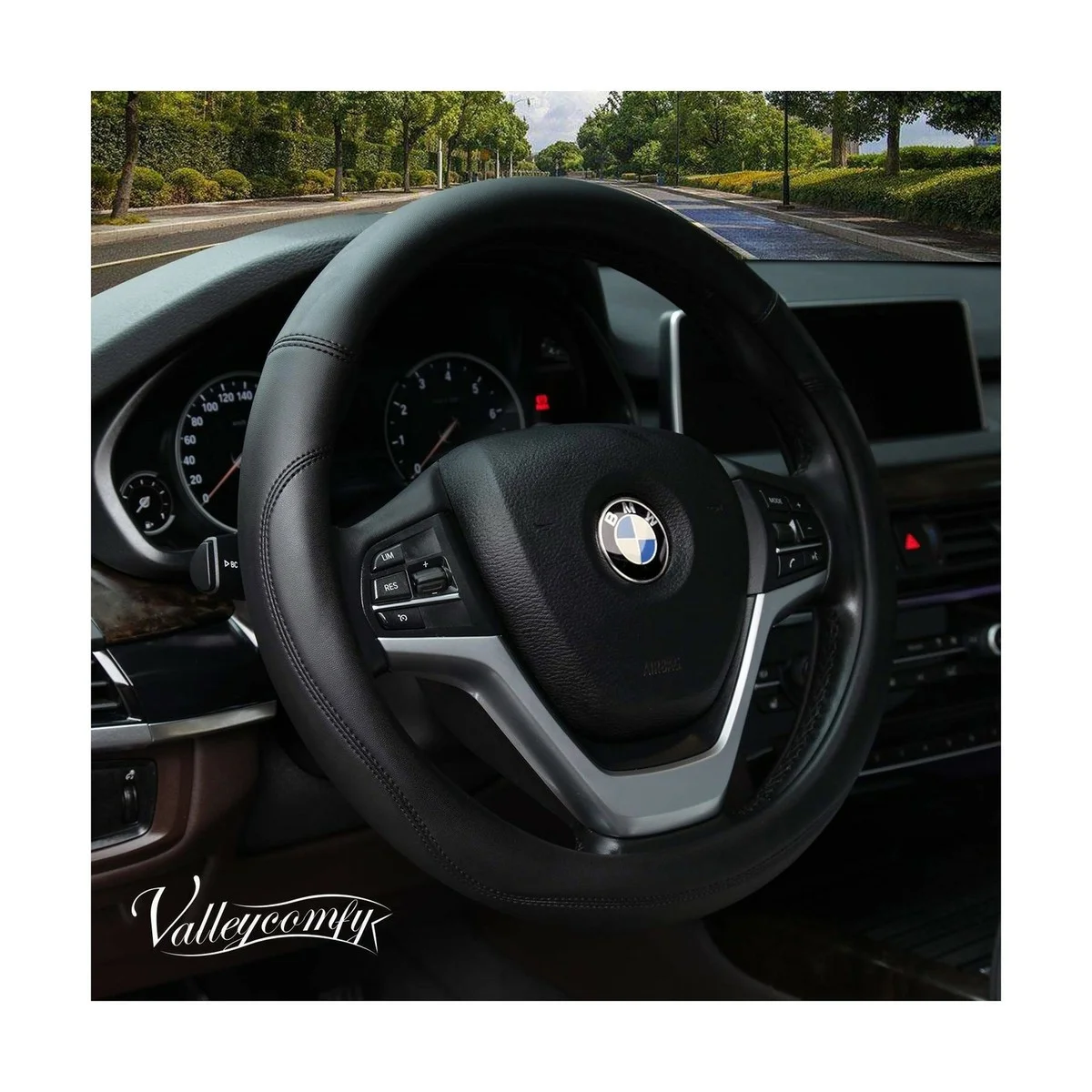
Measure your wheel's outer diameter across the face with a tape — not the inner opening, the outer ring — and match it to the range, not the marketing. Owners consistently report that a cover one size too small is the cause of the 'I needed pliers and a prayer to get it on' reviews, while a cover one size too large is the one that spins under your palms on a turn. The SEG Direct and the Valleycomfy both list a clear size chart, and reviewer consensus across buyer reviews credits that chart for the low return rate — people who read it buy once.
There's a second dimension nobody mentions: rim thickness. A chunky sport wheel and a thin economy-car wheel can share an outer diameter but feel completely different under a cover. A cover sized for a thin rim on a fat wheel won't seat; a cover sized for a fat rim on a thin one leaves a loose, rotating sleeve. If your wheel is unusually thick or thin, that's worth a glance at the listing's grip-thickness note before the diameter ever comes up. Get the size code right and you've avoided the single most common reason these come back.
Microfiber Leather vs Genuine Leather vs Silicone
Once the size is settled, material is the decision that shapes how the cover feels and how long it lasts. There are three honest options, and each one trades something.
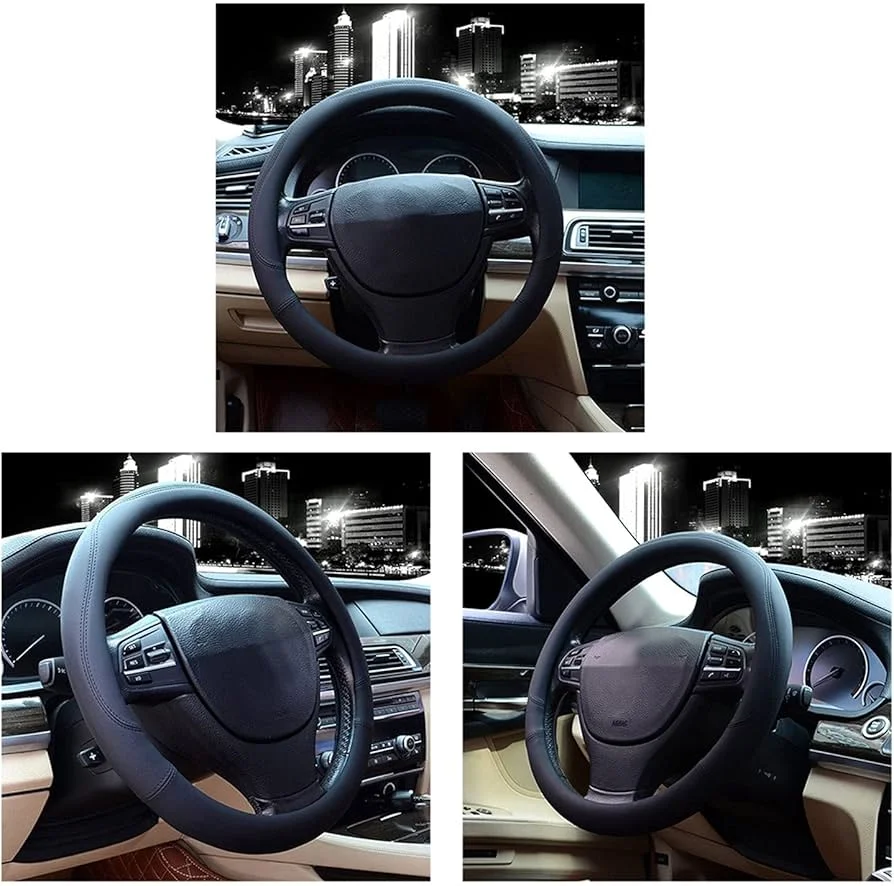
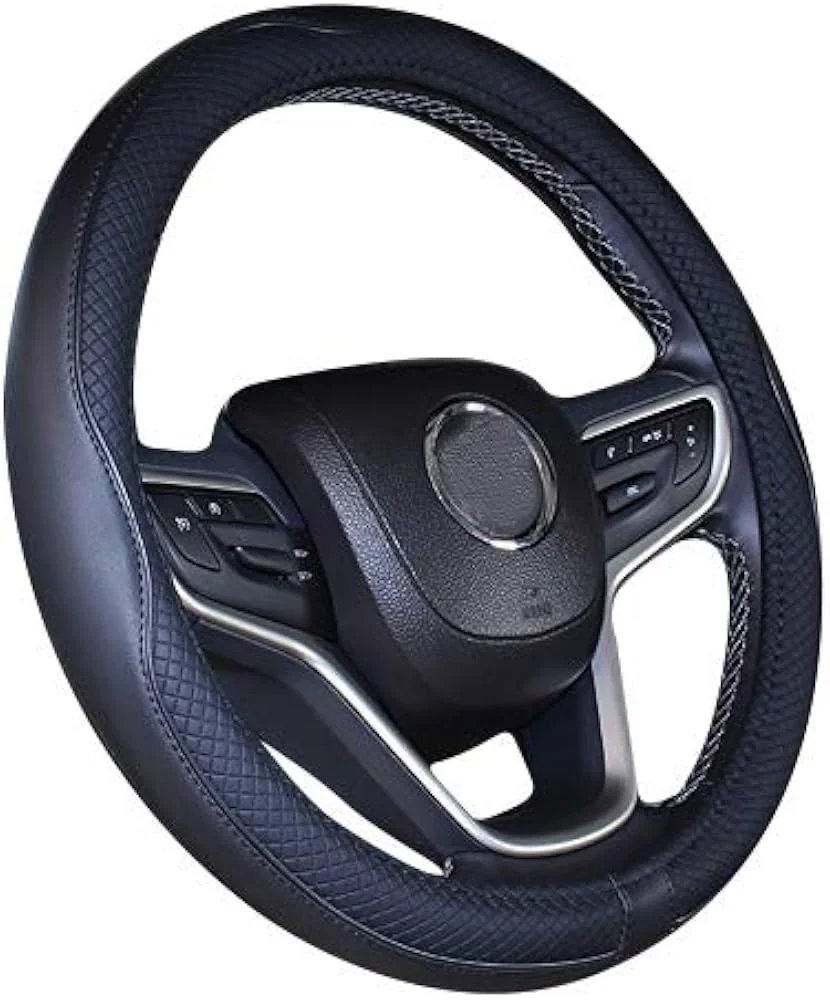
Microfiber leather — the SEG Direct, Valleycomfy, and Mayco Bell are this type — is the sweet spot for most drivers. Owners consistently report it grips well bare-handed, shrugs off the cabin heat that hardens vinyl, and doesn't get the greasy sheen real leather develops where your hands sit. It's the one I stretch onto most wheels because it survives the summer-dashboard temperatures that crack the cheap stuff.
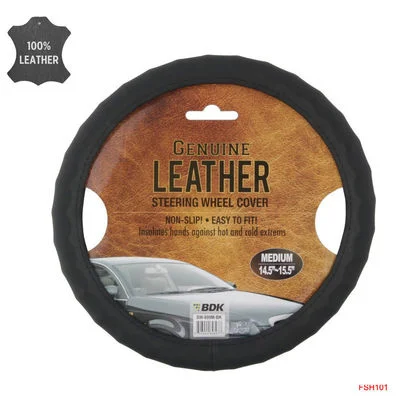
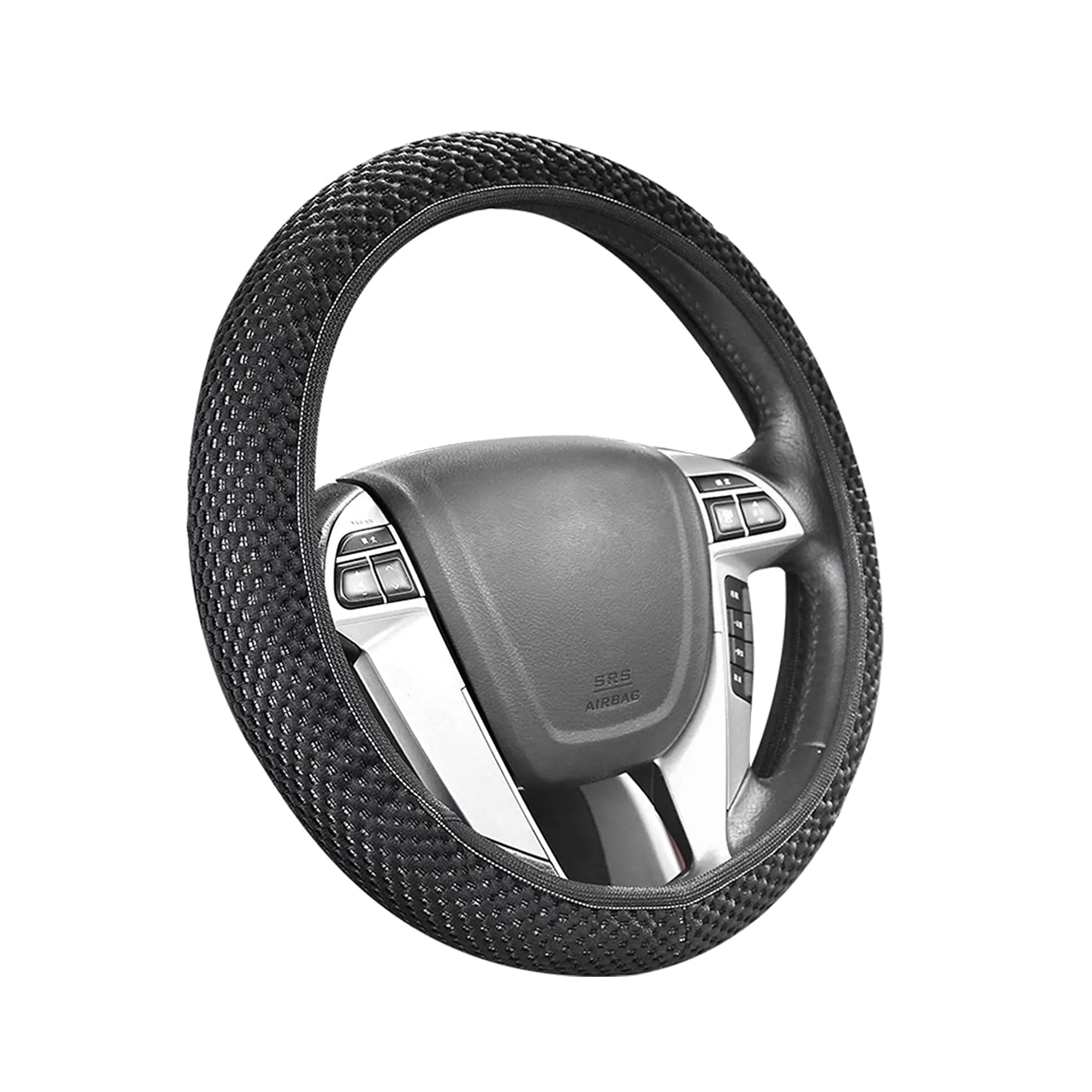
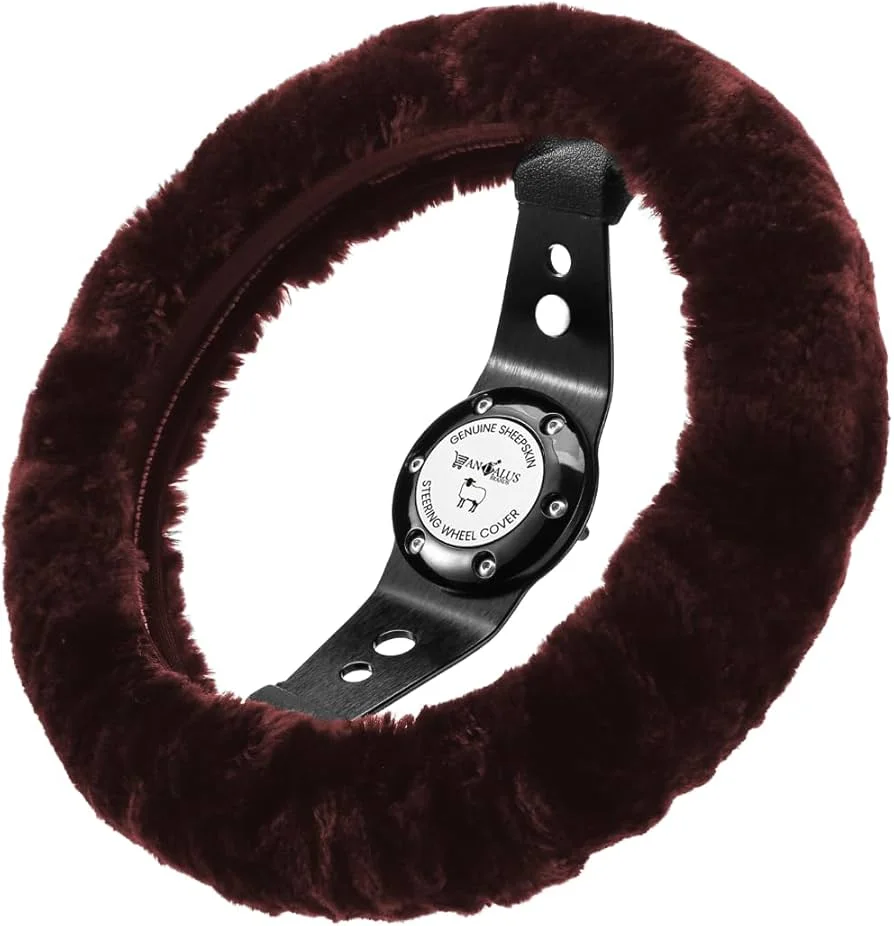
Genuine leather, like the BDK, smells right and ages handsomely, but buyers note it needs occasional conditioning and can get slick with hand oils until it breaks in — a premium feel with a small maintenance tax. Silicone, the ANDALUS, is the budget and utility pick: it stretches on in seconds with no lacing, grips even with sweaty hands, and wipes clean, but owners say it can feel rubbery and trap heat against your palms on a long drive.
The material doesn't fail you nearly as often as the size does. I've pulled off more good covers strangled onto the wrong wheel than I've ever seen wear out honestly.
The honest split: microfiber leather for the daily driver who wants grip and durability without fuss, genuine leather for the person who wants the look and will maintain it, silicone for the cheap, grippy, install-in-ten-seconds solution or a temporary fix on a hot-wheel summer. Match the material to how you actually use the car, not to which one photographs richest on the listing.
The Checklist I Run Before You Buy One
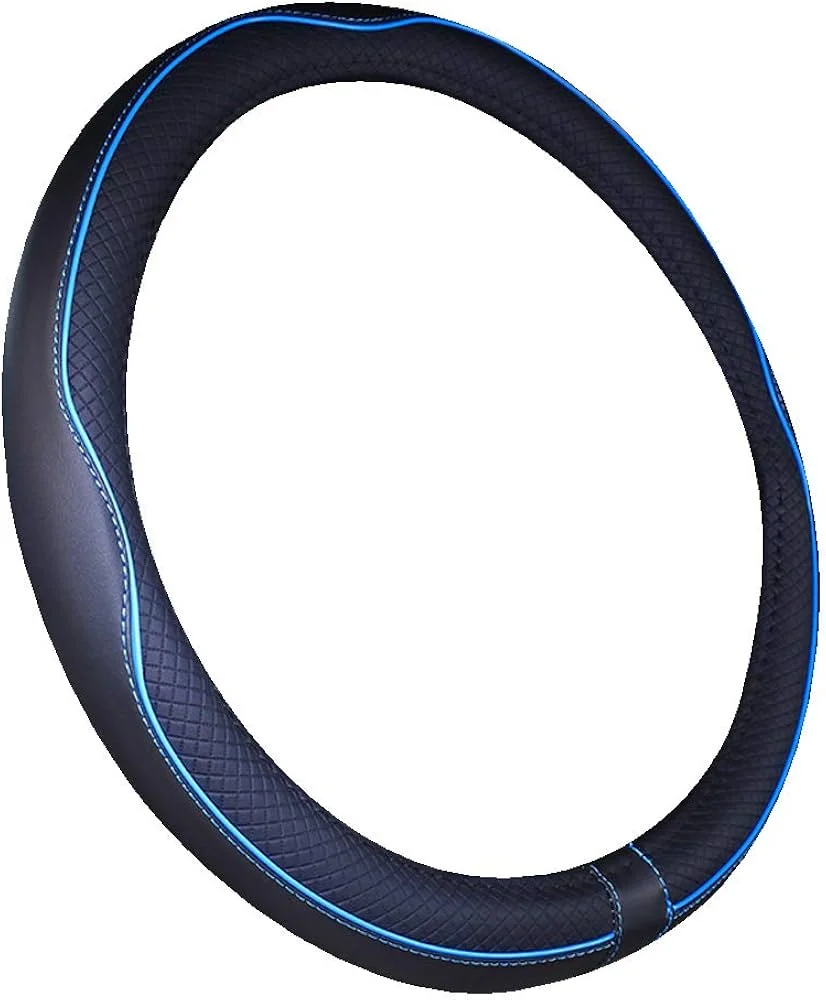
When someone hands me a cover to install, I run the same five-point check before it ever touches the wheel. None of these are headline specs, and every one is the difference between a cover you forget about and one you fight daily.
- Size match, measured. Covered above, and it's first for a reason — the other four don't matter if the diameter's wrong.
- Seam quality. A raised, lumpy seam puts a ridge right where your thumbs ride; owners flag this on the cheapest units, and I want flat, even stitching.
- Backing material. The underside that grips the rim matters more than the top — a thin, slick backing rotates no matter how well it fits, while a textured anti-slip backing like the Valleycomfy's stays put.
- Breathability. A non-breathable cover turns sweaty in summer; perforated or microfiber backings let your hands stay dry.
- Heat tolerance. This part bakes daily, so a material rated to hold its shape — microfiber and quality leather — outlasts a vinyl that hardens and cracks by the second summer.
Run a cover past those five and the marketing falls away fast. The ANDALUS silicone, for instance, isn't trying to win on luxury — it wins on backing grip and instant install, which for a hot-climate driver who just wants a cool, grippy wheel is exactly the right set of trade-offs.
Installing It Right: The Add-Ons That Help
Here's the part of this guide that saves more covers than any product recommendation: the install. A correctly sized microfiber cover should go on snug — that's the point — but 'snug' scares people into thinking they bought the wrong size, so they force it crooked and live with a lump. The trick is heat and patience.
On a warm day, the cover material is more pliable; on a cold day, warm it in the car or with your hands first. Seat the cover over the top of the wheel first, then work it down both sides evenly toward the bottom, stretching as you go rather than yanking one section all the way on. The last few inches at the bottom are the hard part — owners who report a 'too small' cover are usually two minutes of even stretching away from a perfect fit. Use the heels of your palms, work around the rim in stages, and let the material relax.
For laced covers — some genuine-leather ones like the BDK ship with a needle and thread to lace the cover tight — the lacing is the feature, not a chore: it lets you dial the tension exactly and guarantees the cover never rotates. It takes fifteen minutes and a podcast, and the result is a cover that feels factory. Skip the patience and you get the lumpy, spinning cover that fills the one-star reviews; spend it, and even a mid-priced cover feels like it came with the car.
How Long These Actually Last
A steering wheel cover lives one of the hardest lives of any interior part — constant hand friction, daily sun, and the oils and sweat from your palms working into it eight ways a commute. The parts that wear out first tell you where the money goes, and on a cover it's almost always the top surface where your hands sit at ten-and-two.
Cheap vinyl and PU coatings are the first to go: owners report the surface starts flaking or going shiny within a year, leaving a worse-looking wheel than the bare one you covered. The manufacturer-rated microfiber-leather surfaces on the SEG Direct and Valleycomfy are the quiet reason they outlast the bargain covers — buyers say the grip texture survives the hand-oil and heat cycle that polishes cheaper covers smooth. Genuine leather like the BDK lasts longest of all with occasional conditioning, but neglected it can dry and crack at the seams.
Heat is the other killer. A cover baking on a wheel in a closed summer cabin sees temperatures that harden plastic-based materials and break down adhesives in stitched seams. Owners in hot climates raise this constantly, and it's the reason a sunshade and a cover are a pair, not rivals — shade the cabin and the cover lasts years longer. Wipe the surface clean of hand oils every few weeks, condition real leather a couple times a year, and a $15 microfiber cover outlives the bargain ones two-to-one.
The Lineup, Cover by Cover
Here's the rundown I'd give across the install bench — what owners and the spec sheets bear out, with the box copy left in the box. I've stretched enough of these onto enough wheels to know which traits hold up and which evaporate by the second summer.
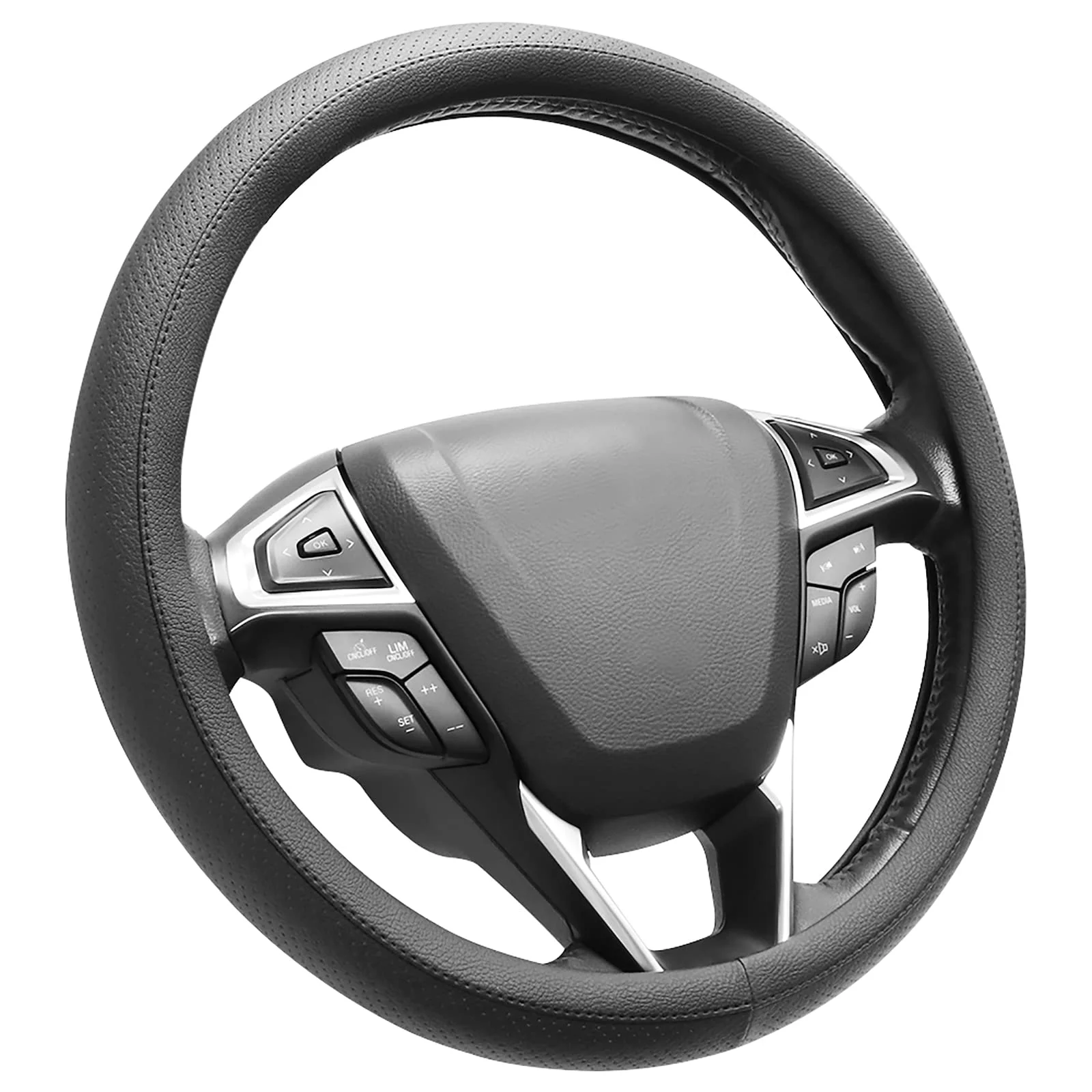
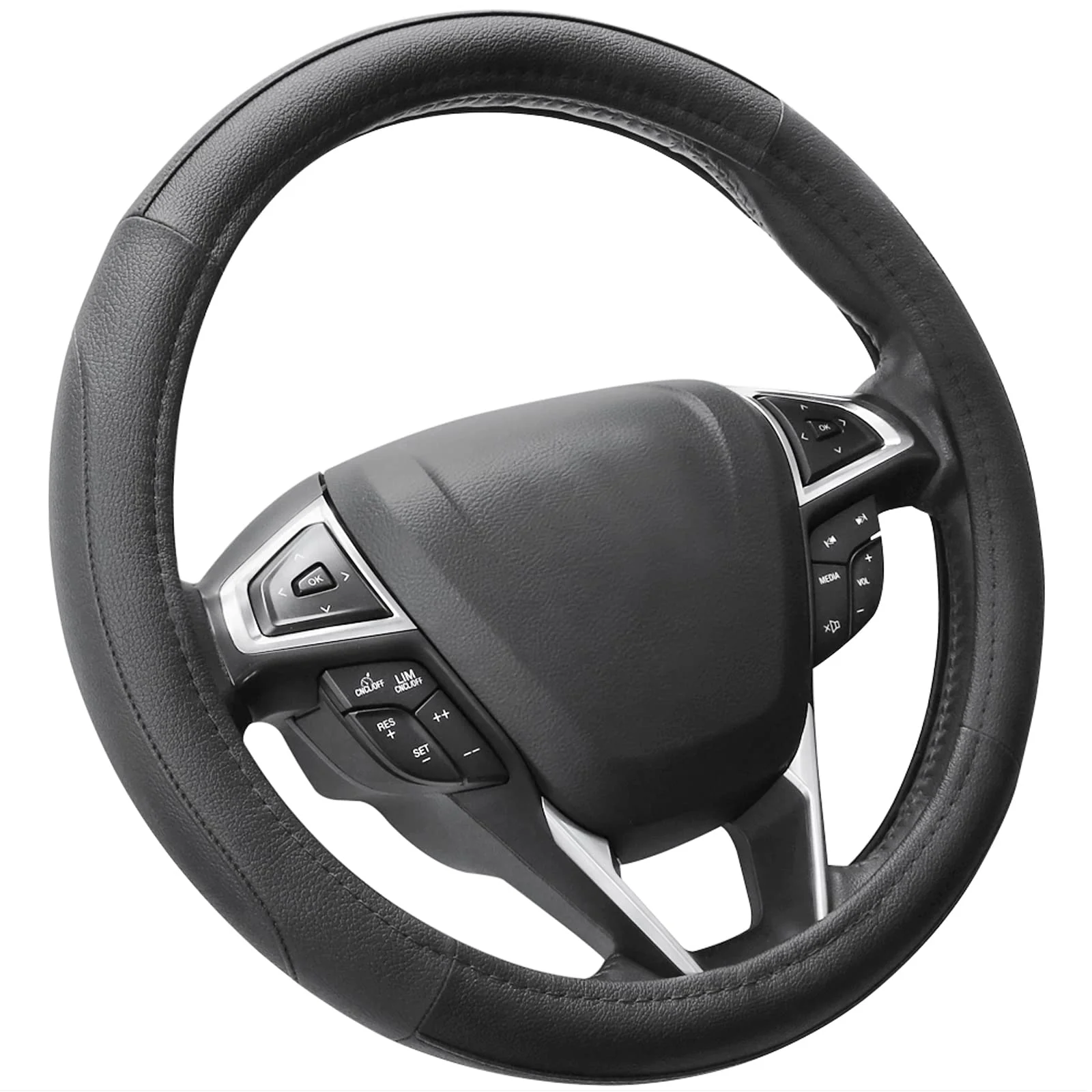
Owners consistently report the SEG Direct microfiber cover is the all-rounder — the grip texture works bare-handed, the size chart fits the common 14.5-to-15-inch wheel that covers most cars, and reviewer consensus across buyer reviews credits the heat resistance that keeps it from going slick or hard. The trade-off buyers note is that a correctly snug fit takes a couple minutes of patient stretching — the same install step that, skipped, generates the rare 'too small' review. It's the one I hand a daily driver who wants to stop thinking about the wheel.
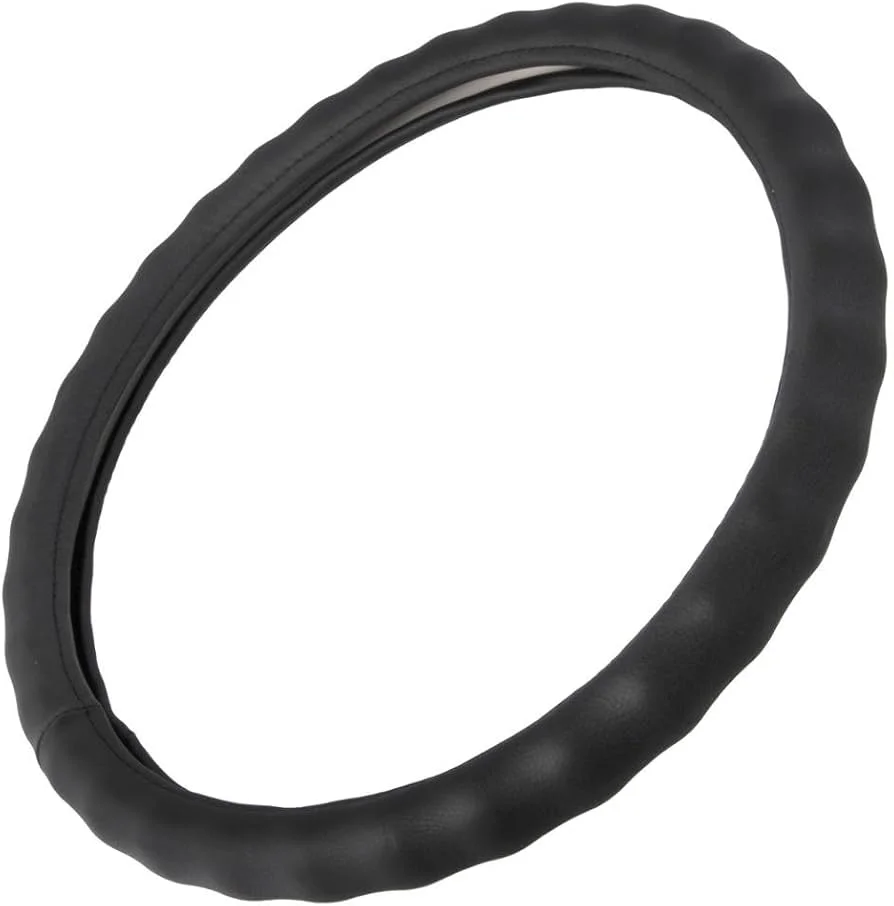
Owners consistently report the BDK genuine-leather cover looks and smells the part, and the lace-up install lets you tension it so it never rotates; the honest catch is the conditioning it wants and a break-in period where hand oils make it briefly slick. The Valleycomfy is the value microfiber pick — buyers credit the anti-slip backing for staying put and the breathable surface for not turning sweaty, with the same size-chart discipline as the SEG Direct. The Mayco Bell covers similar ground with a softer hand-feel that owners with smaller hands prefer.
And the ANDALUS silicone is the budget-and-utility play: owners praise that it stretches on in ten seconds with no lacing, grips with sweaty or gloved hands, and wipes clean in a second — its honest limit is a rubbery feel and trapped heat on long summer drives that the leather types avoid. Five honest covers, one decision: get the size code right, then match the material to your climate and how much fuss you'll tolerate.
How to Choose the Cover for Your Car and Climate
The right cover is a function of your wheel size, your weather, and your patience — not the longest feature list. Being honest about those three narrows five products to one fast. A daily commuter in a temperate climate with a standard 14.5-to-15-inch wheel is squarely SEG Direct or Valleycomfy territory: microfiber grip, a fitting size chart, and durability without maintenance.
A hot-climate driver whose bare wheel is untouchable by noon has a different priority. Owners in the desert Southwest consistently report that grip-when-sweaty and instant install matter more than luxury feel, which is where the ANDALUS silicone stops looking cheap and starts looking smart — paired with a windshield sun shade, it's the combination that makes a parked car drivable again. The person who wants the wheel to look and smell like an upgrade, and will spend fifteen minutes lacing and a few minutes a year conditioning, is the BDK genuine-leather buyer.
Then there's the oddball wheel — unusually thick, thin, or a non-standard diameter on an older or specialty car. That driver should measure twice and read the grip-thickness note before anything else, because no material fixes a size mismatch. Figure out which of the three drivers you are before you read another spec, and the cover picks itself.
The Buying Mistakes That Cost You Twice
Almost every regretted steering wheel cover traces back to the same short list of mistakes, and all of them are avoidable for free. The first and biggest is skipping the size measurement — buying on looks and hoping a 'universal' label covers it. Universal means a range, not every-wheel, and a cover one size off either strangles the rim or spins on it. Measure the outer diameter, match the size code, done.
The second is mistaking a snug correct fit for a wrong size and forcing it on crooked. A properly sized microfiber cover is supposed to fight you a little going on — that tension is what keeps it from rotating later. Owners who report a 'defective too-small' cover are usually a warm-up-and-stretch install away from a perfect fit. The third is buying vinyl to save three dollars: it photographs like leather and hardens like a dashboard, flaking within a year into a worse-looking wheel than the bare one.
The last mistake is ignoring climate. A non-breathable cover in a hot car turns into a sweaty ring you steer with your fingertips; a slick genuine-leather cover that's never been conditioned does the same in its own way. Match the material to your weather and your willingness to maintain it. Get those four right and you buy one cover that lasts the life of the car; get them wrong and you fund the steering-wheel-cover aisle one disappointment at a time.
My Verdict — What I'd Put on My Own Wheel
Strip away the marketing and the decision is simple. For most drivers with a standard wheel who want grip, durability, and zero maintenance, the SEG Direct microfiber cover is the one I point people to — it fits the common size, grips bare-handed, and survives the heat that ruins the cheap covers. Its only real ask is a patient two-minute install, which for a cover you'll keep for years is a fair trade.
If you want the look and smell of real leather and you'll lace it on and condition it, the BDK is the upgrade that ages well. The Valleycomfy is the value microfiber pick when you want the anti-slip backing and a slightly lower price, and the Mayco Bell is the softer-feel option for smaller hands. The ANDALUS silicone is the honest budget-and-hot-climate answer — grippy, instant, and cheap — as long as you don't mind the rubbery feel on a long drive.
Whichever you choose, measure the wheel first and install it with patience. The best cover in the catalog feels like junk if it's the wrong size or stretched on crooked, and the cheapest one feels fine if it fits right and seats clean. The cover is on your hands every mile — it's worth the ten extra minutes to get the one that disappears.
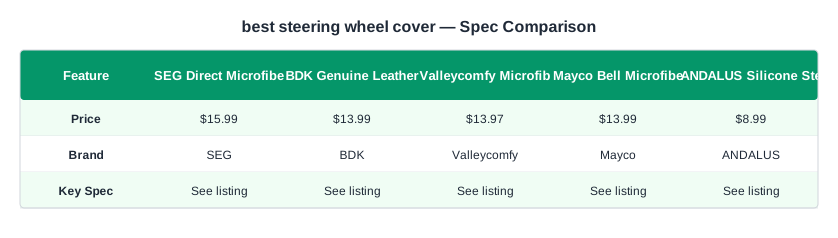
The complete lineup also includes BDK Genuine Leather Steering Wheel Cover ($13.99), Valleycomfy Microfiber Leather Steering Wheel Cove ($13.97), Mayco Bell Microfiber Leather Steering Wheel Cover ($13.99) — each compared on the same specs and reviewer consensus.