The Part You Ignore Until You Can't See
A wiper blade is the cheapest safety part on your car and the one people run into the ground the longest. I've pulled blades off cars that left a smear across the driver's line of sight every pass, and the owner had stopped noticing because it happened a millimeter at a time. Then it rains hard at night, oncoming headlights hit that smear, and the whole windshield turns into a sheet of glare right when you need to read the road.
The job a blade does is simple to describe and surprisingly hard to do well: drag a thin rubber edge across a curved piece of glass and leave it dry and clear in one stroke, in heat, in freezing rain, at seventy on the highway with wind trying to lift the blade off the glass. Where blades differ is how evenly they press across that whole curve, how the rubber holds up to sun and ozone, and how the frame handles snow and ice without packing solid.
So this is a ten-to-fifty-dollar part where the spread in real performance is bigger than the spread in price. Below I'll walk through the two designs that matter, how to size and fit them without buying twice, where the money actually changes the result, and which set I'd put on my own car. None of it is complicated. It's just the difference between a blade that disappears and one you fight every storm.
Beam vs. Conventional: The Only Design Choice That Matters
Strip the brand names off and there are two real designs. The old style is the conventional bracket blade — a rubber strip held by a metal frame with four to eight pressure points. It's cheap, it's been around forever, and on a flat older windshield it works fine. The problem is the frame: on a curved modern windshield those few pressure points leave gaps where the blade skips, and the open frame is a perfect trap for snow and ice that packs solid and lifts the rubber off the glass.
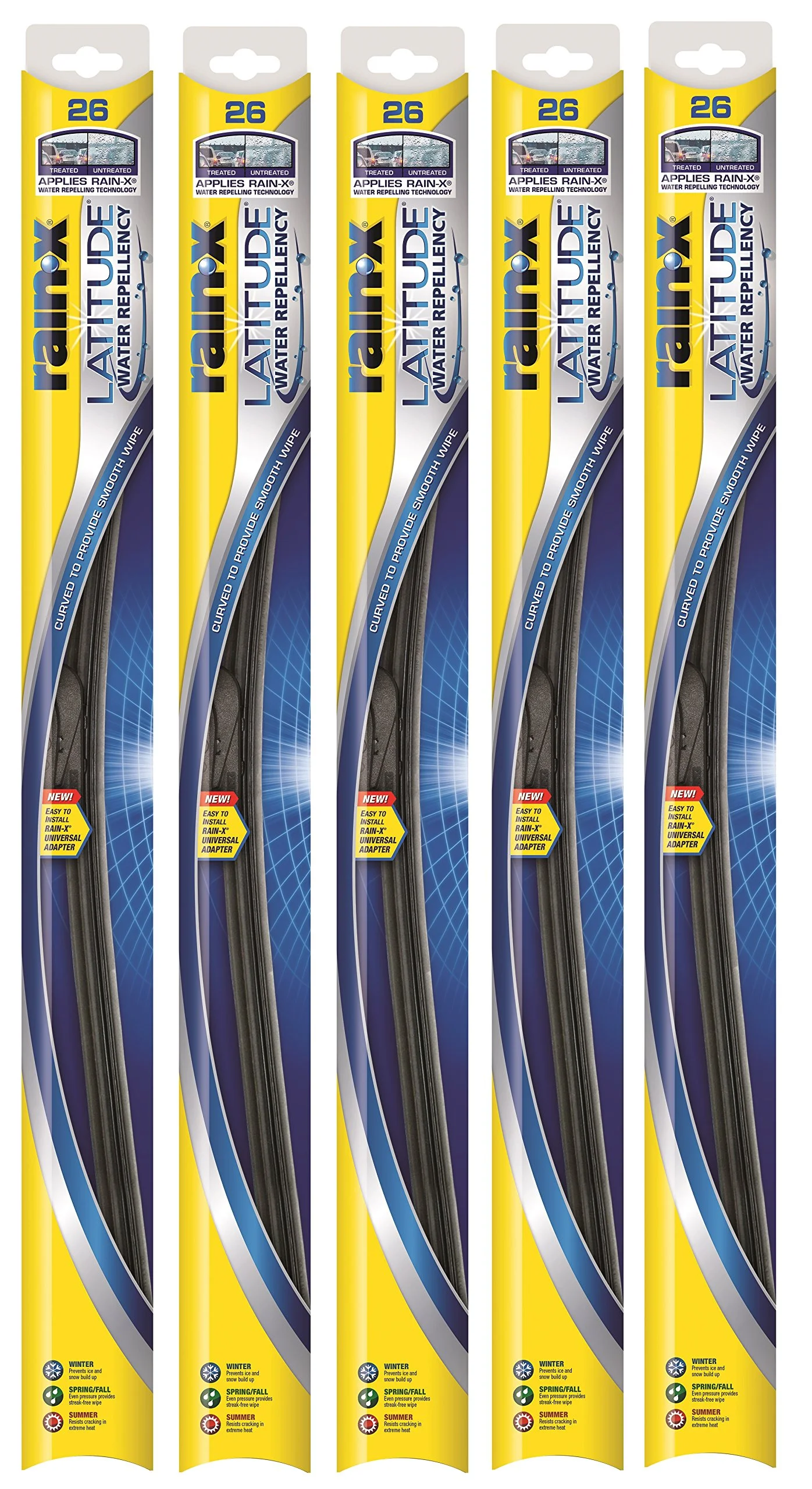
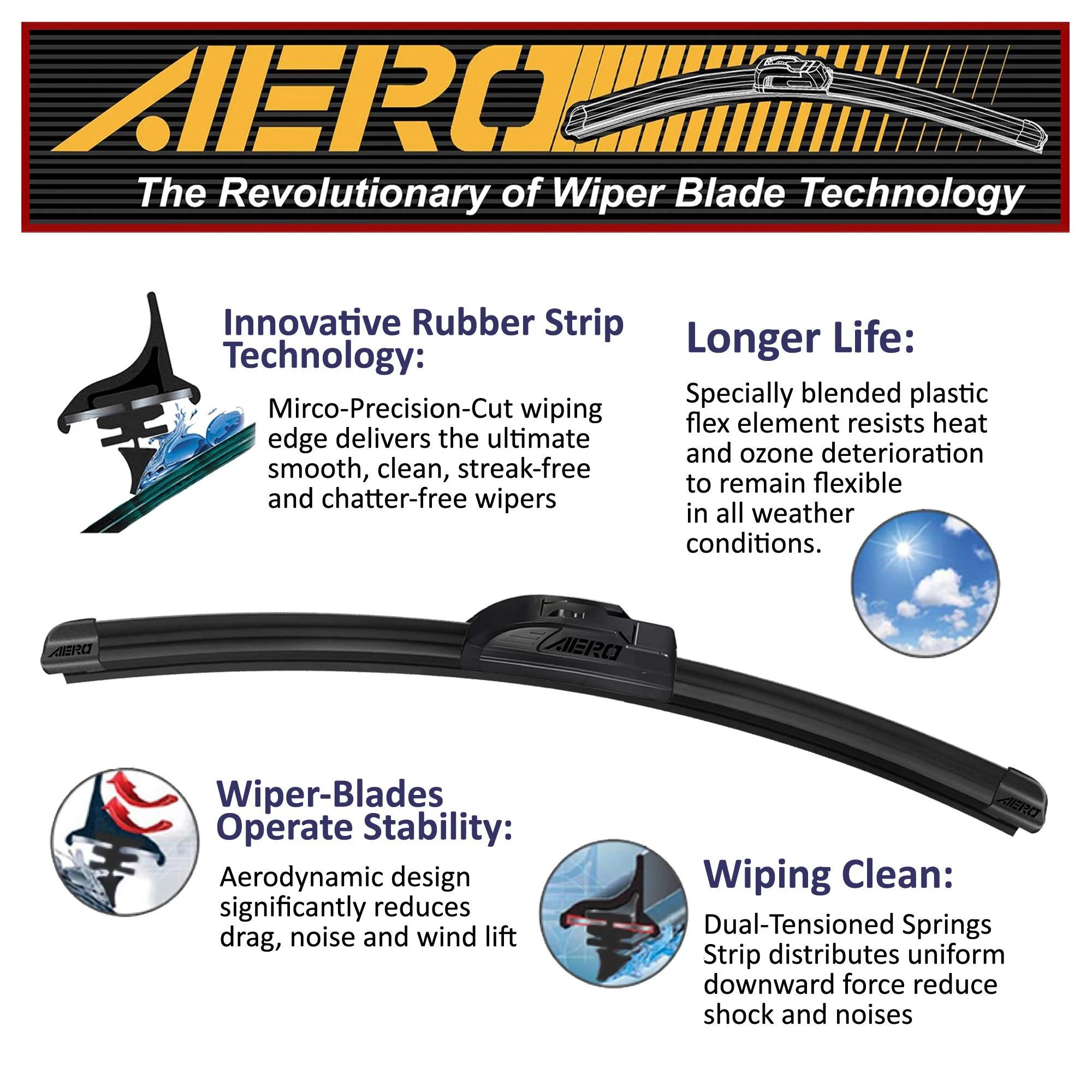
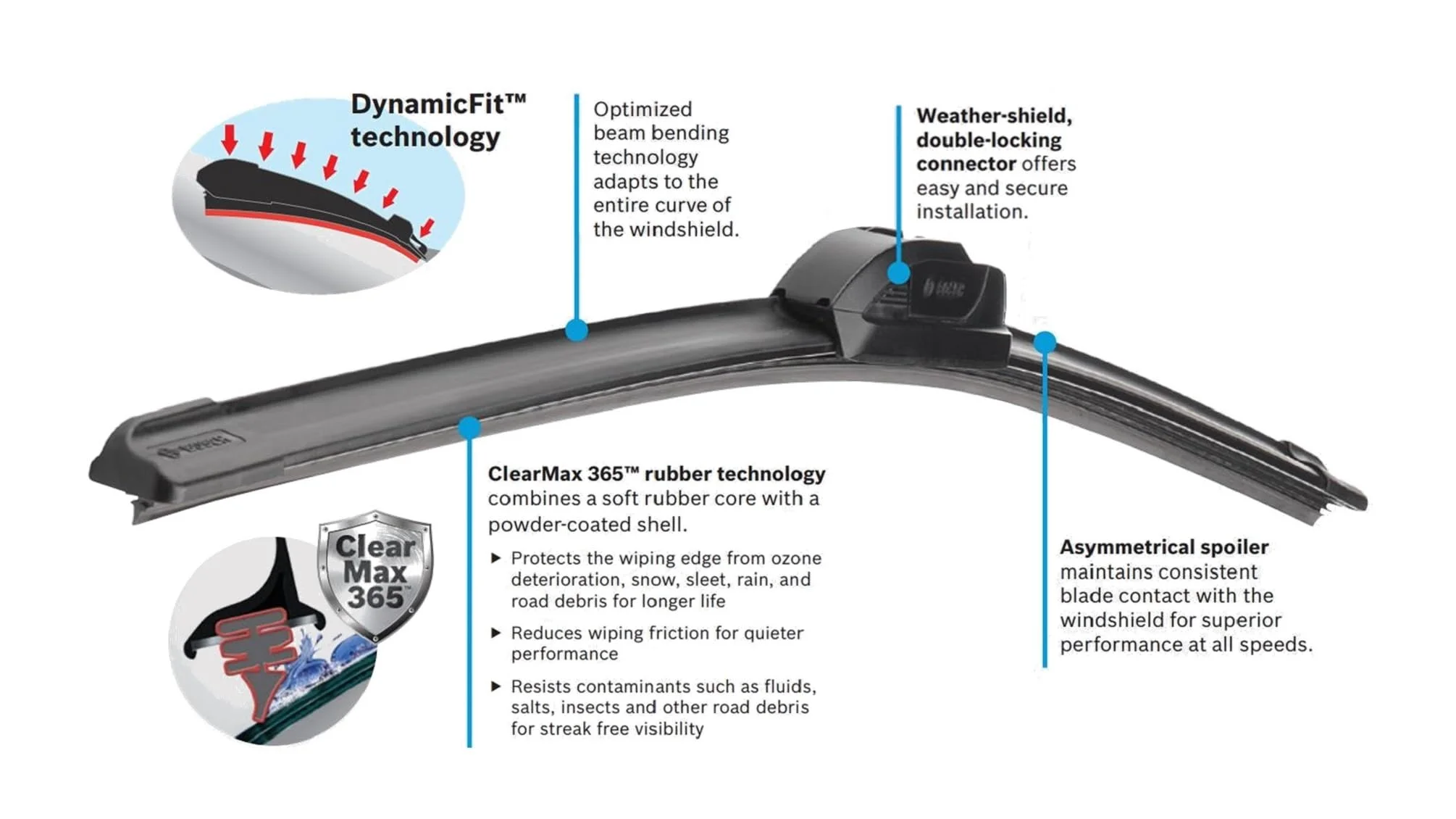
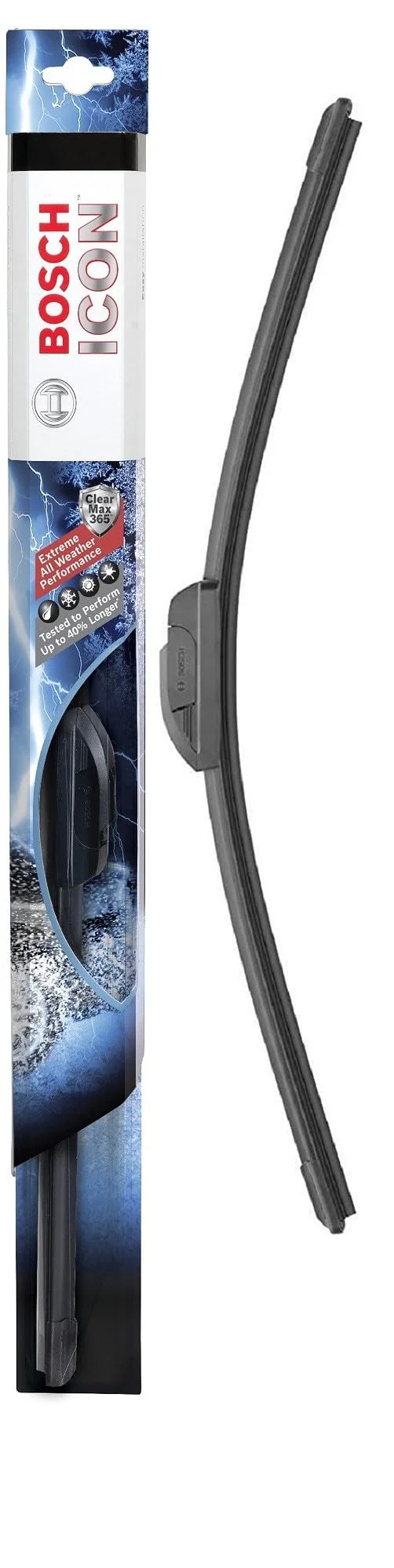
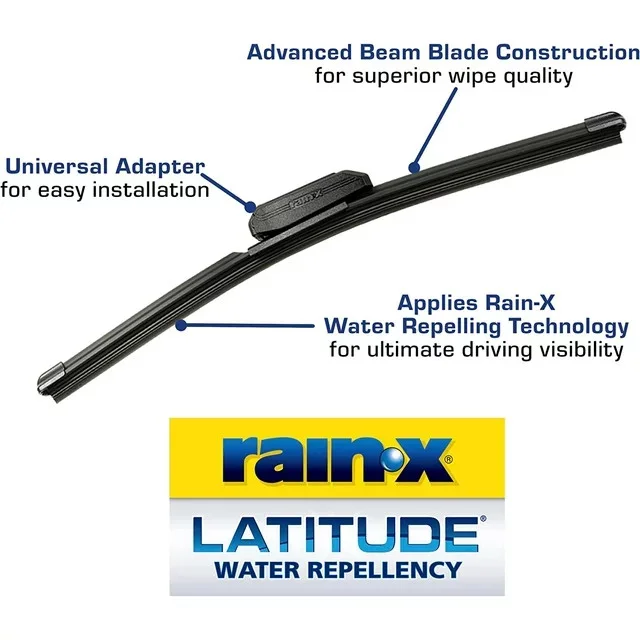
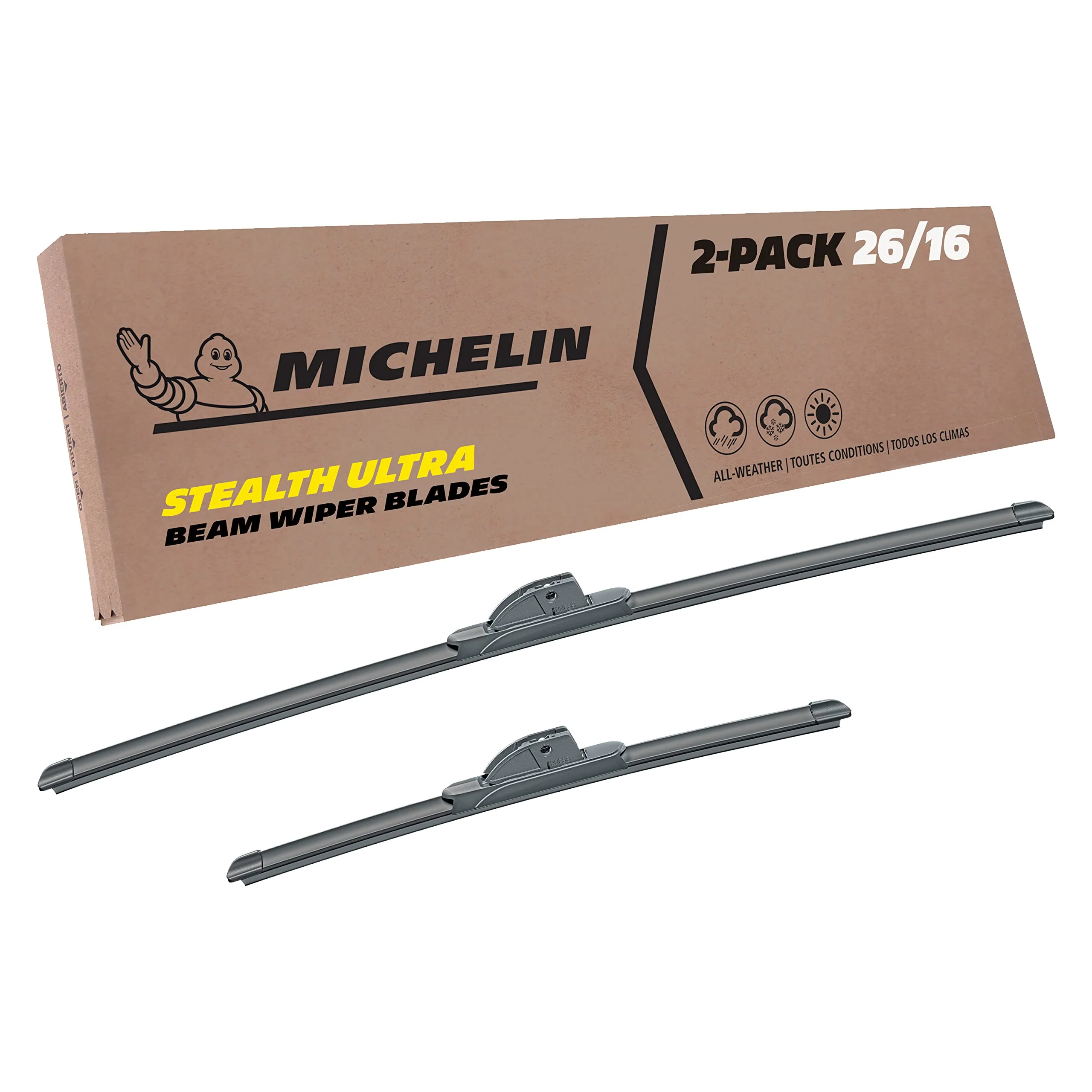
The newer style is the beam blade — a single curved piece of spring steel with the rubber bonded along its whole length and a low rubber spoiler over it. There's no exposed frame, so pressure spreads evenly across the entire arc of the glass and there's nothing for ice to pack into. The Bosch ICON is the blade most testers point to as the benchmark of this type, and it's a beam. So is the Rain-X Latitude, the Michelin Stealth Ultra, and the Aero Voyager.
If your car was built in roughly the last fifteen years with a curved windshield, buy a beam blade and don't overthink it. Reviewers at Car and Driver, MotorTrend, and GearJunkie all converged on beam designs for their top picks, and the reason is the same one you'll see at the glass: even pressure, no skip band, no ice trap.
Conventional blades aren't worthless — they're the right call for a flat-glass classic or a beater where you want the cheapest thing that wipes. But for most people reading this, the beam question is already answered by the shape of your windshield.
How Long Wiper Blades Last, and What Kills Them Early
Here's the part that changes how you shop: a wiper blade fails from the rubber edge degrading, not from the frame breaking, and that rubber degrades whether you use the blades or not. Sun, heat, and ozone harden the squeegee edge over months. That's why a blade that looks perfectly intact can streak — the flexible lip that's supposed to wipe clean has gone stiff and rounded, so instead of a clean scrape it drags a film.
Two materials handle that aging differently. Natural rubber — what the Bosch ICON, Rain-X Latitude, Michelin Stealth, and Aero Voyager all use — wipes beautifully when fresh and is the standard for good reason, but it's the part that hardens with UV exposure. Owner reports across BobIsTheOilGuy and r/AskMechanics consistently put quality rubber beam blades at roughly six to twelve months of clean wiping before they start to streak, less in a brutal-sun climate.
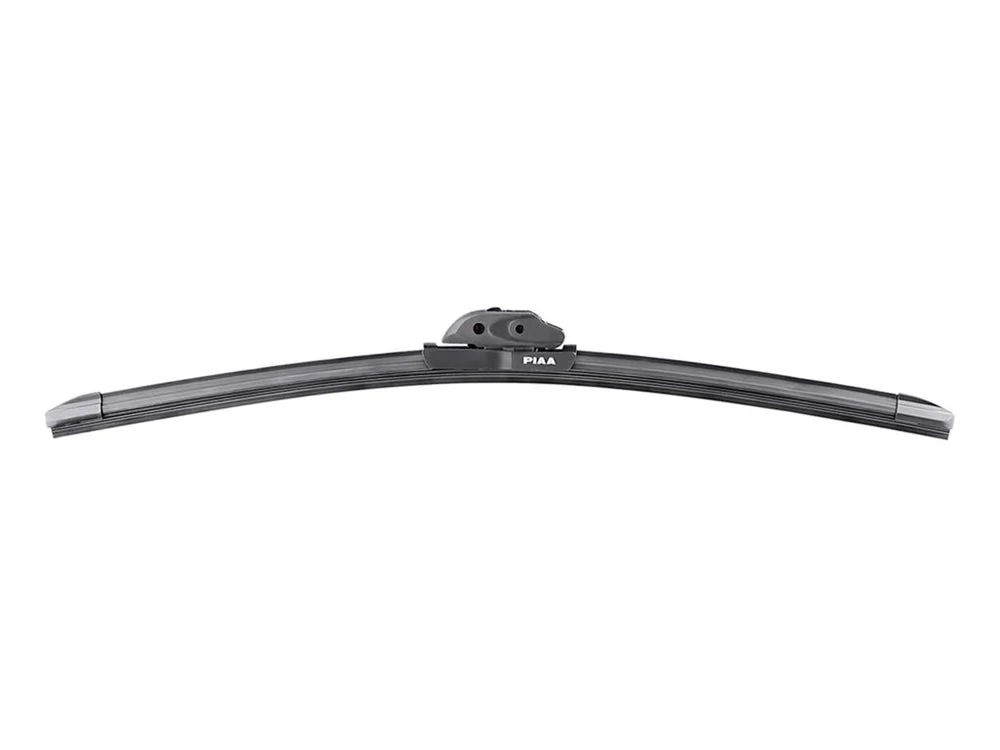
The other option is silicone, which the PIAA Super Silicone uses. Spec-to-practice, silicone stays flexible in deep cold and resists UV hardening better, so it tends to last noticeably longer and stays pliable when a rubber blade would go stiff and chatter in freezing weather. The trade is a higher up-front price and a short break-in where it can smear until the coating it lays down evens out. PIAA owners on r/BuyItForLife specifically call out the cold-weather flexibility and longer life as the reason they keep buying them.
The practical takeaway: pick rubber for value and mild climates, silicone for harsh winters or high-UV desert sun where the longer life pays for itself.
Sizing, Adapters, and the Extras in the Box
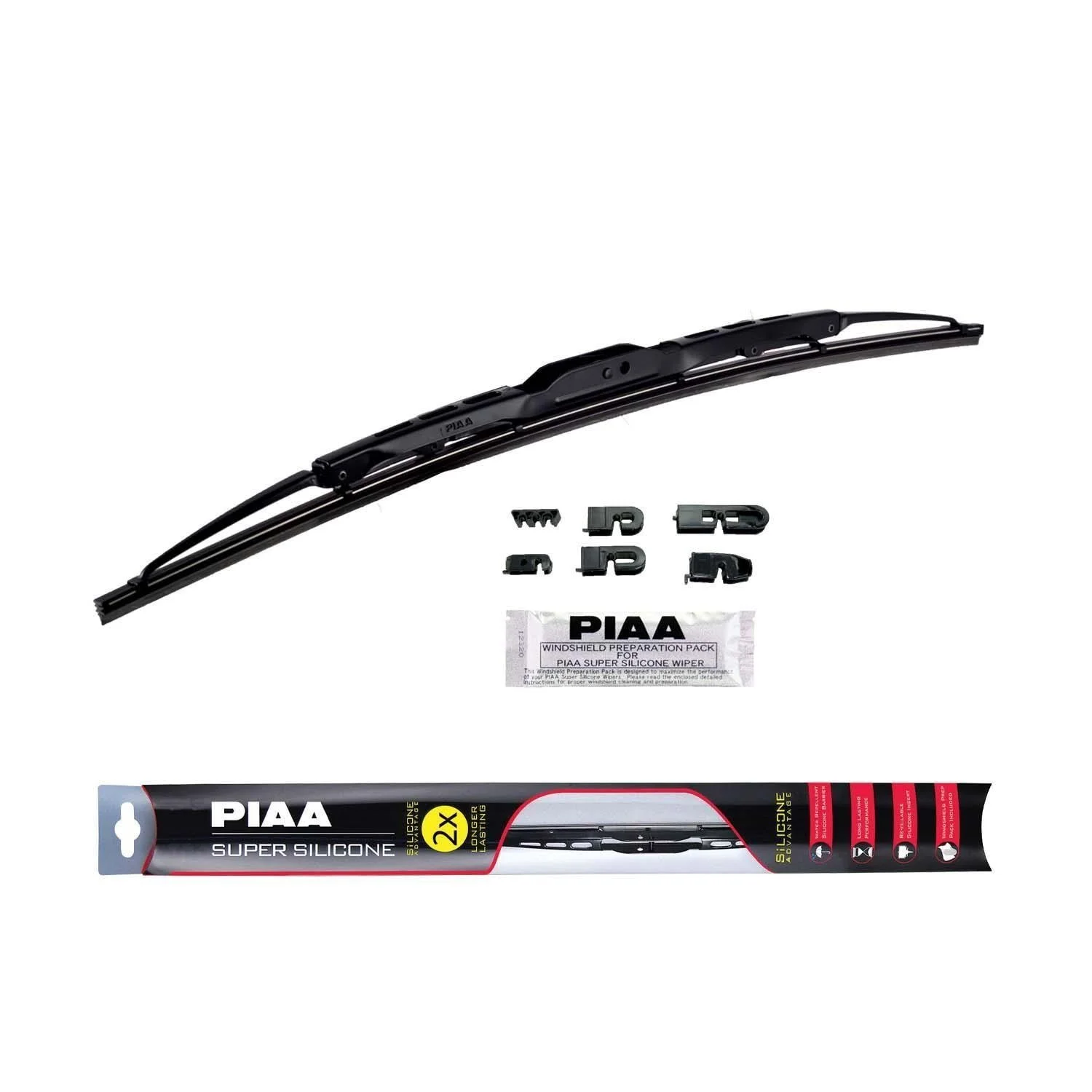
Wiper blades are cheap enough that people grab a box off the shelf, get home, and find it won't clip on. Before you order, sort out the sizing and the connector hardware that actually comes in the box — run this five-point check and you'll buy once:
- Measure both blades. The driver and passenger sides are very often two different lengths — a 24-inch and a 19-inch is a common pairing. Put a tape measure on the rubber of each blade on the car; don't trust your memory or a single box size.
- Confirm the arm connector. Most cars use a J-hook arm, but pin, bayonet, and side-lock arms exist. A good blade ships with several adapters, but verify yours is covered before you buy a fixed-connector blade.
- Match the design to your windshield. Curved modern glass wants a beam; flat older glass can take a conventional.
- Decide rubber vs. silicone by climate. Hard winters or desert sun lean silicone; mild climates are fine on rubber.
- Don't forget the rear. If your SUV or hatchback has a rear wiper, it's usually a different, smaller-specific blade — order it at the same time so you're not making two trips.
One thing people skip: check the arm itself while the blade is off. If the metal arm has lost its spring tension and isn't pressing the blade firmly to the glass, a brand-new blade will still streak. A weak arm is a five-minute fix to bend back or replace, and it's the reason a fresh blade sometimes doesn't fix the problem.
The Lineup, and What Each One Is Actually For
Most of the real decision comes down to matching one of these five to how and where you drive, so here's the honest read on each.
The Bosch ICON is the all-around benchmark. It's the beam blade testers at Car and Driver and Automoblog keep ranking at or near the top, and the owner consensus on r/AskMechanics is blunt about it — quiet, smooth, lasts well. For most drivers in most climates, it's the safe default that just works.
The Rain-X Latitude is the one to buy if you drive in heavy rain. It's a solid beam blade on its own, but the draw is the water-repellent coating it lays onto the glass as it wipes, which makes beading and runoff visibly better in a downpour. Car Talk and Road and Track both singled out the Latitude line specifically for its rain performance.
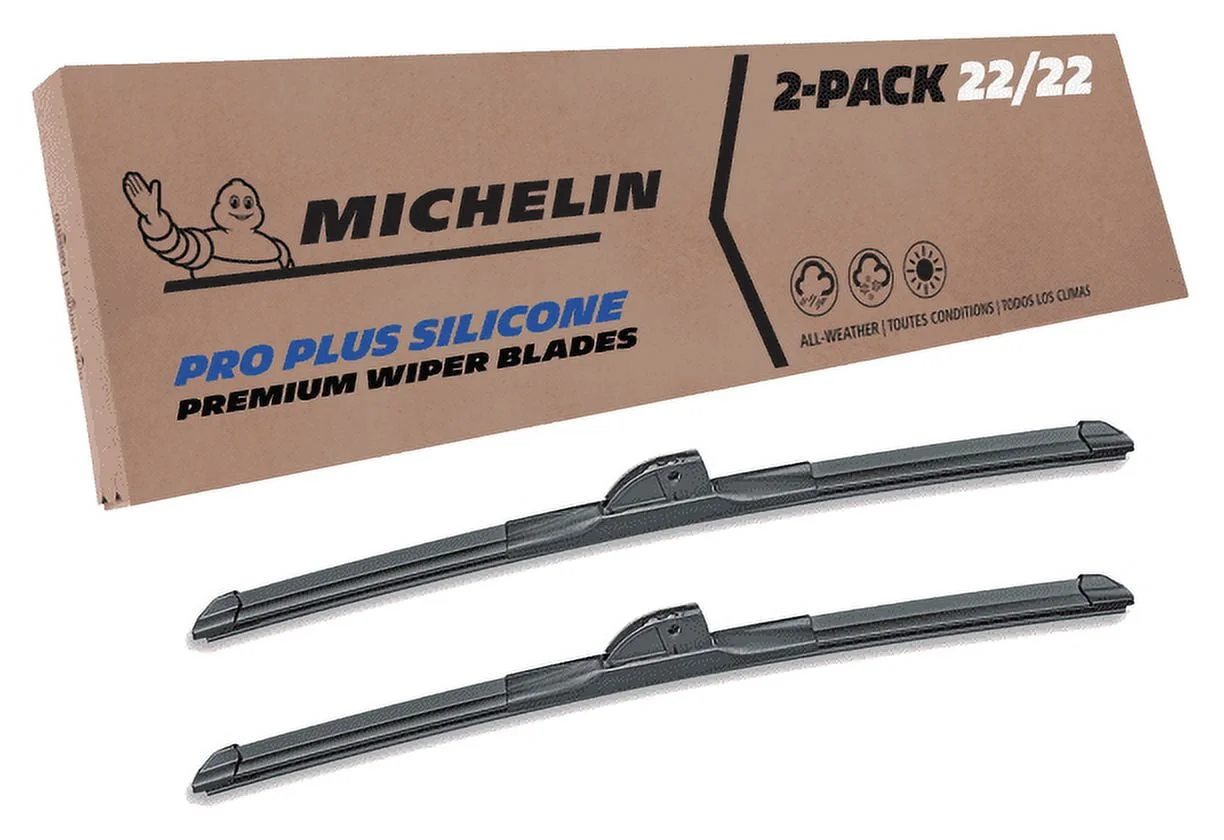
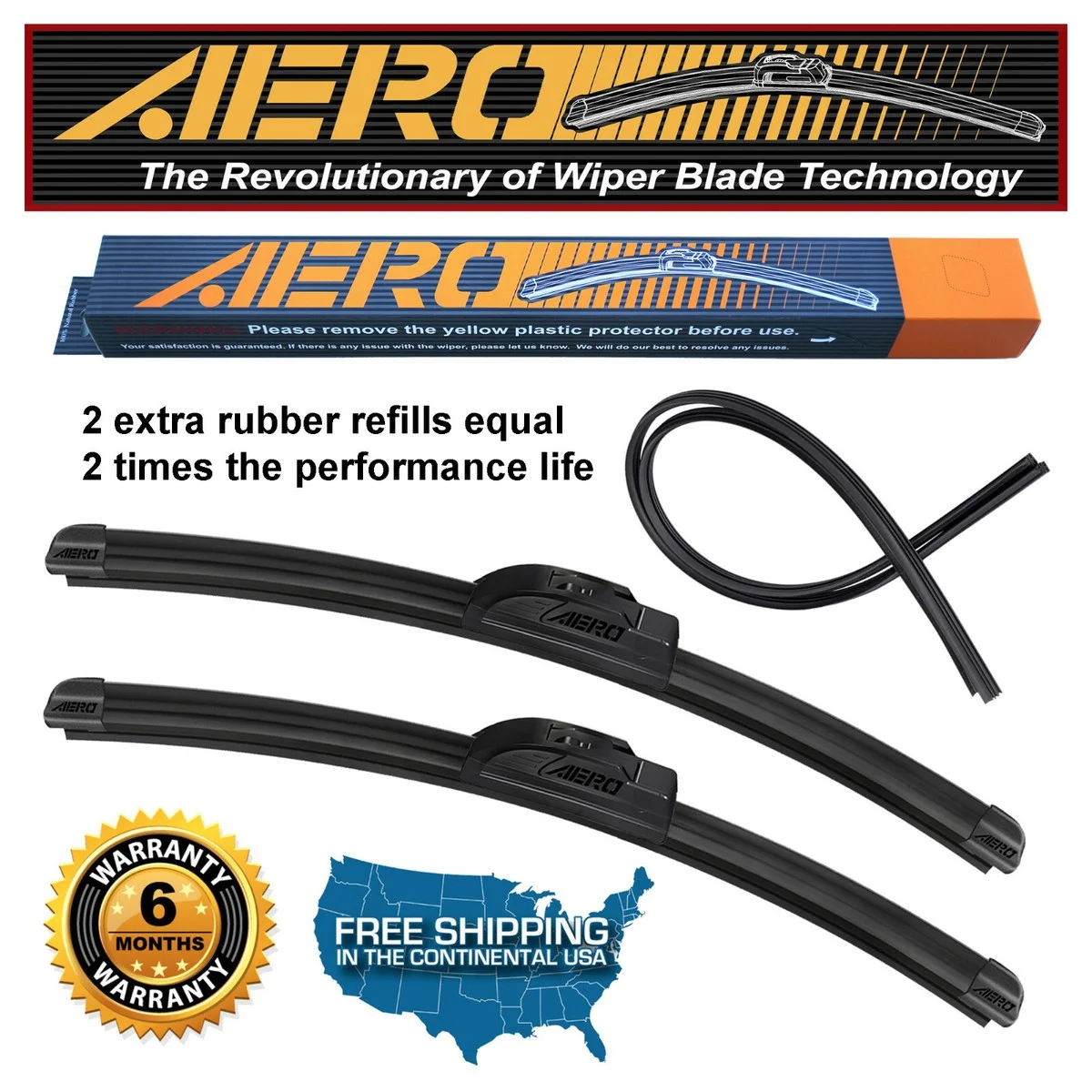
The Michelin Stealth Ultra is the hybrid pick — a beam blade with a smart-flex design and an independent suspension that conforms to the glass, and it's the one to look at if your other blades chatter or you want quiet operation as the priority. The PIAA Super Silicone is the cold-and-longevity specialist for the reasons above. And the Aero Voyager is the value beam — OEM-quality rubber at the bottom of the price range for someone who wants a beam upgrade over conventional blades without spending Bosch or Michelin money.
Installing Blades and Winter Storage Care
Swapping wiper blades is a five-minute job, and there's exactly one way to turn it into an expensive one: letting a bare metal arm snap down onto the glass. Do this in order and that never happens.
Lift the wiper arm off the windshield until it locks in the upright position. Lay a folded towel over the glass under the arm anyway — belt and suspenders, because a spring-loaded arm that gets away from you will star-crack a windshield instantly. Find the release tab on the old blade where it meets the arm; on a J-hook it's usually a small plastic latch you press, then slide the blade down and out of the hook. Note exactly how it came off, because the new one goes on the same way.
Fit the correct adapter to the new blade if it isn't pre-installed, hook it onto the arm, and slide it until you feel and hear a positive click. Tug it gently to confirm it's seated — a blade that pops off at sixty is one that was never fully latched. Then lower the arm back to the glass slowly with your hand; never let it slap down.
Keeping them working is half cleaning. Once a month, lift each blade and run a folded paper towel down the rubber edge to pull off the grime it collects; a clean edge wipes clean, a gritty one drags a film. In winter, pull the blades up off the glass overnight so they don't freeze stuck and tear when you switch the wipers on.
Run the washer and wipers before you drive off. A fresh blade can chatter for the first pass or two as the rubber beds in; if it's still chattering after a wet cycle, the arm tension or the angle is off, not the blade.
When a Pricier Blade Isn't Worth It
The money spread on wiper blades is narrow, so the question isn't really whether to spend up — it's when spending up buys you nothing. Climate is what decides it. In a mild, wet climate, the premium silicone and hybrid blades aren't worth the extra money: a good rubber beam clears the glass just as well, and you'll happily replace it twice as often for less total cost. Save your money there.
Here's the honest tier breakdown so you can see where the extra dollars stop helping:
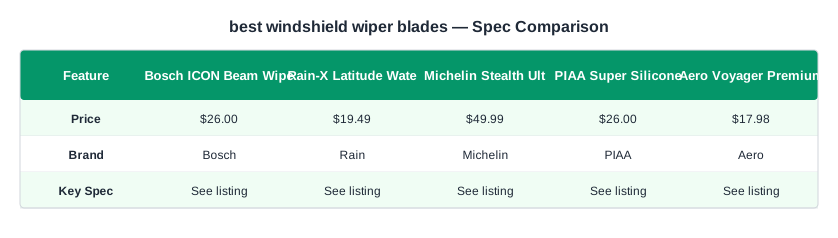
- Around $15-20 (the Aero Voyager bracket): a competent OEM-quality beam blade in rubber. Clears the glass well when fresh; you'll replace it a little more often. The right call for value buyers and mild climates — don't overspend past this if your winters are easy.
- $20-28 (the Bosch ICON / Rain-X Latitude range): the proven beam blades and the rain-repellent option. This is the sweet spot for most people — better rubber, better frame, quieter operation, and in the Rain-X case a coating that earns its place in a downpour.
- $28-50 (the Michelin Stealth / PIAA Silicone tier): premium hybrids and silicone. This tier is only worth it in harsh climates or if blade chatter drives you up the wall — deep cold, ice storms, or brutal UV where the longer life and cold flexibility actually pay back. In a temperate climate it's money spent on a spec you'll never feel.
The flip side is the one false economy you should never reach for: the no-name two-dollar conventional blade on a curved windshield. It saves fifteen dollars and skips a band right across your sightline, so you squint through every rain until you replace it anyway. Spend up to the middle tier once; just don't keep climbing past the tier your climate actually uses.
The Mistakes That Leave You Streaking Anyway
Plenty of people buy good blades and still streak, and it almost always traces back to one of a few avoidable mistakes. The biggest is not cleaning the glass and the blade edge. A film of road grime, wax overspray, or old water-repellent residue on the windshield makes even a perfect blade smear. Wipe the glass with a clean towel and a bit of glass cleaner, and run a folded paper towel down the rubber edge to pull off the grime it's collected — that alone fixes a lot of so-called bad-blade complaints.
The second is buying for one side. The two front blades are usually different lengths, and the thing people get wrong is putting a longer blade on the passenger side where it hits the trim or overlaps the driver's blade. Measure each side; don't assume a matched pair.
The third is ignoring the arm. A blade can only press as hard as the arm pushes it. A tired arm that's lost spring tension leaves the blade floating over the glass at highway speed, where wind lift makes it worse. If a brand-new blade streaks at speed but wipes fine in the driveway, the arm is your problem, not the blade.
The last one is leaving them on until they screech. The screech and chatter is the rubber telling you it hardened months ago. By then it's been smearing your night vision for weeks. Replace on a schedule — spring and fall is an easy rule — not on a failure.
Visibility Problems Good Blades Quietly Solve
Once the glass clears in one clean stroke, a few problems you'd stopped noticing just disappear. The obvious one is heavy rain at night, where a fresh blade and, on the Rain-X Latitude, a repellent coating turn a glare-streaked mess back into a clear view of the lane lines. That's not a comfort feature — reading the road at night in rain is exactly when a smear band across your sightline is most dangerous.
The less obvious payoff is winter. A beam blade like the Bosch ICON with no open frame won't pack with snow and lift off the glass, and a silicone PIAA stays flexible instead of going stiff and chattering in the cold. The difference shows up on the first icy morning, when a good blade clears the slush and a frame blade just shoves a frozen lump back and forth.
And there's the bug-and-grime season. A blade with a clean, flexible edge actually clears smashed insects and pollen film with a shot of washer fluid; a hardened one just streaks them into a translucent smear that the low sun lights up. Pair good blades with a topped-off washer reservoir and decent fluid and you've quietly fixed three separate visibility problems with one cheap part.
None of this is dramatic. That's the point — good wiper blades are a small, boring fix that removes a small, recurring danger, and the best ones do it so completely you forget the glass was ever a problem.
The Verdict: My Pick After All This
For most cars in most climates, the Bosch ICON is the set I'd put on my own car. It's the beam blade the testers keep ranking at the top, the owner reports back it up on quietness and longevity, and the frameless design handles ice and even pressure without any fuss. It does the one job — clear the glass in a stroke — completely, and for a part this cheap that's exactly what I want.
If you drive in heavy rain, I'd reach for the Rain-X Latitude instead — same solid beam, plus the repellent coating that genuinely helps when the water's coming down faster than the wipers can clear it. For hard winters or desert sun, the PIAA Super Silicone is the longevity-and-cold pick, and the Michelin Stealth Ultra is the one to try if chatter is your specific complaint. The Aero Voyager is the honest value beam when you just want a real upgrade over conventional blades for under twenty dollars.
Whatever you choose, judge it by one clean stroke on wet glass at night, not by the brand on the box. Measure both sides before you order, replace them on a schedule instead of waiting for the screech, and clean the glass when you swap them. Do that and a cheap part you've been ignoring stops being a danger you squint through — which is the whole reason to bother with it. — Carl Whitmore
The complete lineup also includes Bosch ICON Beam Wiper Blades ($26.00), Aero Voyager Premium All-Season Wiper Blades ($17.98) — each compared on the same specs and reviewer consensus.