Why an Outdoor Car Cover Earns Its Keep
I've spent six years parking a rig in places without a garage — trailheads, street spots, a gravel driveway under a tree that sheds sap like it's getting paid — and a car cover is the cheapest insurance I've found against the slow damage outdoor parking does. The harm isn't dramatic. It's cumulative: UV fading the clear coat, tree sap and bird droppings etching the paint, and the dawn-to-dusk heat cycle baking the dash.
A cover that survives outdoor parking does three jobs. It blocks UV, which is the slow killer that turns a black hood chalky over a couple of summers. It sheds water and keeps acidic sap and droppings off the paint, where they etch if left to bake. And it stays on — because a cover that the first gust peels off your roof and drags across the driveway is doing damage, not preventing it. That last job is the one cheap covers fail, and it's the one this guide spends the most time on.
The honest catch is that 'car cover' covers two very different products: a thin indoor dust-sheet and a real multi-layer outdoor cover built for weather. People buy the first for the second job, watch it leak and shred in a season, and conclude covers don't work. They work — you just have to buy the one built for the weather you actually park in. The rest of this guide is about matching the cover to your climate, your vehicle, and your wind.
The Waterproofing Myth That Ruins Paint
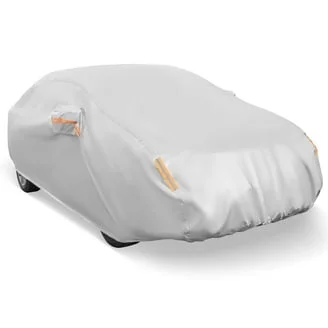
Here's the counterintuitive thing that trips up most first-time buyers: a fully waterproof cover can damage your paint worse than no cover at all if it can't breathe. A sealed, non-breathable cover traps moisture against the paint — dew, condensation, the humidity that rises off a damp driveway — and that trapped moisture sits there, sometimes growing mildew, sometimes dulling the finish. Owners who buy a cheap plastic tarp-style cover and cinch it tight are the ones writing the 'it ruined my paint' review.
The real question isn't 'is it waterproof.' It's 'is it waterproof AND breathable.' A sealed tarp keeps the rain out and the damage in.
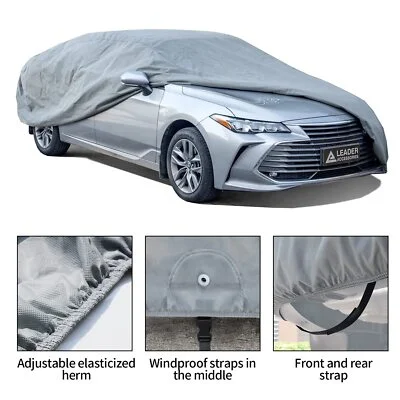
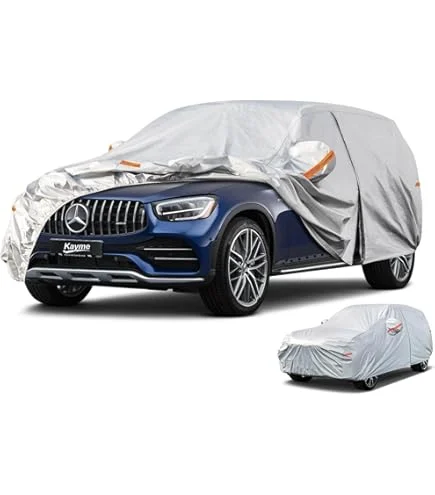
The fix the good covers use is a multi-layer construction: a waterproof or water-resistant outer layer to shed rain and block UV, and a soft, breathable inner layer that lets trapped moisture escape and won't scratch the clear coat. The manufacturer-rated 6-layer build on the Kayme and the 7-layer EzyShade are doing exactly this — buyers credit the breathable inner lining for keeping the paint dry underneath where single-layer covers sweat. The Leader Accessories Basic Guard goes the other way deliberately: it's a breathable, water-resistant (not fully waterproof) cover for climates where breathability matters more than monsoon-grade waterproofing.
So the real question isn't 'is it waterproof' — it's 'is it waterproof AND breathable.' In a rainy climate you want both layers working. In a hot, dry, dusty climate you can lean toward breathable-and-UV-blocking and worry less about total waterproofing. The trap is buying a sealed tarp because 'waterproof' sounded like the most protection, then trapping moisture against your own paint. Read for the inner layer, not just the outer.
How Many Layers You Actually Need
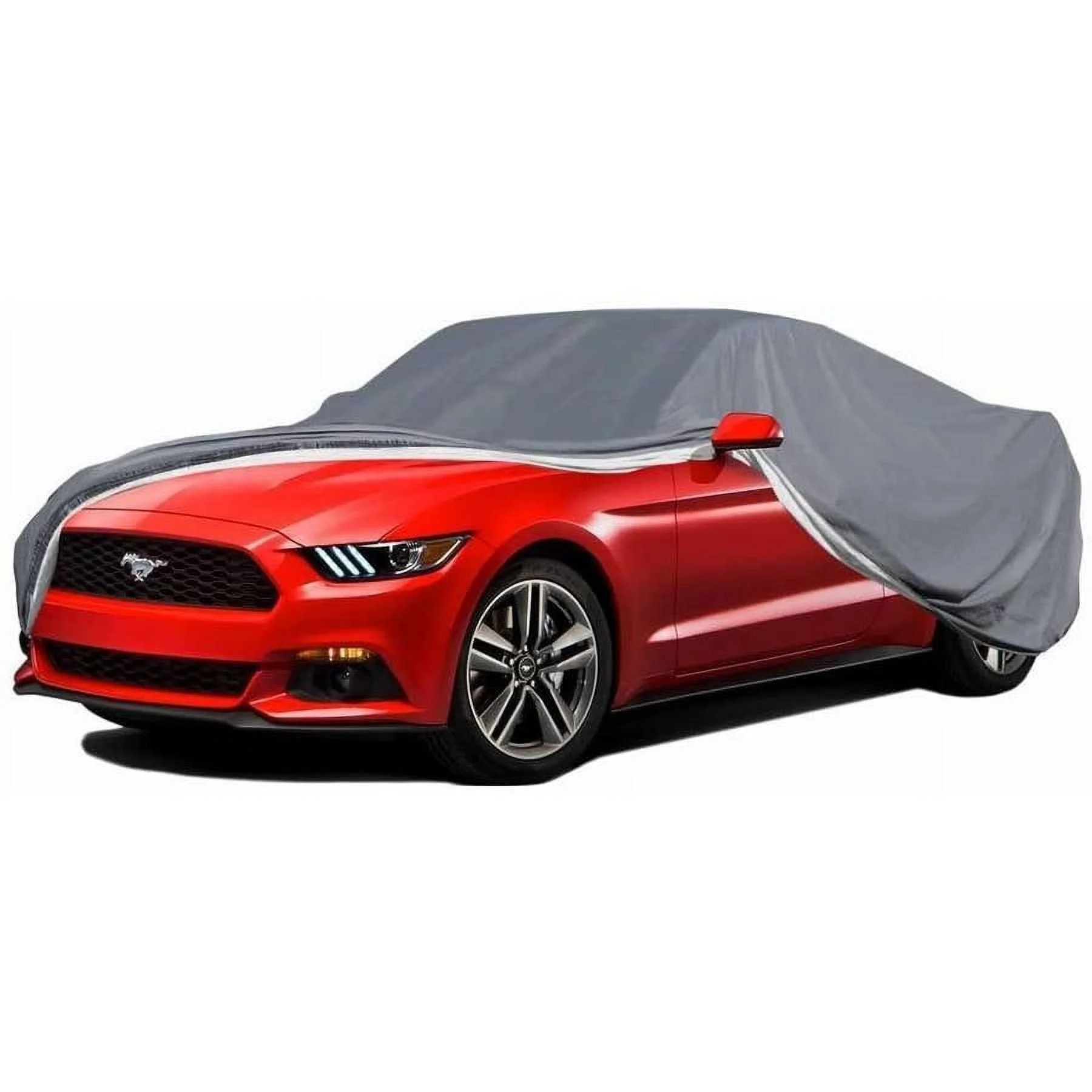
Cover marketing has turned into a layer-count arms race — 4-layer, 6-layer, 7-layer — and like most spec wars, the headline number means less than how the layers are used. More layers generally means more protection and more weight, but past a point you're paying for bulk that makes the cover a chore to put on, which means it lives in the trunk instead of on the car.
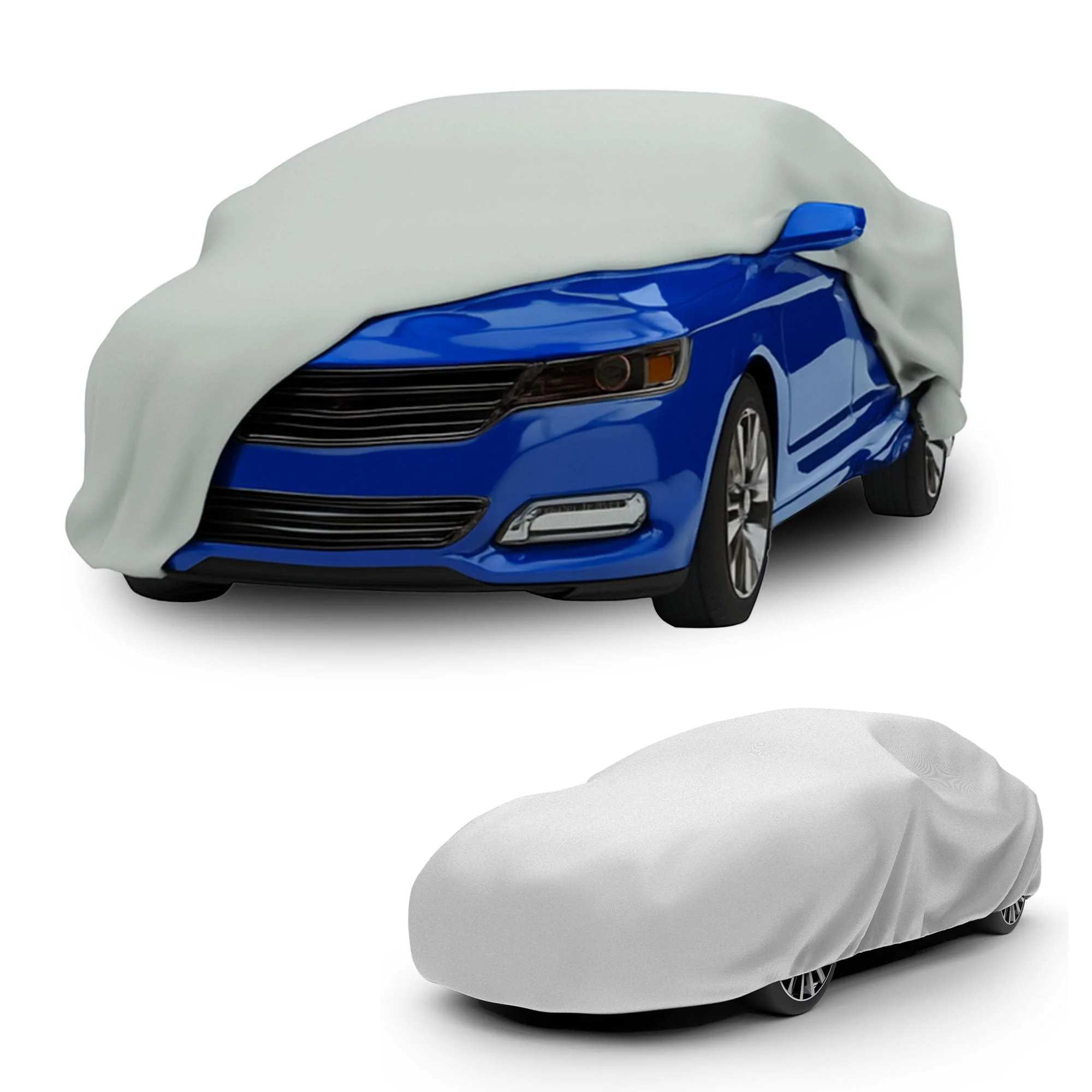
The honest tiers: a single breathable layer like the Budge Lite is a light-duty, mostly-dust-and-occasional-rain cover — fine for a car parked outdoors in a mild, dry climate, and the easiest to handle solo. A multi-layer cover in the 5-to-7 range — the Kayme, EzyShade, and OxGord Executive — is the real all-weather tier, with the waterproof-plus-breathable construction that handles sun, rain, and temperature swings. Owners in harsh climates consistently report that the jump from single-layer to multi-layer is where covers stop leaking and start lasting.
Above the all-weather tier you're mostly buying convenience features — softer linings, better straps, a storage bag that doesn't fight you — not more fundamental protection. My read after a lot of seasons: a quality 6-layer cover like the Kayme is the sweet spot for someone parking outdoors year-round, the Budge Lite is honest value for a mild climate or a car that's covered only occasionally, and the layer count above 6 is worth it only if your weather is genuinely brutal. Match the layers to your climate, not to the biggest number on the box.
Getting the Fit Right for Your Vehicle
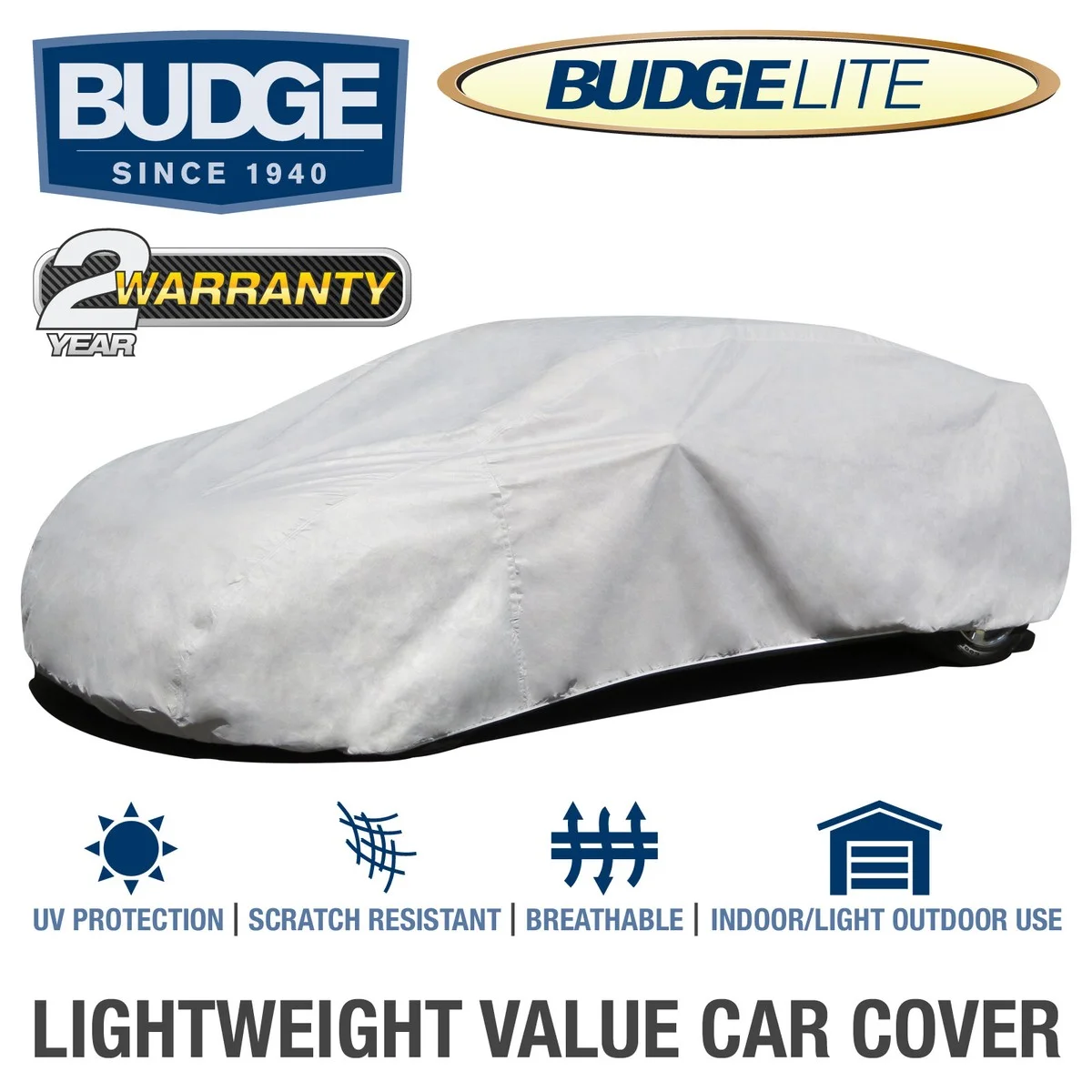
A car cover only works if it fits, and fit is where the 'universal' label causes more grief than any other spec. Covers are sold in size bands by vehicle length — a sedan band, an SUV band, a truck band — and a cover too big flaps in the wind (defeating the tie-downs) while a cover too small won't reach the lower body panels it's supposed to protect.
Measure your vehicle's length and match it to the listing's size band, not the picture. Owners consistently report that the snuggest correct-size cover is the one that stays put and sheds water best — a loose cover pools water in the slack and lets wind under it. The Kayme and EzyShade list specific size bands by vehicle dimensions, and reviewer consensus credits the vehicle-specific sizing for the better fit; the universal one-size covers are the ones buyers more often report flapping or gapping.
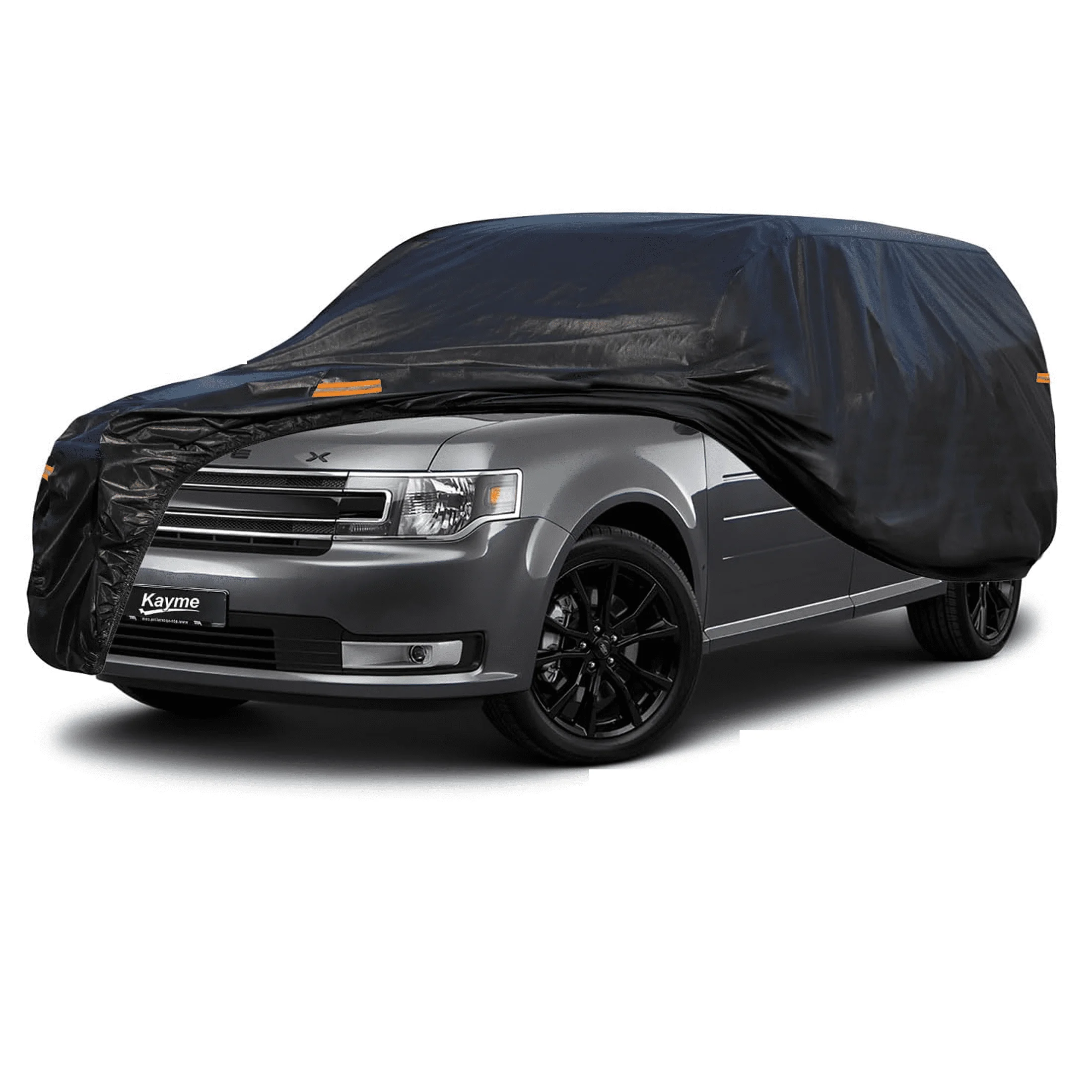
Body style matters too, not just length. A tall SUV or a truck with a bed needs a cover cut for that profile — a sedan-shaped cover stretched over an SUV gaps at the greenhouse and strains at the seams. If your vehicle is an odd size — a long wagon, a lifted truck, a compact with roof rails — read the dimensions in the listing rather than trusting the body-type label. Get the band right and the cover does every other job better; get it wrong and even a great cover flaps, pools, and lets the wind in.
The Tie-Down Checklist for Windy Spots
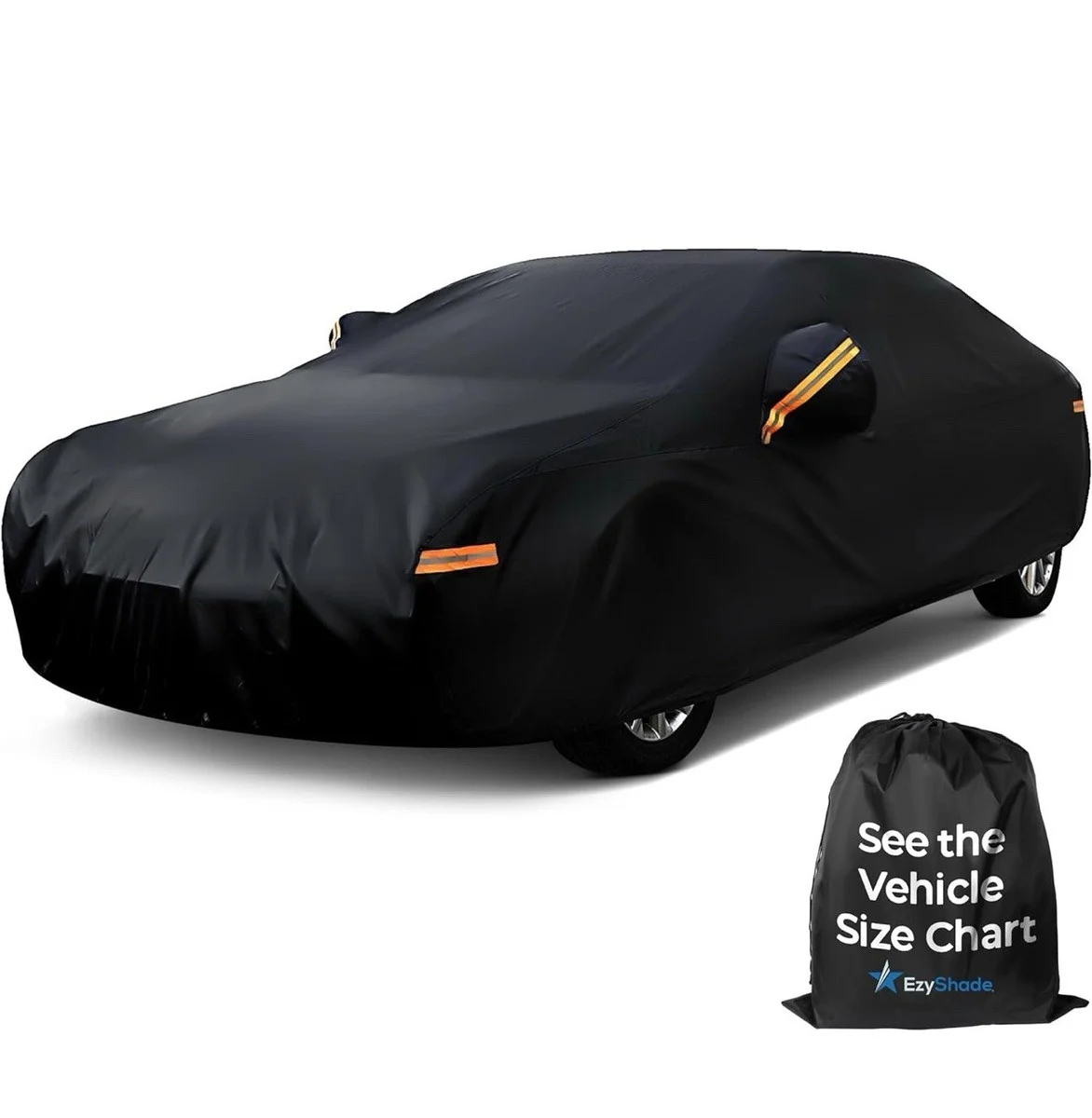
The best cover in the catalog is worthless if the wind peels it off and drags it across your paint. This is the failure mode that turns a protective cover into a scratching machine, and it's where the tie-down system matters more than the layer count, the waterproofing, or any other headline spec. A cover that doesn't stay on isn't protecting your car — it's sandpapering it.
Three features keep a cover on, and the good covers include all three:
- Elastic hems front and rear cinch the cover under the bumpers so it grips the body.
- Buckle straps that pass under the chassis and clip on the far side lock the cover down against gusts — owners consistently report this is the single feature that separates a cover that survives a windy night from one that's in the neighbor's yard by morning.
- Grommets and a tie-down cord let you anchor the cover to the wheels or the ground for genuinely exposed spots.
The Kayme, OxGord Executive, and EzyShade all include straps; buyers in windy regions credit them specifically for keeping the cover put.
If you park anywhere exposed — a coastal spot, an open driveway, a street that funnels wind — the tie-down system should be your first filter, ahead of even waterproofing. A water-resistant cover strapped down beats a fully waterproof cover that blows off. Owners who skip this and buy on layer count are the ones chasing a cover down the block in a windstorm. Buy the straps first; the weather protection is only useful if the cover's still on the car.
How Long These Last Outdoors — and What Kills Them
A car cover parked outdoors lives in the same brutal conditions it's protecting the car from, and the parts that wear out first tell you where to spend. UV is the primary killer — the same sunlight that fades your paint degrades the cover's outer layer over time, making it brittle and eventually porous. The manufacturer-rated UV-resistant outer layers on the better covers are the quiet reason they outlast the bargain tarps that go chalky and start leaking in a season.
The seams and the straps are the second wear points. Owners report that cheap covers fail at the stitched seams first — water finds the needle holes, and the seam tape (if there is any) peels. Buyers credit the double-stitched, seam-sealed construction on the Kayme and OxGord Executive for staying waterproof where single-stitched covers wick. The straps and buckles take constant tension and sun; the better ones use UV-stable webbing that doesn't crumble, while the cheap ones crack at the buckle within a year.
The thing that kills covers fastest, though, is putting them on dirty. Grit trapped between the cover and the paint turns the cover into fine sandpaper every time the wind moves it — owners who report swirl marks under their cover almost always skipped washing the car (and the cover) first. Shake the cover out, keep the car reasonably clean under it, and store the cover dry, and a quality multi-layer cover lasts several seasons. Neglect those, and even a 7-layer cover scratches the paint it was bought to save.
Real-World Use: Sun, Rain, and Wind Scenarios
The right cover is a function of your weather and where you park, not the longest feature list, and being honest about both narrows five products to one fast. Start with your dominant threat — is it sun, rain, or wind — because that drives the choice more than the layer count does.
A sun-heavy, dry climate — the desert Southwest, a hot inland summer — wants UV-blocking and breathability above all; total waterproofing matters less when it rarely rains. The Leader Accessories Basic Guard or a breathable multi-layer like the Kayme fits here, and pairing the cover with shaded parking when you can find it extends both. A rain-heavy climate — the Pacific Northwest, a humid Southeast — needs the waterproof-plus-breathable multi-layer build so water sheds off without trapping moisture underneath; the Kayme, EzyShade, and OxGord Executive are built for this, and owners in wet regions credit the breathable inner layer for no mildew.
A windy or exposed spot — coastal, open driveway, a street that funnels gusts — makes the tie-down system the deciding feature regardless of climate; buy the cover with the best straps and grommets and accept slightly less of something else. And a mild climate with only occasional need — a car that's mostly garaged and covered now and then — is honest Budge Lite territory, where a light single-layer cover does the job without the bulk. Figure out your dominant threat first, and the cover picks itself.
The Lineup, Cover by Cover
Here's the rundown I'd give at a trailhead campfire — what owners and the spec sheets bear out, with the box copy left in the box. I've parked under enough trees and through enough windstorms to trust the pattern in the owner reports over any layer-count claim.
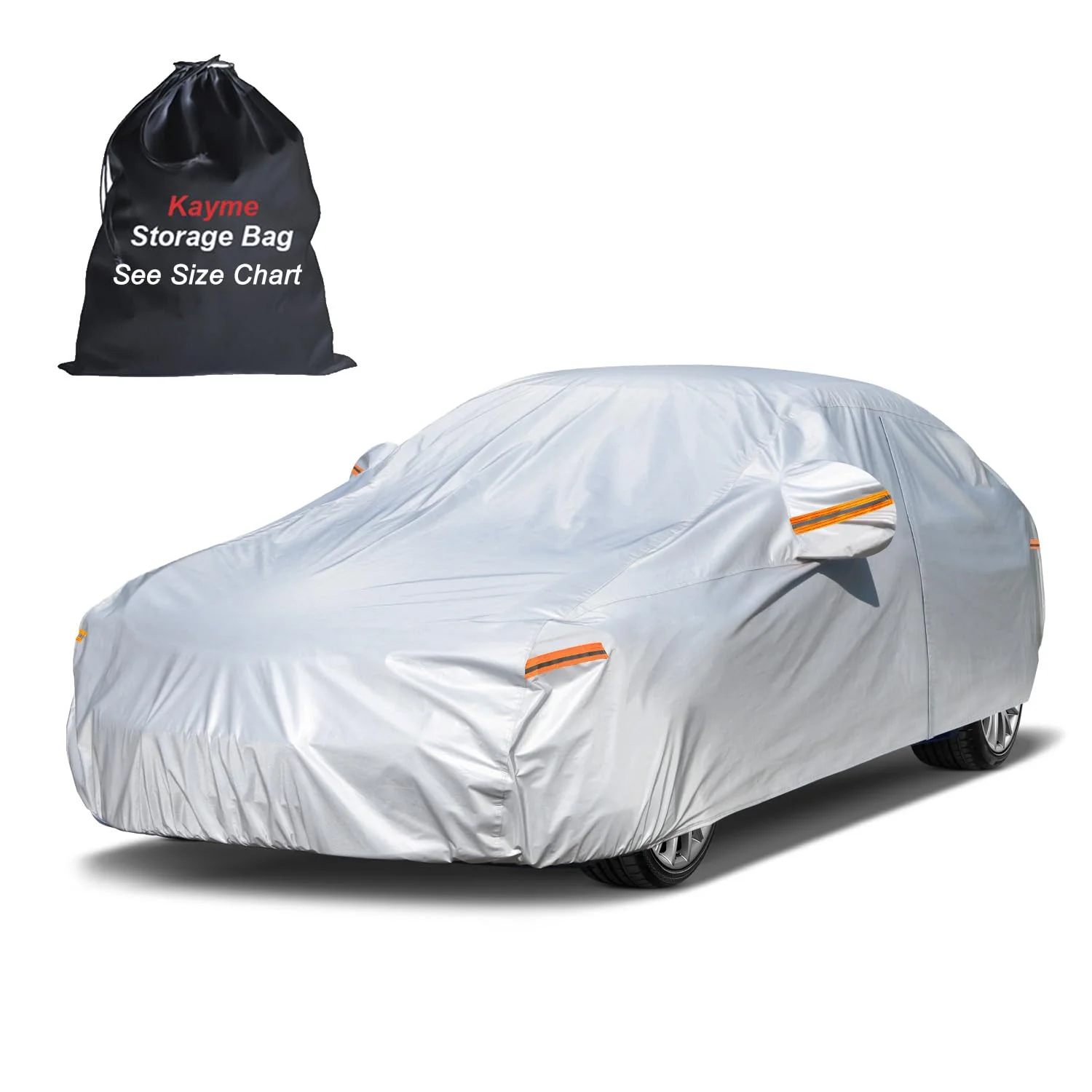
Owners consistently report the Kayme 6-layer is the all-weather all-rounder — the waterproof outer sheds rain and blocks UV, the breathable inner keeps moisture from sweating against the paint, and the included straps keep it on in wind. Reviewer consensus across buyer reviews credits the balance: enough waterproofing for real rain without the moisture-trap problem of a sealed tarp. It's the one I'd point most year-round outdoor parkers to. The EzyShade 7-layer covers similar ground with an extra layer — buyers in harsh climates credit the heavier build, with a little more bulk as the trade.
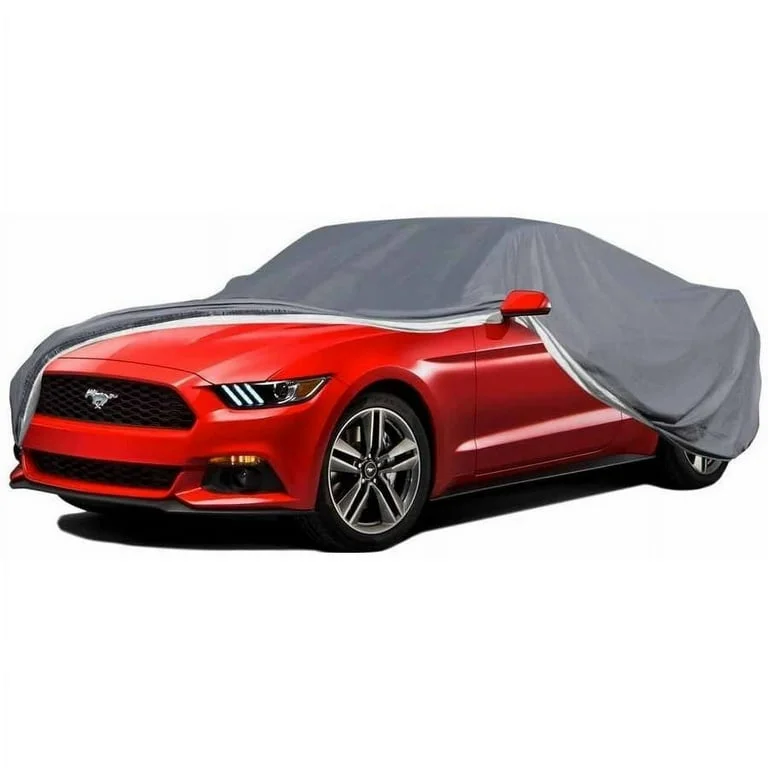
Owners consistently report the OxGord Executive Storm-Proof is the heavy-weather pick — the seam-sealed, strapped construction handles wind-driven rain, and buyers in storm-prone regions credit the tie-downs specifically. The Leader Accessories Basic Guard is the breathable, water-resistant choice for dry, sun-heavy climates where breathability beats total waterproofing, and owners credit it for not trapping moisture. And the Budge Lite is the honest light-duty value pick — a single breathable layer for a mild climate or occasional use that owners say is the easiest to put on solo, with the honest limit that it's not built for sustained harsh weather. Five honest covers, one decision: match the build to your dominant threat — sun, rain, or wind — and size it to your vehicle.
The Buying Mistakes That Cost You a Cover and Your Paint
Almost every regretted car cover traces back to the same handful of mistakes, and the worst ones cost you the cover and the paint underneath. The first is buying a sealed, non-breathable 'waterproof' cover and trapping moisture against the finish — the cover that was supposed to protect the paint quietly grows mildew under it instead. Read for the breathable inner layer, not just the waterproof outer.
The second is buying on layer count while ignoring the tie-downs. A 7-layer cover with no straps is a 7-layer kite — the first windy night peels it off your roof and drags it across the hood. Owners who skip the strap check are the ones chasing a cover down the street and finding fresh scratches when they catch it. The third is sizing wrong: a loose universal cover flaps and pools water, a tight wrong-shape cover strains and gaps. Measure the vehicle and match the size band.
The last and most damaging mistake is covering a dirty car. Grit under the cover plus wind equals swirl marks — the cover becomes the scratching tool. Wash the car (and shake out the cover) before it goes on, every time. Get those four right — breathable layer, tie-downs, correct size, clean car — and a cover protects your paint for years. Get them wrong and you'll buy a second cover and a detailing appointment, which is how a $50 accessory becomes a $500 lesson.
My Verdict — What I'd Park Under
After enough seasons parking outdoors without a garage, my pick for most people is the Kayme 6-layer waterproof cover. It does the three jobs that matter — blocks UV, sheds water without trapping moisture, and stays on in wind thanks to the straps — and it hits the sweet spot of protection without so much bulk that it lives in the trunk. For year-round outdoor parking in a mixed climate, it's the safe call.
If your weather is genuinely brutal — storm-prone, wind-driven rain — the OxGord Executive or the 7-layer EzyShade buy you extra heavy-weather margin worth the bulk. If you park in a hot, dry climate where breathability beats waterproofing, the Leader Accessories Basic Guard is the smarter, lighter choice. And if your car is mostly garaged and only needs occasional outdoor cover in a mild climate, the Budge Lite is honest value that won't fight you on install.
Whichever you choose, buy for your dominant threat, size it to your vehicle, and never put it on a dirty car. The cover was never really the hard part — the breathable layer, the tie-downs, and a clean surface underneath are what decide whether it protects your paint or scratches it. Get those right and a $50 cover saves you a repaint; get them wrong and it becomes the most expensive way I know to add swirl marks to a car you were trying to protect.
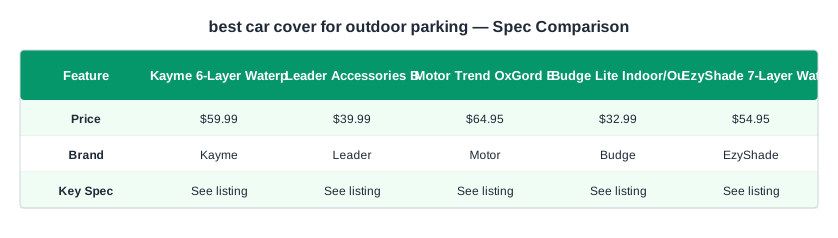
The complete lineup also includes Motor Trend OxGord Executive Storm-Proof Car Cover ($64.95), Budge Lite Indoor/Outdoor Car Cover ($32.99) — each compared on the same specs and reviewer consensus.