
The Role of Dashcams in Accident Reconstruction (2026 Complete Guide)
The dealer wanted $350 for a new bumper cover after a parking lot fender bender. My dashcam, a $60 unit zip-tied to the rearview mirror, showed the other guy backing into me at 3 MPH. No impact. Just a slow crunch.
The dealer wanted $350 for a new bumper cover after a parking lot fender bender. My dashcam, a $60 unit zip-tied to the rearview mirror, showed the other guy backing into me at 3 MPH. No impact. Just a slow crunch. Without that 15-second clip, it would have been a he-said/she-said mess, probably costing me a deductible and a ding on my insurance. This isn't about the 'experience' of driving; it's about hard data when metal meets metal.
Digital evidence like dashcam footage is now the undisputed king in accident claims. Eyewitness accounts? Worthless. Skid marks? Easily misinterpreted. A timestamped video? That's physics in action.
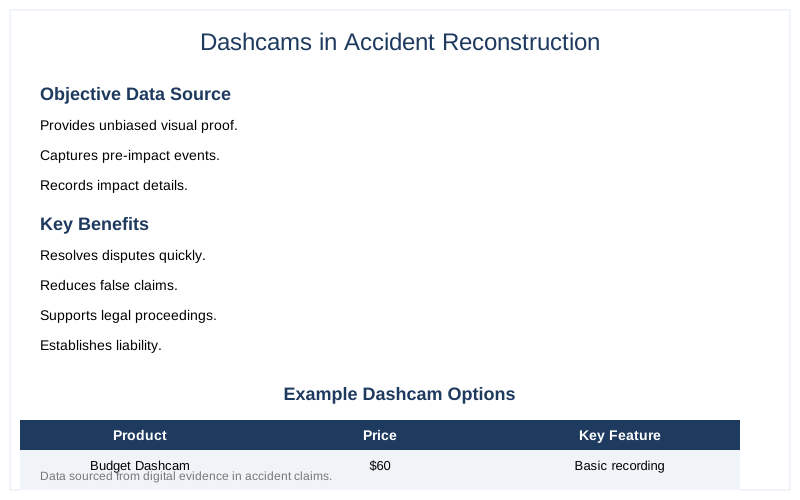
Understanding the role of dashcams in accident reconstruction
Understanding the Raw Data: Dashcams in Accident Reconstruction
Dashcams aren't just for viral videos of meteorites or Russian road rage. They're critical data loggers, capturing the precise moment of impact and the preceding events. I've seen them turn a $5,000 liability into a zero-dollar claim simply by showing the other guy ran a red light. They are now one of the most influential pieces of evidence.
The core principle is simple: objective data. A human witness remembers what they think they saw, or what they want to remember. A camera records photons hitting a sensor at a specific frequency. It doesn't lie about the angle of impact or the vehicle's vector. This is why insurance adjusters and accident reconstruction specialists are increasingly relying on them. Especially in truck accidents, where liability can be complex, dashcam recordings play a crucial role.
Your average dashcam records in a continuous loop, overwriting older footage after a set period, typically 1 to 5 minutes. Most units have an accelerometer, an impact sensor that locks the current recording when it detects a sudden deceleration or lateral force spike above a preset G-force threshold. This prevents critical footage from being erased. Brilliant engineering, for once.
This isn't just about proving fault. It's about understanding the dynamics of the crash. Was there a sudden lane change? How quickly did the other vehicle accelerate? What was the relative velocity at the point of impact? The video provides the raw input for calculating kinetic energy transfer and deformation patterns. Dash cams have proven useful in investigating traffic crashes and protecting against fraud. It's all about the data.
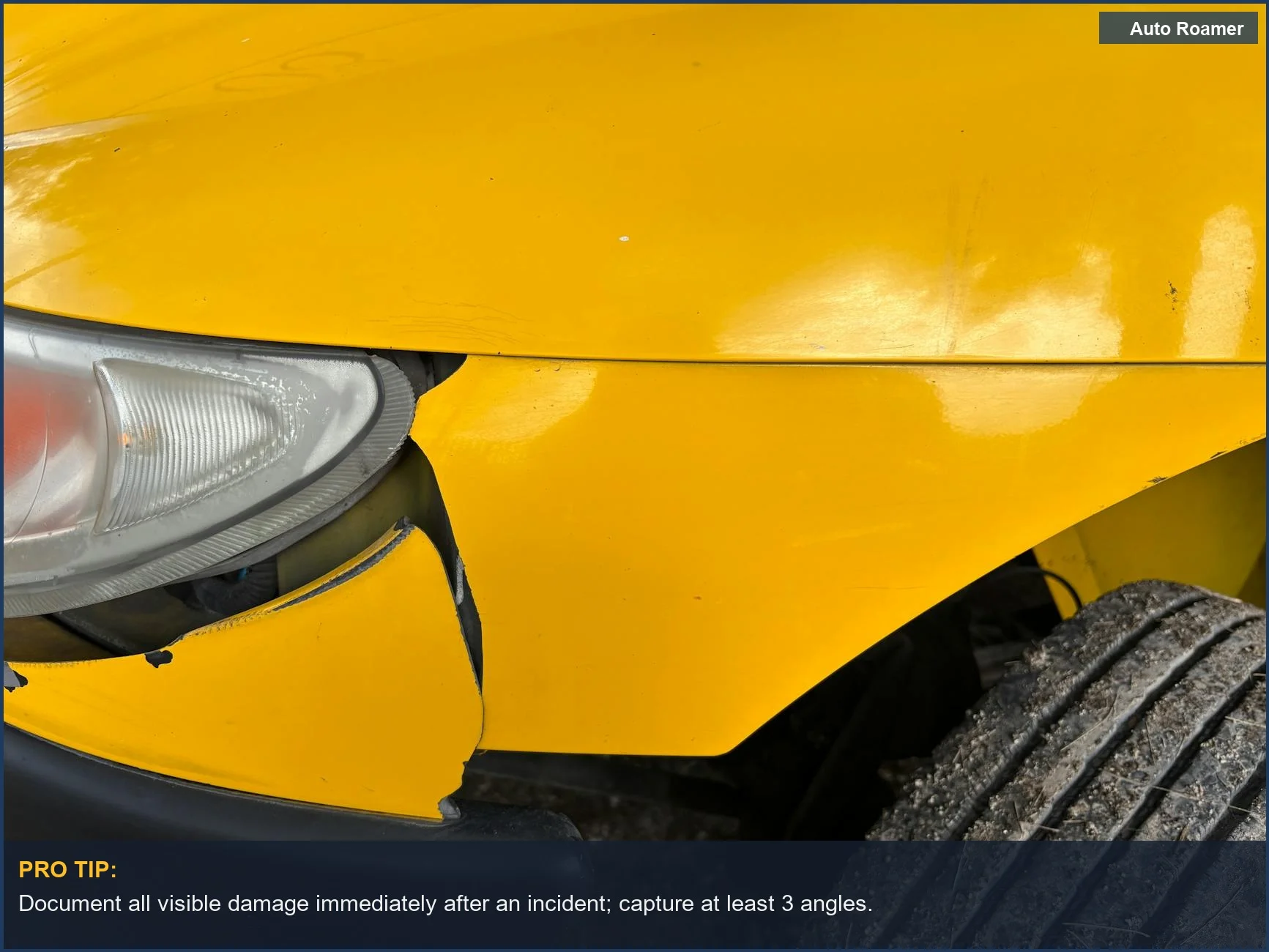
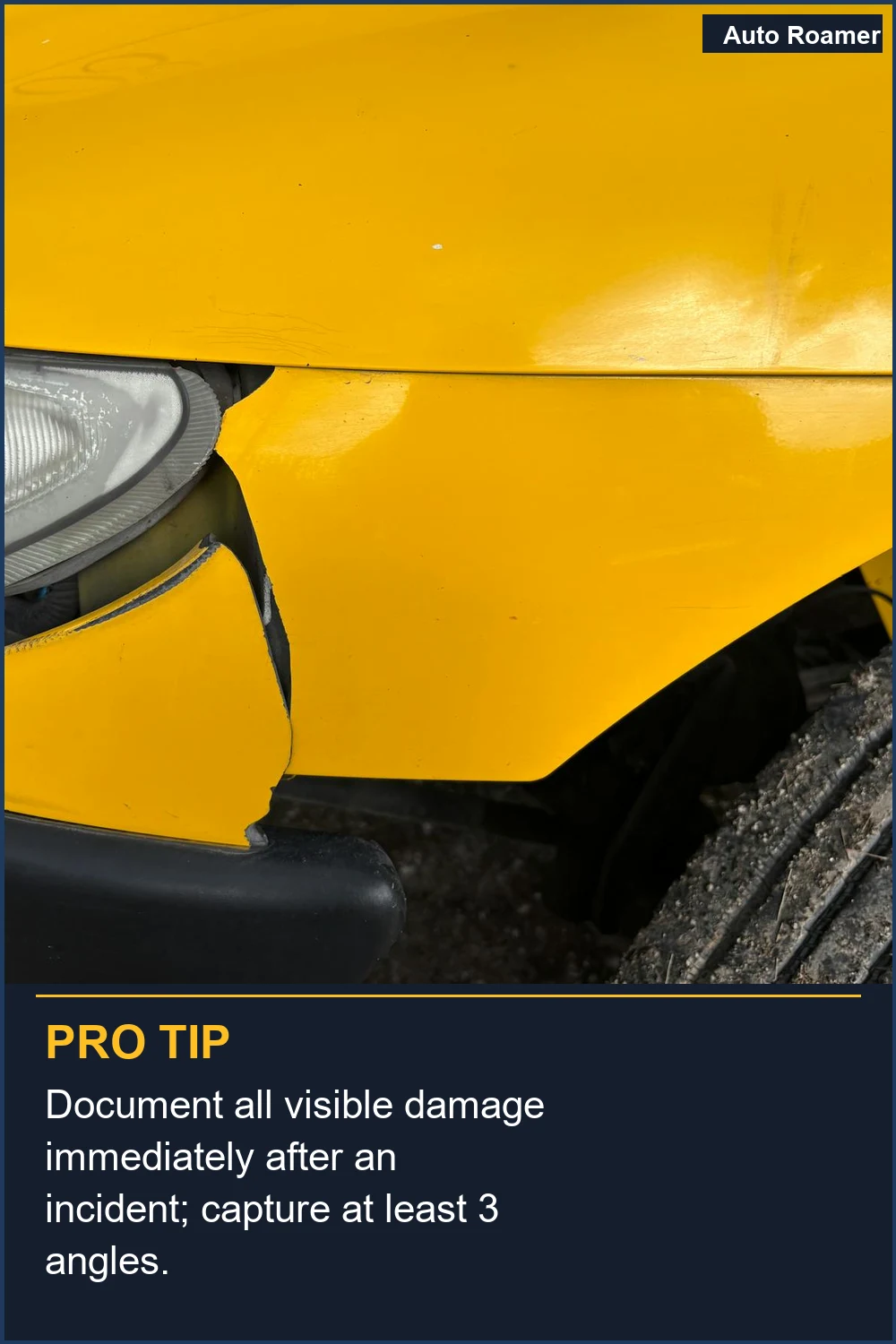
the role of dashcams in accident reconstruction in Detail
Dissecting the Collision: Dashcams in Detail
Dashcam footage is a goldmine for accident reconstruction, offering a precise timeline and visual record that traditional methods often lack. It's not just about 'who hit whom'; it's about the physics of the event. This footage is changing the outcome of accident claims by providing undeniable visual evidence.
1. Establishing the Point of Impact and Trajectory:
The video pinpoints the exact millisecond of initial contact. Frame-by-frame analysis reveals the angle of impact, crucial for determining the forces involved. This data helps calculate the vector of each vehicle, which is far more reliable than subjective skid mark measurements. It's direct observation of the collision mechanics.
2. Documenting Pre-Collision Events:
Most dashcams record continuously, capturing the moments before the crash. This is vital for understanding causality. Did someone drift into a lane? Was there sudden braking? This footage can show distracted driving, lane violations, or even a vehicle swerving to avoid another hazard. This concrete evidence streamlines the claims process.
3. Verifying Traffic Signals and Signage:
Red light runner? Stop sign ignored? The camera sees it all. This eliminates disputes over who had the right-of-way. It's a binary decision, no interpretation needed. The light was green, or it wasn't. The sign was there, or it wasn't.
4. Measuring Relative Speeds and Accelerations:
By tracking objects in the frame over time, reconstruction specialists can estimate vehicle speeds. While not as precise as an ECM's black box data, it provides a strong approximation of relative velocity. This helps determine the energy dissipated during the collision, directly correlating to vehicle damage and injury potential.
5. Corroborating Witness Statements (or Debunking Them):
Footage either confirms a witness's account or exposes it as unreliable. I've seen witnesses swear a car was speeding, only for the video to show it was barely doing 25 MPH. Human perception is flawed; the camera is not. It's a harsh truth, but crucial for accurate reconstruction.
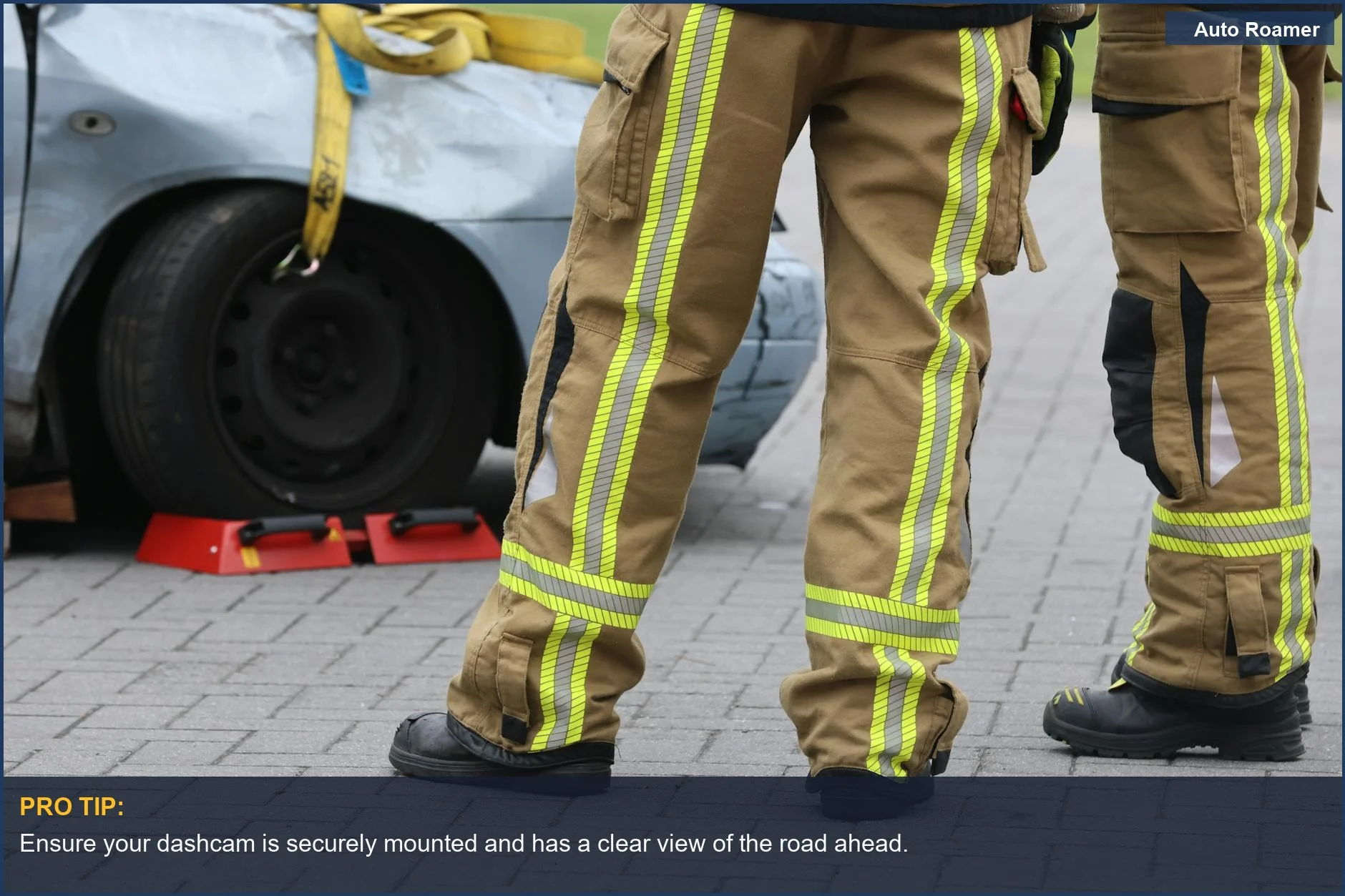
Common Questions About the role of dashcams in accident reconstruction
Common Questions About Dashcam Data
People always ask about dashcams, usually after they've already been in a wreck and wish they had one. Here's the dirt.
Does dashcam footage guarantee I'll win my claim?
No. It provides strong evidence, but it's not a magic bullet. If your footage shows you making a mistake, like swerving or speeding, it can definitely hurt your claim. The camera doesn't pick sides; it just records facts. A published study shows how important dash cams can be in helping experts reconstruct road accidents, but it's still just one piece of the puzzle.
Can police or insurance companies force me to hand over my footage?
Depends on jurisdiction and the specifics of the investigation. Generally, if you're involved in an accident, law enforcement can request it. Your insurance company might also require it as part of your policy's cooperation clause. Withholding it can look like you're hiding something, which rarely ends well. Dashcams provide objective evidence that helps resolve disputes.
What if the footage isn't clear or only shows part of the incident?
Even partial or blurry footage can be useful. It might establish a key detail, like the color of a traffic light or the direction of travel. Reconstruction specialists can often enhance video or use it to corroborate other evidence, filling in gaps. Something is almost always better than nothing.
Do I need a professional to install my dashcam?
For a basic plug-and-play unit, no. Most just plug into a 12V cigarette lighter. If you want it hardwired to the fuse box for parking mode recording (drawing power when the car is off), then yes, you should. Improper wiring can lead to parasitic draw, killing your battery. Or worse, a short circuit and a fire risk if you use garbage connectors.
Tips and Best Practices
Tips for Maximizing Your Dashcam's Utility
Having a dashcam is one thing; making sure it actually helps you when the inevitable happens is another. Don't cheap out on the critical components. Dash cam footage can strengthen legal claims and aid accident reconstruction, but only if it's usable.
1. Choose a Reliable MicroSD Card:
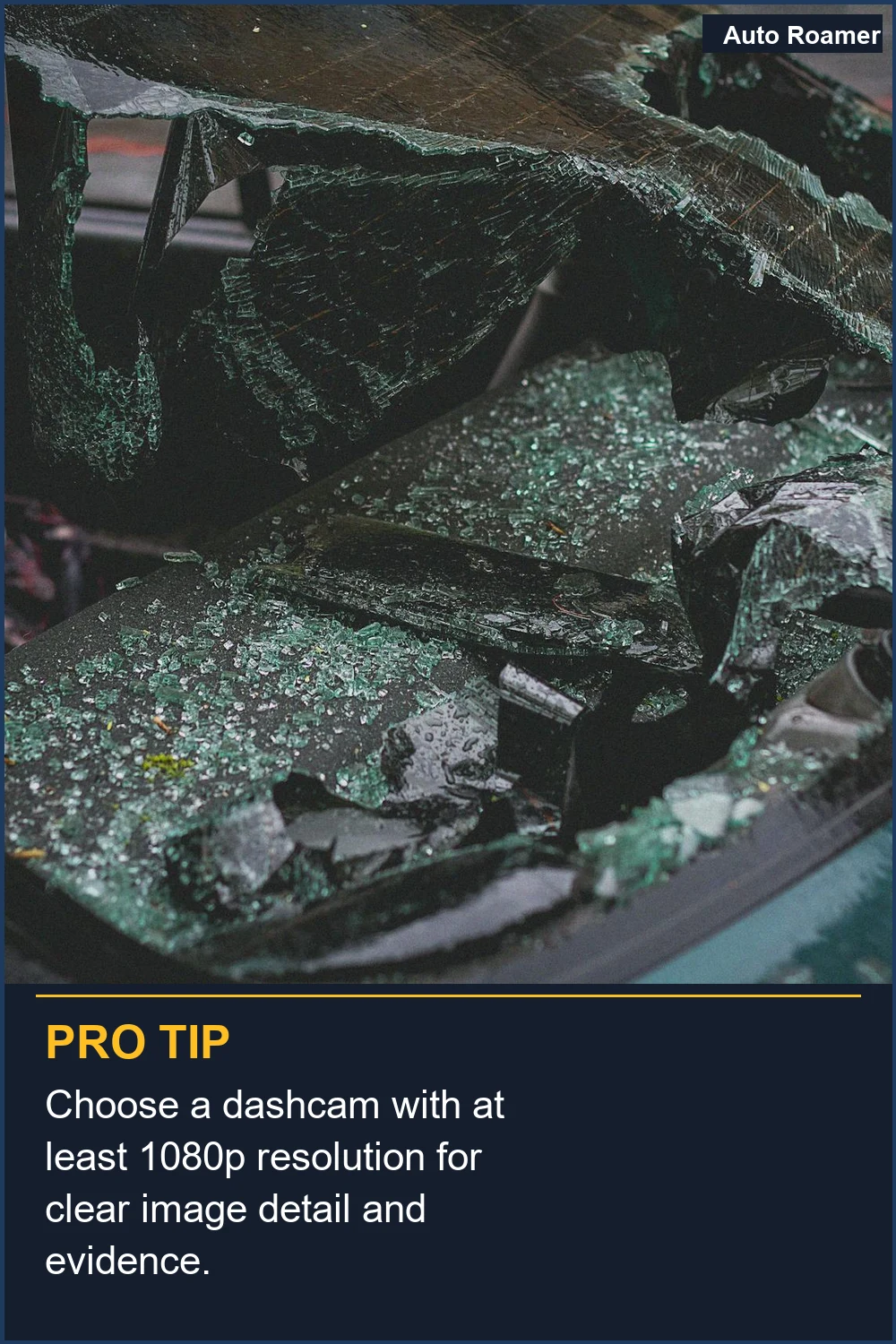
This is where most people fail. A cheap, generic 32GB card from the gas station will fail after 3 months of constant thermal cycling and write/rewrite operations. You need a 'high endurance' card, often labeled for surveillance or dashcam use. They're designed for continuous recording, minimizing write errors and premature mechanical degradation of the flash memory cells. Expect to pay $20 for a quality 64GB card, not $5.
2. Mount it Correctly:
Secure mounting is critical. Suction cup mounts lose adhesion due to thermal cycling and UV exposure, especially in hot climates. A 3M VHB adhesive mount is more permanent and stable. Minimize vibration input from the chassis to prevent image blur and premature internal component failure. Ensure the camera's field of view is unobstructed by wipers or tint strips.
3. Hardwire for Parking Mode:
If your dashcam supports 'parking mode' (recording when the ignition is off), hardwire it to a switched 12V source with a dedicated power management module. This prevents parasitic draw from draining your battery. The module typically cuts power if the battery voltage drops below 12.0V, ensuring you can still start your car. These tools provide valuable evidence, even when parked.
4. Check Your Footage Periodically:
Don't just set it and forget it. Pull the MicroSD card every month or two and review some footage. Is the date/time stamp correct? Is the video clear? Are there corrupted files? This ensures the system is functioning as expected before you actually need it. A non-recording dashcam is just dead weight.
Real-World Examples
Real-World Examples of Dashcam Impact
I've seen dashcams turn open-and-shut cases into messy disputes, and hopeless cases into clear victories. It's all about the objective data they provide. Dashcam footage provides clear, direct insight into the incident.
-
The Phantom Braker: A client was accused of rear-ending another vehicle. The other driver claimed sudden, unavoidable braking. My client's dashcam showed the lead vehicle slowing from 45 MPH to 10 MPH for no discernible reason, then slamming on the brakes. The footage proved the lead driver was performing an insurance fraud stunt. Fault shifted 100%.
-
The Lane Swerve: A motorcyclist claimed a car swerved into his lane, causing him to lay down his bike. The car driver denied it. The dashcam from a following vehicle, obtained via subpoena, clearly showed the car maintaining its lane, and the motorcyclist overcorrecting a lean. The camera eliminated the ambiguity.
-
The Parking Lot Hit-and-Run: My own car was hit in a grocery store parking lot. The impact sensor on my hardwired dashcam triggered, recording the other driver scraping my bumper and driving off. The video captured the license plate and the driver's face. Total repair cost: $800. Total time to identify and contact the other driver: 43 minutes. No questions asked. A dash cam records events before impact, establishing what led up to the collision.
Key Takeaways
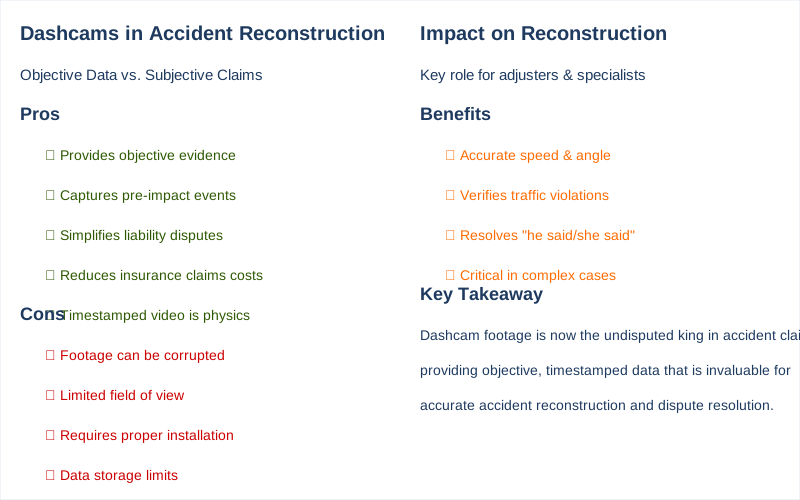
Dashcams are no longer optional gadgets; they're essential tools for documenting the physics of a collision and protecting your ass. Don't let some insurance adjuster or a lying witness dictate the narrative when you have hard data.
- Objective Evidence: Dashcams provide an unbiased visual record of an incident, cutting through conflicting accounts and subjective interpretations.
They help establish what led up to the collision, not just the result. * Accurate Reconstruction: The footage offers critical data points for accident reconstruction, including point of impact, vehicle trajectories, and relative speeds. * Liability Clarification: Video evidence can definitively prove or disprove fault, saving you thousands in deductibles, premium hikes, and legal fees. * Fraud Protection: It's your best defense against staged accidents or exaggerated claims by other parties.
Show them the video, let the physics speak for itself. * Proper Setup is Crucial: A cheap SD card or poor mounting can render your footage useless. Invest in quality components and correct installation to ensure reliability. Don't be a cheapskate when your financial integrity is on the line.
Frequently Asked Questions
My dashcam's suction cup mount keeps falling off in hot weather. Can I just superglue it to the windshield?
Do I really need a 'high endurance' MicroSD card? My $8 card from the convenience store works fine.
What if my dashcam records me doing something illegal right before the crash?
Can leaving my dashcam hardwired in parking mode permanently damage my car's electrical system?
I heard dashcams are mostly for commercial trucks, not for regular cars. Is that true?
Sources
- bestattorney.com
- Guide to Dash Cam Crashes in Car Accident Injury Cases
- How Dashcams Are Changing Accident Claims in 2026
- How Dashcam Footage Is Changing the Outcome of Car Accident ...
- Avoid Unfair Claims with a Smart Dash Cam in 2026 - Armormax
- Importance of dashboard camera (Dash Cam) analysis in fatal ...
- The Role of Dashcam Footage in Car Accident Cases
- Dash Cams to Black Boxes: Tech in FL Crash Cases - Searcy
- The Role of Dashcam Footage in Car Accident Lawsuits
- How Dash Cam Footage Impacts Truck Accident Cases - Bergen Law
- Digital Evidence in Accident Cases: How Dashcams, Smartphones ...
- Understanding the Role of Dash Cams in Proving Liability in Car ...