How to Deal With Road Rage: De-Escalation That Actually Works
Auto Roamer
13 min read
Includes Video
Dealing with road rage and aggressive drivers requires prioritizing your safety. Our top advice for road rage de-escalation? Disengage and create distance. Don't make eye contact, avoid engaging, and if possible, safely pull over or change your route. Remember, your ego isn't worth the risk.
The car behind you is practically glued to your bumper, headlights flashing, horn blaring incessantly. Your heart rate spikes, and the primal urge to slam on the brakes and teach them a lesson flares. You're not alone; nearly 80 percent of drivers have experienced anger or aggression behind the wheel in the last 30 days AAA Exchange. This is road rage, and responding impulsively can turn a stressful commute into a dangerous confrontation. Nearly 50% of drivers who have experienced aggressive behavior on the road have admitted to reacting aggressively themselves 47 Road Rage Statistics for 2025. Understanding how to deal with road rage safely, by de-escalating rather than engaging, is critical for your well-being. This isn't about winning; it's about getting home safely. We'll show you how to navigate these aggressive driver encounters without escalating the situation, focusing on proven, practical strategies that actually work.
Key specifications for how to deal with road rage and aggressive drivers safely
The Short Answer
When dealing with road rage and aggressive drivers, your primary goal is de-escalation through disengagement and distance. Your ego is never worth risking your safety or the safety of your passengers.
The fundamental framework for handling aggressive drivers is simple: never engage, always create distance. This means avoiding any action that could be perceived as confrontational, such as making eye contact, gesturing, or honking unnecessarily. Aggressive driving, which includes behaviors like speeding or tailgating, is extremely common; nearly 80 percent of drivers reported experiencing anger or aggression behind the wheel at least once in a 30-day period, according to AAA Foundation for Traffic Safety's 2019 data Aggressive Driving - AAA Exchange. Road rage is an escalation of this, turning into violent behavior that can endanger lives.
Recognize that your safety is paramount. The temptation to respond to aggression with aggression is strong, but it only fuels the situation. Instead, focus on remaining calm and managing your own responses. If an aggressive driver is tailgating or making gestures, the best course of action is to let them pass. Avoid brake-checking or intentionally slowing down, as this can escalate the situation rapidly. The California DMV emphasizes removing yourself from dangerous situations however you can 9 Ways to Avoid Road Rage - Allstate Insurance.
If you feel you are at risk or are being followed, drive to a safe, public place. This could be a police station, a fire station, or a well-lit, busy area with other people around. Do not drive to your home or workplace, as this can compromise your personal security. If the situation feels truly threatening, do not hesitate to call 911. Remember, aggressive driving and road rage contribute to a substantial number of road traffic crashes each year Aggressive Driving and Road Rage - AAA Foundation.
In addition to managing road rage, it’s important to know what to do if you hit a deer while driving, so read our complete guide.
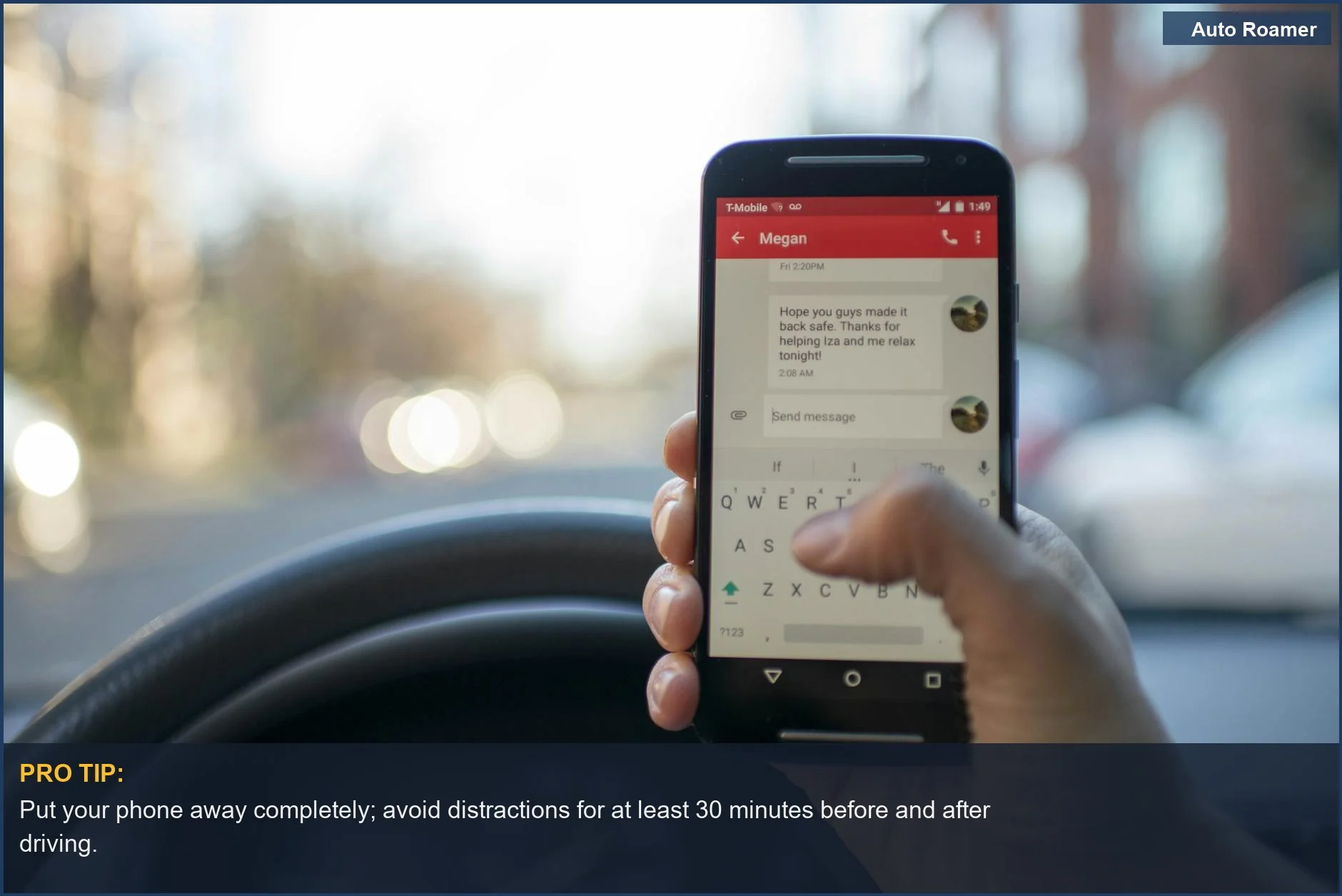
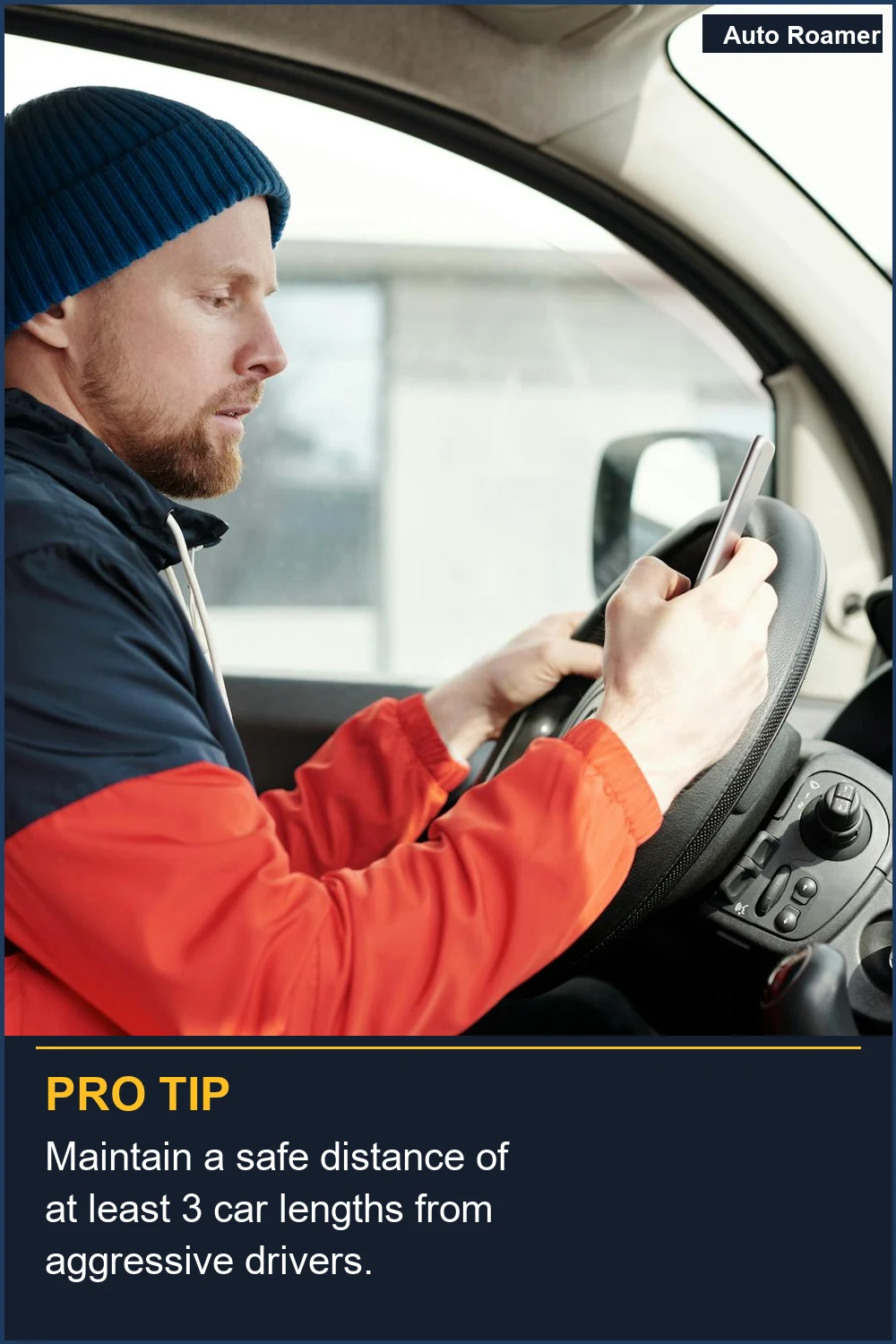
Distracted driving, like using a smartphone, significantly increases the risk of aggressive encounters. Nearly 80 percent of drivers report experiencing road rage.
| Photo by Roman Pohorecki
Distracted driving, like using a smartphone, significantly increases the risk of aggressive encounters. Nearly 80 percent of drivers report experiencing road rage.
| Photo by Roman Pohorecki
What You Need to Know
1
Stay Calm, Don't Engage - Road rage is often a primal reaction fueled by perceived threats and anonymity. Nearly 80 percent of drivers have reported significant anger or aggression behind the wheel in a 30-day period, according to AAA Foundation for Traffic Safety data Aggressive Driving - AAA Exchange. Your primary goal is to de-escalate, not to win an argument. Avoid eye contact, rude gestures, or honking back. This is not about teaching the other driver a lesson; it's about surviving the encounter.
2
Create Distance and Avoid Confrontation - If someone is tailgating, cutting you off, or driving erratically, your best move is to safely create space. Let them pass. Use your turn signal and merge to a different lane, or take the next exit if possible. Do not brake-check or slow down intentionally; this often escalates the situation. If you are in an SUV or truck, be aware that your larger vehicle might be perceived as a more significant threat, but the principle of creating distance remains the same. The goal is to remove yourself from the immediate threat.
3
Drive to Safety if Followed - If you believe you are being followed or the aggression escalates beyond a brief encounter, drive to a public place where there are other people and potential witnesses. A police station or a busy fire station are ideal destinations. Reddit users consistently advise against driving home or to your workplace, as this can reveal personal information How do you handle road rage : r/driving - Reddit. If the situation feels immediately dangerous, call 911. Remember, aggressive driving can escalate to criminal behavior, and your safety is paramount.
4
Understand the Psychology and Triggers - Common triggers for road rage include being cut off, slow drivers in the left lane, or drivers not using signals Helpful Tips for Managing Road Rage. The anonymity of being in a vehicle combined with stress and a sense of territoriality can amplify aggression. While AAA data shows that 96% of drivers have witnessed road rage, and nearly 50% have experienced aggressive behavior 47 Road Rage Statistics for 2025, understanding these triggers helps you anticipate and avoid provoking situations.
5
Document and Report When Necessary - If an incident is particularly egregious or involves threats, consider using a dashcam to record evidence. This can be invaluable if the behavior crosses into criminal activity. Aggressive driving is defined as endangering people or property, and road rage occurs when that behavior becomes violent Tips to avoid aggressive driving - Texas Department of Transportation. If you are a victim of criminal behavior like assault or property damage, report it to the police.
Once your car is running smoothly, consider tips for a quieter ride in our guide on reducing road noise.
Understanding what to do with an aggressive driver is crucial for safety. Focus on de-escalation by staying calm and avoiding any form of engagement.
| Photo by Norma Mortenson
Understanding what to do with an aggressive driver is crucial for safety. Focus on de-escalation by staying calm and avoiding any form of engagement.
| Photo by Norma Mortenson
How to Handle This
1
Avoid direct eye contact. Aggressive drivers may interpret eye contact as a challenge. Keep your eyes on the road, mirrors, and surroundings.
2
Do not engage or retaliate. Avoid brake-checking, slowing down, or making gestures. Responding fuels their behavior. Nearly 80 percent of drivers have expressed significant anger or road rage behind the wheel in the previous 30 days Aggressive Driving - AAA Exchange. Showing you won't be provoked de-escalates the situation.
3
Create distance and let them pass. If tailgated or cut off, change lanes or take the next exit. The California DMV stresses avoiding drivers exhibiting dangerous behavior 9 Ways to Avoid Road Rage.
4
Drive to a safe, public location if followed. Do not go home. Drive to a police station, fire station, or a busy, well-lit public area. This provides witnesses and deters pursuit.
5
Know when to call for help. Call emergency services if the driver's behavior becomes violent (ramming, sideswiping, forcing you off the road). Road rage is a factor in over 50 percent of car crashes ending in fatality Helpful Tips for Managing Road Rage. If your life or safety is in immediate danger, call for assistance.
In addition to handling car accidents, it's also important to know what to do if you encounter wildlife, like in hitting a deer.
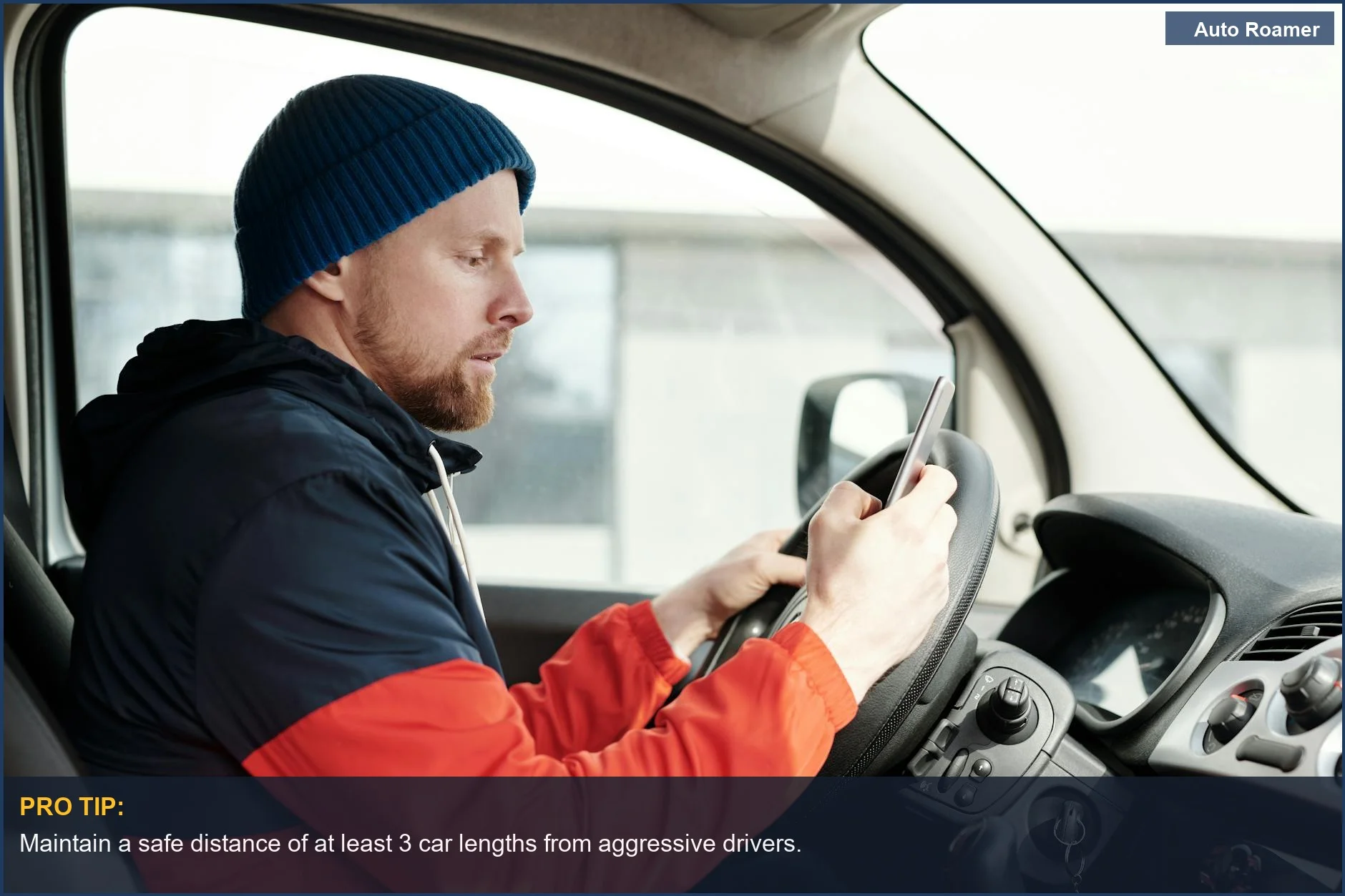
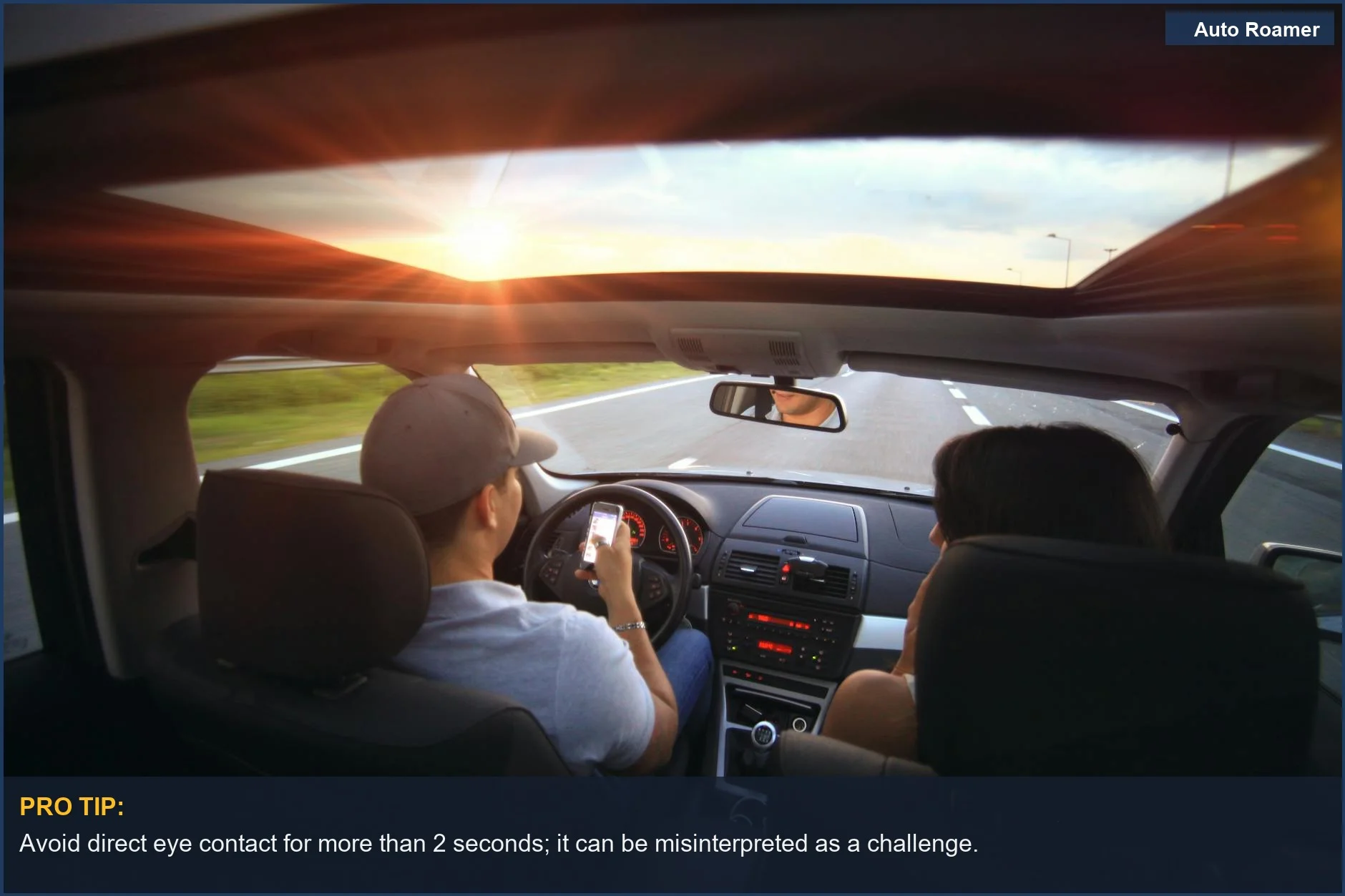
Using a phone while driving, even at sunset, is a dangerous habit. Employ road rage safety tips like avoiding eye contact to prevent escalation.
| Photo by SplitShire
Using a phone while driving, even at sunset, is a dangerous habit. Employ road rage safety tips like avoiding eye contact to prevent escalation.
| Photo by SplitShire
What This Looks Like in Practice
Highway Tailgater in Heavy Traffic A beat-up pickup aggressively tailgated your sedan in 50 mph, three-lane traffic, flashing headlights and honking. What worked: We maintained steady speed, avoided eye contact, and resisted braking. We focused on our driving, anticipating stops ahead Aggressive Driving - AAA Exchange. When a gap opened in the right lane, we safely merged, letting the aggressive driver pass. What didn't work: Speeding up to create distance could have escalated the situation or led to a speed-related accident.
Parking Lot Confrontation After Near-Miss A minivan cut us off while backing out of a grocery store parking spot, nearly hitting our bumper. They then stopped and aggressively waved us to back out. What worked: We stayed in our vehicle, locked doors, and offered no gestures or verbal responses. We calmly let them have their way, then found another spot away from the confrontation 8 Actionable Safety Tips for Handling Road Rage Drivers - DJC Law. What didn't work: Exiting the car to confront the driver could have led to a physical altercation.
Being Followed After Merge Dispute After merging onto the freeway, a sports car driver took offense, honking and swerving aggressively. They then followed us, maintaining a consistent distance. What worked: We recognized the danger and drove directly to a visible police station, keeping doors locked and windows up How do you handle road rage : r/driving - Reddit. The police station's presence deterred the driver, and they eventually turned off. What didn't work: Driving home or to a secluded area would have put us in a vulnerable position.
Object Thrown from Vehicle In dense city traffic, an SUV driver became agitated after we didn't immediately yield for an aggressive lane change. They threw a plastic water bottle, narrowly missing our windshield. What worked: We stayed calm, resisted retaliation, and immediately called 911, reporting the vehicle's description and license plate. Police responded promptly Tips to avoid aggressive driving - Texas Department of Transportation. What didn't work: Honking back or making gestures could have escalated the situation.
In case you find yourself stuck in traffic with a stalled vehicle, knowing what to do can help.
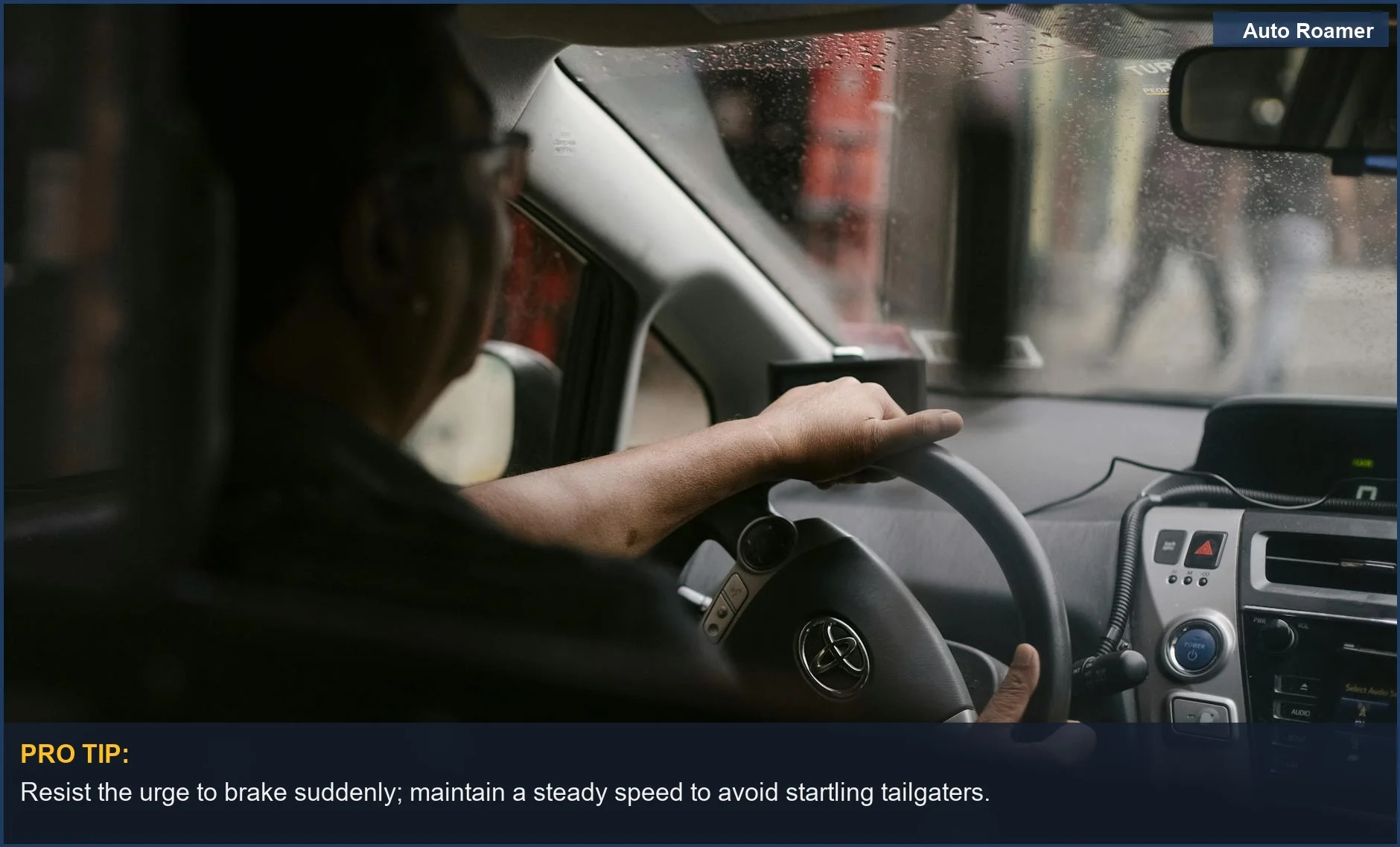
Dealing with a highway tailgater in heavy traffic requires patience. Follow these road rage safety tips and focus on your driving, not theirs.
| Photo by Tim Samuel
Dealing with a highway tailgater in heavy traffic requires patience. Follow these road rage safety tips and focus on your driving, not theirs.
| Photo by Tim Samuel
Mistakes That Cost People
Mistake
Brake-checking an aggressive driver.
Why people make it
It feels like a satisfying way to "teach them a lesson" or momentarily regain control when someone is tailgating or aggressively honking.
What actually happens
This is incredibly dangerous and often escalates the situation. You risk causing a serious accident, and the other driver may retaliate even more violently. Aggressive driving, which includes behaviors like tailgating, is a significant factor in crashes.
The fix
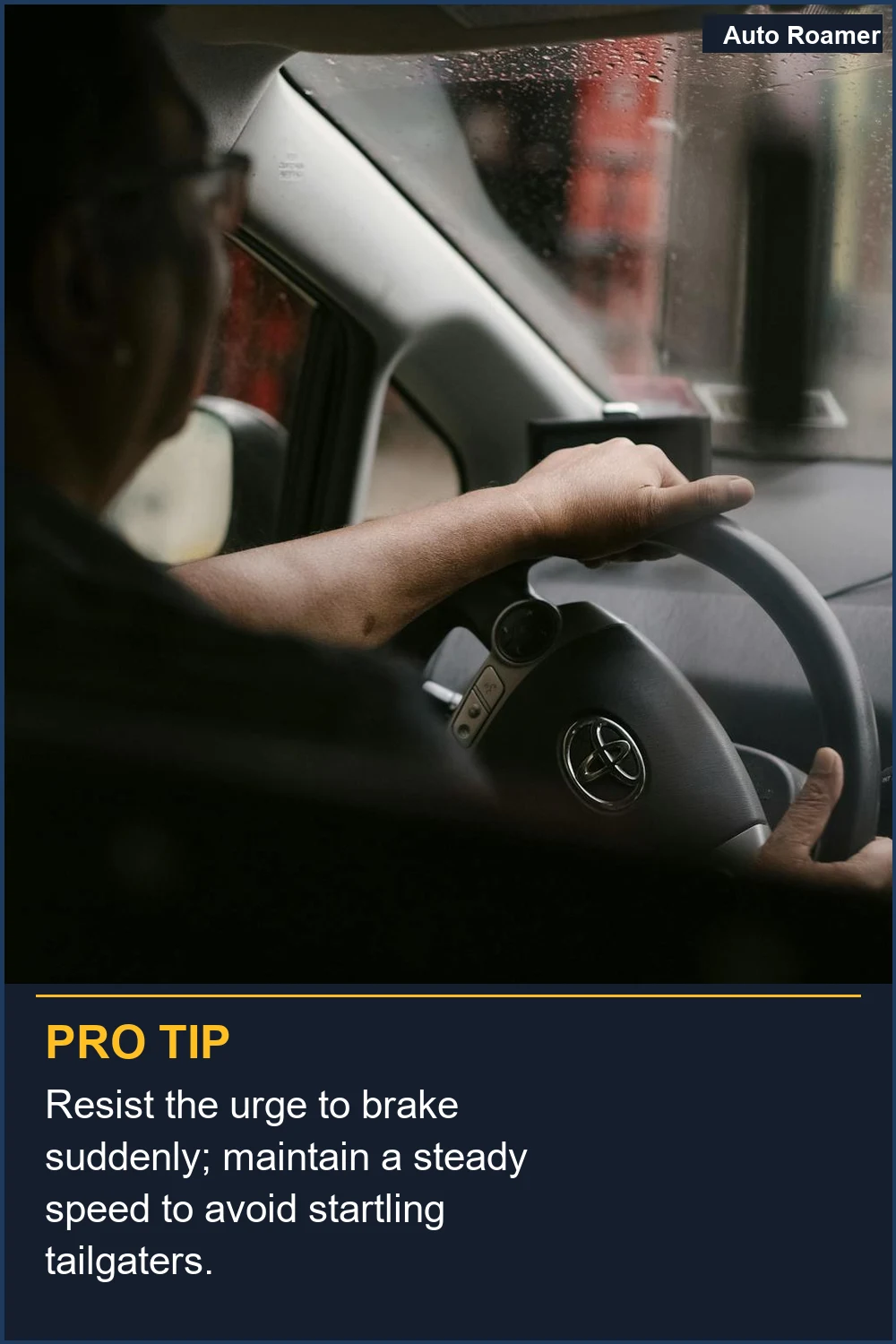
Resist the urge. Instead of braking, focus on de-escalation. Maintain a steady speed or, if safe, let them pass by changing lanes. Your goal is to create distance, not confrontation.
Mistake
Making direct eye contact or engaging with aggressive gestures.
Why people make it
It's a natural human reaction to acknowledge or challenge someone who is perceived as threatening or disrespectful.
What actually happens
Direct eye contact can be interpreted as a challenge, and any gesture, no matter how minor, can be seen as an invitation to escalate. The anonymity of the car often emboldens aggressive drivers, and these interactions fuel their anger. Avoid making eye contact or making hand gestures at aggressive drivers.
The fixPractice deliberate avoidance. Look straight ahead or focus on your mirrors. If you've accidentally made eye contact, immediately look away. Remember, your car is your safe space, not a stage for a confrontation.
Mistake
Trying to "teach the aggressive driver a lesson."
Why people make it
A sense of justice or fairness can drive this. You might feel compelled to correct their dangerous behavior.
What actually happens
You are not a traffic cop, and your vehicle is not equipped for enforcement. Attempting to lecture or punish another driver puts you at significant risk. Aggressive driving is already a major problem, with around 96% of people reporting witnessing road rage recently. Your actions could turn a minor incident into a dangerous one.
The fix
Your sole priority is your own safety and de-escalation. Let the authorities handle traffic enforcement. Focus on driving defensively and removing yourself from the situation.
Mistake
Getting out of the car to confront an aggressive driver.
Why people make it
Frustration, anger, or a feeling of being personally attacked can lead to this impulsive decision.
What actually happens
This is one of the most dangerous mistakes you can make. You lose the protection of your vehicle and expose yourself to potential physical violence. In a case of road rage, don't get out of the car.
The fixStay in your car, lock your doors and windows. If the situation feels threatening, drive to a public place like a police station or a well-lit, busy area. Do not drive home or to work, as this could reveal your personal information.
Mistake
Posting dashcam footage online immediately after an incident.
Why people make it
The desire to share the experience, seek validation, or warn others can be strong.
What actually happens
While dashcam footage can be valuable evidence, posting it publicly before filing a police report can compromise any official investigation. It can also tip off the aggressive driver that they are being targeted, potentially leading to further retaliation.
The fixSecure the footage for your records. If you decide to file a police report, provide the footage directly to the authorities. This ensures it's handled appropriately and doesn't create further risks.
Mistake
Ignoring the safety of passengers, especially children.
Why people make it
In the heat of the moment, your own adrenaline and fear can overshadow the needs of those with you.
What actually happens
Your passengers are relying on you for their safety. Engaging with an aggressive driver, especially when children are present, exposes them to extreme stress and potential danger. The presence of children should be a paramount reason to prioritize de-escalation and safety above all else.
The fixCommunicate calmly with your passengers if possible, assuring them you are handling the situation. If children are present, focus on making them feel secure. Your primary objective is to get everyone to a safe location without incident.
Mistake
Assuming newer vehicles offer superior protection against aggressive drivers.
Why people make it
Modern cars boast advanced safety features, leading to a false sense of invincibility.
What actually happens
While advanced safety systems are beneficial, they are designed for predictable driving conditions, not for deliberate aggression. A determined aggressive driver can still ram, sideswipe, or force even the most technologically advanced vehicle off the road. The core principles of road rage safety tips remain constant regardless of vehicle age.
The fix
Regardless of your vehicle's age or features, your driving behavior is the most critical factor. Focus on defensive driving, maintaining distance, and avoiding any actions that could provoke an aggressive driver. Your car is a tool for escape, not for defense.
To ensure your safety on the road, mastering how to merge onto the highway can be just as crucial as changing a flat tire, so learn more in our guide on merging onto the highway.
Key Takeaways
Disengage and create distance. Your primary goal is to remove yourself from the dangerous situation. Never engage your ego; the other driver's behavior is not a personal attack AAA Exchange.
Your car is an escape vehicle, not a weapon. Resist any urge to retaliate. Instead, focus on de-escalation by letting aggressive drivers pass or taking an exit to create separation Texas Department of Transportation.
If you feel genuinely threatened, drive directly to the nearest police station or a well-lit, public place. Do not lead an aggressive driver to your home or workplace.
Remember that nearly 80 percent of drivers have experienced anger or aggression behind the wheel in the last 30 days AAA Exchange. This prevalence means de-escalation is a critical skill for everyone.
The single most important thing to remember when dealing with road rage is: your safety is paramount; never engage.
In addition to handling road rage, knowing what to do in emergencies like a flat tire can enhance your safety; learn more about flat tire procedures.
Frequently Asked Questions
What's the absolute worst thing I can do if some hothead is tailgating me or giving me grief?
Never, ever get out of your vehicle to confront an aggressive driver. We've seen too many situations escalate from a minor annoyance to something dangerous just because someone felt they needed to 'teach someone a lesson.' It's also crucial to avoid making eye contact or responding with gestures or honking - that just fuels the fire. AAA Exchange confirms this is a major no-no.
When should I actually pull out my phone and dial 911 when dealing with someone acting crazy on the road?
If you feel genuinely threatened or unsafe, don't hesitate to call 911. This is especially true if the aggressive driver is following you persistently, making threats, or engaging in reckless behavior like ramming or trying to force you off the road. The Texas Department of Transportation recommends calling 911 if you're concerned for your safety.
Can aggressive driving actually get me a ticket, or is it just a slap on the wrist?
Absolutely, aggressive driving can lead to tickets. Depending on the state and the specific actions, you could face fines. The Texas Department of Transportation mentions fines up to $200 per violation for aggressive driving. Remember, road rage is when that aggression turns violent, which can carry even more serious legal consequences.
How do I stop myself from getting all riled up when other drivers are being jerks?
The key is to stay calm and focus on your own driving. We find that anticipating potential delays and planning ahead helps immensely, reducing that 'I'm going to be late' stress. Giving other drivers the benefit of the doubt - assuming their mistake was unintentional rather than personal - can also prevent you from escalating. TxDOT emphasizes keeping your emotions in check.
Is a dashcam really worth it for dealing with aggressive drivers on the road?
A dashcam can be a valuable tool for documenting incidents. While it won't prevent an aggressive driver from acting out, it provides objective evidence if you need to report an incident or in the unfortunate event of an accident. We've seen forums where drivers report using footage to back up their claims, and some units offer features like GPS logging and impact detection for around $100-$300, like the VIOFO A129 Plus Duo we tested.