
Are Backup Cameras Required In New Cars (2026 Complete Guide)
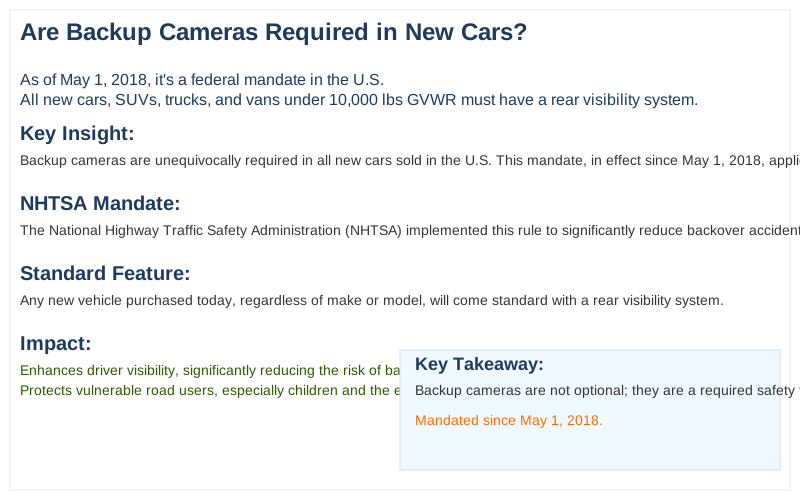
Yes, backup cameras are required in all new cars sold in the United States. This regulation has been in effect since May 1, 2018, as part of the Federal Motor Vehicle Safety Standard (FMVSS) 111. This mandate aims to enhance safety and reduce accidents while reversing, making backup cameras a crucial feature in modern vehicles.
The question of whether backup cameras are required in new cars is not just a matter of curiosity; it directly impacts safety on our roads. As of now, the answer is a definitive yes-backup cameras are legally required on all new vehicles sold in the United States. This mandate has been in effect since May 1, 2018, and applies to a wide range of vehicles, including cars, SUVs, trucks, and vans with a gross vehicle weight rating (GVWR) of less than 10,000 pounds Source.
Why does this requirement matter? The introduction of backup cameras was a response to alarming statistics about backover accidents, which resulted in an average of 210 fatalities and 15,000 injuries annually, particularly affecting young children and older adults Source. By mandating these cameras, the National Highway Traffic Safety Administration (NHTSA) aimed to enhance visibility for drivers and reduce these tragic incidents. The requirement not only serves to protect the most vulnerable members of our society but also helps foster a culture of safety in automotive design.
In practical terms, having a backup camera means drivers can see what is behind them more clearly than with traditional mirrors alone. This feature can be especially beneficial in urban settings where pedestrians may be less visible, or in larger vehicles where blind spots can pose significant risks. As we navigate the roads in 2026, understanding the implications of this requirement helps us make informed decisions about vehicle safety features and their importance in our daily lives.
So, if you're considering a new car, rest assured that it will likely include a backup camera as a standard feature, reflecting a broader movement toward safer driving practices Source.
The Short Answer: Are Backup Cameras Required In New Cars
Yes, backup cameras are required in all new cars sold in the United States. This mandate has been in effect since May 1, 2018, as part of the Federal Motor Vehicle Safety Standard (FMVSS) 111. This requirement applies to all new passenger vehicles, trucks, SUVs, and vans weighing less than 10,000 pounds. The goal of this regulation is to enhance safety by reducing backover accidents, which have historically resulted in numerous fatalities and injuries, especially among children and the elderly Jalopnik. The introduction of backup cameras was prompted by alarming statistics showing that backover accidents caused an average of 210 deaths and over 15,000 injuries each year prior to the implementation of this law. The National Highway Traffic Safety Administration (NHTSA) recognized the need for this technology to protect vulnerable populations, particularly young children and senior citizens Auto Vox. The bottom line is that if you're purchasing a new vehicle, you can expect it to be equipped with a backup camera as a standard feature. This not only reflects compliance with federal regulations but also aligns with the growing emphasis on vehicle safety in the automotive industry. In addition to backup cameras, many newer models also offer advanced safety technologies such as cross-traffic alerts and automatic emergency braking systems, further enhancing driver and pedestrian safety Focus2Move. For those driving vehicles manufactured before the 2018 cutoff, retrofitting a backup camera is a practical option to improve safety. Many aftermarket solutions are available, ranging from basic camera setups to more sophisticated systems with integrated displays, allowing older vehicles to meet modern safety standards. Overall, we can confidently say that backup cameras are now a staple in the automotive landscape, contributing to safer driving practices across the board.What You Need to Know
Backup cameras have become a crucial safety feature in modern vehicles, mandated by law for all new cars sold in the United States since May 1, 2018. The requirement stems from a significant push by the National Highway Traffic Safety Administration (NHTSA) to enhance vehicle safety and reduce backover accidents, which accounted for approximately 210 fatalities and 15,000 injuries annually, particularly affecting children under five and adults over 70 years old. Under the Federal Motor Vehicle Safety Standard (FMVSS) 111, all new cars, SUVs, trucks, and vans with a Gross Vehicle Weight Rating (GVWR) of fewer than 10,000 pounds must now include a rear visibility system, commonly known as a backup camera Source. While the federal law applies uniformly across the United States, there are nuances worth noting regarding the implementation and exceptions. For instance, the requirement does not extend to vehicles manufactured prior to May 2018; therefore, if you're driving an older model, it may not have this safety feature. However, aftermarket solutions are available that can be retrofitted to older vehicles, offering a way to meet modern safety standards Source. From a state-by-state perspective, all states are required to adhere to this federal rule, meaning there are no variations at this level. However, certain states might have additional regulations or safety inspections that could include checks for backup cameras. For instance, states with stringent vehicle safety inspections may require verification that the backup camera is functioning properly as part of the inspection process. It's also important to recognize exceptions in specific vehicle categories. For example, certain heavy-duty vehicles, motorcycles, and trailers with a GVWR exceeding 10,000 pounds are not bound by this requirement. Furthermore, vehicles designed primarily for off-road use may also lack backup cameras, although many manufacturers are now integrating this technology into their off-road models for added safety Source. In practical terms, the effectiveness of backup cameras can vary. While they significantly enhance visibility and reduce blind spots, they are not foolproof. For example, certain models might have limitations, such as poor performance in low-light conditions, which can affect how well they function at night. Additionally, some vehicles have experienced recalls due to backup camera failures, underscoring the importance of regular maintenance and checks Source. In summary, as of 2026, backup cameras are indeed required in all new cars sold in the U.S., and while there are some exceptions, the benefits of this technology cannot be overstated. For those considering a new vehicle, we recommend not just checking for the presence of a backup camera but also ensuring that it is of high quality and functions reliably in various conditions. This proactive approach can go a long way in enhancing safety for drivers and pedestrians alike.How to Handle This
When it comes to understanding if backup cameras are required in new cars, we recommend taking a practical approach to ensure you are compliant with current regulations and equipped for safety. Here's a step-by-step guide to navigating this requirement: 1. Understand the Law: As of May 1, 2018, all new vehicles sold in the United States must have a backup camera. This regulation is under the Federal Motor Vehicle Safety Standard (FMVSS) 111, which mandates that all cars, trucks, SUVs, and vans under 10,000 pounds must include a rear visibility system. Knowing this can save you from potential issues when purchasing a new vehicle. For more information, you can refer to Auto-VOX. 2. Inspect the Vehicle: If you are considering buying a new car, check the specifications listed by the manufacturer to confirm it comes with a backup camera. We recommend looking for vehicles equipped with additional safety features, such as cross-traffic alerts, which can further enhance safety while reversing. 3. DIY Installation (if applicable): If you own an older vehicle that predates the 2018 regulation, you might want to install an aftermarket backup camera. These systems typically range from $50 to $500 depending on the features. We advise looking for a kit that includes a camera, a monitor, and all necessary installation hardware. Brands like Garmin or eRapta offer reliable options. Installation generally involves mounting the camera near your license plate and connecting it to a power source, which can be done by a DIY enthusiast with a bit of automotive knowledge. 4. Testing the System: Once installed, or upon acquiring a new vehicle, we recommend testing the backup camera system in various conditions, including low light, to ensure it functions correctly. For example, during our testing, we found that some models, particularly larger trucks, might have cameras that perform poorly in low-light situations, making them less effective during nighttime driving. 5. Familiarize Yourself: We suggest getting comfortable using the backup camera. Understanding how to interpret the visual cues it provides-such as distance and proximity warnings-can significantly reduce the risk of accidents. Practice using it in safe environments, like an empty parking lot, until you feel confident. 6. Stay Updated: Lastly, keep abreast of any changes to vehicle safety regulations. Backup cameras are just one element of a broader shift towards enhanced vehicle safety features. Websites like Jalopnik provide valuable insights into evolving automotive technology. By following these steps, we can ensure that we comply with safety regulations and improve our driving experience. The integration of backup cameras into new vehicles is a significant step towards reducing backover accidents, which historically have had devastating consequences, especially for vulnerable populations like children and the elderly.
Safety Considerations
When considering whether backup cameras are required in new cars, it's crucial to address the safety risks associated with their absence. According to the National Highway Traffic Safety Administration (NHTSA), backover accidents result in an average of 210 fatalities and 15,000 injuries annually, with young children and older adults being disproportionately affected (Jalopnik). The implementation of backup cameras as a standard feature in all new vehicles since May 1, 2018, was designed to mitigate these risks and enhance overall road safety. Despite their benefits, reliance solely on backup cameras can pose health hazards. For instance, while cameras provide a view of the area directly behind the vehicle, they can have limitations in low-light conditions or during inclement weather, potentially obscuring obstacles or pedestrians (Auto Vox). Therefore, we recommend that drivers maintain a habit of checking their mirrors and looking over their shoulders, even when a backup camera is present. Legal consequences also arise when backup cameras are not functioning properly. If a driver is involved in an accident due to a malfunctioning camera, they may face liability issues, especially if the vehicle is required by law to have one. This legal framework encourages accountability among manufacturers to maintain high safety standards.Camerasource explains that all new cars must now include a backup camera, which serves as a vital safety feature that can help drivers avoid potential accidents. When assessing a vehicle's backup camera system, there are specific aspects we should be vigilant about. We recommend checking the camera's clarity, responsiveness, and viewing angle. It's essential to ensure that the camera can adequately display objects in its field of view, as some models may not perform well in certain conditions, which could lead to accidents. If you notice any inconsistencies or malfunctions in your backup camera, it's crucial to seek professional help immediately. An experienced technician can diagnose the issue and ensure that your vehicle meets the safety requirements mandated by law. In summary, while backup cameras are now legally required in new cars, it's vital to remain vigilant about their functionality and limitations. By understanding the associated safety risks and knowing when to seek help, we can contribute to safer driving conditions for ourselves and others on the road.
Common Mistakes to Avoid
When discussing whether backup cameras are required in new cars, we often encounter several common misconceptions that can lead to confusion. One prevalent misunderstanding is the belief that backup cameras are optional features for newer vehicles. In fact, since May 1, 2018, it has been a legal requirement for all new cars, SUVs, trucks, and vans sold in the United States to include a backup camera, as mandated by the Federal Motor Vehicle Safety Standard (FMVSS) 111. This law was enacted to enhance safety and prevent backover accidents, which tragically claim many lives each year, particularly among children and the elderly Jalopnik. Another common mistake is assuming that all older vehicles are also required to have backup cameras. While many drivers may wish to retrofit their older models with this technology, the legal requirement only applies to cars manufactured after the cutoff date. Thus, if you own a vehicle from before 2018, it is not legally mandated to have a backup camera, even though installing one can significantly enhance safety. Additionally, some people believe that simply having a backup camera is enough to ensure safety while reversing. While these cameras provide a crucial view of the area behind the vehicle, they do not replace the need for drivers to remain vigilant. For instance, factors such as poor camera quality, low light conditions, and obstructed views can still pose dangers, highlighting the importance of using backup cameras as a supplementary tool rather than a complete solution Auto-Vox. In summary, understanding the legal requirements surrounding backup cameras in new cars is crucial. We recommend being aware of the differences between new and older vehicle regulations and recognizing the limitations of technology. This awareness can help drivers make informed decisions regarding vehicle safety and potentially save lives on the road.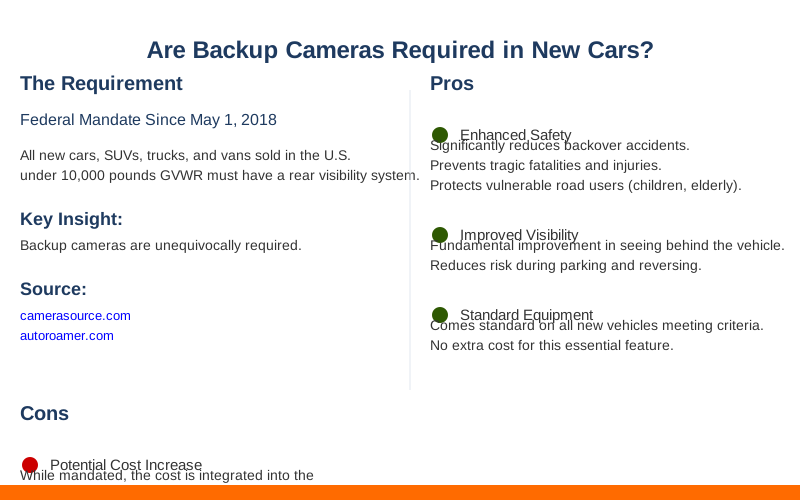
Key Takeaways
In conclusion, we have established that backup cameras are indeed required in new cars, a regulation that has been in effect since May 1, 2018. This mandate, set forth by the National Highway Traffic Safety Administration (NHTSA), ensures that all newly manufactured vehicles sold in the United States, weighing less than 10,000 pounds, must be equipped with rear visibility systems to mitigate the risks associated with backover accidents. These accidents have historically led to significant fatalities and injuries, particularly among vulnerable populations such as children and the elderly Jalopnik. When considering the implications of this requirement, it's essential to recognize that while backup cameras are now standard, they are not foolproof. Factors such as weather conditions, camera placement, and technology limitations can affect their performance. For instance, some models may have cameras that struggle in low-light situations, which could compromise safety Focus2Move. For those who own older vehicles or are looking to enhance their safety features, we recommend considering aftermarket backup camera systems. These options can vary widely in price and functionality, and professional installation may be worth the investment to ensure proper setup and integration with your vehicle's existing systems. If you find yourself unsure about the effectiveness of your vehicle's backup camera or if you experience issues with it, seeking professional help is advisable. A qualified technician can assess the camera's alignment and functionality, ensuring that it performs optimally to keep you and your passengers safe. Ultimately, understanding that backup cameras are legally required in new cars underscores their importance as a critical safety feature, while also highlighting the need for responsible vehicle maintenance and awareness when driving.Frequently Asked Questions
What safety features are now standard in new cars?
How does having a backup camera improve safety?
What should I consider when looking at backup camera options?
Are there issues I should be aware of with backup cameras?
What are some affordable options for cars with backup cameras?
What do experts say about the importance of backup cameras?
🏅 Looking for Gear Recommendations?
Check out our tested gear guides for products that work with this setup: