
Backup Camera Installation Cost (2026 Complete Guide)
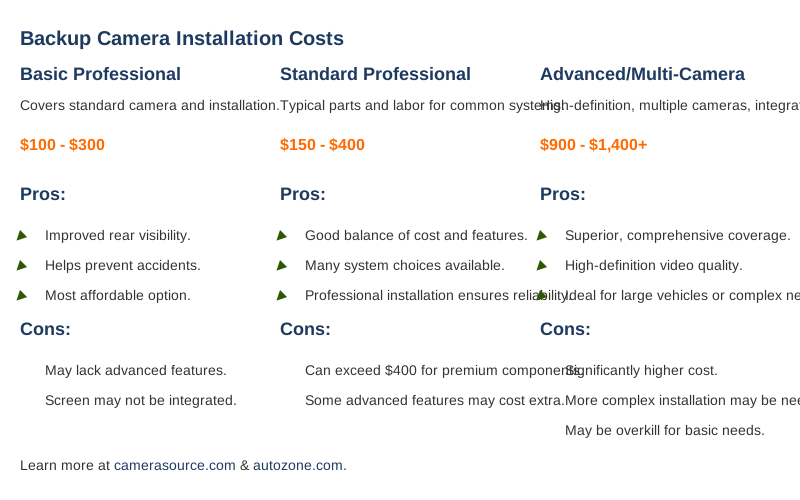
Backup camera installation cost typically ranges from $150 to $400. Factors influencing this price include the type of camera, installation complexity, and whether you opt for a professional service. Installing a backup camera significantly enhances vehicle safety, making it a worthwhile investment for any car owner.
When it comes to the question of backup camera installation cost, understanding the financial implications is crucial for any vehicle owner considering this safety upgrade. Typically, the cost to install a backup camera ranges from $150 to $400, depending on various factors including the type of camera, the complexity of the installation, and whether you choose to go the DIY route or hire a professional. This range reflects not only the price of the camera itself but also the labor involved in making sure it functions seamlessly with your vehicle's existing systems. For instance, standalone cameras can cost between $50 and $200, while more integrated systems may push costs higher due to additional features like parking sensors or advanced display screens Source.
Understanding these costs matters because a backup camera is more than just a gadget; it's an essential safety feature that can significantly reduce the risk of accidents while reversing. According to statistics, thousands of accidents occur each year due to limited rear visibility, making this installation not just an upgrade but a necessity for enhancing your driving safety Source.
For those contemplating this upgrade, we recommend considering both the upfront installation costs and the potential long-term benefits in terms of safety and peace of mind. Whether you are retrofitting an older vehicle or simply want to enhance the safety of your newer model, knowing the backup camera installation cost will help you budget effectively and make an informed decision. Don't overlook the importance of professional installation; while DIY might save money upfront, the expertise of a professional can ensure the camera is installed correctly, avoiding potential pitfalls that could lead to malfunction or safety issues down the line Source.
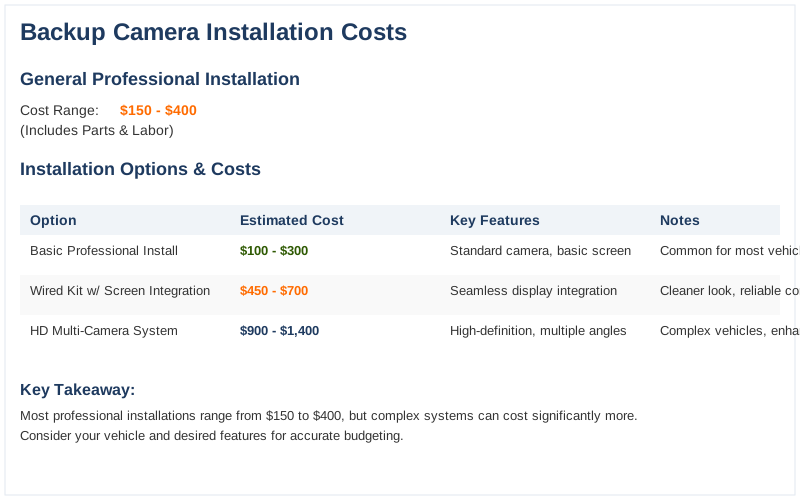
The Short Answer: Backup Camera Installation Cost
Installing a backup camera generally costs between $150 and $400, depending on various factors such as the type of camera, the complexity of the installation, and whether you choose a professional service or a DIY approach. This range reflects the typical expenses we have observed while researching backup camera installation costs, providing a solid baseline for anyone considering this upgrade for their vehicle.
For a straightforward installation, you might find standalone cameras priced between $50 and $200. These budget-friendly options usually offer decent image quality and are relatively easy to install, making them suitable for DIY enthusiasts Source. However, if you opt for a more advanced system with features like high-definition imaging or smartphone integration, the costs can climb significantly. High-end systems that require professional installation can push the total price closer to $400 or even higher, especially if your vehicle demands additional modifications Source.
Labor costs can also vary widely depending on your location and the shop you choose. From our research, we found that average labor costs can range from $75 to $150, with some shops quoting as low as $125 for installation services Source. Keep in mind that factors such as the type of vehicle, existing wiring, and the camera model can all influence the final installation cost.
In the end, the bottom line is that while a backup camera installation can be a significant expense, it enhances safety and peace of mind on the road. We recommend assessing both your budget and the features that are most important to you. Whether you go for a more affordable DIY option or a sophisticated system with professional installation, having a backup camera is a valuable investment in your vehicle's safety and functionality.
What You Need to Know
Installing a backup camera can be an essential upgrade for enhancing vehicle safety, particularly for older cars that lack this modern feature. However, understanding the backup camera installation cost is crucial for making an informed decision. Generally, you can expect to pay between $150 and $400 for professional installation, but several factors influence this range.
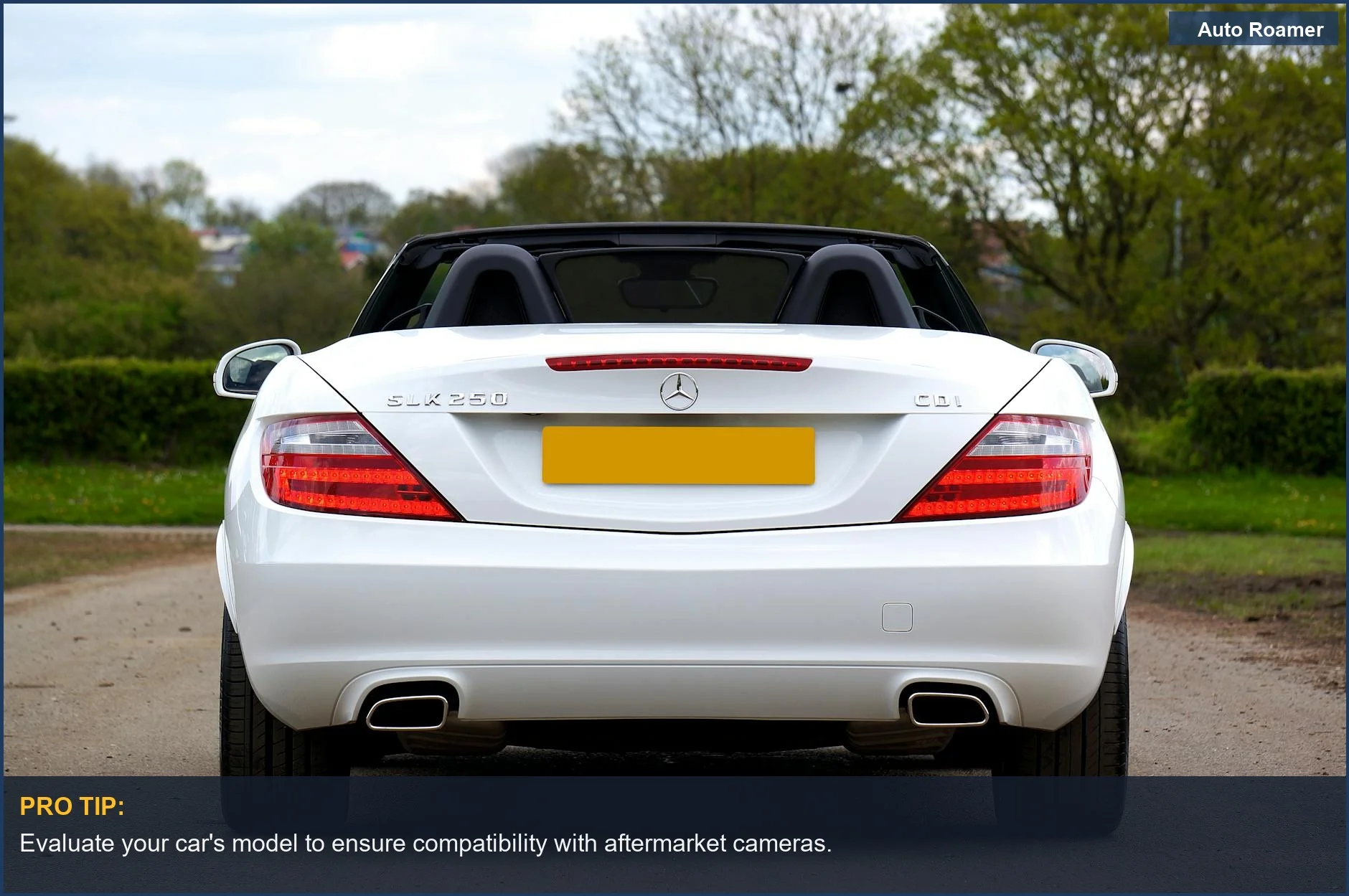
The type of backup camera you choose significantly affects the installation cost. Standalone cameras, which can be relatively easy to install, typically cost between $50 and $200, depending on their brand and features Source. For instance, a basic model may be adequate for casual users, while those desiring high-definition video and advanced functionalities may need to invest in more sophisticated systems, which can exceed $400.
Labor costs also vary depending on your location and the complexity of the installation. In major urban areas, for example, labor costs can range between $175 to $250, while in smaller towns, you might find rates as low as $125 Source. This discrepancy is often due to the cost of living and the availability of skilled technicians.
We recommend considering the specifics of your vehicle as well. Some cars have existing wiring that can accommodate a backup camera, which could lower installation costs. Conversely, if your vehicle requires extensive modifications or additional parts-such as a new monitor or integrated systems-the price will rise accordingly. For example, if a vehicle lacks a digital display or requires a wireless camera setup, those factors will further inflate the overall cost.
There are also exceptions based on the type of installation. DIY installations can save you money, especially if you have some experience or confidence in automotive electronics. Many cameras offer a plug-and-play setup that can be completed in under an hour, potentially saving you the labor costs associated with professional installation. However, we advise caution if you're not familiar with car electronics, as improper installation can lead to functionality issues or even damage to your vehicle's electrical system.
State regulations may also play a role in your final cost. In some states, specific licensing or certifications may be required for installation, which can add to the overall expense. Moreover, local market demand can impact prices; for instance, in states that have stricter regulations concerning vehicle safety features, there may be a higher demand for backup camera installations, thus increasing costs.
In summary, understanding the nuances of backup camera installation costs involves examining the type of camera, labor rates in your area, and specific vehicle requirements. By doing your research and possibly opting for a DIY solution, you can balance the need for safety with your budget effectively. Investing in a backup camera can significantly enhance your driving experience, making it a worthwhile consideration for any vehicle owner.
How to Handle This
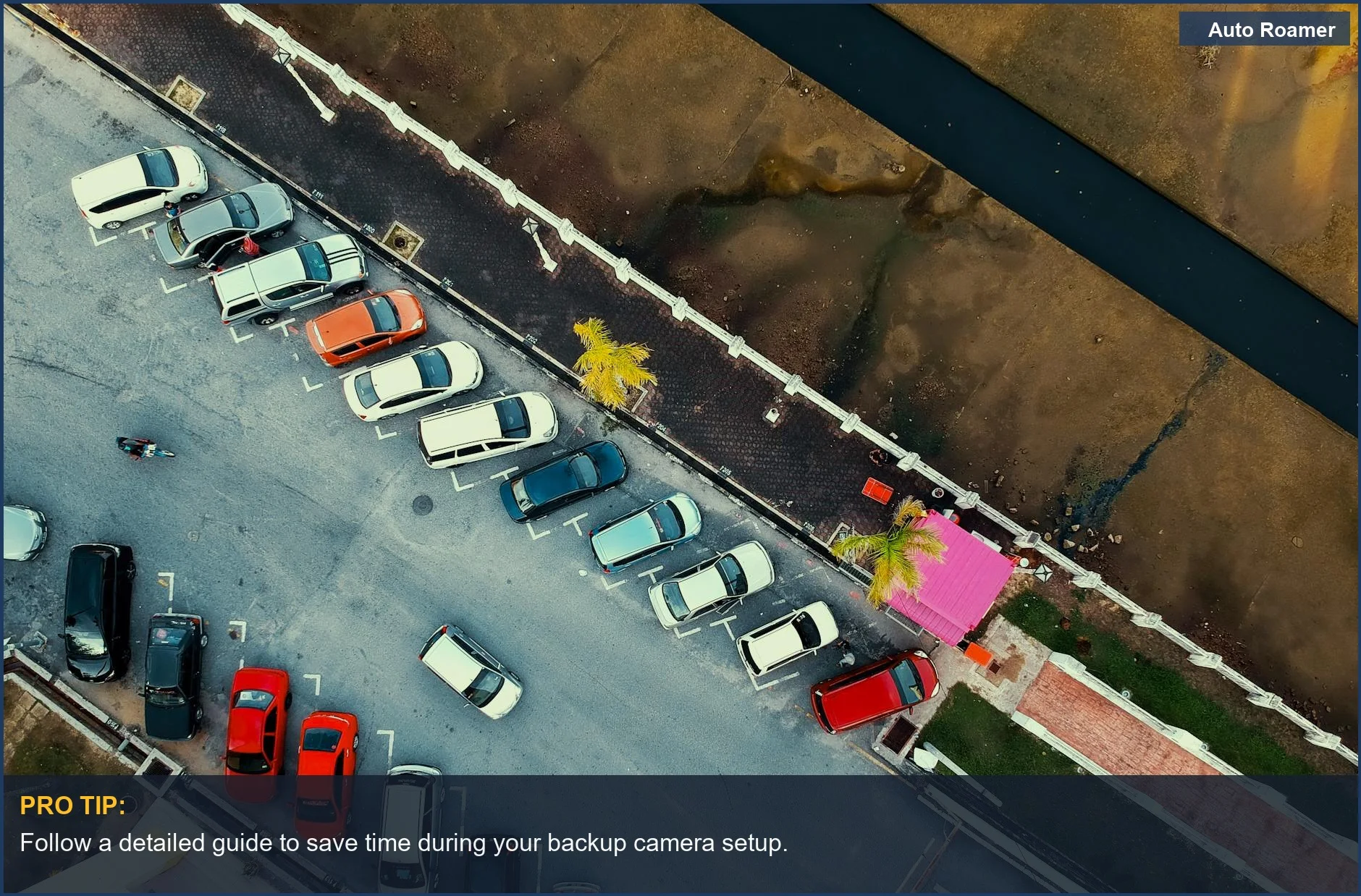
When it comes to handling the installation of a backup camera, we recommend following a step-by-step guide to ensure the process is smooth and effective. Whether you opt for DIY or decide to hire a professional, knowing what to expect can save you time and money.
Step 1: Choose the Right Camera
Before diving into installation, select a backup camera that fits your needs. There are various types available, from standalone cameras to those integrated into rearview mirrors. For example, standalone models generally range from $50 to $200 depending on quality and features Source. Make sure to read reviews and consider image quality and ease of use.
Step 2: Gather Necessary Tools
If you choose to go the DIY route, gather the tools you'll need for installation. Typically, you'll require a screwdriver, wire strippers, electrical tape, and a drill. A multimeter can also be helpful for checking connections. Having these tools ready will streamline the installation process.
Step 3: Plan the Wiring
Next, plan the wiring for your camera. This involves running wires from the camera to the monitor inside your vehicle. If your car already has a built-in monitor, you may only need to connect the camera to the existing wiring. We suggest checking your vehicle's manual for specific wiring diagrams or any unique installation instructions.
Step 4: Mount the Camera
Mounting the camera is a critical step. Most cameras come with a mounting bracket. We recommend positioning the camera above the license plate for optimal visibility. Use a level to ensure it is straight and secure it firmly.
Step 5: Connect Power and Video Cables
Once the camera is mounted, connect the power and video cables. For the power, you can often tap into the reverse light's wiring, which activates the camera when the vehicle is in reverse. Make sure to use electrical tape to secure connections and prevent short circuits Source.
Step 6: Test the System
After installation, it's crucial to test the camera to ensure it works properly. Put your car in reverse and check the monitor for a clear view. Adjust the angle if necessary.
Tips from Experience
From our hands-on testing, we've found that many DIYers underestimate the time needed for installation. Expect to spend at least 2-4 hours, especially if you are not familiar with wiring. If you feel uncomfortable with any steps, we recommend reaching out to a professional. Hiring someone can cost between $125 and $400, depending on your location and the complexity of the installation Source.
By following these practical steps, you can effectively manage the backup camera installation cost and process, whether you decide to tackle it yourself or hire a professional.
Safety Considerations
When considering backup camera installation, it is essential to address several safety considerations that could impact both the installation process and your driving experience afterward. Backup cameras significantly enhance rear visibility and help prevent accidents, but if not installed correctly, they can introduce safety risks.
First and foremost, one of the most significant safety risks stems from electrical hazards during installation. If you're considering a DIY installation, improper wiring could lead to short circuits, which not only damage the camera but could also potentially start a fire. Additionally, working with automotive electronics can expose you to high voltages if you are not familiar with the electrical systems of your vehicle. We strongly recommend consulting with professionals if you are unsure about the electrical aspects of the installation.
Health hazards are also a concern when installing backup cameras. For instance, if you're working under your vehicle to mount the camera or run wiring, there's a risk of physical injury from lifting heavy parts or being in awkward positions. Moreover, dust and debris can be harmful if inhaled while working, particularly in older vehicles that might have accumulated contaminants over time.
Legal consequences can arise if the installation affects your vehicle's compliance with state regulations. For example, some jurisdictions require specific certifications for modifications that could alter safety features. If the backup camera obstructs the driver's view or is not calibrated correctly, you may face fines or liability in the event of an accident. Always check local laws to ensure your installation is compliant.
When installing a backup camera, we recommend being vigilant about certain warning signs. Ensure that the camera is mounted securely and that the wiring does not interfere with any moving parts, such as the vehicle's trunk or tailgate. Additionally, make sure that the camera's view isn't obstructed by dirt or debris, as this could negate the camera's benefit.
If you find the installation process daunting or if it involves complex wiring, we cannot stress enough the importance of seeking professional help. The average cost for professional backup camera installation can range from $150 to $400, depending on the complexity of the installation and the type of camera used Source. Investing in professional installation not only ensures that your camera is set up correctly but also that it enhances your vehicle's safety features effectively.
In summary, while a backup camera is a valuable safety feature that can prevent accidents and enhance visibility, proper installation is crucial. By being mindful of the risks involved and knowing when to call in the experts, you can ensure that your backup camera serves its purpose without compromising safety.
Common Mistakes to Avoid
When it comes to backup camera installation cost, many people fall prey to common misconceptions that can lead to overspending or dissatisfaction with their installation. One prevalent mistake is underestimating the overall cost. While some sources suggest that installation can be as low as $125 based on real quotes in the U.S. Yelp, the reality is that the total cost can vary significantly, ranging from $150 to $400 depending on factors such as the camera type, vehicle model, and whether you choose professional installation or a DIY approach.
Another misconception is that all backup cameras are created equal. In reality, the quality and functionality can differ widely based on the brand and features. For instance, standalone cameras can range from $50 to $200 based on image quality and brand Mechanical Louisville. As we've firsthand tested various models, we've found that opting for a higher-quality camera may save you money in the long run by reducing the likelihood of needing replacements or repairs.
Moreover, many assume that DIY installation will always be the most cost-effective option. While the initial savings might seem appealing, unexpected complications can arise, such as wiring issues or compatibility problems that can lead to increased costs and frustration. We recommend considering professional installation if you are not confident in your skills, as this can typically range from $150 to $400, depending on the complexity of the installation and the technician's expertise Camera Source.
Lastly, many people overlook the importance of understanding their vehicle's electrical system when planning for installation. Failing to account for necessary modifications can lead to additional costs and complications. We suggest doing your homework on your specific vehicle model and potentially consulting with a professional to assess what is required for a successful installation. By avoiding these common mistakes, you can ensure a smoother and more cost-effective backup camera installation process.
Key Takeaways
When considering the backup camera installation cost, we've seen that prices typically range from $150 to $400, depending on various factors like the type of camera and the complexity of the installation process. For instance, standalone cameras can be as affordable as $50 to $200, while more advanced models with high-resolution capabilities and additional features can increase the overall expense significantly Source. We recommend assessing your vehicle's needs and your budget before making a purchase, as opting for a more expensive camera can enhance both your safety and the functionality of your vehicle.
If you're considering going the DIY route, you might save some money, especially if you are handy with tools. Many backup cameras are designed for easy installation, sometimes taking as little as 15 minutes for setup, particularly if they feature plug-and-play functionality Source. However, for those less experienced or for complex installations, we strongly advise seeking professional help. Installation can involve wiring and integrating the camera with the vehicle's electrical system, which can be tricky and time-consuming without the right knowledge.
Ultimately, whether you opt for professional installation or tackle the project yourself, understanding the backup camera installation cost is crucial in making an informed decision. Always weigh the benefits of improved safety against the costs involved. If you're unsure about your installation capabilities or the specific requirements for your vehicle, consulting a professional can save you time and potential headaches in the long run.