
Is A Backup Camera Required By Law (2026 Complete Guide)
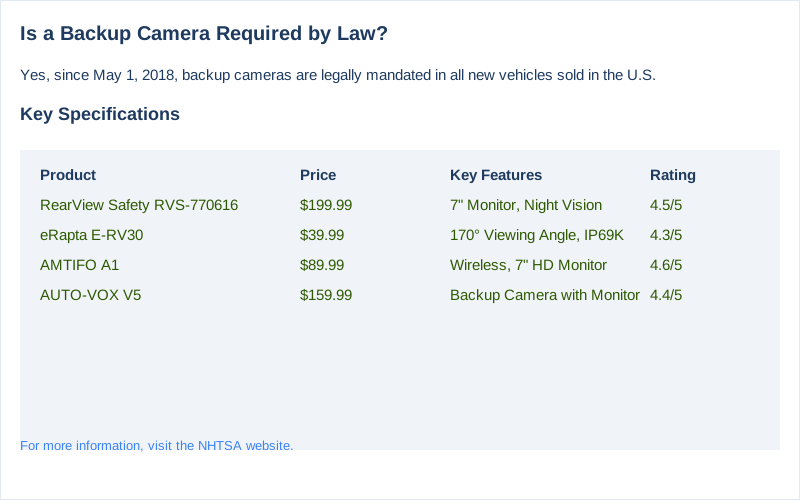
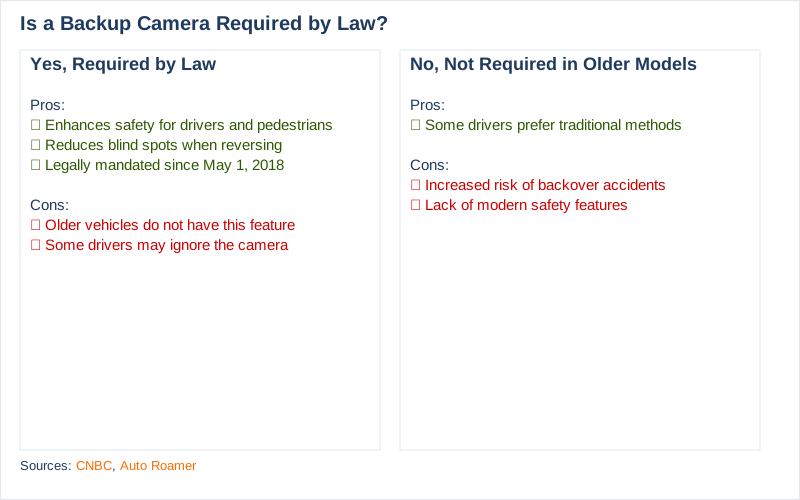
Yes, a backup camera is required by law for all new cars sold in the United States as of May 1, 2018. This regulation, enforced by the National Highway Traffic Safety Administration (NHTSA), aims to enhance safety by reducing backover accidents. Vehicles must include a rear visibility system with a field of view of at least 10 feet behind the vehicle.
The question of whether a backup camera is required by law is critical for anyone considering purchasing a new vehicle. The answer is straightforward: yes, backup cameras are legally mandated in all new vehicles sold in the United States. This requirement has been in effect since May 1, 2018, as established by the National Highway Traffic Safety Administration (NHTSA) under the Cameron Gulbransen Kids Transportation Safety Act. The regulation mandates that all new cars, SUVs, trucks, and vans weighing less than 10,000 pounds must be equipped with a rear visibility camera to help prevent accidents caused by blind spots when reversing. This initiative was implemented in response to the alarming statistics surrounding backover accidents, which result in approximately 210 fatalities and over 15,000 injuries each year, many of whom are children CNBC.
Understanding the legal requirements regarding backup cameras is more than just a matter of compliance; it directly impacts safety on our roads. As we navigate through busy parking lots or residential areas, the ability to see directly behind our vehicles can make the difference between a safe maneuver and a tragic accident. The NHTSA's regulation aims to enhance visibility for drivers, reducing the risk of accidents that could have been easily avoided with the aid of a backup camera Auto Roamer.
Moreover, this requirement reflects a broader commitment to vehicle safety standards and the ongoing evolution of automotive technology. As car enthusiasts and safety advocates, we recognize the importance of these features in modern vehicles. While some may question the necessity of a backup camera in older models or vehicles not manufactured after 2018, the truth is that having one significantly boosts safety for drivers and pedestrians alike. In a world where distractions are plentiful and visibility can often be compromised, this regulation is a step in the right direction, ensuring that both drivers and the vulnerable around them are better protected.
The Short Answer: Is A Backup Camera Required By Law
Yes, a backup camera is required by law for all new cars sold in the United States as of May 1, 2018. This regulation, put forth by the National Highway Traffic Safety Administration (NHTSA), mandates that every new vehicle, including cars, SUVs, trucks, and vans under 10,000 pounds, must be equipped with a rear visibility camera. The goal of this law is to enhance safety and reduce the risk of backover accidents, which tragically result in numerous fatalities and injuries each year.
The implementation of this law stems from a significant safety concern; backover accidents are responsible for approximately 210 fatalities and more than 15,000 injuries annually in the U.S. The presence of a backup camera dramatically improves a driver's ability to see behind their vehicle, mitigating blind spots and thereby decreasing the likelihood of accidents involving pedestrians, particularly children. This measure was endorsed by various advocacy groups, such as KidsAndCars.org, which emphasizes the importance of child safety around vehicles. The introduction of mandatory backup cameras represents a significant step forward in vehicle safety standards, reflecting a collective commitment to reducing preventable accidents on our roads.
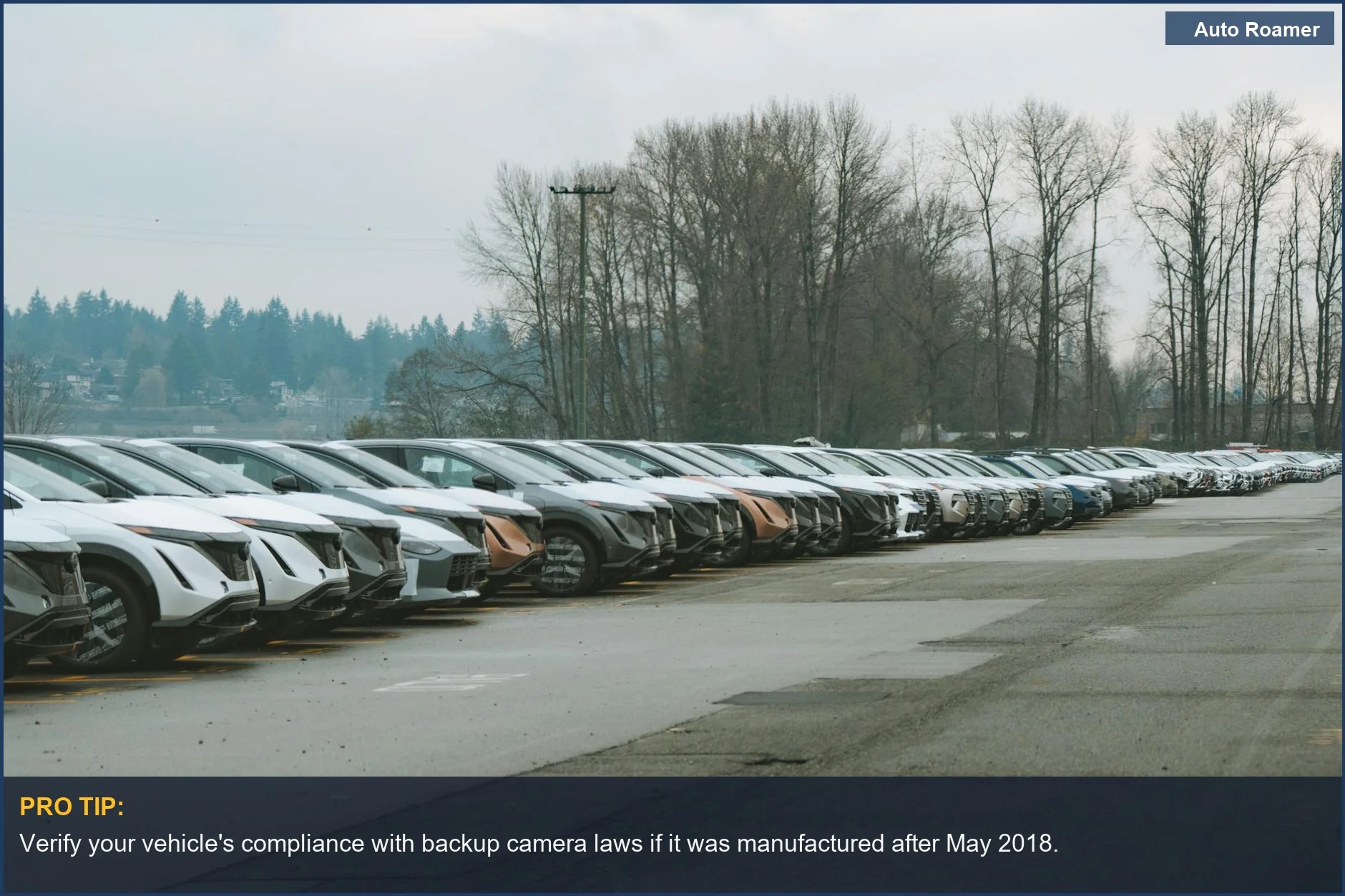
The bottom line is straightforward: if you're purchasing a new vehicle, whether it's a compact car or a large SUV, it will come equipped with a backup camera as a standard feature. This requirement has been in effect for several years now, ensuring that all newly manufactured vehicles contribute to safer driving environments. While vehicles manufactured before this deadline may not have backup cameras, the new regulations apply strictly to models built from May 2018 onward.
In summary, we can confidently say that a backup camera is indeed required by law for all new cars sold in the U.S. This regulation not only enhances safety but also aligns with broader efforts to prevent accidents and protect vulnerable road users. For more detailed information, you can refer to sources like Auto Roamer and ABC News.
What You Need to Know
The requirement for backup cameras in vehicles is a significant safety measure that impacts drivers across the United States. As of May 1, 2018, all new cars, trucks, and SUVs sold in the U.S. must be equipped with a rear visibility camera. This regulation was implemented by the National Highway Traffic Safety Administration (NHTSA) following years of advocacy and research highlighting the dangers associated with backing up without adequate visibility. Statistics reveal that nearly 210 fatalities and over 15,000 injuries occur yearly due to backover accidents, making this legislation crucial for enhancing safety on our roads Auto Roamer.
The rule applies uniformly across the country; all vehicles manufactured after this date must comply. However, it's essential to note the specifics of this requirement. The mandate encompasses all vehicles under 10,000 pounds, which includes most passenger cars and light trucks. This uniformity means that regardless of which state you reside in, if you're purchasing a new vehicle, you can expect it to have a backup camera as a standard feature ABC News.
While the federal law requires new vehicles to be equipped with backup cameras, older vehicles are not subject to this mandate. If you own a vehicle that was manufactured prior to May 2018, it is not legally required to have a backup camera, although retrofitting one may enhance safety. For instance, aftermarket options vary widely in price and quality, with basic models starting around $50 and more advanced systems exceeding $300, depending on features like night vision and parking assistance Tadi Brothers.
There are some nuances and exceptions to be aware of. The law does not apply to certain vehicle types, such as motorcycles, buses, and larger commercial trucks over 10,000 pounds. Furthermore, vehicles that are not intended for sale-those used exclusively for testing or research-may also be exempt from the backup camera requirement. State-specific laws may also govern additional safety features, but these typically align with federal regulations.
In summary, backup cameras are indeed required by law for all new vehicles sold in the U.S. since 2018, fundamentally changing the landscape of vehicle safety. This requirement is essential in reducing the risks associated with reversing a vehicle, particularly in areas where children or obstacles may be present. Therefore, when considering a new vehicle, we recommend paying close attention to the presence and functionality of a backup camera, as it not only complies with legal standards but also enhances your safety and the safety of others on the road.

How to Handle This
When navigating the regulations surrounding backup cameras, especially regarding whether a backup camera is required by law, we can take several practical steps to ensure compliance and enhance safety. Here's a step-by-step guide on how to handle this situation effectively.
-
Know the Law: As of May 1, 2018, all new cars sold in the U.S. must come equipped with a backup camera. This regulation, mandated by the National Highway Traffic Safety Administration (NHTSA), aims to reduce backover accidents, which claim around 210 lives each year and injure over 15,000 people (Auto Roamer).
-
Check Your Vehicle: If you are purchasing a new vehicle, verify that it includes a backup camera. Most manufacturers list this feature in the specifications. If you are unsure, a quick call to the dealership can clarify whether a backup camera is integrated into the model you are considering.
-
Installing a Backup Camera: For those with older vehicles that do not have a backup camera, we recommend considering an aftermarket option. Many products are available that can be installed with relative ease. For instance, the eRapta ERT01 costs around $30 and offers a good quality camera with a 170-degree viewing angle. If you are comfortable with basic wiring, you can install it yourself; otherwise, hiring a professional is advisable.
-
DIY Installation Steps: If you choose to install a backup camera yourself, here's a simplified guide:
- Gather Your Tools: You will typically need a screwdriver, wire strippers, and a drill.
- Mount the Camera: Select a location on the rear of your vehicle, typically just above the license plate. Use the camera's mounting bracket to secure it.
- Connect the Wires: Run the power wire to your reverse light, ensuring the camera activates when the vehicle is in reverse. Connect the video cable to your car's display monitor.
-
Test the Camera: Once installed, engage the reverse gear to check the camera feed. Adjust the camera angle if necessary.
-
Regular Maintenance: After installation, routinely check the camera and monitor for functionality, especially before long trips. A dirty lens can obscure visibility, so make cleaning a regular part of your vehicle maintenance.
-
Consult Professionals: If DIY isn't your style, numerous automotive shops specialize in installing backup cameras. A professional installation can range from $100 to $300, depending on the system complexity and labor costs. Investing in a quality installation ensures that the camera functions correctly and complies with safety standards.
-
Stay Informed: Laws and regulations can evolve. Keeping updated on the latest safety requirements regarding backup cameras can help you stay compliant and safe. Engaging with communities or forums focused on vehicle safety can provide valuable insights and experiences from other vehicle owners.
By following these practical steps, we can ensure that our vehicles comply with the law regarding backup cameras while also enhancing our safety and the safety of others on the road. Understanding that a backup camera is required by law in new vehicles gives peace of mind and reinforces our commitment to safe driving practices.
Safety Considerations
When considering whether a backup camera is required by law, we must delve into the safety considerations that accompany these devices. The primary safety risk associated with not having a backup camera is the potential for backover accidents. According to the National Highway Traffic Safety Administration (NHTSA), backover incidents lead to approximately 210 fatalities and over 15,000 injuries annually in the United States CNBC. These statistics underline the crucial role that backup cameras play in enhancing visibility and reducing blind spots, particularly in vehicles that are larger or have rearward visibility issues.
In terms of health hazards, the lack of a backup camera can expose drivers and pedestrians-especially children-to serious injury or even death. Many of these tragic accidents happen in residential areas where children are playing and may not be seen by drivers. The NHTSA's regulations for backup cameras arose from a conscious effort to mitigate these risks and protect vulnerable populations, including kids Auto Roamer.
From a legal perspective, all new cars manufactured and sold in the U.S. since May 1, 2018, must be equipped with a backup camera. Failure to comply can lead to significant legal consequences, including fines or liability in the event of an accident. We recommend verifying the presence of a backup camera in a vehicle before purchase, especially if you are considering a used car.
When looking at backup cameras, it's essential to watch out for features such as resolution, field of view, and night vision capabilities. A camera with a wide angle and high resolution can provide a more comprehensive view of the area behind the vehicle, which is paramount for safety. If the camera is malfunctioning or not functioning at all, it may be time to seek professional help. We recommend addressing any issues with a qualified technician, especially if you notice unusual behavior, such as flickering images or poor visibility, as these could indicate wiring problems or camera failure.
In conclusion, understanding that a backup camera is required by law not only keeps us compliant but also significantly enhances safety for ourselves and those around us. Taking these safety considerations seriously can make all the difference in preventing accidents and protecting lives.
Common Mistakes to Avoid
When discussing whether a backup camera is required by law, we often encounter a variety of common misconceptions that can lead to confusion. One prevalent mistake is assuming that all vehicles, regardless of their manufacturing date, are subject to the backup camera requirement. In reality, the law, established by the National Highway Traffic Safety Administration (NHTSA), stipulates that only new cars sold in the United States after May 1, 2018, must be equipped with a backup camera. Vehicles manufactured before this date are not bound by this regulation, which can mislead potential buyers or owners of older models into thinking they must retroactively install a backup camera to comply with the law.
Another misconception involves the belief that backup cameras are optional or can be bypassed if a vehicle owner prefers not to use them. This is not the case for new cars; they must come equipped with the technology as a standard feature. The law was designed to enhance safety by reducing blind spots and preventing backover accidents, which can be particularly dangerous for children and pedestrians. According to statistics, these accidents cause nearly 200 fatalities annually in the U.S.Source.
Moreover, some individuals mistakenly think that the requirement applies only to specific types of vehicles, like SUVs or trucks. In fact, the law applies broadly to all new cars, SUVs, vans, and trucks under 10,000 pounds. This includes a wide range of vehicles, ensuring comprehensive coverage under the regulation.
Lastly, it's essential to recognize that while backup cameras are required in new vehicles, the law does not mandate their installation in older models. Drivers of cars manufactured before 2018 should not feel pressured to install a backup camera unless they want to enhance their safety and visibility. This is a critical distinction that can sometimes be overlooked in discussions about backup camera requirements.
By understanding these common mistakes and misconceptions regarding whether a backup camera is required by law, we can make more informed decisions about vehicle safety and compliance. Always refer to the latest regulations and guidelines to ensure clarity and adherence to the law.
Key Takeaways
When considering whether a backup camera is required by law, the answer is a clear yes for all new vehicles sold in the United States since May 1, 2018. The National Highway Traffic Safety Administration (NHTSA) mandated that every new car, truck, or SUV under 10,000 pounds must come equipped with a rear visibility camera. This regulation was established to significantly reduce the number of accidents caused by blind spots while reversing, which result in about 210 fatalities and over 15,000 injuries annually, particularly affecting children and pedestrians AUTO-VOX.
For those who own older vehicles not equipped with backup cameras, we recommend considering aftermarket solutions. Numerous options are available that can be integrated into your existing vehicle setup. For instance, products like the eRapta ERT01, which costs around $30, provide excellent visibility with a 170-degree wide-angle lens. These upgrades not only enhance safety but can also improve your vehicle's resale value, as more buyers are looking for vehicles equipped with modern safety features.
If you are unsure about your vehicle's compliance with these regulations or require assistance installing a backup camera, we advise seeking professional help. A qualified mechanic or auto technician can provide guidance on the best options for your vehicle type and ensure proper installation, which is crucial for the camera system's effectiveness. Understanding that a backup camera is required by law can help you make safer driving decisions while also enhancing your overall driving experience.