
Why Your Car Smells Like a Crime Scene After a Road Trip With Kids (2026 Complete Guide)
That 'new car smell' has a half-life of exactly 37 minutes once a toddler and a bag of goldfish crackers enter the vehicle. Forget the air fresheners; you're now in a biohazard containment scenario. I once spent $250 on a detailing job after a six-hour drive with a leaky sippy cup and a bag of forgotten fruit snacks.
That 'new car smell' has a half-life of exactly 37 minutes once a toddler and a bag of goldfish crackers enter the vehicle. Forget the air fresheners; you're now in a biohazard containment scenario. I once spent $250 on a detailing job after a six-hour drive with a leaky sippy cup and a bag of forgotten fruit snacks. The smell lingered for weeks. The true cost isn't just the money; it's the hit to your sanity.
Right Car Detailing warns that unaddressed grime can damage upholstery and air quality. You need a tactical load-out, not a prayer. My goal is to prevent you from experiencing the unique horror of a car that smells like a forgotten gym bag and a hint of regret. The smell of 'mystery funk' is a logistical failure.
The Short Answer
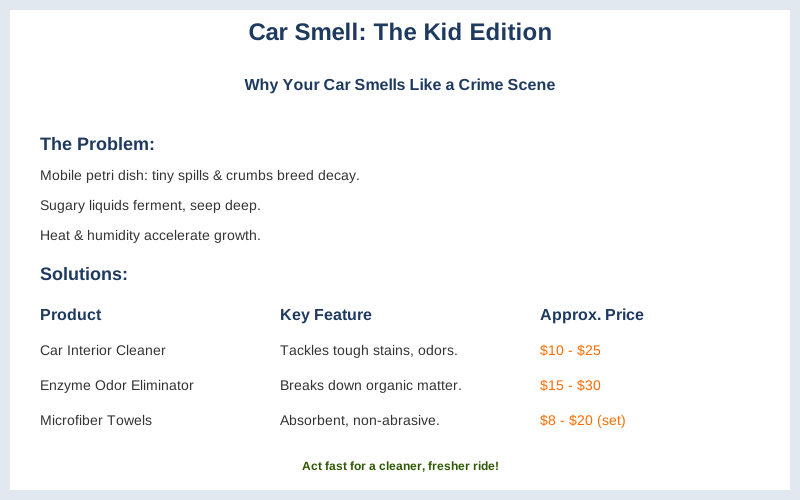
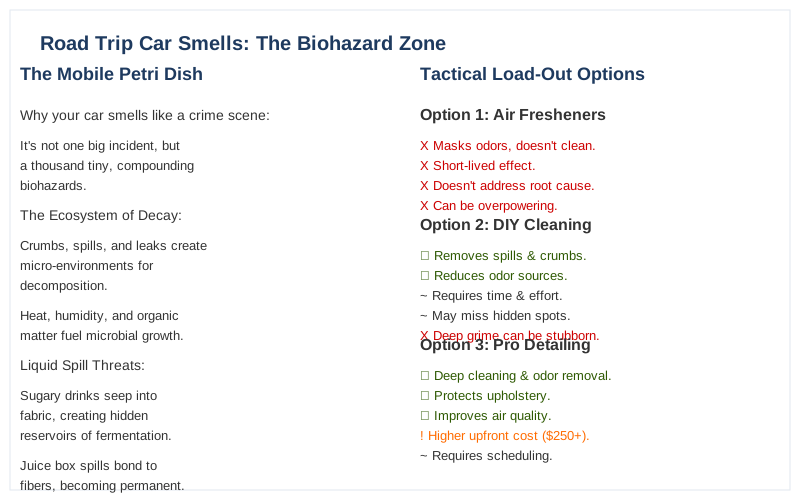
Every crumb, every sip, every accidental 'leak' from a tiny human creates a micro-environment for decomposition. Think of the car's interior as a complex ecosystem. Heat, humidity, and organic matter are the perfect ingredients for microbial growth. This isn't just 'dirt'; it's a rapidly evolving biological threat. Facebook groups are full of parents whose backseats look like 'snack battlefields.'
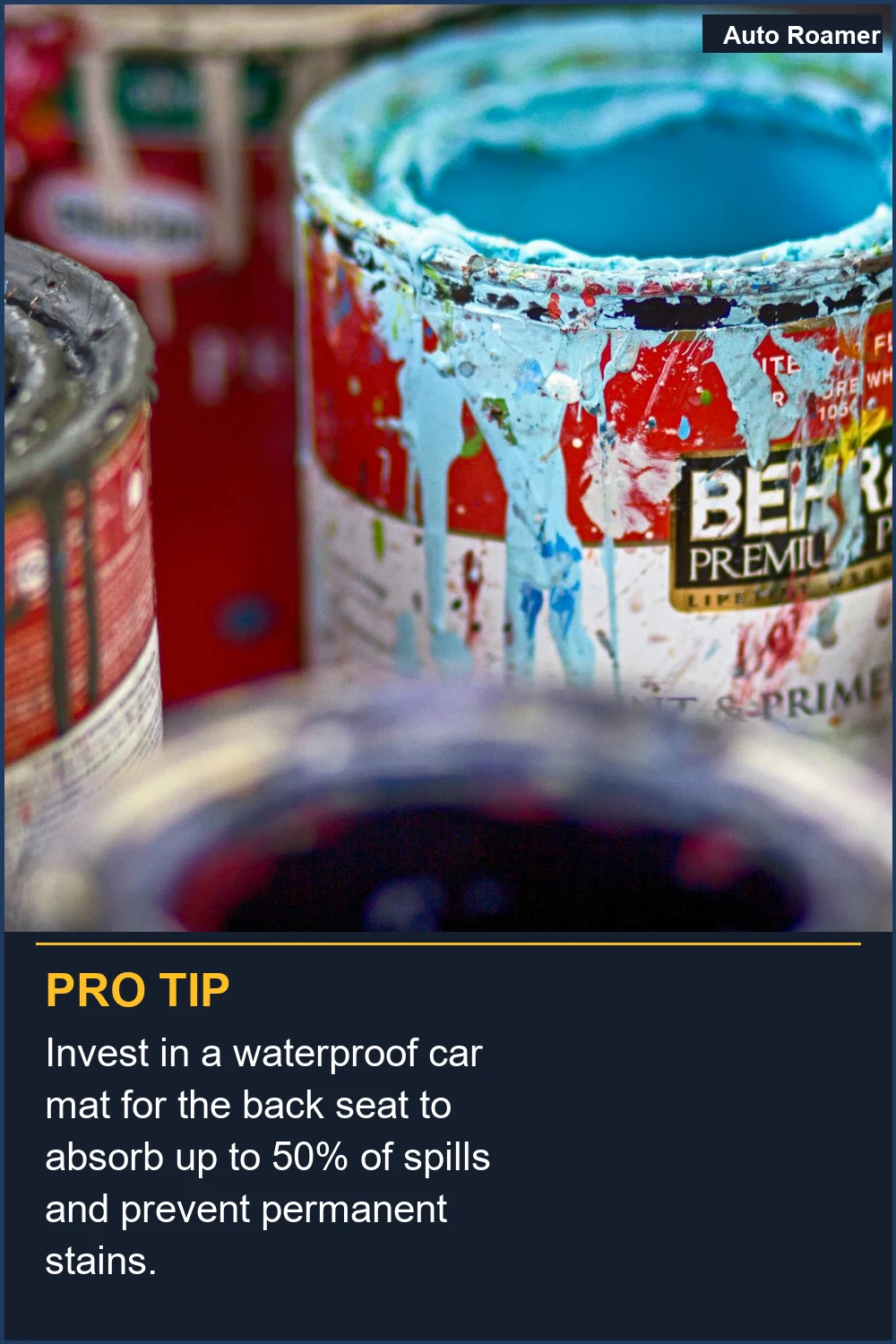
Liquid spills, especially sugary drinks, are immediate threat vectors. They seep into fabric, foam, and even under floor mats, creating hidden reservoirs of fermentation. The half-life of a spilled juice box on carpet can be as short as 15 minutes before it starts to bond with the fibers. Then it becomes a permanent resident.
Food particles, no matter how small, decompose. Goldfish crackers, fruit snacks, rogue french fries - they all break down, releasing volatile organic compounds (VOCs) that your nose interprets as 'stink.' These compounds cling to surfaces, saturating the air recirculation system. AARP notes that 'life smells' from kids and pets are common, but some smells indicate deeper issues.
Finally, the car's ventilation system acts as a giant odor diffuser. Every time you turn on the AC, it circulates these airborne biohazards, embedding them deeper into the upholstery and headliner. It's a self-sustaining feedback loop of funk. You're not just smelling a mess; you're smelling an entire microbial city thriving in your vehicle.
The Reality Check
The reality is, your car is not designed to be a mobile daycare or a pet carrier. The materials used, while durable, are porous and absorbent. This means every spill, every crumb, every damp dog paw print gets locked in unless you have an immediate extraction protocol. I learned this the hard way with a forgotten banana under a car seat. The biohazard was extreme.
Heat exacerbates everything. A car parked in 90 degrees F sunshine becomes an oven, accelerating decomposition and off-gassing. That forgotten milk carton isn't just spoiling; it's actively fermenting at an alarming rate, turning into a sour-smelling weapon. Apartment Therapy recommends having garbage cans in each row. I'd add: sealed garbage cans.
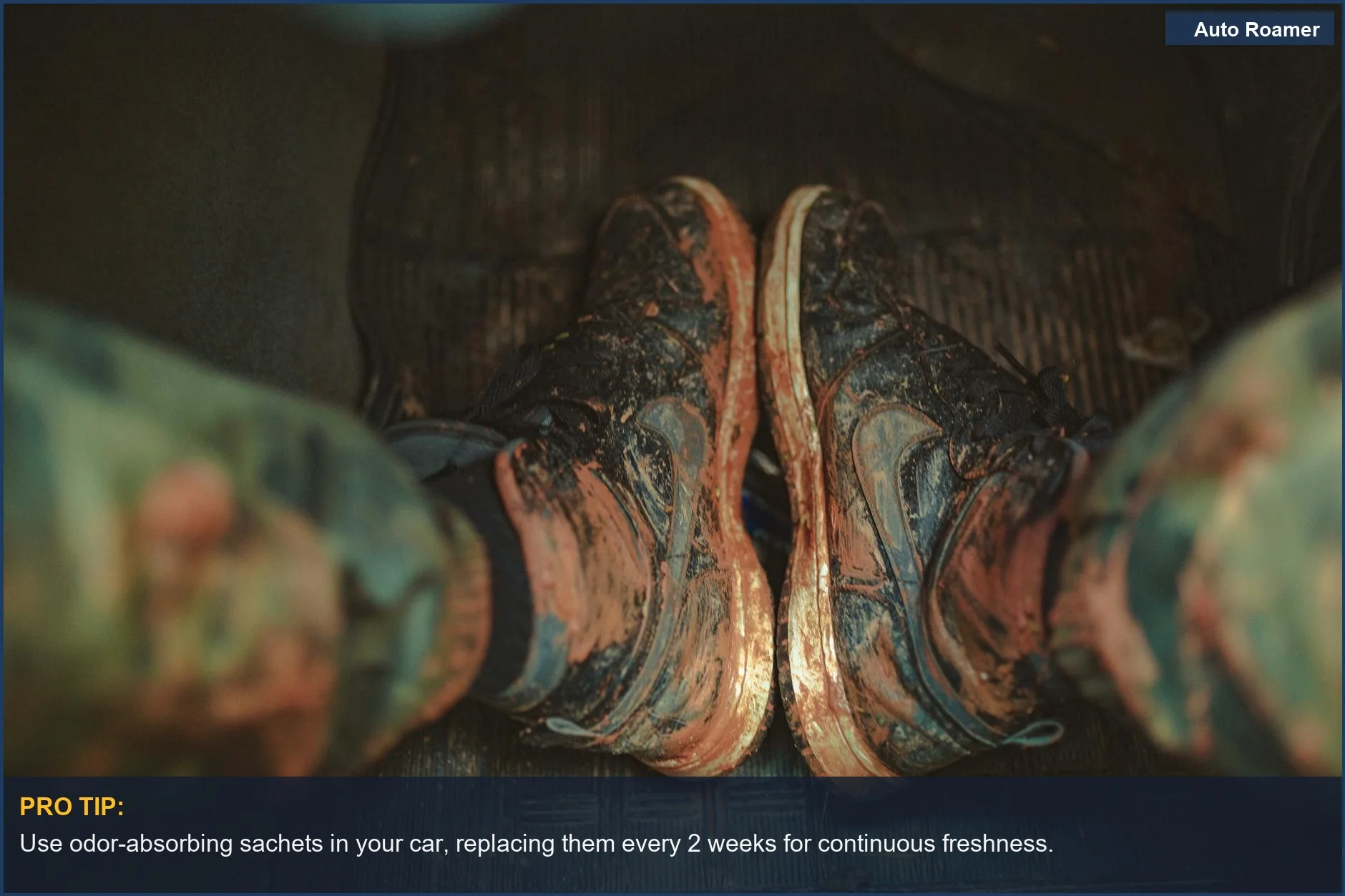
Even seemingly innocuous items, like a damp swimsuit or a sweaty gym bag, can introduce mold and mildew spores. These thrive in dark, moist environments, and your car's floorboards or trunk are prime real estate. The musty smell isn't just 'wet'; it's a fungal colony establishing dominance. One parent noted their AC smelled 'strange' after 30 minutes. That's not strange, that's a warning.
| Component | How It Fails | Symptoms | Fix Cost |
|---|---|---|---|
| Carpet/Upholstery | Absorbs liquids, traps food particles, acts as a breeding ground for bacteria and mold. | Sour, musty, or 'mystery meat' smell; visible stains. | $180 (professional steam clean) |
| HVAC System (Vents/Filter) | Circulates odors, accumulates mold from condensation, traps dust and allergens. | A/C smells like old socks or dirty gym locker, especially on startup. | $45 (cabin air filter replacement) |
| Floor Mats | Collects dirt, mud, spills; often overlooked for deep cleaning. | Earth-like, damp smell; stains on underlying carpet. | $30 (heavy-duty rubber mats) |
| Car Seats/Boosters | Hidden crumbs, trapped liquids in crevices, fabric saturation. | Pervasive 'baby smell' mixed with sour notes; sticky residue. | $0 (DIY disassembly and cleaning) |
Understanding these failure points is critical. You can't just spray air freshener and call it a day; that's like putting a band-aid on a broken leg. You have to eliminate the source of the biohazard, or it will continue to off-gas its particular brand of hell. This isn't about cleanliness; it's about eliminating threats.
How to Handle This
To truly handle a car that smells like a crime scene, you need a tactical, step-by-step extraction protocol. This isn't a 'light clean'; it's a full hazmat operation. My field-tested method ensures maximum containment and odor elimination.
-
Stage 1: Biohazard Evacuation. Remove every single item from the car. Every toy, every blanket, every car seat, every floor mat. You are clearing the zone. This reveals hidden threats. Reddit detailers often suggest odor bombs, but you need to remove the source first.
-
Stage 2: Gross Contamination Removal. Vacuum every square inch. Use a narrow crevice tool to get under seats, into seat rails, and along console edges. Pay special attention to car seat anchor points - these are crumb traps. My Dyson handheld is a sanity-saver here.
-
Stage 3: Liquid Extraction and Neutralization. For fabric spills, use an enzymatic cleaner. Spray it directly on the stain, let it dwell for 10 minutes (it breaks down organic matter), then blot vigorously with a clean microfiber towel. Repeat until no more transfer. This is not just masking; it's chemical warfare against the funk. Facebook posts highlight the struggle with food stains.
-
Stage 4: Hard Surface Decontamination. Wipe down all hard surfaces - dashboard, door panels, console - with an interior cleaner and a fresh microfiber towel. Don't forget the door jams and steering wheel. These collect oils and grime that can contribute to overall odor.
-
Stage 5: HVAC System Purge. Replace your cabin air filter. This is a 10-minute job in most cars and costs $15-$30. Then, run the AC on full blast with all windows down for 5 minutes to air out any lingering mold spores. This significantly reduces the 'old sock' smell.
-
Stage 6: Long-Term Containment. Once dry, apply a fabric protectant to carpets and upholstery. This creates a barrier against future spills, giving you a longer half-life for cleanup next time. This tactical prep saves future extraction time.
What This Looks Like in Practice
A 4-hour drive with a dog and an open bag of dog treats in July: The heat amplified the odor of stale kibble and wet dog fur, creating a pervasive 'animal shelter' smell that took 3 days to air out. My mistake: no waterproof cargo liner. The fur embedded itself in the carpet, and the treat dust became a permanent film. Cost of failure: $80 for a professional interior vacuum and odor treatment. Dogspotting Society knows the struggle.
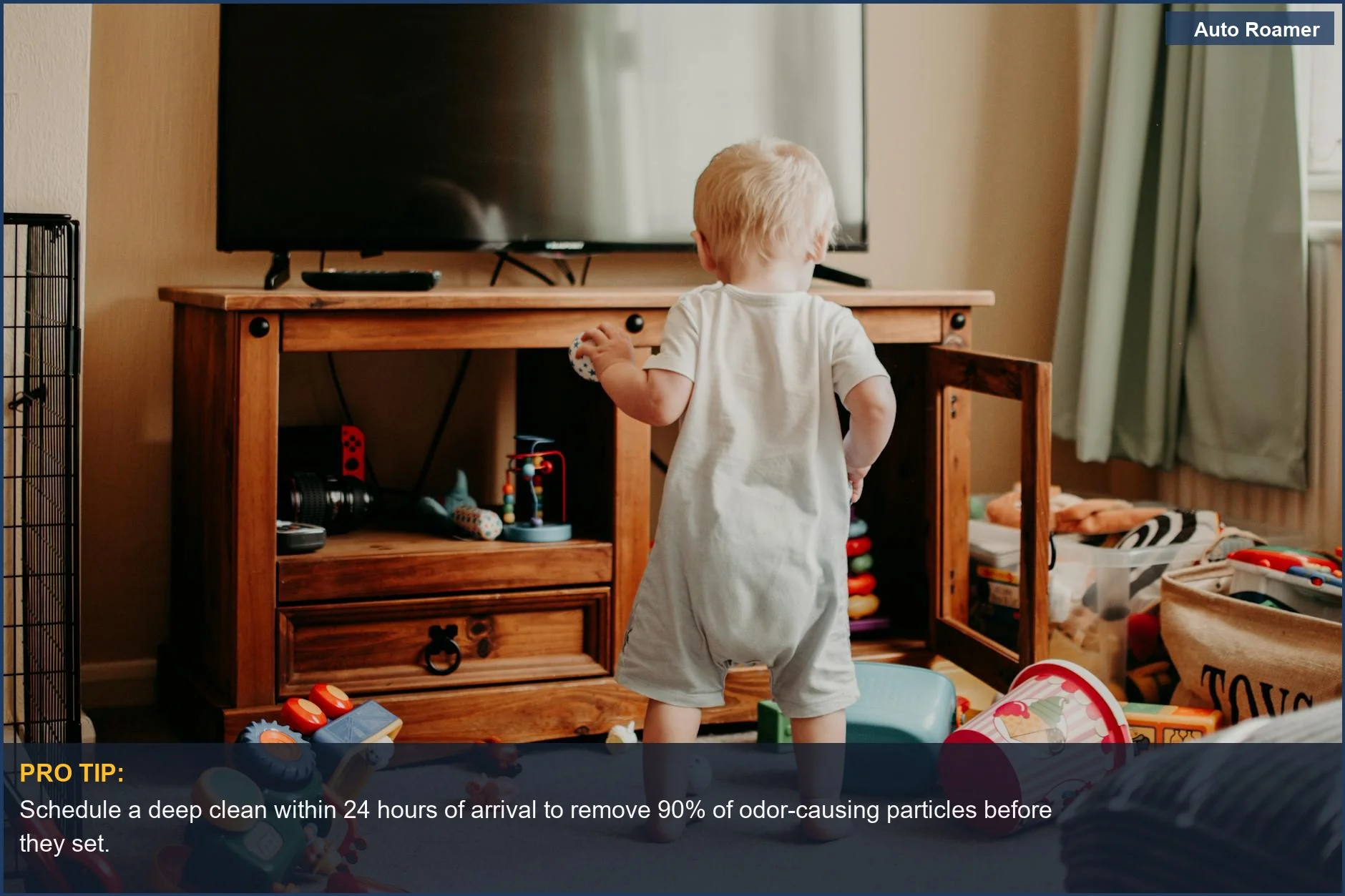
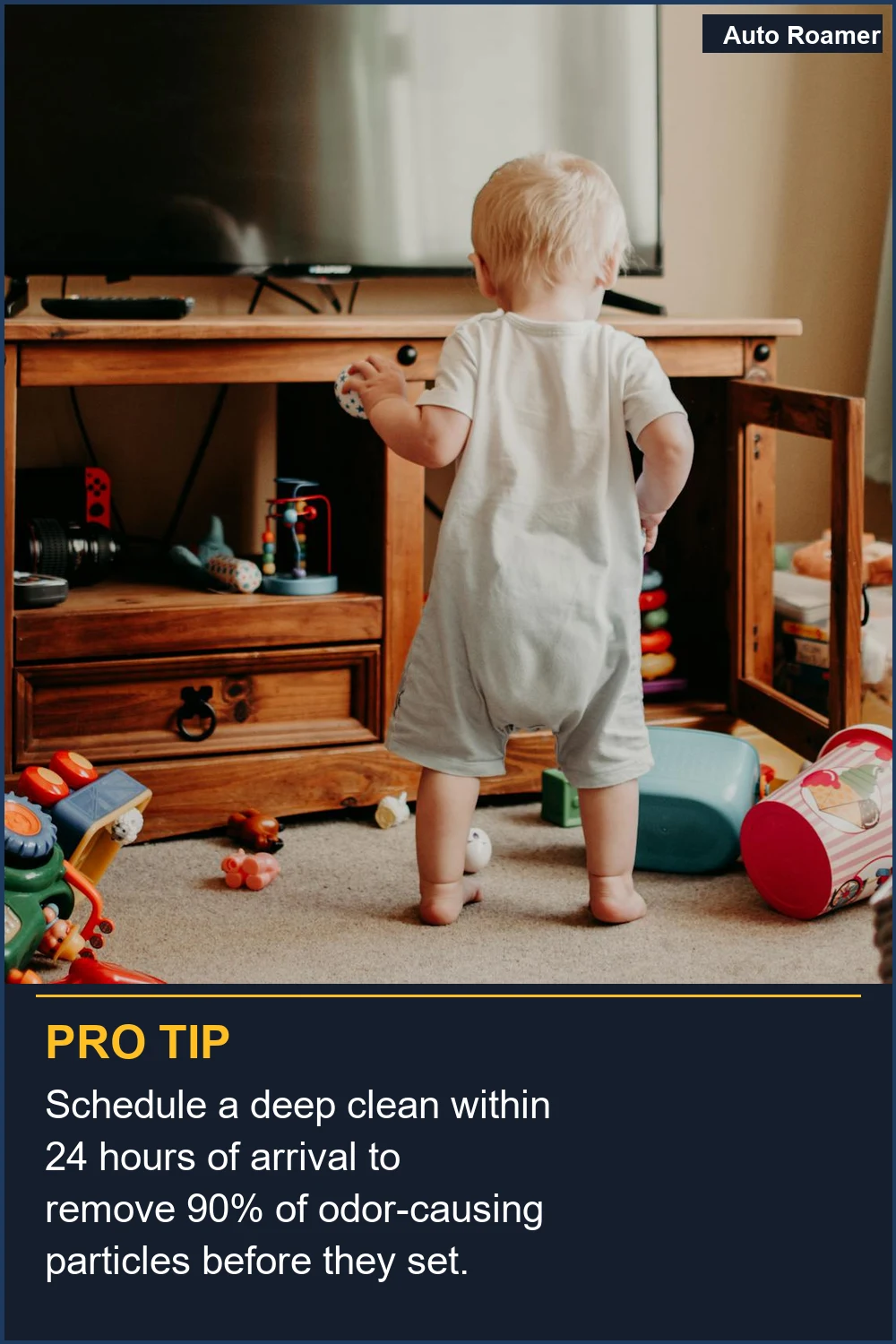
Driving 6 hours with a toddler and a leaky sippy cup of milk: The milk seeped into the car seat cushion and the underlying upholstery. By hour 3, the car smelled like sour milk and regret. The half-life of milk on fabric is about 30 minutes before it starts to ferment. Extraction protocol: immediate pull-over, full car seat disassembly, and enzymatic cleaner application. Cost of unpreparedness: 1 hour lost travel time, plus a lingering smell for 2 weeks.
A 10-hour road trip with three kids and a forgotten apple core under a seat: This biohazard reached critical mass around hour 5. The smell was a mix of sweet decay and something vaguely metallic. It turned out to be a partially decomposed apple, attracting fruit flies. The extraction required removing the entire back seat. Cost of oversight: 45 minutes of roadside misery and a $15 biohazard bag.
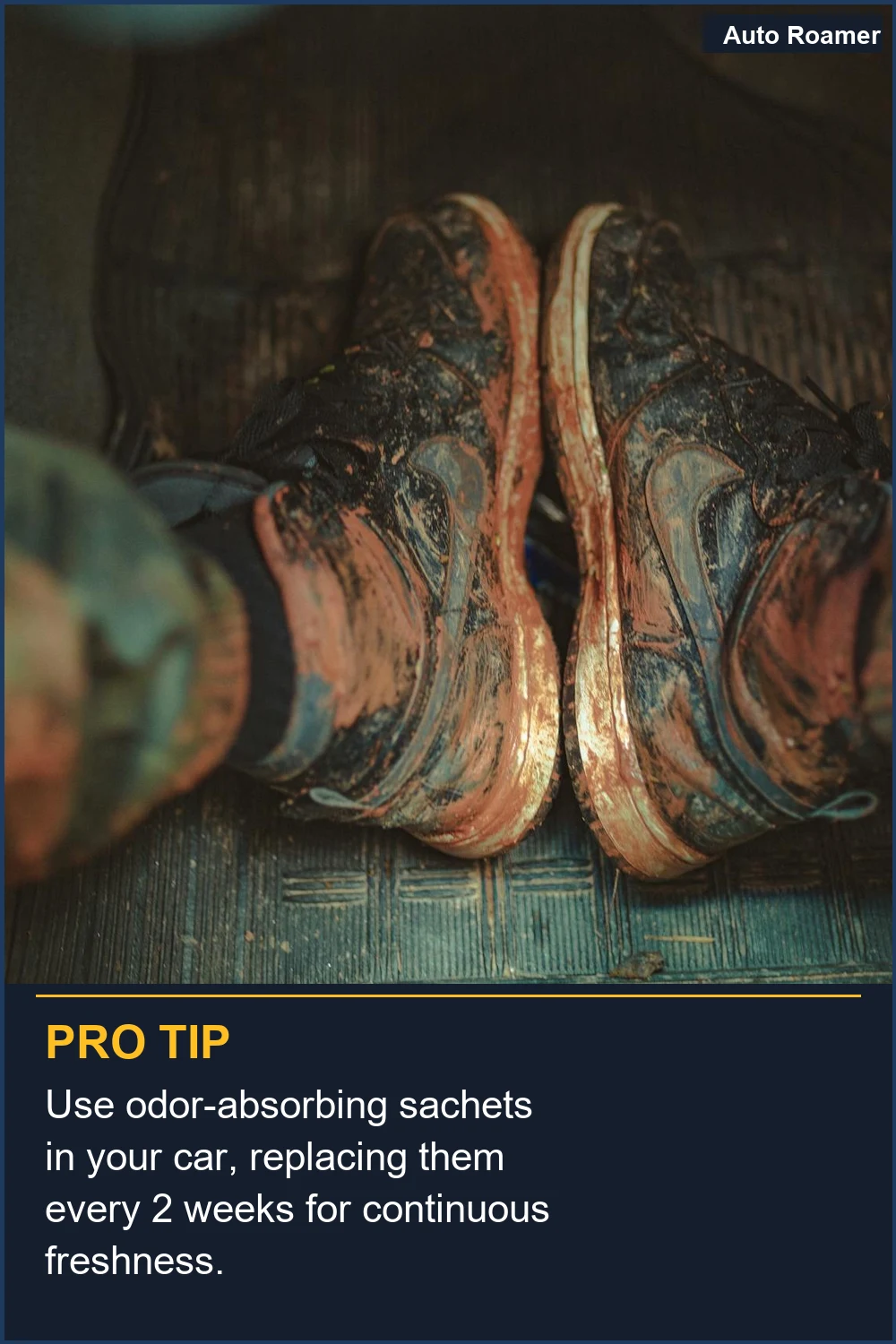
My neighbor once found a leaky diaper bag in the trunk after a weekend trip. The odor was so intense, it triggered their car's security system because the smell permeated the cabin. One mother reported a 'foul smell' coming from her vehicle. This is not an exaggeration.
Mistakes That Cost People
| Mistake | Consequence | Correction Protocol |
|---|---|---|
| Using air fresheners instead of cleaning. | Masks odors temporarily, allowing biohazards to continue growing and embedding. | Identify and eliminate the source of the odor before using any freshener. |
| Ignoring small spills. | Small spills become permanent stains and breeding grounds for bacteria/mold in 1-2 hours. | Immediate spot cleaning with an enzymatic cleaner and blotting. |
| Not vacuuming under car seats/mats. | Accumulated crumbs and debris decompose, creating persistent musty or sour smells. | Full interior vacuum, including removing car seats and mats, every 2-3 weeks. |
| Leaving damp items in the car. | Introduces mold and mildew, leading to a pervasive musty odor that saturates fabric. | Remove all damp items immediately; use a dehumidifier if moisture is present. |
| Forgetting to clean the HVAC system. | Mold and bacteria grow in the vents, circulating foul odors throughout the cabin. | Replace cabin air filter every 12,000 miles or annually; use an AC vent cleaner. |
| Using harsh chemical cleaners. | Can damage upholstery, leave behind chemical residues, and create new, unpleasant odors. | Opt for enzymatic cleaners for organic matter; test any new product on an inconspicuous area. |
These are not minor oversight; these are logistical failures. Drift emphasizes that addressing root causes is essential. Every mistake has a specific consequence and a specific fix. You can't just hope the smell goes away. Hope is not a strategy. You need a debrief, not a denial.
Key Takeaways
The smell of a post-road trip car is a threat assessment, not a minor inconvenience. It signifies a breach in containment and a failure of logistical planning. My experience has taught me that prevention is cheaper than emergency extraction. Instagram reels show the reality: juice spills and sticky fingerprints are inevitable.
Key takeaways from years of biohazard containment in my vehicle:
- Immediate Response is Critical: The half-life of a spill is short. Act within 15-30 minutes, or it's a permanent stain and odor source.
- Invest in Containment Gear: Waterproof seat covers ($20), gallon ziplocks ($5 for 50), and enzymatic cleaner ($10) are non-negotiable parts of your load-out.
- Regular Deep Cleanings: Vacuuming and wiping down surfaces every 2 weeks prevents accumulation of micro-biohazards.
- HVAC System Maintenance: Replace your cabin air filter annually.
It's a $20 sanity-saver that prevents your car from smelling like a locker room. * No Food Left Behind: Conduct a thorough sweep for forgotten snacks after every trip. A forgotten banana has a 48-hour half-life before it becomes a weapon of mass stench.
Your car doesn't have to smell like a forgotten science experiment. With the right tactical approach, you can maintain a level of operational readiness that ensures your next road trip doesn't end in a hazmat incident. This is about survival, not luxury.
Frequently Asked Questions
What's the actual cost difference between DIY cleaning a major milk spill versus taking it to a professional detailer?
Do I really need to replace my cabin air filter? Can't I just spray some Lysol in the vents?
What if I've done all the cleaning steps, and my car still smells like something died in it?
Can leaving food spills and odors in my car permanently damage the interior?
I heard putting a bowl of baking soda in the car will absorb all the smells. Is that true?
Sources
- Because your car shouldn't look like a crime scene just ... - Instagram
- Thirty minutes into our road trip, my 7-year-old daughter whispered ...
- Kids turned this interior into a snack battlefield. - Facebook
- car-freshening-tips-for-parents?srsltid=AfmBOorj2MEdDSAVcevASBv3l2VWy_PUoNSKKy-4y4xozteeJQR-WFP
- How to Clean Car After Road Trips | Complete Guide
- Cleaning up kids' snack mess in car - Facebook
- 7 Car Smells You Should Never Ignore
- 7 Tips for Combating Car Messes on Family Road Trips
- How do I get rid of a nasty musty smell after traveling and sleeping in ...
- No Time To Explain! Get in The Car..Smelling a Roadtrip!! - Facebook
- Her mother noticed a 'foul smell' coming from her vehicle Read more ...