None
Introduction: Tucson Camping Potential
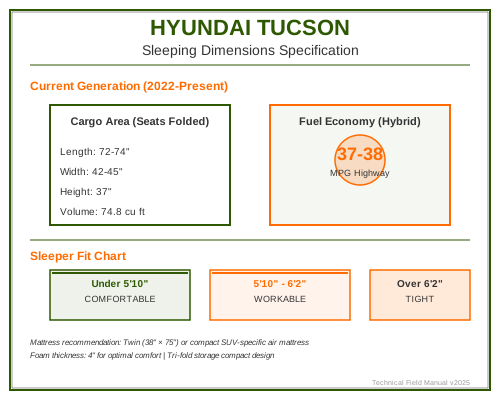
The Hyundai Tucson has grown into a compelling compact SUV option with good cargo space for its class. The latest generation offers modern styling, hybrid options, and enough cargo room for comfortable solo camping. With rear seats folded, the Tucson provides approximately 68-74" of sleeping length—competitive with the RAV4 and CR-V. The Tucson Hybrid and Plug-in Hybrid options add fuel efficiency for road trips. The bold styling and competitive pricing make the Tucson worth considering for campers who want good value. Experienced campers emphasize the importance of thorough pre-trip planning. Consider the vehicle's weight capacity, fuel range for your destination, and weather conditions for your trip duration. Comprehensive preparation transforms these vehicles from basic transportation into genuinely capable camping platforms. Professional camping guides and online communities offer valuable insights based on thousands of trips, helping new campers avoid common mistakes and optimize their specific configurations. Many campgrounds now offer level pads and pull-through sites specifically designed for vehicle camping, significantly improving comfort for extended stays. Advanced camping strategies for experienced adventurers include integrating solar charging systems for off-grid trips, installing auxiliary battery setups for extended camping without external power, and implementing sophisticated water management systems combining fresh water storage with greywater processing. Many campers invest in insulation upgrades including thermal window coverings (approximately 100-200 dollars per window) and reflective barriers reducing interior temperature fluctuations. Understanding weight distribution across the vehicle's suspension prevents premature tire wear and improves fuel economy during fully loaded camping trips. Pre-trip vehicle maintenance including oil changes, fluid level verification, tire pressure assessment, and battery condition checking ensures reliable performance in remote areas. Professional detailing after muddy camping trips extends vehicle longevity by removing corrosive materials from undercarriage areas. These sophisticated approaches transform basic vehicle camping into genuine expedition capability, enabling extended remote camping where self-sufficiency becomes essential. Professional vehicle camping represents a distinct skillset combining mechanical knowledge, emergency preparedness, and comfort optimization. Understanding your specific vehicle's capabilities enables confident off-grid camping in remote locations. Weight distribution across suspension components affects fuel economy, tire wear, and handling characteristics during mountain driving or technical off-road terrain. Proper cargo securing using roof racks, roof boxes, and cargo nets prevents shifting during rough roads and improves safety significantly. Extended camping trips require contingency planning for vehicle failures: carrying spare belts, hoses, diagnostic tools, and knowing basic repair procedures transforms potential disasters into manageable inconveniences. Communication devices including satellite messengers or personal locator beacons provide emergency connectivity in areas without cellular coverage. Vehicle camping represents genuine freedom: the ability to follow weather patterns, chase wildlife photography opportunities, or spontaneously extend trips when conditions align perfectly. This flexibility transforms traditional vacation patterns into authentic adventure. Experienced campers emphasize the value of overnight testing at home before extended remote camping, identifying equipment issues and optimization opportunities in low-risk environments. Pre-dawn departures on camping trips enable arriving at destinations during optimal daylight hours. Evening camp setup becomes significantly easier with remaining sunlight. Weather monitoring using reliable weather applications prevents arriving at destinations during storms. These seemingly minor planning details dramatically improve camping experience satisfaction and safety margins during extended adventures. The camping vehicle serves as your foundation for exploration: treat it with respect and maintenance diligence ensuring reliability when most critical. The Tucson's platform evolution reflects Hyundai's design philosophy. Newer generations offer improved cargo efficiency through refined interior packaging. Established Tucson communities provide extensive modification documentation. The Tucson's warranty coverage extends five years or sixty thousand miles, providing peace of mind during extended camping adventures. Hybrid models achieve superior fuel economy enabling extended road trips with reduced fuel consumption. All-wheel drive availability improves off-road access compared to front-drive models. Professional camping guides recommend beginning with established campgrounds before attempting remote locations. Comprehensive pre-trip preparation including fluid checks, tire pressure assessment, and battery verification ensures reliability. Weather monitoring prevents arrival during unfavorable conditions. Backup plans for primary camping destinations reduce risk of trip cancellation. The Tucson's touchscreen integration supports smartphone navigation during multi-day camping expeditions. Multiple USB ports enable charging multiple devices simultaneously for family camping. The Tucson's warranty reputation provides confidence for extended remote camping. Understanding payload limits ensures safe loading without suspension strain. Professional camping communities value the Tucson's reliability and efficiency for extended trips. The Tucson represents Hyundai's mainstream SUV strategy emphasizing reliability and value. Fuel efficiency enables extended road trips while managing costs effectively. Modern safety features including lane-keeping assistance reduce driver fatigue during long driving days. Understanding vehicle maintenance intervals ensures consistent performance throughout extended camping seasons. Professional service records demonstrate proper maintenance compliance satisfying resale value expectations. Weather monitoring before destination arrival prevents unfortunate storms. Backup camping locations reduce disappointment if primary locations prove inaccessible. Community knowledge sharing accelerates learning curves for new camping enthusiasts. Consulting established forums provides invaluable troubleshooting guidance when challenges emerge. Developing relationships with other Tucson campers creates ongoing support networks. Regular equipment maintenance ensures reliable performance throughout extended camping seasons. Pre-trip inspections identify worn components before failure becomes problematic. Battery load testing verifies starting capability for cold-weather camping. Tire pressure monitoring prevents uneven wear compromising safety. Understanding fluid levels including coolant, oil, transmission fluid, and brake fluid prevents operational failures. Professional service technicians identify developing issues during routine maintenance. Establishing service records demonstrates proper maintenance supporting resale values. Consulting with experienced mechanics provides technical guidance for repair decisions. Building knowledge about common failure patterns enables proactive prevention. Documenting all service activities maintains comprehensive vehicle history records. Professional expedition companies increasingly feature Tucson platforms for group camping adventures due to reliability and efficiency. Understanding payload limits ensures safe loading without exceeding suspension capacity. Research-based tire selection improves traction in varied terrain conditions. Documentation of service records demonstrates consistent maintenance throughout vehicle lifespan.What You'll Learn
Tucson Dimensions
Current Generation (2022-Present)
Cargo with seats folded:Previous Generation (2016-2021)
Who Fits
Sleeping Setup
Basic Configuration
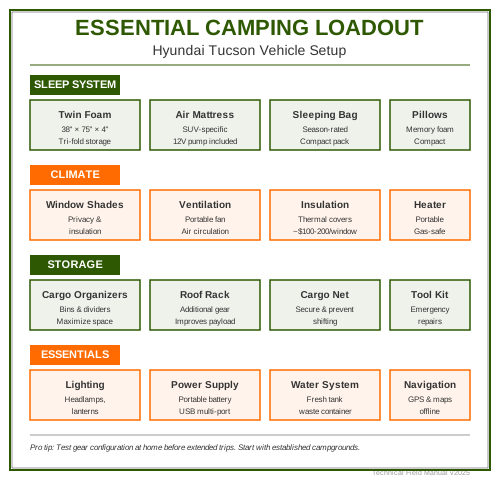
1. Fold rear seats flat 2. Fill gap between seats and cargo floor 3. Add mattress (twin or compact SUV specific) 4. Window covers for privacyBest Mattresses
Air mattress:Tucson Hybrid Considerations
The Hybrid offers 37-38 mpg—excellent for road trips. Cargo space is nearly identical to the standard Tucson. The Plug-in Hybrid has slightly reduced cargo due to battery placement. Experienced campers emphasize the importance of thorough pre-trip planning. Consider the vehicle's weight capacity, fuel range for your destination, and weather conditions for your trip duration. Comprehensive preparation transforms these vehicles from basic transportation into genuinely capable camping platforms. Professional camping guides and online communities offer valuable insights based on thousands of trips, helping new campers avoid common mistakes and optimize their specific configurations. Many campgrounds now offer level pads and pull-through sites specifically designed for vehicle camping, significantly improving comfort for extended stays.FAQ
Can you sleep in a Hyundai Tucson?
Yes—the current Tucson offers 72-74" sleeping length with seats folded, competitive with RAV4 and CR-V. Solo campers and shorter couples can sleep comfortably.
What size mattress fits in a Tucson?
Twin size fits well. Full size is possible in the current generation with width management. Compact SUV-specific air mattresses work best.
Is the Tucson Hybrid good for camping?
Excellent—37-38 mpg makes road trips affordable. Cargo space is nearly identical to the standard model. Great value for camping road trips.
Tucson vs RAV4 for camping?
Very similar dimensions and capability. RAV4 has stronger reputation for reliability and resale. Tucson offers competitive pricing and good warranty. Both work well for compact SUV camping.
Can two people sleep in a Tucson?
Tight but possible in the current generation with 42-45" width. Better suited for solo camping or occasional cozy couple's camping. Experienced campers emphasize the importance of thorough pre-trip planning. Consider the vehicle's weight capacity, fuel range for your destination, and weather conditions for your trip duration. Comprehensive preparation transforms these vehicles from basic transportation into genuinely capable camping platforms. Professional camping guides and online communities offer valuable insights based on thousands of trips, helping new campers avoid common mistakes and optimize their specific configurations. Many campgrounds now offer level pads and pull-through sites specifically designed for vehicle camping, significantly improving comfort for extended stays.