
Is It Legal for Dogs to Ride in Truck Beds (2026 Complete Guide)
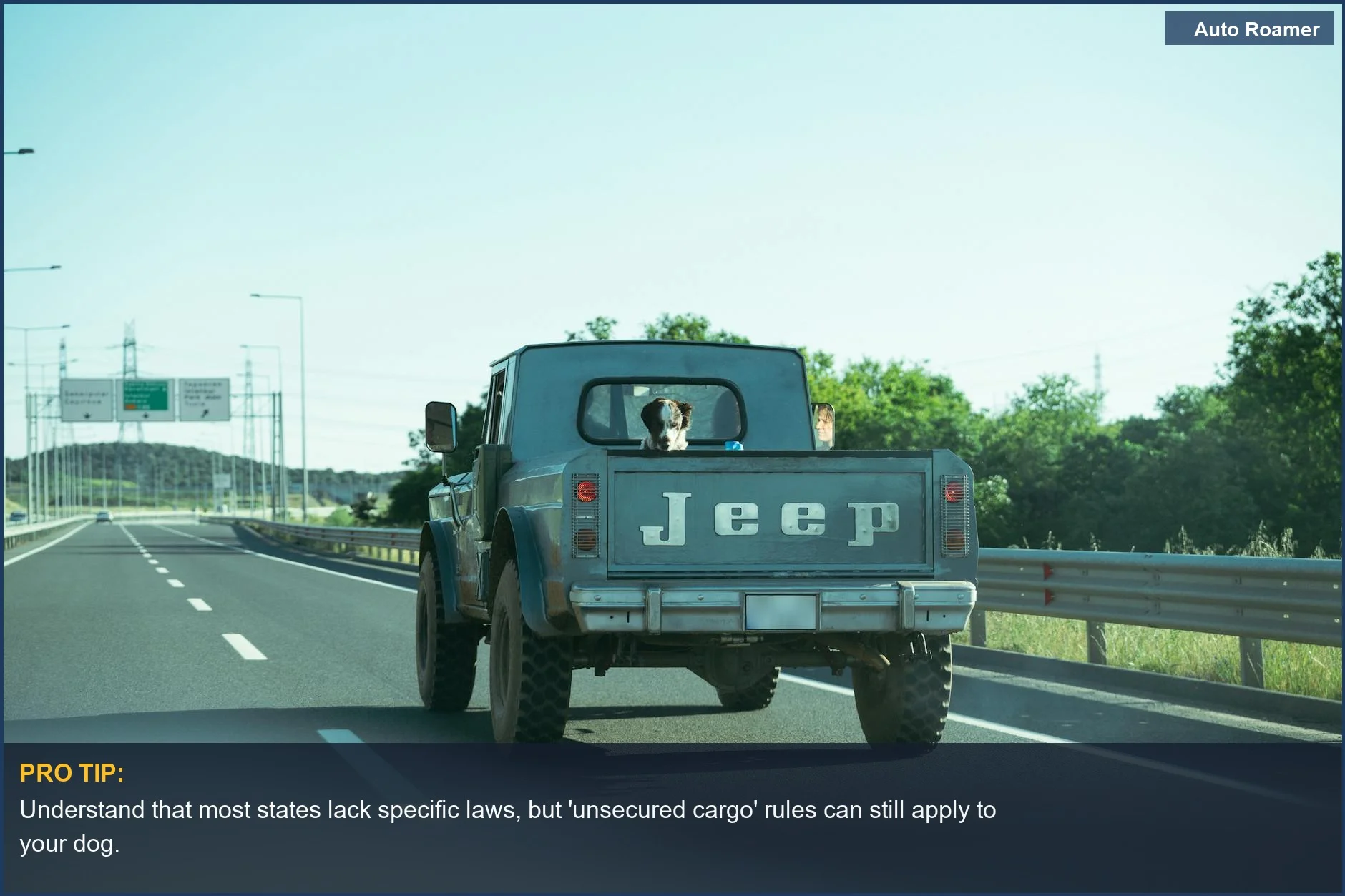
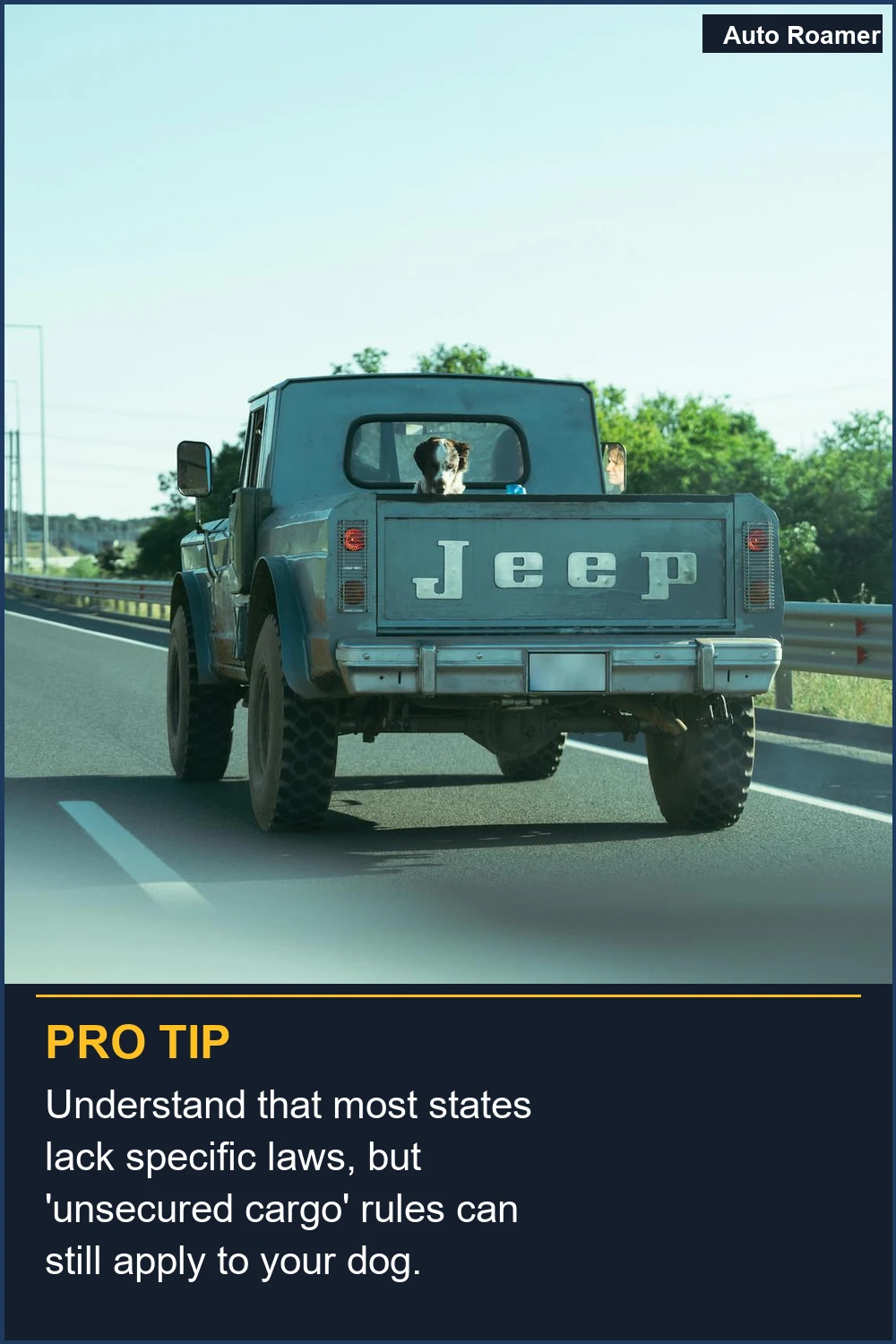
You see it all the time: some idiot with Fido standing in the bed of his beat-up F-150, tongue flapping in the 60 MPH wind. I've seen enough road rash and broken bones from unsecured loads to know that a dog is just another projectile at highway speeds.
You see it all the time: some idiot with Fido standing in the bed of his beat-up F-150, tongue flapping in the 60 MPH wind. I've seen enough road rash and broken bones from unsecured loads to know that a dog is just another projectile at highway speeds. The legal landscape for dogs in truck beds is a mess of vague statutes and local ordinances, but the physics of it is crystal clear.
If it's not tied down, it's a hazard.
The short answer is, it's complicated, and getting more restricted every year. Many states now have specific laws prohibiting unrestrained dogs in truck beds, and for good reason. Just look at Utah's proposed bill to ban dogs in beds over 40 MPH. That's not some PETA-driven agenda; that's recognizing the kinetic energy involved.
My shop's seen trucks come in with bent tailgates from dogs trying to bail, or worse, impact damage.
A 70-pound Labrador, unsecured, becomes a 2,800-pound impact force in a 40 MPH head-on collision. That's assuming it stays in the bed. If it goes over, it's a 70-pound mass bouncing down the highway at 60 MPH. Think about the shear forces on an animal's neck if it's tethered improperly.
The legal framework largely boils down to public safety and animal welfare. If your dog isn't secured, it's a risk to itself, other passengers, and every other driver on the road.
The general rule of thumb is that if you're on a public road, an unrestrained dog in a truck bed is a problem waiting to happen. Auto Roamer points out this isn't just a minor infraction; it's a serious safety issue. Even a short trip down a private driveway could become a legal headache if something goes wrong. Don't be that guy.
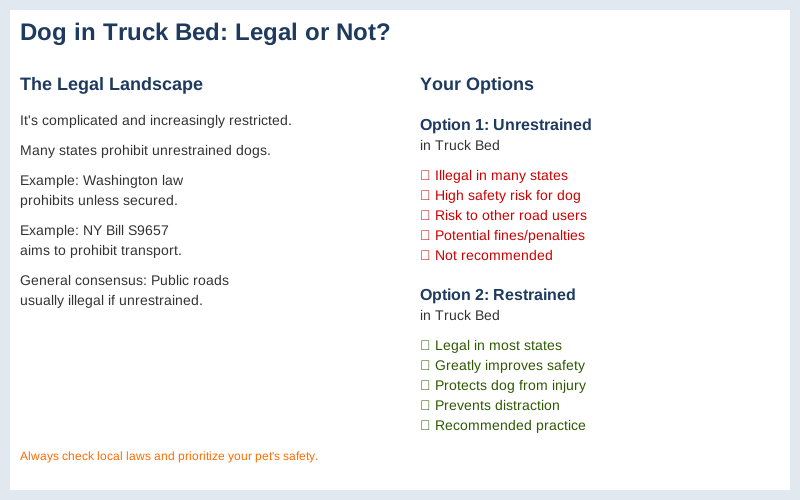
Some places, like Washington, explicitly state that transporting unrestrained dogs in truck beds is prohibited unless properly secured.
Other states like Massachusetts require enclosures or specific tethering, with fines starting at $50. Massachusetts General Laws, Chapter 90, Section 22H lays it out: no animal in the back of a vehicle unless enclosed or protected. This isn't rocket science; it's basic cargo retention. If your dog isn't secured, it's just another piece of unsecured cargo, only with a pulse.
Understanding Is It Legal For Dogs To Ride In Truck Beds (2026 Complete Guide)
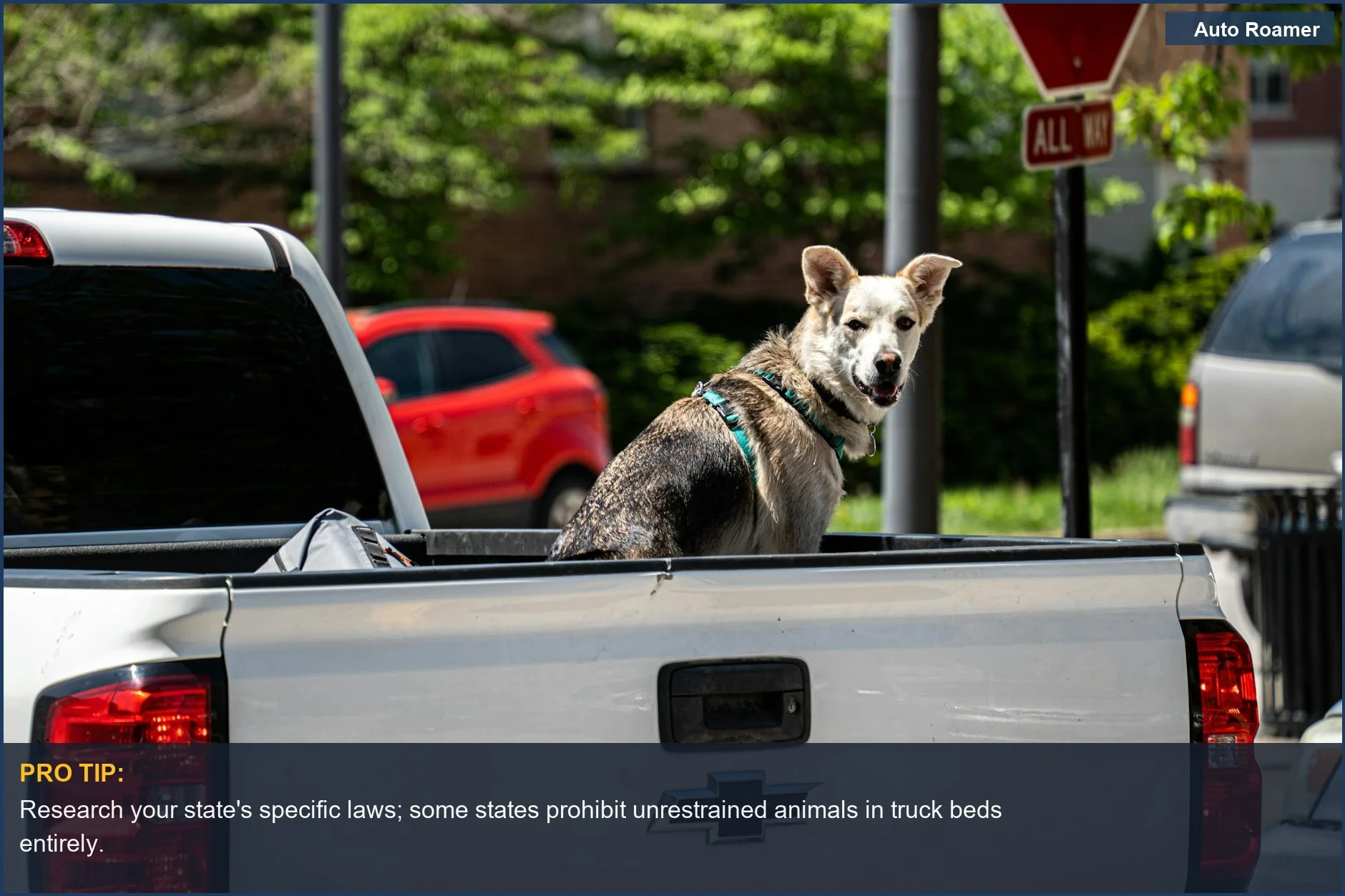
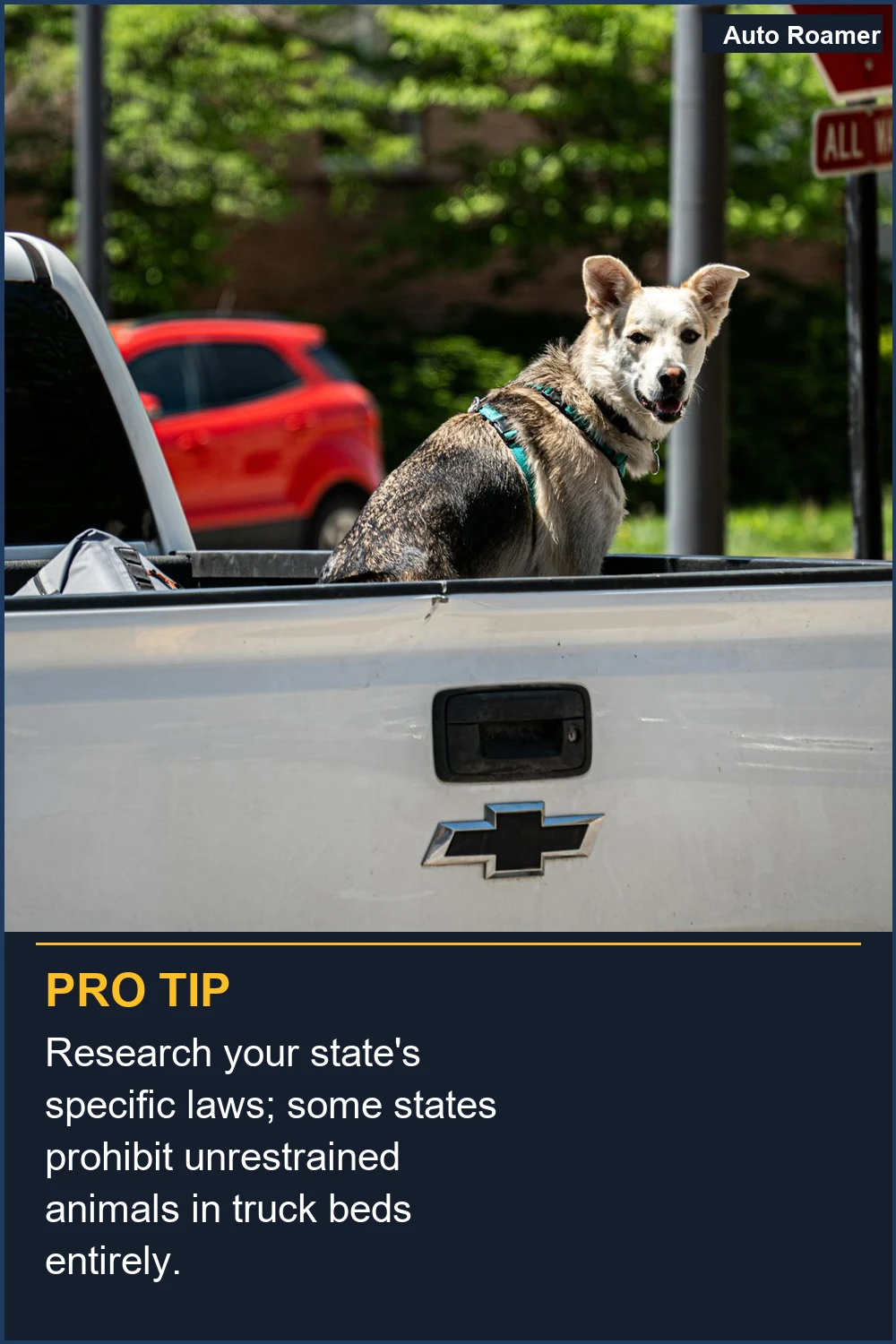
Understanding if it's legal for dogs to ride in truck beds means wading through a patchwork of state and local laws. Most states don't have a blanket ban, but they often have clauses about 'unsecured cargo' or 'preventing projection from the vehicle.' This means even if there isn't a specific 'no dogs in beds' law, you can still get a ticket. It's a legal minefield, and the consequences of getting it wrong are far worse than a fine.Only a handful of states, like California, Connecticut, Maine, Massachusetts, New Hampshire, and Rhode Island, have explicit laws prohibiting dogs from riding unrestrained in open truck beds. Animal Law Info breaks down these state-specific statutes. For instance, Connecticut demands the dog be secured in a cage or container, or 'otherwise protected' to prevent it from being thrown or falling.
New Hampshire even specifies the vehicle's side height must be at least 46 inches vertically, along with other restraints. This isn't just some arbitrary number; it's about minimizing the dog's center of gravity relative to the bed walls, reducing the chance of ejection during a sudden maneuver or impact. A lower side wall means less mechanical advantage against lateral forces.
Even in states without explicit bans, local ordinances can still nail you. Fort Worth, Texas, for example, makes it illegal to drive with a dog in the bed unless it's properly secured. AOL's legal overview confirms this. This means you could be legal on the highway, then illegal two blocks into town. Brilliant.
The core issue is mechanical stress. A dog standing freely in a truck bed experiences significant G-forces during acceleration, braking, and cornering. A sudden stop from 60 MPH generates forces that can throw an animal over the side or against the cab, causing severe blunt force trauma. This isn't 'roughing it'; it's negligence.
Some laws exclude farmers transporting working dogs or hunters moving between sites. This is a pragmatic exception for specific use cases, but it's not a loophole for your poodle. The intent is clear: general public road use requires restraint. Don't try to argue your chihuahua is a 'working dog.' Nobody's buying it.
Is It Legal For Dogs To Ride In Truck Beds (2026 Complete Guide) in Detail
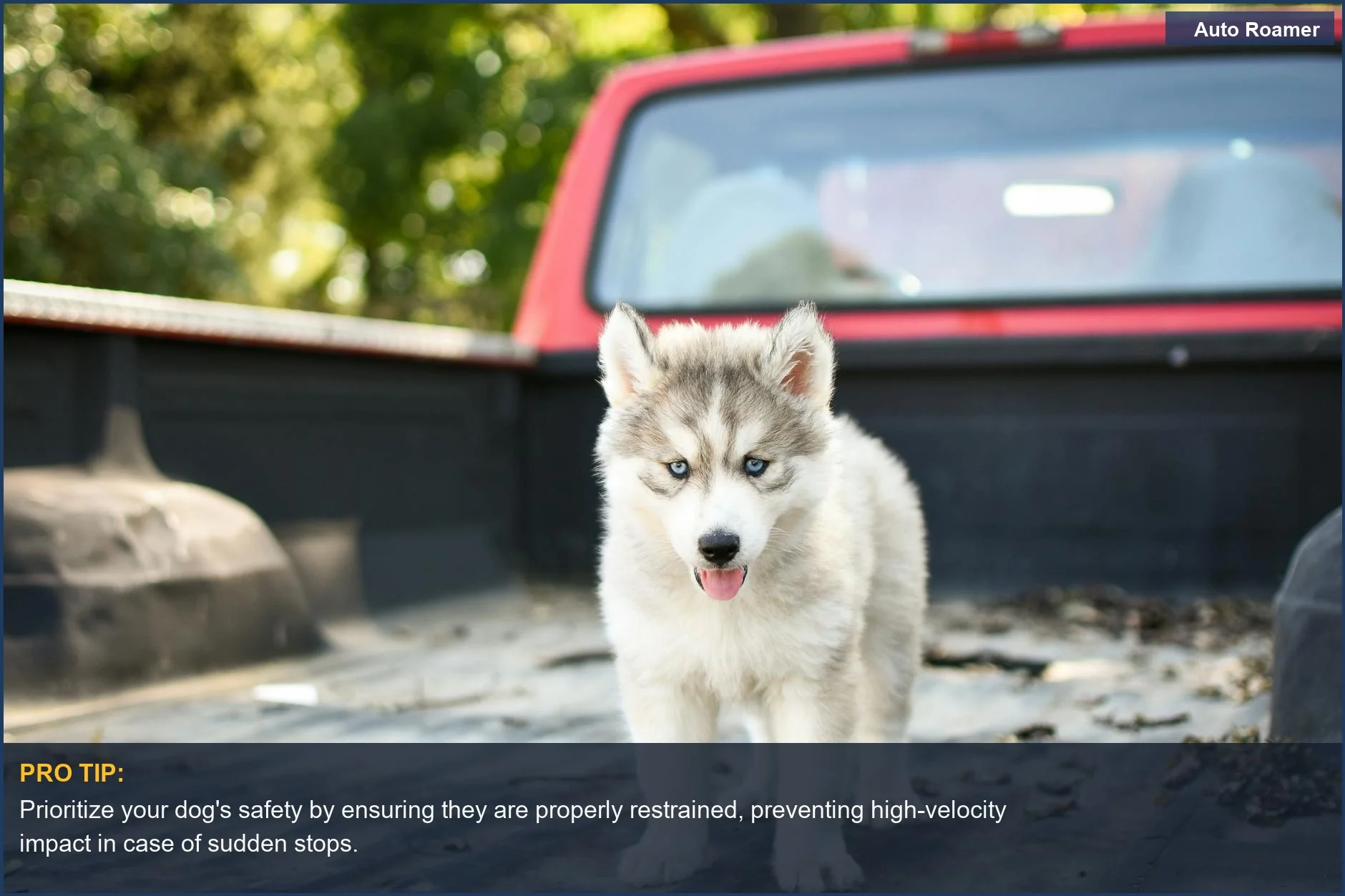
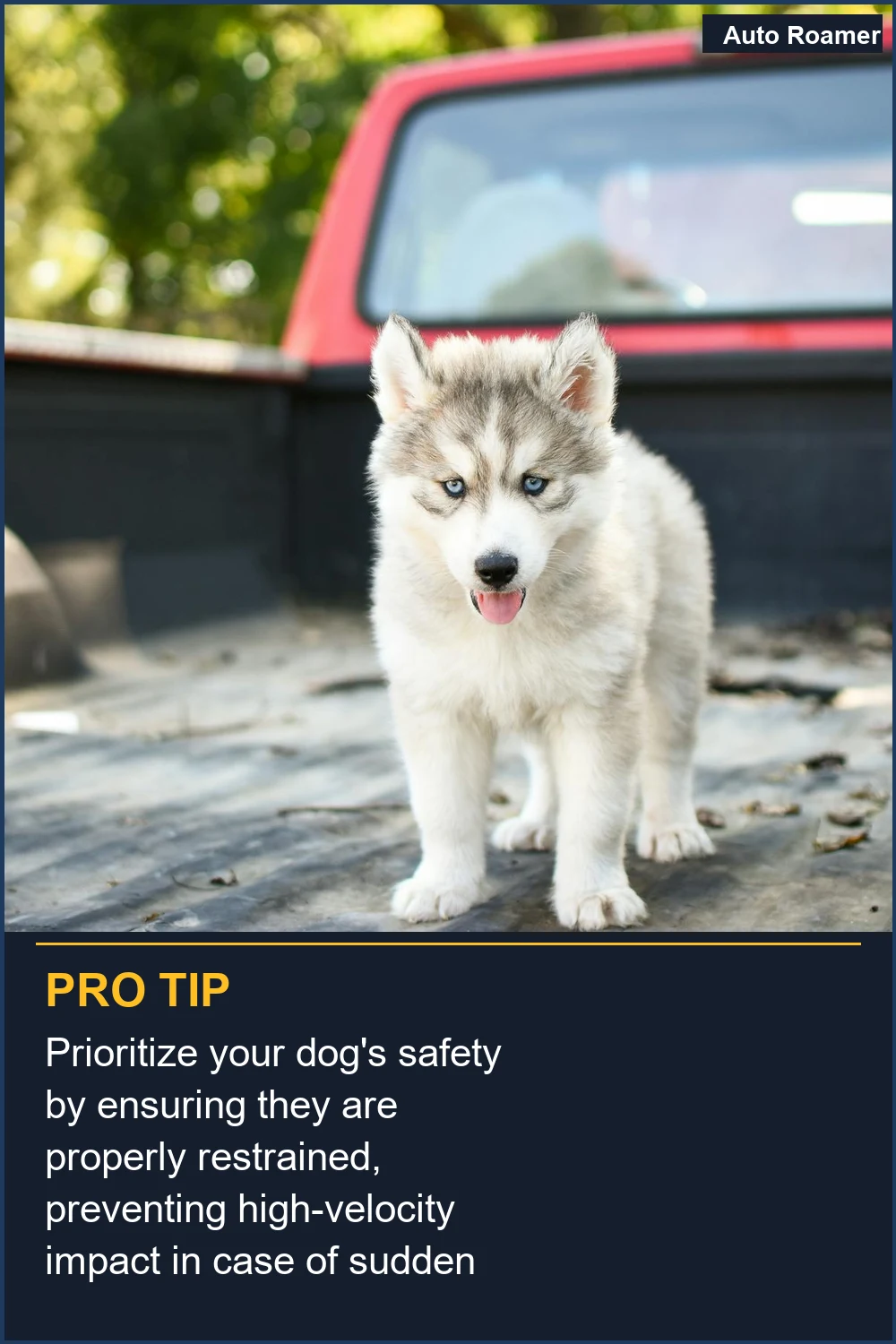
Navigating the legality of dogs in truck beds means understanding restraint and containment. It's not just about avoiding a ticket; it's about preventing a high-velocity impact. Most laws, even vague ones about 'unsecured cargo,' are designed to prevent objects from becoming projectiles. Your dog, however fluffy, is still an object in motion.The primary failure mode for an unrestrained dog in a truck bed is ejection. At 50 MPH, a 50-pound dog has 6,750 foot-pounds of kinetic energy. If it hits the pavement, that energy is dissipated through blunt force trauma. If it hits another vehicle, that's another accident you caused. TDI's guide emphasizes this safety concern.
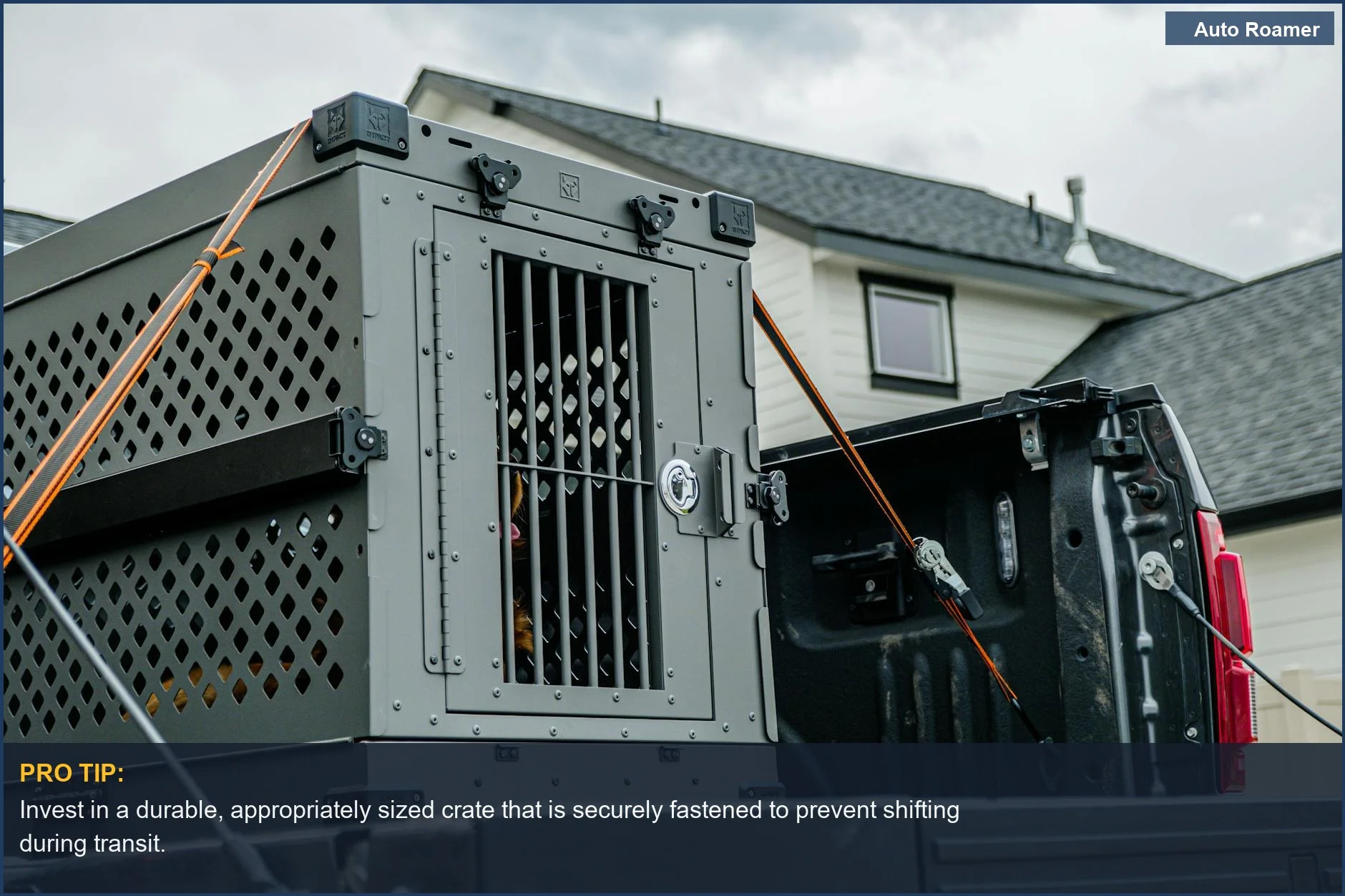
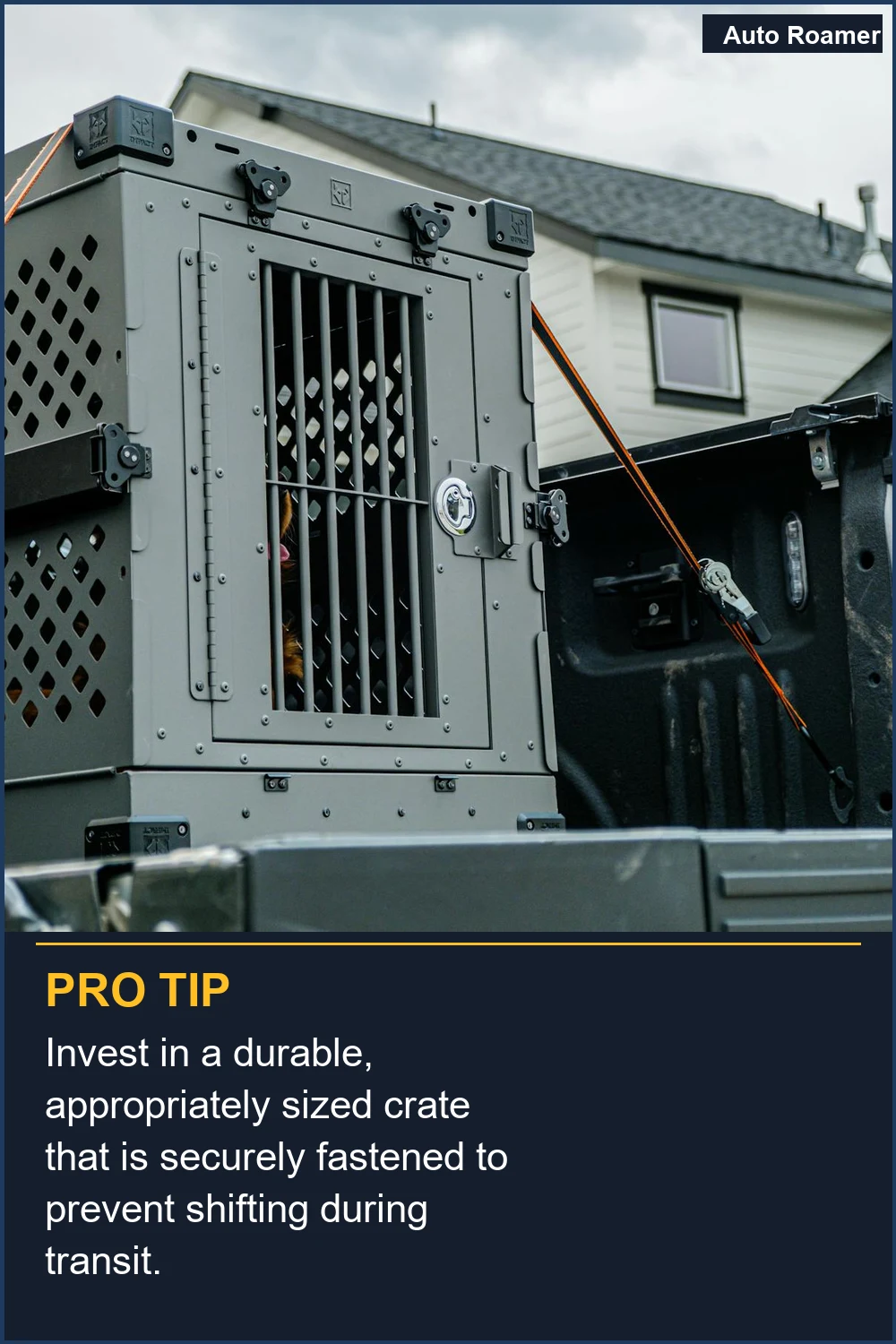
1. Enclosed Space or Crate: The gold standard. A secured, impact-resistant crate or kennel provides a rigid containment system. This protects the animal from ejection and distributes impact forces more effectively than a tether. Ensure the crate itself is strapped down to the truck bed tie-downs with ratchet straps, rated for at least 500 lbs working load each. Don't use flimsy bungee cords; they stretch and allow the crate to move, leading to abrasion and eventual failure.
2. Cross-Tethering: If an enclosure isn't feasible, a cross-tether system is the next best option. This involves two short tethers, each attached to a separate, sturdy anchor point on opposite sides of the truck bed. The tethers should be short enough to prevent the dog from reaching the sides or rear of the truck, eliminating the risk of jumping or falling out. Think 12-18 inches of slack, max. Facebook groups discussing safety often highlight the importance of short, secure tethers.
3. Bed Walls and Racks: Some states, like Massachusetts, allow transport if the bed has side and tail racks extending at least 46 inches vertically from the floor. This provides a physical barrier, increasing the escape energy required. However, it doesn't prevent internal impacts during sudden braking or cornering. The dog can still be thrown around inside the bed like a pinball.
4. Canopy or Topper: A truck canopy or shell effectively turns the bed into an enclosed space. This is a good option for weather protection and containment. However, ensure proper ventilation to prevent heat stroke, especially in direct sunlight. The thermal load inside a closed canopy can increase 20 degrees F in 10 minutes on a 90 degree F day. Measure the internal temperature; don't guess.
Common Questions About Is It Legal For Dogs To Ride In Truck Beds (2026 Complete Guide)
People ask some dumb questions about this, usually trying to find a loophole for their 'special' situation. Let's get real about the physics and the law.Q: Can I just put a blanket down and my dog will be fine?
A: No. A blanket provides zero mechanical restraint against lateral or longitudinal forces. It's a comfort item, not a safety device. At 30 MPH, a sudden brake application can generate 0.8 Gs of deceleration. Your dog will slide, impact the cab, or go over the side. The coefficient of friction of dog paws on painted steel is not high enough to resist that.
Q: What if I only drive on back roads at 25 MPH?
A: The risk is lower, but not zero. A 25 MPH impact is still significant. A sudden turn to avoid a deer, or a minor fender-bender, can still launch your dog. The laws typically don't differentiate between 'back roads' and 'highways' when it comes to unsecured cargo. Facebook discussions on safe transport stress that any speed carries risk.
Q: Is a short chain better than a leash?
A: A chain provides a higher tensile strength than most fabric leashes, but the material isn't the primary concern. The attachment point and the length are. A chain that allows the dog to go over the side will result in a severe neck injury due to the high-G impact when the chain reaches its full extension. You're trading ejection for strangulation. Brilliant engineering.
Q: My dog loves riding in the back, tail wagging. Isn't that enough?
A: Your dog's 'happiness' doesn't alter the laws of physics. They also love eating garbage out of the trash, but you don't let them do that. The tactile sensation of wind in their face isn't worth the risk of a 60 MPH impact. Tacoma World forum users often bring up the 'happiness' argument, completely ignoring the danger.
Tips and Best Practices
If you absolutely must transport your dog in the truck bed - and I'd argue the cab is always safer - you need to engineer the solution, not just hope for the best. This isn't about 'convenience'; it's about mitigating failure modes.1. Invest in a Quality Crate: Don't cheap out. Look for a crash-tested kennel, not a flimsy wire cage. These are designed to absorb and distribute impact energy. Secure it directly to the truck bed's anchor points using heavy-duty ratchet straps. Four straps, one for each corner, is minimum. Each strap should have a working load limit of at least 300 lbs. This prevents the crate from shifting or becoming a secondary projectile.
2. Proper Tethering Material: If you're tethering, use a coated steel cable or a high-strength nylon strap, not a standard leash. The tensile strength of a cheap leash is often under 200 lbs, easily snapped by the dynamic load of a panic stop. Attach it to a harness, not a collar, to distribute forces across the dog's chest and prevent tracheal collapse or cervical spine injury. The collar is a choke point; the harness is a load-bearing surface.
3. Dual Anchor Points: Always use two independent anchor points on the truck bed, separated by at least 18 inches. This creates redundancy and prevents rotational movement. If one anchor point or tether fails, the other provides backup. This is basic mechanical engineering: parallel systems increase overall reliability. Quora discussions often overlook this critical detail.
4. Shade and Ventilation: The thermal load in a truck bed can be extreme. Direct sunlight on a dark bed liner can reach 150 degrees F, even on a mild day. This heat radiates, causing thermal stress on your dog. Provide shade, either with a canopy or a well-ventilated cover. Ensure airflow to prevent heat stroke, which can occur rapidly. Monitor ambient temperature; if it's over 80 degrees F, you're taking a serious risk. Other Quora posts stress the danger of heat and lack of airflow.
5. Regular Checks: Before every trip, check your tethers, straps, and crate for wear, abrasion, or loose connections. Thermal cycling and vibration can cause fasteners to loosen and materials to degrade over time. A quick tug test on all connections takes 5 seconds. Don't assume your last setup is still good.
Real-World Examples
I've seen enough real-world examples to know that 'common sense' often takes a backseat to convenience. The consequences, however, are dictated by physics, not good intentions.Example 1: The 'Just a Short Trip' Fail. A guy I know was moving a 60-pound Boxer 3 miles down the road. Unrestrained in the bed. Hit a pothole at 35 MPH. The dog bounced, then attempted to jump out over the side rack, which was only 18 inches high. It landed on the pavement, sustaining a fractured femur and severe abrasions. The vet bill was $3,500. The ticket for unsecured cargo was $150. All for a 5-minute drive. This YouTube video on Texas law highlights the consequences of such incidents.
Example 2: The 'Tethered to a Collar' Disaster. A forum post I saw described a Golden Retriever tethered by its collar to a single point in the center of the bed. Driver had to brake hard for an unexpected stop. The dog was thrown forward, the tether went taut, and the collar acted like a noose. Severe tracheal damage, collapsed larynx. The dog barely survived, but now has permanent respiratory issues. The tensile force on the neck was concentrated to a small area, causing permanent deformation of cartilage.
Example 3: The 'Flimsy Crate' Fiasco. A cheap, plastic travel crate, not secured, was placed in a truck bed with a small Terrier inside. Driver took a corner too fast. The crate slid, hit the side of the bed, and fractured. The dog escaped the broken crate, jumped out, and was hit by another vehicle. The crate offered minimal impact resistance and zero anchor points. It was basically a thin plastic box, not a safety device. This is why material properties matter.
Example 4: The 'Canopy, No Ventilation' Nightmare. I heard about a German Shepherd transported under a closed fiberglass canopy on a 95 degrees F day. Owner thought the canopy was enough. After a 45-minute drive, the dog was in severe heatstroke, core body temperature estimated at 108 degrees F. The thermal load inside the unventilated canopy was immense, and the dog couldn't dissipate heat. Cost: $4,000 in emergency vet care. Heat transfer is a bitch.
Key Takeaways
Transporting a dog in a truck bed is a gamble, and the odds are stacked against you and your animal. The laws are tightening, and the physics of high-speed travel are unforgiving. Don't be the idiot who learns this the hard way.- Risk vs. Reward: The 'convenience' of an open bed ride pales in comparison to the potential for severe injury or death, both for your dog and other road users.
- Legal Minefield: Even if your state doesn't have a specific ban, 'unsecured cargo' laws or local ordinances can still lead to fines starting at $50, plus potential animal cruelty charges. Massachusetts fines are a good example.
- Physics is Unbiased: Kinetic energy, blunt force trauma, shear forces - these don't care how much you 'love' your dog. They just happen.
- Prioritize Containment: A secured, crash-tested crate is the safest option. It distributes impact forces and prevents ejection.
- Tether with Caution: If tethering, use a harness, dual anchor points, and short, high-tensile strength tethers to prevent ejection or strangulation.
- Thermal Management: Always ensure adequate ventilation and shade to prevent heat stroke, especially under canopies. Monitor the thermal load.
The safest place for your dog is always inside the cab, secured in a crash-tested harness or crate. If you can't do that, rethink your priorities.
Frequently Asked Questions
What's the cost difference between a proper truck bed dog crate and a cheap one from a big box store, or letting a dealer install something?
Do I really need to measure the tether length, or can I just eyeball it?
What if I use a secured crate, but my dog still seems stressed after a long drive?
Can letting my dog ride unrestrained in the truck bed cause permanent damage to the truck itself?
I heard that dogs riding in truck beds are safer because they can 'brace' themselves. Is that true?
🏅 Looking for Gear Recommendations?
Check out our tested gear guides for products that work with this setup:
Sources
- Is It Legal For Dogs To Ride In Truck Beds (2026 Complete Guide)
- Is it legal for dogs to ride in the open bed of pickup trucks in Texas ...
- Safe Transportation of Dogs in Pickup Trucks - Facebook
- Do you think that it is ever safe to transport dogs in the beds ... - Quora
- Section 22H - Chapter 90 - Massachusetts Legislature
- Dogs in Trucks: A Guide to Keeping Your Pet Safe - TDI
- Dog Riding in Back of Truck Law Texas | 2026 Guide! - YouTube
- Is it illegal to let your dog ride in the back of an open truck bed on a ...
- FAQ: Dogs Transported in Pickup Truck Beds
- Transporting dogs in truck beds would be illegal if this Utah bill passes
- Should laws mandate securing dogs in open truck beds? - Facebook
- Dog in Truck bed legal? | Tacoma World