
How To Travel Long Distance With A Dog In Car (2026 Complete Guide)
Traveling long distance with a dog in the car requires planning. Ensure your pet has a comfortable space, water, and frequent breaks every 2-3 hours. Use a pet seatbelt or crate for safety; this can reduce distractions. Prepare for emergencies by packing a pet first aid kit and ensuring your dog is up to date on vaccinations.
Traveling long distances with a dog in the car can be a rewarding experience, but it often raises a slew of questions. How do we ensure our furry companions are comfortable and safe during long hours on the road? What preparations should we undertake to prevent anxiety or motion sickness? And most importantly, how can we make the journey enjoyable for both us and our dogs? This guide will address these concerns head-on, providing you with practical tips and step-by-step preparations that will make your road trip smoother and more enjoyable.
First and foremost, planning is essential. Before we even set foot in the car, we recommend getting our dogs accustomed to car rides through shorter trips, which can help alleviate anxiety for longer journeys ahead. This gradual exposure allows our pets to associate the car with positive experiences rather than stressful ones. Additionally, we will cover how to create a comfortable travel environment, such as using a designated pet seat or harness to keep them secure (remember, a pet seat belt can cost around $20 to $50, depending on the model) and prevent distractions while driving Animal Humane Society.
This preparation matters because a stressed dog can lead to a stressful driving experience. Research shows that many dogs experience anxiety during car rides, which can lead to excessive barking or even motion sickness. By understanding how to travel long distance with a dog in the car, we can minimize these issues and ensure that our pets remain calm and comfortable. Not only does this make the journey more pleasant for them, but it also allows us to focus on the road and enjoy the scenery without constant distractions.
We will also delve into essentials like packing a pet first aid kit, having plenty of water and snacks, and planning for regular breaks. Stopping every two to three hours not only allows our dogs to stretch their legs but also gives us a chance to reassess their comfort levels Chewy. This guide aims to equip you with all the knowledge you need to embark on your next long-distance adventure with your four-legged friend, making it a journey filled with joy and minimal stress.

The Short Answer: How To Travel Long Distance With A Dog In Car
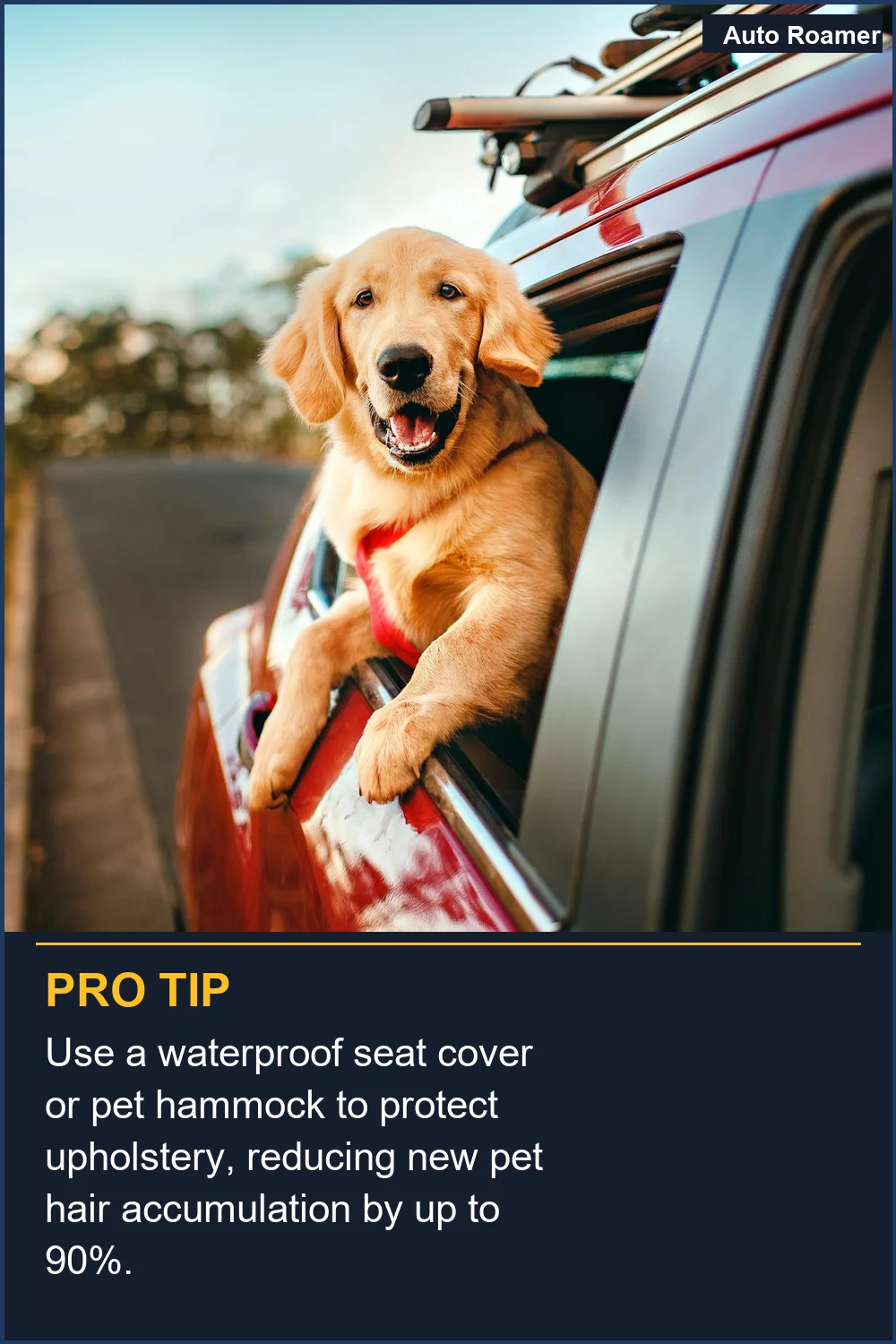
Traveling long distance with a dog in the car requires careful planning and preparation to ensure a smooth and safe journey for both you and your furry companion. First and foremost, we recommend keeping your dog securely restrained in the vehicle-this can be achieved through a dog-specific seatbelt, a travel crate, or a booster seat. This not only protects your pet in case of an accident but also minimizes distractions while driving. For instance, a well-reviewed travel harness like the Sleepypod Clickit or a sturdy crate can be a reliable choice to keep your dog safe and comfortable during the ride. Before embarking on your journey, it's essential to acclimate your dog to the car. If your dog is not used to long drives, we suggest taking them on shorter trips leading up to your departure. This helps them associate car rides with positive experiences. During these practice sessions, observe how they react to the movement and noise, and make adjustments as necessary. When planning your route, we recommend scheduling regular breaks every two to three hours. These stops are crucial for allowing your dog to stretch, relieve themselves, and hydrate. Look for dog-friendly rest areas where they can safely explore. Always carry a portable water bowl and their favorite snacks to keep them energized and comfortable throughout the journey. Brands like Outward Hound offer collapsible bowls that are perfect for travel. Additionally, having a first aid kit for your dog is an absolute must. This kit should include essentials like bandages, antiseptic wipes, and any medications your dog may need. You can find ready-made kits specifically designed for pets, such as the Pet First Aid Kit from Adventure Medical Kits, which typically retails for around $20. Lastly, ensure your dog is microchipped or wearing a collar with an ID tag. In the event of an emergency or if they manage to escape, having identification can be a lifesaver. Always keep a leash handy for quick access, as well as a spare collar in your glove box for emergencies Source. In summary, traveling long distance with a dog in the car can be a rewarding experience if we take the necessary precautions and plan ahead. By employing safety measures, maintaining a consistent routine, and ensuring comfort, both you and your dog can enjoy the journey together.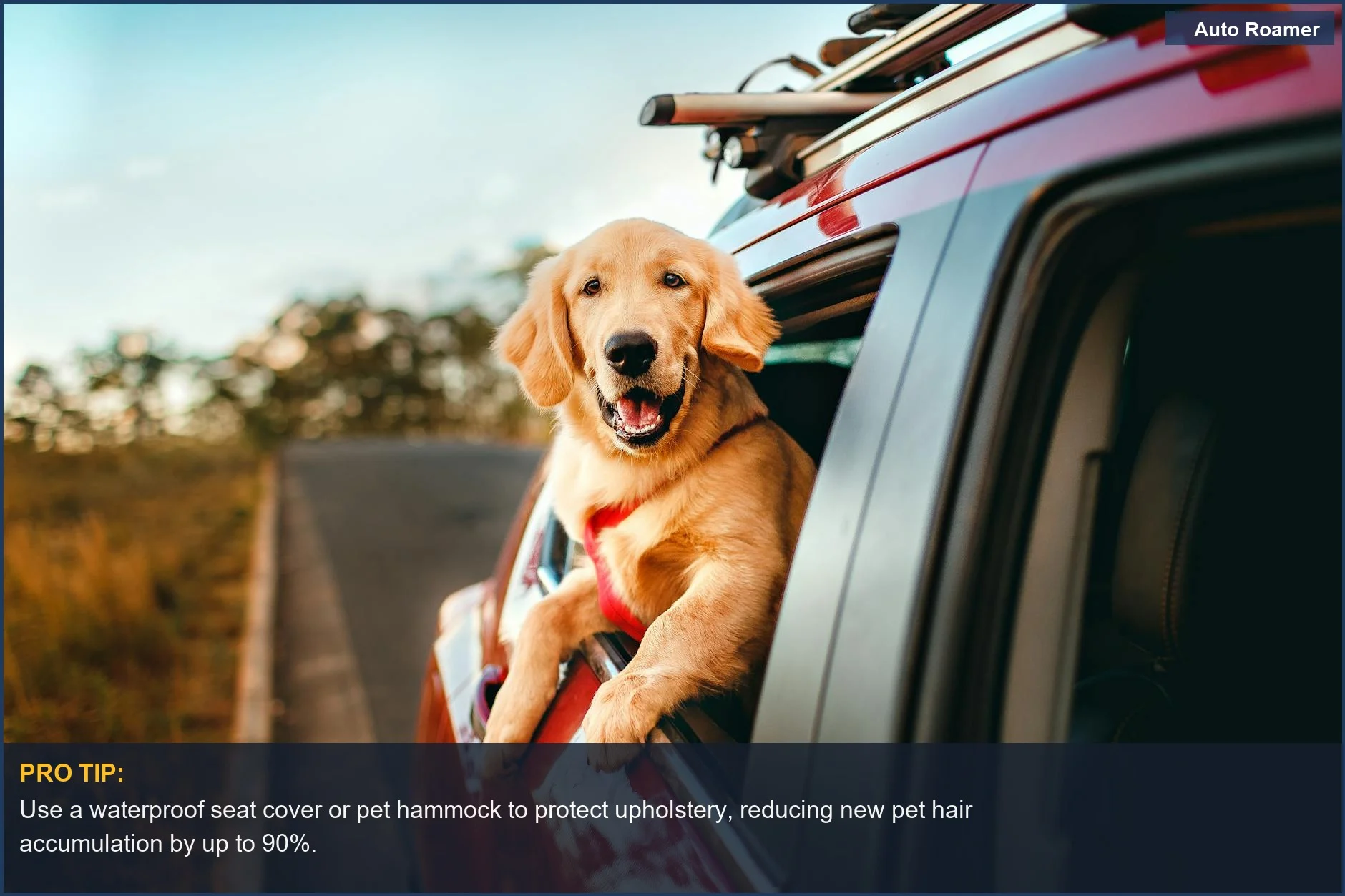
What You Need to Know
Traveling long distances with a dog in the car requires careful planning and consideration to ensure a safe and enjoyable experience for both you and your furry companion. Here's a detailed breakdown of what you need to know, situation by situation. Preparation is Key Before we hit the road, we recommend preparing our dog for the journey ahead. Some dogs might find car rides thrilling, while others may experience anxiety or motion sickness. To ease these potential issues, we suggest gradually acclimating your dog to car rides. Start with short trips around the neighborhood and slowly increase the duration. This helps build their confidence and familiarity with the vehicle. We found that creating positive associations with the car, such as rewarding them with treats or playtime after a ride, can significantly help mitigate anxiety. Safety Equipment Investing in proper safety equipment is non-negotiable. We recommend using a travel crate or a safety harness designed for dogs to secure them in the back seat. Not only does this keep your dog safe in case of sudden stops or accidents, but it also minimizes distractions while driving. A good pet seat belt, like the Kurgo Tru-Fit Enhanced Strength Dog Harness, costs around $60 and has been crash-tested for safety Source. Additionally, a first aid kit specifically for pets is essential. This should include basic supplies like bandages, antiseptic wipes, and any medications your dog may need. Having these items readily available can give you peace of mind during the journey. Hydration and Nutrition Maintaining your dog's hydration and nutrition during a long trip is vital. We recommend packing portable water and food bowls, along with sufficient food for the entire journey. Brands like Outward Hound offer collapsible bowls that are perfect for travel, typically priced around $10. Plan to make stops every two to three hours to let your dog stretch, relieve themselves, and drink water Source. Bathroom Breaks and Exercise When we take breaks, we aim to find quiet, safe areas away from busy traffic to let our dogs relieve themselves. It's not just about bathroom breaks; these stops are opportunities for exercise, which can help reduce restlessness. A short walk or play session can also help calm anxious dogs. If possible, we recommend walking them on a leash, allowing them to explore their surroundings safely. Managing Anxiety In some cases, dogs may experience anxiety during long trips. If we notice signs of distress, such as panting or whining, we may consider using calming aids. Products like calming collars or anxiety wraps can help soothe nervous pets, typically ranging from $20 to $50. Consulting with a veterinarian before the trip for additional recommendations is also advisable. Special Considerations Some dogs have specific needs that must be accommodated. For instance, if your dog has mobility issues, ensure you have a ramp or assistance device for getting in and out of the car. Also, consider your dog's age and health. Puppies and senior dogs may require more frequent stops and special care during the trip. For older dogs, bringing along a comfortable blanket can help them feel secure and cozy in the vehicle. In conclusion, understanding how to travel long distance with a dog in a car involves a blend of preparation, safety measures, and attentiveness to your dog's needs. By following these guidelines, we can create a comfortable and secure environment for our dogs, helping them to enjoy the journey just as much as we do.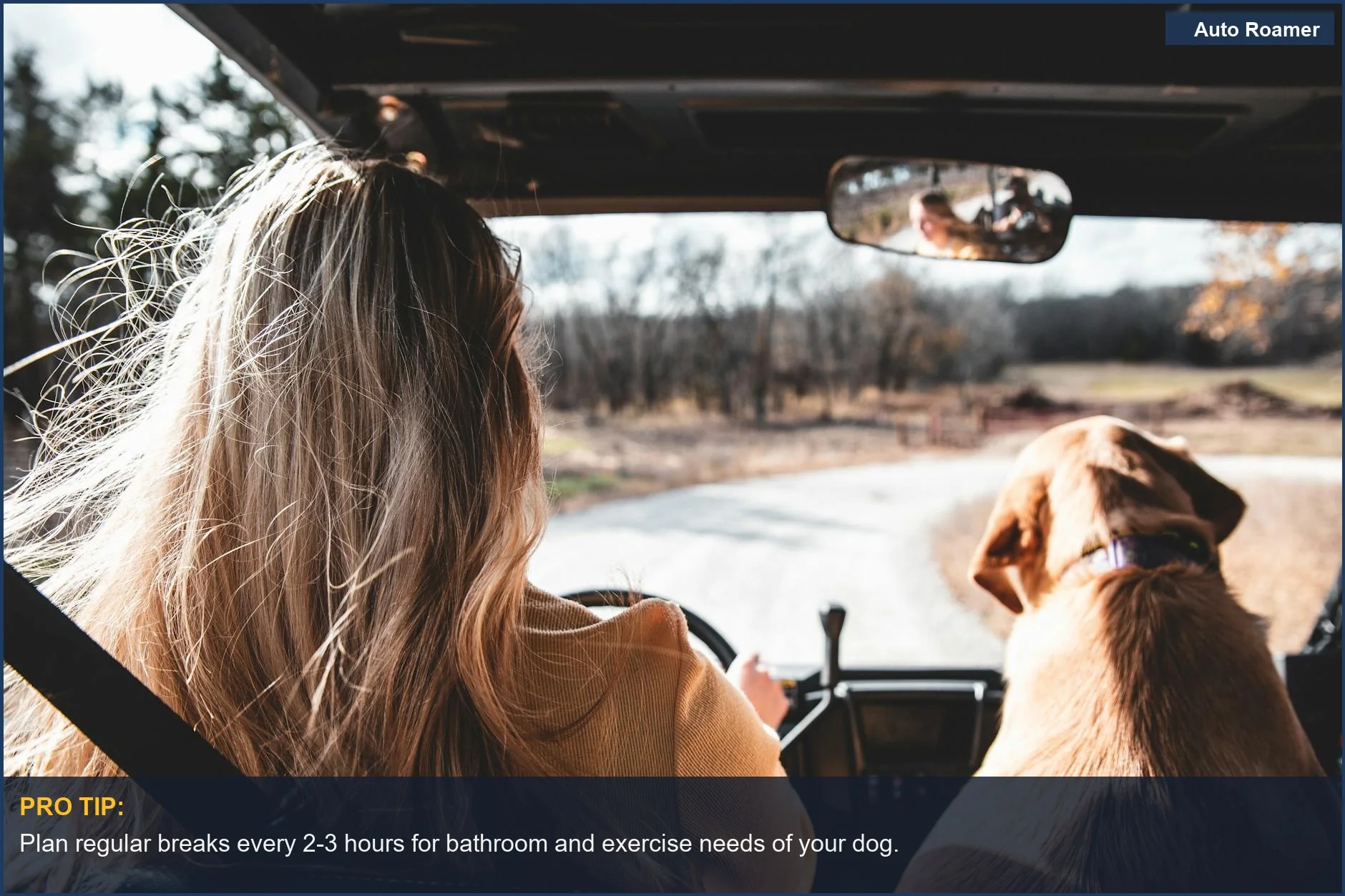
How to Handle This
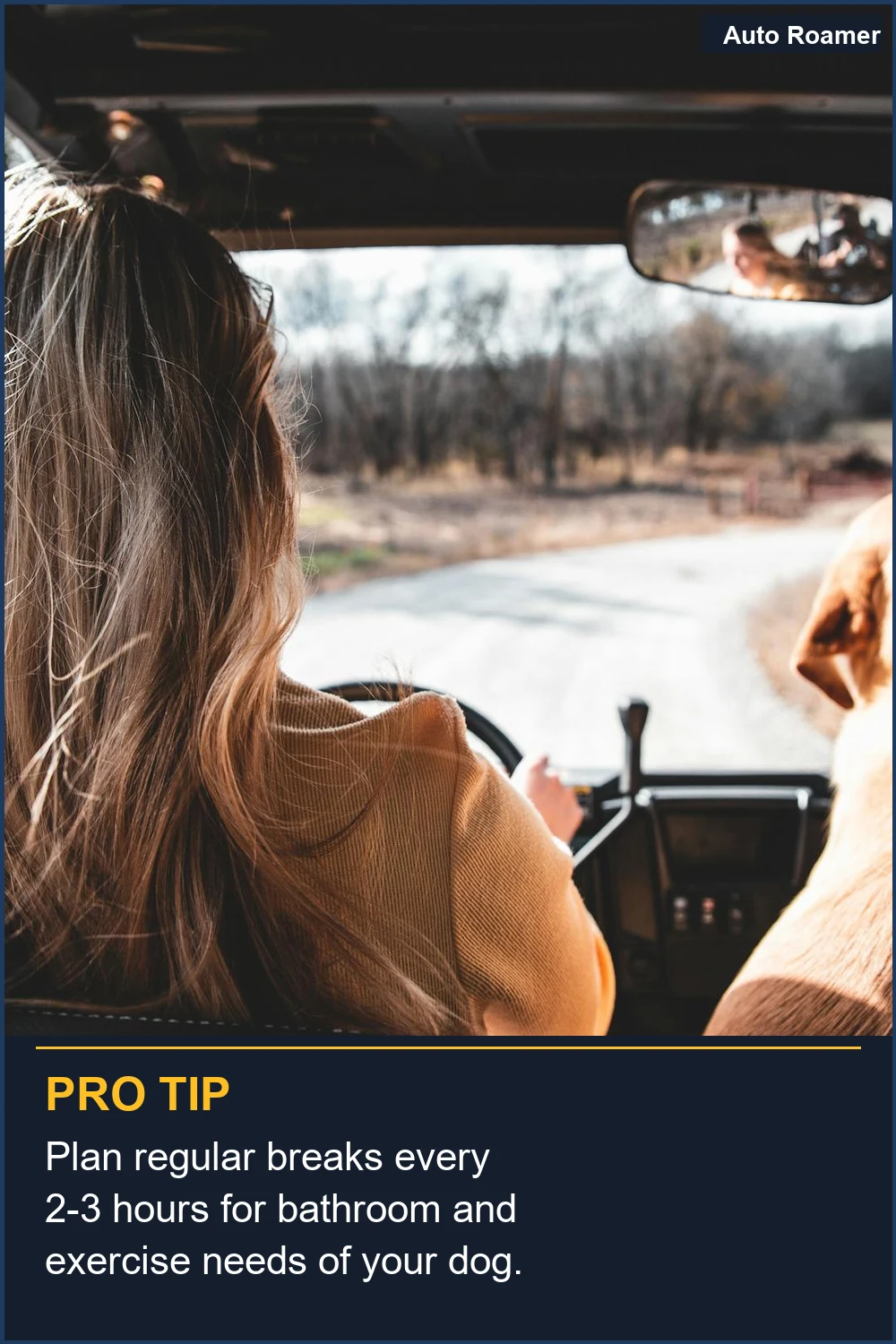
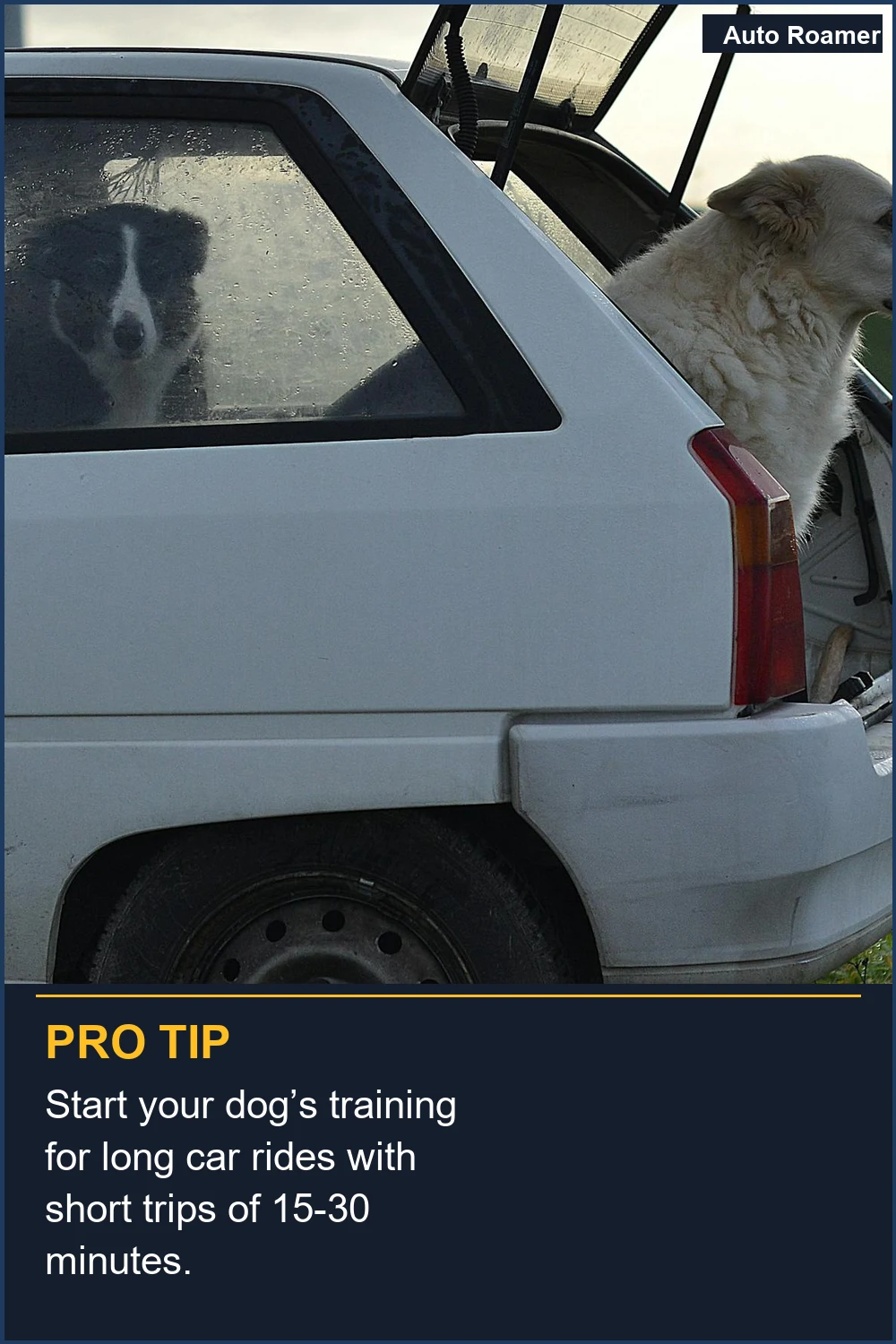
To travel long distance with a dog in the car, we need to take a thoughtful and structured approach. Here's a step-by-step guide to ensure a smooth journey for both you and your furry companion. First, prepare your dog for the trip well in advance. If your pup isn't used to long car rides, start with short trips around your neighborhood or to a local park. Gradually increase the duration of these outings to help them acclimate. This technique not only reduces anxiety but also builds positive associations with car travel (Mauldin Station Vet). Next, invest in proper car safety equipment. A quality pet seatbelt or harness is essential. We recommend the Kurgo Tru-Fit Smart Harness, which retails around $25. This harness is crash-tested and ensures your dog is secure while allowing some movement. Alternatively, if your dog feels more comfortable in a crate, consider a well-ventilated travel crate that fits securely in your vehicle. Ensure that any crate you choose is sturdy and offers enough space for your dog to stand, turn around, and lie down comfortably (Chewy). Before setting off, pack a travel kit for your dog. This should include a supply of water, food, bowls, waste bags, a leash, any medications, and a first aid kit. We also suggest including a few favorite toys or blankets to help your dog feel at ease during the journey. The canine first aid kit can be purchased for about $20 and is a wise investment for emergencies. During the trip, plan for regular breaks every two to three hours. Stop at safe locations away from heavy traffic to let your dog stretch their legs, relieve themselves, and hydrate. We typically find that rest areas or parks are ideal for this purpose. Use these breaks not just for your dog; stretch your legs, too, as it helps prevent fatigue and keeps both of you alert (AKC). When on the road, keep your dog in the back seat. This not only ensures their safety but also helps to minimize distractions for the driver. If your dog is prone to motion sickness, consider consulting your veterinarian for suitable medications or remedies before you embark on your journey. Lastly, be mindful of the climate. During hot weather, never leave your dog unattended in a parked car, as temperatures can rise quickly and become life-threatening. In colder months, ensure your dog is warm and comfortable, with a blanket or jacket if needed. By following these practical steps, we can make traveling long distances with our dogs a positive and enjoyable experience for everyone involved. With a little preparation and care, we can embark on memorable adventures with our four-legged friends.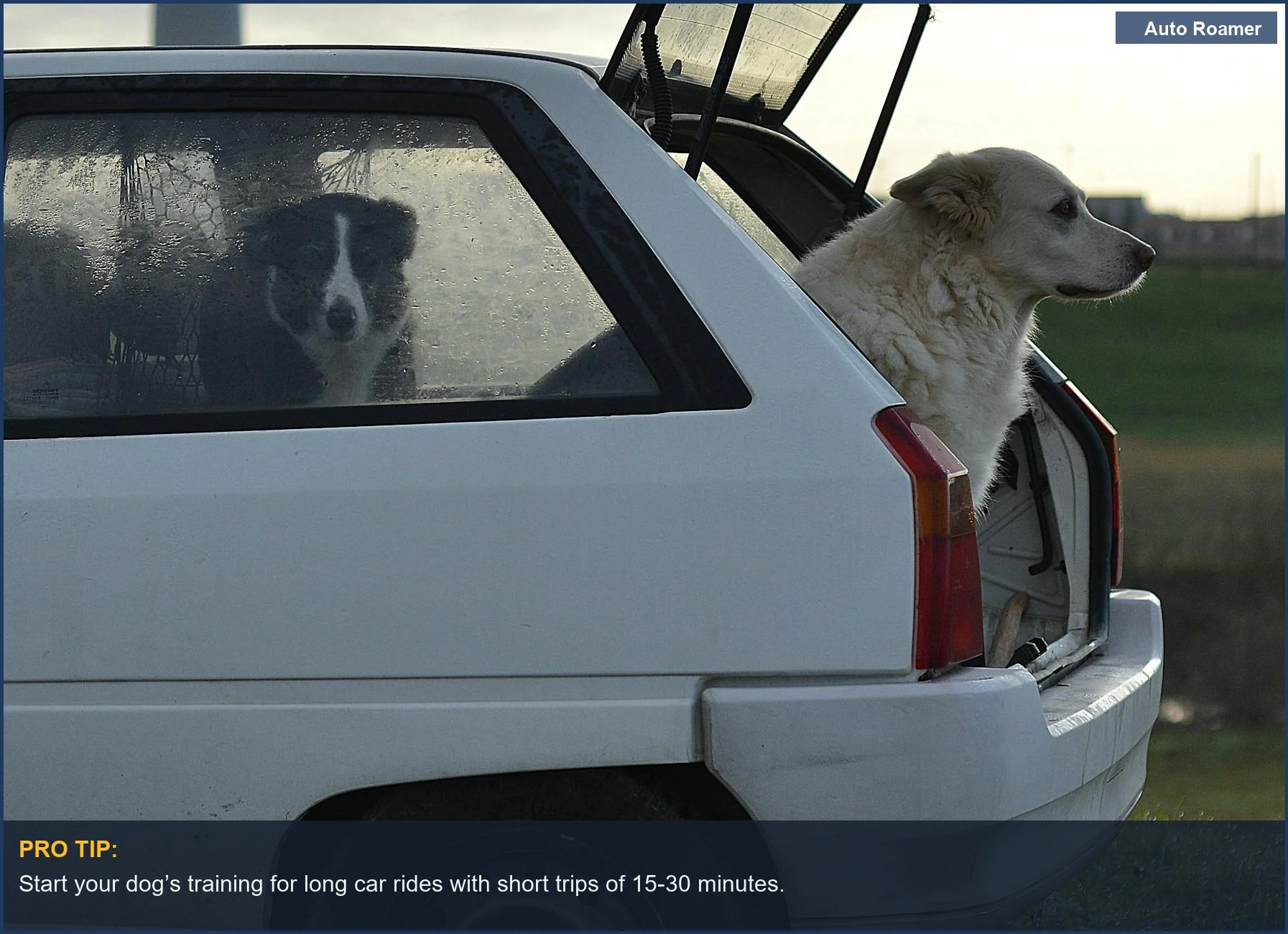
Safety Considerations
When embarking on a long-distance journey with our canine companions, several safety considerations must be taken into account to ensure both our pets and ourselves remain safe and healthy throughout the trip. Understanding the potential safety risks associated with traveling with a dog in a car is crucial. For instance, unrestrained dogs can become projectiles in the event of sudden stops or crashes, leading to serious injuries or fatalities for both the dog and passengers. To mitigate this risk, we recommend using a travel crate or a specialized dog seat belt designed for safety, which can be purchased from various retailers for prices ranging from $30 to $100, depending on the brand and features Animal Humane Society. Health hazards are another vital concern. Dogs can suffer from motion sickness, especially during long trips. To alleviate this, we suggest taking short practice drives before the big trip to help your dog acclimate to the car environment. On the trip, we should plan to stop every two to three hours to allow our dogs to stretch, relieve themselves, and hydrate. Dehydration can be a significant issue, particularly in summer heat, so we should always keep fresh water on hand and offer it regularly Chewy. Legal consequences may arise if we fail to secure our pets appropriately. In many jurisdictions, traveling with an unrestrained dog can result in fines or penalties. This is why we must familiarize ourselves with local laws governing pet travel before hitting the road. If we encounter stressful situations during the trip-like heavy traffic or loud noises that might agitate our dogs-it's essential to remain calm and attentive to our pets. We should watch for signs of distress, such as excessive barking, drooling, or restlessness. If these behaviors persist, we may need to seek professional help from a veterinarian who can provide tips on managing anxiety during travel. In conclusion, when we consider how to travel long distance with a dog in a car, prioritizing safety through proper preparation, regular breaks, and adherence to legal guidelines is imperative. By taking these precautions, we can ensure a safe and enjoyable road trip experience for ourselves and our furry friends.Common Mistakes to Avoid
When planning how to travel long distance with a dog in car, there are several common mistakes we often see that can lead to a stressful experience for both you and your pet. These pitfalls usually stem from misconceptions or habits that seem reasonable but can actually cause more trouble. One major mistake is underestimating the importance of preparation. Many people assume that their dog will adapt easily to long car rides, but this isn't always the case. A significant number of dogs experience anxiety during travel, which can be exacerbated by a lack of familiarity with the car. We recommend taking your dog on shorter trips beforehand to help them adjust to the vehicle and the sensation of moving. This gradual acclimation can lead to a much more comfortable experience during the longer journey. A good rule of thumb is to start with short drives around the neighborhood and gradually increase the distance, allowing your dog to associate car travel with positive experiences Source. Another common misconception is the belief that dogs can safely roam the car freely. While it may seem like a good idea to let your dog sit in your lap or move around during the drive, this can be incredibly dangerous. Not only can unrestrained dogs distract the driver, but they are also at risk of injury in the event of sudden stops or accidents. Instead, we advocate for using a properly secured travel crate, safety harness, or booster seat designed specifically for dogs Source. These products keep your dog secure and prevent them from becoming a projectile in case of an emergency. Additionally, many people overlook the need for regular breaks during the journey. It's easy to fall into the trap of trying to reach your destination as quickly as possible, but this can lead to a stressed-out dog. We recommend stopping every two to three hours to allow your dog to stretch, relieve themselves, and hydrate Source. These breaks are crucial for your dog's physical and mental well-being and can make the trip more enjoyable for both of you. Lastly, some travelers mistakenly think they can simply bring along their dog's regular food and water bowls. While this is essential, it is also important to ensure that your dog stays hydrated and comfortable throughout the trip. Consider bringing portable water bowls and making sure you have enough food for the duration of the journey, plus some extra just in case. Keeping your dog's routine as consistent as possible will help reduce anxiety and make the experience more pleasant. By avoiding these common mistakes, we can ensure a smoother, more enjoyable long-distance car trip with our canine companions.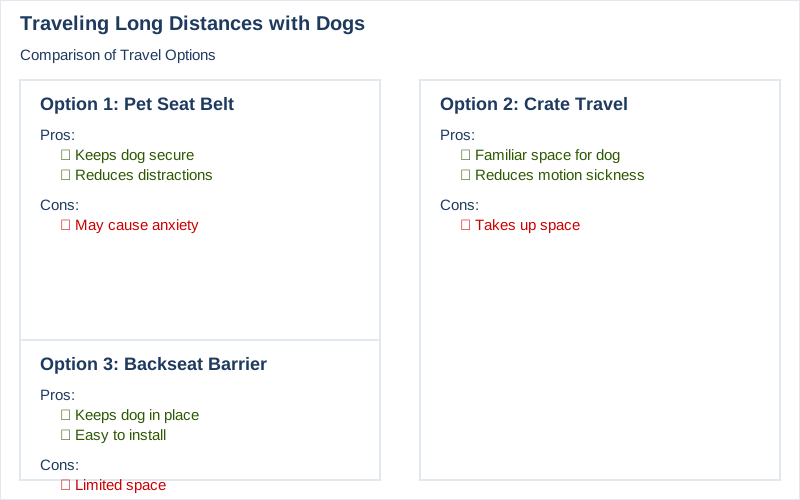
Key Takeaways
Traveling long distances with a dog in the car can be a rewarding experience if we prepare adequately. First and foremost, we must focus on our dog's comfort and safety. Ensuring our pet is accustomed to car rides by taking them on shorter trips beforehand will help alleviate anxiety during longer journeys. We recommend creating a designated space for your dog in the vehicle, using a safety harness or a travel crate that meets safety standards to secure them and prevent distractions while driving Animal Humane Society. Planning regular stops every two to three hours is essential, allowing our dogs to stretch their legs, hydrate, and relieve themselves Chewy. Moreover, we should pack a travel bag with necessities such as water, food, a leash, and a first aid kit, ensuring we are well-equipped for any situation. Remember to keep our vehicles well-ventilated and never leave our dogs unattended in a parked car. As a final piece of advice, if our dog exhibits severe anxiety or discomfort during travel, we should consider consulting with a veterinarian. They may suggest calming aids or techniques tailored to our dog's unique needs. Keeping our furry friends relaxed and secure is key to a successful trip, allowing us to enjoy the journey together. With these strategies, we can confidently embark on long-distance adventures, knowing we have taken the necessary steps for our dog's comfort and safety while traveling long distances with a dog in the car.Frequently Asked Questions
What should I prioritize when taking my dog on a long car trip?
What are some common mistakes people make when traveling long distances with their dogs?
Is it safe to travel long distances with my dog in the car?
What do experts recommend for keeping my dog calm during a long car ride?
Are there any legal requirements for traveling with my dog in the car?
🏅 Looking for Gear Recommendations?
Check out our tested gear guides for products that work with this setup: