Why the Head-Bob Is What Actually Wrecks Your Neck
The spec that matters on a travel pillow isn't the one they print big. 18 years under cars and a lot of miles riding shotgun taught me the real enemy on a long drive: the forward head-bob. You doze off in the passenger seat, your head tips forward, snaps back when you catch it, and repeats that for three hours. By the time you stop you've got a neck that feels like you slept on a rolled-up jacket — because functionally, you did.
A travel pillow's whole job is to stop that bob, and most of them are designed for an airplane seat, not a car. That distinction matters more than the marketing admits. On a plane your seat back is roughly upright and the headrest is shallow. In a car, especially a passenger seat you've reclined a few degrees, the geometry is different, and a pillow that's too thick shoves your head off the headrest into an even worse angle.
So the question isn't 'which pillow is most comfortable in the store.' It's 'which pillow holds your head from tipping forward without pushing it off the seat, for hours, without crushing flat.' That's a real engineering problem — support, shape retention, and the right thickness — and the pillows sort out clearly once you judge them on it instead of on how plush they feel for the ten seconds you try one on.
Below I'll lay out the three real designs and what each does for a car, the support-and-fit details that decide whether it works, the myths that sell people the wrong pillow, how to keep one clean across trips, how the materials hold up over a few summers, and which one I'd toss in the door pocket for a long haul. Skip the marketing. The numbers that matter are support and thickness.
How Neck Support Works: Memory Foam, Wrap, and Inflatable
There are three real designs, and they solve the head-bob problem in different ways with different trade-offs.
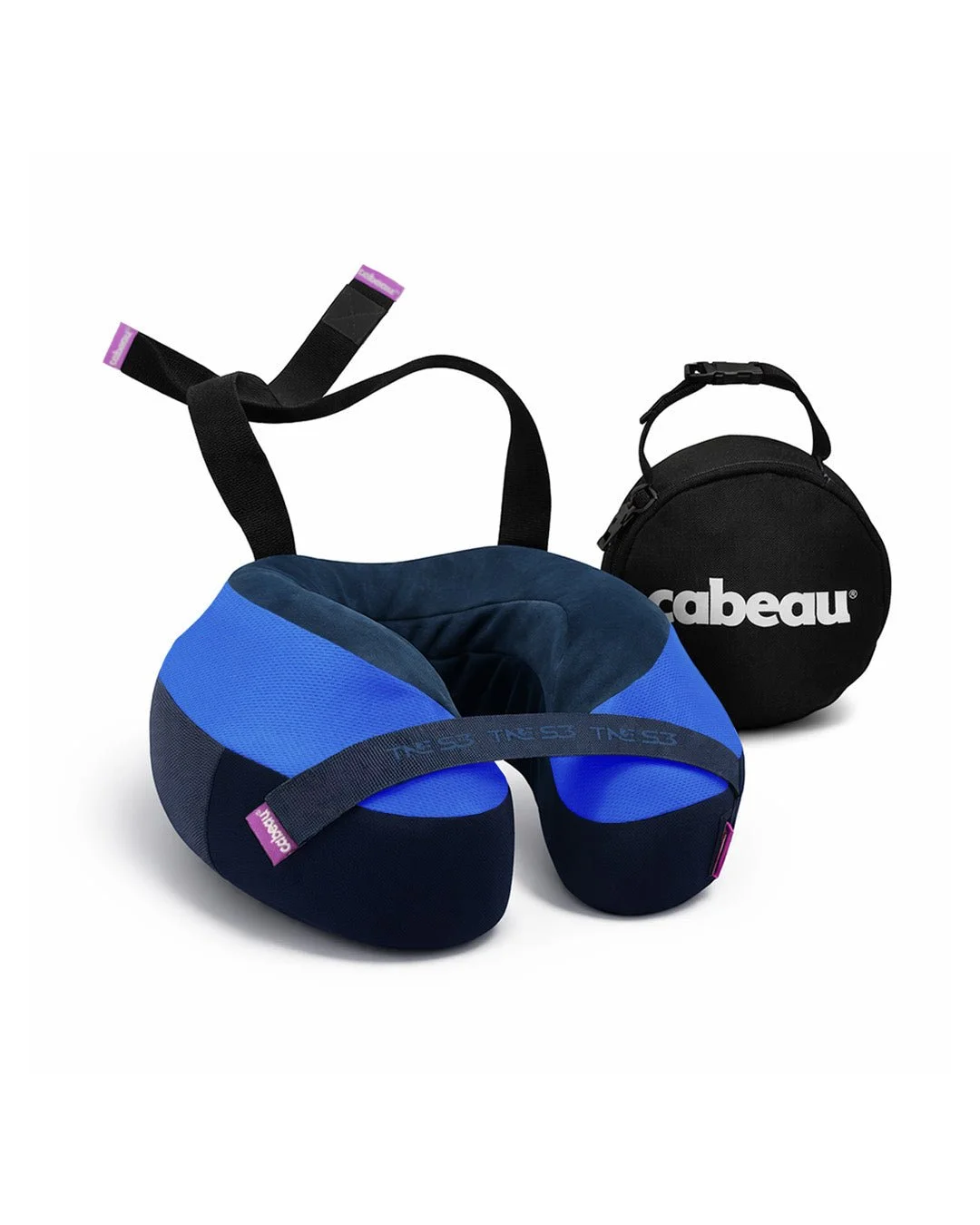
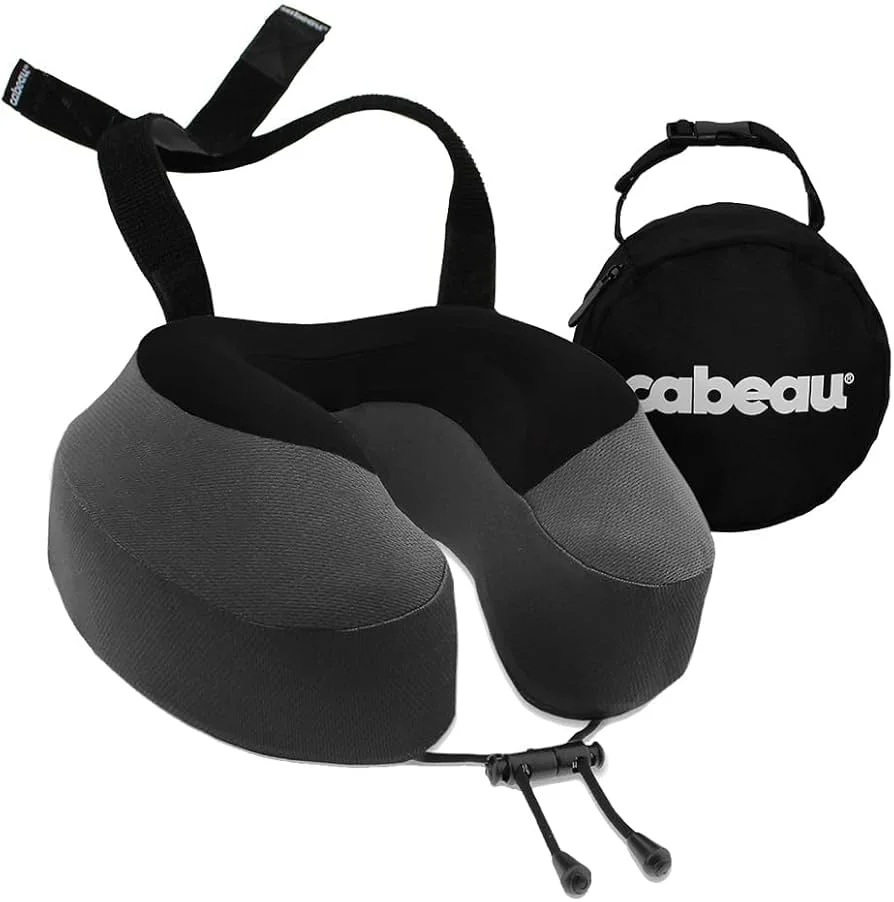
The memory-foam U-pillow — the Cabeau Evolution S3 and Classic are the reference here — is the classic horseshoe, but the good ones add raised side walls that actually trap your head from tipping sideways or forward. Foam is the key word: it holds a shape and resists crushing flat, which is exactly what the cheap bead-filled or air pillows fail to do by hour two.
The Evolution S3's back panel also flattens so it doesn't push your head off the headrest — the car-specific detail most pillows miss. The trade is pack size; foam doesn't shrink, though the better ones compress into a small included case.
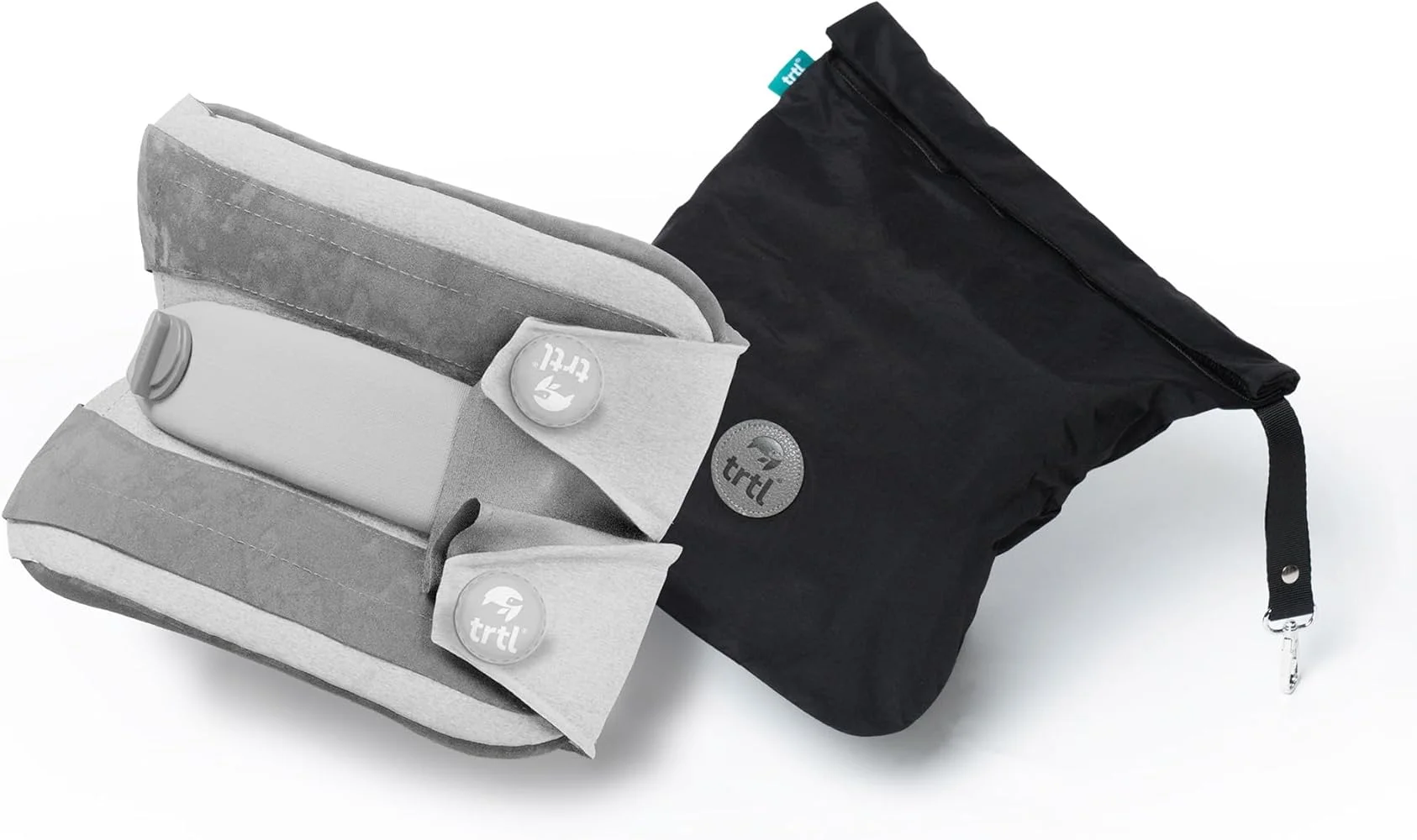
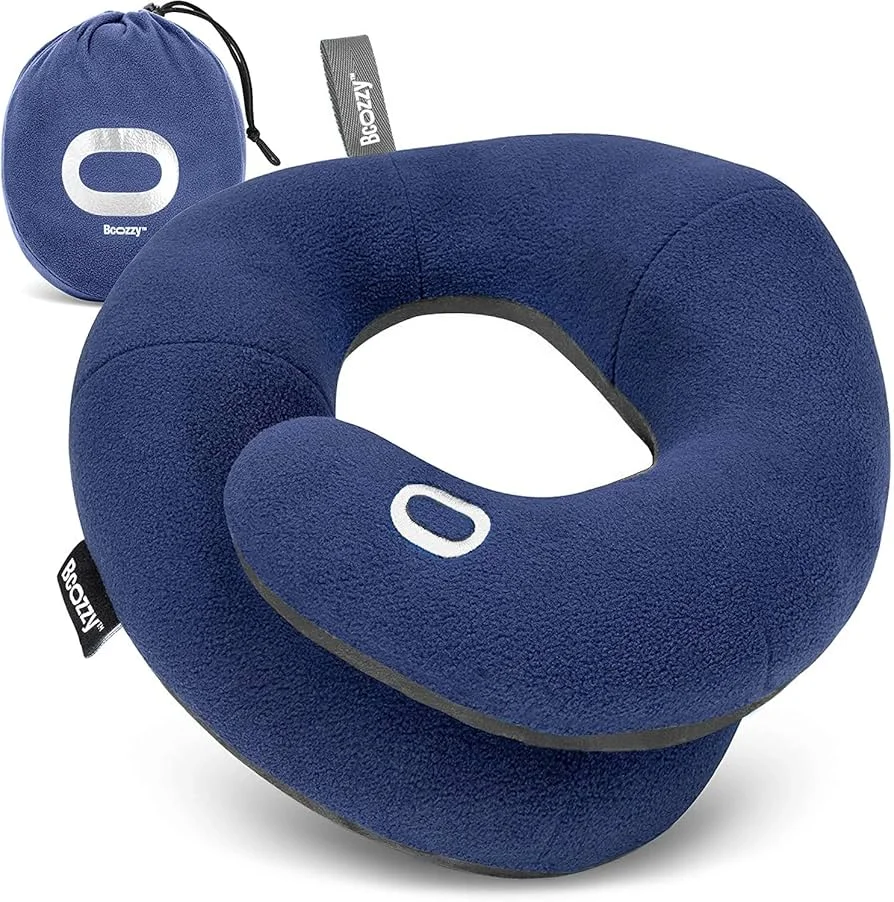
The wrap or scarf pillow — the Trtl Pillow Plus, the BCOZZY — works differently. The Trtl uses a hidden internal support inside a fleece wrap that braces your neck on one side, like a soft cervical collar; the BCOZZY is a long, bendable horseshoe you wrap and overlap to prop your chin. Both excel at the exact car problem — stopping the forward and side flop — and both pack smaller and flatter than a foam U. The trade is they can feel fiddly to position, and the Trtl supports one side, so you pick your lean.
The inflatable pillow packs to nothing and is the lightest option, and that's its whole case. For a car, inflatables are the weakest of the three: air gives way under steady pressure, so the support is softer and the head-bob creeps back. They earn their spot when packing space is the absolute priority; for support on a long drive, foam or a wrap wins.
The honest sort for a car specifically: a foam U-pillow with real side walls and a flat back, like the Cabeau Evolution S3, is the most headrest-friendly support; a wrap like the Trtl or BCOZZY is the best packer that still genuinely braces the neck. Inflatables are for when nothing else fits in the bag.
The Travel-Pillow Myths That Sell You the Wrong One
A lot of what gets believed about travel pillows is exactly what leaves people with a sore neck and a drawer of cast-offs. The first myth: plusher is better. The softest, most marshmallow-feeling pillow in the store is usually the worst on a long drive, because low-density foam that feels luxurious for ten seconds compresses out within an hour and stops bracing your neck right when you've dozed off. Support comes from firm, shape-holding foam or a structured wrap, not from plush.
The second myth: an airplane pillow is a car pillow. Most pillows are designed around an upright airline seat with a shallow headrest. In a reclined passenger seat, a thick horseshoe shoves your head forward off the headrest into a worse angle than no pillow at all. The car-smart designs — like the Cabeau Evolution S3 with its flattening back — keep the headrest carrying the head while the pillow handles the sides. A pillow sold purely 'for travel' isn't automatically built for a car.
The myth that costs the most money is that the cheapest inflatable or bead pillow is 'basically the same thing.' It isn't — air gives way under steady pressure and beads pack down, so the head-bob you paid to fix slowly creeps back over the exact hours you most need support. A $12 pillow that quits by the first rest stop is the most expensive pillow there is, because you buy it twice.
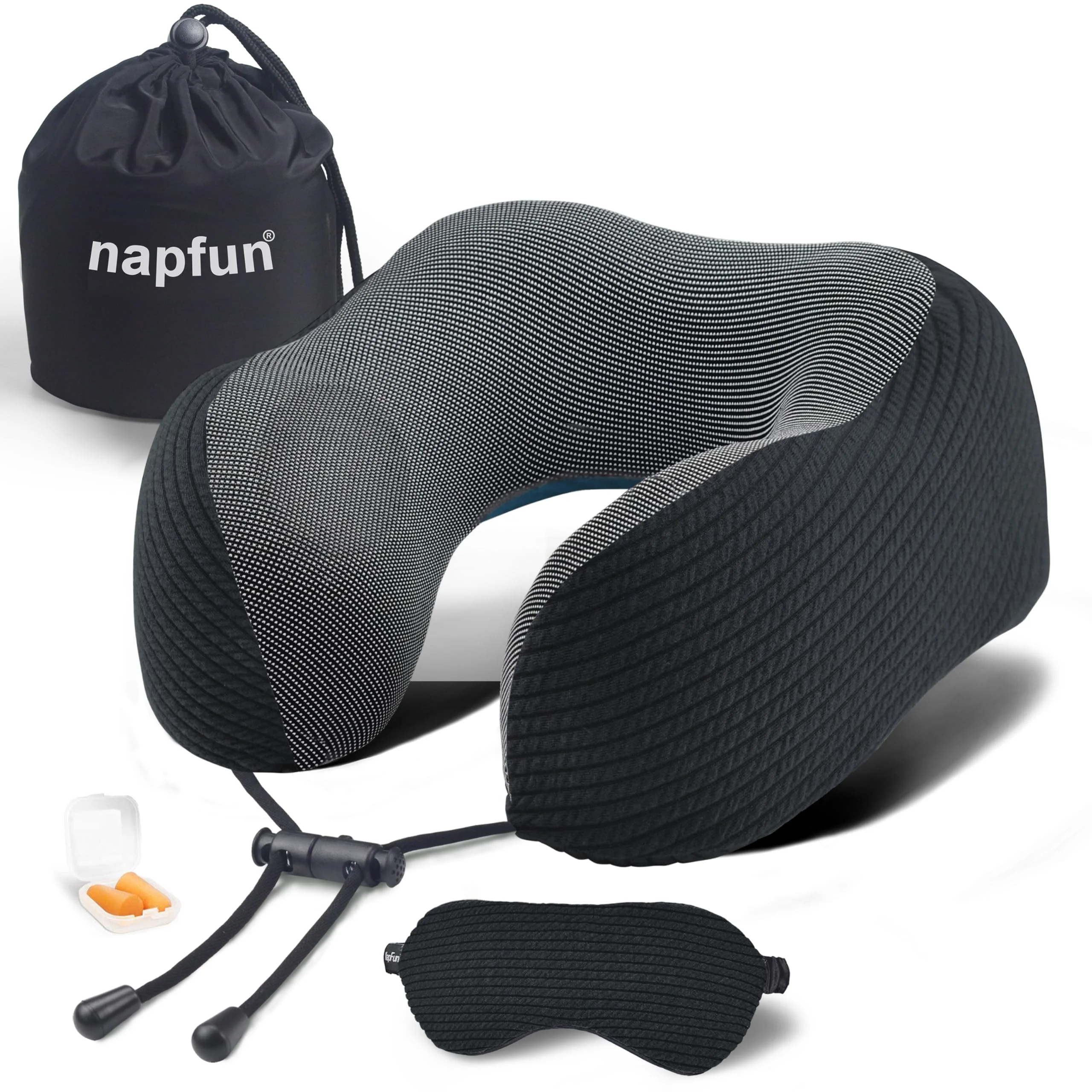
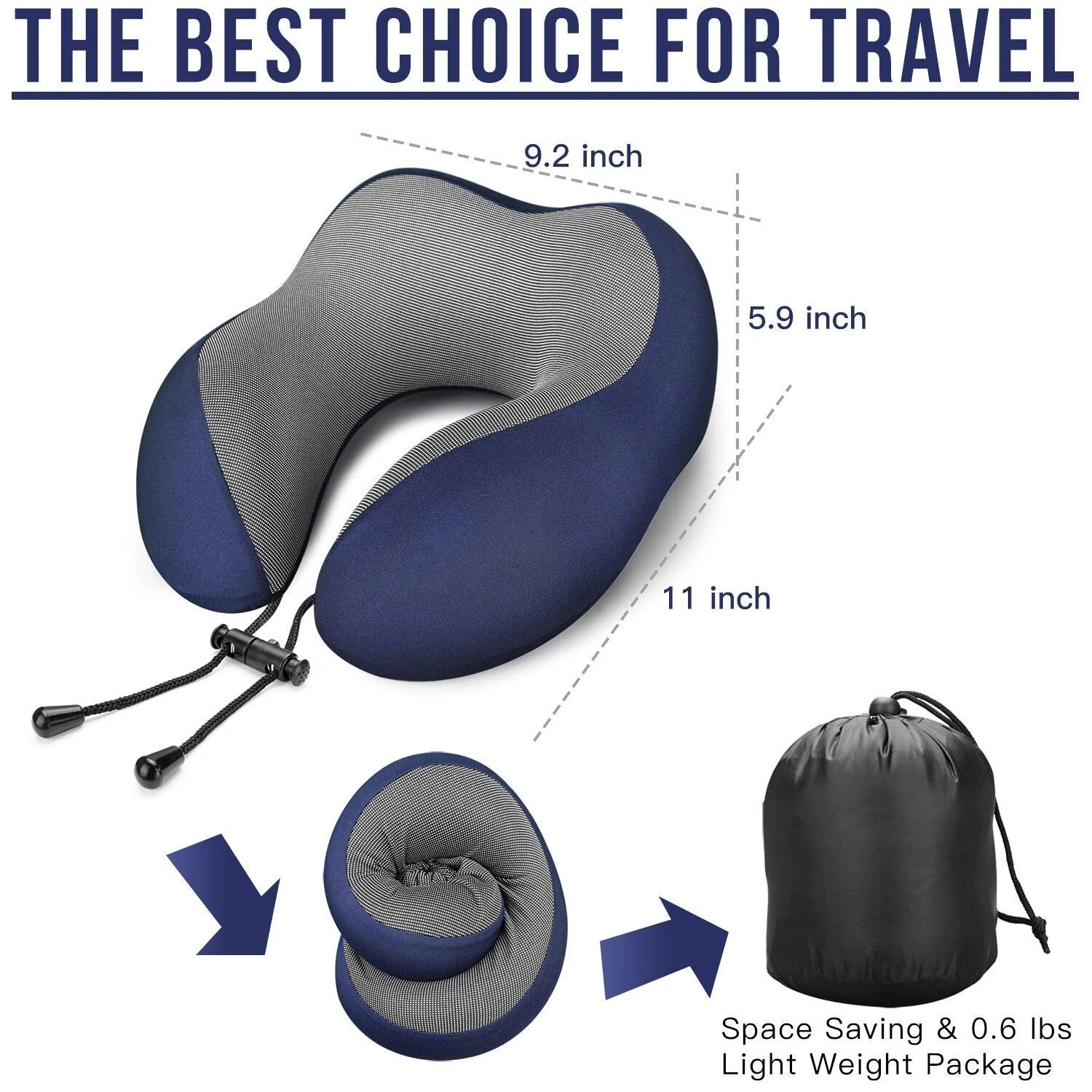
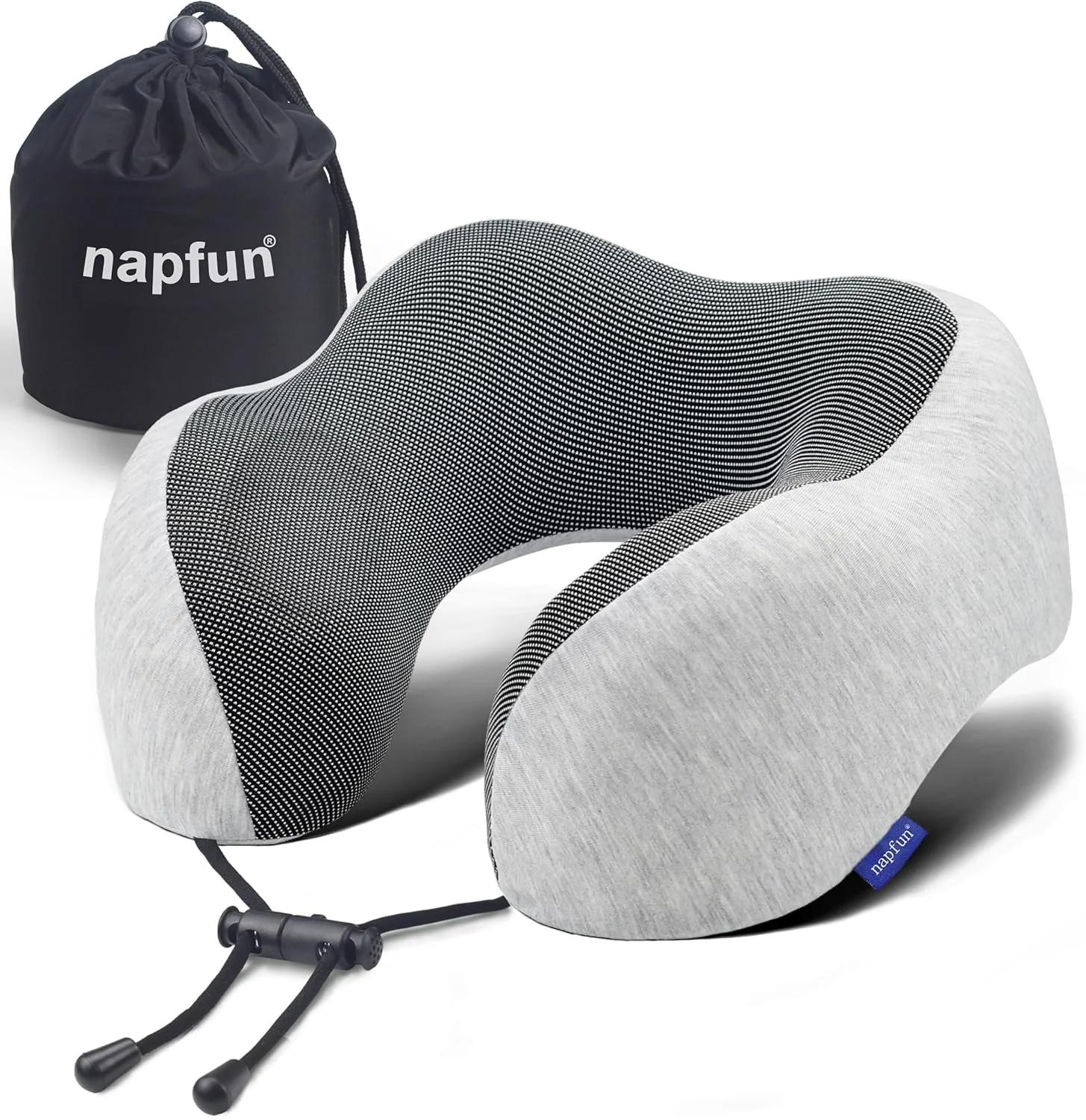
The last myth: bigger is safer. A too-big horseshoe gaps around a smaller neck and does nothing, which is why a household often needs the adjustable wrap styles — the Trtl Pillow Plus or the BCOZZY — rather than one giant pillow for everyone. Size to the neck, not to the biggest one on the shelf. The Napfun Neck Pillow proves the point at the budget end: a simple, correctly-sized foam U beats a fancier pillow that doesn't fit your neck, and a kit like the MLVOC Travel Pillow bundle earns its price only if you'll actually use the eye mask and earplugs it throws in — not as a stand-in for better neck support.
The Neck-Support Checklist — What to Look For
This is where a pillow earns or loses its money, and the details are specific. The first is side-wall height. A flat horseshoe lets your head loll forward — the exact failure you're trying to fix. The pillows that work in a car have raised, firmer walls on the sides and front that physically stop the head from tipping. When you try one, push your head forward against it; if it folds, it'll fold on the highway too.
The second is thickness behind the neck. Too thin and there's nothing to support; too thick and it cants your head forward off the headrest, which is its own kind of neck pain. The car-smart designs keep the back thin or flatten it entirely so the headrest does its job and the pillow handles the sides. Per general cervical-posture guidance, you want the head held in roughly neutral alignment, not pushed forward — a pillow that shoves your chin toward your chest is working against you.
- Side-wall firmness: raised, supportive walls that don't collapse are what actually stop the bob.
- Back thickness: thin or flattening back so it doesn't push your head off the headrest.
- Closure: a clasp or toggle that holds the pillow snug so it doesn't slip as you doze.
- Shape retention: memory foam or a structured wrap that doesn't crush flat by hour two — the bead and air fills fail here.
- Fit to your neck: a too-big horseshoe gaps and does nothing; size it to your neck, not to the biggest one on the shelf.
There's also a foam-density distinction the labels rarely spell out. A higher-density memory foam holds its shape and keeps supporting deep into a long drive; a soft, low-density foam feels plush in the store but compresses out within an hour and stops bracing your neck right when you've dozed off.
You can't read density off a listing easily, but you can feel it: press the pillow firmly and let go — a quality foam recovers slowly and fully, while a cheap one springs back fast and packs down for good after a few uses. That slow-recovery feel is the tell that separates a pillow that lasts a long trip from one that's spent by the first rest stop.
Check those and you've sorted the pillows that work from the ones that just feel nice in the aisle. The plush-in-the-store pillow that crushes flat is the single most common buying mistake here — it feels like the best one for the ten seconds you try it and the worst one three hours into the actual drive.
Wrap vs. Inflatable vs. Memory Foam: The Real Trade-Off
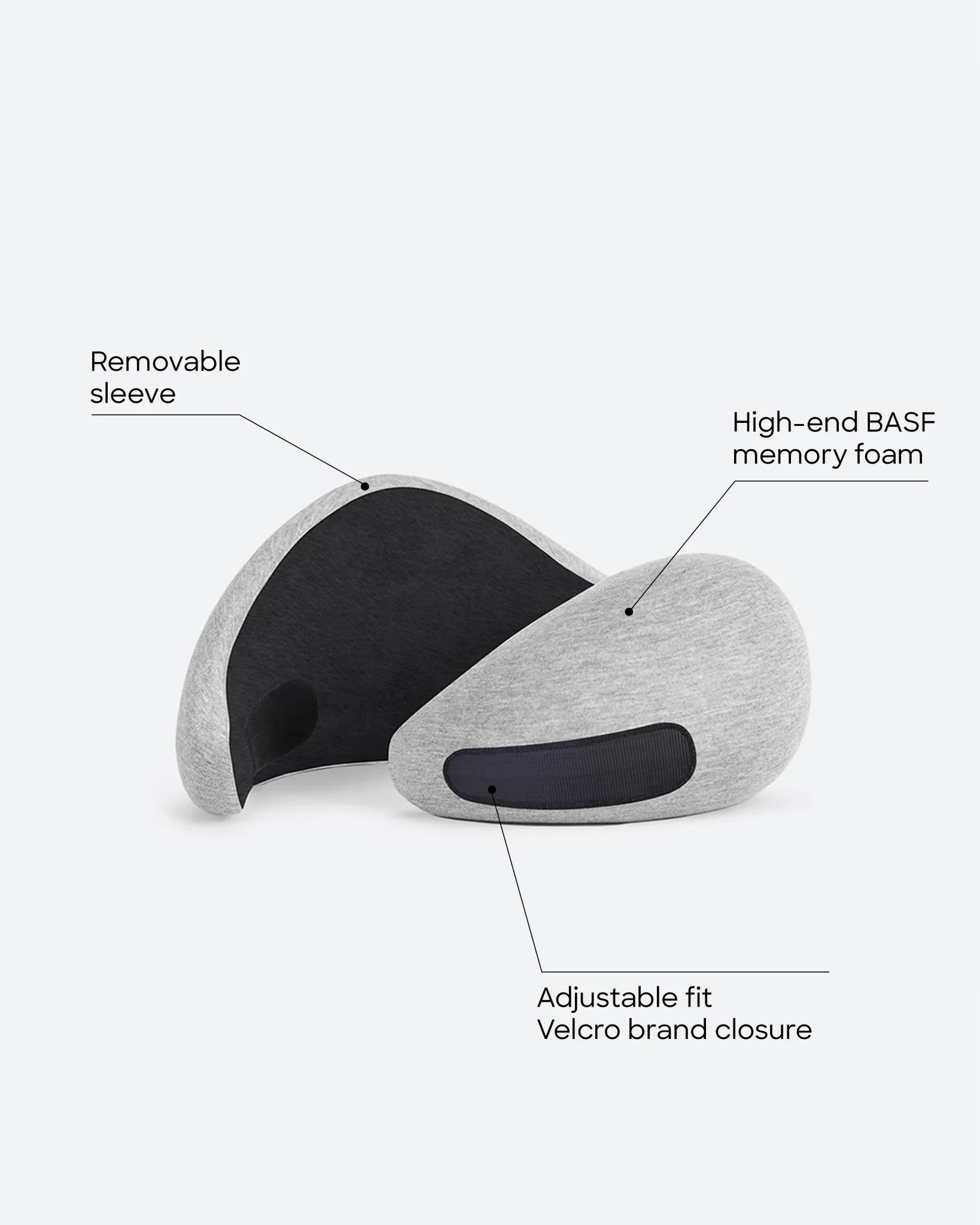
Put the three designs head to head and the trade-offs sort out around three honest questions, not a spec sheet. First: are you the passenger who sleeps, or the one who just wants support? If you actually doze off on long drives, you need real side-wall support that stops the forward bob — a foam U with firm walls or a bracing wrap. If you stay awake and just want your neck held comfortably, a softer pillow is fine and a wrap may be all you need.
Second: how reclined is your seat, and how deep is your headrest? If you ride with the seat back a few degrees, a thick horseshoe will push your head forward — favor a pillow with a thin or flattening back, like the Evolution S3, that lets the headrest carry the head while the pillow handles the sides. A shallow headrest makes side-wall support matter even more.
The one thing that decides it: does the pillow stop your head from tipping forward without shoving it off the headrest? Everything else — foam vs wrap, color, pack size — is preference. A pillow that nails that one geometry problem is the right pillow; one that fails it is a neck ache you paid for.
Third: does it get shared or packed? A household that passes one pillow around wants the adjustable wraps or sized foam, not a one-size horseshoe that fits nobody well. If it lives in the car, bulk barely matters; if it travels in a carry-on too, the packable wraps earn their keep. Answer those three and the right pillow usually sorts itself out.
Cleaning a Travel Pillow and Caring for It Across Trips
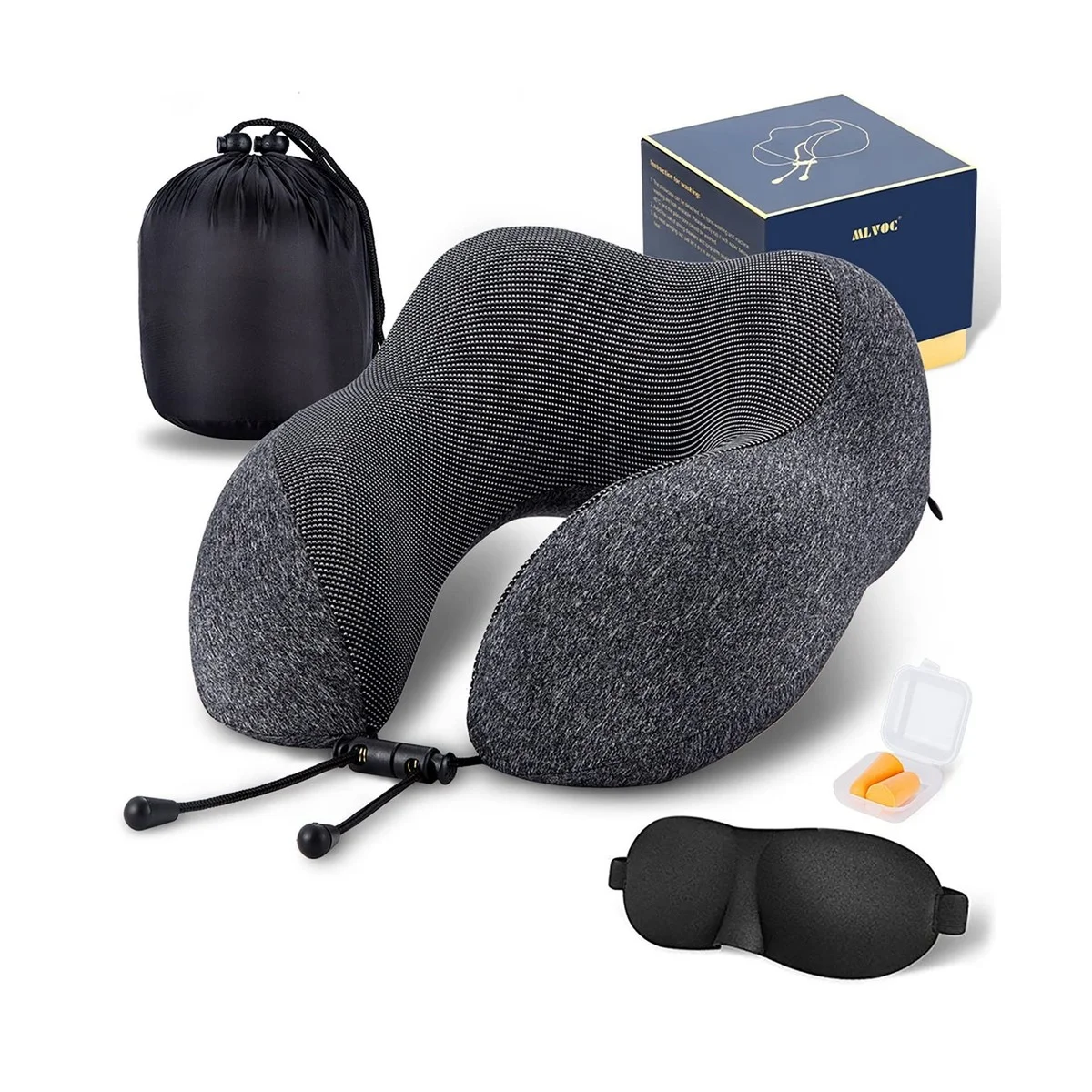
Keeping a travel pillow clean and cared-for is most of what makes it last, and the upkeep is simple if you do it between trips instead of never. The first habit is washing the cover.
A travel pillow is a thing that touches your face for hours and lives in a car, so the unglamorous details matter. The first is the washable cover. A pillow you can't clean gets gross fast — it picks up sweat, sunscreen, and whatever your kid wiped on it. The good ones use a removable, machine-washable cover; check for that before you buy, because a foam core you can't separate from a non-removable cover is a pillow you'll replace in a year out of sheer reluctance to use it.
The second is packing. In a car you're not as space-starved as on a plane, but a pillow that lives in the door pocket or seat back beats one that has to ride in a bag. The wraps pack flat; the foam U-pillows are bulkier but the better ones compress into an included case or snap onto a bag. If you're doing road trips with the pillow living in the car, bulk matters less than it does for a carry-on.
The detail families miss: if the pillow gets shared between kids and adults, the adjustable wraps and the sized foam pillows beat a one-size-fits-all horseshoe. A pillow sized for an adult neck gaps badly on a kid and does nothing — which is why a household often needs the adjustable style or a second, smaller pillow rather than one pillow for everyone.
Last, think about the material in a hot car. Memory foam left in a car that bakes in summer sun gets warm and a little soft until it cools; it's not damaged, but a breathable cover and the option to store it out of direct sun keeps it comfortable. A cheap vinyl-covered pillow in a hot car is a sweaty mess — the cover material is worth a look.
The wraps and the foam pillows also age differently, and it's worth knowing which failure you're signing up for. A foam pillow's wear point is the foam itself compressing over a couple of years of regular use until it no longer rebounds — at which point it stops supporting and you replace it.
A fabric wrap like the Trtl has no foam to crush, so its life is really about the fleece and the internal support holding up to repeated wrapping and washing. Neither style is fragile, but if you're the type who keeps gear for years, the wrap styles tend to outlast a budget foam pillow simply because there's less to wear out — a fair point in their favor beyond just packing smaller.
The Verdict After a Lot of Miles in the Passenger Seat
For a long car ride specifically, the Cabeau Evolution S3 is the one I'd keep in the door pocket. The raised side walls actually stop the forward and sideways head-bob that wrecks your neck, the memory foam holds its shape instead of crushing flat by hour two, and — the detail that matters in a car — the back flattens so it doesn't shove your head off the headrest into a worse angle. At around $40 it sits in the value sweet spot, and it solves the actual geometry problem rather than just feeling plush in the store.
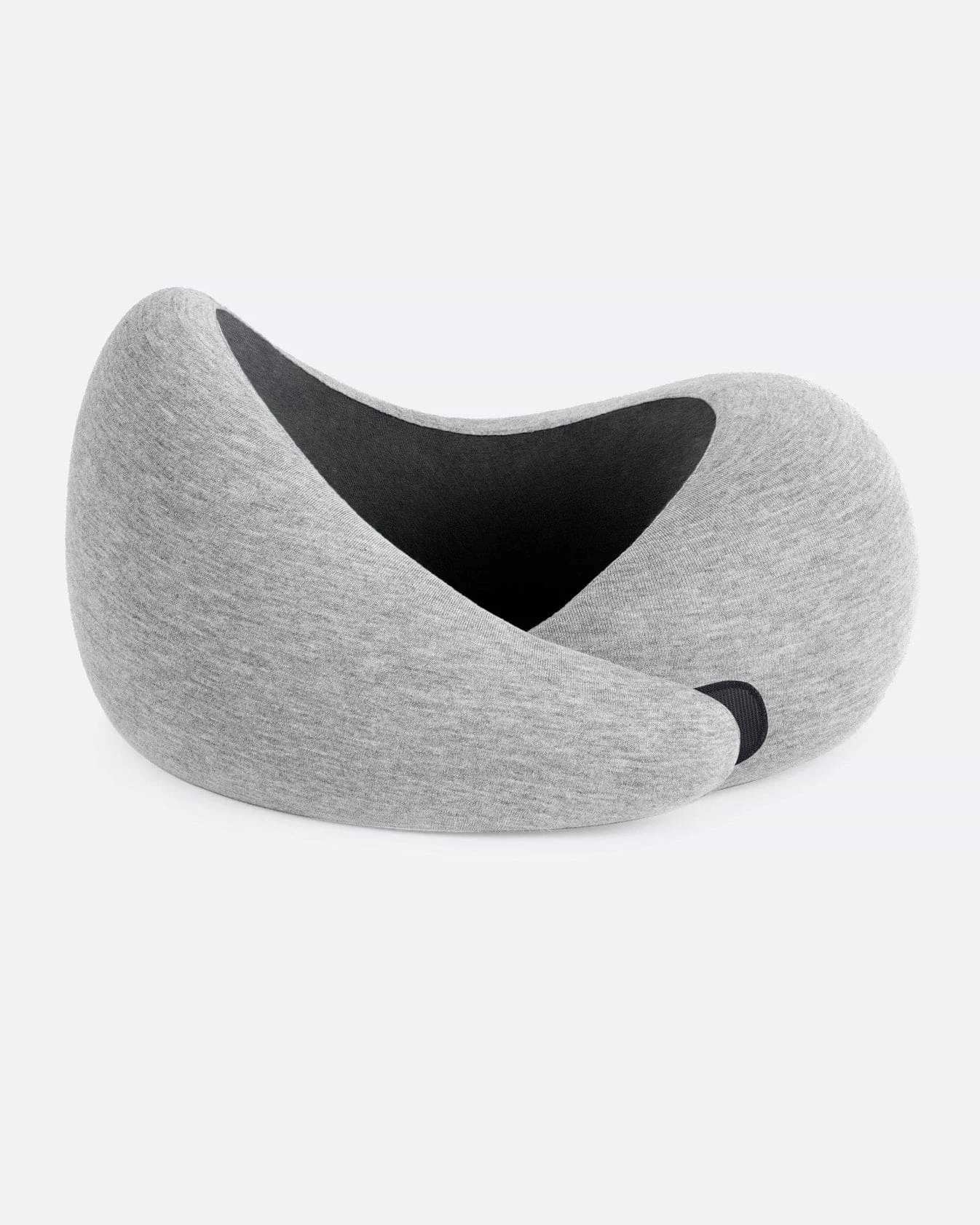
If you want to spend less, the Napfun Neck Pillow is the same core memory-foam idea with a simpler cover for around $20, and the BCOZZY is the wrap I'd grab if I wanted the best packer that still props the chin. The Trtl Pillow Plus is the pick if you lean one way and want an adjustable, washable brace, and the Ostrichpillow Go is the premium choice if finish and the plushest foam are worth the extra to you.
Whatever you choose, judge it on the one thing that matters: does it hold your head from tipping forward without pushing it off the headrest, for hours, without crushing flat? Size it to your neck, get one with a washable cover and real side walls, and a $40 piece of foam turns the long passenger leg from a neck-ache you endure into a nap you actually get — which is the whole reason to carry one. — Marcus Bell
The complete lineup also includes BCOZZY Neck Pillow ($29.95) — each compared on the same specs and reviewer consensus.