When a 3-Channel Cam Is Worth It (and When It Is Overkill)
A three-channel dash cam adds a cabin camera to the usual front-and-rear setup, and the honest question is whether that interior lens earns the extra cost and the harder install. For most private drivers it doesn't. For a specific set of people — rideshare and delivery drivers, fleet operators, parents of new drivers, and overlanders who sleep in the rig — it absolutely does, and nothing else covers what it covers.
I run a lot of miles a long way from a parts store, and the cabin camera earns its place on my rig for a reason most listings never mention: it's the camera that watches the interior when I'm not in it. Parked at a trailhead overnight, the front and rear cameras see the lot; the cabin camera sees someone reaching through a window. For a rideshare driver it's the camera that settles a passenger dispute. The use case is narrow but, when it's yours, there's no substitute.
So the third channel isn't a gimmick — it's a tool for a specific job. Below I'll lay out exactly who needs the cabin camera and who's paying for a lens they'll never use, what makes the interior view actually usable at night, how the install and heat load differ from a two-channel cam, where the price tiers split, and which three-channel rig I'd bolt into my own truck for a long trip.
The Cabin-Camera Myths That Sell People the Wrong Rig
A lot of what gets said about three-channel cams is marketing dressed up as fact, and believing it is how people end up with a cabin lens that doesn't do what they bought it for. The first myth: that any cam with three lenses gives you usable interior footage. It doesn't. A cabin camera without a real IR array is a daytime-only camera, and most of what you want it to catch — a parked-car incident, an after-dark dispute — happens when the dome light is off. Three lenses on the box is not the same as three working channels in the dark.
The second myth is that a higher front resolution makes a three-channel cam better overall. The 4K-front number is what the listing leads with, but on a three-channel rig the cabin and rear sensors and the IR are what separate a useful cam from a gimmick. A 4K front bolted to a weak cabin lens is a worse three-channel cam than a 2K front with a real STARVIS cabin sensor. Don't let the biggest number on the box decide the buy.
The myth that costs people the most: that 'three-channel' on the box guarantees three feeds recording at once. Some budget kits time-slice or drop a channel under load — three lenses, but not three simultaneous recordings. The spec sheet says three; the footage says two-and-a-half.
The last myth is that the third camera is for everyone. It isn't. It earns its place for rideshare and delivery drivers, parents of new drivers, fleets, and overlanders who sleep in the rig — people who genuinely need a record of the interior. For a solo commuter in an empty car, the cabin lens is dead weight: an extra lens, a harder install, and a chunk of your card recording an empty back seat. The cam isn't better because it has more cameras; it's better when those cameras match a job you actually have.
How the Cabin Camera and IR Night Vision Work
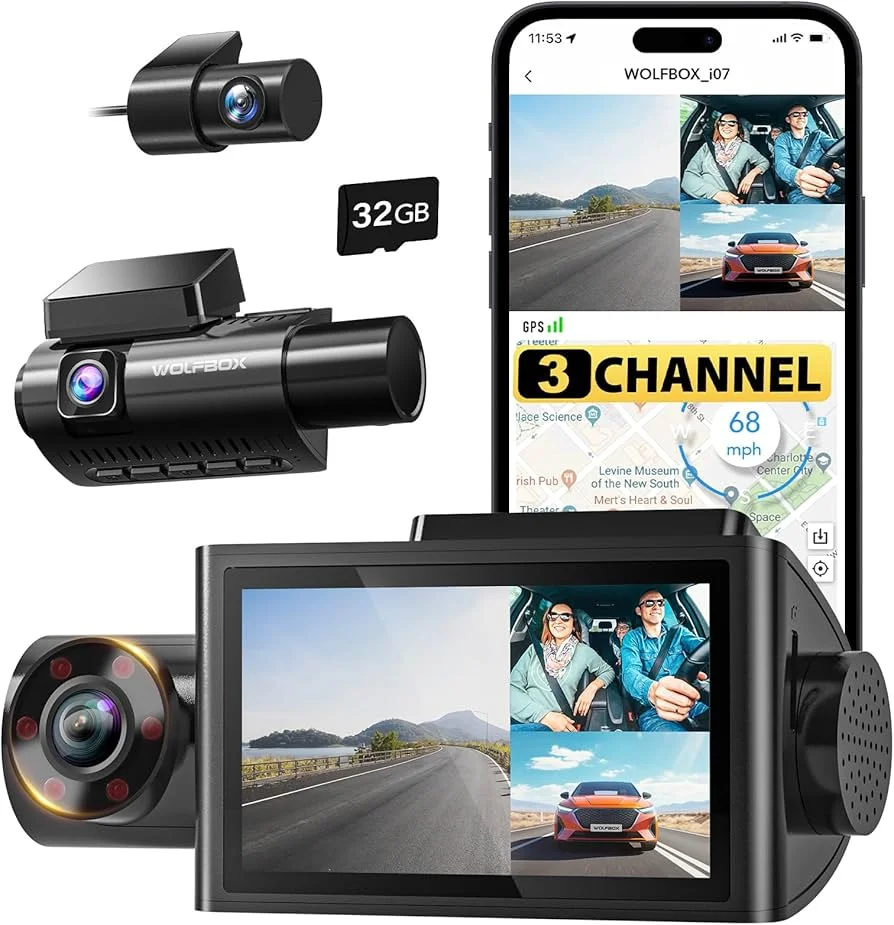
The cabin camera is only as good as its night vision, because the interior is dark most of the time the camera matters. The mechanism that makes it usable is infrared: a ring of IR LEDs around the cabin lens floods the interior with light your eyes can't see but the sensor can, so the footage stays clear in a pitch-black car. Without real IR, the cabin camera is a black rectangle the moment the dome light goes off.
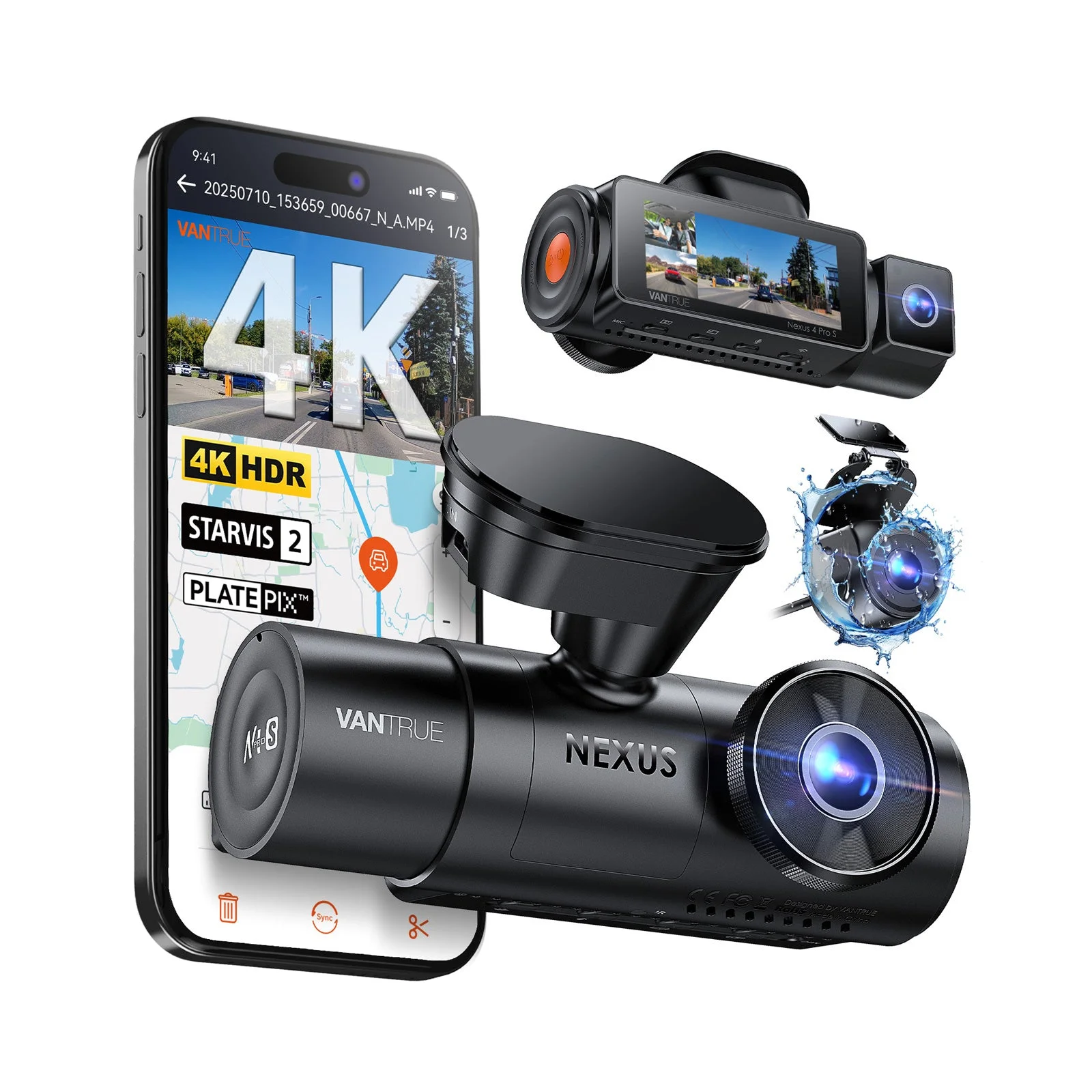
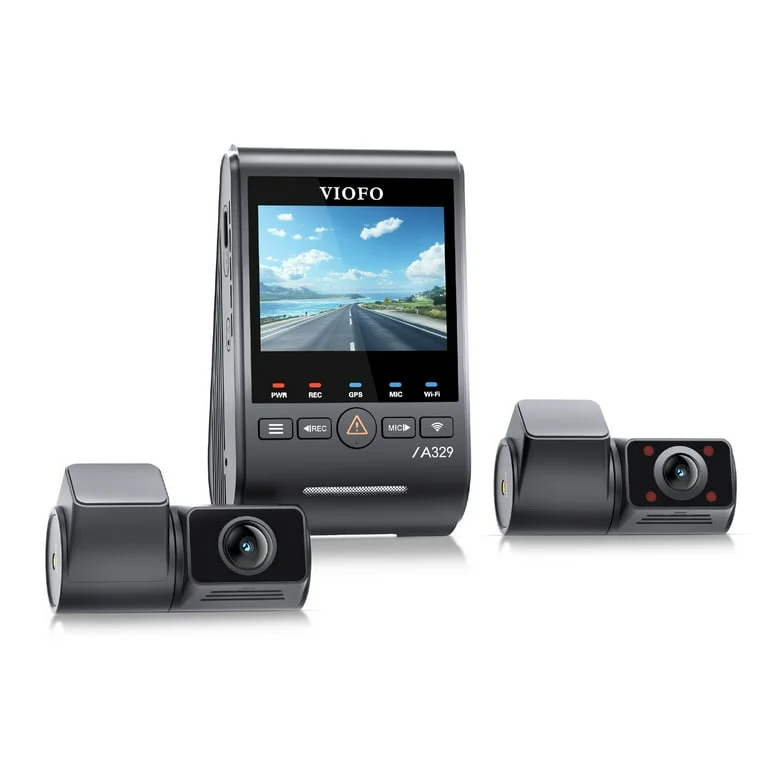
This is where the three-channel cams genuinely separate. The VIOFO A329S and Vantrue N4 Pro S use proper IR arrays and STARVIS-class sensors on the cabin lens, so the night interior view is actually readable. The bargain three-channel units skimp here — a couple of weak LEDs or none at all — and the cabin footage they were sold on is useless after dark, which is exactly when an interior incident is most likely.
If you're buying three-channel for the cabin camera, the IR night vision is the spec that decides whether you got what you paid for. A cabin lens without real IR is a daytime-only camera, and most of what you want it to catch happens at night.
The other mechanism worth understanding is simultaneous recording. A real three-channel cam writes all three feeds at once to one card; some cheap 'three-camera' kits actually time-slice or drop a channel under load. Confirm the cam records front, cabin, and rear concurrently — a third camera that only records when the other two pause isn't three-channel coverage, it's a marketing asterisk.
Before You Buy: What to Confirm About a 3-Channel Cam
A three-channel cam has more to get wrong than a two, so before you order, run down this list and confirm each item on the spec sheet — it's the difference between a rig you trust and a return:
- IR cabin night vision. Confirm a real IR LED array on the cabin lens with a named low-light sensor. No IR means a daytime-only interior camera.
- True simultaneous recording. All three channels must record at once to one card. Watch for units that time-slice or drop a feed under load.
- Storage headroom. Three 1440p-4K streams eat a card fast. Make sure the cam supports a large, high-endurance card (256GB+) or you'll loop over footage in hours.
- Heat tolerance. Three sensors and a processor run hot. In a warm climate or a sun-baked rig, confirm the cam is rated for heat and uses a supercapacitor, not a lithium battery that swells and quits.
- Cabin lens placement. The interior lens has to actually see the cabin — front seats and ideally the rear bench — without your headliner or mirror blocking it. Check the mounting geometry for your vehicle.
The check people skip is storage. They buy a 4K three-channel cam, drop in the 64GB card from their old cam, and loop over the morning by lunch. Three channels need a big, high-endurance card — budget for it as part of the purchase, not an afterthought.
The Accessories a 3-Channel Cam Actually Needs: Cards, Hardwire, Mounts
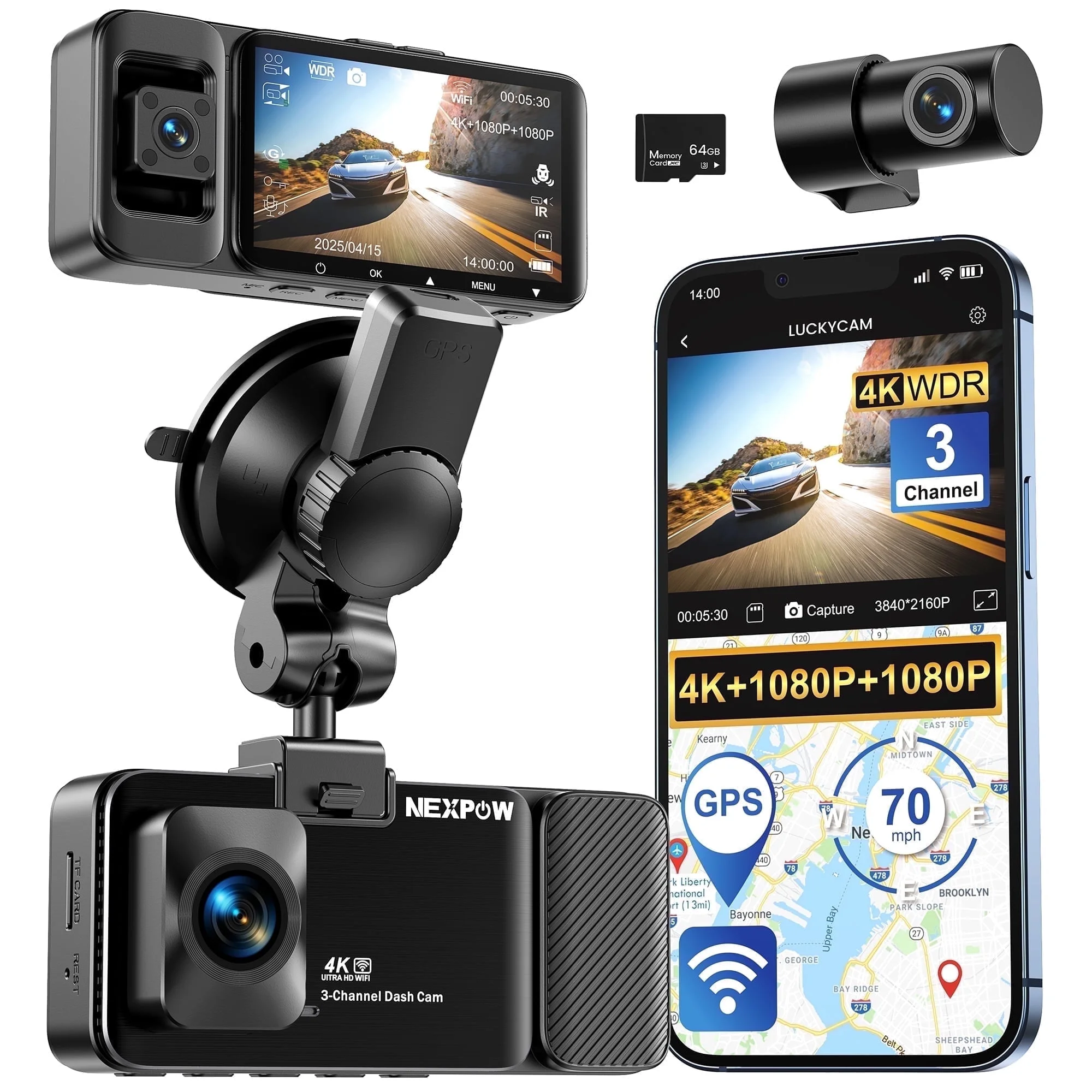
A three-channel cam is only half a purchase out of the box — the add-ons are what make it work as the security and evidence tool you bought it for. The first accessory isn't optional: the memory card. High-endurance microSD cards are rated for the constant rewriting a dash cam does, and on a three-channel cam you need a big one (256GB+) because three streams fill a card fast. The card in the box, if there is one, is almost never enough; budget for a large high-endurance card as part of the purchase.
The second add-on is the hardwire kit. For parking mode across all three channels you want a hardwire kit with a low-voltage cutoff, or on a rig that sits for days, a dedicated battery pack. Three cameras pulling overnight will flatten a starting battery faster than a single, so the cutoff isn't an extra — it's what keeps you from a dead battery at a trailhead. Most cams sell the matching hardwire kit separately; buy the one made for your model rather than a generic.
On a setup I depend on far from help, I add a small dedicated power pack rather than running the cam off the starting battery. Three sensors recording overnight is real draw, and the last thing you want a long way out is a no-start because the dash cam drank the battery watching an empty cabin.
The third set of accessories is the mounting and routing kit. The cabin lens has to actually see the interior without the headliner or mirror blocking it, and a three-channel install means more cable to hide — so a proper adhesive mount, a trim-removal tool, and cable clips earn their small cost. A CPL filter for the front lens is the one optional add-on worth it if you drive into a lot of glare: it cuts windshield reflection so the front plate footage stays readable.
VIOFO vs. Vantrue vs. WOLFBOX: The Real Decision
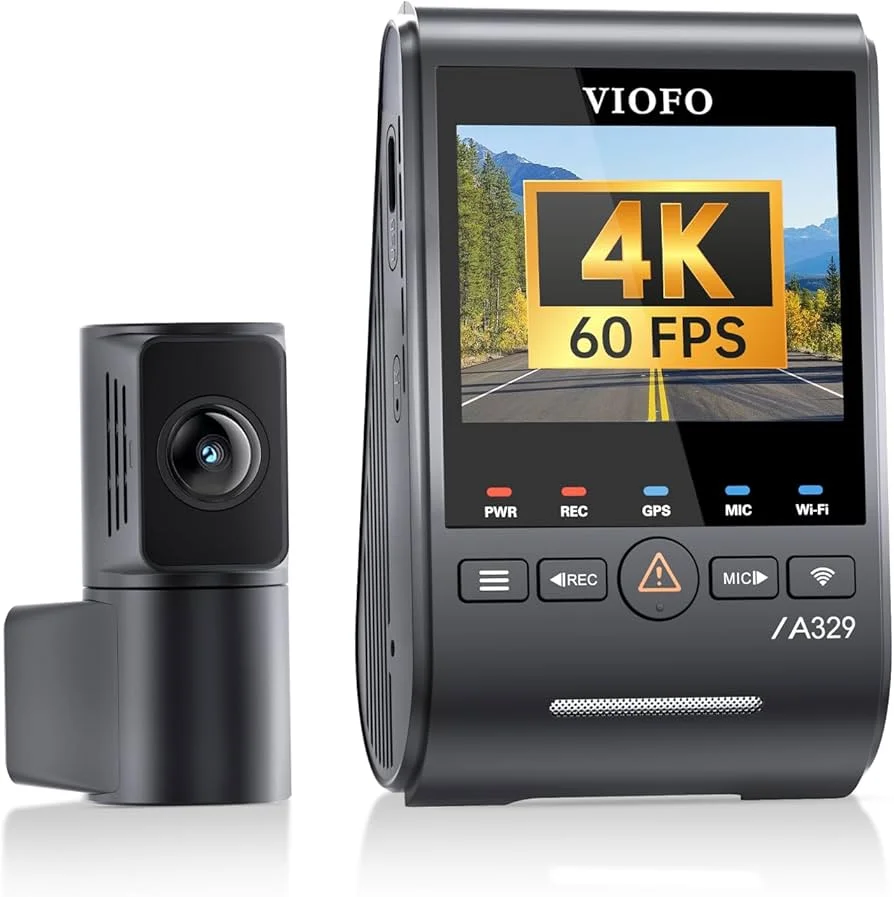
The real choice sits between three brands that actually do three-channel right. The VIOFO A329S is the one I'd point most buyers to: a named 4K front sensor, a true IR cabin camera, a usable rear, supercapacitor heat tolerance, and VIOFO's long record of cams that survive years on a windshield. For a rig you depend on, that reliability is the point, and it lands below the premium tier on price.
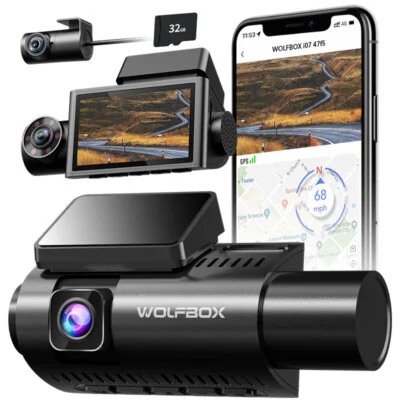
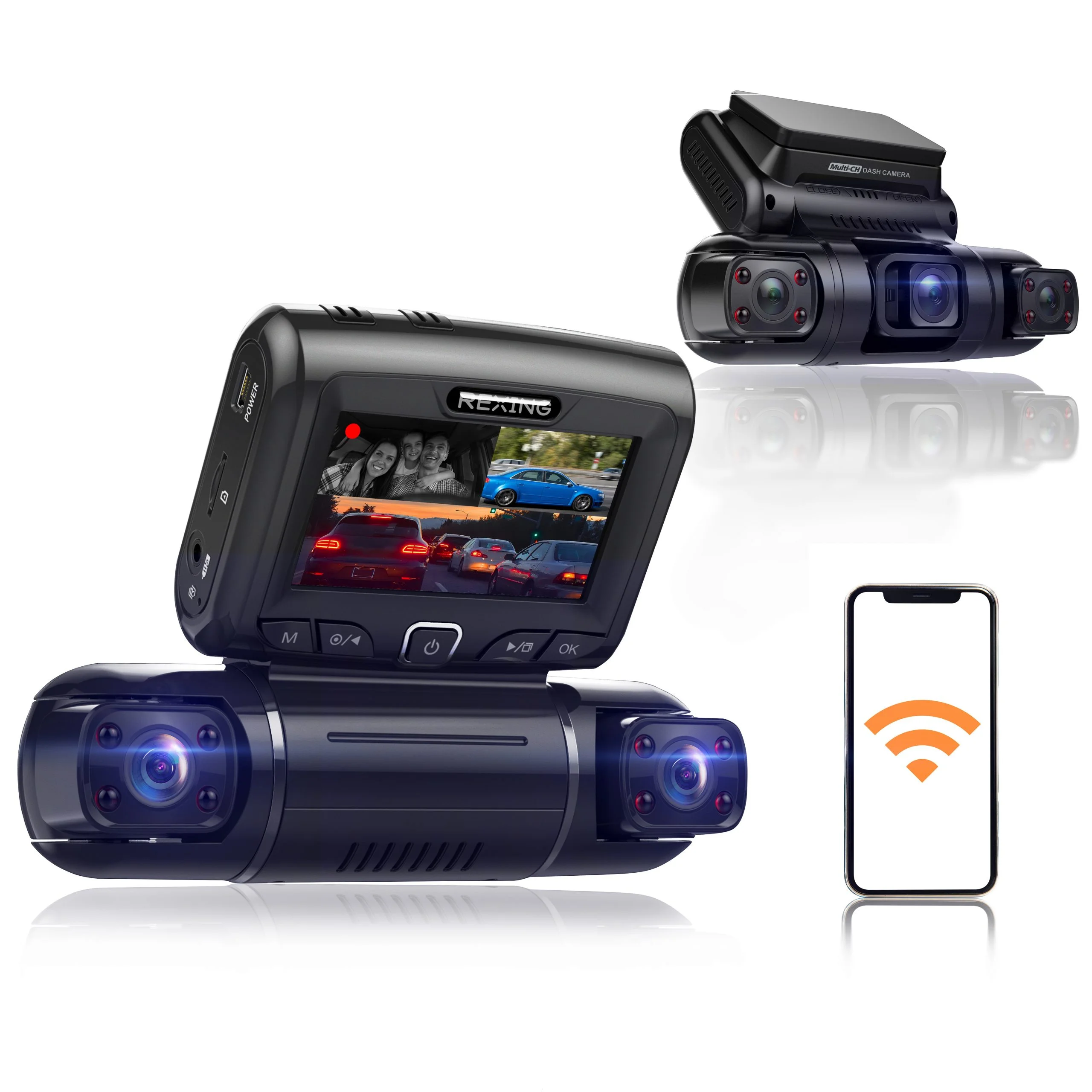
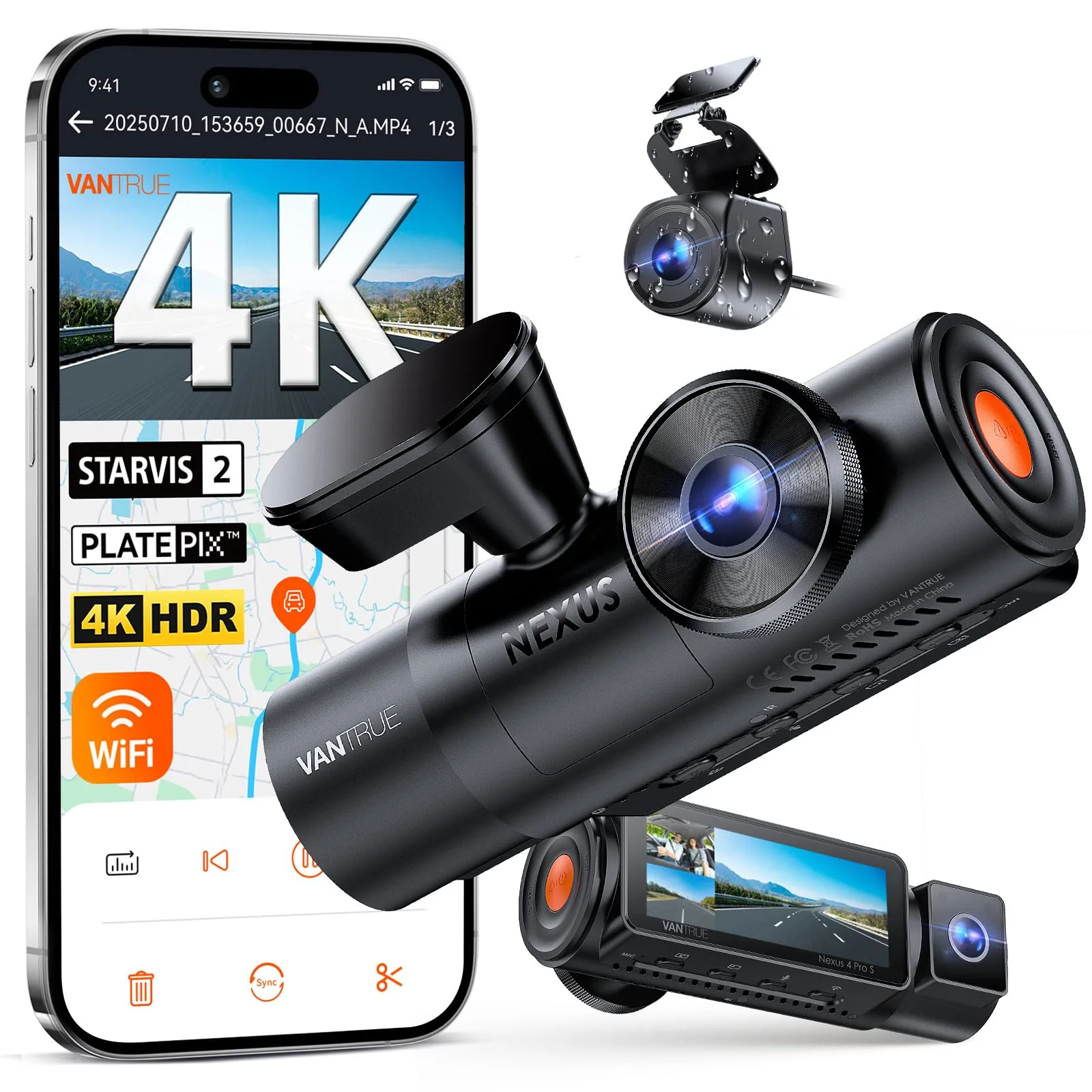
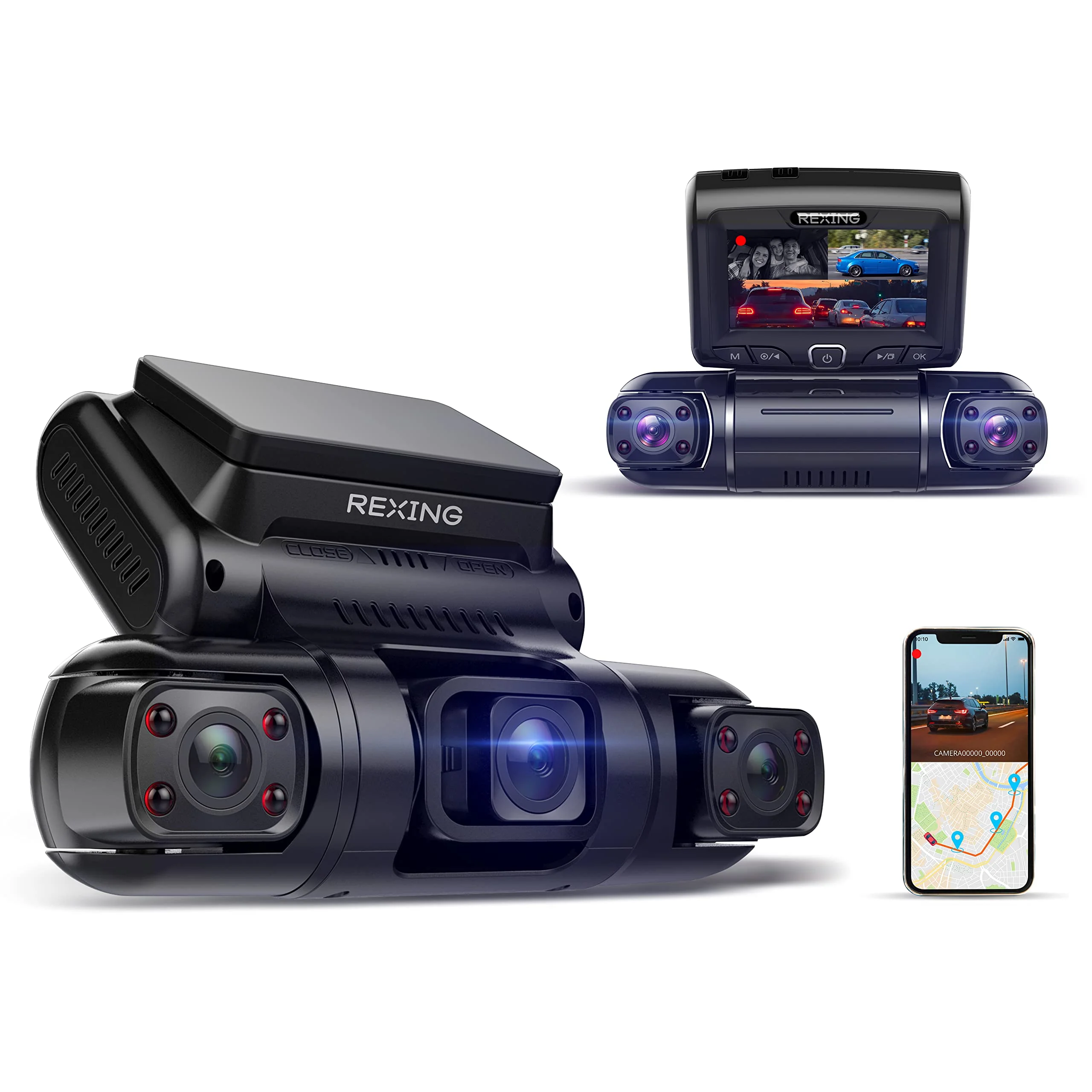
The Vantrue N4 Pro S is the premium pick — arguably the best cabin and night performance in the category, with strong IR and excellent build, at a price to match. It's the one for a heavy-use rideshare driver or anyone who wants the best interior footage money buys. The WOLFBOX i07 is the value option: a solid three-channel with WiFi at a friendlier price, the right pick if the VIOFO and Vantrue are more cam than your budget wants. The RexingUSA S3 sits in the rideshare-focused middle.
So it's a use-and-budget call. For a do-it-right rig that has to survive heat and miles, the VIOFO A329S is my default. For the best possible cabin footage regardless of cost, the Vantrue. For solid coverage on a budget, the WOLFBOX i07. The sub-$90 generic three-channel cams I'd skip for anything you actually rely on — the cabin IR and the heat tolerance are exactly where they cut corners, and those are the two things the third camera exists to deliver.
Keeping a 3-Channel Cam Working: Cleaning, Cards, and Heat
A three-channel cam needs more upkeep than a single, because three sensors and a harder thermal load give it more ways to quietly stop doing its job. The card is the first maintenance reality. High-endurance cards still wear out, and on a three-channel cam they wear faster because you're writing three streams — so reformat the card monthly and replace it yearly. A cam that 'records' to a worn-out card is the worst failure there is: you think you're covered, and you only find out you're not when you go looking for a clip that was never saved.
Cleaning is the upkeep people skip, and on a three-channel cam it matters three times over. Wipe all three lenses whenever you clean the glass — a smeared cabin lens behind tinted windows loses exactly the interior view you bought the cam for, and a filmed-over front lens turns a readable plate into a guess. Keep the adhesive mounts clean too; grime under a mount is how a camera starts sagging out of frame.
On a rig I depend on far from help, I treat the dash cam like any other safety gear: card reformatted on a schedule, lenses wiped at every fuel stop, mounts checked for sag. Three cameras give you three things to neglect, and the one you neglect is the one that's pointed at the moment you needed.
Heat is the quiet killer and the maintenance task you can't wipe away — you design around it. Park a three-channel cam in summer sun and the processor soaks up everything; a unit without good thermal design throttles, glitches the file system, or shuts down. The supercapacitor models tolerate heat far better than lithium-battery cams, which is why every cam I trust for hot, remote use is a supercapacitor design. If yours is lithium, park in shade when you can and check the footage after heat waves — that's when a swollen battery first starts dropping clips.
How to Match a 3-Channel Cam to Your Vehicle and Use
The right three-channel cam is the one that fits how you actually drive, so match it to your use before you match it to a budget. If you drive rideshare or deliver, pick for the cabin camera first — you want the strongest IR and night sensor you can afford, which points you at the Vantrue N4 Pro S, because the interior dispute footage is the entire reason you're going three-channel. If you're a parent putting a cam in a teen's car, prioritize a clean cabin view and easy WiFi review over front resolution; the WOLFBOX i07 covers that without overspending.
Match it to your vehicle next. A compact car with a short windshield needs a cam whose cabin lens can take in the front seats from a high mount without the mirror blocking it; a big SUV or van wants a wider cabin field of view to reach a third row. Check the mounting geometry and cable length for your specific rig before you order — a cam that physically can't see your cabin is the most expensive mistake here.
For my own use — long miles, heat, and a long way from a parts store — I match to durability: a supercapacitor build that shrugs off heat soak and a brand with a track record of cams that survive years on a windshield. That's why the VIOFO A329S is my default; the choice that matters most for me is the one that's still recording after three hot summers.
And match it to your climate and budget honestly. In a hot region, a supercapacitor model isn't optional — a lithium cam will swell and quit. On a tight budget, a solid mid-tier with real IR beats a top-tier you can't afford or a sub-$90 generic that fails at the two jobs the third camera exists to do. Pick the cam that fits your use, your vehicle, and your weather; the best-reviewed cam that doesn't fit any of the three is the wrong cam.
The Verdict: Which 3-Channel Cam to Buy
For a three-channel cam on a rig you actually depend on, the VIOFO A329S is the one I'd bolt in. It gets the things that matter right: a named 4K front sensor, a real IR cabin camera that sees in the dark, a usable rear, and a supercapacitor build that survives heat soak and years of hard use. It lands below the premium tier on price while delivering the reliability that's the whole point of a cam you trust far from help.
If you want the best cabin and night footage regardless of cost, the Vantrue N4 Pro S is the premium pick worth the money for heavy rideshare use. The WOLFBOX i07 is the value option that keeps real IR and simultaneous recording at a friendlier price, and the RexingUSA S3 is a solid rideshare-focused middle choice. The sub-$90 generics I'd skip for anything you rely on.
The bottom line: a three-channel cam is the right tool only if you actually need the cabin camera — rideshare, a new driver, fleet, or overnight security. If that's you, buy one with real IR night vision, simultaneous recording, a high-endurance card sized for three streams, and a heat-tolerant supercapacitor build, and it'll cover what nothing else can. If it's not you, save the money and run a good front-and-rear cam instead. — Dana Cole
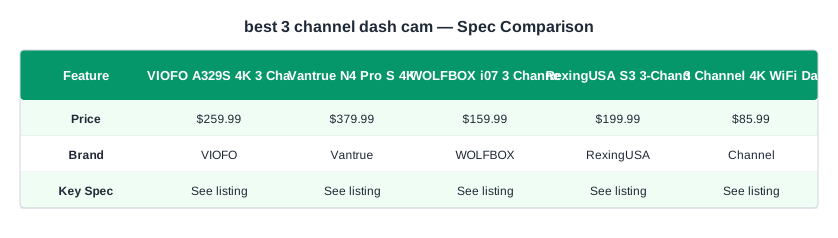
The complete lineup also includes VIOFO A329S 4K 3 Channel Dash Cam ($259.99), WOLFBOX i07 3 Channel Dash Cam Built-in WiFi ($159.99), RexingUSA S3 3-Channel Dash Cam ($199.99), 3 Channel 4K WiFi Dash Cam ($85.99) — each compared on the same specs and reviewer consensus.