None
Accidents can happen anywhere, and the open road is no exception. Whether it's a minor scrape from a roadside mishap or a more serious injury from an unexpected incident, being prepared with a well-stocked car first aid kit can mean the difference between a small inconvenience and a larger medical emergency. As responsible drivers, we understand the importance of having the right supplies on hand to address injuries and provide immediate care until professional help arrives.
In this guide, we will delve into the best car first aid kits available in 2025, ensuring you have everything you need for any situation you might encounter. A comprehensive car first aid kit should include essential items such as bandages, antiseptic wipes, gauze, pain relievers, and heavy-duty gloves. We will also recommend additional items that can be particularly useful, such as a bleeding control kit complete with a tourniquet, burn cream, and even road flares for signaling for help if you're stranded.
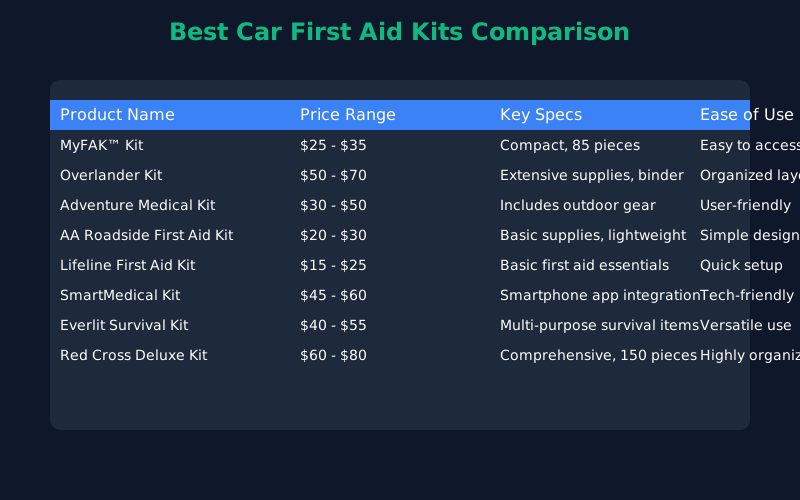
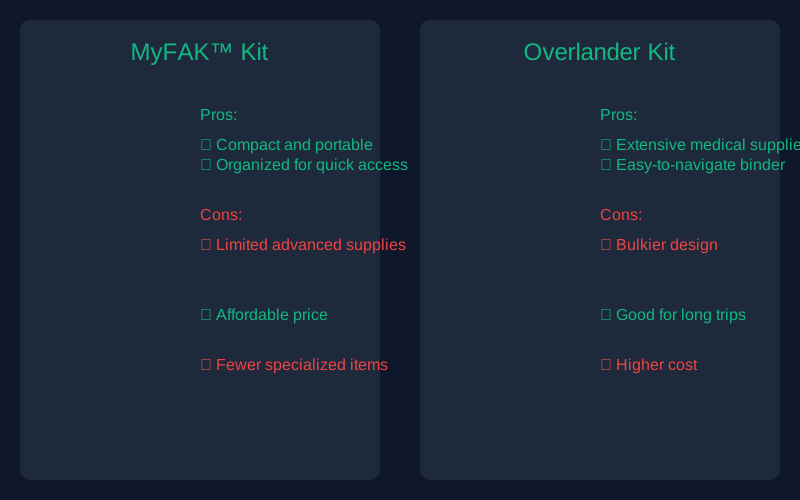
Moreover, we will explore various kits available on the market, highlighting their features, organization, and specific contents. For example, the MyFAK™ kit is designed to be compact yet comprehensive, while the Overlander kit stands out for its extensive medical supplies organized in an easy-to-navigate binder. Our aim is to equip you with the knowledge necessary to choose the best first aid kit for your vehicle, helping you travel with confidence and peace of mind. Whether you're embarking on a road trip or simply commuting, having an effective first aid kit is an essential part of responsible driving.
What to Look For
When selecting the best car first aid kits, there are several critical factors we recommend considering to ensure you are fully prepared for any roadside emergency.
First and foremost, essential supplies are the backbone of any effective first aid kit. Look for kits that include a comprehensive range of items such as adhesive bandages, antiseptic wipes, gauze pads, pain relievers, and heavy-duty gloves. A well-stocked kit should also contain specialized items like a bleeding control kit with a tourniquet, burn cream, cold packs, and scissors. For instance, the MyFAK™ kit is known for its compact design yet includes a wide array of necessary supplies, making it a popular choice among drivers.
Size considerations are also important. Depending on your vehicle and personal preferences, you might opt for a small kit that is easy to store, or a larger kit that offers more extensive supplies. Kits like the Overlander are praised for their organizational features, allowing you to easily access items when time is of the essence. Make sure the kit fits well in your trunk or glove compartment without taking up excessive space.
Durability and storage are equally vital. A first aid kit should come in a sturdy case that can withstand the wear and tear of being stored in a vehicle. Look for kits that are water-resistant or have robust construction to ensure the contents remain safe and secure.
Finally, always check the expiration dates of the supplies included in the kit. Items like antiseptic wipes and medications can lose their effectiveness over time. Regularly review and replenish your kit to ensure that all components are up to date. For instance, a kit containing pain relievers may have a shelf life of a couple of years, and it is crucial to replace them before they expire.
By keeping these factors in mind-essential supplies, size, durability, and expiration dates-you can select a first aid kit that best meets your needs and ensures you are well-equipped for any situation on the road.
Our Top Picks
When it comes to preparing for the unexpected on the road, having a reliable first aid kit in your vehicle is essential. We have done the research and compiled our top picks for the best car first aid kits available in 2025, ensuring you have the right supplies for any emergency situation.
For the best overall kit, we recommend the MyFAK™ First Aid Kit priced at approximately $89.99. This comprehensive kit is designed specifically for automotive emergencies and includes a wide array of supplies, such as bandages, adhesive tape, antiseptic wipes, pain relievers, and even a bleeding control kit complete with a tourniquet. The MyFAK™ is compact and organized, making it easy to find what you need quickly in a stressful situation. Plus, it is made from durable materials that can withstand the wear and tear of being stored in your car.
If you're looking for something compact, the Lifeline 4330 First Aid Kit is our top pick at around $19.99. This kit is perfect for those who want to save space in their vehicle while still being well-prepared. It includes essential items such as adhesive bandages, antiseptic wipes, gauze pads, and a pair of scissors, all neatly packed in a portable case. Despite its small size, the Lifeline kit is a great option for minor injuries and everyday emergencies.
For those who want the most comprehensive kit, we suggest the Overlander First Aid Kit priced at about $159.99. This kit is tailored for adventurers and road-trippers who may face more significant medical challenges. With over 200 items, it covers everything from basic first aid supplies to advanced medical gear like a splint and a CPR mask. The Overlander kit is well-organized with clearly labeled compartments, allowing you to quickly locate the necessary items. It's an excellent choice for families or those who often travel to remote areas where access to medical assistance may be limited.
If you're on a budget, the Adventure Medical Kits Ultralight & Watertight .5 stands out at just $29.99. This kit is lightweight and waterproof, making it a fantastic choice for outdoor enthusiasts or anyone looking to save space. It includes a variety of first aid essentials, such as antiseptic wipes, adhesive bandages, and a first aid manual, ensuring you have the necessary tools for minor injuries without breaking the bank. Its compact design makes it easy to store in your glove compartment or trunk without taking up too much room.
Lastly, for those who prioritize extra safety and preparedness, we recommend the First Aid Only 299 Piece First Aid Kit at approximately $49.99. This extensive kit is perfect for those who want to ensure they have everything they might need in an emergency. With an impressive variety of items, including burn cream, splints, cold packs, and even a first aid manual, this kit is designed to address a wide range of injuries and situations. Its organized layout allows for quick access to the supplies you need, and it is housed in a sturdy case that can easily fit in your trunk or under a seat.
In conclusion, having the right first aid kit in your vehicle can provide peace of mind and preparedness for any unexpected situations on the road. Whether you're looking for a compact kit for everyday use or an extensive kit for adventurous trips, our top picks cover a range of needs and budgets, ensuring you can stay safe while driving. Always remember to check the contents of your first aid kit regularly and replace any expired items to keep your supplies up to date.
Essential Kit Contents
Essential Kit Contents
When preparing your car first aid kit, it's crucial to ensure it includes a comprehensive range of supplies to address various emergencies. Here are the essential components we recommend: Bandages and Gauze: Bandages are the cornerstone of any first aid kit. We suggest including adhesive bandages in various sizes, sterile gauze pads, and adhesive tape to secure them. A bleeding control kit with a tourniquet is also vital for severe injuries. For example, the MyFAK™ offers a robust selection of bandages that can handle everything from minor cuts to more serious wounds. Medications: Having essential medications on hand can significantly ease discomfort during emergencies. Pain relievers like ibuprofen or acetaminophen are indispensable. Additionally, we recommend including antiseptic wipes and antibiotic ointment to prevent infections. Some kits, such as the Overlander, come pre-loaded with these medications, ensuring you're ready to handle minor ailments effectively. Tools and Instruments: A first aid kit should also contain useful tools and instruments. We recommend including a pair of heavy-duty gloves to protect yourself while administering first aid. Scissors are essential for cutting tape or clothing, while tweezers are helpful for removing splinters. A multi-tool can also serve various purposes, making it an invaluable addition to your kit. Emergency Supplies: Beyond basic first aid, your kit should have several emergency supplies. Cold packs can provide immediate relief for sprains and strains, while a flashlight is crucial for visibility in low-light situations. Road flares are important for signaling other drivers if you find yourself stranded. Jumper cables are also a must-have for unexpected battery failures. We suggest the Redi's first aid kit, which incorporates both medical supplies and essential emergency tools, ensuring you're equipped for a variety of situations. In summary, a well-stocked car first aid kit should include a mix of bandages, medications, tools, and emergency supplies. By preparing your kit with these essential items, you can ensure that you are ready to handle any minor injuries or emergencies that may arise on the road.Maintaining Your Kit
Regular maintenance of your car first aid kit is essential to ensure it remains effective in emergencies. We recommend conducting inspections of your kit at least twice a year. During these inspections, check that all items are present and in good condition. Pay special attention to items that are prone to damage, such as adhesive bandages and gauze, which can dry out or lose their stickiness over time.
One of the most crucial aspects of maintenance is replacing expired items. Many first aid supplies, such as antiseptic wipes, antibiotic ointment, and pain relievers, have expiration dates that can compromise their effectiveness. For example, a common pain reliever like ibuprofen typically has a shelf life of about four to five years. We suggest noting the expiration dates of each item and replacing them as needed. This small step can make a significant difference in the effectiveness of your kit when you need it most.
Furthermore, we recommend customizing your first aid kit to fit your specific needs. If you or your family members have allergies, chronic conditions, or specific medical requirements, consider adding items that cater to these needs. For instance, if someone in your household has a severe allergic reaction, including an epinephrine auto-injector (such as an EpiPen) is vital. Additionally, personalizing your kit with items like heavy-duty gloves, a CPR mask, or even a bleeding control kit with a tourniquet can enhance your kit's capability to handle various emergencies effectively.
By regularly inspecting, replacing expired items, and customizing your first aid kit, you ensure it is always ready to assist in emergencies, providing you and your passengers peace of mind on the road.
Our Verdict
In conclusion, when it comes to equipping your vehicle with a reliable first aid kit, our recommendations cover a range of needs and budgets. For families, the Overlander Kit stands out as the best option, priced at approximately $79.99. Its comprehensive organization and extensive range of supplies, including everything from bandages to a bleeding control kit, ensure that you are well-prepared for any minor emergency that may arise during family outings. This kit not only addresses common injuries but also provides peace of mind for parents on the road.
For those seeking the best value, we recommend the MyFAK™ Compact First Aid Kit at around $39.99. This kit packs essential items into a compact design, making it perfect for those who want a balance of quality and affordability without compromising on necessary supplies. It includes antiseptic wipes, gauze, pain relievers, and more, ensuring that you have the basics covered without breaking the bank.
Ultimately, investing in a high-quality first aid kit is an essential step towards ensuring safety on the road, and we hope our guide helps you choose the right one for your needs.