How to Drive in a Roundabout: The Simple Rules Americans Keep Getting Wrong
Auto Roamer
13 min read
Includes Video
Mastering how to drive in a roundabout is crucial. The core principle for roundabout right of way is simple: yield to traffic already in the circle. Before entering, always look left and yield. Then, merge smoothly. Remember, roundabouts work by keeping traffic flowing counter-clockwise.
You're approaching the roundabout, traffic is moving, and suddenly you're paralyzed. Which lane do you pick? The car behind you honks impatiently as you inch towards the yield sign, your mind a blank canvas of confusion. This is the reality for too many drivers navigating modern roundabouts Roundabouts. We've all been there, fumbling with turn signals and praying we don't cause a pile-up. The truth is, most of us haven't been properly taught how to drive in a roundabout correctly. These circular intersections are designed to improve traffic flow and drastically reduce dangerous crashes, with studies showing up to a 90 percent reduction in fatal accidents Are roundabouts safer than traffic lights?. Yet, confusion reigns, leading to hesitation and risky maneuvers. Understanding the basic roundabout rules and roundabout right of way isn't just about avoiding a ticket; it's about getting where you need to go safely and efficiently.
Key specifications for how to drive in a roundabout correctly
The Short Answer
The core of driving in a roundabout is simple: yield to traffic already in the circle, then merge smoothly. Think of it as yielding *left* before entering, and then exiting *right*.
This fundamental rule is often misunderstood, leading to confusion and near-misses. When you approach a roundabout, slow down and look for traffic circulating counterclockwise. You must yield the right-of-way to any vehicles already inside the roundabout before you enter. Once you've found a safe gap, merge into the circulating traffic.
Modern roundabouts are designed for safety and efficiency. They drastically reduce the deadliest intersection crashes, like T-bone collisions. Studies by the Insurance Institute for Highway Safety (IIHS) show that roundabouts can lead to a 90% reduction in fatal accidents and a 75% reduction in injury accidents compared to traditional intersections Are roundabouts safer than traffic lights?. This is largely because the tight turns inherently force drivers to slow down, making severe crashes less likely.
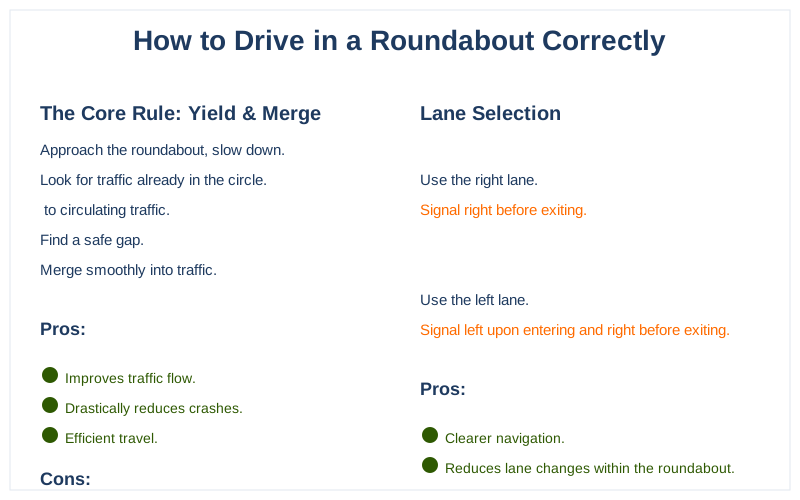
For multi-lane roundabouts, the key is to select your lane *before* entering based on your intended exit. Generally, the right lane is for the first exit or going straight, while the left lane is for turns past halfway or U-turns. Once inside, stay in your chosen lane; do not change lanes within the roundabout itself WSDOT.
When it's time to exit, signal your intention to the right. You'll exit from the lane you are currently in. If you miss your exit, don't panic; simply continue circulating around the roundabout and try again. This simple framework, yield left, merge, exit right, is the secret to navigating these intersections safely and confidently.
Understanding how to navigate roundabouts can enhance your overall driving skills, especially when faced with challenges like construction zones.
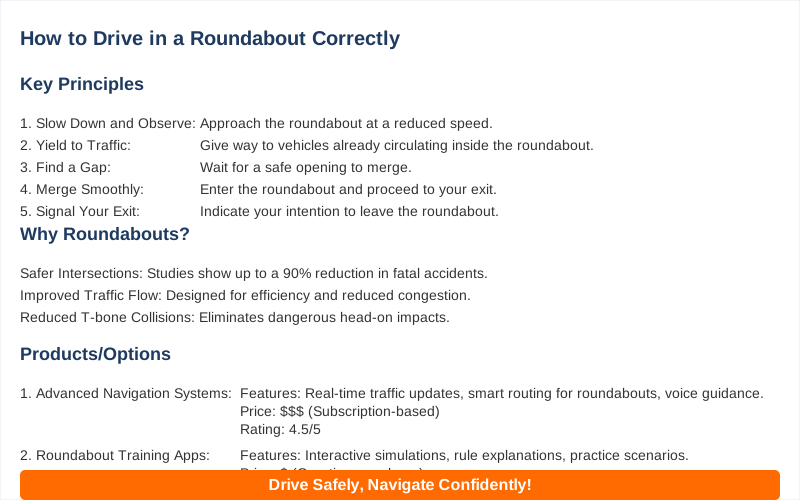
This aerial shot showcases a beautiful roundabout, a common traffic solution designed to improve flow. Remember the key rule: yield to traffic already circulating.
| Photo by Quang Nguyen Vinh
This aerial shot showcases a beautiful roundabout, a common traffic solution designed to improve flow. Remember the key rule: yield to traffic already circulating.
| Photo by Quang Nguyen Vinh
What You Need to Know
1
Yield to traffic already in the roundabout. This is the golden rule, regardless of roundabout size or lane count. In the U.S., traffic moves counterclockwise, so you'll be yielding to vehicles approaching from your left. This fundamental principle is why roundabouts have significantly reduced severe crashes; studies show a 90 percent reduction in fatal accidents and a 75 percent reduction in injury accidents compared to traditional intersections.
2
Single-lane vs. multi-lane matters for lane selection. For single-lane roundabouts, there's no complex choice: enter when clear and proceed to your exit. For multi-lane roundabouts, select your lane before entering based on your intended exit. Generally, use the right lane for the first or second exit (typically less than halfway around). Use the left lane for exits past the halfway point, or for U-turns. Do not change lanes once inside the roundabout; this is a common mistake that leads to conflict .
3
Trucks and trailers need space. These larger vehicles often need to use more of the roundabout's width, sometimes straddling lanes. If you're in a sedan or smaller SUV, give them extra room and avoid driving directly beside them. Their turning radius is much larger, and they might hug the center island or drift wider than you expect. This is crucial for safety and avoids forcing them into awkward maneuvers .
4
Signal your exit. This is often overlooked, but it's vital for communicating your intentions to drivers waiting to enter or those behind you. Signal right as you approach your intended exit. If you miss your exit, don't panic or stop. Simply continue circulating around the roundabout until you can safely exit on your next pass. This is far safer than attempting a sudden maneuver .
5
Understand the growth. The U.S. is rapidly adopting roundabouts, with over 4,000 installed in recent years. This shift is driven by their proven safety benefits and improved traffic flow. Studies by the Federal Highway Administration (FHWA) indicate roundabouts can increase traffic capacity by 30 to 50 percent over traditional intersections. However, many drivers remain unprepared, leading to confusion and potential hazards .
6
Slow down before entering. Modern roundabouts are designed for speeds between 15-20 mph in urban settings and 30-35 mph in rural areas. The geometry of the roundabout naturally forces slower speeds, but you must actively reduce your speed as you approach. Maintain a consistent, slow speed throughout the circle. Avoid stopping inside the roundabout unless absolutely necessary to avoid a collision; this disrupts traffic flow and can cause rear-end accidents .
Mastering roundabouts can enhance your overall driving skills, much like knowing how to merge onto the highway safely.
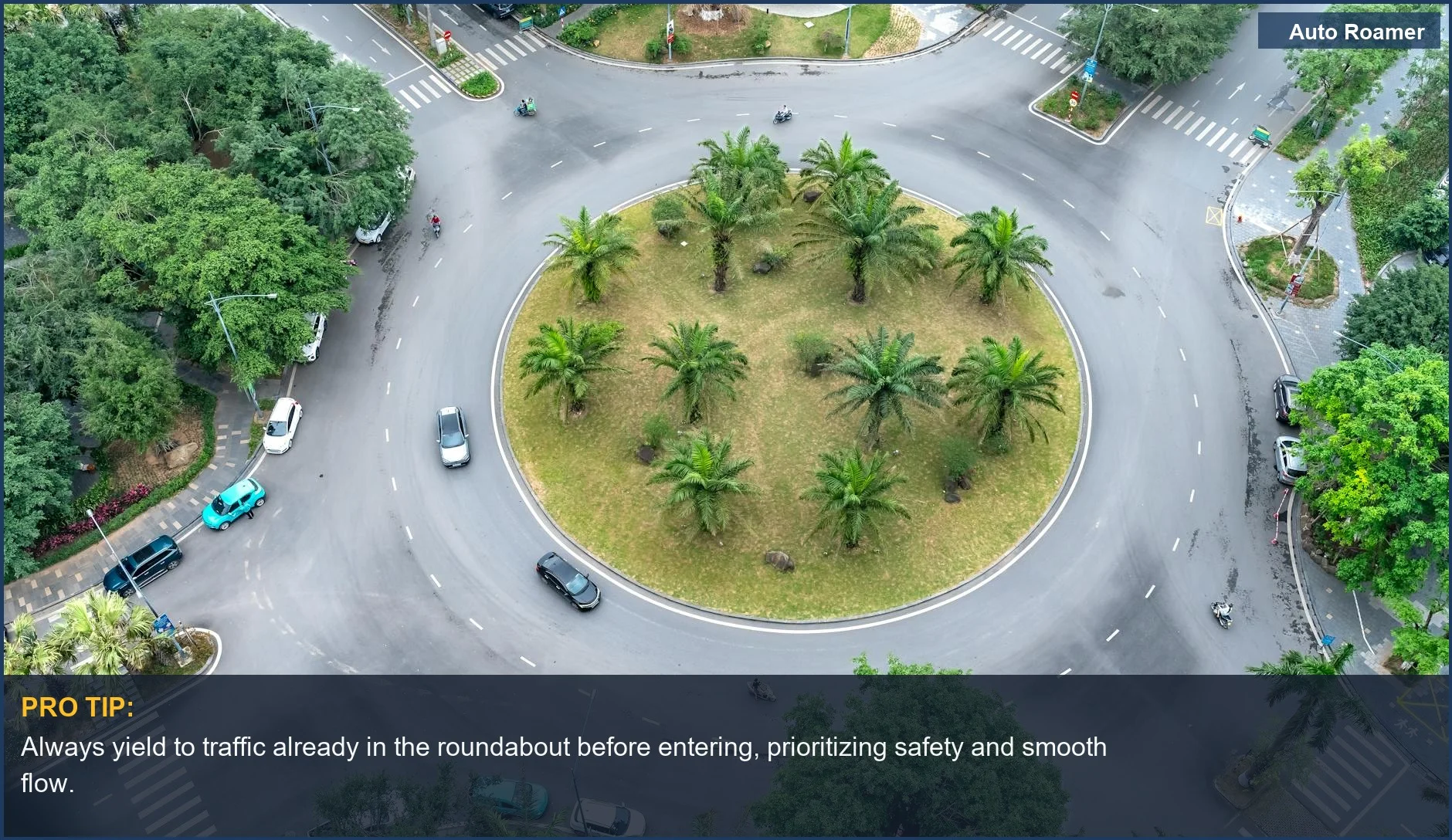
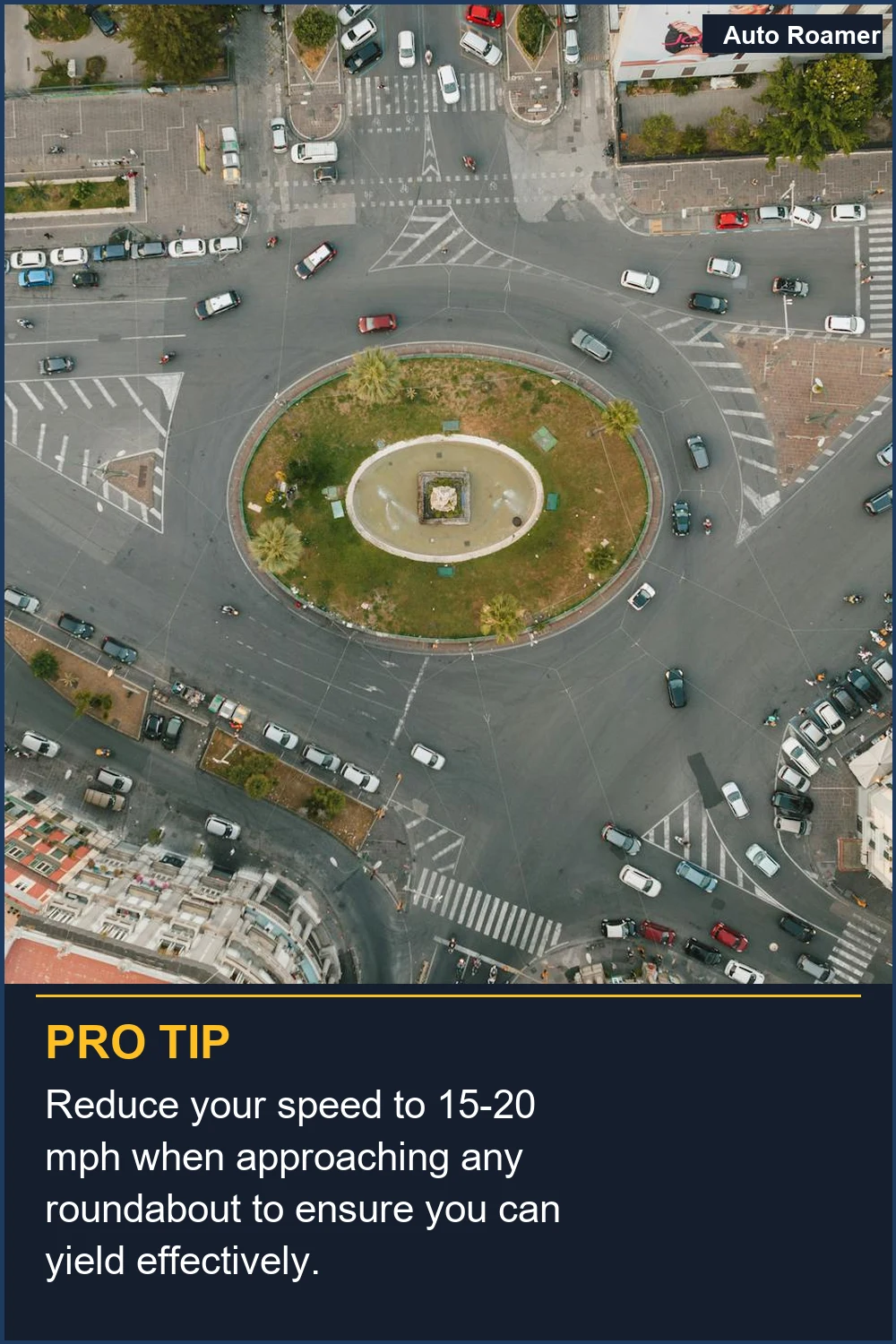
A bird's eye view of a bustling urban roundabout. Mastering roundabout rules means always yielding to vehicles already within the circle.
| Photo by Kelly
A bird's eye view of a bustling urban roundabout. Mastering roundabout rules means always yielding to vehicles already within the circle.
| Photo by Kelly
How to Handle This
1
Slow and Yield Before Entering - As you approach any roundabout, reduce your speed significantly. In urban settings, slow to 15-20 mph. In rural areas, you might go slightly faster, but the principle is the same: slow down. This prepares you to merge, providing the reaction time needed to spot a gap or avoid a vehicle already in the circle. Roundabouts
2
Find a Gap and Merge Smoothly - Once slowed, look for a safe gap in circulating traffic. Remember, traffic within the roundabout has the right-of-way. Yield to vehicles from your left. If a gap exists, merge without stopping. Stopping in a roundabout is dangerous. This is critical in busy periods or bad weather when visibility is reduced. Roundabout Navigation: How do you drive a roundabout
3
Stay in Your Lane Inside the Circle - Once entered, do not change lanes. This applies to single and multi-lane roundabouts. Changing lanes inside is a dangerous mistake. For multi-lane roundabouts, choose your lane BEFORE entering based on your exit. Use the right lane for the first or second exit; use the left lane for exits past halfway. Roundabout Navigation: How do you drive a roundabout; Roundabouts | WSDOT - | WA.gov
4
Signal Your Exit and Exit from the Right Lane - Approaching your exit, activate your right-turn signal. This informs others of your intention. Crucially, exit from the right lane. Even if you entered from a left lane for a later exit, maneuver into the right lane before your exit if safe, or continue around if you've missed it. Failing to signal or exiting from the wrong lane can cause collisions. Roundabouts | WSDOT - | WA.gov
To ensure safety while driving, it's also important to understand the visibility rules in fog.
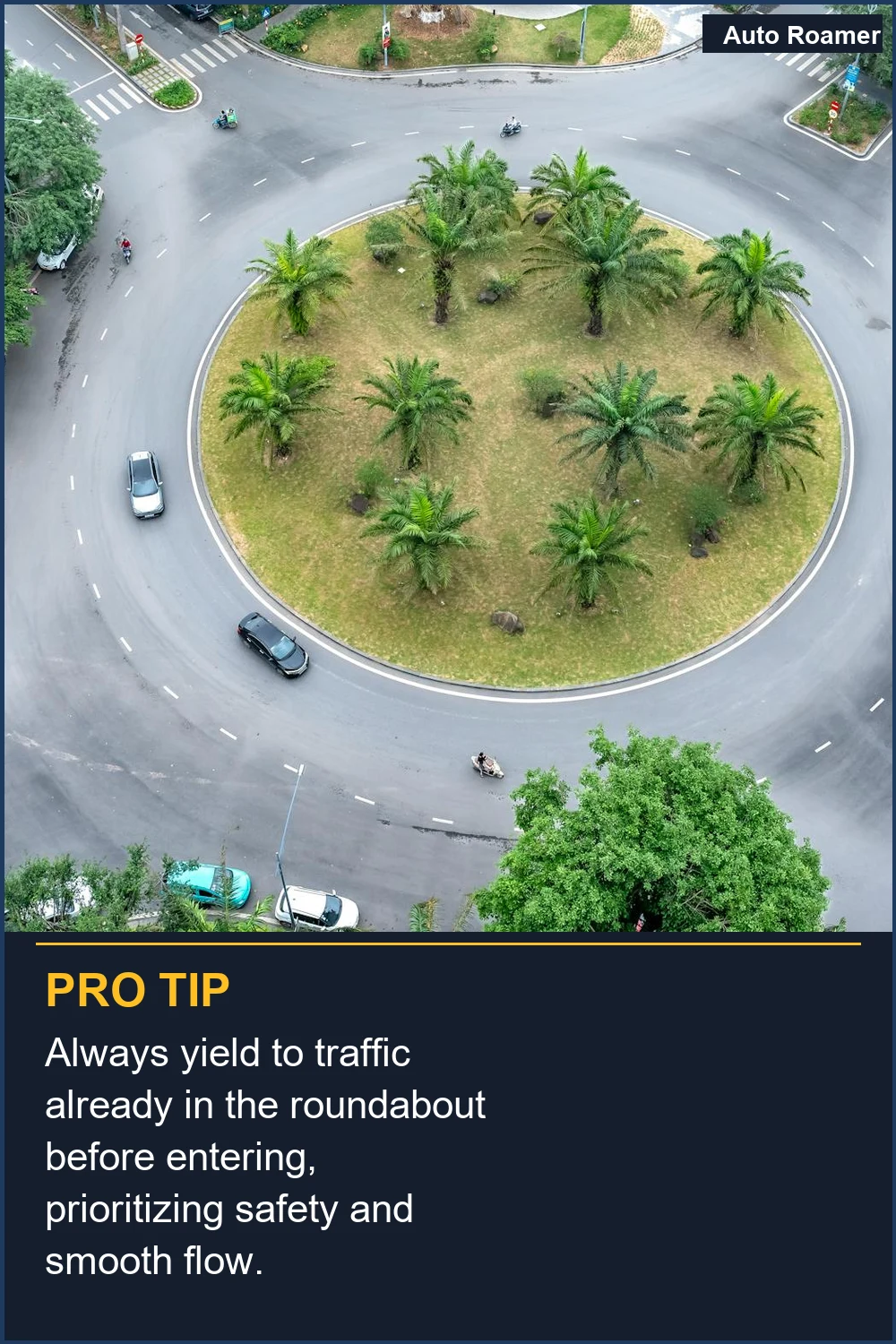
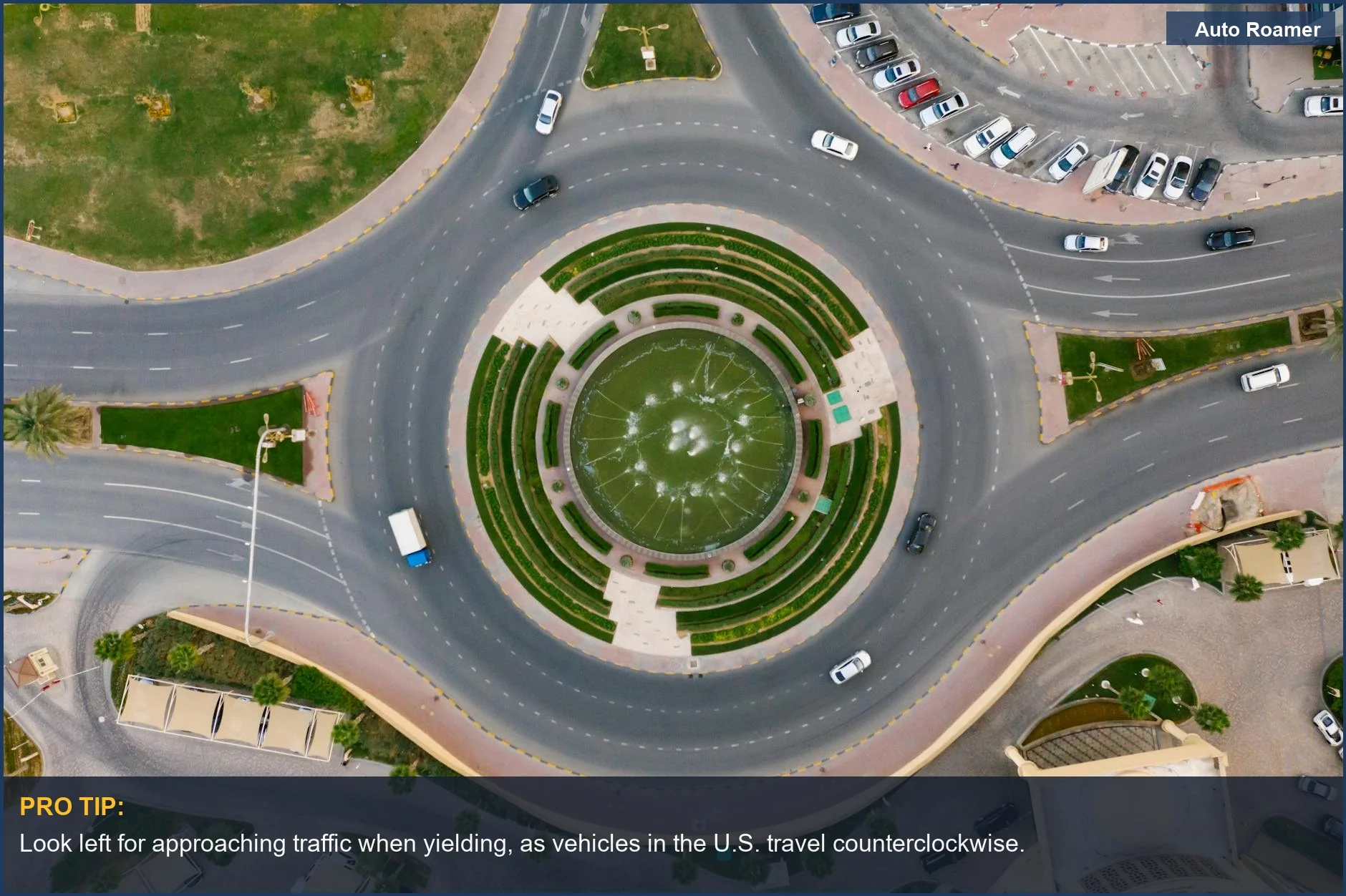
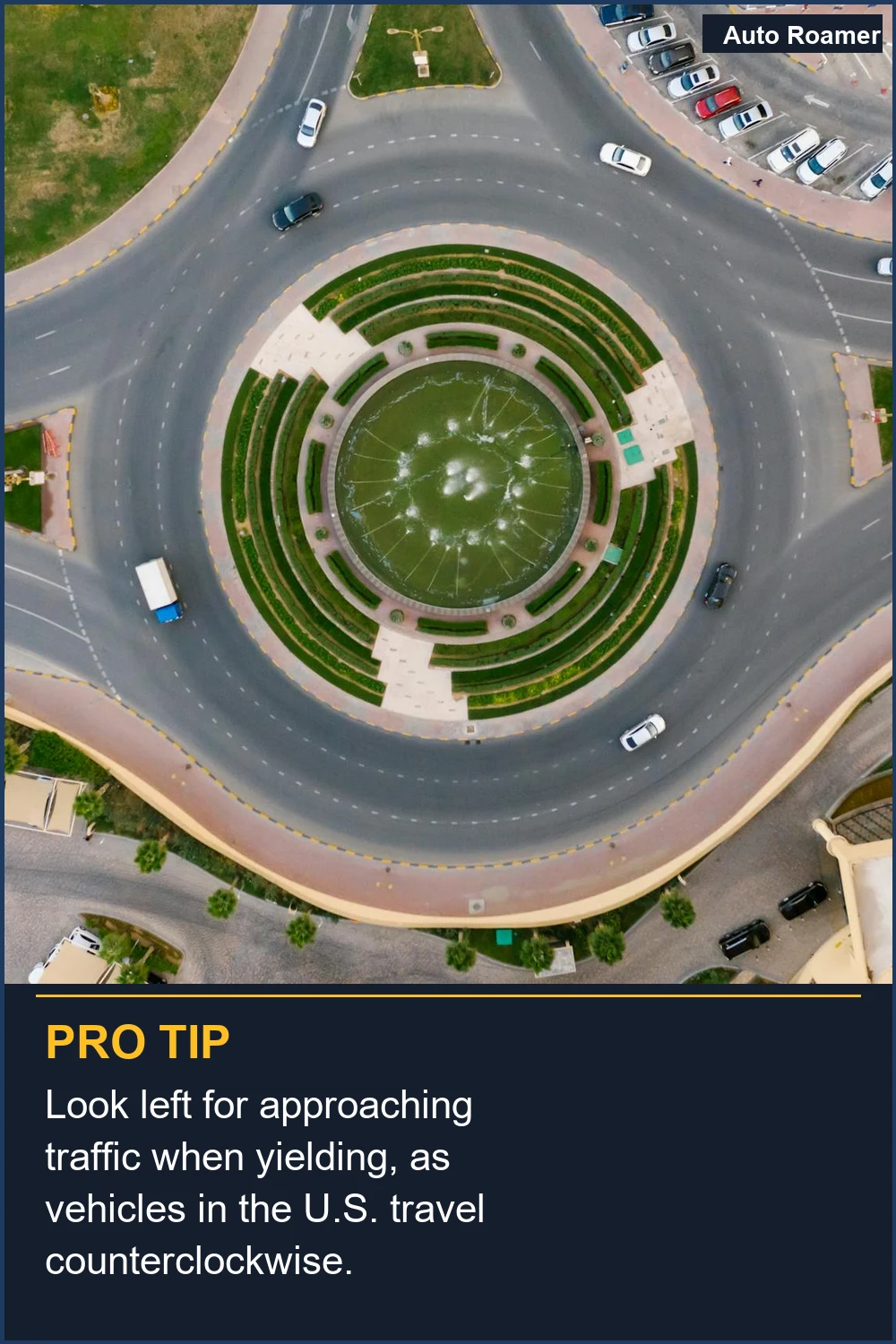
This modern urban roundabout demonstrates how roundabouts work efficiently. Slow down and yield to traffic before merging for a safe journey.
| Photo by Mikhail Nilov
This modern urban roundabout demonstrates how roundabouts work efficiently. Slow down and yield to traffic before merging for a safe journey.
| Photo by Mikhail Nilov
What This Looks Like in Practice
First-Time Small Town Single-Lane Roundabout in a Compact Car You're approaching a roundabout for the first time, probably in a quiet town. The key is to slow down considerably before you reach the yield sign, aiming for speeds around 15-20 mph as recommended for urban settings Roundabouts. Watch for pedestrians in the crosswalks, then look to your left for any vehicles already circulating. Yield to them, find a safe gap, and merge smoothly. Stay in your lane and signal your exit.
Multi-Lane Highway Bypass in a Large SUV Navigating a multi-lane roundabout on a busy bypass requires lane discipline before entry. If your exit is one of the first two, use the right lane. For exits past the halfway point, position yourself in the left lane. Remember, do not change lanes inside the roundaboutRoundabout Navigation: How do you drive a roundabout. Yield to all circulating traffic, regardless of their lane, and exit from the lane you entered in.
Roundabout with a Semi-Truck Taking Up Both Lanes This scenario demands extra caution. A large semi-truck, especially one with a trailer, might occupy more than one lane. Avoid driving directly alongside large trucks in a roundabout Roundabout Navigation: How do you drive a roundabout. Give them ample space and be prepared for them to take a wider path. If you're in a smaller vehicle, yield to them generously, and wait for a clear path to enter and proceed.
European-Style Roundabout with 5 Exits in a Rental Car These can be intimidating with numerous entry and exit points. The fundamental rules still apply: yield to circulating traffic, maintain a consistent, slow speed, and do not change lanes. Choose your lane *before* entering based on your intended exit. For a roundabout with many exits, a good rule of thumb is to use the right lane for the first few exits and the left lane for those further around. If you miss your exit, simply continue around the roundabout until you reach it again; it's designed for this.
Once you've mastered roundabouts, you'll want to feel equally confident when it's time to merge onto the highway.
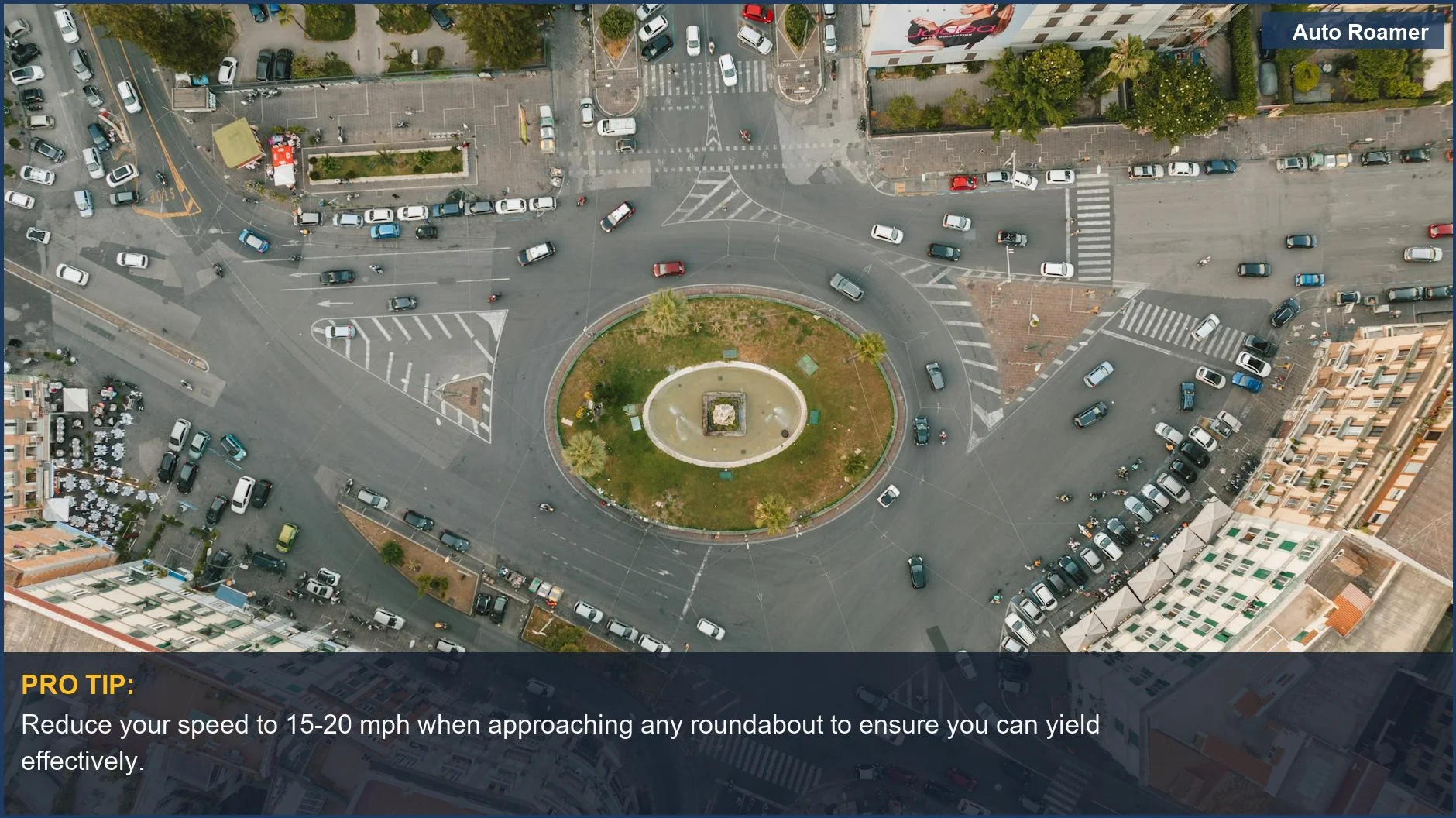
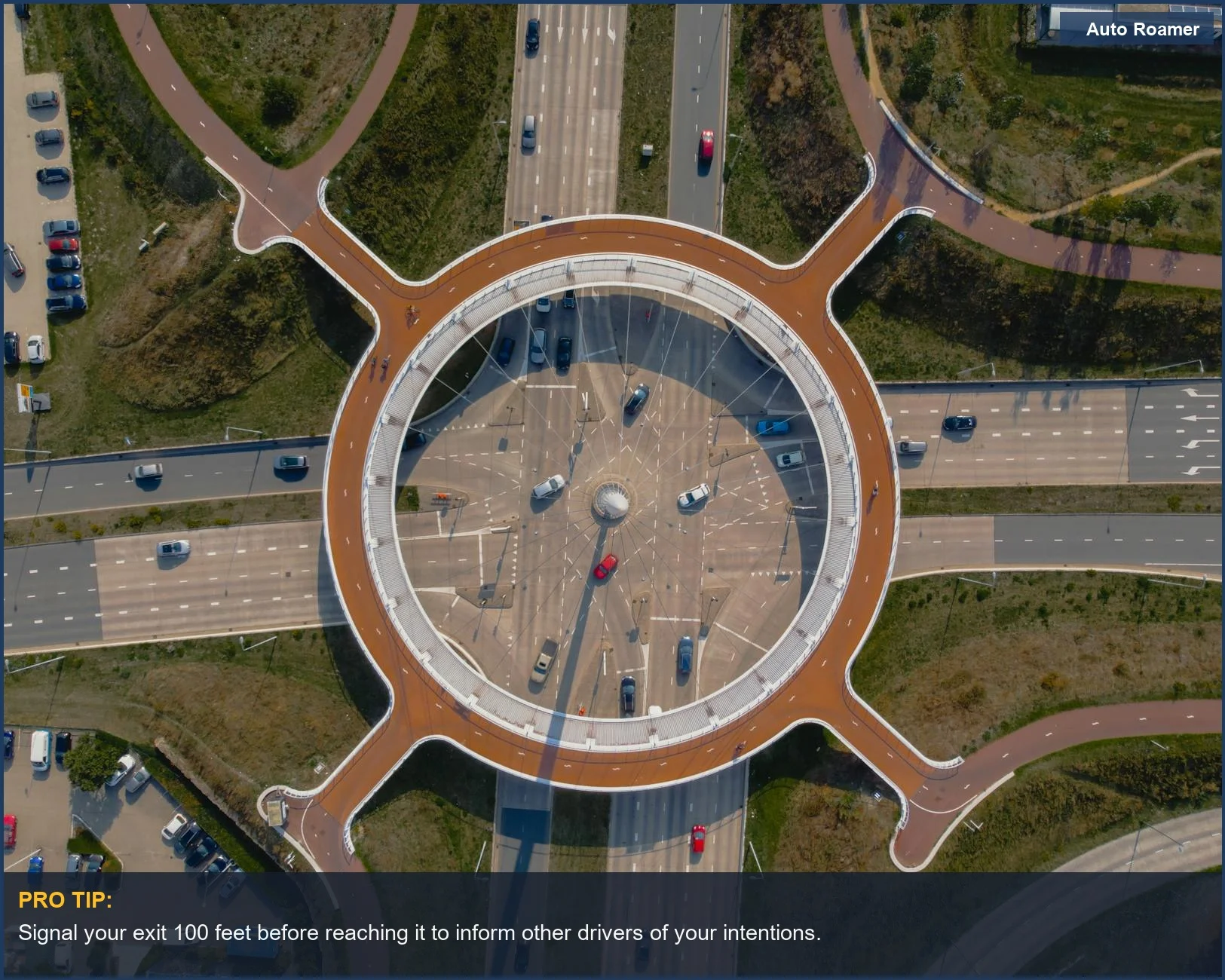
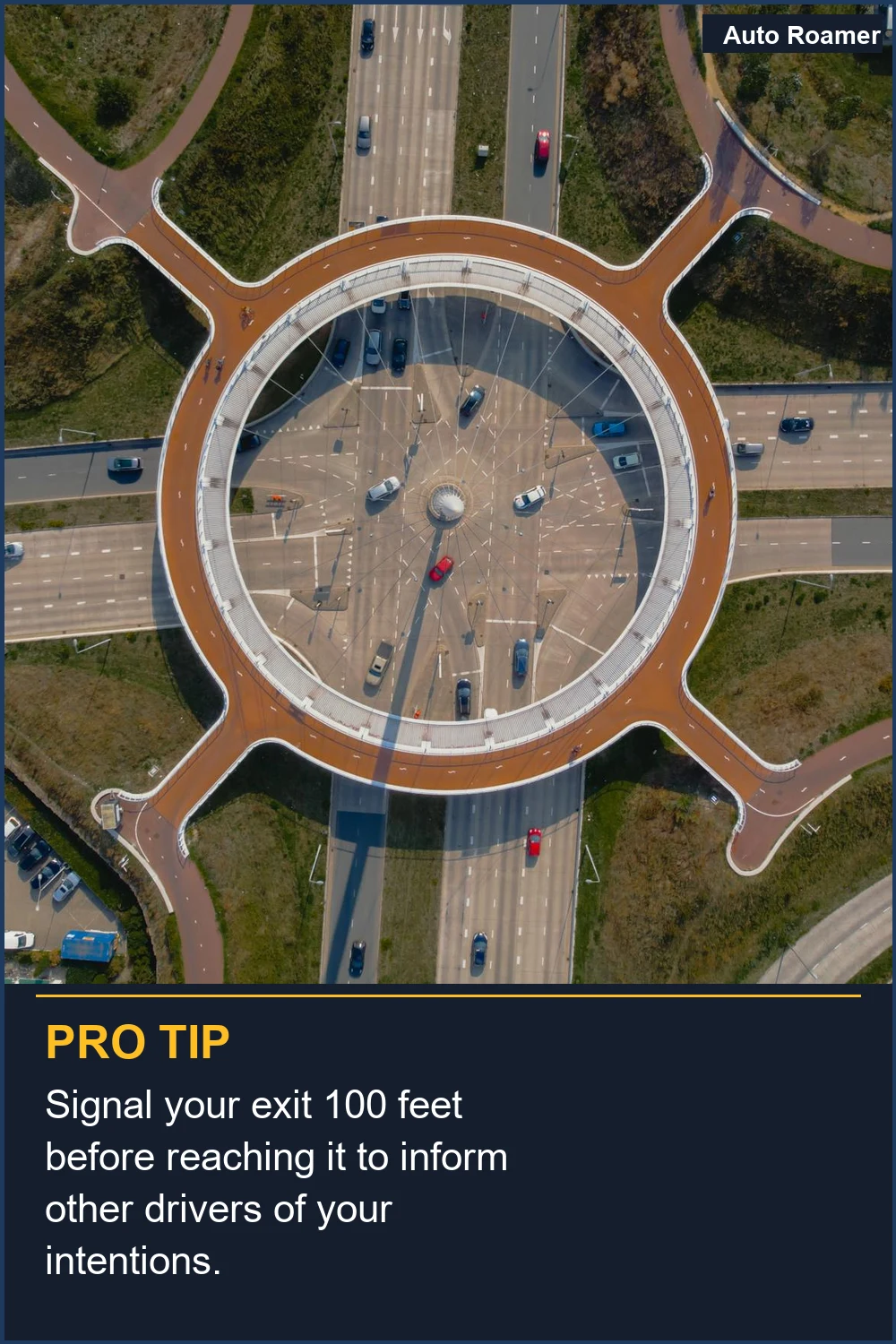
An intricate modern roundabout in Eindhoven highlights the importance of understanding roundabout right of way. Always signal your exit clearly.
| Photo by Radjied de la Combe
An intricate modern roundabout in Eindhoven highlights the importance of understanding roundabout right of way. Always signal your exit clearly.
| Photo by Radjied de la Combe
Mistakes That Cost People
Mistake Stopping inside the roundabout.
Why people make it Confusing roundabouts with traditional intersections where stopping to let someone in is common, or panicking about yielding.
What actually happens You create a dangerous blockage. Other drivers must swerve or brake sharply, increasing the risk of collisions. This is a major safety hazard Roundabout Navigation: How do you drive a roundabout.
The fixNever stop inside the roundabout unless absolutely necessary to avoid a collision. If you miss your exit, simply continue around the circle until you reach it again Roundabout Navigation: How do you drive a roundabout.
Mistake Entering without yielding to traffic already in the circle.
Why people make it Misunderstanding the fundamental roundabout right of way rule, especially in multi-lane roundabouts where it applies to both lanes.
What actually happens You're cutting off circulating traffic, forcing them to brake or maneuver dangerously. This is a primary cause of crashes, particularly side-swipes reddit.com.
The fixAlways yield to traffic already in the roundabout. Look left and wait for a safe gap before entering. This is the absolute golden rule for how to drive in a roundaboutwsdot.wa.gov.
Mistake Changing lanes inside a multi-lane roundabout.
Why people make it Drivers often treat roundabouts like any other multi-lane intersection, thinking they can switch lanes to reach their desired exit.
What actually happens This is extremely dangerous. You're entering traffic that is already moving at a consistent speed, leading to sudden braking and side-impact collisions. Studies show crashes at two-lane roundabouts decreased over time as drivers gained familiarity, implying lane changes contribute to initial issues Roundabouts.
Why people make it In regions where driving is on the right, a lapse in attention or unfamiliarity with traffic patterns can lead to this critical error.
What actually happens You are driving directly into oncoming traffic, a recipe for a head-on collision. This is one of the most severe types of intersection crashes Roundabouts.
The fixAlways travel counterclockwise around the central island. Familiarize yourself with the direction of traffic flow before entering wsdot.wa.gov.
Mistake Not signaling when exiting.
Why people make it Drivers often forget to signal or believe it's unnecessary since they are leaving the intersection.
What actually happens Drivers behind you and those waiting to enter don't know your intentions. This can lead to them entering too soon or rear-end collisions as they try to anticipate your move Roundabout Navigation: How do you drive a roundabout.
The fixAlways signal right as you approach your intended exit. This is crucial for communicating your intentions to other road users Driving rules for roundabouts - Facebook.
Mistake Driving too fast or aggressively through the roundabout.
Why people make it Some drivers see the roundabout as a way to maintain speed and avoid stopping, or they are simply impatient.
What actually happens Roundabouts are designed to slow traffic for safety. High speeds increase the risk of losing control, making it harder to react to other vehicles, pedestrians, or cyclists, and exacerbating the severity of any collision Roundabouts.
Mistake Forgetting that larger vehicles need more space.
Why people make it Compact car drivers may not realize the turning radius and maneuverability limitations of larger vehicles like semi-trucks or RVs.
What actually happens Larger vehicles may need to use more of the roundabout, potentially crossing lane lines or even straddling the central island in some designs. A compact car cutting too close can impede their path or even get sideswiped Roundabout Navigation: How do you drive a roundabout.
The fixGive large trucks and buses extra room. Avoid driving directly alongside them or entering the roundabout immediately after them. Be patient and allow them the space they need to navigate safely Roundabout Navigation: How do you drive a roundabout.
Mastering roundabouts can enhance your overall driving skills, just like learning to back into a parking spot effectively.
Comparison overview for how to drive in a roundabout correctly
Key Takeaways
Yield going in, stay in lane, signal going out - that's 90% of how to drive in a roundabout correctly. You must yield to traffic already in the roundabout, then merge smoothly. Remember, you do not change lanes inside the roundabout and only signal right as you approach your exit Roundabout Navigation: How do you drive a roundabout.
If you miss your exit, just go around again. It's not a big deal and takes mere seconds. Don't stop or try to back up; continue circulating until you reach your intended turn Driving rules for roundabouts - Facebook.
Roundabouts dramatically improve safety. Studies show they can lead to a 90 percent reduction in fatal accidents and a 75 percent reduction in injury accidents compared to traditional intersections Are roundabouts safer than traffic lights?.
For multi-lane roundabouts, select your lane before entering based on your exit. Use the right lane for the first exit, and left lanes for exits past halfway. Always yield to both lanes of circulating traffic when entering Roundabout Navigation: How do you drive a roundabout.
The single most important takeaway for mastering roundabout rules: yield to traffic already circulating. They have the right-of-way. Get this one thing right, and you're 90% of the way to navigating any roundabout safely and efficiently.
So, who actually has the right of way when you're trying to get into a roundabout?
This is the big one for avoiding fender benders. You must always yield to traffic already circulating within the roundabout. That means if there are cars coming around, you wait for a gap before entering, no matter what. Think of it like merging onto a highway; you don't just cut in front of someone already moving.
Do I need to signal when I'm in a roundabout, and if so, when?
Yes, signaling is crucial, especially when you're exiting. Signal right as you approach your intended exit, just like you would when leaving any other road. Inside the roundabout, you don't typically signal to go around, but always signal your departure to let others know your intentions.
Navigating a multi-lane roundabout is stressing me out. Which lane do I pick?
For multi-lane roundabouts, select your lane *before* you enter based on your exit. If you're taking an early exit or going straight, the right lane is usually your best bet. If you need to take a later exit or make a U-turn, you'll want to be in the left lane, but remember not to change lanes once you're inside the circle; stay in your chosen lane until you exit.
Ugh, I totally missed my exit in the roundabout. What's the move now?
Don't panic or try to back up, that's a recipe for disaster. Just continue around the roundabout until you reach your intended exit again. It's safer to make another full circuit than to stop or reverse in circulating traffic. We've all done it, especially in unfamiliar areas with our rig.
Are these roundabouts really safer than just having a stop sign or traffic light?
From what we've seen and the data backs it up, yes, roundabouts are significantly safer. Studies, like those from the Insurance Institute for Highway Safety, show drastic reductions in fatal and injury crashes - sometimes up to 90% for fatal accidents compared to traditional intersections. The design forces slower speeds and eliminates the most dangerous crash types like right-angle and head-on collisions.