
Free Recall Check By Vin
You're miles from anywhere, the engine light just flickered on, and a nagging worry about your vehicle's safety is now a full-blown concern. Before you panic about repair bills or roadside assistance, the first and most crucial step is a free recall check by VIN.
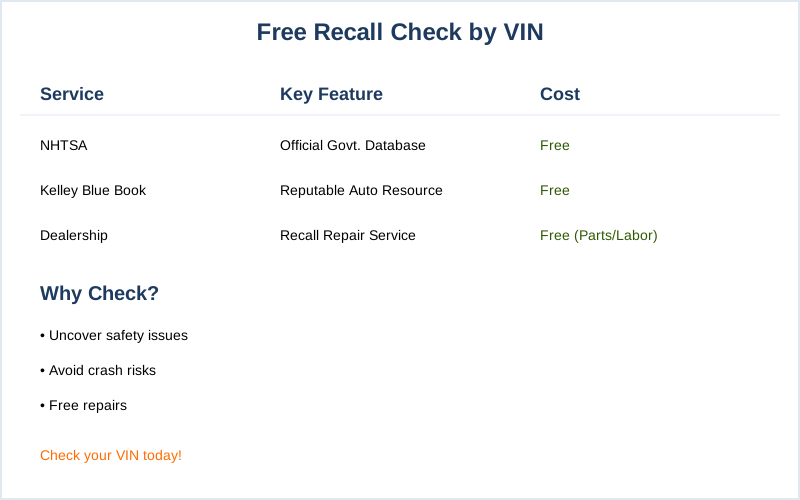
You're miles from anywhere, the engine light just flickered on, and a nagging worry about your vehicle's safety is now a full-blown concern. Before you panic about repair bills or roadside assistance, the first and most crucial step is a free recall check by VIN. We've learned the hard way that ignoring potential safety issues is a gamble no one should take. Open recalls can range from minor inconveniences to life-threatening defects, and manufacturers aren't always great at notifying every owner, especially if you've bought a used vehicle or moved since the last service. Fortunately, checking for these critical updates is straightforward and entirely free. You can quickly determine if your car, truck, or SUV is affected by a safety recall by using your 17-digit Vehicle Identification Number (VIN) on official government sites like NHTSA or reputable automotive resources like Kelley Blue Book. This simple step ensures you're aware of any necessary repairs that will be handled at no cost by a dealership.
The Short Answer
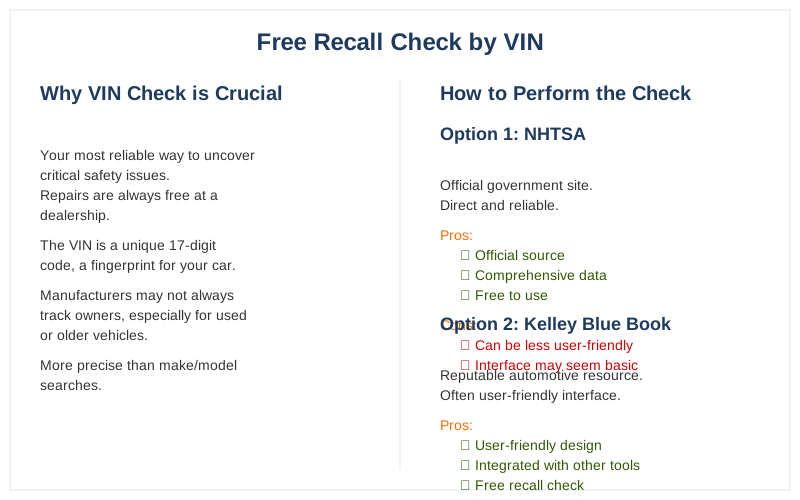
A free recall check by VIN is your most reliable way to uncover critical safety issues on your vehicle, regardless of how you acquired it. This isn't just about minor fixes; open recalls can significantly increase your risk in a crash, and repairs are always free of charge at a dealership.
The Vehicle Identification Number (VIN) is a unique 17-digit code that acts like a fingerprint for your car. Because manufacturers can't always reliably track down owners, especially for older or used vehicles, checking your VIN is the most direct method to ensure your car is safe. It's far more precise than relying on make and model searches, as even identical vehicles can be affected differently by a recall.
You can easily perform a free recall check by VIN using several official and reputable resources. The National Highway Traffic Safety Administration (NHTSA) offers a VIN lookup tool on their website, NHTSA.gov/recalls. Other trusted sites like Kelley Blue Book (kbb.com/recall/) and CARFAX (carfax.com/recall/) also provide free VIN searches. For specific brands, manufacturers like Toyota offer their own recall lookup tools on their owner sites, such as toyota.com/recall/.
Recall repairs are generally free up to 15 years after the date of manufacture. This means even if you're driving an older vehicle, you might still be eligible for free repairs. The Takata Airbag Safety Recall serves as a stark reminder of how widespread and dangerous these issues can be, impacting tens of millions of airbags across 19 automakers and posing serious injury or death risks if not addressed immediately.
Don't wait for a letter in the mail, which you might miss if you're not the original owner or have moved. Regularly checking your VIN is a proactive step. For instance, Check to Protect emphasizes that driving a vehicle with an open safety recall puts you and loved ones at greater risk. They also note that if your vehicle has an open recall, it's free to repair at a dealer.
What You Need to Know
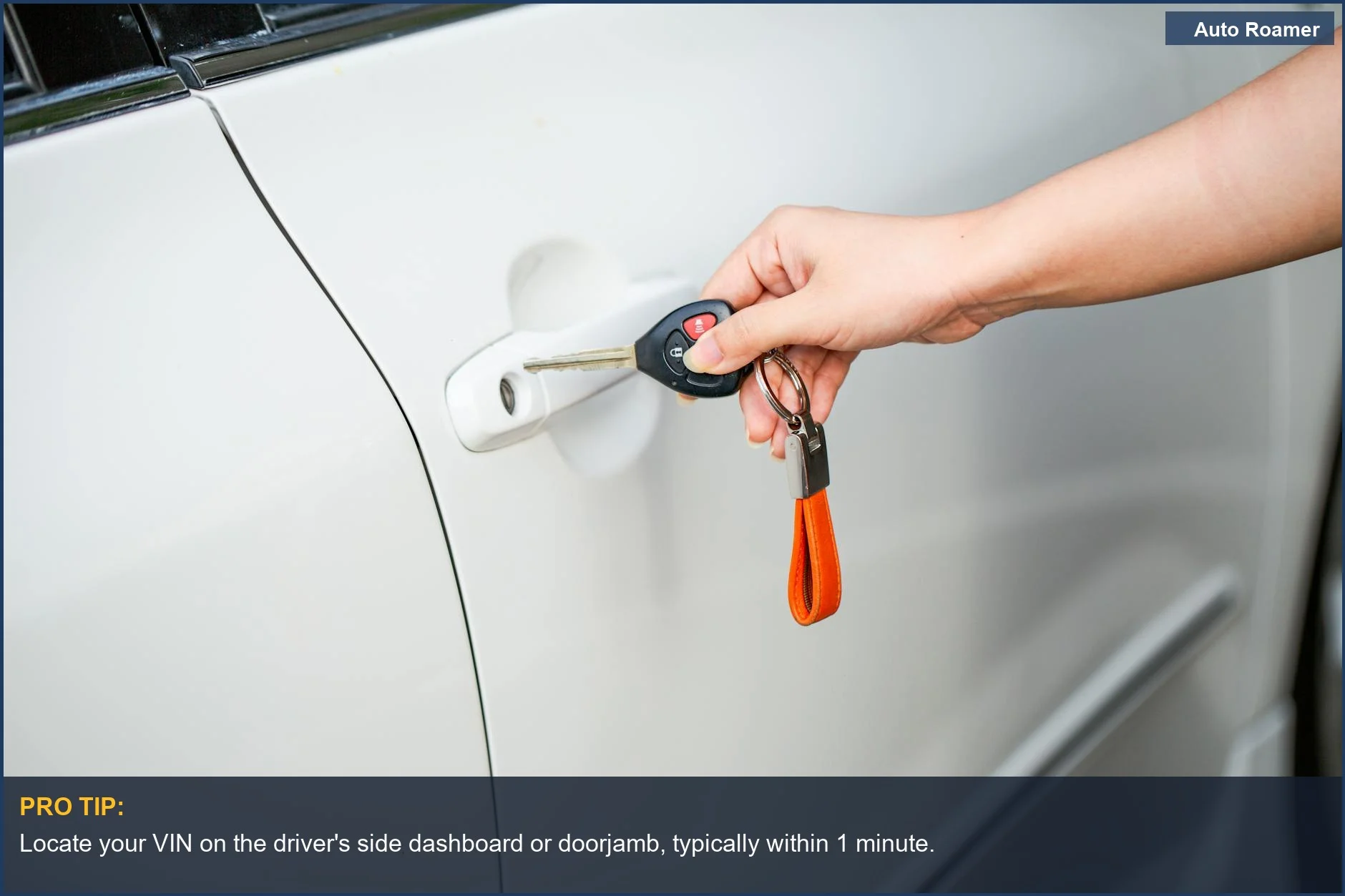
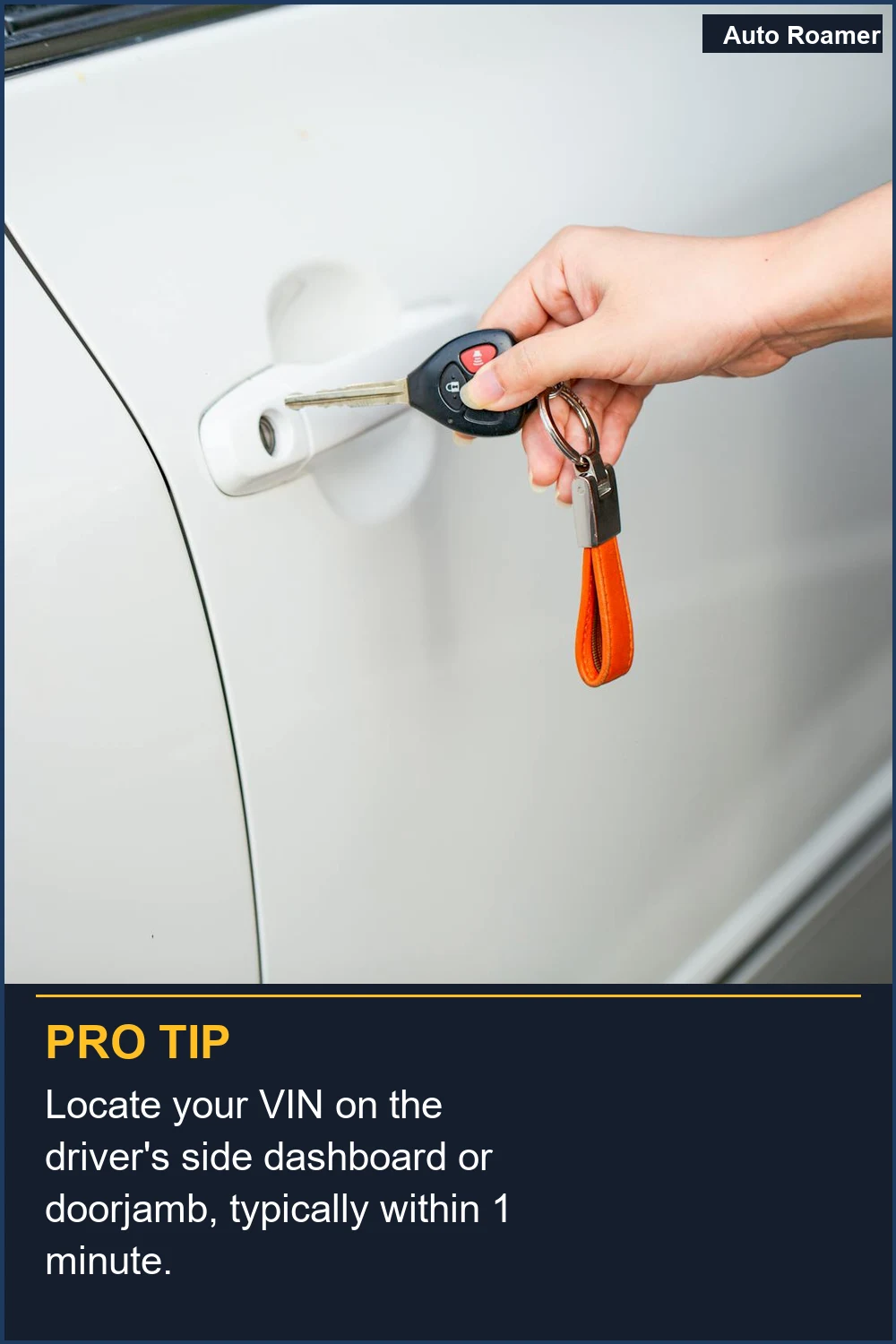
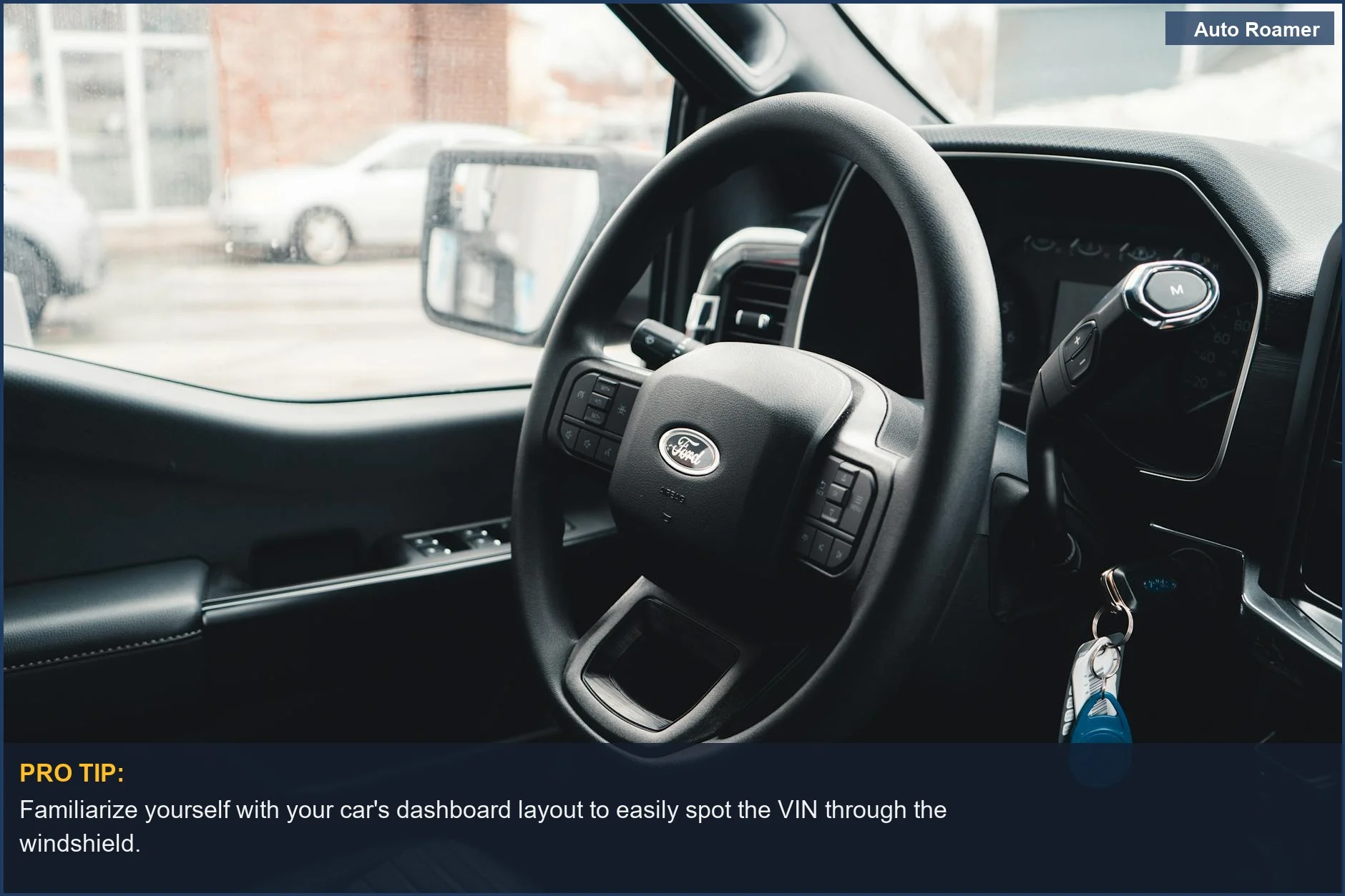
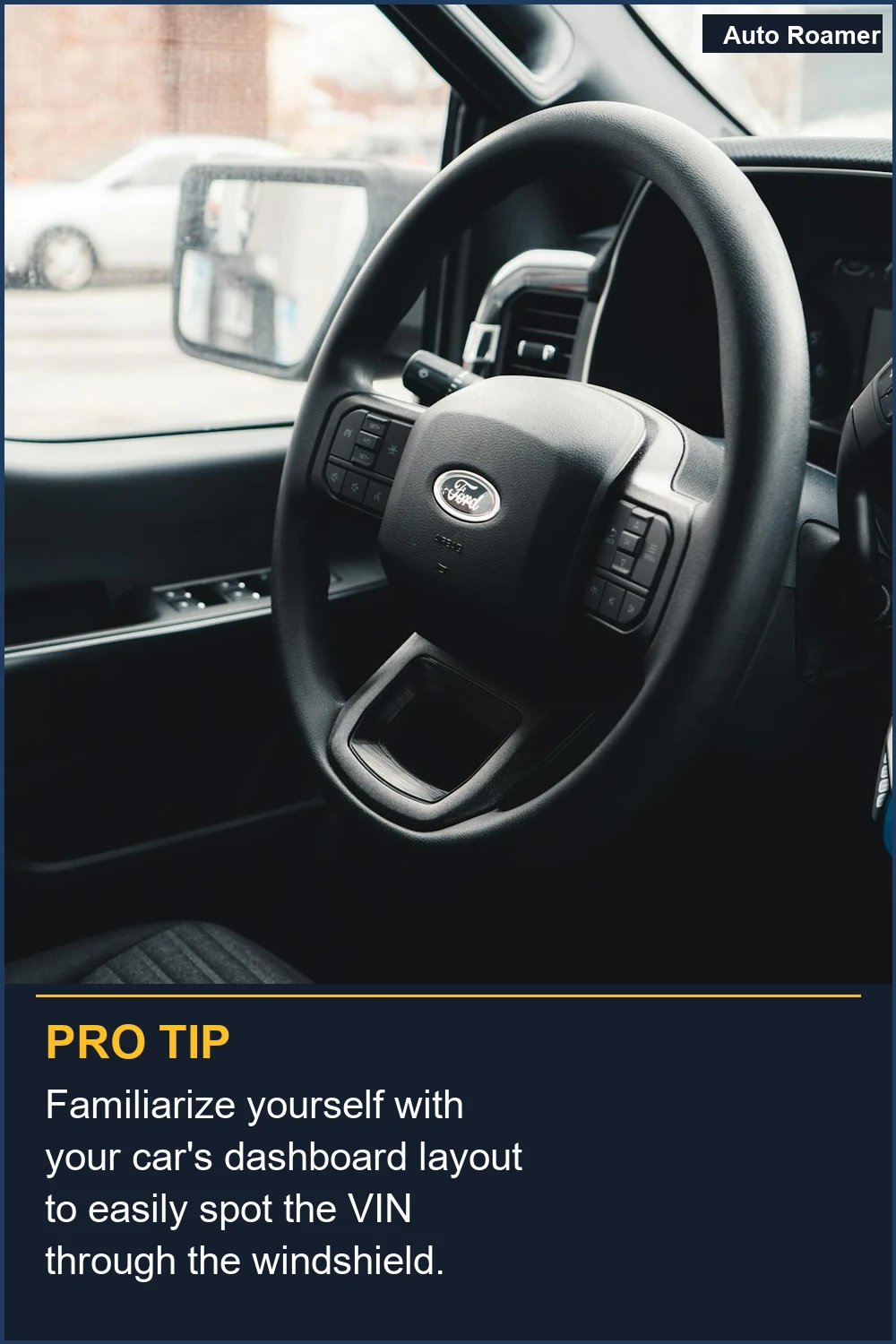
A 17-digit VIN is your key to a free recall check. Find it on your dashboard, visible through the driver's side windshield, or on your registration documents. This unique identifier ensures recall information is specific to your vehicle. For example, a braking system recall on a sedan might not apply to an SUV from the same manufacturer and model year.
Prioritize official government sources like the NHTSA for your recall check. Their database is the most comprehensive and up-to-date for U.S. vehicles. Services like Kelley Blue Book or Check to Protect also pull data from NHTSA and present it in a user-friendly format.
Recall repairs are generally free at authorized dealerships, often for up to 15 years after manufacture, according to RepairPal. This means if your VIN check uncovers an issue, like those seen in the massive Takata airbag recall affecting tens of millions of vehicles, you can get it fixed at no cost.
Different vehicle types have unique recall scenarios. A van's passenger-side airbag recall might be more critical for families, while a truck could face recalls related to towing capacity. Always confirm specific recall details with the manufacturer or dealership. Many manufacturers, like Toyota, offer their own recall lookup tools on their owner websites, such as Toyota Owners, for additional details.
How to Handle This
What This Looks Like in Practice
- Subaru Outback on a Snowy Mountain Pass We were navigating a steep, icy incline in Colorado. The vehicle's ABS and traction control systems were working overtime, but we felt a distinct shudder from the rear. A quick VIN check using the Kelley Blue Book tool revealed an open recall for a rear differential issue that could affect handling in slippery conditions. The dealer fixed it free of charge before our next trip.
- Honda Civic in a Summer Desert Heatwave Driving through Arizona, the air conditioning on our older Civic began blowing warm. While not a safety recall, a VIN lookup on Toyota Owners (which also covers other makes for recall checks) flagged a potential issue with the AC compressor clutch that had a service campaign. We got it repaired at no cost, saving us from an uncomfortable breakdown.
- Ford F-150 in Heavy Rain, Hauling a Trailer Towing a significant load during a downpour, we noticed a tendency for the truck to wander. A VIN search on NHTSA showed a recall for the trailer brake controller, which could impact braking performance. This was a critical safety fix that we addressed immediately.
- Toyota Camry During a Long Road Trip While on a cross-country journey, a warning light illuminated on our dashboard. Entering the VIN into Check to Protect indicated a pending recall for a fuel pump issue that could cause the engine to stall. We were able to get the part replaced at a dealership along our route, preventing a potential roadside emergency.
Mistakes That Cost People
It's easy to think a quick VIN check covers everything, but we've seen people trip up in ways that can leave them vulnerable. Understanding these pitfalls can save you headaches and keep you safer on the road.
Key Takeaways
- Always check your VIN for open recalls before buying a used car or after any major service. It's a quick, free process that can prevent serious safety issues and costly repairs Check to Protect.
- Remember, recall repairs are always free at a dealership, regardless of vehicle age, up to 15 years after manufacture RepairPal. Don't let fear of cost stop you from getting critical safety work done.
- Don't wait for a mailed notice; manufacturers can struggle to reach owners of older or used vehicles Check to Protect. Relying on your VIN is the most direct way to stay informed.
- Use trusted resources like NHTSA.gov/recalls or your manufacturer's website (e.g., Toyota.com/recall/) to perform your free recall check by VIN.
- The single most important thing to remember is: Your vehicle's VIN is your key to safety. Regularly checking it for recalls is a non-negotiable step for any responsible car owner.
Frequently Asked Questions
How can I quickly find out if my car has any safety issues that need fixing?
Where can I check for vehicle recalls without paying anything?
My car is acting weird, how do I know if it's a recall issue?
If my car has an open recall, how much will the repair cost?
What information do I need to look up vehicle recalls?
Sources
- Car Recalls - Recall Check by VIN - Kelley Blue Book
- recalls
- Check for Recalls: Vehicle, Car Seat, Tire, Equipment - NHTSA
- Recall Check by VIN - Car Recalls Fixed for Free - RepairPal
- Look up Safety Recalls & Service Campaigns by VIN | Toyota Owners
- Vehicle Recall Check by VIN or License Plate | Check to Protect
- Check for Car Recalls - Search by License Plate or VIN - CARFAX