
Understanding Family Car Recall Notices (2026 Complete Guide)
I've seen too many families get hosed by dealerships over a recall notice. Your kid's car seat, a $150 piece of safety gear, could have a buckle recall that the dealer won't even mention unless you ask. Millions of vehicles on the road have open safety recalls right now, with 5.4 million in California alone 2UrbanGirls .
I've seen too many families get hosed by dealerships over a recall notice. Your kid's car seat, a $150 piece of safety gear, could have a buckle recall that the dealer won't even mention unless you ask. Millions of vehicles on the road have open safety recalls right now, with 5.4 million in California alone 2UrbanGirls. Some are minor, some are 'do not drive' warnings because the entire damn thing might catch fire.
You need to know the difference before you get charged for something that should be free.
The Short Answer
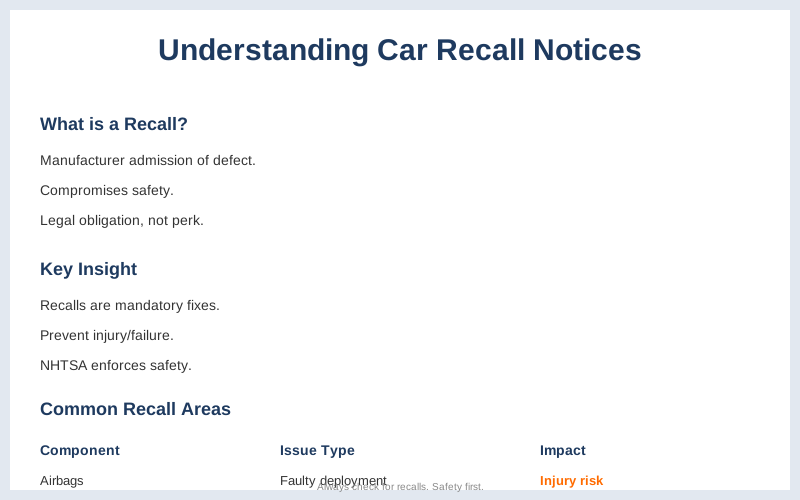
This isn't some 'check engine light' mystery; it's a known defect that failed under specific operating conditions. Maybe a plastic component's glass transition temperature was too low, leading to embrittlement after a few thermal cycles. Or a critical fastener clamp load wasn't sufficient for the dynamic loads it would experience. The failure mode is identified, and the fix is engineered.
Automakers issue recalls when a safety defect is found in a significant number of vehicles. This could be anything from an electrical short causing a fire risk, to a structural weld with insufficient penetration depth, leading to a shear failure under impact. They're trying to avoid lawsuits, not just be nice.
It's a legal obligation, not a customer service perk. They've determined a specific component, under specific conditions, has a failure-rate above acceptable limits. Your safety, or the safety of others on the road, is at stake. They're usually pretty clear if your car is a 'do not drive' risk, like some Chrysler Pacifica Hybrids with fire issues Consumer Reports. Pay attention to that.
The underlying physics is almost always a material science problem, a mechanical stress calculation gone wrong, or a circuit integrity flaw. Think about it: a faulty fuel pump seal outgassing under pressure, or a steering column weld with a porosity defect. These aren't random events; they are predictable failures based on engineering parameters. The fix often involves a revised component or a software patch to mitigate the risk.
The Reality Check
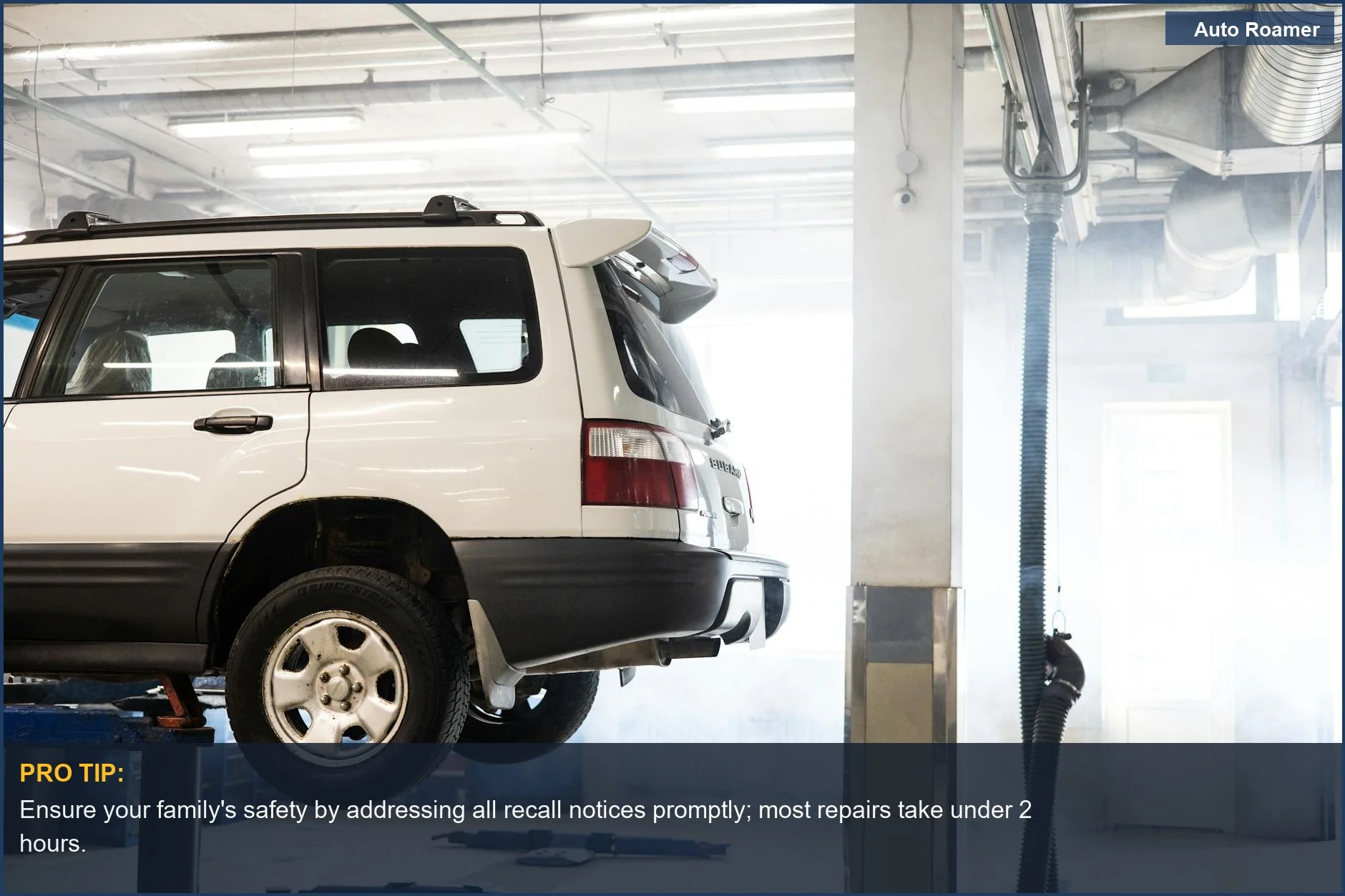
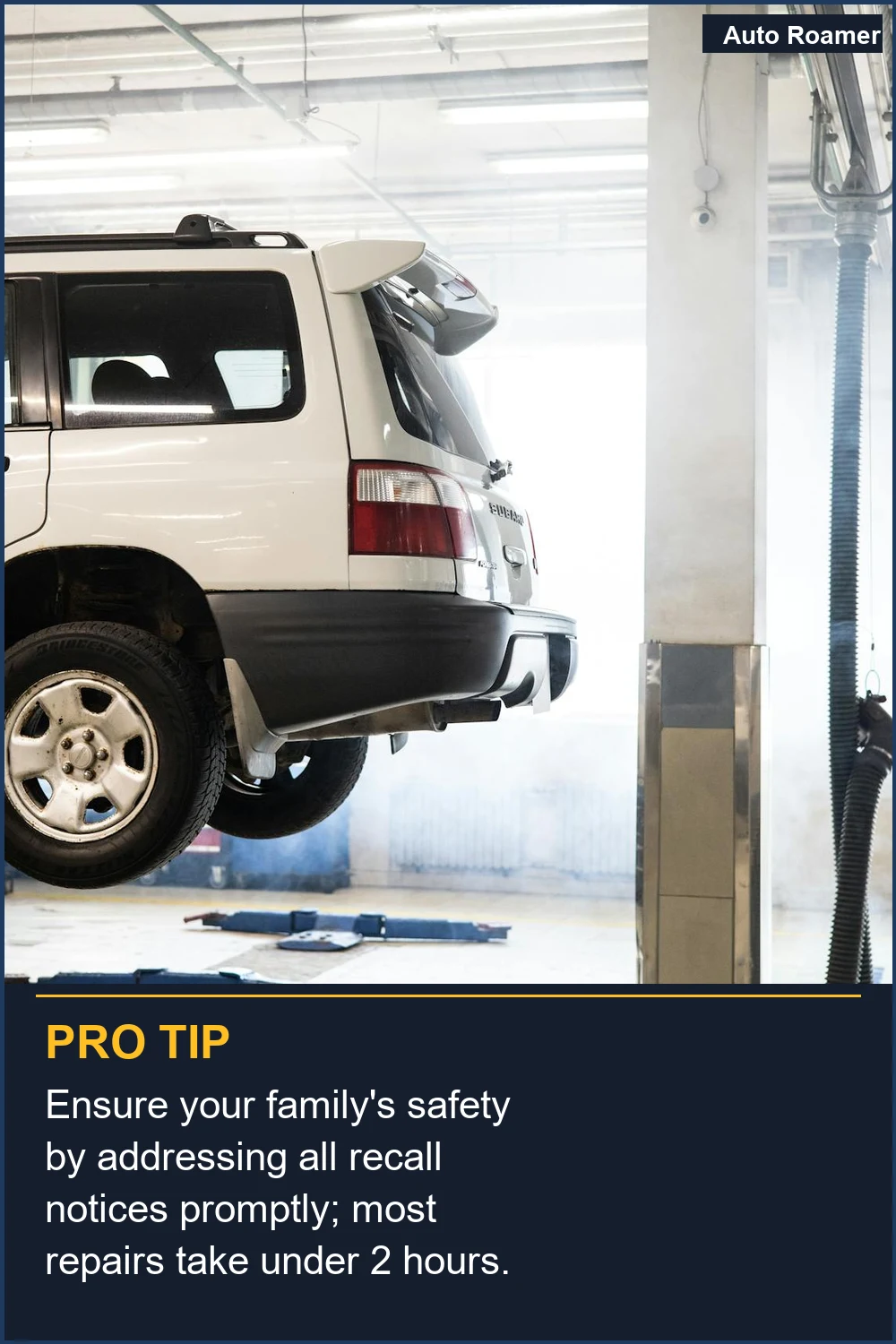
You get a recall notice, and the first thing you think is, 'What now?' It's a formal notification that your vehicle has a defect that could cause injury or death. This isn't a Technical Service Bulletin (TSB), which is just a factory tip for common repairs. Recalls are serious business, and they're always free to fix How-To Geek.
I saw a Ford F-150 recall where the trailer brake controller module software could fail, leading to a loss of trailer braking. That's a huge kinetic energy problem if you're hauling a 10,000-pound trailer Consumer Reports. The fix isn't always hardware; sometimes it's a firmware update to correct an algorithm.
Another common one is airbag inflators. The propellant in those things can degrade over time due to thermal cycling and humidity, leading to an over-pressurization during deployment. Instead of a controlled expansion, you get shrapnel. That's a material degradation issue, pure and simple.
Here's a breakdown of what typically goes wrong:
| Component | How It Fails | Symptoms | Fix Cost |
|---|---|---|---|
| Airbag Inflator | Propellant degradation, over-pressurization. | Explosive deployment, metal shrapnel. | $0 (recall) |
| Brake Master Cylinder | Internal seal failure, fluid bypass. | Spongy pedal, reduced stopping power. | $0 (recall) |
| Fuel Pump | Impeller delamination, motor seizure. | Engine stalls, no start condition. | $0 (recall) |
| Steering Column | Weld failure, excessive play. | Loose steering, loss of control. | $0 (recall) |
| Trailer Brake Module | Software bug, signal misinterpretation. | Loss of trailer braking. | $0 (recall) |
The dealer charges the manufacturer for these repairs, not you. So if they try to tack on a 'diagnostic fee' or insist on doing an oil change 'while they're in there,' tell them to pound sand. The recall repair is mandated, and it's free. Any other work is extra. Don't let them upsell you on a new wiper blade when you're there for a faulty seatbelt buckle.
How to Handle This
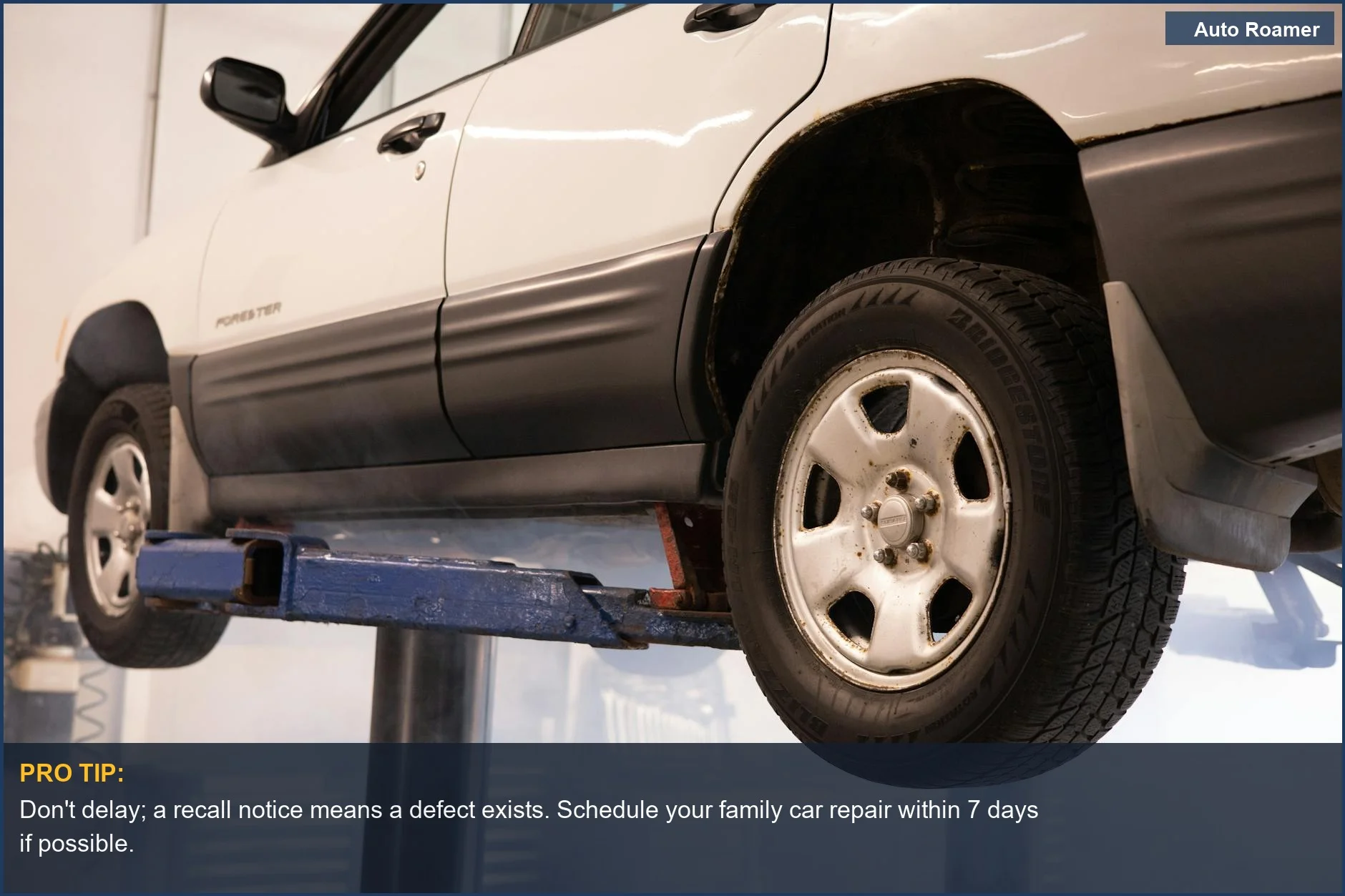
Got a recall notice? First, don't panic. The paper notice will spell out the issue, what vehicles are affected, and the potential hazard Kastner Honda. It'll also tell you if it's a 'do not drive' situation. If it is, get it towed; don't risk it. Your life is worth more than a tow bill.
-
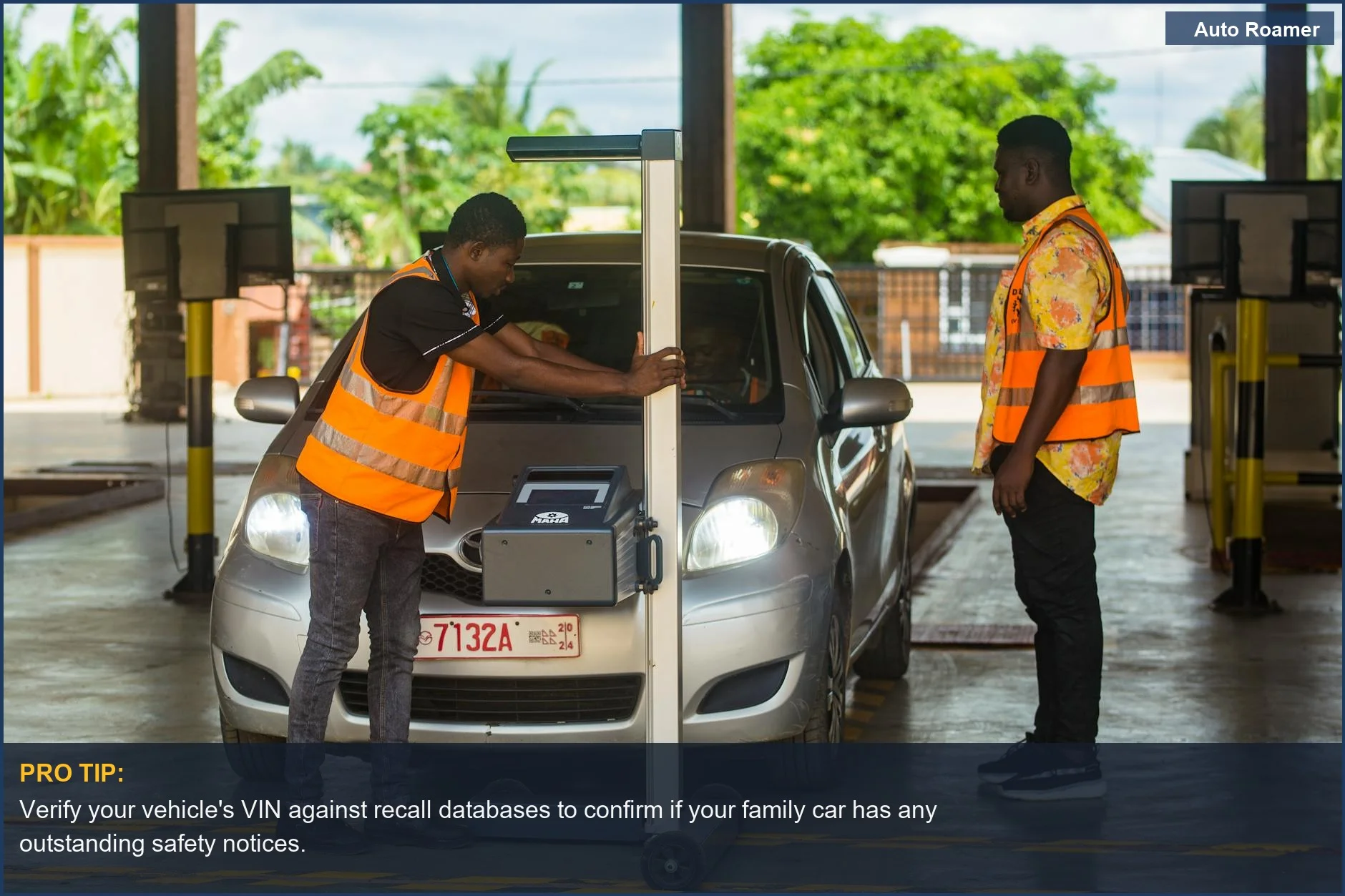
Verify the Recall (5 minutes): Grab your VIN. It's on your registration, insurance card, or the lower left of your windshield. Go to the NHTSA recall lookup tool. Punch in your VIN. This tells you if the recall applies to your specific vehicle and if it's still open. Don't trust generic lists; get the concrete data for your car.
-
Understand the Risk (15 minutes): Read the recall notice closely. Is it a loose trim piece or a brake system failure? A brake issue means a potential 1.0G deceleration force might be compromised. A faulty seatbelt buckle means a 5000 PSI impact load might not be contained. Knowing the risk helps you prioritize. If it's a 'do not drive' warning, schedule a tow, not a drive-in appointment.
-
Contact the Dealer (10 minutes): Call your local authorized dealership. Not an independent shop; they can't perform recall work for free. Give them your VIN and the recall number. Ask about parts availability and estimated repair time. Some recalls, like specific airbag inflators, have been backordered for months. Don't show up without confirming they have the components.
-
Schedule the Repair (5 minutes): Once parts are confirmed, schedule the service. Ask about loaner vehicles if the repair is extensive. Some dealerships offer them, especially for critical safety recalls that render your car undrivable. If they don't, ask about alternative transportation reimbursement. They often have provisions for this, even if they don't advertise it.
-
Document Everything (Ongoing): Keep copies of the recall notice, appointment confirmations, and repair invoices. If there's an issue later, you have a paper trail. This protects you if the fix fails or if they try to charge you for the work. Remember, it's a zero-cost repair for you. Any attempt to bill you for the recall work itself is a scam.
This isn't rocket science, but it requires attention to detail. Skipping these steps can lead to unnecessary costs or, worse, a preventable failure down the road.
What This Looks Like in Practice
I've seen some real head-scratchers with recall notices. Here are a few:
- Scenario 1: The phantom repair. A customer with a 2017 Honda Civic received a recall for a faulty fuel pump, but the dealer 'fixed' it without telling him. Turns out they just cleared a code. The actual pump wasn't replaced. Three months later, the car stalled on the highway due to the original pump failure. He pulled the service record, saw the recall listed as 'completed,' but no part number for a new pump. That's fraud.
Always check the invoice for part numbers.
-
Scenario 2: The 'not affected' vehicle. A guy had a 2019 Toyota RAV4 with a trailer hitch wiring harness recall. The dealer said his VIN wasn't affected, even though it was listed in the recall range. He checked NHTSA himself, found his VIN was included. Turns out the dealer's internal system had a 1-digit error. He printed the NHTSA page and got it fixed. Trust, but verify.
-
Scenario 3: The 'out of stock' part. A family with a 2018 Kia Sorento had a critical engine recall due to connecting rod bearing failure. The dealer told them the part was on backorder for 6 months. They needed the car for work. They ended up calling Kia corporate directly, citing the 'do not drive' warning on the recall, and got a loaner car for the entire period. Sometimes you have to go above the dealership's head.
-
Scenario 4: The ignored airbag. A 2015 Ford Focus owner ignored a Takata airbag recall notice for two years. He thought it was 'just a suggestion.' He got into a minor fender bender, and the airbag deployed, sending metal fragments into the cabin. Luckily, no serious injury, but it could have been fatal. Ignoring these warnings is a gamble with your life, and the lives of your passengers.
-
Scenario 5: The dealer upsell. A minivan owner brought his 2020 Chrysler Pacifica in for a transmission software recall. The service advisor tried to convince him he needed a $600 'transmission flush' because the recall 'stressed the system.' This is pure profit-seeking. A software update doesn't suddenly contaminate your ATF. He declined, and the transmission worked fine.
These situations highlight the importance of being informed and assertive. Don't let them push you around or charge you for what's free.
Mistakes That Cost People
People make some dumb mistakes with recalls that cost them money or, worse, their safety. Here are the common ones I see:
| Mistake | Why It's Bad | How to Avoid It |
|---|---|---|
| Ignoring the notice | Puts you and others at severe risk; could lead to injury or death. | Always check your VIN on NHTSA.gov; prioritize safety recalls. |
| Assuming it's fixed | Recalls can be marked 'fixed' without actual repair; underlying defect persists. | Request a detailed invoice with new part numbers; verify work performed. |
| Going to an independent shop | Independent shops cannot perform recall work for free; you'll pay out of pocket. | Only authorized dealerships can do free recall repairs. |
| Paying for the repair | Recall repairs are federally mandated to be free; any charge is illegitimate. | Refuse to pay for the recall work; report attempts to charge you to NHTSA. |
| Not asking for a loaner | You might be stuck without transportation if the repair is lengthy or car is 'do not drive'. | Inquire about loaner vehicles or rental reimbursement; manufacturers often provide this. |
| Selling a car with an open recall | Can lead to liability issues if the defect causes an accident for the new owner. | Fix all open recalls before selling; provide documentation to the buyer. |
| Believing dealer upsells | Dealers often try to sell unrelated services during recall appointments. | Stick to the recall work; decline unnecessary services. |
I've seen dealerships try to charge $180 for a 'recall diagnostic fee.' That's garbage. The recall itself is the diagnosis. Don't fall for it.
Another one: ignoring the 'Do Not Drive' warning. Some people think they can just 'drive carefully.' That's like saying you'll 'carefully' jump off a cliff. The risk of mechanical failure is deemed too high for even careful operation. Don't be an idiot.
Failing to get the repair done can also affect your car's resale value. No smart buyer wants a vehicle with an open safety recall, especially if it's for something like a structural defect or a potential fire hazard. It's a black mark on the vehicle history report. Get it done.
Key Takeaways
Don't treat a recall notice like junk mail. It's a critical alert that a component on your vehicle has a known failure mode, often with severe safety implications. WAFB highlights this every March for a reason.
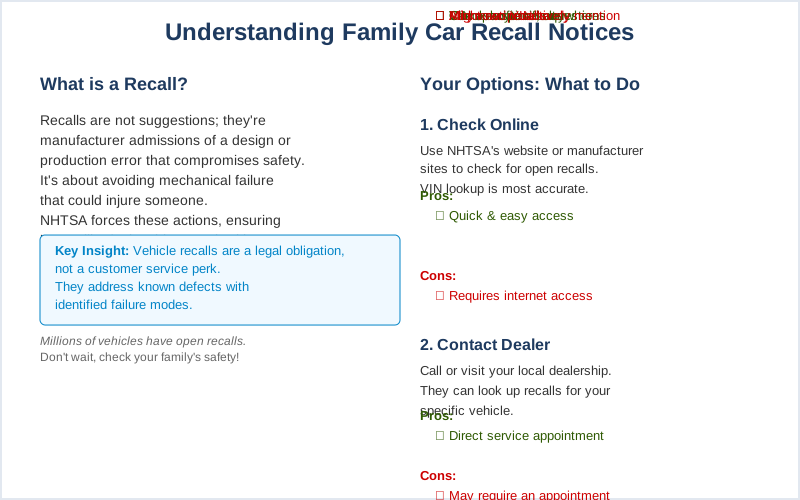
- Verify your VIN: Always use the NHTSA recall lookup tool to confirm if your specific vehicle has an open recall. This takes less than 60 seconds and prevents guesswork.
- Understand the risk: Read the notice carefully to assess the severity. Is it a minor nuisance or a 'do not drive' warning? This dictates your urgency.
- Go to the dealer: Only authorized dealerships can perform recall repairs for free.
Don't let an independent shop charge you for something the manufacturer is legally obligated to fix. * Document everything: Keep all paperwork, including the recall notice and the repair invoice. This is your proof that the work was done and protects you from future issues or liability. * It's free: Recalls are paid for by the manufacturer. If a dealer tries to charge you, they're ripping you off. Push back hard.
Your vehicle's integrity, both circuit and mechanical, is on the line. Don't ignore it. It's not just your car; it's a piece of kinetic energy that could become an uncontrolled projectile. Pay attention to the details.
Frequently Asked Questions
My 2017 Honda CR-V has a recall for a faulty door latch. The dealer wants $120 for a 'multipoint inspection' while it's there. Can I just do the latch myself for $35?
The recall notice for my 2015 Ford Focus says the engine might stall. Do I really need to check the fuel pressure with a $60 gauge, or can I just wait for it to happen?
What if I get the recall fixed on my 2019 Subaru Outback for the CVT software update, but I still feel a 'shudder' at low speeds?
Can ignoring a recall for a faulty ABS module permanently damage my brake lines or calipers on my 2016 Nissan Altima?
I heard that if my car is over 10 years old, the manufacturer doesn't have to honor recalls anymore. Is that true for my 2012 Honda Pilot's airbag recall?
Sources
- What a Car Recall Notice Means and What to Do
- Car Recall Guide: Your Questions Answered - Consumer Reports
- Check for Recalls: Vehicle, Car Seat, Tire, Equipment - NHTSA
- 4.4 Million Ford, Lincoln Trucks and SUVs Recalled for Towing Issue
- Check Your Vehicle for Recalls. Protect Your Family
- Don't Ignore These Important Vehicle Notices: What to Know About ...
- How to Handle Vehicle Recalls: Steps to Take and What to Expect
- Vehicle Safety Recalls Week highlights importance of staying ...