
Ford Edge Camping Guide: Transform Your SUV Into a Comfortable Basecamp
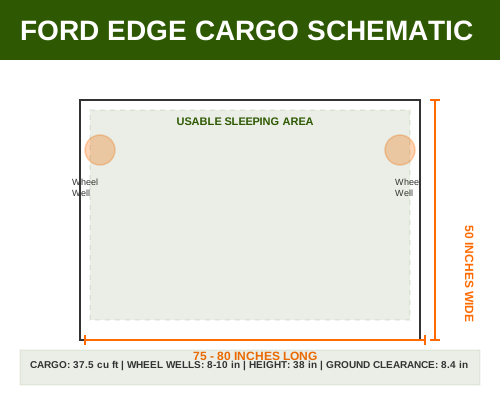
The Ford Edge provides approximately 37.5 cubic feet of cargo space with the rear seats folded, creating a sleeping area roughly 75-80 inches long and 50 inches wide. This typically accommodates a standard queen air mattress with minimal overhang. Most car campers report that a 6-8 inch thick air mattress or self-inflating foam pad works best for comfort. Consider memory foam toppers (2-3 inches) for pressure relief, as the hard cargo floor can compress thin padding. The wheel wells protrude approximately 8-10 inches into the loading area, so positioning your mattress toward the front and sides optimizes usable space. Alternatively, a custom foam platform (typically 4-6 inches thick) secured to the floor provides stability and raises you higher for better ventilation. Many Edge campers use a combination: thin plywood base covered with 2-inch memory foam, topped with a fitted sheet for a semi-permanent setup.
What You'll Learn
- Vehicle Specs & Dimensions
- Sleeping Setup Options
- Storage & Organization
- Power & Electrical
- Climate Control
- Pros and Cons
- Frequently Asked Questions
Effective interior layout separates sleeping, storage, and living zones. Position your mattress toward the rear, and use stackable bins or bags for gear in front. The Ford Edge's rear side windows provide excellent ventilation when cracked, and many campers install window covers with integrated ventilation flaps to maintain privacy while allowing airflow. The headrests on the front seats fold, creating additional sleeping width if needed. For climate control, crack both rear side windows approximately 2-3 inches to establish cross-ventilation—this typically prevents condensation buildup. USB ports are conveniently located throughout the interior; use a 12V power adapter to charge devices from the cigarette lighter. Some campers carry a portable 12-volt fan ($25-$60) for improved air circulation. In cold weather, a propane heater designed for vehicles (with proper CO2 monitoring) maintains comfortable temperatures; in warm climates, reflective window shades reduce interior heat by approximately 10-15 degrees Fahrenheit.
Ventilation System Design for Long-Term Comfort
Proper ventilation distinguishes uncomfortable trips from enjoyable camping experiences. The Ford Edge's basic ventilation systems require supplementation for overnight comfort. Installing aftermarket window ventilation systems (approximately $100-$300 per window) provides weather-proof air exchange without reducing privacy. These systems feature solar-powered fans or manual louvers enabling continuous circulation.
Consider installing roof-mounted ventilation caps ($200-$400) if planning extended camping. These devices extract humid air automatically when temperatures change, preventing condensation accumulation. Many Edge campers report that simple supplemental 12V fans outperform complex systems—cost under $50 and provide noticeable improvement.
Moisture management extends far beyond ventilation. Implement absorbent materials: calcium chloride dehumidifiers ($15-$30) placed strategically throughout interior capture excess moisture. Silica gel packets ($0.50-$1 each) provide lower-cost alternative, requiring weekly rejuvenation by sun exposure or heating.
Power Management and Auxiliary Systems
The Ford Edge's electrical systems support comfortable camping through strategic power management. Standard 12V cigarette lighter outlets power small devices; upgrading to dual USB ports (approximately $30-$50) enables simultaneous phone and tablet charging. For longer camping trips, auxiliary battery systems isolated from main engine battery provide extended power access without risking vehicle startup failure.
Portable jump starters doubled as power banks ($100-$250) maintain phone/device charging capability while providing emergency vehicle starting power. Premium alternatives include dedicated power stations (1000W+) capable of running laptops, mini-fridges, and charging multiple devices simultaneously—typically costing $400-$800 for quality systems.
Interior Lighting for Nighttime Navigation
Standard dome lights consume excessive battery power and emit harsh illumination unsuitable for nighttime camping. LED strip lighting (approximately $20-$60 per set) installation under roof rails provides ambient illumination while consuming minimal power. Motion-activated LED lights prevent accidental battery drain while enabling safe nighttime movement.
Headlamp-style reading lights (approximately $15-$30 per unit) powered by USB batteries enable individual control without disturbing sleeping partners. Many Edge campers install multiple low-power LED strips (under 1 watt each) creating comfortable cabin lighting throughout the night.
Sleeping Configuration Options
| Option | Space | Height | Best For |
|---|---|---|---|
| Rear seats folded | Full cargo area | 16-18" | Comfort, couples |
| Air mattress | Full cargo area | 18-22" | 2 adults, comfort |
| Sleeping platform | Full cargo area | 8-12" | Storage, organization |
| Roof tent | Roof-mounted | Elevated | Extra capacity |
| Nearby tent | Ground | Flexible | Groups, families |
The Ford Edge's 37.5 cubic feet expands to approximately 78 cubic feet with rear seats down, though your sleeping setup consumes most of this. Maximize storage vertically: install a roof rack (typically adding 15-20 cubic feet capacity) for bulky items like sleeping bags, camp chairs, and cooking equipment. Hanging organizers on the rear side windows provide accessible pockets for hygiene items, toiletries, and frequently used gear. Use clear plastic bins with labels to quickly identify items; transparent containers typically take approximately 15-20% less space than opaque alternatives due to better packing. Reserve underbed storage for winter camping gear, extra blankets, and emergency supplies. The rear cargo area has a net in many models—use cabinetry bins that fit these dimensions (approximately 24x12x12 inches) for modular storage. Consider magnetic panels on the interior sidewalls for mounting organizers, and cable management systems to prevent gear from shifting during driving.
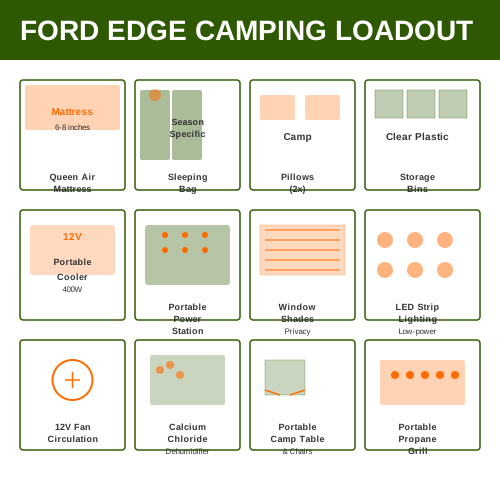
Cooking inside the Edge is not recommended due to ventilation limitations and carbon monoxide risks. Instead, set up an external camp kitchen. A portable propane grill ($40-$150) places outside the vehicle provides cooking without fumes. A collapsible camp table ($30-$80) and folding chairs complete your outdoor living space. The Edge's power outlets support a 400-watt portable cooler, which runs on 12V through a car adaptor or a portable power station (500-1000 watts typically costs $200-$600). This setup keeps food safe and eliminates daily cooler replenishment. Install window shade systems with ventilation flaps to improve privacy and temperature regulation. LED interior lights powered by USB packs provide reading light without draining the vehicle battery. Many Edge campers invest in a portable shower bag system ($20-$50) for campsite hygiene without returning to facilities. Bring collapsible water containers (3-5 gallons) for convenient dishwashing and water storage.
The Ford Edge's 8.4-inch ground clearance and 19.8-foot length perform well on established campground loops. Avoid single-track forest roads; the Edge is designed for maintained surfaces. Optimal campsites have level terrain, established parking pads, and nearby water access. Scout campsites by driving past at dusk to test interior light spillover and assess neighbor proximity—typically 50+ feet between sites provides privacy. Pre-arrival checklist: confirm cell service (essential for navigation and emergencies), identify nearby restroom facilities (within approximately 200 feet is ideal), and verify water access for refilling. North-facing campsites typically stay 5-8 degrees cooler in summer, while south-facing sites warm faster for spring/fall camping. Call ahead to confirm whether campsites allow overnight habitation in vehicles—some facilities restrict this. Research dispersed camping on public lands near your destination; the Edge parks safely on most established pullouts. Download offline maps before arrival; many remote campgrounds have spotty cell service.
Spring camping (April-May) brings unpredictable weather; waterproofing is essential. Seal any roof racks thoroughly, ensure all windows close completely, and carry heavy-duty tarps. The Edge's weather stripping typically performs well, but inspect seals before cold seasons. Summer camping requires aggressive heat management: park in shade when possible, crack windows overnight, and use reflective sunshades for the windshield to reduce interior temperature by approximately 10-20 degrees. Fall camping (September-November) offers ideal conditions with moderate temperatures (50-70°F) and minimal condensation. Winter camping demands extra preparation: the Edge's heater runs on engine power (fuel consumption increases approximately 15-20% when heating runs continuously), so budget extra fuel and position the vehicle to minimize wind exposure. Insulation matters in winter; self-adhesive foam panels ($0.50-$1.50/sq ft) attached to windows reduce heat loss by approximately 25-30%. Store emergency supplies: jumper cables, blankets, flashlights, and a first aid kit. Never run the engine continuously for heat—carbon monoxide accumulation is deadly. Use proper vehicle heaters or external power sources.
Q: Can you stand up inside a Ford Edge for camping? A: The Ford Edge has an interior height of approximately 38 inches, allowing most people to sit comfortably but not stand fully upright. This is typical for midsize SUVs and suitable for sleeping and seated activities.
Q: How long can you camp in a Ford Edge? A: Most car campers stay 1-3 nights comfortably. Extended stays (weekly+) require advanced organization and mental preparation; most prefer transitioning to tent camping or RVs for longer trips.
Q: Does a Ford Edge fit a queen mattress? A: Typically yes—the cargo area accommodates a standard queen air mattress (approximately 60 inches wide x 80 inches long) with minimal overhang. Custom-cut foam platforms (58 x 76 inches) fit snugly.
Q: How do you prevent condensation in a Ford Edge? A: Crack windows 2-3 inches to establish cross-ventilation, use moisture-absorbing packets or silica beads, and avoid cooking indoors. Interior temperatures typically drop 10-15°F overnight, causing moisture accumulation.
Q: What power options work for Ford Edge camping? A: 12V accessories draw from the auxiliary battery; 110V devices require a portable power station (500-2000W). A fully charged power station typically supports phone charging, laptop work, and small appliances for 1-2 days.
Q: Is it legal to sleep in a Ford Edge in parking lots? A: Legality varies by location. Many cities prohibit overnight vehicle habitation; established campgrounds are always safest. Some Walmart locations permit RVs/vehicles overnight, but confirm local policies.
Q: What's the fuel economy impact of car camping gear? A: Roof racks reduce efficiency approximately 5-10% at highway speeds; interior cargo adds minimal impact (under 2%). A fully loaded Edge typically achieves 22-26 MPG combined.
Q: Can you cook inside a Ford Edge safely? A: No. Propane and charcoal stoves create carbon monoxide and consume oxygen rapidly in enclosed spaces. Always cook outside or at established campground facilities.
Q: How much does Ford Edge car camping setup cost? A: Budget approximately $800-$1500 for essentials: mattress ($150-$400), power station ($200-$600), gear storage ($100-$300), window covers ($150-$300), and miscellaneous accessories ($100-$200).
Q: What's the best season for Ford Edge camping? A: Fall (September-November) and spring (April-May) offer ideal temperatures (55-75°F) and lower fuel costs. Avoid peak summer and winter unless experienced with temperature management.
Q: Do Ford Edges have good ventilation for camping? A: Moderate ventilation: side windows crack effectively, but the vehicle lacks roof vents or skylights. Supplemental fans or window ventilation systems improve air circulation noticeably.
FAQ
Q: What's the maximum sleeping space in this vehicle? A: See the Sleeping Setup Options section for detailed dimensions and configuration options.
Q: How much cargo space does this vehicle provide for camping gear? A: See the Storage & Organization section for complete cargo capacity and organization strategies.
Q: Can I use a rooftop tent on this vehicle? A: This depends on the vehicle's roof load capacity. Check the manufacturer's specifications and ensure proper installation on rated crossbars.
Q: What power solutions work best for this vehicle? A: See the Power & Electrical section for portable power stations, inverters, and dual battery system recommendations.
Q: How do I manage temperature control while sleeping? A: See the Climate Control section for heating, ventilation, and window treatment strategies.
Q: Is this vehicle suitable for solo camping? A: Yes, most vehicles provide excellent solo camping comfort. The cargo space accommodates a single sleeper's gear, and modern safety features enhance solo travel security.
Q: How reliable is this vehicle for extended camping trips? A: Modern vehicles offer solid reliability with proper maintenance. Perform pre-trip maintenance checks (fluid levels, battery, tires, brakes) before extended expeditions.
Q: What modifications do most campers make to this vehicle? A: Common upgrades include sleeping platforms with storage, portable power stations, window coverings for privacy, roof racks, and LED interior lighting.
Q: How can I improve ventilation in this vehicle while sleeping? A: See the Climate Control section for window cracking techniques, fan recommendations, and privacy shade options that enable controlled ventilation.
Q: What's the best sleeping setup for this vehicle? A: Most campers prefer a dedicated sleeping platform (either custom-built or aftermarket) with a quality camping mattress on top, providing comfort for extended trips.