
Hyundai Kona Camping Guide: Compact SUV Car Camping for Budget-Conscious Adventurers
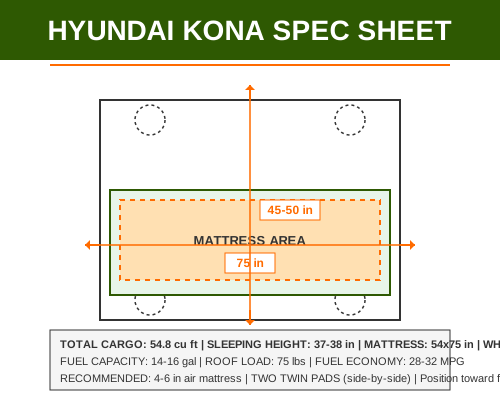
The Hyundai Kona offers approximately 54.8 cubic feet of cargo space with rear seats folded, creating a sleeping area roughly 70-75 inches long and 45-50 inches wide. This accommodates a full-size air mattress (54 x 75 inches) snugly or a twin XL mattress with room for gear storage. Most Kona campers opt for 4-6 inch thick air mattresses rather than rigid foam platforms, as the compact space demands flexibility. Self-inflating pads (2-3 inches, approximately $50-$100) offer excellent insulation and comfort at reasonable cost. The Kona's wheel wells protrude approximately 6-8 inches into the cargo area; positioning the mattress toward the front and center minimizes this intrusion. For couples, many campers use two twin-sized camping pads ($30-$60 each) arranged side-by-side, allowing independent comfort preferences and temperature regulation. Headroom inside the Kona measures approximately 37-38 inches** when lying flat, adequate for sleeping but tight for sitting upright. Some campers install a folding storage unit ($40-$80) above the front seats to create additional vertical organization. The compact sleeping space necessitates minimalist gear philosophy: prioritize essentials only. Experienced campers emphasize the importance of thorough pre-trip planning. Consider the vehicle's weight capacity, fuel range for your destination, and weather conditions for your trip duration. Comprehensive preparation transforms these vehicles from basic transportation into genuinely capable camping platforms. Professional camping guides and online communities offer valuable insights based on thousands of trips, helping new campers avoid common mistakes and optimize their specific configurations. Many campgrounds now offer level pads and pull-through sites specifically designed for vehicle camping, significantly improving comfort for extended stays.
- Vehicle Specs & Dimensions
- Sleeping Setup Options
- Storage & Organization
- Power & Electrical
- Climate Control
- Pros and Cons
- Frequently Asked Questions
Maximizing the Kona's limited cargo space demands strategic organization. Use stackable plastic bins (approximately $1-$2 per bin) with labels visible from outside; transparent containers enable quick identification without opening. A roof basket or box ($150-$400) extends capacity by approximately 15-20 cubic feet, ideal for bulky items like tents and sleeping bags. The Kona's roof load capacity is approximately 75 pounds, suitable for small cargo carriers but not full camper setups. Reserve the cargo area exclusively for sleeping; organize camping gear in wall-mounted organizers ($20-$50 each) within reach. Collapsible items maximize space: soft-sided coolers ($30-$60) compress easily, camping chairs fold to approximately 1-2 cubic feet, and inflatable sleeping pads pack to roughly 5-10 pounds. Hanging organizers on the rear side windows ($15-$30 per set) hold toiletries, clothing, and documents within arm's reach. Use a rolling cooler with wheels ($60-$100) rather than rigid designs; the flexibility permits positioning it outside during setup, freeing interior space. Under-seat storage containers ($15-$40) utilize the space beneath front seats for emergency supplies, jumper cables, and basic tools. Vacuum storage bags ($10-$20 per set) compress clothing and blankets to half normal size.
The Kona's compact interior requires active ventilation management to prevent condensation and overheating. Open rear side windows approximately 2-3 inches** at night, creating cross-ventilation with cracked front windows. This typically reduces interior humidity by approximately 30-40% overnight. Condensation accumulates faster in compact vehicles; use moisture-absorbing products: silica gel packets ($5-$10, replaceable), DampRid containers ($10-$15, lasts approximately 4 weeks), or commercial camping moisture absorbers ($15-$30). In warm weather, park in shade when possible; reflective sunshades ($20-$40) reduce interior temperature by approximately 8-12°F. A small 12V fan ($15-$40) circulates air effectively in the compact space, improving comfort substantially. The Kona's climate control system maintains temperature reasonably; set to automatic and low fan speed overnight to minimize fuel consumption (approximately 5-10% increase). In cold weather, preheat the interior to approximately 68-70°F before sleeping, then allow the temperature to gradually drop; most campers sleep comfortably in 55-60°F conditions with proper blankets. A propane heater designed for vehicles (approximately $100-$200, requires external venting kit) supplements heating in freezing conditions safely. Open a window crack slightly when running heaters to ensure adequate oxygen supply.
The Kona's single auxiliary battery powers 12V accessories; most car campers find this limiting for multi-day trips. A portable power station (500-1000 watts, approximately $300-$600) provides independence from the vehicle battery, supporting phone charging, laptop work, and small appliance use. Budget-conscious campers prioritize solar charging: a 100-watt portable solar panel ($200-$300) with a built-in charge controller powers a power station fully in approximately 3-5 sunny hours, enabling indefinite off-grid camping. USB charging hubs (powered by the Kona's auxiliary outlet, approximately $20-$40) enable simultaneous device charging. Car adapters for phones and tablets ($5-$15 each) are essential backup charging. The Kona's infotainment system supports AppleCarPlay and Android Auto; use these for navigation without draining phone batteries. Some campers install basic dual-battery systems (approximately $400-$600 DIY, $800+ professional), but space constraints make installation challenging. Alternative: a battery pack power station ($100-$300) charged at home provides supplemental capacity. Run the engine approximately 15-20 minutes every 6-8 hours to recharge the battery if power-intensive devices are in use. This balances comfort with fuel efficiency (minimal impact on overall consumption).
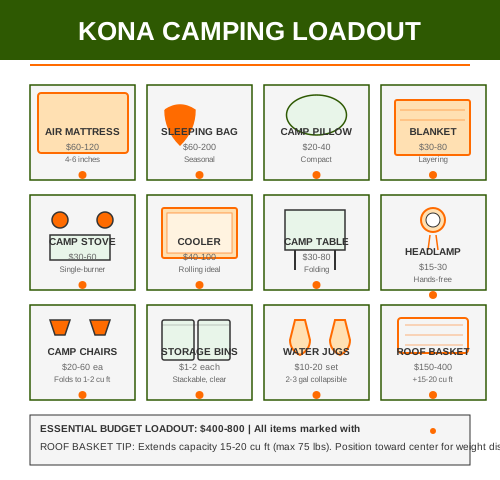
The Kona's compact size demands careful gear selection. Priorities: sleeping pad/mattress ($50-$300), sleeping bag rated for seasonal temps ($60-$200), camp pillow ($20-$40), and blankets or quilt ($30-$80). For cooking, use a single-burner propane camp stove ($30-$60) rather than a full grill; place it 10+ feet from the Kona for safety. A folding camp table ($30-$80) and two camping chairs ($20-$60 each) complete outdoor living. A portable cooler ($40-$100) suffices for 1-3 night trips; pack with pre-chilled ice or ice packs ($2-$10) for best results. Hygiene essentials: biodegradable soap ($5), microfiber towel ($10-$15), and camping wipes ($5-$10). Store a headlamp ($15-$30) for hands-free lighting**. Water management: bring 2-3 gallon collapsible containers ($10-$20 total) for refilling at campgrounds. Many Kona campers forgo elaborate setups, instead using the vehicle primarily for sleeping while dining, cooking, and living outdoors. This approach suits the compact size perfectly, reducing strain on interior resources. Budget total initial investment: $400-$800 for comfortable 1-3 night trips.
The Kona's excellent fuel economy (approximately 28-32 MPG combined) makes extended camping road trips economical. Plan routes using mapping apps; identify campgrounds in advance, confirming they permit overnight vehicle camping. The Kona's 14-16 gallon fuel tank provides approximately 400-480 mile range; refuel when half-full to avoid fuel pump issues. Spring (April-May) and fall (September-November) offer ideal Kona camping conditions with temperatures approximately 50-70°F. Summer camping requires aggressive heat management; the compact interior heats quickly. Drive with windows cracked during daytime travel, reducing AC load (fuel consumption increases only approximately 3-5% versus closed windows). Winter camping is possible with supplemental heating; most Kona campers limit winter trips to mild climates (above 30°F) due to interior size constraints. Pack emergency supplies in the front seat area: jumper cables, flashlight, blanket, and first aid kit. Research dispersed camping on public lands; the Kona's compact size accesses many remote pullouts larger SUVs cannot. Download offline maps before travel—cell service reliability varies significantly at remote campsites. Budget approximately $3-$5 per night for campground fees, plus $0.12-$0.15 per mile for fuel (current prices). A week-long Kona camping trip typically costs approximately $200-$400 (fuel + camping fees).
Q: Can you sit up in a Hyundai Kona for camping? A: Interior height is approximately 37-38 inches** when lying down. Sitting upright is tight; most people recline slightly or use a lumbar pillow for reading. The vehicle prioritizes sleeping over extended interior activities.
Q: What mattress size fits a Kona best? A: A full-size air mattress (54x75 inches) or twin XL fits snugly. Two twin sleeping pads provide flexibility for couples or families. Avoid queen mattresses—they don't fit adequately.
Q: Does the Kona have adequate ventilation for camping? A: Moderate ventilation: side windows crack well, but the compact interior requires active moisture management. Use silica packets and crack windows at night. Condensation can develop quickly without proper airflow.
Q: What's the fuel economy for a Kona on a camping trip? A: Expect approximately 28-32 MPG on highway trips, reduced slightly (2-3%) with gear load. Roof racks reduce efficiency approximately 5-7%. Overall, excellent economy compared to larger SUVs.
Q: Is a Kona good for couple camping? A: Excellent—two people fit comfortably on a full mattress with minimal gear. The compact size feels cozy rather than cramped for couples with minimalist camping philosophies.
Q: What's the best sleeping setup for a Kona budget camper? A: Air mattress (4-6 inches**, approximately $60-$120) with a sleeping bag and pillow. Total cost under $200. Avoid rigid foam platforms due to space constraints.
Q: Can you install a portable toilet in a Kona? A: Yes, a cassette toilet ($200-$400) or portable toilet seat ($30-$60) fits in the compact space. Most Kona campers prefer campground facilities or pack-out systems due to space limitations.
Q: How many people can sleep in a Kona? A: Comfortably, two adults. Three people requires creative arrangement (one person in a rooftop tent or someone sleeping outside). The space accommodates children or small adults more easily.
Q: What power system is essential for Kona camping? A: A 500-1000W portable power station ($300-$600) plus a 100W solar panel ($200-$300) provides independence. Basic 12V charging suffices for phone/device use only.
Q: Is winter camping feasible in a Kona? A: Possible but challenging. Insulate windows with foam panels ($30-$50), supplement heating ($100-$200 for vehicle heater), and limit trips to above-30°F temperatures. Spring/fall are more practical.
Q: What's the total cost for Kona camping setup? A: Budget approximately $400-$800 for essentials (mattress, sleeping bag, camp stove, cooler, storage). Quality components extend this to $1000-$1500. Power systems add $500-$900 if desired.