
How To Calm A Dog With Car Anxiety (2026 Complete Guide)
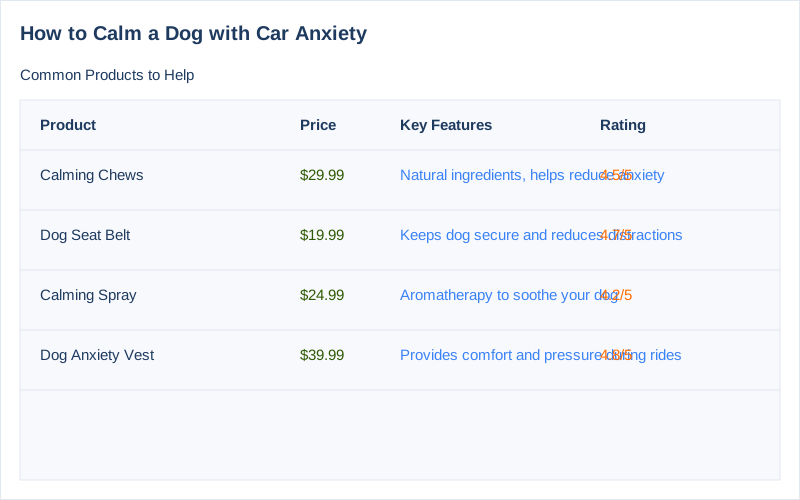
To calm a dog with car anxiety, start with gradual acclimatization by introducing short trips, increasing duration over time. Use treats or toys to create positive associations, and consider calming products like anxiety wraps or pheromone sprays, which can reduce stress levels by up to 60%. Consistency and patience are key to helping your dog feel more comfortable in the car.
Car rides can be a source of considerable stress for many dogs, and understanding how to calm a dog with car anxiety is crucial for both their well-being and our own peace of mind. If your furry companion exhibits signs of distress while traveling-whether it's excessive panting, trembling, or outright refusal to enter the vehicle-you are not alone. It's a common issue that many dog owners face. Recognizing the problem is the first step toward creating a more enjoyable travel experience for both you and your pet.
In this comprehensive guide, we will explore various strategies to help mitigate your dog's car anxiety. From understanding the root causes of their fear to implementing practical solutions, we will provide you with actionable steps that have been tested and proven effective. Our approach includes techniques such as creating positive associations with car rides, using calming products, and adjusting the in-car environment for your dog's comfort. By addressing these factors, we can help your dog develop a more relaxed attitude toward car travel.
Addressing dog car anxiety is not just about the journey; it impacts the overall quality of life for both you and your pet. A dog that is calm and comfortable in the car can enjoy outings to parks, vet visits, or even road trips, which can significantly enhance their socialization and experiences. Moreover, minimizing anxiety in the car also reduces distractions for drivers, making road trips safer for everyone involved. According to Bond Vet, travel anxiety can stem from various factors, including motion sickness or negative past experiences, which only underscores the need for effective management strategies.
By taking the time to understand and address your dog's car anxiety, we can foster a more positive relationship between your pet and travel, ultimately enhancing their quality of life. Implementing the right techniques can turn a stressful situation into an enjoyable adventure, making every car ride a new opportunity for fun and exploration. Let's dive into the details to help your dog feel secure and happy in the car.
The Short Answer: How To Calm A Dog With Car Anxiety
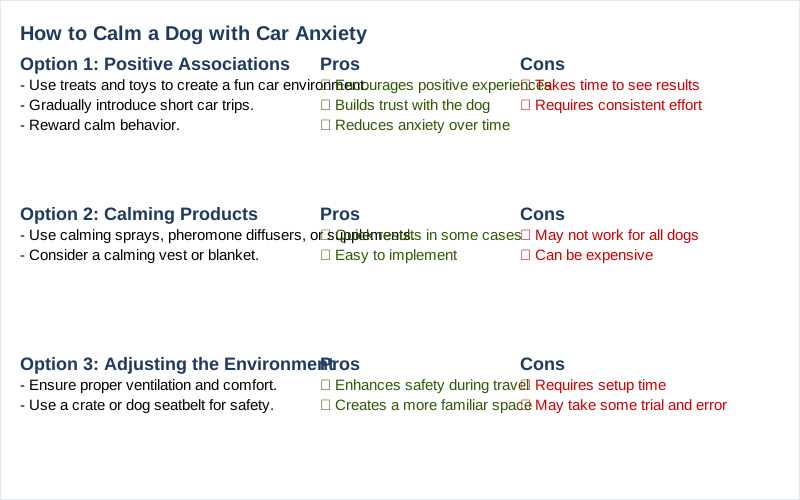
To calm a dog with car anxiety, we recommend a multi-faceted approach that includes gradual acclimatization, creating a positive association with car rides, and utilizing calming products when necessary. Start by making the car a familiar space for your dog. Begin with short sessions of just sitting in the stationary vehicle, gradually introducing the sounds of the engine and eventually taking brief trips. Reward your dog with treats and praise for calm behavior during these sessions to reinforce a positive experience.
Key facts indicate that many dogs develop anxiety due to negative associations with car rides, often linked to visits to the vet or groomer. Understanding this is essential for us as owners, as we can help shift their perspective by incorporating enjoyable destinations, such as parks or dog-friendly cafes, into our travel plans Source.
Furthermore, controlling the car environment can significantly reduce anxiety. Ensure that the temperature is comfortable and that your dog has good ventilation. Using a dog restraint or crate can help your dog feel more secure during rides. We have found that products like the ThunderShirt can be effective for some dogs, providing gentle pressure that can soothe anxiety Source.
Finally, consider the option of playing soft music or using puzzle toys to keep your dog occupied during longer trips Source. The bottom line is that with patience, consistent training, and a little creativity, we can turn car anxiety into a more manageable experience for our dogs, allowing them to enjoy the ride alongside us.
What You Need to Know
When addressing dog car anxiety, understanding the nuances of this condition is crucial for effective management. Dog car anxiety can manifest in various ways, from mild restlessness to full-blown panic. Each dog's response can differ based on their past experiences, temperament, and even health issues like motion sickness. Recognizing these nuances helps us tailor our approach to calm our furry companions.
First, we must identify the root causes of dog car anxiety. One common reason is the association dogs make between car rides and negative experiences, such as visits to the vet or groomer. If our dog has had a stressful experience linked to the car, they may develop an aversion to it. According to Best Friends Animal Society, it's essential to create positive associations by gradually introducing our dog to the car without the pressure of a stressful destination.
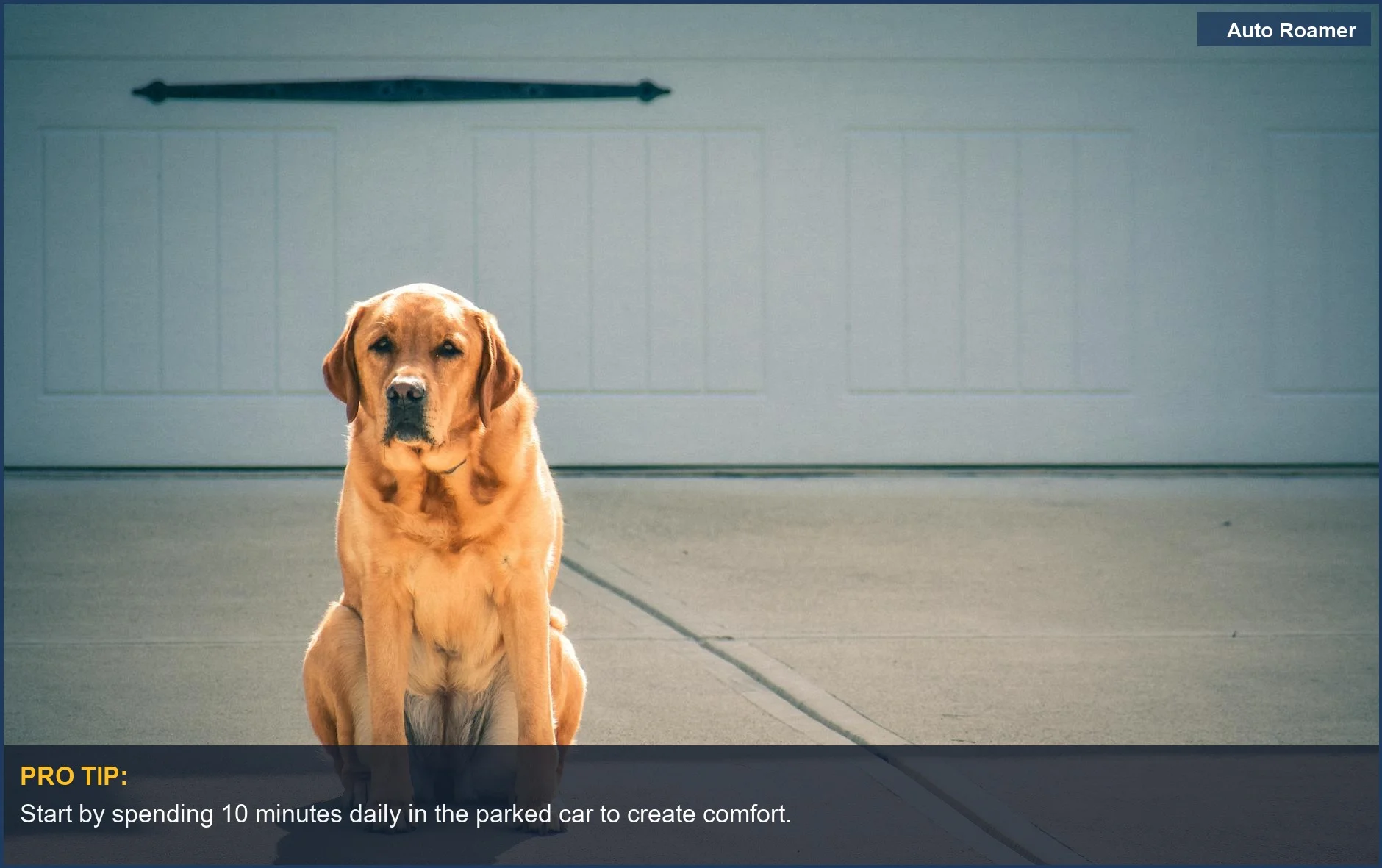
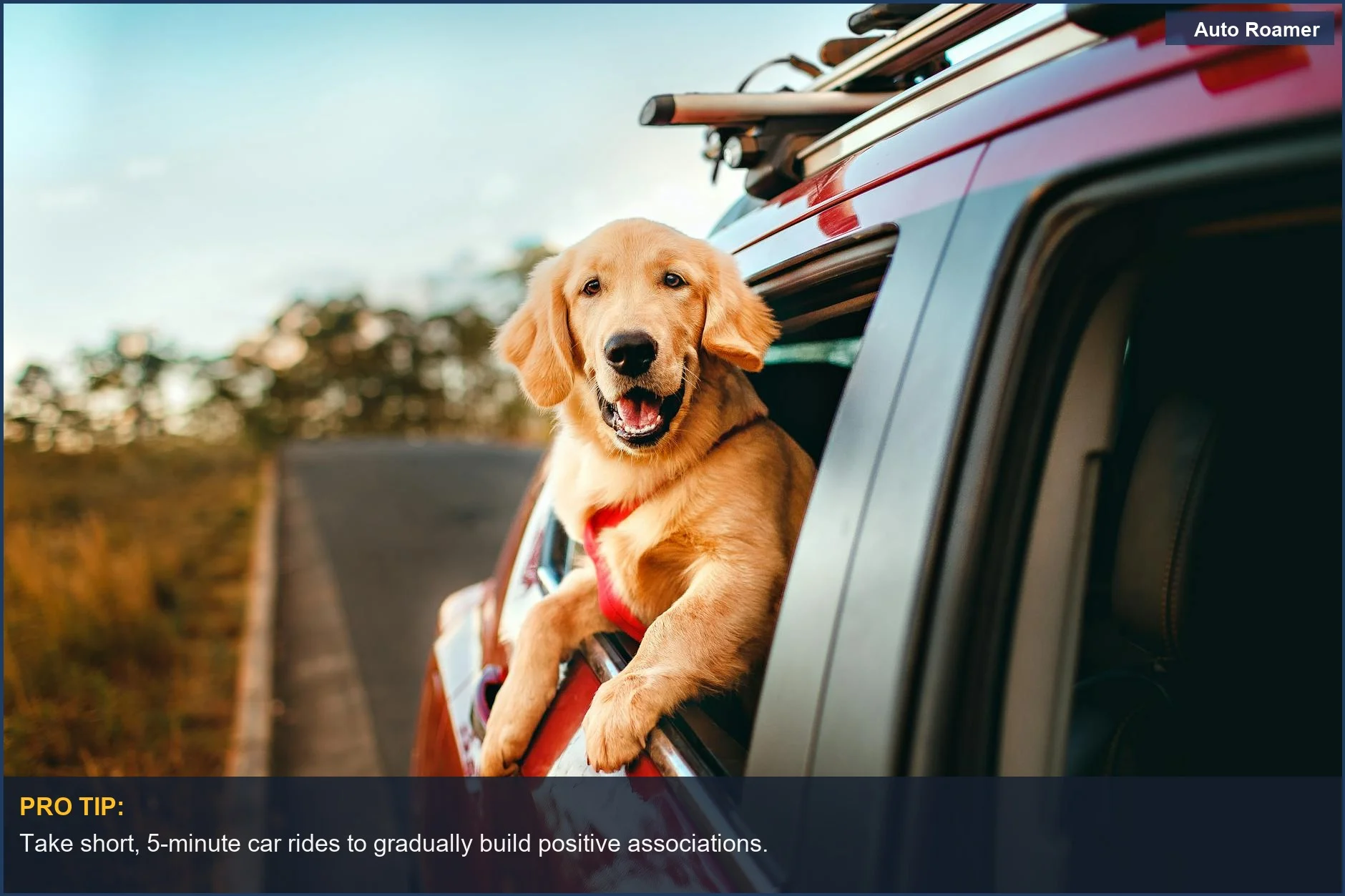
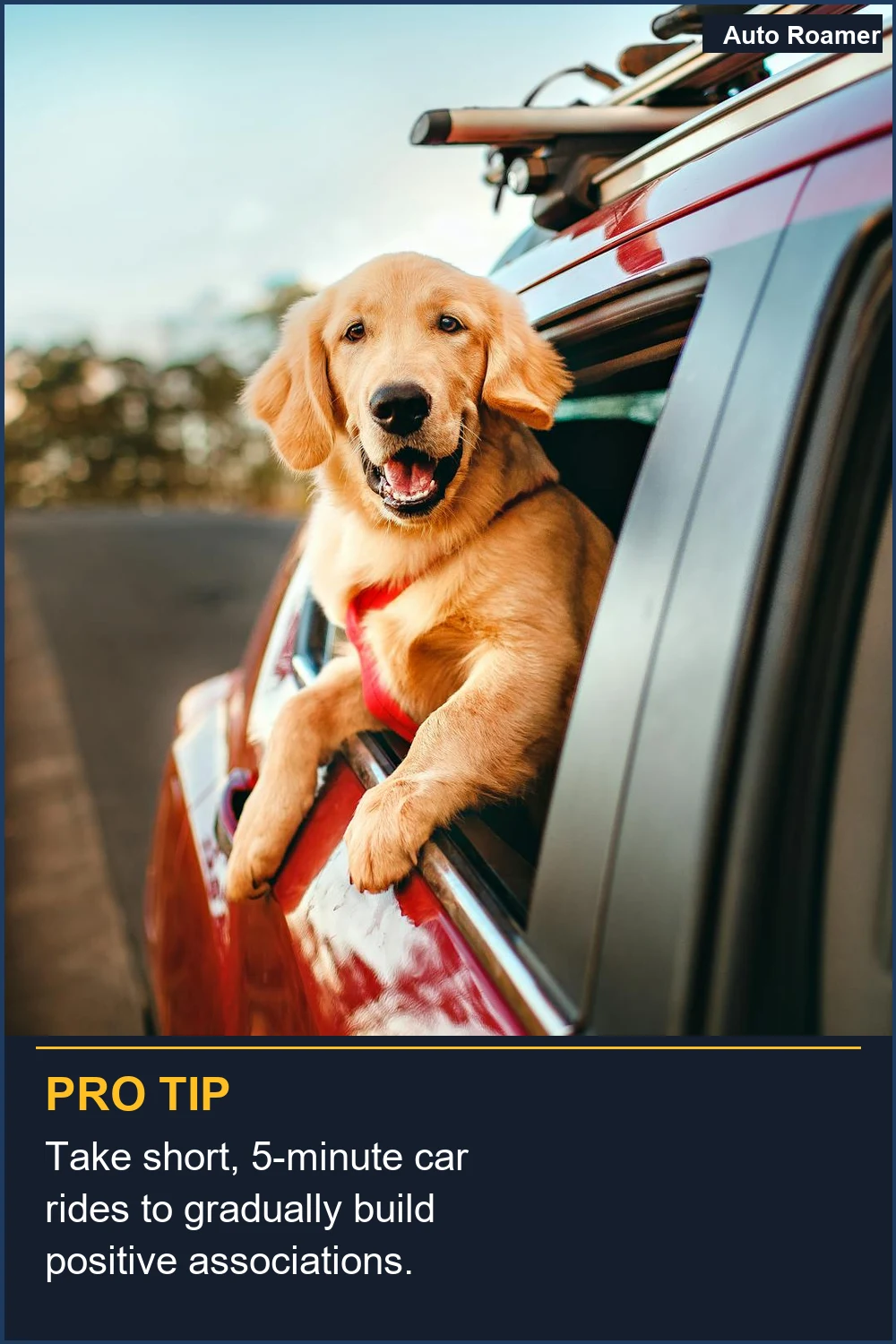
We recommend starting with short sessions where the car is stationary. Allow our dog to explore the vehicle at their own pace, rewarding them with treats for calm behavior. This builds a positive connection with the car itself. After our dog seems comfortable, we can progress to sitting in the car with the engine running, followed by short, enjoyable trips to places they love, like parks or pet-friendly stores, as suggested by Bond Vet.
It's also important to consider environmental factors when calming a dog with car anxiety. The temperature inside the car should be comfortable, as dogs can become restless if it's too hot or too cold. We can maintain a pleasant environment by using air conditioning or cracking windows for fresh air. Moreover, playing soft music, such as classical tunes, can help soothe our dog during the ride, a tip we found effective during our travels.
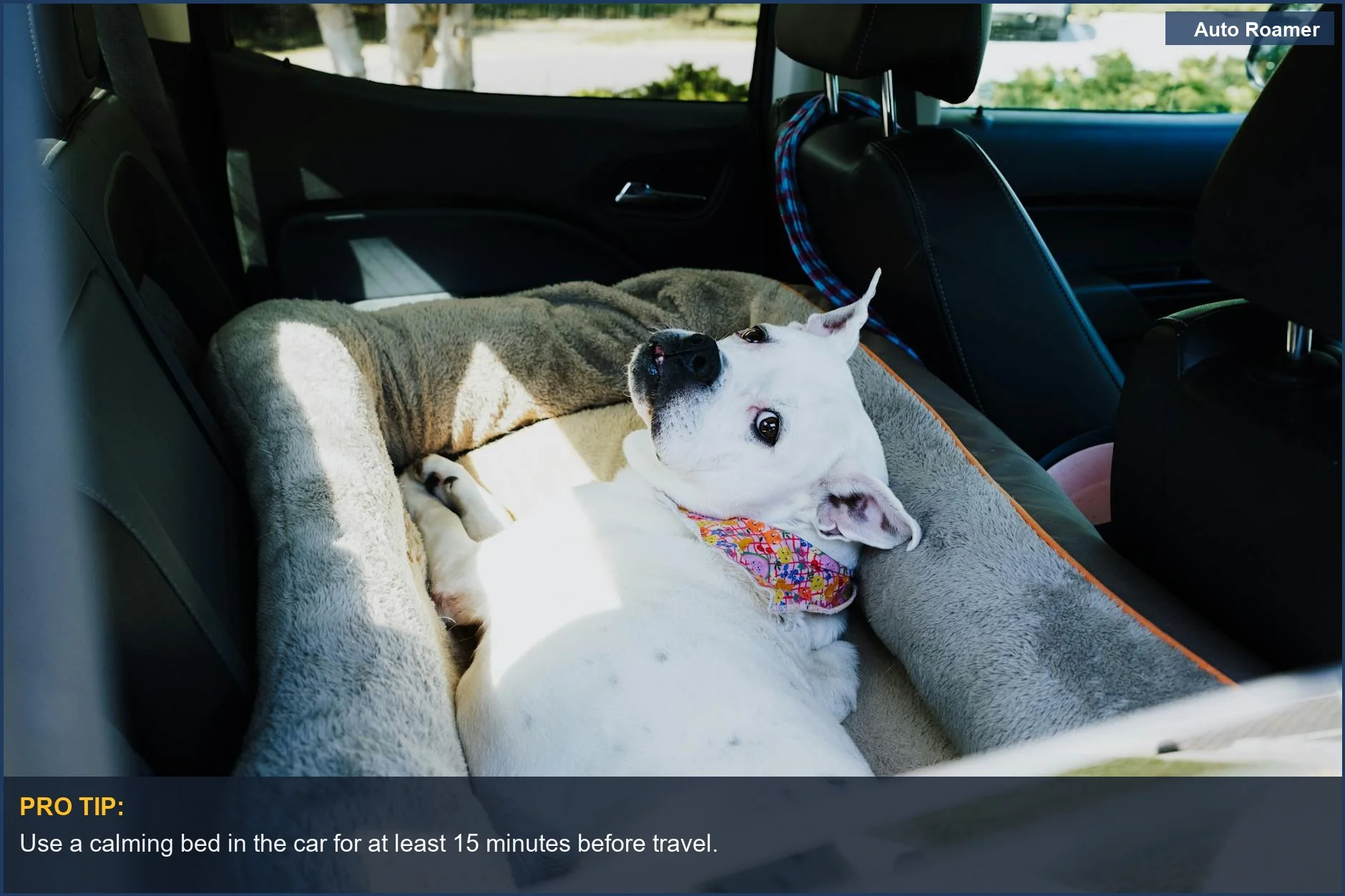
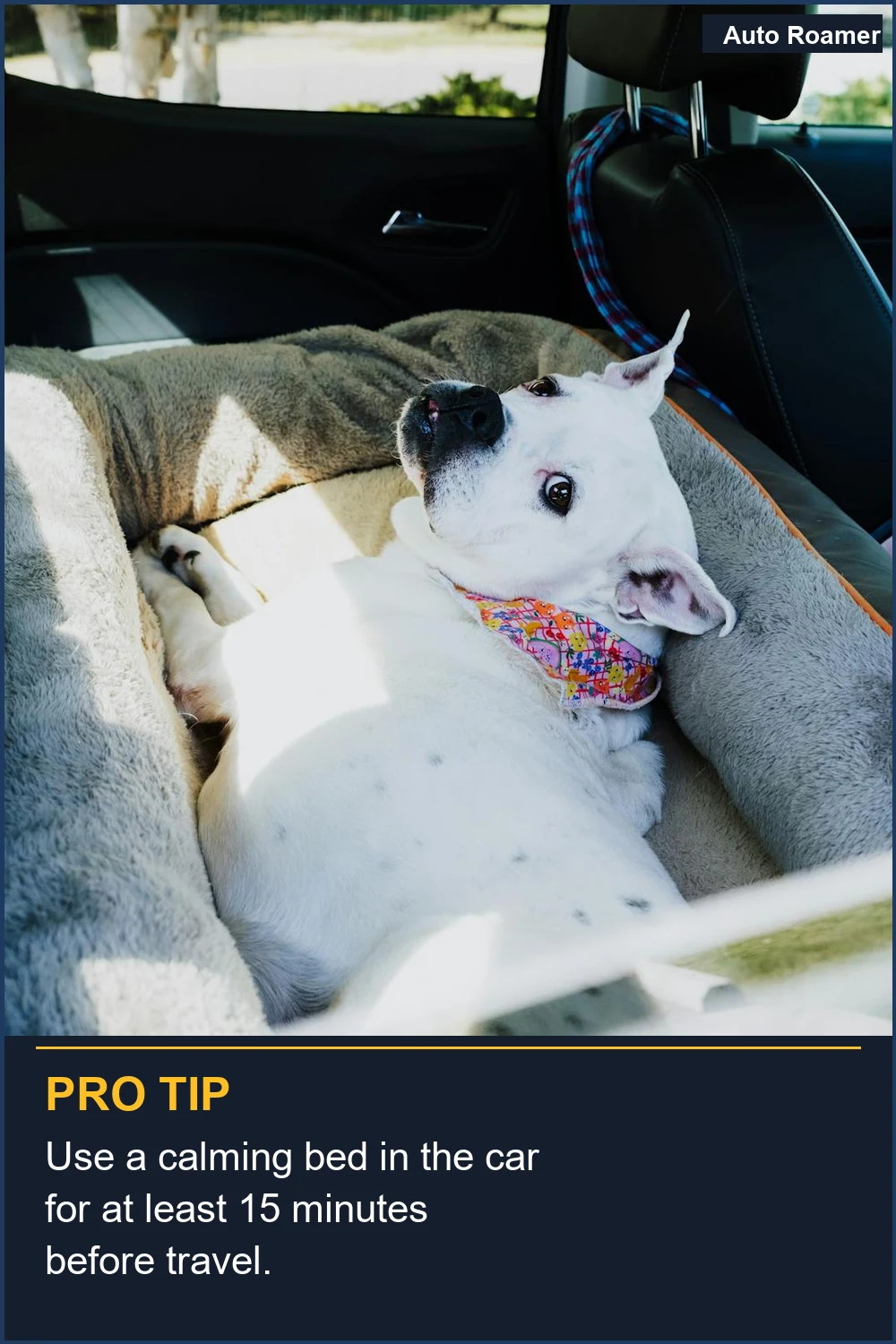
Another aspect to consider is the dog's physical comfort during the journey. Using a dog restraint or a well-ventilated crate can help our dog feel secure. Some dogs may feel more at ease when they are in a familiar space, so bringing along their favorite blanket or toy can make a significant difference. We have observed firsthand that many dogs respond positively to familiar scents, which can help reduce anxiety.
However, there are exceptions to these strategies. Some dogs may not respond to environmental changes or gradual exposure techniques. In such cases, consulting a veterinarian may be necessary. They can recommend behavioral therapies or medications that can aid in reducing anxiety during car rides. According to Animal Humane Society, patience and persistence are key; it might take time for our dog to adjust.
Ultimately, approaching dog car anxiety requires a blend of understanding, patience, and practical strategies. By creating positive experiences, ensuring comfort during travel, and recognizing when professional help is needed, we can help our dogs overcome their fears and make car rides a more enjoyable experience for everyone involved.
Safety Considerations
When addressing dog car anxiety, we must consider several safety aspects to ensure the well-being of both our pets and ourselves. First and foremost, an anxious dog can pose significant safety risks while traveling. If a dog is fearful or agitated in the car, they may move around excessively, distract the driver, or even jump into the front seat. This can lead to dangerous driving situations, increasing the risk of accidents, as an uncontrolled dog might cause the driver to lose focus or react unpredictably.
Additionally, we must be mindful of health hazards associated with dog car anxiety. For instance, some dogs may experience motion sickness, leading to vomiting or diarrhea during travel. This not only creates a messy situation but can also result in dehydration if the dog is unable to keep food or water down. Moreover, a severely anxious dog may exhibit signs of stress such as panting, drooling, or shaking, which could have long-term effects on their mental health if not addressed promptly. Therefore, it is essential to monitor our dogs for these signs and provide comfort.
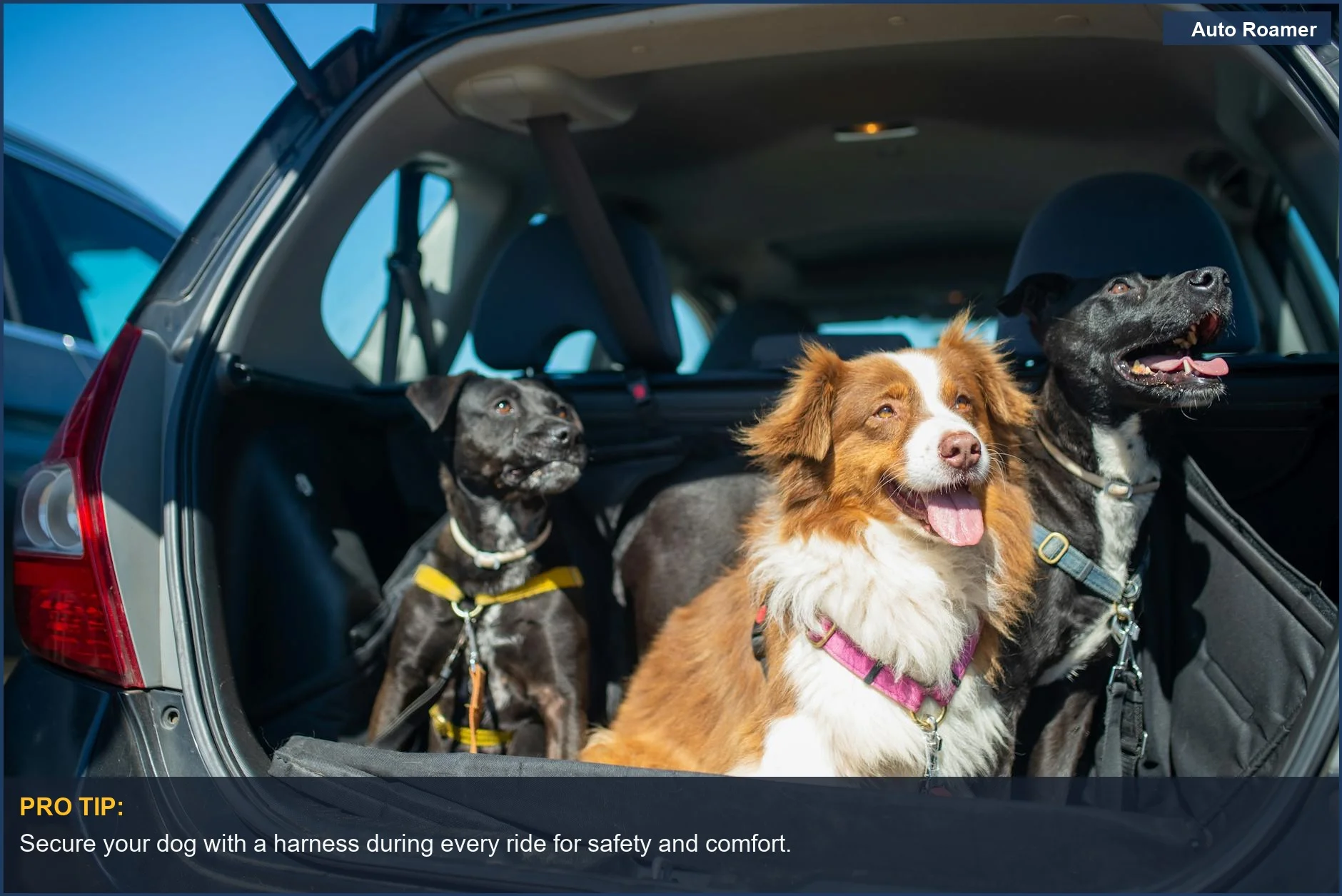
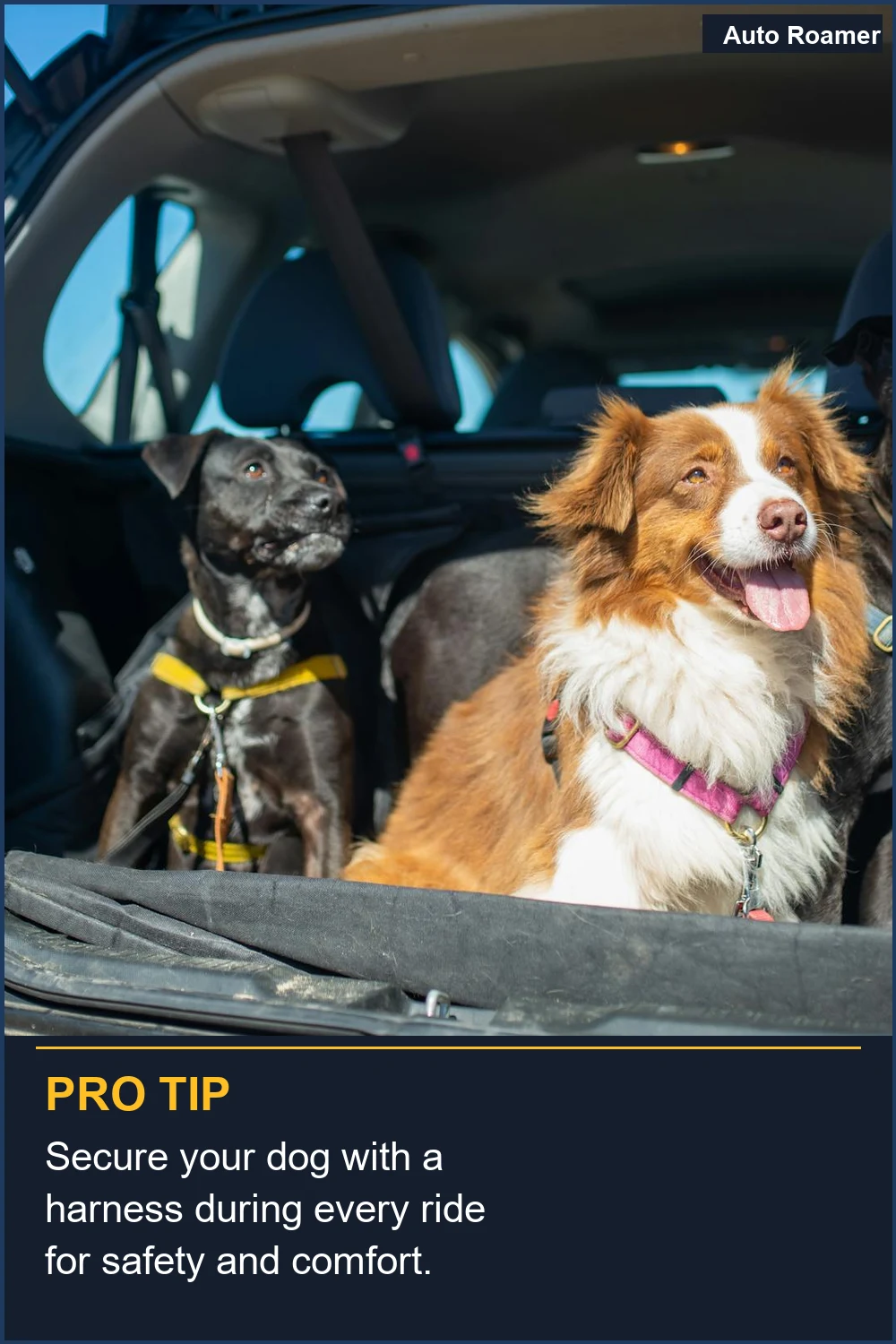
Legal consequences could also arise from an unrestrained dog in a vehicle. In many places, it's illegal to drive with an unsecured pet, and failing to do so may result in fines or other penalties. We recommend using a dog seatbelt or a crate designed for car travel to keep our furry friends safe while ensuring compliance with local laws.
As we work to calm a dog with car anxiety, we should watch for specific behaviors that indicate stress, such as whining, pacing, or excessive drooling. If our efforts to alleviate anxiety through training or environmental adjustments do not yield results, it may be time to seek professional help. Consulting a veterinarian or a certified animal behaviorist can provide us with tailored strategies or medication options if necessary.
In summary, while navigating dog car anxiety, we should prioritize safety by considering the risks involved, being aware of potential health issues, understanding legal responsibilities, and knowing when to seek professional assistance. By taking these precautions, we can work towards creating a more positive travel experience for our dogs and ourselves.
Common Mistakes to Avoid
When it comes to addressing dog car anxiety, we often encounter several common mistakes that can hinder progress. Understanding these pitfalls can help us develop a more effective plan for calming our anxious pups during car rides.
One of the most frequent misconceptions is believing that simply forcing a dog into the car will desensitize them to their anxiety. While it may seem logical that exposure would help, this approach can actually exacerbate their fear. Dogs need to associate the car with positive experiences, not just be subjected to the situation they dread. Instead, we recommend introducing the car gradually. Start with the car stationary, allowing your dog to explore it at their own pace. Offer treats and praise to create a positive association. According to Best Friends, this gradual introduction helps reduce anxiety over time.
Another mistake is neglecting the importance of the in-car environment. Many of us assume that dogs will be comfortable in any conditions, but this is far from accurate. If the temperature is too hot or too cold, or if there is excessive noise, our dogs can become even more anxious. We should ensure proper ventilation and consider playing soft music to create a soothing atmosphere, as suggested by Bond Vet. Additionally, having familiar items, such as a favorite blanket or toy, can provide comfort during the ride.
We also see owners mistakenly believing that their dog's anxiety will resolve on its own over time. While some dogs may eventually adapt to car rides, others may develop a lasting aversion if their anxiety is not addressed. Regular short trips to enjoyable destinations-like a park or a dog-friendly beach-can help counteract negative associations with the car. This strategy is supported by insights from Rubyloo, emphasizing the importance of creating positive experiences.
Finally, we should be cautious with the use of medications or calming products. While they can be effective for some dogs, relying solely on them without accompanying training and behavioral modification can lead to dependency. Always consult with a veterinarian before administering any medications to ensure they are appropriate for your dog's specific situation.
By avoiding these common mistakes and implementing a thoughtful, gradual approach, we can significantly improve our dogs' experiences with car travel, helping them feel more secure and less anxious.
Key Takeaways
To effectively address dog car anxiety, we must remember that each dog's experience is unique and requires a tailored approach. First and foremost, we recommend identifying the root cause of your dog's anxiety. Whether it's motion sickness, fear of the car, or negative associations from past experiences, understanding the triggers is crucial. For example, if your dog associates car rides with trips to the vet, it may be beneficial to take them on short, positive outings to enjoyable destinations, helping to create a more positive association with the vehicle Source.
Next, we suggest gradually acclimating your dog to the car environment. Start by allowing them to explore the stationary vehicle, rewarding them with treats for calm behavior. Then, progress to short drives, gradually increasing the duration as they become more comfortable. During these rides, use calming techniques such as playing soothing music or providing a favorite blanket for familiarity Source.
If these methods do not yield the desired results, we may need to consider seeking professional help. Consulting a veterinarian or a certified dog trainer can provide tailored strategies and, if necessary, discuss medication options to alleviate severe anxiety symptoms Source.
In conclusion, addressing dog car anxiety involves a combination of understanding, gradual desensitization, and, if needed, professional support. With patience and the right strategies, we can help our dogs enjoy car rides, making travel a stress-free experience for both them and us.