
How Long Can A Baby Be In A Car Seat Safely (2026 Complete Guide)
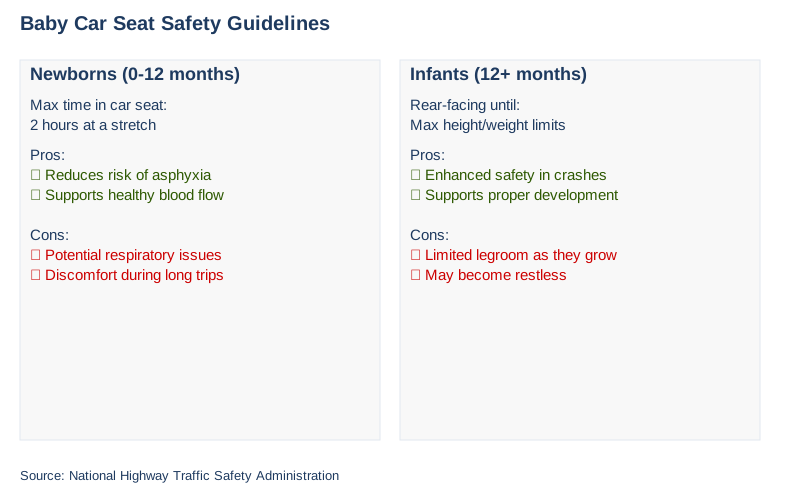
Newborns and young infants should not spend more than two hours in a car seat during a single trip, according to safety guidelines. Frequent breaks are recommended to avoid potential risks, as extended periods can lead to breathing difficulties. For optimal safety, ensure that car seat usage is limited, especially for babies under 1 year old.
One of the most pressing questions for new parents and caregivers is: how long can a baby be in a car seat safely? This is not just a matter of convenience; it directly impacts the health and safety of your little one. We recommend adhering to specific guidelines to ensure that your baby remains safe and comfortable during travel.
Research indicates that newborns and young infants should not spend more than two hours in their car seats at a stretch. This guideline, often referred to as the "two-hour rule," is crucial because prolonged periods in a car seat can lead to respiratory issues, decreased blood flow, and positional asphyxia, especially in babies who lack muscle control to sit up unassisted (Source). We advocate for taking breaks during long car rides to allow your baby to stretch and reposition, as this can help mitigate these risks.
As your child grows and becomes more mobile, the guidelines evolve. Infants should remain in rear-facing car seats until they reach the maximum height or weight limit specified by the seat manufacturer, which is usually around 40 pounds or 43.3 inches tall (Source). This is crucial for reducing the risk of injury in the event of a crash.
The importance of these guidelines cannot be overstated. According to the National Highway Traffic Safety Administration, car crashes are a leading cause of injury among children under 12, with side-impact collisions being particularly dangerous (Source). Therefore, understanding how long a baby can safely be in a car seat is essential not just for comfort, but for ensuring their safety during travel.
In summary, we emphasize that adhering to the two-hour rule and following age-appropriate car seat guidelines is vital for your baby's well-being in a car seat. This knowledge equips us to make informed decisions that prioritize our child's safety, ensuring every journey is as secure as it is enjoyable.
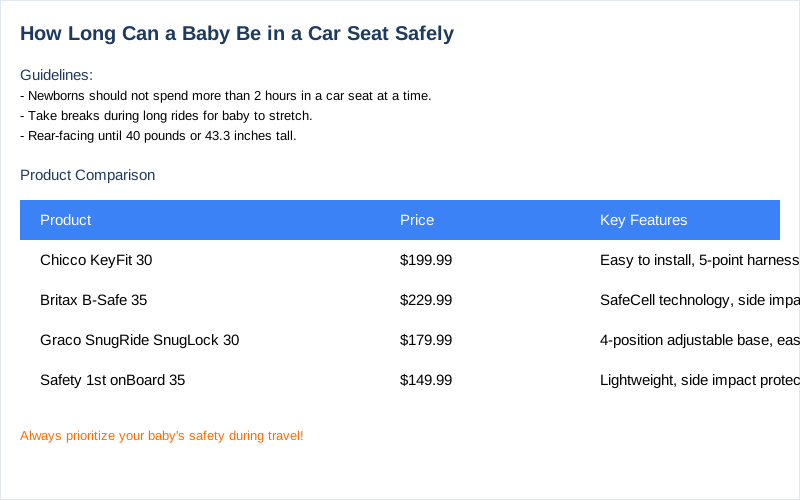
The Short Answer: How Long Can A Baby Be In A Car Seat Safely
The short answer to how long a baby can be in a car seat safely is that newborns and young infants should not spend more than two hours in a car seat during a single trip. This guideline, often referred to as the "two-hour rule," is crucial to ensure the safety and well-being of your child. The two-hour limit is particularly important until your baby can sit up unassisted, typically around six months of age. Once they reach this developmental milestone, they can generally tolerate longer periods in the car seat, though we still recommend taking frequent breaks on longer journeys.
Key facts to consider include that prolonged use of car seats can pose risks to infants, including positional asphyxia, where a baby's airway can become obstructed due to poor positioning. This risk is heightened in infants who are not yet able to support their own heads. According to research, even short durations exceeding the recommended limit can lead to potential health issues, including decreased oxygen levels and increased stress on the heart (Orbit Baby).
The bottom line is that while car seats are essential for safe travel, they are not designed for prolonged use. We recommend adhering to the two-hour rule and making it a habit to stop every couple of hours on longer trips to allow your baby to stretch, move around, and be held. It is also vital to ensure that the car seat is installed correctly and that your child is properly secured to minimize risks in the event of an accident.
As car seat regulations evolve, we also want to highlight that new federal standards, effective December 5, 2026, will enforce stricter safety measures for car seats, including side-impact testing. These changes are part of an effort to enhance child safety in vehicles (Baby Sense Monitors). Always stay informed about the latest safety guidelines and ensure your car seat meets these standards for peace of mind while traveling with your little one.

What You Need to Know
When considering how long a baby can safely be in a car seat, it's essential to understand that the answer varies depending on several factors, including the baby's age, weight, and the type of car seat used. We recommend adhering to established guidelines to ensure your child's safety during travels.
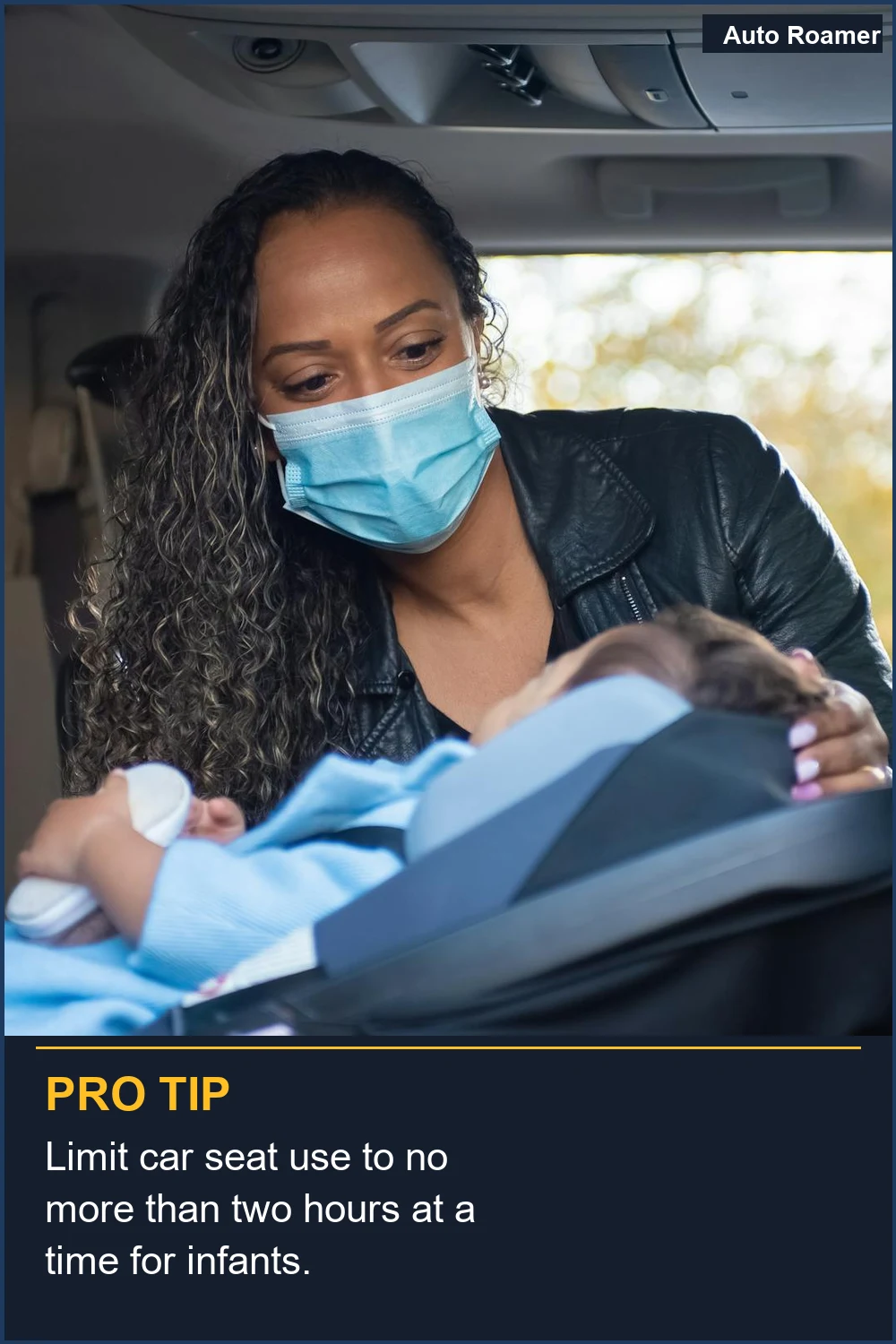
For newborns and young infants, experts suggest the "two-hour rule," which recommends that babies should not spend more than two hours in a car seat at a time. This guideline is primarily based on the risk of developing positional asphyxia, where a baby's head may fall forward, restricting airflow. Additionally, prolonged time in a car seat can lead to discomfort and impact the baby's developing spine. The two-hour limit should be observed until the baby can sit up unassisted, typically around 6 months of age (Orbit Baby).
As babies grow, their car seat usage evolves. Rear-facing car seats are recommended for infants until they reach the maximum weight or height limits specified by the car seat manufacturer, which can be as much as 40 pounds or 43 inches tall (CHOP). For many children, this means remaining in a rear-facing seat until they are 2 years old or older. Transitioning to a forward-facing seat should only occur once they have outgrown the rear-facing option.
For toddlers and preschool-aged children, the guidelines suggest they remain in a forward-facing car seat with a harness until they reach the seat's maximum weight or height limits. After that, they can transition to a booster seat, which should be used until they can properly fit into a seatbelt. We recommend keeping children in booster seats until they are at least 8 years old or 57 inches tall, complying with many state laws, such as those in New Jersey (Mahwah PD).
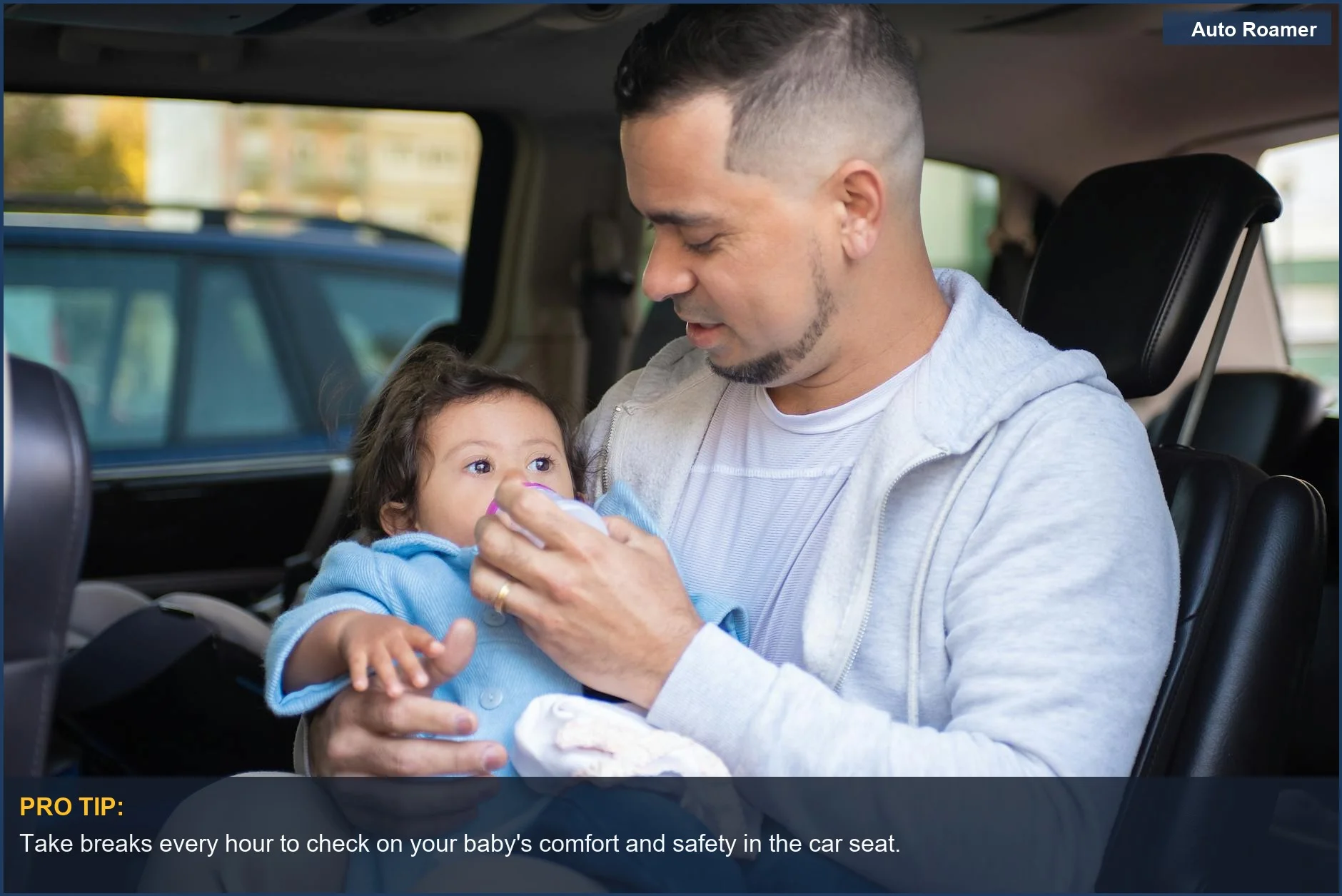
There are nuances to consider, especially during long car rides. If your journey exceeds the two-hour mark, we suggest planning to take breaks every couple of hours. This allows for diaper changes, feedings, and, most importantly, some time out of the car seat for your baby to stretch and relieve any discomfort.
Exceptions to these guidelines may arise in emergency situations or if a child falls asleep in their car seat. While it's tempting to leave a sleeping baby in the seat, we recommend transferring them to a flat surface whenever possible to mitigate risks.
As of December 2026, new federal safety regulations will require car seats for children under 40 pounds to pass side-impact crash tests, enhancing safety in collisions (Baby Sense Monitors). Staying informed about these changes can help us make better decisions regarding our child's car seat usage.
In summary, understanding how long a baby can be in a car seat safely involves following the two-hour rule for infants, transitioning appropriately based on age and weight, and ensuring frequent breaks during extended travel. This approach not only enhances our child's safety but also contributes to a more comfortable travel experience for everyone involved.
How to Handle This
When it comes to ensuring the safety of our little ones during car travel, we recommend following some practical steps to determine how long a baby can be in a car seat. The general guideline is that newborns and young infants should not spend more than two hours in a car seat at a time. This two-hour rule is particularly important until the baby can sit up unassisted, which usually occurs around six months of age. Extended periods in a car seat can lead to positional asphyxia and discomfort due to their developing bodies.
To manage car trips effectively, we suggest planning ahead. Before embarking on a journey, make sure to schedule breaks every couple of hours. This allows not only for feeding and changing but also for giving your baby a chance to stretch and move around. For instance, during a long road trip, we often stop at rest areas or parks where we can let our baby out of the car seat for a bit while ensuring they are safe and secure.
In practice, we recommend using a travel system that includes both an infant car seat and a stroller. This makes it easier to transition your baby in and out of the car without disrupting their sleep too much. Many parents find models like the Chicco Bravo Quick-Fold Travel System or the Baby Jogger City Mini GT2 Travel System to be user-friendly and safe options.
When using the car seat, ensure it's properly installed and adjusted according to the manufacturer's guidelines. We always check that the harness is snug but not constricting, as proper fit is crucial for safety. If you're unsure about the installation, many local fire departments or hospitals offer car seat checks.
We also advise keeping an eye on your baby during travel. If they seem uncomfortable or fussy, it may be a sign that they need a break from the car seat. Remember, even if the journey is short, regularly checking on your little one can provide peace of mind.
To summarize, we recommend adhering to the two-hour rule for babies in car seats, planning regular breaks, using a travel system for convenience, ensuring the car seat is correctly installed, and keeping an attentive watch on your baby throughout the journey. Following these practical steps can make car trips safer and more enjoyable for everyone involved. For further reading on car seat guidelines, check resources like Orbit Baby and NHTSA.
Safety Considerations
When considering how long a baby can be in a car seat safely, it's crucial to understand the associated safety risks and health hazards. Research indicates that newborns and young infants should not spend more than two hours in their car seats at a time. This guideline, known as the two-hour rule, is essential for preventing potential health issues such as positional asphyxia and impaired circulation, which can arise from prolonged periods in a semi-reclined position (Orbit Baby).
It's also important to be aware of the legal consequences tied to car seat usage. In many states, children are required to remain in a car seat or booster seat until they reach a certain age or height-typically around 8 years old or 57 inches tall (NJ Car Seat Law). Failure to comply with these laws not only endangers your child but may also result in fines or other legal repercussions.
When monitoring your baby during car trips, we recommend watching for signs of discomfort or distress. If your baby seems unusually fussy or is not able to move freely, it may be time to take a break. Frequent stops can help ensure that your baby is comfortable and can stretch out, which is vital for their well-being.
If you have any concerns about your child's safety in the car seat, do not hesitate to seek professional help. Consulting with a certified child passenger safety technician can provide you with personalized guidance tailored to your child's specific needs, ensuring that you are adhering to the latest car seat standards and safety practices. With new regulations coming into effect in 2026 regarding side-impact safety, it is important to stay informed and ensure that your car seat meets all necessary guidelines (Baby Sense Monitors).
In summary, we recommend adhering to the two-hour rule for car seat use, being aware of legal requirements, observing your baby's comfort, and seeking professional assistance when needed. By taking these precautions, we can help ensure that our babies remain safe and healthy during car travel.
Common Mistakes to Avoid
When it comes to understanding how long a baby can be in a car seat safely, many parents fall prey to common misconceptions that can jeopardize their child's safety. One prevalent mistake is assuming that extended periods in a car seat are acceptable, especially during long trips. While it may seem practical to keep a sleeping baby in their car seat to avoid disruption, we recommend adhering to the "two-hour rule" for infants. This guideline suggests that newborns and young infants should not remain in a car seat for more than two hours at a time, as prolonged confinement can lead to breathing difficulties and other health issues. This rule should continue until the baby can sit up unassisted, which typically occurs around 6 months of age (Source).
Another common oversight is believing that once a baby reaches a certain weight, they can transition out of a rear-facing car seat. The reality is that children should remain in a rear-facing seat as long as possible, ideally until they reach the maximum height or weight limit specified by the car seat manufacturer, which can often be between 30 to 40 pounds. This is crucial for their safety, as rear-facing seats provide better support for a child's head, neck, and spine during a crash (Source).
Furthermore, some parents mistakenly assume that once their child reaches the age of 2, they can immediately switch to a forward-facing seat. While 2 years is a minimum age requirement in many states, it is best practice to keep children rear-facing until they outgrow the limits of their car seat. This is reinforced by new regulations that emphasize the importance of proper seating arrangements to enhance safety. The upcoming federal standards effective December 5, 2026, for car seats highlight the need for proper side-impact protection, reflecting the serious nature of crashes involving children (Source).
In summary, understanding how long a baby can be in a car seat safely involves recognizing these misconceptions. We must prioritize our children's safety by adhering to established guidelines and avoiding common pitfalls. By doing so, we can ensure that our little ones remain secure and healthy during travel.
Key Takeaways
When considering how long a baby can comfortably and safely be in a car seat, we need to summarize some vital points. Firstly, we recommend adhering to the "two-hour rule," which suggests that newborns and young infants should not remain in their car seats for more than two hours at a time. This guideline is crucial because prolonged periods in a car seat can lead to various health issues, including respiratory problems and a risk of positional asphyxia, particularly in infants who cannot yet support their own heads (Orbit Baby).
Moreover, we should emphasize that babies should remain in a rear-facing car seat until they outgrow the seat's height or weight limits, typically until they are at least 2 years old (Children's Hospital of Philadelphia). We also advise parents to be mindful of the new federal regulations set to take effect in December 2026, which will require car seats to pass stringent side-impact tests, ensuring even greater safety for your child (Baby Sense Monitors).
If you notice signs of discomfort in your baby while in the car seat, such as fussiness or difficulty breathing, we recommend taking a break and removing them from the seat. If you have any concerns about your child's well-being in a car seat, do not hesitate to consult with a pediatrician or a certified child passenger safety technician. They can provide personalized advice based on your child's specific needs and growth. Ultimately, ensuring our little ones are safe and comfortable is our top priority.