
How to Use a Rest Area for Overnight Car Camping Legally
The sun dips below the horizon, and the hum of the highway is your only company. You're miles from your destination, fatigue is setting in, and the thought of finding a cheap motel feels like another impossible task. Can you just pull over at the next rest area and catch some sleep?
The sun dips below the horizon, and the hum of the highway is your only company. You're miles from your destination, fatigue is setting in, and the thought of finding a cheap motel feels like another impossible task. Can you just pull over at the next rest area and catch some sleep? The answer is rarely a simple yes or no. While rest areas are designed for drivers to take breaks, the legality of sleeping in your car overnight varies dramatically by state and even by individual location Can You Sleep at a Rest Stop? Rules, Tips & Safety Guide. Drowsy driving is a serious danger, with AAA reporting that "more than 17% of fatal crashes involve driver fatigue" California rest stops and what you need to know before you pull over. Some states, like California, allow up to 8 hours of rest within a 24-hour period at rest stops California rest stops and what you need to know before you pull over, but this can differ significantly from other states where a 24-hour limit might apply, or where overnight stays are outright banned Rest Area Overnight Parking by State 2026. Ignoring posted signs or local ordinances can lead to fines or being asked to move along, so understanding the rules before you park is critical.
The Short Answer
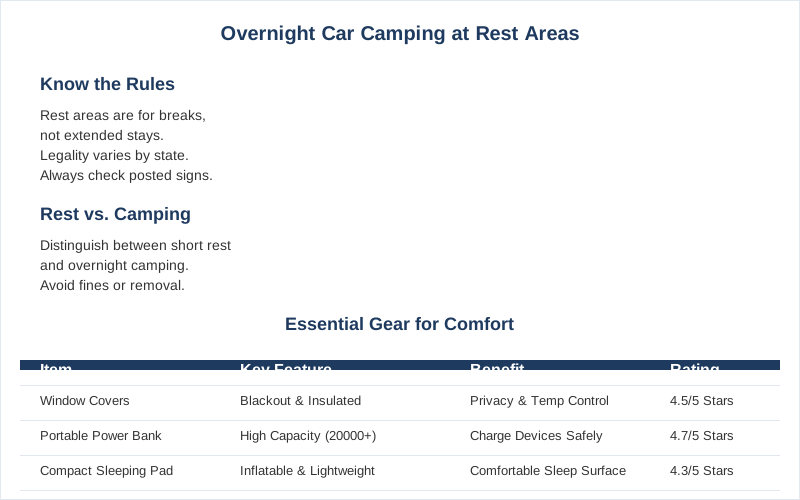
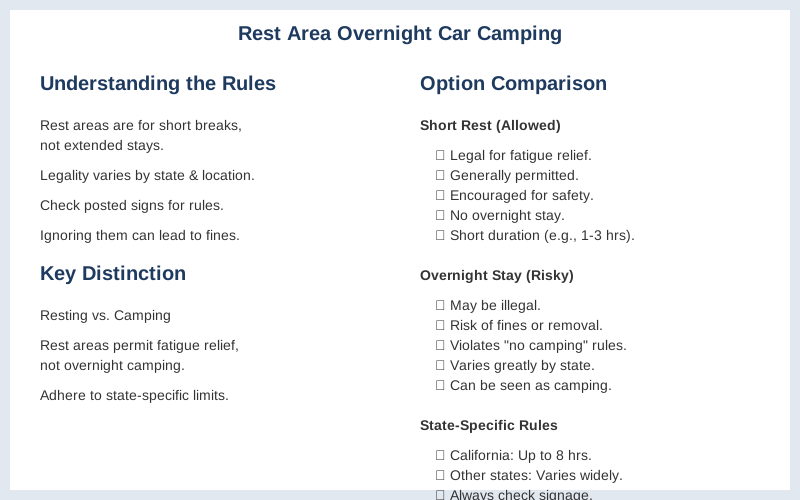
Legally sleeping overnight in your car at a rest area hinges on a crucial distinction: resting versus camping. Rest areas are designed for short-term fatigue relief, not extended stays. Understanding and adhering to state-specific time limits and "no camping" rules is paramount to avoid violations.
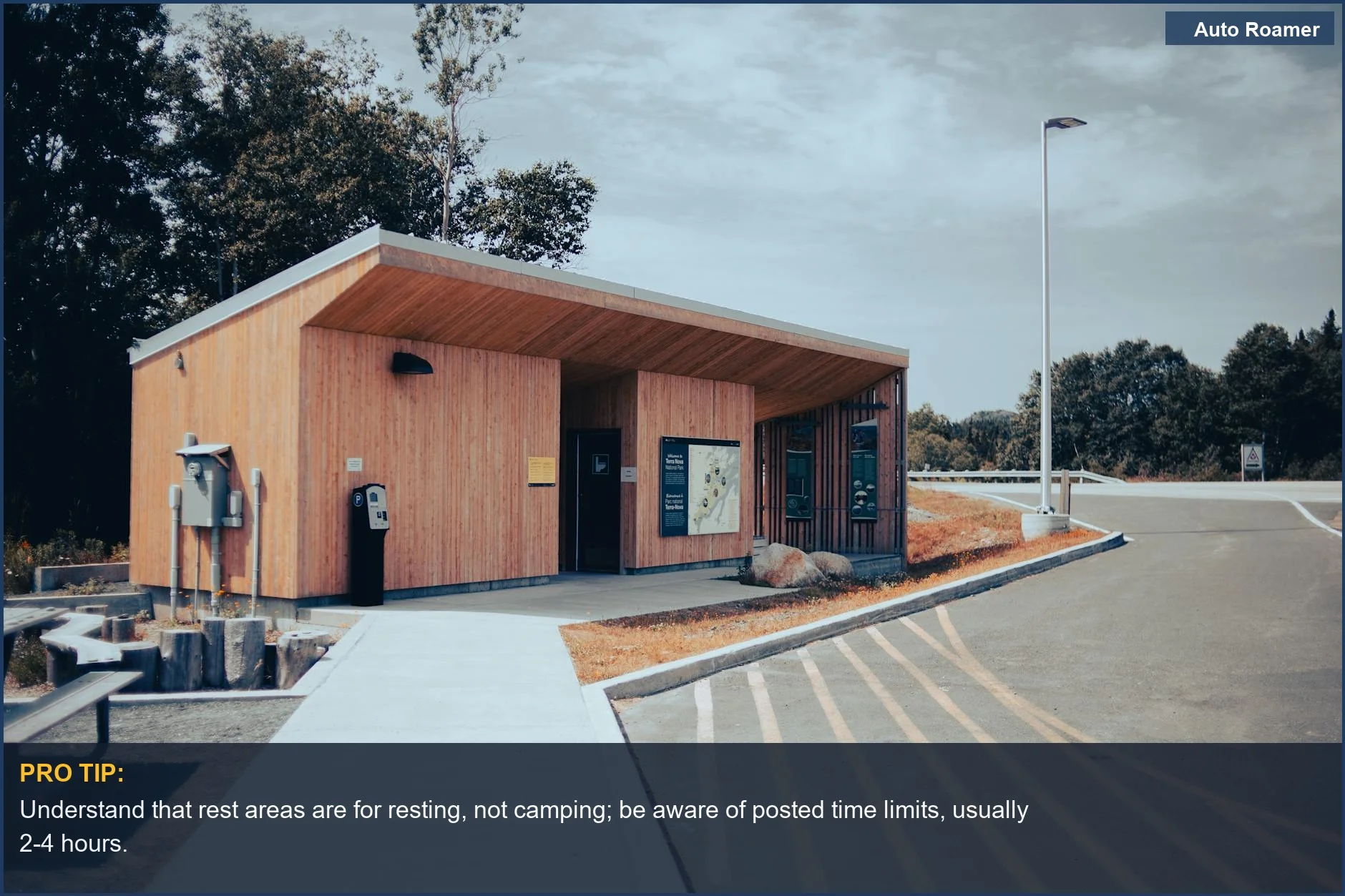
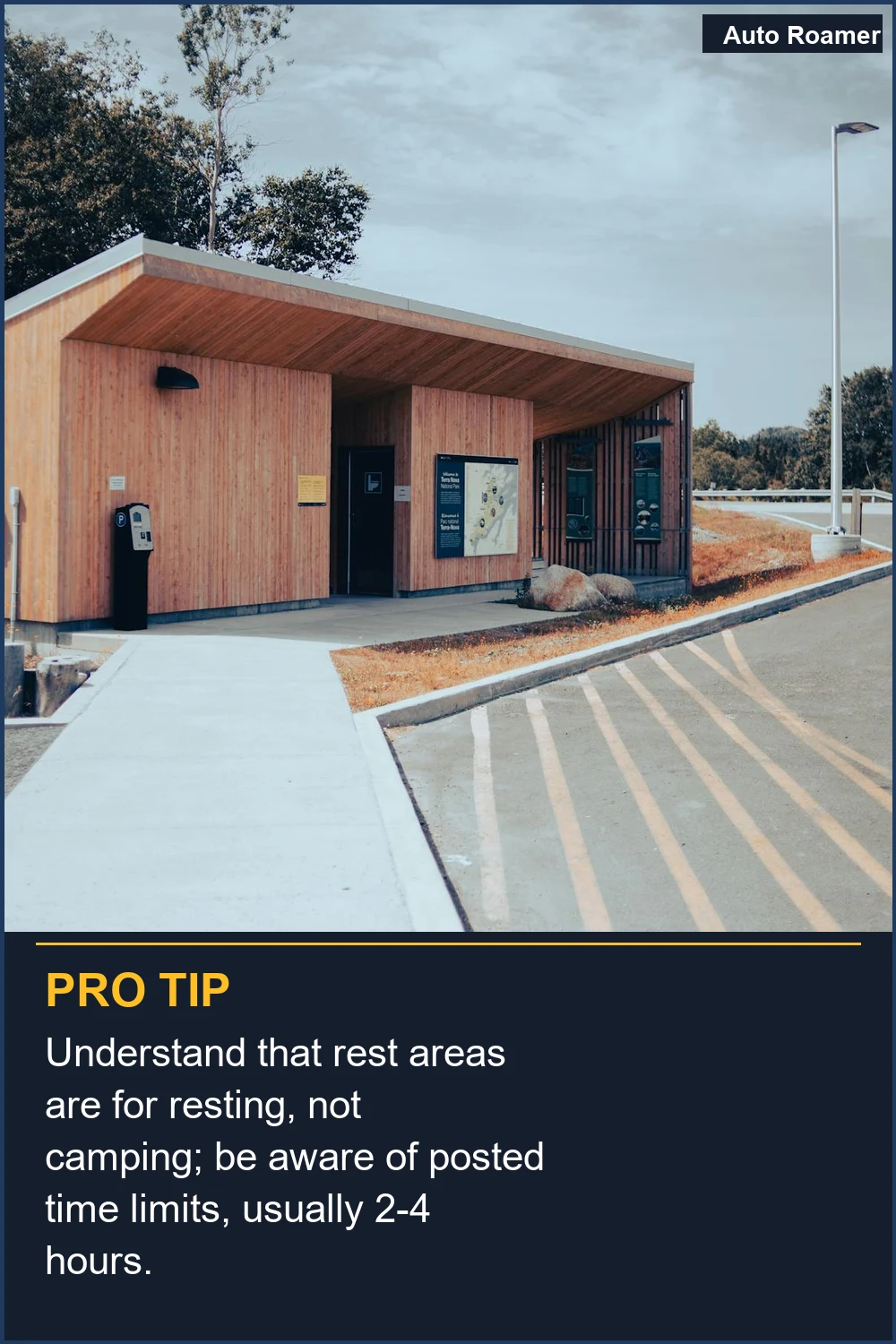
The core principle is that rest areas provide a safe haven for drivers to combat drowsiness, which is as dangerous as drunk driving according to the American Automobile Association California rest stops and what you need to know before you pull over. While many states permit sleeping in your vehicle, this is generally intended for a few hours to regain alertness, not for setting up camp.
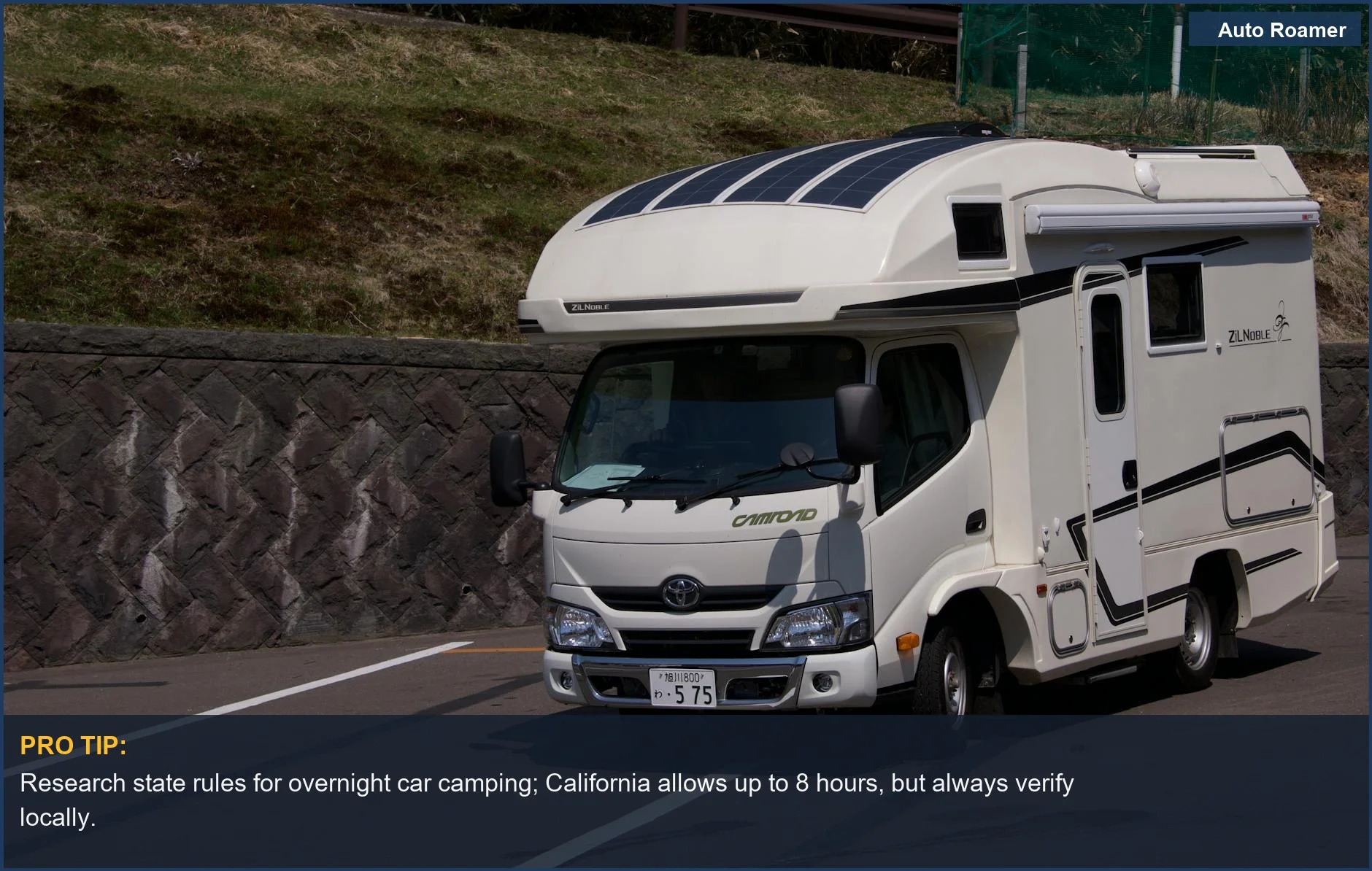
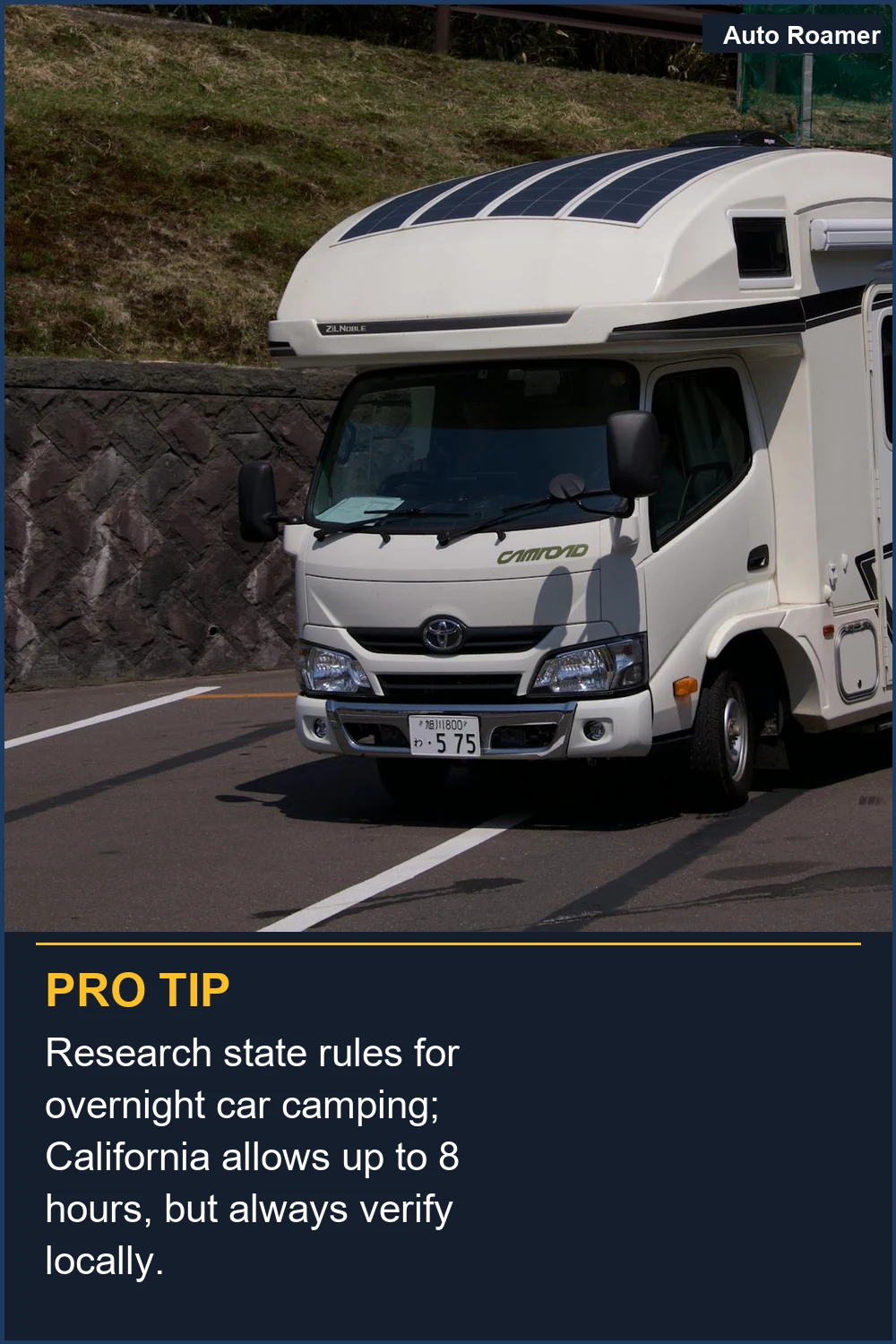
Time limits are the most common restriction. For instance, in California, you can sleep or stay for up to 8 hours within a 24-hour period at a rest stop California rest stops and what you need to know before you pull over. Oregon allows up to 12 hours but strictly prohibits camping behaviors 12 States Where You Can Sleep in Your Car at Rest Stops (2026 .... Some states, like Texas, may allow up to 24 hours Can You Sleep at a Rest Stop? Rules, Tips & Safety Guide, but always check posted signs.
"No camping" is the key phrase to watch for. This means no setting up tents, cooking outdoors, or using picnic tables as a dining area. Michigan, for example, allows overnight parking but explicitly bans camping, with a maximum continuous stay of 48 hours 7 States Tightening Rules on Overnight Car Sleeping in 2026. Violating these rules can lead to being asked to leave or even towed.
It's important to note that rules are evolving, with more states clarifying or tightening restrictions on overnight stays at public sites 7 States Tightening Rules on Overnight Car Sleeping in 2026. Always prioritize reading posted signs at each rest area, as enforcement and specific regulations can vary by location and season. The intent is to keep rest areas available for all travelers needing a short break, not as free campgrounds.
What You Need to Know
How to Handle This
What This Looks Like in Practice
- Summer Desert in a Honda Civic: Pulled into a well-lit rest area in Arizona around 10 PM. The temperature was still high, so cracking windows was essential. Found a spot away from the restrooms to minimize foot traffic. Slept soundly for about 6 hours before the sun became too intense. Worked because the rest area was open 24/7 and had ample lighting. Didn't work as well for comfort due to the heat, but it was a legal and safe option for a short rest.
- Winter Mountain Pass in a Subaru Outback: Stopped at a rest area in Colorado late at night during a snowstorm. The area was quiet, with only a few trucks parked. Parked in a cleared section and slept for 5 hours. Worked because the rest area was accessible and provided shelter from the elements. The primary concern was ensuring the vehicle wouldn't get snowed in, but the clearing crew had maintained access.
- California Coastal Drive in a Van: Arrived at a California rest stop just after dusk. The signage clearly indicated an 8-hour limit for stays California rest stops and what you need to know before you pull over. Parked, reclined the seats, and slept for about 7 hours. This worked perfectly as it was within the legal limit and provided a safe place to rest. The key here was adhering to the posted time restrictions to avoid any issues.
- Midwest Interstate in a Sedan: Found a rest area in Illinois around midnight. It was a standard stop with restrooms and picnic tables. Parked in a corner spot and slept for a few hours. While not explicitly banned, there was a general understanding from online forums that overnight stays were tolerated as long as you were discreet and left early Are interstate rest stops for overnight sleeping? : r/carcamping - Reddit. This worked for a short nap, but longer stays might be risky as rules can vary by specific location and enforcement.
Mistakes That Cost People
Key Takeaways
- Understand that rest areas are for resting, not camping. While many states allow you to sleep in your car overnight, this is distinct from setting up camp. Rules vary significantly by state, with some, like California, permitting stays up to 8 hours within a 24-hour period, while others have longer limits like Texas at 24 hours.
- Always check posted signage at the rest area itself, as these rules can differ even within the same state. Some states are tightening regulations, so what was permissible last year might not be today. For instance, seven states were clarifying rules in 2026 to address longer stays.
- Be mindful of "no camping" rules. This means no setting up chairs outside your vehicle, no cooking, and no prolonged activities that make the space look occupied beyond a simple overnight stop. Violating these can lead to being asked to leave or even towed.
- The single most important thing to remember is: know before you go. Research the specific state's regulations and always look for posted signs at the rest area to ensure you can sleep at rest areas overnight legally and safely.
Frequently Asked Questions
So, can I actually sleep overnight at a rest stop?
What's the time limit for sleeping at a rest area?
Are there specific states that are cracking down on sleeping in cars at rest areas?
What's the difference between resting and camping at a rest stop?
How can I tell if a rest stop allows overnight stays?
Are there any amenities I can expect at a rest stop for an overnight stay?
Sources
- Can you sleep in your car overnight at a rest stop? - Facebook
- Can You Sleep at a Rest Stop? Rules, Tips & Safety Guide
- California rest stops and what you need to know before you pull over
- Rest Area Overnight Parking by State 2026 - Boondock or Bust
- recnationstorage.com
- 7 States Tightening Rules on Overnight Car Sleeping in 2026
- Are interstate rest stops for overnight sleeping? : r/carcamping - Reddit
- 12 States Where You Can Sleep in Your Car at Rest Stops (2026 ...