You're packed, you're on the road, and you're about an hour from the campground when it hits you: did you forget anything crucial? That sinking feeling is all too familiar for first-time campers. We've all been there, staring at the empty passenger seat, wondering if the tent poles made it into the trunk or if you actually packed enough water.
You're packed, you're on the road, and you're about an hour from the campground when it hits you: did you forget anything crucial? That sinking feeling is all too familiar for first-time campers. We've all been there, staring at the empty passenger seat, wondering if the tent poles made it into the trunk or if you actually packed enough water. This camping checklist for beginners cuts through the guesswork. Forget endless scrolling through vague advice; this is about getting you set up right from the start. We're talking about the non-negotiables that separate a comfortable night under the stars from a miserable one spent swatting mosquitoes or shivering. Think about the essentials like a reliable tent and a warm sleeping bag, but also the often-overlooked items that make a huge difference. We'll cover what you absolutely need to have a safe and enjoyable trip, drawing on real-world experience and reliable sources to ensure you're not caught unprepared.
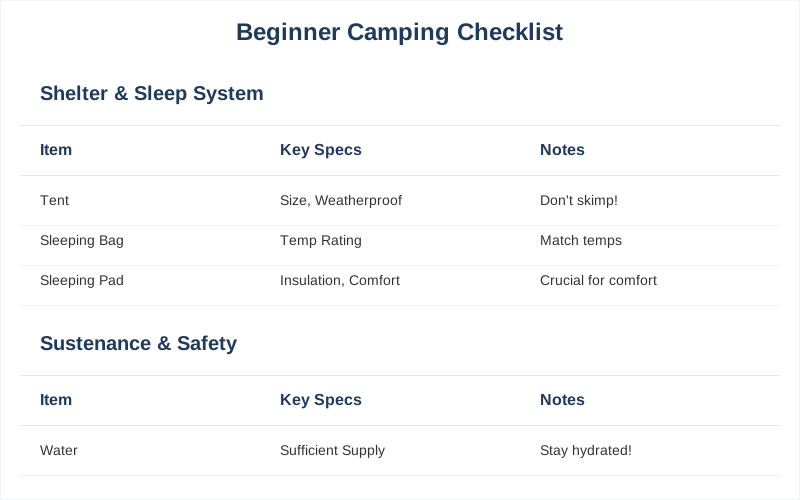
Key specifications for camping checklist for beginners
The Short Answer
The core of a beginner camping checklist is building a reliable "shelter and sleep system" and ensuring you have basic "sustenance and safety" covered.
You absolutely need a tent that's appropriate for your group size and anticipated weather; don't skimp here. A tent footprint or tarp underneath adds crucial protection against moisture and abrasion REI Expert Advice. Complement this with a sleeping bag rated for the expected nighttime temperatures and a sleeping pad for insulation and comfort - a deflated air mattress is miserable Camping Packing List (For Beginners, by an Outdoor Guide!). Don't forget a small pillow for a decent night's rest.
Next, focus on hydration and nutrition. Water is paramount; plan for at least 2 liters per person per day, especially in warmer climates U.S. National Park Service. Bring a large water jug for cooking and cleaning, and individual refillable water bottles. For food, keep it simple initially: think easy-to-prepare, non-perishable items.
Safety and utility are non-negotiable. A well-stocked first-aid kit is essential, along with insect repellent and sunscreen (SPF 30 or greater) Camping Supply Checklist. A headlamp or flashlight with extra batteries is critical for navigating camp after dark. A multi-tool or knife is incredibly handy for countless small tasks.
Consider your comfort and campsite setup. Camp chairs make a huge difference, transforming downtime from sitting on the ground to actual relaxation. While many campsites have picnic tables, a small camp table can be useful for food prep or games. Pack trash bags to leave your site cleaner than you found it.
Avoid common pitfalls by learning about the beginner camping mistakes that can affect your campfire experience.
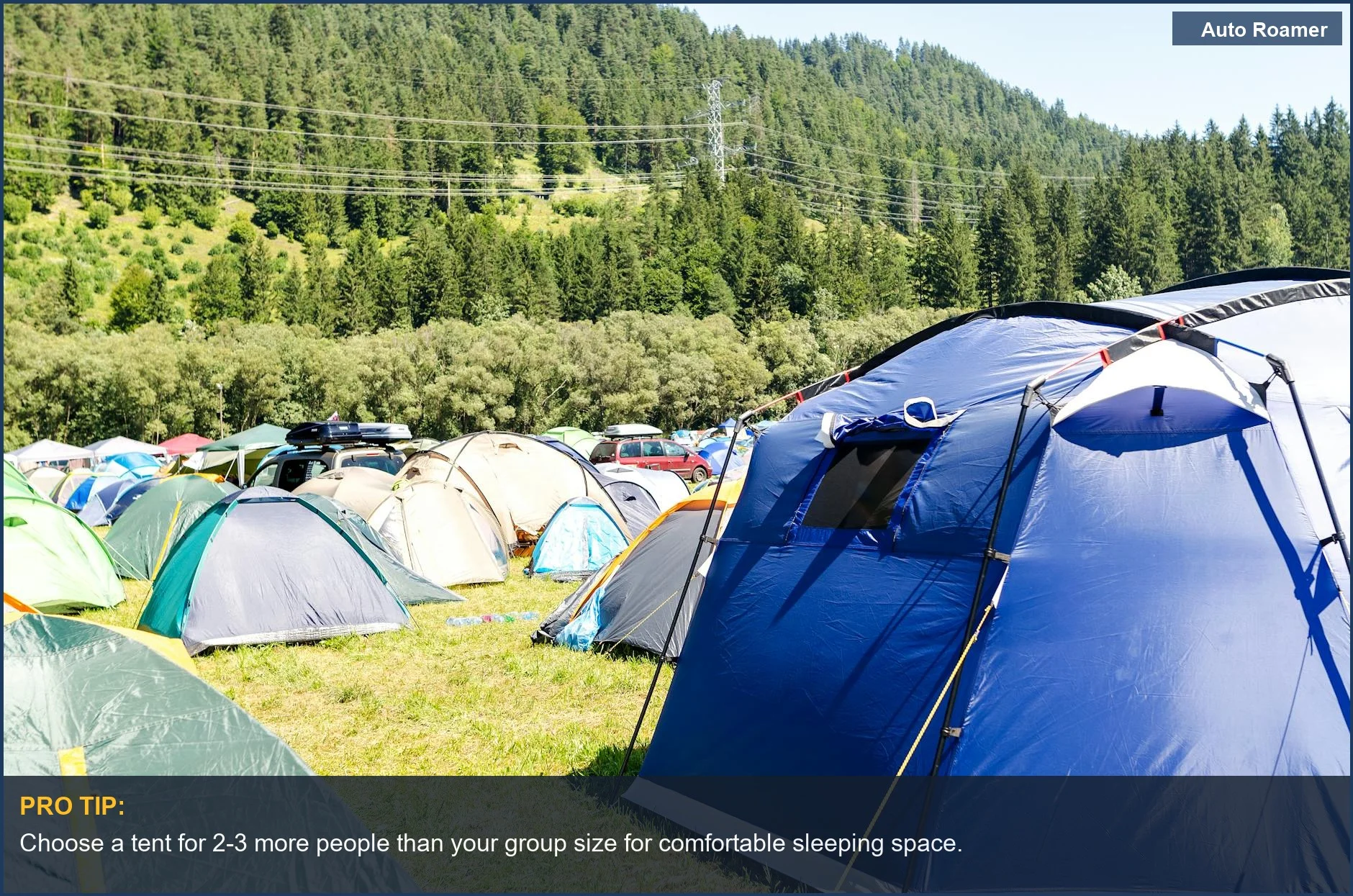
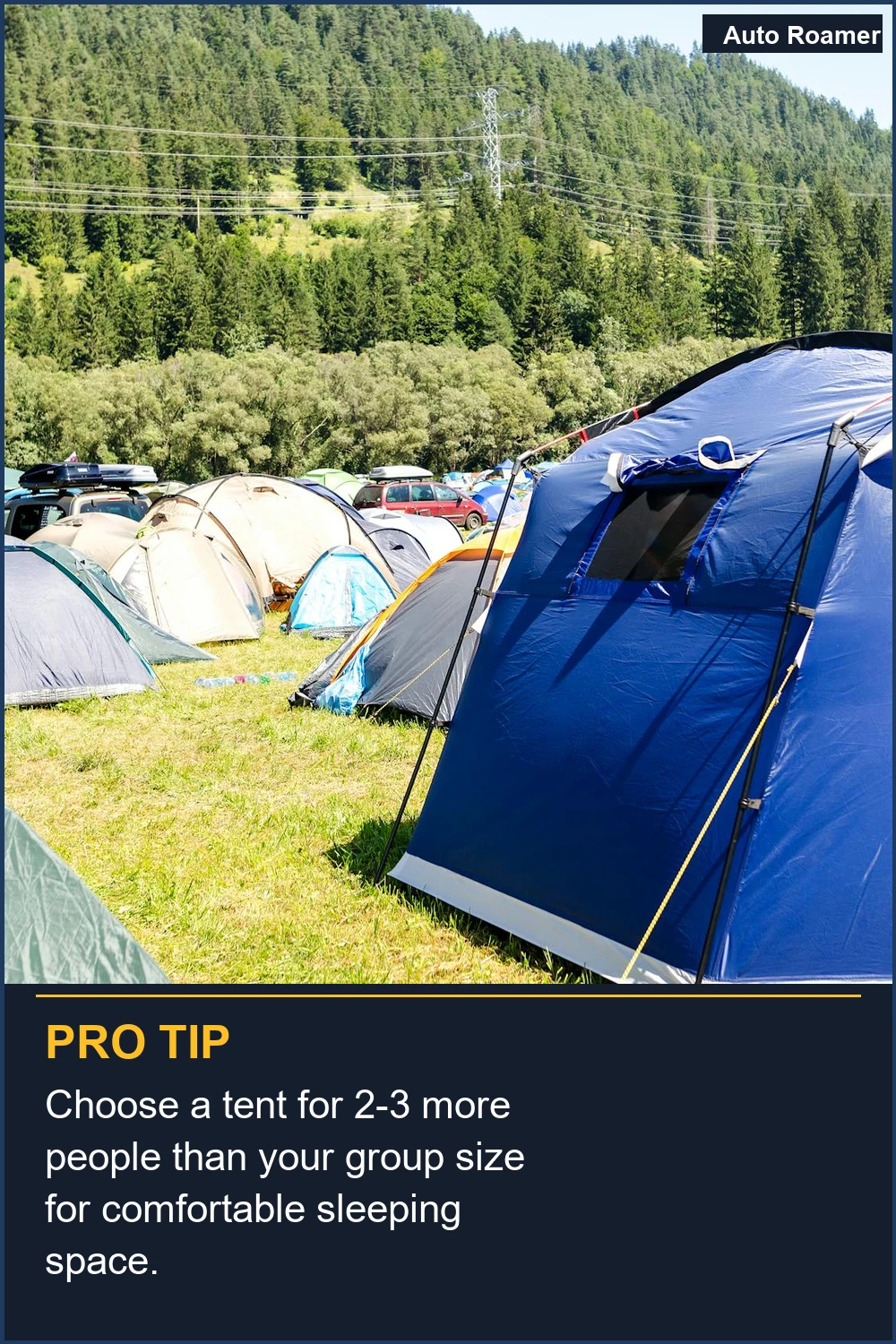
Start your camping checklist for beginners by selecting the right tent. This setup in a lush valley highlights the importance of shelter for your first outdoor adventure.
| Photo by Lukas Blazek
Start your camping checklist for beginners by selecting the right tent. This setup in a lush valley highlights the importance of shelter for your first outdoor adventure.
| Photo by Lukas Blazek
What You Need to Know
1
Shelter and Sleep System - A reliable tent is your primary defense. For beginners, prioritize ease of setup; KOA suggests practicing at home. Consider a footprint or tarp for extra ground protection. Your sleeping bag should match the expected nighttime temperatures, as even warm climates can get chilly after dark KOA. A sleeping pad adds crucial insulation and comfort, preventing you from feeling every bump in the ground Maddy Marquardt. Don't forget a pillow.
2
Camp Kitchen and Hydration - Proper food and water are non-negotiable. Carry ample drinking water, at least 2 liters per person per day, more in hot climates National Park Service. Collapsible jugs save space but hard-sided ones offer more durability National Park Service. A camp stove and fuel are essential for cooking hot meals. Pack basic cooking utensils, plates, and cutlery; for car camping, you can often bring items from home Maddy Marquardt. Remember a cooler with ice packs for perishables.
3
Lighting and Safety - Reliable lighting is critical after dark. A headlamp is invaluable for hands-free operation, and always pack extra batteries REI Expert Advice. A first-aid kit is paramount; ensure it includes personal medications, bandages, antiseptic, and any other essentials Maddy Marquardt. Insect repellent and sunscreen with SPF 30 or greater are also vital for comfort and protection Minnesota DNR.
4
Vehicle Considerations for Your Camping Checklist for Beginners - Your vehicle type impacts how much you can carry and how you access your campsite. A sedan might limit you to smaller, more compact gear, especially if you're car camping and need to fit everything inside. An SUV or truck offers more cargo space, allowing for larger tents, more comfortable chairs, and even a portable table Maddy Marquardt. If you have a van, you have significant flexibility for gear storage, potentially even creating a sleeping platform. For any vehicle, ensure you have a tool kit for minor roadside repairs, as suggested by mechanic blogs, and that your tires are properly inflated, a key safety recommendation from the NHTSA. Consider a tarp or ground cloth that can attach to your vehicle for extra shelter.
5
Clothing and Miscellaneous Items - Pack layers of clothing suitable for fluctuating temperatures. Include long pants, shorts, socks (plus extras), and a rain jacket Minnesota DNR. A multi-tool or small knife is incredibly useful for various tasks Maddy Marquardt. Trash bags are essential for packing out everything you pack in, maintaining Leave No Trace principles Reddit User. Don't forget toiletries and any personal medications.
To ensure a comfortable experience for the whole family, consider checking out our tips on camping gear for kids.
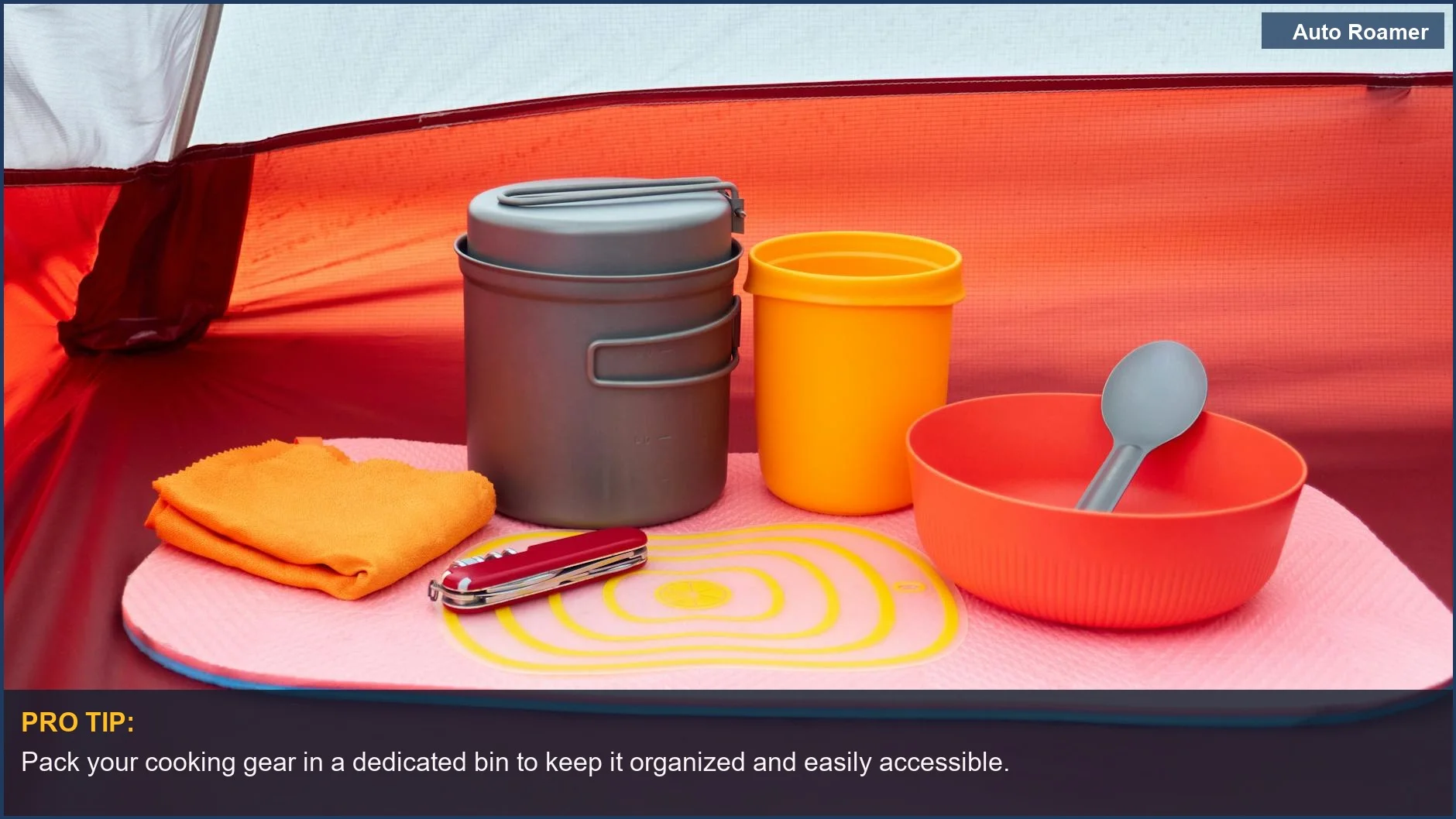
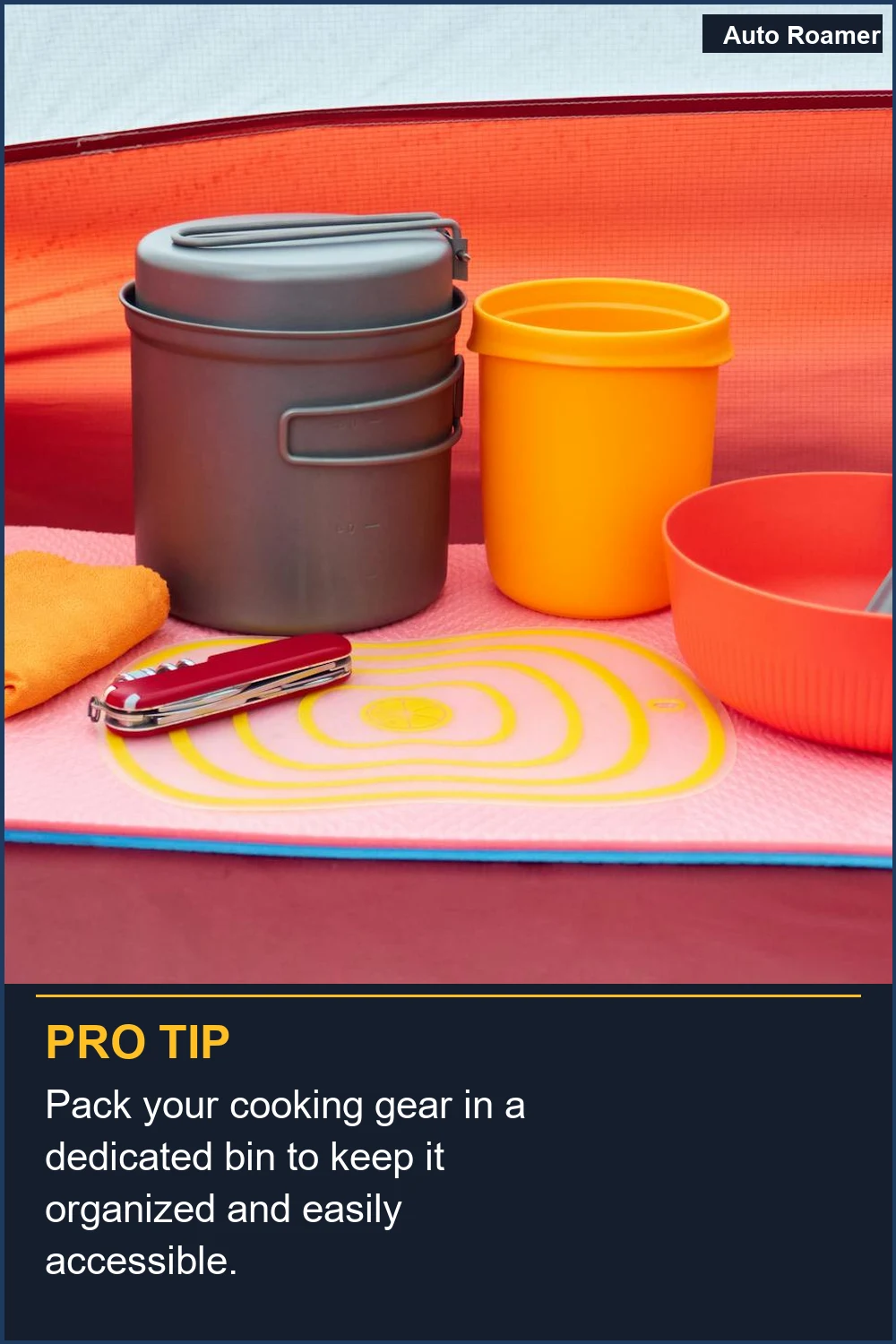
A well-organized camping cookware set is essential for your beginner camping checklist. Having all your utensils neatly arranged ensures meal prep is a breeze.
| Photo by Mykhailo Petrushchak
A well-organized camping cookware set is essential for your beginner camping checklist. Having all your utensils neatly arranged ensures meal prep is a breeze.
| Photo by Mykhailo Petrushchak
How to Handle This
1
Research your campsite and weather - Before you even think about packing, know where you're going and what to expect. Check the KOA blog for first-time camper advice on choosing a tent based on your site type (drive-up vs. hike-in). This prevents bringing a massive, heavy tent to a remote spot or a tiny one when you have ample space. Ignoring this means you might be stuck with inadequate shelter or lugging unnecessary weight. Check long-range forecasts for your specific location; a surprise blizzard in July at high elevation is a real possibility and dictates your entire clothing and shelter strategy.
2
Test your shelter and sleep system at home - Set up your tent in your backyard or living room before you leave. This is where you discover that missing stake, a tricky pole connection, or a small tear. A practice run, as recommended by KOA, ensures you aren't fumbling in the dark or rain trying to erect your home for the night. Skipping this means a frustrating, potentially cold, and buggy first night, especially if you arrive after dark. Make sure your sleeping bag is rated for the expected nighttime temperatures; even warm climates can get surprisingly chilly as Maddy Marquardt points out.
3
Pack water and food with a plan - Water is non-negotiable. The NPS states you need 2 liters per person per day, more in hot climates. Bring a large jug for camp use and refillable bottles. For food, think simple and non-perishable for your first trip. Pre-portioning meals saves time and reduces waste. Forgetting sufficient water or easily prepared food means dehydration, hunger, and a long, uncomfortable trip back to civilization. If you're car camping, a cooler with ice packs is a lifesaver for perishables.
4
Organize a "Go Bag" for essentials - This bag contains your immediate needs upon arrival and for quick access. Think headlamp (with extra batteries), first-aid kit, multi-tool, sunscreen (SPF 30 or greater), bug spray, and toilet paper. Minnesota DNR highlights a multi-tool for essential camp tasks. If you can't find your headlamp in the dark or your first-aid kit when needed, your trip can quickly turn into a stressful ordeal. This bag should be the last thing you pack but the first thing you can grab.
To enhance your winter car camping experience, familiarize yourself with essential gear in our guide on car camping essentials.
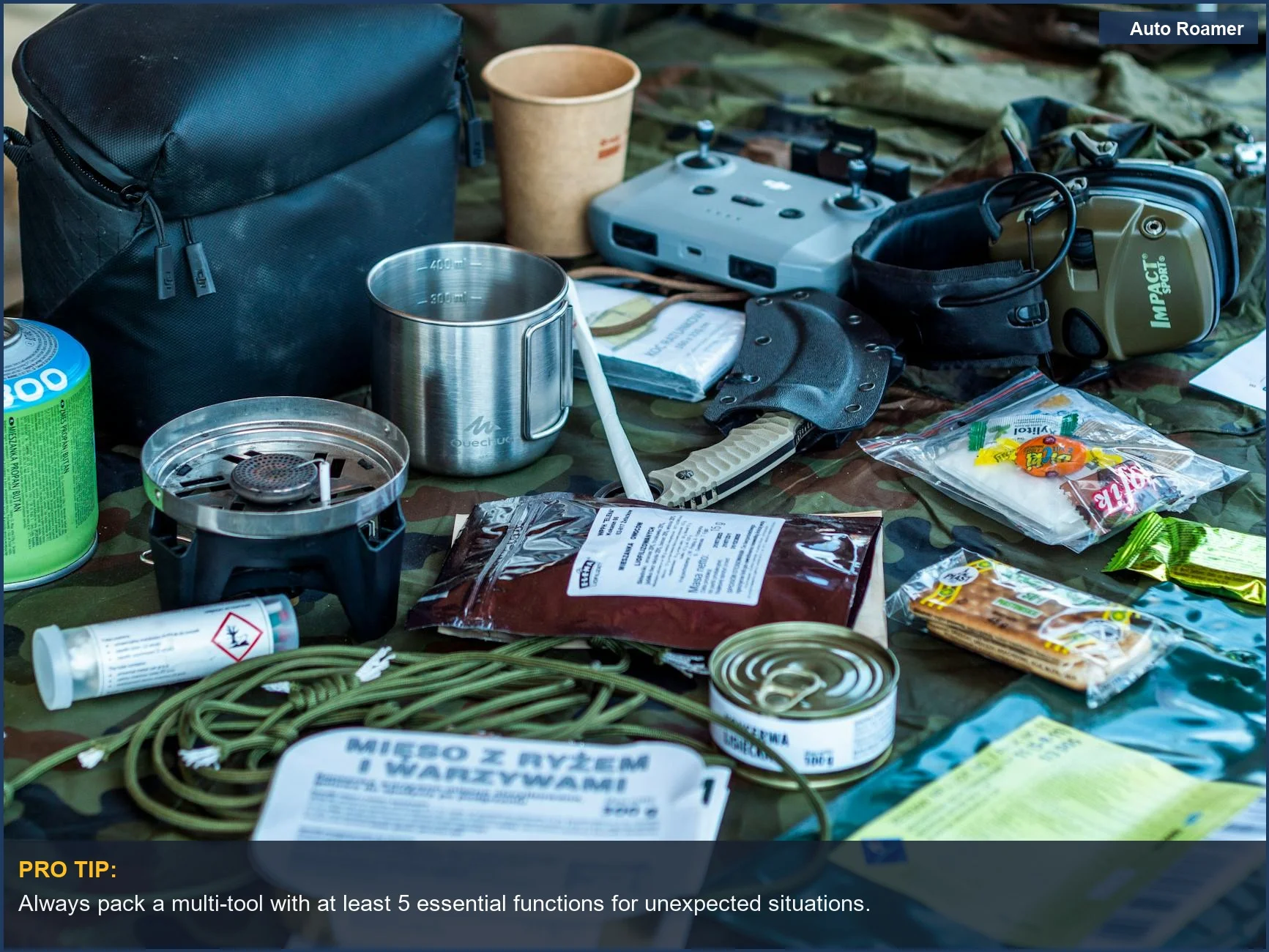
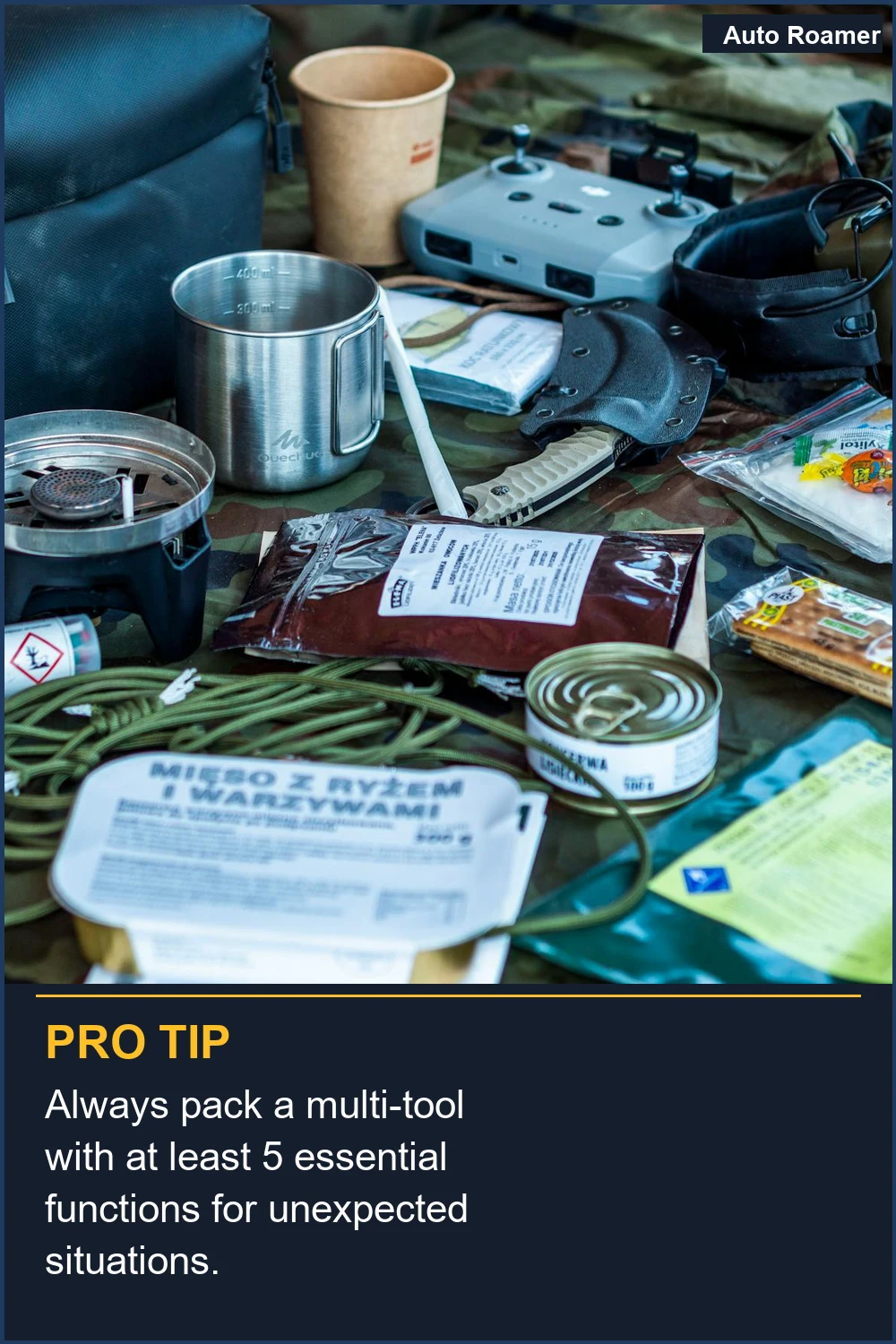
Gather all essential items for your camping checklist for beginners. This assortment covers food, tools, and gadgets, ensuring you're prepared for anything.
| Photo by SHOX ART
Gather all essential items for your camping checklist for beginners. This assortment covers food, tools, and gadgets, ensuring you're prepared for anything.
| Photo by SHOX ART
What This Looks Like in Practice
Summer Desert in a Honda Civic: We packed light for a weekend trip to Joshua Tree. The Civic handled the paved roads fine, but we underestimated how much sand would get everywhere. We had brought a basic tent, sleeping bags, and a cooler KOA, but the fine sand infiltrated the tent seams and sleeping bags. A simple tarp placed under the tent helped, but a more robust ground cloth or even a small broom and dustpan for inside the tent would have been invaluable for managing the grit MN DNR.
Fall Mountain Pass in a Subaru Outback: Our goal was a scenic drive and overnight camping near a mountain pass in Colorado. We had a decent tent, sleeping pads, and a portable stove Madeline Marquardt. The real issue arose when the temperature dropped significantly overnight. Our sleeping bags were rated for 30 degrees Fahrenheit, but we still felt a chill. We learned that nighttime temperatures can be much colder than predicted and that bringing an extra blanket or a warmer-rated sleeping bag is crucial, even for experienced campers REI.
Spring Forest Camping in a Minivan: We opted for a drive-up campsite in a state park for our first family outing. We had plenty of food and water, which was a lifesaver NPS. However, we forgot to pack adequate lighting beyond our phone flashlights, making setting up camp after dusk a challenge. A dedicated headlamp or lantern with spare batteries would have made a huge difference MN DNR. We also learned the importance of bringing a first-aid kit after a minor scrape Madeline Marquardt.
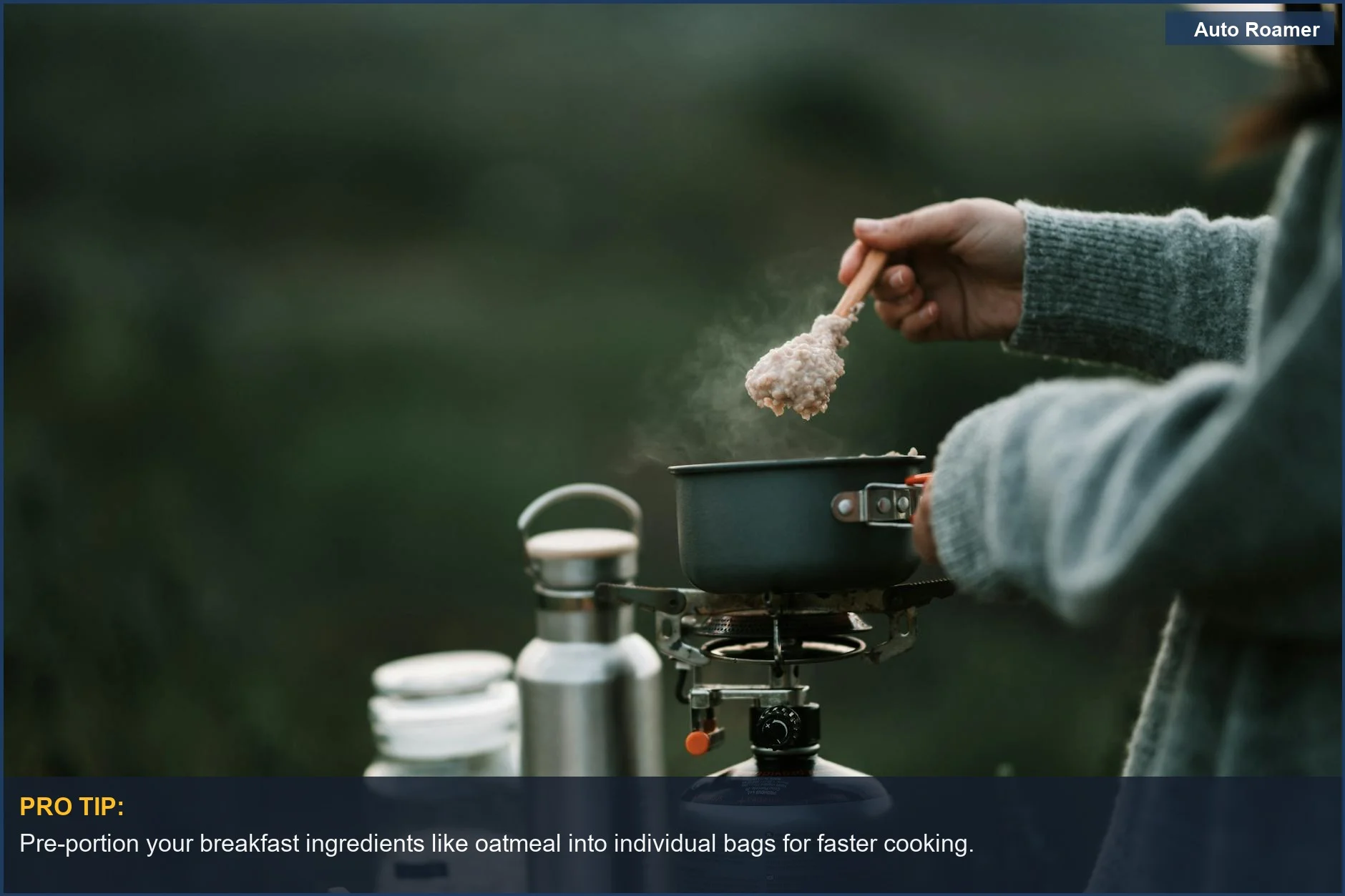
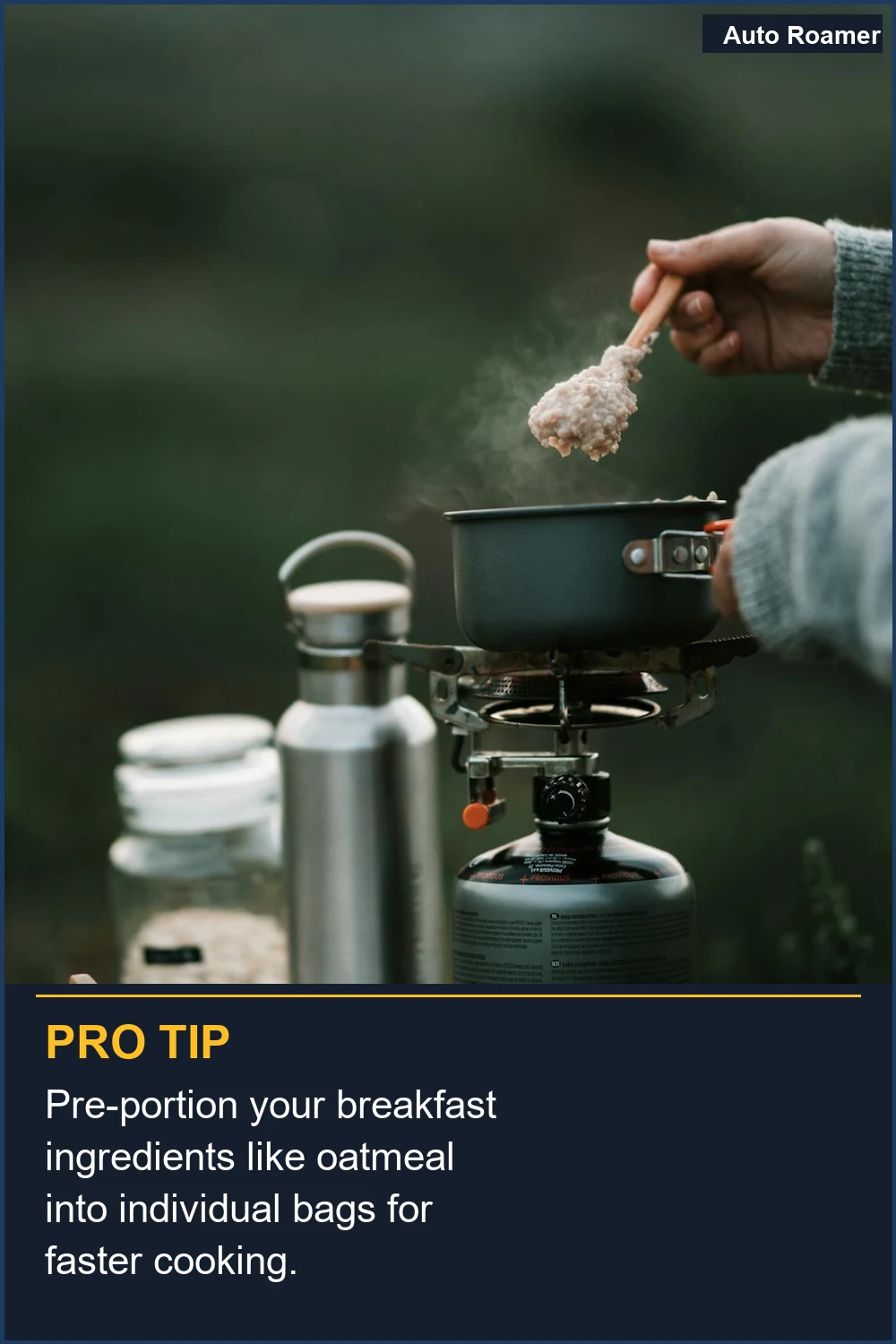
Fuel your adventures with a warm meal. Cooking steaming oatmeal on a portable stove is a simple yet satisfying part of any beginner camping checklist.
| Photo by Taryn Elliott
Fuel your adventures with a warm meal. Cooking steaming oatmeal on a portable stove is a simple yet satisfying part of any beginner camping checklist.
| Photo by Taryn Elliott
Mistakes That Cost People
Symptom Packing way too much stuff for a short trip.
Signal Your car is packed to the brim, and you still can't find things.
FixFocus on multi-use items and prioritize essentials. For a weekend trip, you likely don't need a full gourmet kitchen. REI suggests packing only what's necessary for the duration and activities planned.
Symptom Underestimating water needs, especially for cooking and cleaning.
Signal Constantly running out of potable water and resorting to less-than-ideal cleaning methods.
Fix The National Park Service recommends at least 2 liters of water per person per day, more in hot climates. Bring large, refillable jugs and consider a water filter if you'll be near a natural source. Don't forget a separate jug for handwashing and dishes.
Symptom Assuming your vehicle's standard tires are sufficient for all campground access roads.
Signal Getting stuck in mud or sand, or experiencing excessive tire wear on rough terrain.
Fix Many campgrounds, especially those with primitive sites, can have unpaved or challenging access roads. For older vehicles or those not equipped with all-terrain tires, consider bringing a spare tire with better tread or investing in a set of all-terrain tires if you plan frequent off-pavement excursions. Always check your vehicle's manual for load capacity and tire pressure recommendations for varied terrain.
Symptom Packing only one light source and no spare batteries.
Signal Complete darkness when your primary light fails, leaving you stranded and vulnerable.
Fix A headlamp is essential for hands-free operation, but always pack a backup flashlight or lantern, and critically, plenty of spare batteries. REI highlights the importance of reliable lighting. Think about what you'd do if your only light source died hours before sunrise.
Symptom Forgetting basic repair items for gear.
Signal A ripped tent fly, a broken camp chair, or a leaky air mattress becomes a trip-ruiner.
Fix Pack a small repair kit. This includes duct tape, a multi-tool or knife, and perhaps some cordage. Madeline Marquardt mentions a multi-tool and paracord as useful items. These simple items can save your trip from minor gear failures.
Prioritize shelter and sleep: Your tent, sleeping bag, and sleeping pad are non-negotiable. A good night's rest fuels your entire trip. For beginners, focus on ease of setup for your tent and a bag rated for the expected nighttime temperatures, even in warmer climates First-Time Camping List | Beginner Camping Gear.
The single most important thing:Preparation. A little foresight goes a long way. Pack smart, test your gear at home, and know your campsite's amenities before you go. This camping checklist for beginners is your roadmap to a successful first adventure.
To enhance your camping experience, it's important to follow fundamental camping etiquette rules while car camping.
Frequently Asked Questions
What are the absolute essentials I need for my very first camping trip?
For your first outing, focus on the core shelter and sleep system. You'll need a tent that's easy to set up, a sleeping bag rated for the expected nighttime temperatures (even warm places get cold at night), and a sleeping pad for insulation and comfort - don't skip this, it makes a huge difference. A headlamp or flashlight with extra batteries is also critical for navigating after dark.
Besides shelter and sleeping gear, what else is crucial for a beginner camper?
Water is paramount; plan for at least 2 liters per person per day, and bring a sturdy water jug for cooking and cleaning, along with refillable bottles. Don't forget a basic first-aid kit with essentials like bandages, antiseptic wipes, and any personal medications. Insect repellent and sunscreen are also non-negotiable, even on cloudy days.
What kind of cooking gear should I bring if I'm just starting out?
Keep it simple for your first few trips. A portable camp stove with its fuel is the easiest way to cook. Bring a pot or two, some basic utensils like a spatula and a spoon, and a lighter or fire starter. Plates, bowls, and cups can be reusable or sturdy disposables, and a cooler with ice packs will be essential for keeping perishable food fresh.
What about comfort items like chairs and tables?
While many campsites have picnic tables, bringing your own folding camp chairs makes a world of difference for relaxing around the fire or while cooking. A small, portable camp table can be handy for food prep if your site lacks one, but for initial trips, you might be able to manage without it if your campsite has a table.
What are some often-overlooked items that beginners should consider?
A multi-tool or a small toolkit with a hammer is surprisingly useful for tent stake adjustments or minor repairs. Trash bags are essential for packing out everything you pack in, leaving no trace. Also, consider baby or antibacterial wipes for quick cleanups when a full sink isn't available.