
How to Plan Your First Car Camping Trip (2026 Complete Guide)
My first car camping trip was a $47 experiment in a Honda Civic hatchback in Shenandoah Valley. Mid-October. I had a Walmart foam pad, a sleeping bag rated to 40F, and zero idea that the temperature drops 15 degrees after midnight in the mountains.
My first car camping trip was a $47 experiment in a Honda Civic hatchback in Shenandoah Valley. Mid-October. I had a Walmart foam pad, a sleeping bag rated to 40F, and zero idea that the temperature drops 15 degrees after midnight in the mountains. By 2AM I was wearing every piece of clothing in my bag and still shivering. The fix was a $12 fleece liner from Amazon that turned my 40F bag into a 25F bag.
Three years later I still use that same liner on every trip. Roadloft offers guides on making your vehicle a comfortable camper. This is the honest version of how to plan your first car camping trip, not the one written by someone who has never shivered through a night in a Subaru Outback. Reddit forums echo the common beginner's plea for practical advice.
The Short Answer
What nobody tells beginners: your car is already 90% of your camping setup. Forget the fancy roof tents or elaborate build-outs. You just need a place to lay down. My first setup cost me less than $50 for the essentials, not counting the gas to get there. Outside Online suggests car camping as the easiest entry point.
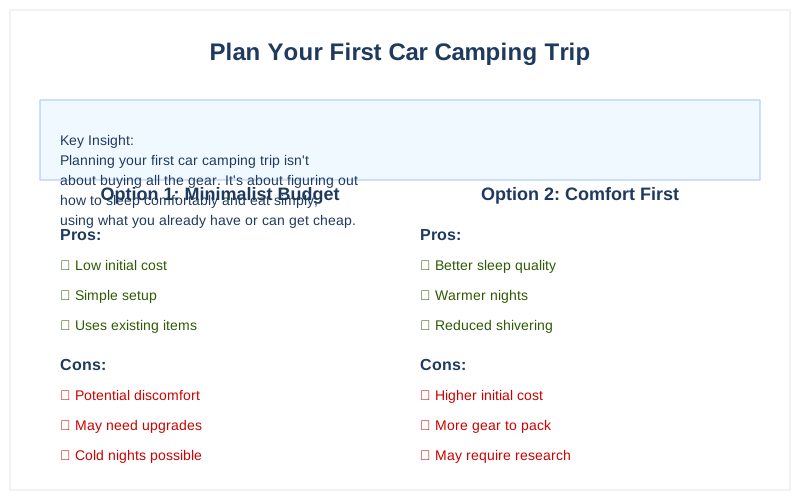
Your mental model for this: a mobile bedroom. You're not trying to recreate your home kitchen or living room. You're trying to get a decent night's sleep and not starve. Everything else is a bonus you figure out later. This keeps the gear list short and the overwhelm factor low.
The real move is understanding that comfort is relative. My first trip to Hipcamp sites in rural Pennsylvania taught me a lot. I thought I needed a camp stove. Turns out, a loaf of bread and peanut butter works just fine for a weekend. You can always upgrade later.
The why behind this minimalist approach is simple: less stuff means less to pack, less to forget, and less to go wrong. When you're new, every extra item is another point of failure. Keep it lean for your first few game-time experiences.
Think about the absolute necessities for one night outside. Shelter (your car), warmth (sleeping bag), sustenance (food/water), and light (headlamp). That's your core. Anything beyond that is a luxury for your first run. The $50 version beats the $500 version if it gets you out there.
The Reality Check
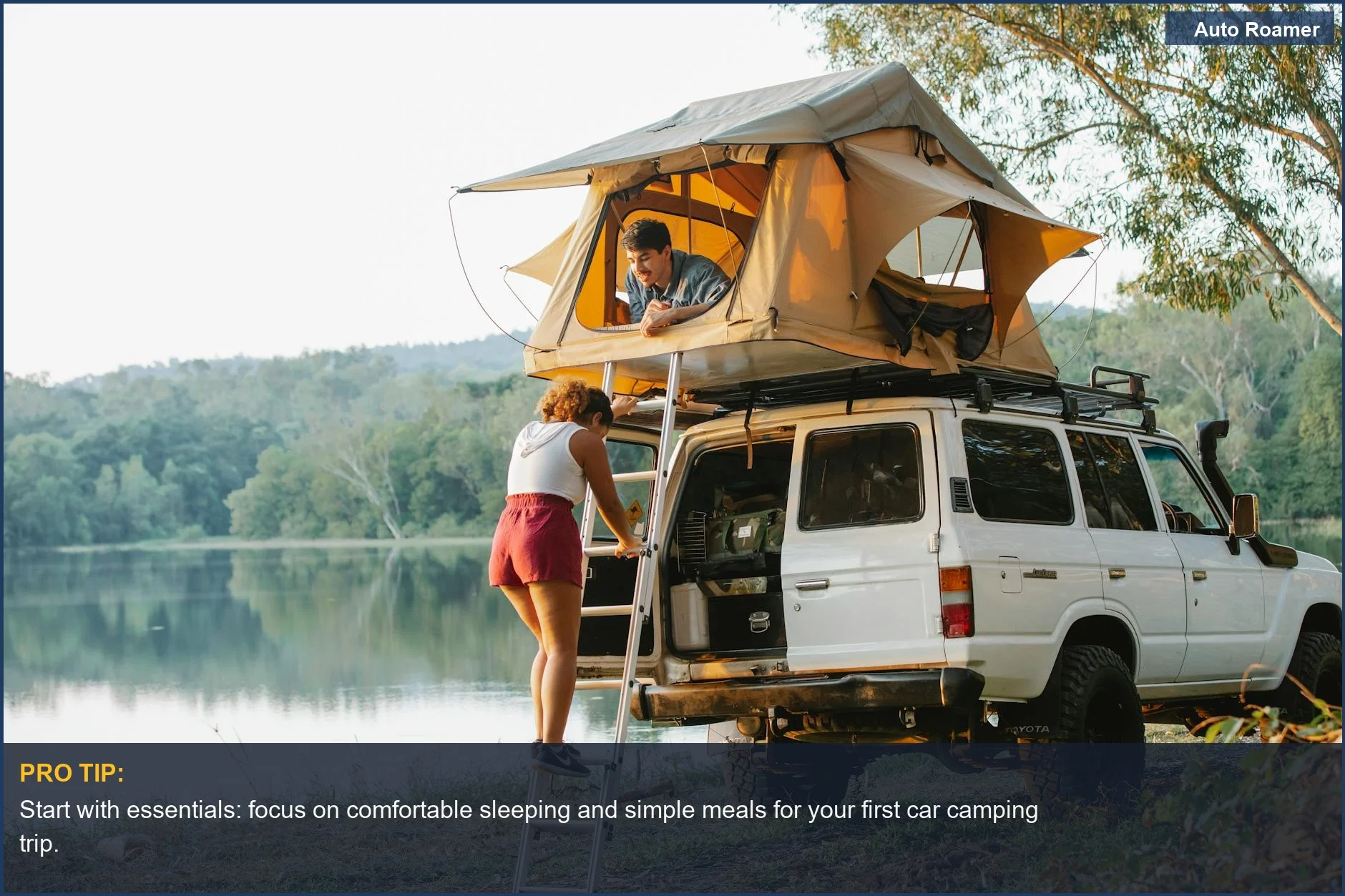
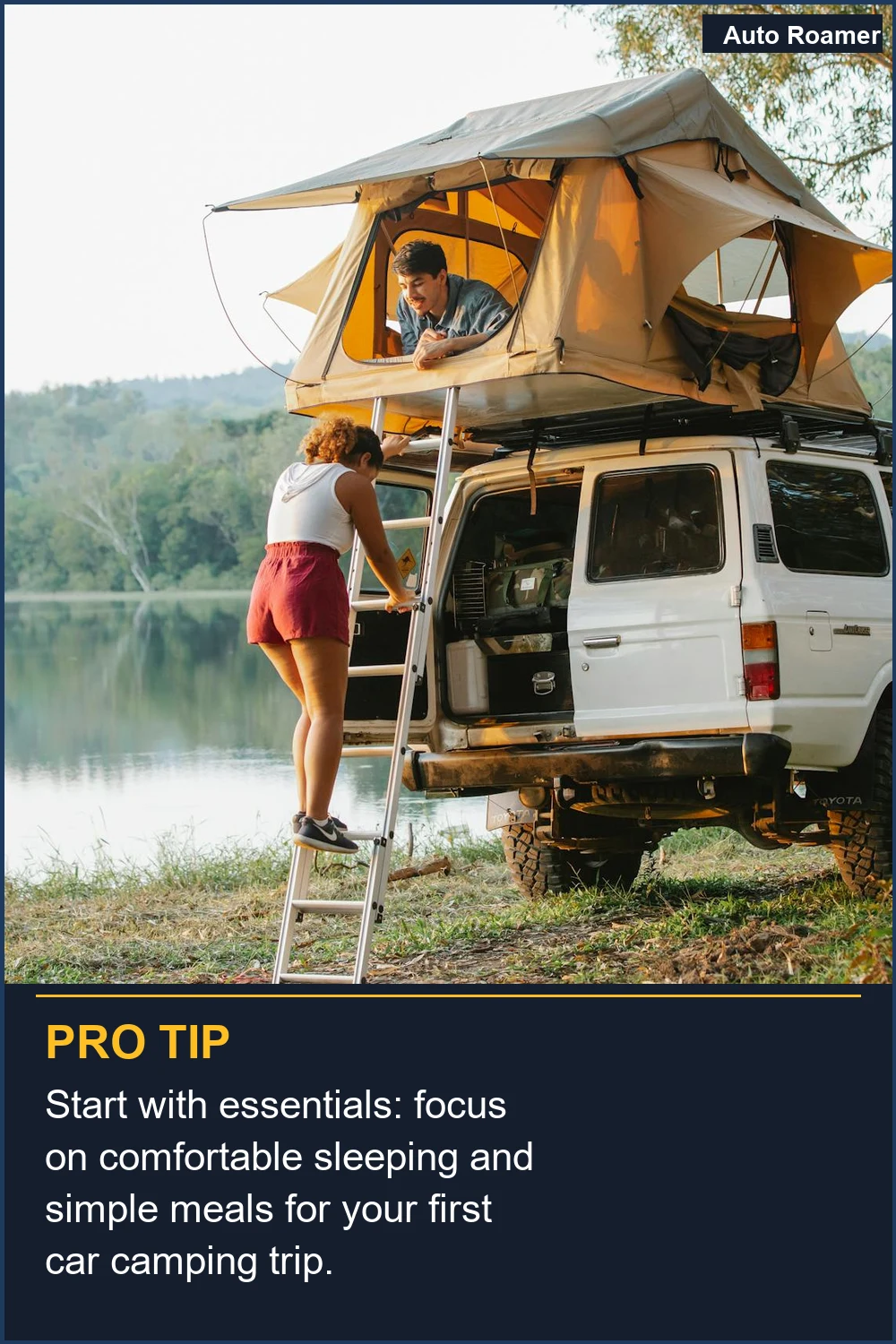
The foundation for any car camping trip is your vehicle. My beat-up 2007 Honda Civic hatchback worked for a solid year before I upgraded to a Subaru Outback. Both had their quirks. You're looking for flat space and security. Outdoor Tech Lab highlights car camping as the best for beginners due to vehicle proximity.
Minivans like a Toyota Sienna offer a huge flat floor once seats are removed, making them prime real estate for a mattress. SUVs like my Outback or a Toyota RAV4 are versatile but often require more creative packing to get a truly flat surface. Pickups with a camper shell are practically tiny homes. Roadloft details various vehicle types and their advantages.
My biggest rookie mistake was assuming my car's battery would last through a night of charging my phone and running the interior light. It died at a state park in North Carolina, leaving me stranded for 4 hours until someone with jumper cables showed up. Learn your car's locking dynamics too. Facebook groups share stories of learning the hard way.
Here's a quick look at common car camping components and how they can go wrong:
| Component | How It Fails | Symptoms | Fix Cost |
| Vehicle Battery | Drained by accessories overnight | Car won't start, lights dim | $0 (jumpstart) to $150 (new battery) |
| Sleeping Pad | Punctured, deflates slowly | Waking up on hard floor | $10 (patch kit) to $70 (new foam pad) |
| Sleeping Bag | Not warm enough for conditions | Shivering all night | $12 (fleece liner) to $100 (warmer bag) |
| Cooler | Ice melts too fast, leaks | Warm food, wet trunk | $5 (extra ice) to $200 (rotomolded cooler) |
That $12 fleece liner was a game-changer. It's a cheap upgrade that significantly extends the usability of a basic sleeping bag. Don't underestimate the power of layering, both for yourself and your sleep system.
Another thing to consider is privacy. Reflectix cut to fit your windows can be a $30 solution for both privacy and insulation. It's not pretty, but it blocks light and heat/cold. Way cheaper than custom window covers and equally effective for a beginner.
How to Handle This
-
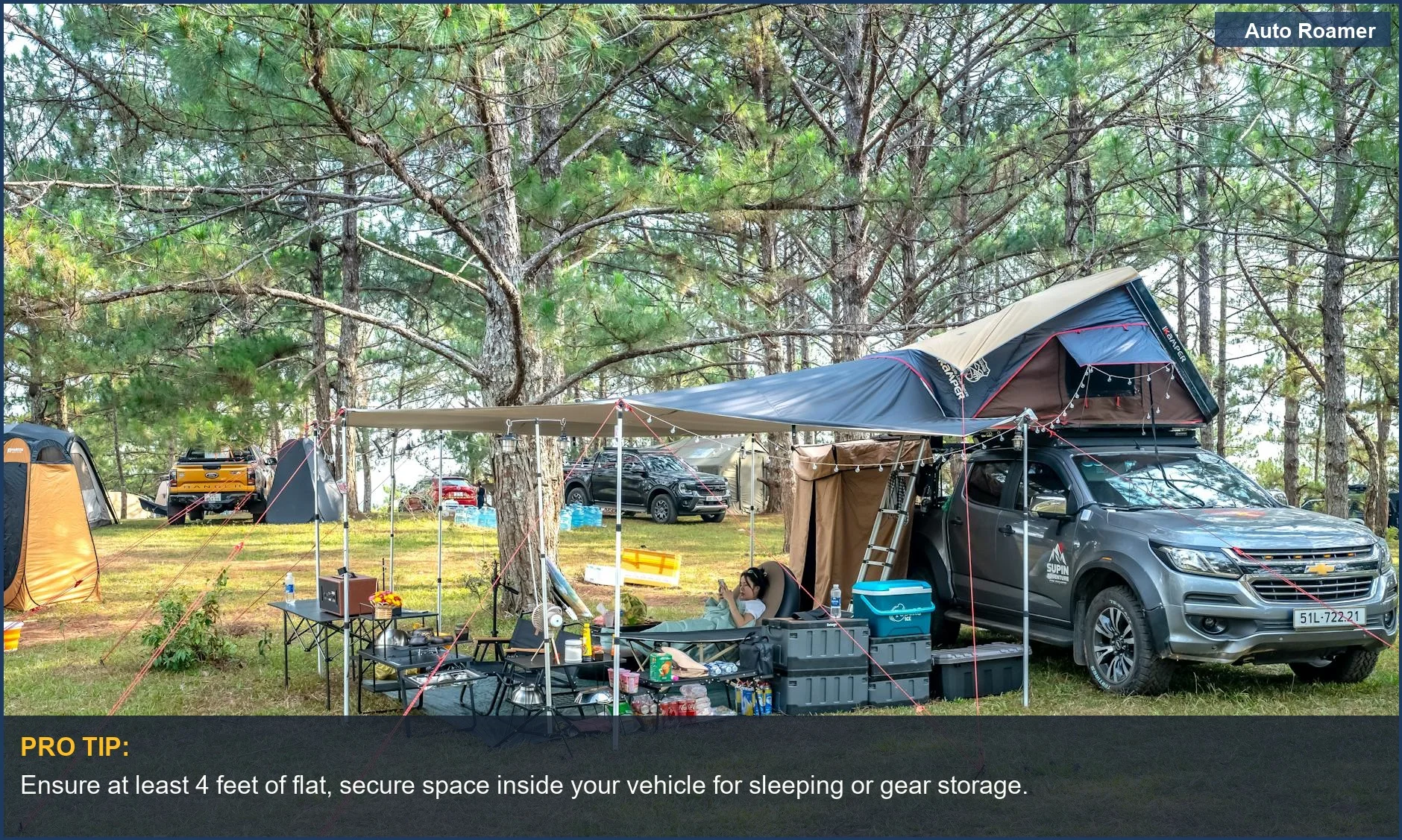
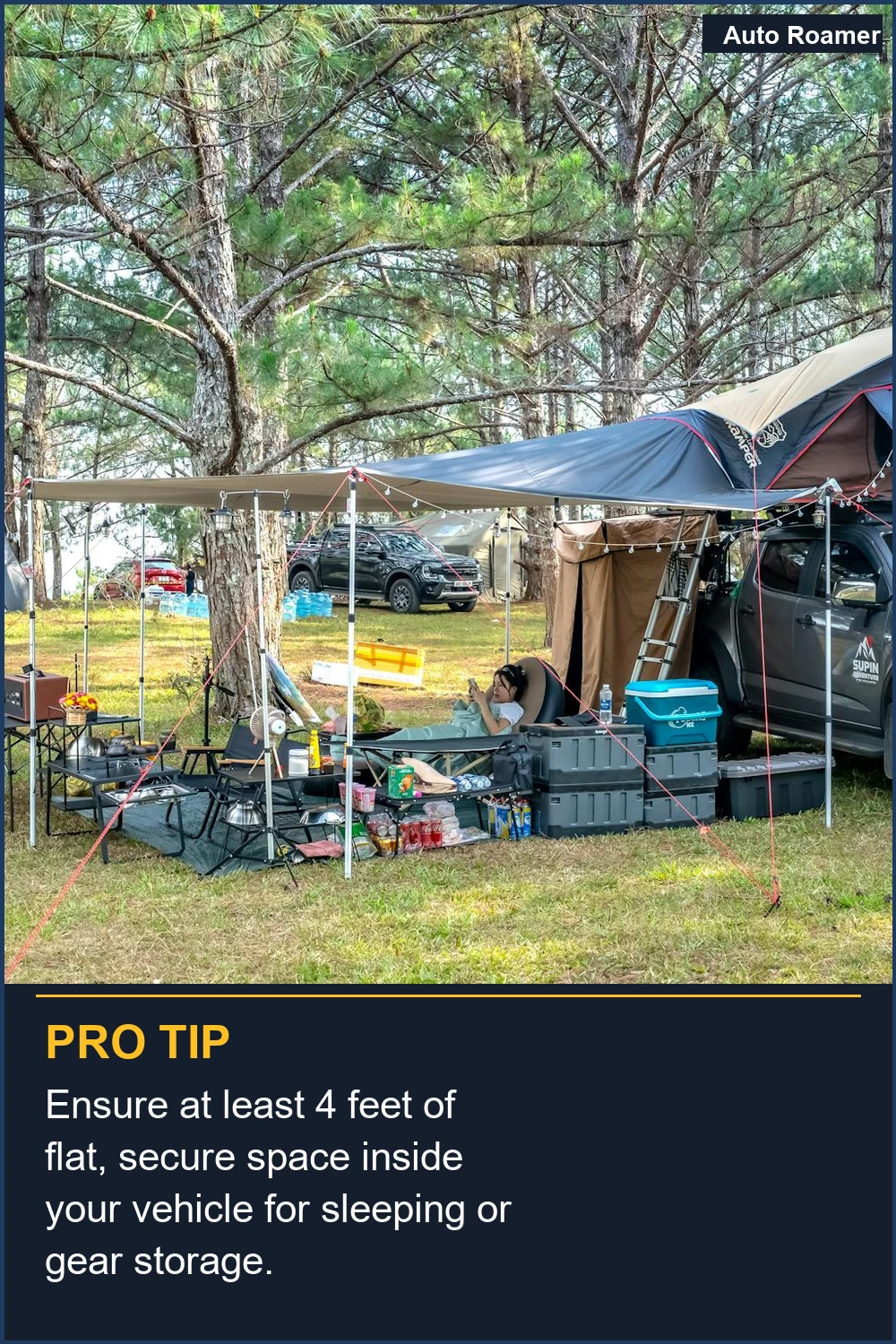
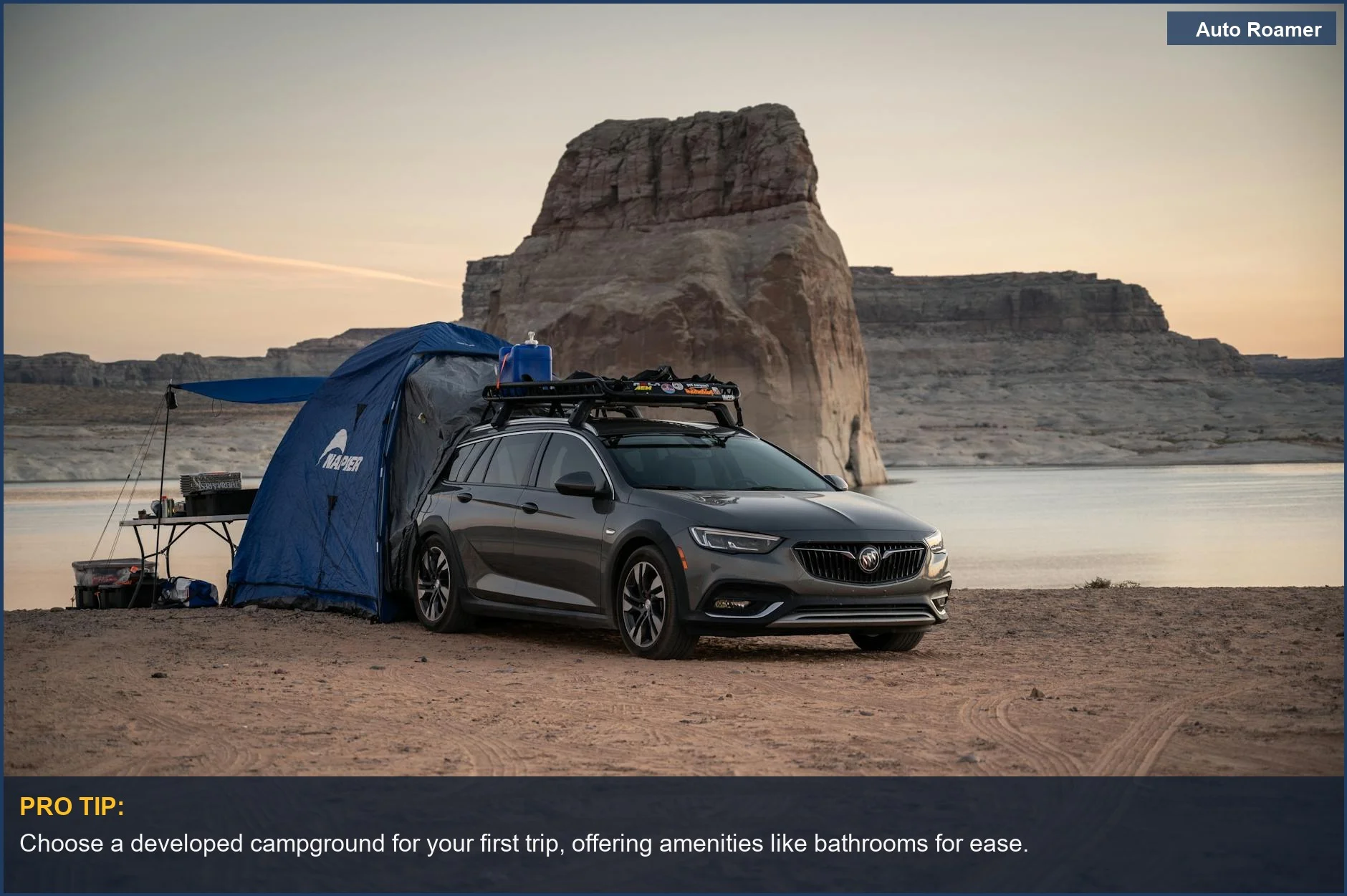
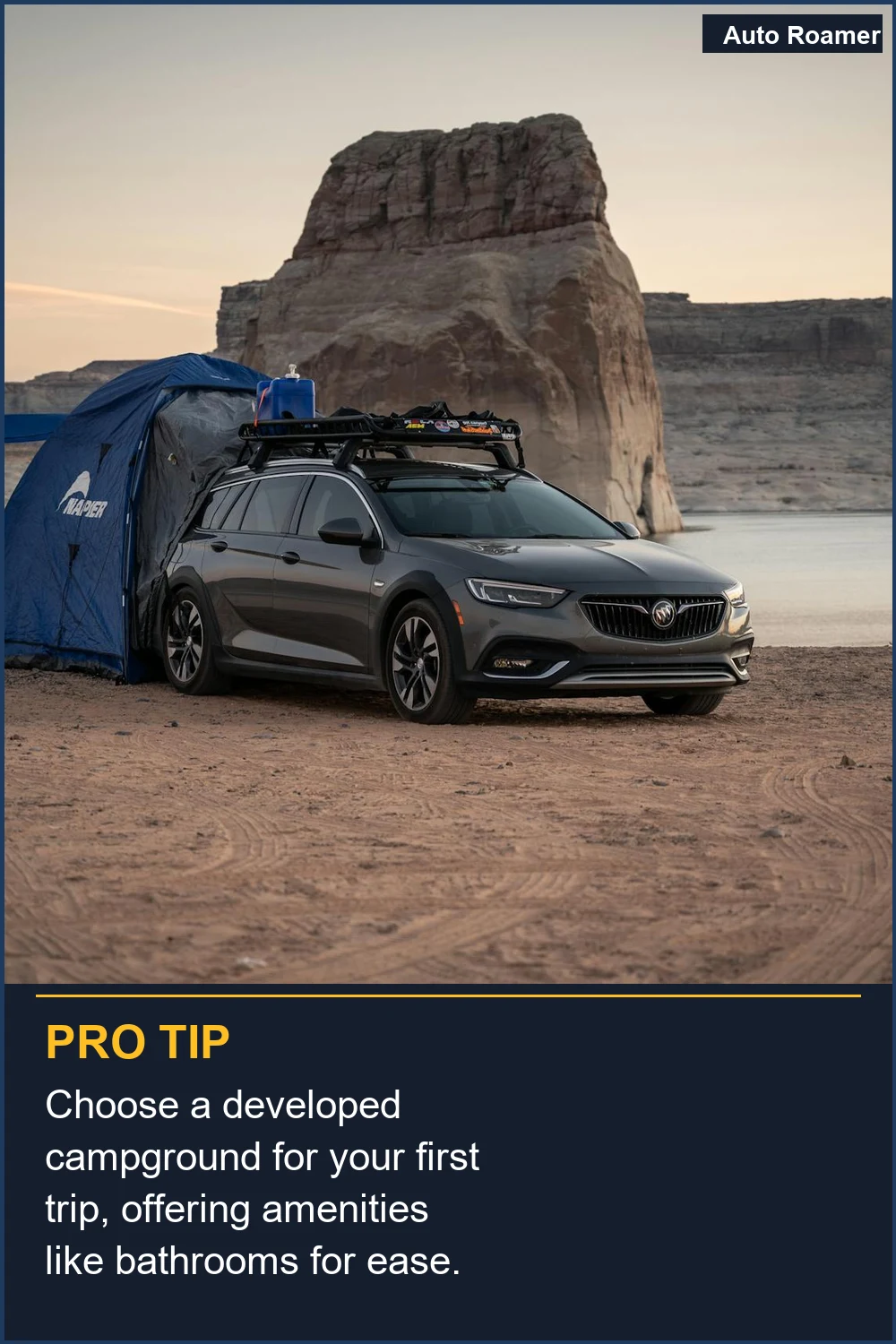
Pick Your First Campsite Wisely: For your absolute first trip, choose a developed campground. These have bathrooms, sometimes showers, and designated spots. This removes a lot of the 'what if' factor. My first paid site was $25 at a state park. Renee Roaming emphasizes starting with easy setups.
-
Test Your Sleep Setup at Home: Before you hit the road, throw your sleeping pad and bag in your car and lie down. Do your feet hit the back window? Is it comfortable? I learned my 6-foot-tall frame barely fit in my Civic after an hour of trying to sleep in it in my driveway.
-
Pack Only the Essentials (Seriously): Get your sleeping system, water, simple food that doesn't need cooking (sandwiches, fruit, granola bars), a headlamp, and a first-aid kit. Leave the camp stove and folding chairs at home for the first run. My second trip had half the gear and was twice as comfortable. This YouTube video reinforces the beginner's need for simplicity.
-
Manage Your Car's Battery: Unplug everything before you go to sleep. Do not charge your phone overnight from the car's USB port unless your car has a dedicated accessory battery or you have a portable power bank. My 2AM dead battery incident taught me this lesson hard.
-
Level Your Vehicle (the easy way): Park nose-slightly-uphill so your head is higher than your feet. You do not need a bubble level. You need to not wake up with a headache from blood pooling in your skull. This is the real move, not some complicated leveling system.
-
Arrive Before Dark: Setting up in the dark is a recipe for frustration and forgetting things. Aim to get to your campsite with at least an hour of daylight left. My first late arrival at a site in the Adirondacks meant fumbling with tent poles (pre-car camping days) for 43 minutes in pitch black.
-
Plan for Bathroom Breaks: Know where the nearest facilities are. If you're boondocking, have a plan for human waste. A small shovel and knowing Leave No Trace principles is crucial. Don't be that person.
What This Looks Like in Practice
Scenario 1: Unexpected Cold Snap
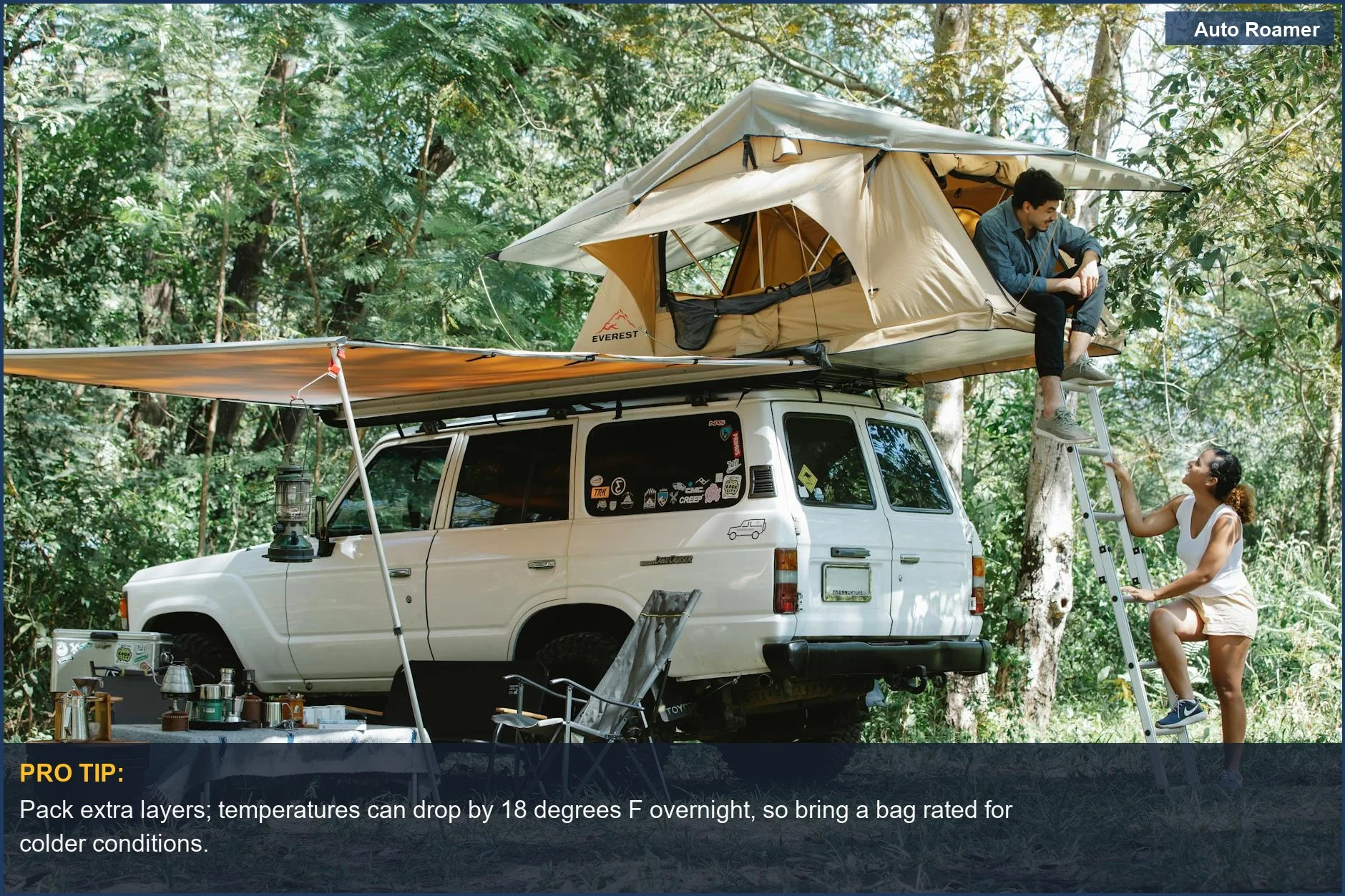
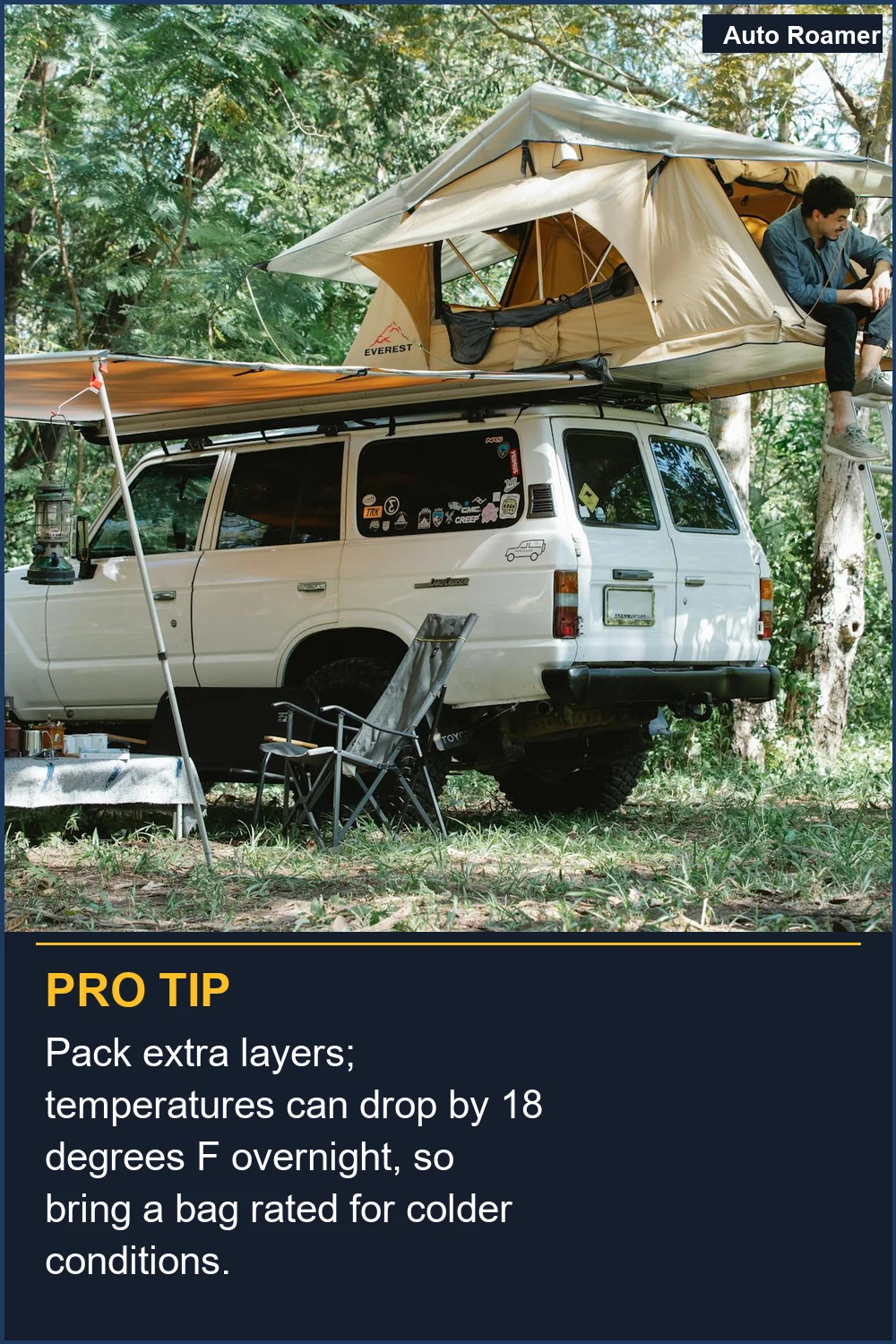
I was car camping in a Subaru Outback at a primitive campsite in George Washington National Forest in April. Forecast said 50 degrees F, but it dropped to 32 degrees F overnight. My 40F bag wasn't enough. I ended up putting on my rain jacket, all my socks, and my fleece liner. The fix was layering everything I owned. The game-time decision saved me from hypothermia. My lesson: always pack for 10-15 degrees F colder than predicted.
Scenario 2: The "No Signal" Zone
Driving through rural West Virginia, relying on Google Maps. Lost signal for 3 hours. My downloaded offline maps saved me from driving in circles for another 2 hours. Always download your maps for the area you're heading to. Budgeting for navigation tools is important.
Scenario 3: The Cooler Catastrophe
My cheap $20 cooler from Target leaked all over the back of my Honda Civic on a trip to Assateague Island, Maryland. Soggy sleeping bag, ruined snacks. The honest version: invest in a decent cooler or use dry bags for anything you don't want wet. It cost me $60 for a new entry-level Igloo that didn't leak.
Scenario 4: The Overpacker's Regret
I packed for my first 3-day camping trip like I was moving apartments. Cooler, camp stove, folding table, lantern, tarp, extra tarp, backup tarp. My trunk was so full I could not see out the rear window. The real move: you need a sleeping setup, water, food that does not need cooking, and a headlamp. Everything else is optional until you figure out what you actually use. My second trip had half the gear and was twice as comfortable.
Festivalgoers on Facebook often share similar stories of overpacking.
Scenario 5: The Unforeseen Rainstorm
I was at a campsite in Vermont, planning to cook outside. A sudden downpour hit at 5 PM. No tarp for shelter. Ended up eating cold sandwiches in the car. The fix: A cheap $15 tarp and some rope can create a quick shelter over your cooking area. It's not glamorous, but it keeps you dry.
Mistakes That Cost People
1. Underestimating Temperature Drops: My first car camping trip was a $47 experiment in a Honda Civic hatchback in Shenandoah Valley. Mid-October. I had a Walmart foam pad, a sleeping bag rated to 40F, and zero idea that the temperature drops 15 degrees after midnight in the mountains. By 2AM I was wearing every piece of clothing in my bag and still shivering.
The fix was a $12 fleece liner from Amazon that turned my 40F bag into a 25F bag. Three years later I still use that same liner on every trip.
2. Over-reliance on Phone for Navigation: I spent 45 minutes driving in circles in a national forest in Virginia because I lost cell signal and hadn't downloaded offline maps. Rookie mistake. Always download your maps before you leave home. Madeline Marquardt's guide emphasizes route planning.
3. Forgetting a Headlamp (or extra batteries): Trying to find your toothbrush in the dark with your phone flashlight is a pain. Trying to pee in the woods with your phone flashlight is a disaster. A $10 headlamp from Walmart is a game-changer. My first night, I dropped my phone in a puddle. Brilliant engineering.
4. Not Testing Your Sleep Setup First: I thought my sleeping pad was comfortable until I tried to sleep on it in my car for a full night. Turns out, the back of my Civic had a weird hump. Testing at home for 20 minutes would have saved me a sore back. REI's expert advice includes testing your setup.
5. Draining Your Car Battery: Running interior lights or charging devices overnight without a separate power source is a classic. My car wouldn't start at a remote trailhead. Luckily, a friendly hiker had jumper cables. The fix: a $100 portable jump starter or a dedicated power bank.
6. Neglecting Privacy and Light Control: Waking up at sunrise because your windows let in all the light is not fun. Trying to change clothes with people walking by is worse. Cut Reflectix insulation to fit your windows. It's a $30 solution for privacy and basic insulation. The honest version: it looks sketchy but works.
Key Takeaways
-
Start small and simple: Your first car camping trip is about learning, not luxury. My first trip was a $47 experiment, and it taught me more than any gear guide ever could. Roadloft encourages simplicity for beginners.
-
Prioritize sleep and warmth: A comfortable sleeping setup is non-negotiable. My $12 fleece liner was the best investment I made. Cold nights ruin trips faster than anything else. REI's tips emphasize comfort for sleeping in your car.
-
Food doesn't need to be fancy: Pack simple, no-cook meals for your first few outings. Sandwiches, fruit, granola bars. Save the gourmet camp cooking for when you're more experienced. Reddit discussions often highlight simple food solutions.
-
Battery management is critical: Don't drain your car battery. Unplug devices, or invest in a portable power bank. Getting stranded sucks. My 2AM dead battery taught me this hard lesson.
-
Embrace trial and error: Every trip is a chance to learn what works for you. Don't be afraid to make mistakes; that's how you figure out your personal game-time strategy. This is the real move for long-term car camping success.
Frequently Asked Questions
Should I buy a cheap $50 air mattress or just use a foam pad for my first trip? What's the real cost difference if it fails?
Do I really need to measure my car's interior dimensions before buying a sleeping pad?
What if I park nose-slightly-uphill and I still wake up with a headache?
Can repeatedly draining my car battery by charging devices permanently damage it?
Everyone says I need a portable camp stove. Is that actually true for my first trip?
Sources
- Preparing for my First Car Camping Trip | by Rin en Route
- Ultimate Guide to Solo Car Camping (Packing & Route Planning)
- Preparing for my first car camping trip : r/carcamping - Reddit
- Car camping tips for beginners? - Facebook
- How to Plan Your First Car Camping Trip - Plan With Me
- outdoortechlab.com
- Car Camping Basics: How To Plan Your First Car Camping Trip
- How to Plan Your First Car Camping Trip
- facebook.com
- How to Car Camp: The Ultimate 2026 Guide for Car Vanlife - Roadloft
- Car Camping: Tips for Sleeping in Your Car | REI Expert Advice
- First Time Considering Car Camping, Please Help!